洞见

Search documents
比贫穷更可怕的,是“内耗型家人”
洞见· 2025-07-27 10:03
Core Viewpoint - The article emphasizes that internal conflicts within a family are a fundamental cause of poverty, rather than external economic difficulties [7]. Group 1: Personality Types Impacting Family Dynamics - "Hedgehog Personality": Individuals who are overly critical and complain, leading to a toxic family environment that can destroy relationships [22][24]. - "Crab Personality": People who discourage their partners from growing, creating a negative atmosphere that stifles personal development [32][34]. - "Mask Personality": Individuals who present a pleasant facade to the outside world but are abusive or neglectful at home, causing emotional harm to family members [37][39]. Group 2: Consequences of Negative Family Interactions - Constant criticism and blame can lead to a breakdown of family relationships, as seen in the example of a family torn apart by a mother's harshness [20][21]. - The "Crab Effect" illustrates how one partner's lack of ambition can drag down the other, leading to a cycle of negativity [32][34]. - The article warns against revisiting past grievances, as it can create new wounds and further distance family members from each other [47][48]. Group 3: Importance of Family Harmony - A harmonious family environment is essential for prosperity, as highlighted by historical examples of families that thrived due to unity and cooperation [50][51]. - The article concludes that a family's fortune is determined by the relationships and interactions among its members, stressing the need for mutual support and understanding [49][52].


为什么高考700分以上的学霸,都爱把闹钟定在早上5:57?答案令人深思
洞见· 2025-07-27 10:03
Core Viewpoint - The article emphasizes the importance of early rising as a key habit for academic success, highlighting that disciplined routines lead to better performance in studies and life overall [5][12][28]. Group 1: Importance of Early Rising - High achievers often attribute their success to the habit of waking up early, which allows them to maximize their productivity and learning time [12][26]. - Scientific studies indicate that the brain's efficiency in memory and learning is significantly higher in the early morning hours, with a 27% increase in memory efficiency during peak cortisol secretion times [19][20]. - Successful individuals, including students and professionals, often maintain early rising habits, with 99% of self-made successful people reported to have this routine [38][40]. Group 2: Case Studies of Successful Students - The article presents examples of students like Dai Yizan and Liu Rui, who achieved high scores in exams due to their early rising habits and structured study routines [4][17]. - Liu Rui specifically mentions the "golden hour" of morning study, where she maximizes her learning efficiency by utilizing the early morning for memorization [18]. - The structured daily schedules of high-performing students, such as those from Hengshui High School, illustrate the effectiveness of early rising combined with disciplined study habits [22][25]. Group 3: Strategies for Developing Early Rising Habits - Parents are encouraged to help their children establish regular sleep schedules and avoid late-night activities to ensure adequate rest [59][60]. - Gradual adjustments to waking times are recommended to prevent resistance and ensure a smooth transition to early rising [65][66]. - Engaging in morning activities together as a family can reinforce the habit of waking up early and strengthen parent-child relationships [69][72].
这只身价才60多块的包,竟然让同事误以为我迈进了“贵妇圈”…
洞见· 2025-07-27 10:03
Core Viewpoint - The article emphasizes the rising popularity and practicality of backpacks, particularly the JACOPONNUS waterproof backpack, which combines style and functionality for various daily activities and travel needs [19][40][126]. Group 1: Product Features - The JACOPONNUS backpack has a large capacity and is designed for efficient organization with multiple compartments, making it easy to find items [51][55]. - It is made from durable, water-resistant Oxford cloth, which is easy to clean and maintain, providing protection against light rain [75][84]. - The backpack is lightweight, weighing approximately 400g, and is designed to distribute weight evenly, reducing shoulder strain during use [32][113]. Group 2: Versatility and Use Cases - The backpack is suitable for various scenarios, including commuting, traveling, and outdoor activities, making it a versatile choice for different lifestyles [30][40][139]. - It can accommodate a wide range of items, from work essentials to personal belongings, making it ideal for busy individuals [23][26]. - The design is unisex and stylish, appealing to both men and women, and suitable for casual and semi-formal occasions [136][140]. Group 3: Pricing and Value - The backpack is priced at 69 yuan, offering a cost-effective alternative to more expensive brands without compromising on quality [47][140]. - The article highlights the value of the product, suggesting that consumers can save significantly by choosing this backpack over higher-priced options with similar features [44][140].

面对人性最好的方式:一手烧香,一手拿枪
洞见· 2025-07-27 10:03
Core Viewpoint - The article emphasizes the complexity of human nature and the necessity of balancing kindness with self-protection in interpersonal relationships [10][11][45][76]. Group 1: Understanding Human Nature - The story of a merchant and a robber illustrates the duality of human nature, where compassion can coexist with the need for self-defense [9][10]. - The merchant's decision to save the robber while injuring him reflects the understanding that kindness must be tempered with caution [9][10]. - The narrative suggests that recognizing the flaws in human nature can lead to a more peaceful coexistence, advocating for a mindset that embraces understanding rather than conflict [14][28]. Group 2: The Importance of Kindness - Acts of kindness, such as the merchant's generosity towards a struggling family, highlight the power of compassion in fostering community [27][40]. - The example of Huang Wanlu, who maintained her composure and kindness despite being wronged, demonstrates that a generous spirit can lead to unexpected rewards [39][40]. - The article posits that true strength lies in the ability to forgive and accept others, which ultimately leads to personal freedom and broader opportunities [41][42]. Group 3: The Need for Self-Protection - The narrative stresses that while kindness is important, individuals must also be vigilant and assertive to protect themselves from exploitation [45][58]. - The story of a friend who learned to stand up against entitled relatives illustrates the necessity of setting boundaries to prevent being taken advantage of [50][56]. - The article concludes that a balance of compassion and assertiveness is essential for navigating the complexities of human interactions [75][76].

成为强者的第一步:走出怨妇叙事
洞见· 2025-07-26 11:38
Core Viewpoint - The article emphasizes the importance of self-reflection and personal accountability in overcoming life's challenges and achieving success, suggesting that a victim mentality hinders progress and growth [3][5][23]. Group 1: Personal Accountability - Individuals who habitually see themselves as victims and complain often find it difficult to escape from lower socioeconomic status [5][9]. - The story of Zhang Jinsheng illustrates how a negative mindset can lead to failure, as he blamed external circumstances for his lack of success and ultimately lost his job [3][5]. - The contrasting stories of two brothers in Wenzhou highlight that a proactive attitude can lead to success, while a defeatist mindset can result in stagnation and loss [5][9]. Group 2: Attitude Towards Challenges - The article references "The Harvard Mindset Course," which states that a positive attitude can provide continuous energy and motivation to face life's difficulties [7]. - The character Shuihua from the drama "Mountains and Seas" exemplifies a proactive approach to adversity, focusing on solutions rather than complaints [8][9]. - A personal anecdote from a film industry veteran illustrates that maintaining a constructive attitude in challenging situations can lead to personal growth and improved outcomes [10][11]. Group 3: Self-Reflection and Improvement - The article discusses the importance of self-reflection, citing the example of John Wanamaker, who took responsibility for his employees' shortcomings rather than blaming them [13][16]. - The story of insurance salesman Hara Ippin demonstrates that recognizing personal flaws and seeking feedback can lead to significant improvement and success [19][20]. - The article concludes that true strength lies in looking inward for solutions rather than focusing on external factors, reinforcing the idea that self-examination is essential for personal development [21][23].

DeepSeek建议:这个暑假,让孩子长脑子最快的方式,是做这9件事
洞见· 2025-07-26 11:38
Core Viewpoint - The article emphasizes the importance of brain health in children and provides nine methods to enhance cognitive development, counteracting the negative effects of excessive screen time and low-quality content exposure [3][5][105]. Group 1: Importance of Physical Activity - Physical exercise is crucial for brain development, as it promotes the secretion of brain-derived neurotrophic factor, enhancing cognitive functions [9][10]. - Suggested activities include morning runs, playing ball games after meals, stretching before bed, and cycling in the neighborhood [13][14][18]. Group 2: Nutritional Needs - The brain consumes about 25% of the body's energy, making proper nutrition essential for cognitive function [21]. - Recommendations include a balanced breakfast, diverse lunch, quality protein for dinner, avoiding trans fats, and consuming Omega-3 rich foods [25][26][29]. Group 3: Importance of Sleep - Adequate sleep is vital for brain detoxification and function; poor sleep can lead to cognitive decline [32][34]. - Tips for better sleep include setting a family bedtime, avoiding screens in the bedroom, and creating a conducive sleep environment [36][40]. Group 4: Managing Screen Time - Parents should actively manage children's screen time to prevent addiction and promote healthier habits [45][46]. - Suggestions include setting rules for phone use, engaging children in meaningful activities, and reducing exposure to social media [47][49]. Group 5: Emotional Well-being - Negative emotions can lead to cognitive impairment, while positive emotions enhance memory and brain sensitivity [54][56]. - Parents are encouraged to adopt a supportive approach, focusing on acceptance, trust, encouragement, empathy, guidance, and patience [58][62]. Group 6: Reading and Learning - Reading is likened to nourishment for the brain, enhancing cognitive connections and knowledge acquisition [66][68]. - Recommended reading materials span various genres, including literature, science, and emotional intelligence [72][76]. Group 7: Engaging with Documentaries - Documentaries can provide children with insights and knowledge that traditional education may not offer [74][76]. - A list of recommended documentaries is provided to broaden children's perspectives and understanding of life [78][84]. Group 8: Discovering Interests - Engaging in hobbies can lead to a state of flow, enhancing focus and enjoyment [88][90]. - Suggestions for activities include music, art, crafts, baking, programming, and writing [90][94]. Group 9: Social Interaction through Games - Interactive games promote brain development through social engagement, as opposed to solitary screen time [97][99]. - Recommended games include team sports, intellectual challenges, creative collaborations, and scientific experiments [100][104].

重庆最心酸地铁真实画面流出,看完我不再抱怨当个牛马
洞见· 2025-07-26 11:38
洞见 ( DJ00123987 ) —— 不一样的观点,不一样的故事, 3000 万人订阅的微信大号。点击标题下蓝字 " 洞见 " 关注,我们将为您提供有价值、有意 思的延伸阅读。 别怕,有我在。 ♬ 点上方播放按钮可收听洞见主播韩丹朗读音频 山城重庆有一条特殊的地铁。 在这条地铁上,比白领的公文包更常见的是菜农们的背篓。 早上六点左右,大多数人还在梦乡的时候,4号线石船站站门口已经挤满了来赶首班车的菜农。 01 作者: 洞见pumpkin 他们大多七八十岁,头发花白,身形佝偻。 有的肩挑扁担,有的背着比自己个头还高的竹篓。 菜农们每天凌晨两三点起床,挑拣好菜之后需要背上四五十斤的竹篓,走上一两个小时去赶离家最近的首班地铁。 地铁启动后,车厢里开始出现此起彼伏的鼾声。 有的人耷拉着头,趁着地铁平稳运行的时候,偷几分钟断断续续的睡眠; 有的人用手支撑着脑袋,虽然姿势不舒服,但好歹能闭上眼打会盹儿。 也有的人忙着继续挑拣背篓里的菜,想着卖相好看一点,就能早点卖完。 早起当然辛苦,但一想到进了城菜能多卖几块钱,想到自己能补贴点家用,能为自己攒点医疗费和养老钱,能给孩子减轻点负担,他们就 恨不得把自己的背篓塞得满一些 ...

觉醒的最高境界:破一切相
洞见· 2025-07-26 11:38
Core Viewpoint - The article emphasizes the importance of breaking free from rigid beliefs and perspectives to achieve personal growth and understanding of one's true path in life [10][100]. Group 1: Breaking Conceptual Boundaries - The article discusses how individuals often become defined by external opinions rather than forming their own insights, leading to a lack of personal clarity [11][14]. - It highlights the story of artist Paul Gauguin, who struggled with various artistic styles until he found his unique voice after a transformative experience in Tahiti [20][24]. - The text suggests that clinging to rigid beliefs can trap individuals in a cycle of confusion and hinder their ability to explore new possibilities [26][27]. Group 2: Breaking Relationship Illusions - The article reflects on how people often place undue importance on relationships, sometimes at the expense of personal growth and opportunities [32][35]. - It shares a narrative about a character who realizes that many relationships are transient and that it is wiser to focus on personal development rather than clinging to outdated connections [44][45]. - The text encourages readers to live in the moment and appreciate relationships for what they are, rather than what they wish them to be [46]. Group 3: Breaking Emotional Attachments - The article illustrates how emotions can create temporary disturbances in life, but it is essential to maintain focus on long-term goals [52][54]. - A story about a colleague who managed her emotions effectively after a setback contrasts with another who let emotions dictate her actions, leading to different outcomes [60][64]. - The text concludes that individuals should not let fleeting emotions dictate their life choices, as many perceived crises will eventually pass [66]. Group 4: Breaking Time Constraints - The article critiques societal expectations regarding age and milestones, arguing that these are arbitrary constructs that can limit personal freedom [70][72]. - It shares the story of an entrepreneur who defied age-related expectations and successfully built a business, demonstrating that opportunities exist at any stage of life [78][81]. - The text encourages individuals to pursue their aspirations without being constrained by societal timelines [85]. Group 5: Breaking Self-Imposed Limitations - The article discusses the importance of recognizing and overcoming self-imposed limitations, using the example of a shoemaker who initially resisted automation [87][90]. - It emphasizes that true growth comes from being open to new ideas and perspectives, rather than clinging to outdated beliefs [95][96]. - The text concludes with a reminder that many concerns are merely illusions, and breaking free from these can lead to a more fulfilling life [102][104].

人性中最大的坑:遇事的反应越大,损失就越大
洞见· 2025-07-25 10:54
Core Viewpoint - The article emphasizes the importance of emotional control and restraint in handling unexpected situations, suggesting that impulsive reactions can lead to greater losses and negative outcomes [10][57][80]. Group 1: Stories Illustrating Emotional Reactions - The first story highlights a startup founder whose impulsive reaction to a technical issue during a pitch led to a negative impression on investors, resulting in a lost opportunity [22][24]. - The second story recounts a father whose angry outburst towards a boy interacting with his daughter damaged their relationship, illustrating how impulsive actions can have lasting consequences [40][41]. - The third story involves a journalist who, in a fit of anger over a stolen umbrella, missed an important assignment, demonstrating how emotional reactions can derail professional responsibilities [53][54]. Group 2: Lessons on Emotional Control - The article suggests that strong emotional reactions often exacerbate minor issues, and that maintaining composure can prevent small problems from escalating [61][80]. - A personal account from a writer illustrates how a calm approach to a conflict with a truck driver led to a peaceful resolution, contrasting with the potential for conflict escalation through anger [75][76]. - The article references a study by psychologist Davis, indicating that individuals with volatile tempers are more likely to face career and personal challenges, while those who manage their emotions effectively are more likely to succeed [83][84]. Group 3: Practical Applications in Professional Settings - A workplace anecdote describes how a professional learned to manage disagreements with colleagues through calm discussion, leading to successful project outcomes rather than conflict [96][97]. - The article concludes with insights from Warren Buffett and Bill Gates, who emphasize that emotional control is a key determinant of success, rather than intelligence alone [102].

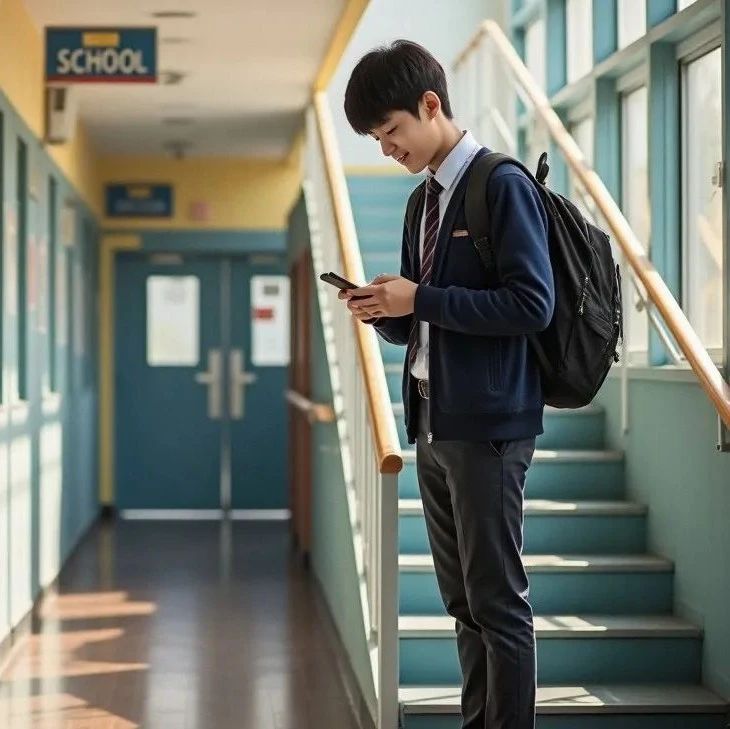
亲眼目睹13岁孩子手机成瘾全过程,才知道:真正毁掉孩子的,不是手机,而是……
洞见· 2025-07-25 10:54
Core Viewpoint - The article discusses the challenges and solutions related to a child's addiction to mobile phones, emphasizing the importance of understanding the root causes of this behavior rather than merely addressing the symptoms [24][46][77]. Group 1: Problem Identification - The author observes a significant change in the child's behavior, transitioning from being obedient to rebellious, primarily attributed to mobile phone usage [4][10]. - The child begins to exhibit poor academic performance and sleep deprivation due to late-night gaming sessions [10][12]. - Attempts to control the child's phone usage lead to increased rebellion and emotional distress, highlighting the ineffectiveness of punitive measures [15][20]. Group 2: Understanding the Root Causes - The article emphasizes that the addiction to mobile phones is often a symptom of deeper issues, such as lack of emotional support and excessive academic pressure [38][44]. - The author reflects on their own parenting style, which focused on strict academic achievement without recognizing the child's emotional needs [39][43]. - The concept of "upstream thinking" is introduced, suggesting that addressing the underlying causes of a problem is more effective than merely reacting to its symptoms [32][34]. Group 3: Solutions and Strategies - The author proposes rebuilding the parent-child relationship as a first step, advocating for open communication and understanding [51][56]. - Establishing rules around phone usage, such as limiting screen time and encouraging positive reinforcement for good behavior, is suggested as a way to gradually reduce dependency [60][64]. - Encouraging the child to engage in physical activities and social interactions outside of the digital realm is recommended to create a more balanced lifestyle [67][71]. Group 4: Outcomes and Reflections - After implementing these strategies, the child shows improvement in both academic performance and emotional well-being, indicating a positive shift in behavior [75][76]. - The article concludes that addressing mobile phone addiction requires patience and a holistic approach, focusing on emotional support and healthy engagement with technology [79].