具身智能之心

Search documents
宾夕法尼亚大学!MAESTRO:基于VLM的零样本通用机器人框架
具身智能之心· 2025-11-05 00:02
Core Insights - MAESTRO is a modular robotic framework centered around Vision Language Models (VLM), achieving zero-shot operational performance without extensive training data, while offering scalability and debuggability [2][5][22] Group 1: Innovation and Design - Current mainstream robotics development relies on large-scale "observation-action" datasets, which are costly and limited, hindering progress [4] - MAESTRO adopts a differentiated approach, utilizing VLM to avoid dependency on robot-specific data and integrating mature specialized tools for enhanced low-level operations [6][5] - The framework employs a closed-loop interaction mechanism, continuously monitoring environmental feedback to adjust actions in real-time, forming an adaptive cycle of perception, action, and learning [5][6] Group 2: Core Module Toolset - The modular design adheres to six principles, addressing diverse robotic operational needs, including perception, control, and geometry [8] - Key modules include: - Perception: Enhances visual information accuracy through a hierarchical approach [10] - Control: Integrates Cartesian control and collision-free motion planning for safety [10] - Geometry & Linear Algebra: Provides tools for spatial reasoning [10] - Image Editing: Improves visual grounding capabilities [10] - Mobile Operation Extensions: Adapts to mobile robot scenarios with navigation and active perception tools [10] Group 3: Evolution Mechanism - MAESTRO records past task execution codes and outcomes to provide contextual examples for VLM, optimizing code generation and enhancing performance after minimal real-world trials [12] Group 4: Experimental Results and Performance Analysis - MAESTRO demonstrated superior performance in desktop operations, significantly outperforming existing VLA models in six out of seven tasks, particularly in semantic reasoning and long-term memory tasks [17] - In mobile operations, MAESTRO achieved high completion rates, with specific tasks scoring 96.0±8.9 and 93.3±14.9 [17] - The evolution capability was highlighted by improving task completion from 35% to 85.0±7.4 after three iterations in a door-opening task [17] Group 5: Key Module Ablation Analysis - Removing advanced perception modules drastically reduced task completion rates, indicating the importance of precise perception for complex operations [20] - The absence of geometry modules also negatively impacted performance, underscoring the necessity of spatial reasoning tools [20] Group 6: Future Directions - MAESTRO's framework is positioned as an effective alternative to large-scale robotic training paths, with future enhancements aimed at optimizing VLM inference speed, improving low-level control capabilities, and increasing reasoning stability in complex scenarios [22]

当还在纠结研究方向的时候!别的同学已经CCF-A了......
具身智能之心· 2025-11-04 00:05
Group 1 - The article introduces a new research guidance service focused on embodied intelligence, addressing common challenges faced by newcomers in selecting research topics and methodologies [1][2] - The guidance covers various advanced topics such as multimodal large models, reinforcement learning, and robot simulation, providing tailored one-on-one support [2][3] - The service is backed by a team of experienced mentors from prestigious institutions and leading companies, ensuring high-quality assistance throughout the research process [2][3] Group 2 - The program emphasizes a dual perspective from both industry and academia, aiming not only for publication but also for practical application and value [3] - An introductory offer is available for the first ten inquiries, allowing students to receive personalized mentorship and tailored advice on suitable conferences and journals [4]
Dexmal原力灵机发布实时VLA模型!消费级显卡上完成pi0模型30Hz以上推理
具身智能之心· 2025-11-04 00:05
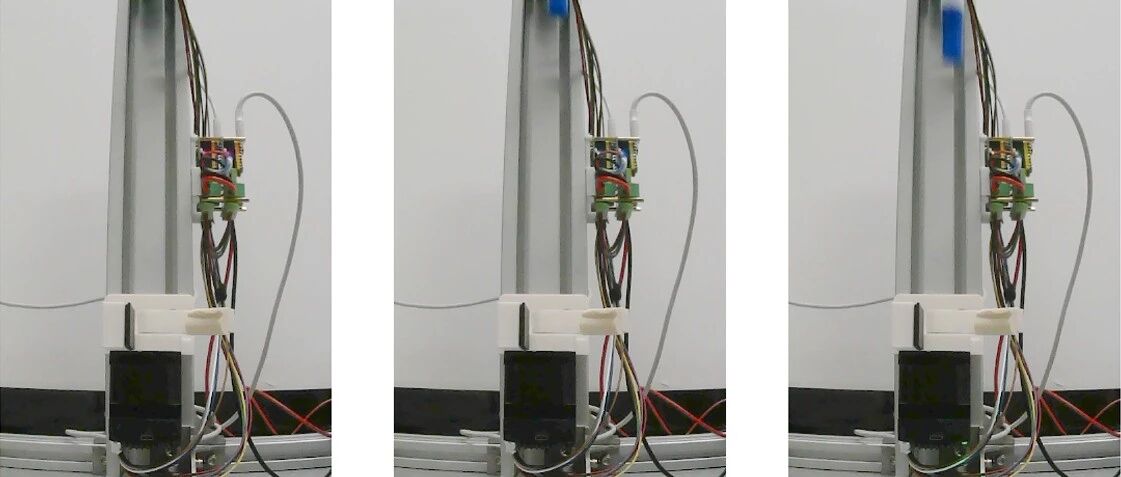
Core Insights - The article discusses the development of a real-time visual-language-action (VLA) model that achieves a significant reduction in inference time, enabling dynamic tasks such as object grasping to be performed effectively [3][6][23]. Optimization Strategies - The research outlines a comprehensive optimization pipeline that reduces inference time from over 100ms to 27.3ms for a two-view model, achieved through four main steps: eliminating basic overhead, simplifying the computation graph, optimizing kernel depth, and tuning GEMM parameters [7][18][22]. - The first step involves removing CPU overhead by utilizing CUDA Graphs, which reduces inference time from 106.5ms to approximately 53.9ms [9][10]. - The second step simplifies the computation graph, further reducing inference time to about 45.8ms [12][14]. - The third step focuses on optimizing kernel depth, which includes techniques like weight folding and merging operations to enhance performance [15][18]. Performance Validation - The article employs the roofline model to assess the theoretical lower bound of performance, indicating that the actual inference time of 27.3ms is only 30% higher than the theoretical limit of 20.6ms, suggesting that the optimizations are close to hardware limits [20][22]. - The synchronization overhead is also analyzed, showing significant reductions when using optimized methods compared to naive implementations [21][24]. Real-World Application - A real-world experiment involving the grasping of a falling pen demonstrates the model's effectiveness, achieving a 100% success rate in trials, which highlights the model's capability to meet stringent timing constraints [36][37]. - The framework allows for high-frequency control, with the potential to run 30 VLA models at 30Hz and 480 action experts at 480Hz, showcasing its applicability in dynamic robotic tasks [31][32]. Future Directions - The article suggests future research directions, including exploring larger model sizes and finer-grained feedback loops to enhance performance and adaptability in real-time applications [37].
突发!arXiv CS新规:未经同行评审,一律不收
具身智能之心· 2025-11-04 00:05
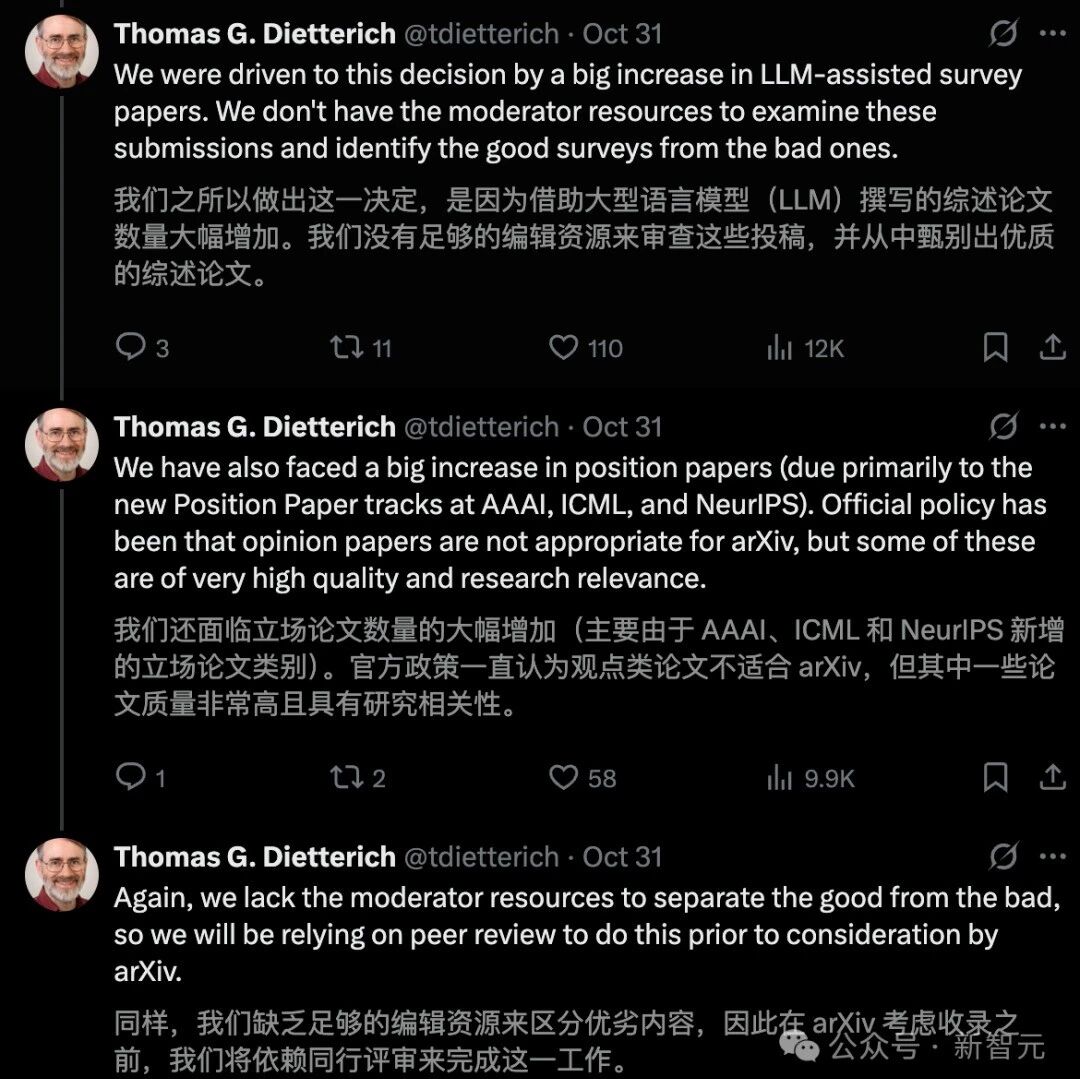
arXiv重磅新规! 从现在起,arXiv中的CS板块,关于「综述/调研」和「立场」类的论文,全部经由同行评审后,才可以被收录。 也就是说,以后不带「同行评审通行证」,就别想上车! 消息一出,一度登上HK热榜TOP3。 编辑丨新智元 点击下方 卡片 ,关注" 具身智能之心 "公众号 >> 点击进入→ 具身 智能之心 技术交流群 更多干货,欢迎加入国内首个具身智能全栈学习社区 : 具身智能之心知识星球 (戳我) , 这里包含所有你想要的。 而现在,LLM生成论文激增,各大顶会/期刊全都蚌埠住了,更别提arXiv。 如今,arXiv CS每月数百篇综述涌进来,90%都是「带注释的文献清单」,基本没有实质性的价值。 由此,arXiv官方决定收紧CS这类论文的把关。 接下来,「综述」和「立场」论文已被期刊、顶会接收,并完成同行评审后,就可以收录到arXiv CS。 提交时,作者需同时提供经同行评审的期刊引用,以及DOI元数据。 MIT EECS副教授Phillip Isola认为,这一步走错了方向,同行评审有各种途径。 arXiv就该保持「科研界GitHub」的定位,没必要搞成学术期刊的样子。 过去,这类论文本来就不 ...
向黄仁勋汇报的英伟达36人
具身智能之心· 2025-11-04 00:05
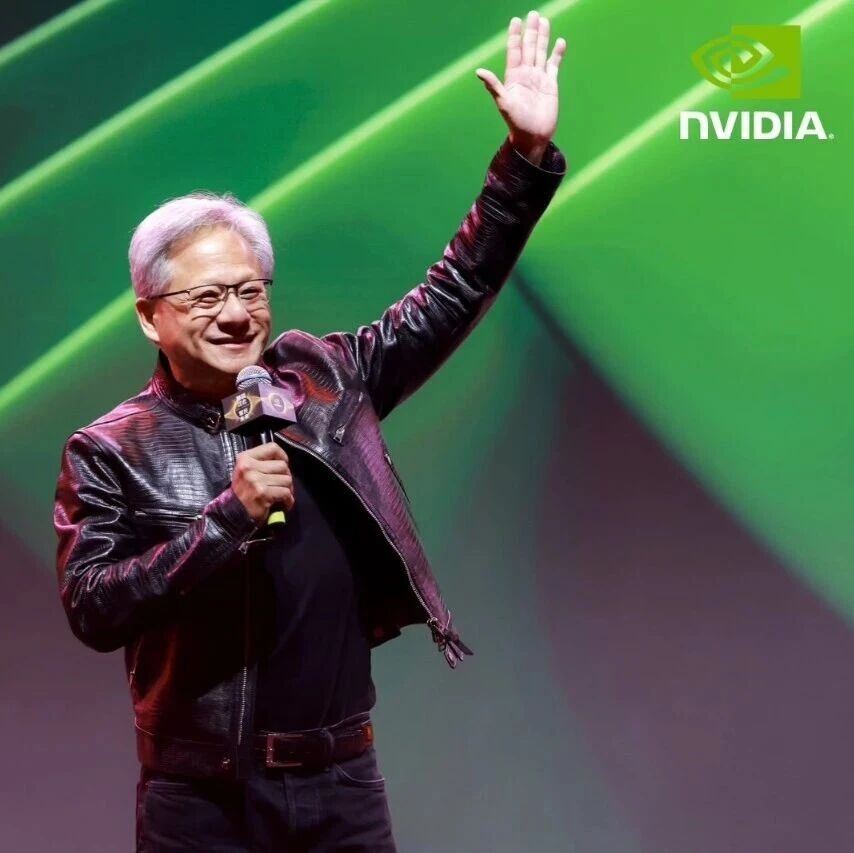
Core Insights - The article discusses the organizational structure and strategic focus of NVIDIA under CEO Jensen Huang, highlighting the importance of hardware and AI technologies in the company's growth strategy [6][8][10]. Group 1: Organizational Structure - Jensen Huang has 36 direct reports, which is a significant number for a CEO of a $4 trillion company [74]. - The direct reports are divided into seven functional areas: strategy, hardware, software, AI, public relations, networking, and Huang's executive assistant [3][4]. - Huang's management style emphasizes a flat organizational structure to enhance information flow and decision-making speed [80][81]. Group 2: Focus on Hardware and AI - Hardware remains the cornerstone of NVIDIA, with one-third of Huang's direct reports focused on hardware-related business [7]. - AI and emerging technologies are becoming the second pillar of Huang's business strategy, with a dedicated team working on these areas [8][10]. - The company is exploring new markets, referred to as "zero billion markets," indicating a focus on untapped opportunities [10]. Group 3: Key Personnel - Key figures in Huang's team include Jonah Alben, Dwight Diercks, and Bill Dally, who have been with the company for decades and play crucial roles in GPU architecture and software development [21][32][42]. - New addition Wu Xinzhou, responsible for automotive business strategy, brings significant experience from Qualcomm and XPeng Motors, indicating a strategic push into the automotive sector [56][59][71]. Group 4: Financial Performance - NVIDIA's net profit surged to approximately $29.5 billion in the 2024 fiscal year, a nearly 600% increase year-over-year [98]. - The company's workforce grew from 29,600 to 36,000 employees within a year, marking a 21.62% increase [100]. - The automotive business revenue is projected to nearly double from $281 million to $567 million in the 2024-2025 fiscal year [71].

最火VLA,看这一篇综述就够了
具身智能之心· 2025-11-03 00:03
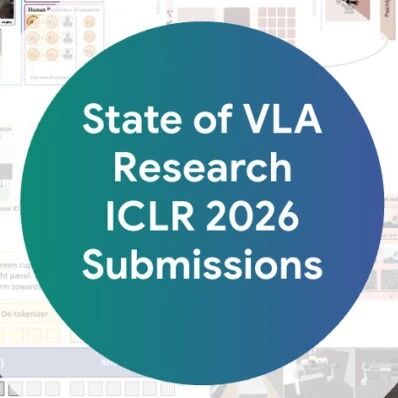
Core Insights - The article discusses the rapid growth and significance of the Vision-Language-Action (VLA) field, highlighting its potential to enable robots to understand human language, perceive the world, and perform tasks effectively [2][7]. Summary by Sections VLA Overview - VLA models have seen a dramatic increase in submissions, rising from single digits to 164 papers, an 18-fold increase [6]. - A model qualifies as VLA if it uses a pre-trained backbone on large-scale visual-language data, emphasizing its capabilities in language understanding, visual generalization, and task transfer [8][9]. Trends in VLA - **Trend 1: Efficient Architecture** Discrete diffusion models are emerging as a new paradigm, allowing for parallel generation of action sequences, enhancing efficiency [15][17]. - **Trend 2: Embodied Chain-of-Thought (ECoT)** ECoT enables robots to generate intermediate reasoning steps before actions, improving planning and interpretability [18][19]. - **Trend 3: Action Tokenizer** This trend focuses on converting continuous robot actions into discrete tokens that VLMs can understand, enhancing efficiency and integration of reasoning and action [22]. - **Trend 4: Reinforcement Learning (RL)** RL is re-emerging as a crucial tool for fine-tuning VLA strategies, particularly in extreme scenarios [26][27]. - **Trend 5: Efficiency Optimization** Efforts are being made to reduce the cost and complexity of VLA models, making them more accessible to smaller labs [28][29]. - **Trend 6: Video Prediction** Video generation models are being utilized to provide VLA with an understanding of temporal dynamics and physical laws [30]. - **Trend 7: Realistic Evaluation Benchmarks** New evaluation methods are being developed to address the saturation of existing benchmarks, focusing on future frame prediction tasks [37][39]. - **Trend 8: Cross-Body Learning** Innovations in architecture are essential for creating universal robot strategies that can operate across different structures [41][43]. Challenges and Future Directions - The article highlights the "performance ceiling" issue in mainstream simulation evaluations, where high scores do not necessarily translate to real-world capabilities [44]. - Two critical areas needing more attention are data quality and the potential for in-context learning to enhance VLA systems [49][50].
具身科研平台来了,为具身领域打造,高性价比
具身智能之心· 2025-11-03 00:03
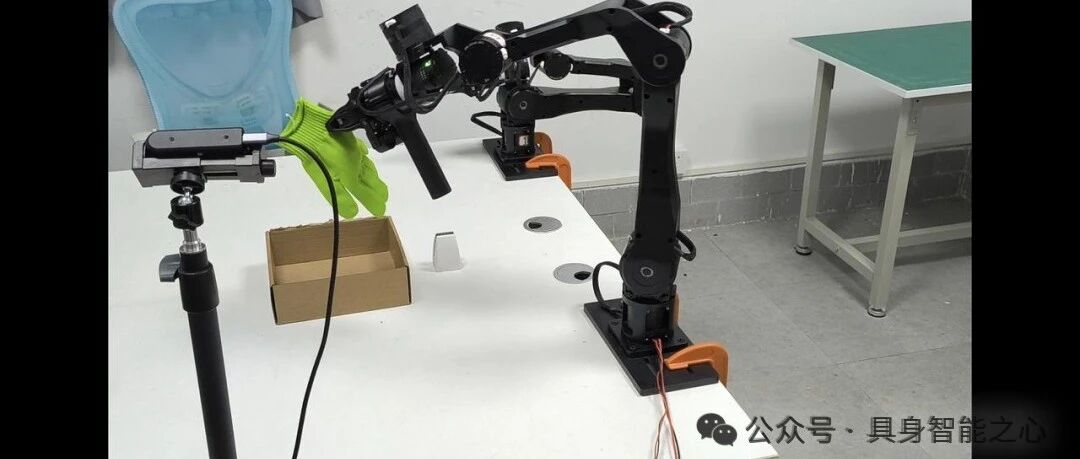
Core Viewpoint - Imeta-Y1 is a lightweight, cost-effective robotic arm designed specifically for beginners and researchers in the field of embodied intelligence, enabling low-cost and efficient algorithm validation and project development [2][5]. Group 1: Product Features - The robotic arm offers a complete open-source toolchain and code examples, facilitating a seamless process from data collection to model deployment [3][17]. - It supports dual-language interfaces (Python and C++), making it accessible for users with different programming backgrounds [3][18]. - Compatibility with ROS1 and ROS2 is provided, along with URDF models for smooth transitions between simulation and real-world applications [3][19]. - The arm features high-precision motion control, low power consumption, and an open hardware architecture, supporting seamless integration from simulation to real machine [5][6]. Group 2: Technical Specifications - The robotic arm has a weight of 4.2 kg, a rated load of 3 kg, and 6 degrees of freedom, with a working radius of 612.5 mm and a repeat positioning accuracy of ±0.1 mm [8][19]. - It operates at a supply voltage of 24V and communicates via CAN, with external interfaces for power and CAN [8][19]. - The arm's joint motion range and maximum speeds are specified, ensuring versatility in various applications [8][19]. Group 3: Development and Support - A comprehensive open-source SDK is provided, including drivers, API interfaces, sample code, and documentation, supporting rapid application development [26][29]. - The product supports multi-modal data fusion, compatible with mainstream frameworks like TensorFlow and PyTorch, enabling end-to-end intelligent algorithm implementation [29][32]. - The company offers 24-hour quick response for after-sales support, ensuring users receive timely assistance [3][19]. Group 4: Testing and Reliability - Rigorous hardware testing processes, including precision calibration, durability, load performance, and stability verification, ensure the robotic arm's reliability and safety across various application scenarios [35][39].
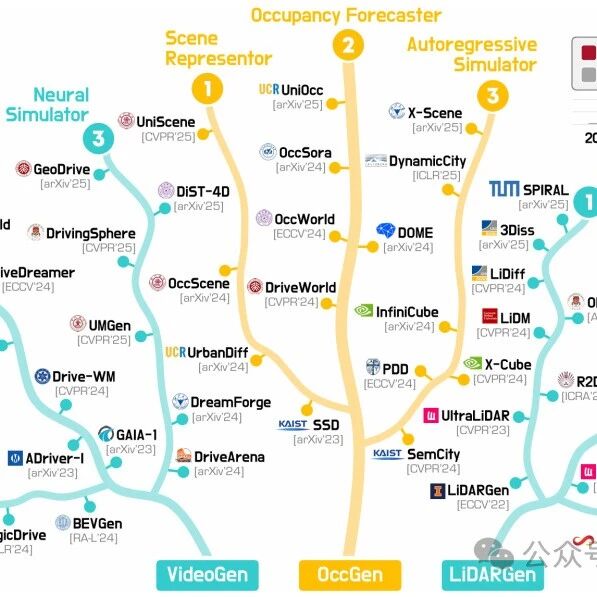
新国立等校企3D与4D世界建模联合综述
具身智能之心· 2025-11-03 00:03
作者丨 VLNer 编辑丨视觉语言导航 点击下方 卡片 ,关注" 具身智能之心 "公众号 >> 点击进入→ 具身 智能之心 技术交流群 更多干货,欢迎加入国内首个具身智能全栈学习社区 : 具身智能之心知识星球 (戳我) , 这里包含所有你想要的。 作者:Lingdong Kong, Wesley Yang, Jianbiao Mei, Youquan Liu, Ao Liang, Dekai Zhu, Dongyue Lu, Wei Yin, Xiaotao Hu, Mingkai Jia, Junyuan Deng, Kaiwen Zhang, Yang Wu, Tianyi Yan, Shenyuan Gao, Song Wang, Linfeng Li, Liang Pan, Yong Liu, Jianke Zhu, Wei Tsang Ooi, Steven C. H. Hoi, Ziwei Liu 单位: 新加坡国立大学, CNRS@CREATE, 浙江大学, 地平线机器人公司, 慕尼黑工业大学, 香港科技大学, 清华大学, 南京理工大学, 澳门 大学, 上海人工智能实验室, 阿里巴巴集团, 新加 ...
具身智能之心11.11优惠来了!课程/付费社区/论文辅导/开发套件!
具身智能之心· 2025-11-03 00:03
Group 1 - The core promotion period for the embodied intelligence series is from November 1 to November 11 [2] - Discounts include 30% off for new users and 50% off for renewals [3] - The embodied intelligence series courses are available at a price of 8 BT for a single course and 7 BT for three courses [2] Group 2 - Additional benefits include significant discounts on robotic arms and development components [3] - The company encourages inquiries for more details about the promotional activities [1][3]

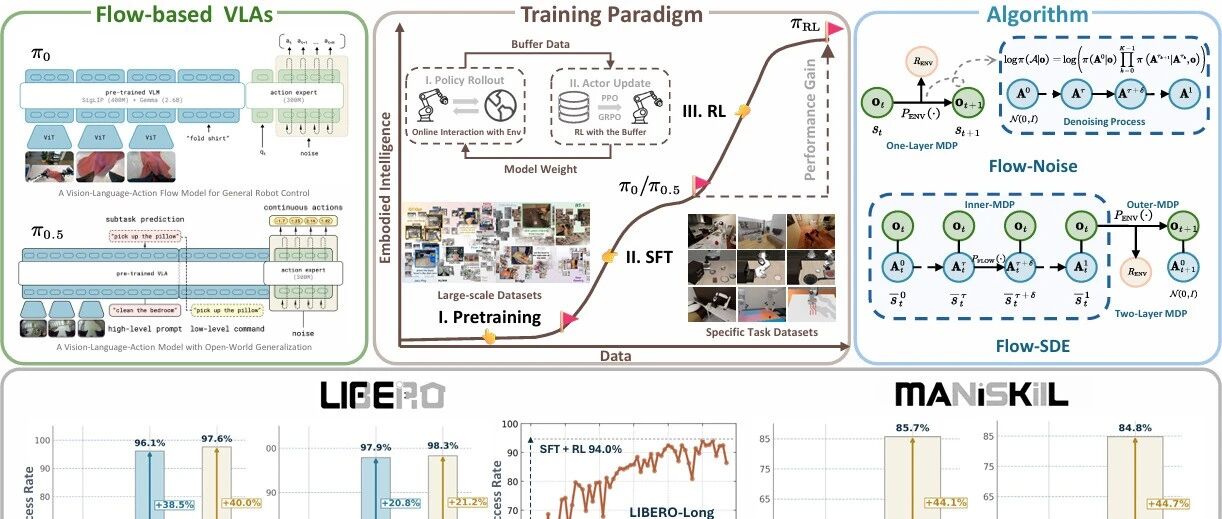
清华大学最新!πRL:用在线强化学习让机器人 “边学边做” 的通用方案
具身智能之心· 2025-11-03 00:03
Core Insights - The article discusses the breakthrough in adapting Reinforcement Learning (RL) for flow-based Vision-Language-Action (VLA) models, overcoming the limitations of traditional supervised fine-tuning (SFT) and existing RL approaches [1][3][30] Group 1: Challenges in Current VLA Model Training - Current VLA model training faces a dilemma: SFT relies on large expert trajectories, which are costly and have weak generalization, while RL cannot adapt to the core characteristics of flow-based models [3][4] - The core issue is the fundamental barrier in RL adaptation for flow-based VLA models, primarily due to the difficulty in calculating action log-likelihood during the denoising process [4][5] Group 2: Innovative Solutions Proposed - A new framework using "Flow-Noise and Flow-SDE dual algorithms + parallel simulation training" has been proposed to address the RL adaptation challenges for flow-based VLA models [1][5] - The Flow-Noise algorithm introduces a learnable noise network to optimize the denoising process, while Flow-SDE converts deterministic ODE denoising into stochastic SDE to balance exploration and efficiency [7][9] Group 3: Performance Improvements - The proposed methods have shown significant performance improvements in multi-task benchmark tests, achieving near-perfect scores and breaking through the SFT bottleneck [15][16] - In the LIBERO benchmark, the Flow-Noise and Flow-SDE models achieved average scores of 97.6% and 96.1% respectively, significantly outperforming traditional SFT methods [16][18] Group 4: Large-Scale Adaptation and Training - The framework supports large-scale multi-task optimization, demonstrated by the ability to handle 4,352 task combinations in the ManiSkill benchmark while maintaining performance advantages [20][22] - The use of 320 parallel environments for training significantly reduces data transmission delays and enhances optimization efficiency [17][22] Group 5: Future Directions - Future research will focus on optimizing noise injection strategies, improving out-of-distribution (OOD) generalization, and validating the framework's adaptability in real-world robotic applications [29][30] - The integration of multi-modal observations, such as tactile and force feedback, is also suggested to enhance robustness in complex scenarios [29][30]