具身智能之心

Search documents
时代2025 AI百人榜出炉:梁文锋、王兴兴等入选,华人影响力爆棚
具身智能之心· 2025-09-01 04:02
Core Viewpoint - The article highlights the influential figures in the AI field as recognized by Time magazine in its 2025 list, emphasizing the increasing representation of Chinese individuals and their contributions to AI technology [2][5]. Group 1: Leaders - Ren Zhengfei, founder of Huawei, has driven long-term investments in AI, launching the Ascend series AI chips and the MindSpore deep learning framework, establishing a competitive edge in the AI ecosystem [8]. - Liang Wenfeng, CEO of DeepSeek, has led the company to prominence in AI technology, releasing the R1 model that competes with OpenAI's latest offerings, showcasing China's capabilities in AI with minimal computational resources [11]. - Huang Renxun, co-founder and CEO of NVIDIA, transformed the company into a leading AI computing firm, with its CUDA platform and high-performance GPUs being essential for advancements in deep learning [14]. - Wei Zhejia, chairman and CEO of TSMC, has positioned the company as a key player in AI chip manufacturing, ensuring the production of powerful AI processors through strategic decisions [17]. Group 2: Innovators - Peng Jun, CEO of Pony.ai, has been pivotal in the commercialization of autonomous driving, achieving large-scale operations of Robotaxi services in major Chinese cities by 2025 [25]. - Edwin Chen, founder and CEO of Surge AI, has built a successful data labeling company, generating over $1 billion in revenue by 2024, with a valuation exceeding $25 billion during fundraising [28]. Group 3: Shapers - Li Feifei, Stanford professor and CEO of World Labs, is a key figure in human-centered AI research, having created the ImageNet project, which revolutionized computer vision [31][32]. - Xue Lan, Tsinghua University professor, has contributed significantly to AI governance and public policy, influencing the development of ethical standards and regulations in AI [35][36]. Group 4: Other AI Figures - Elon Musk, founder of xAI, has been influential in developing autonomous driving technologies and brain-machine interfaces [40]. - Sam Altman, CEO of OpenAI, has led the company in releasing groundbreaking AI products, significantly advancing generative AI technology [42]. - Andy Jassy, president and CEO of Amazon, has laid the groundwork for AI advancements through AWS and is actively promoting generative AI innovations [51].



吴恩达最新来信:是时候关注并行智能体了
具身智能之心· 2025-09-01 04:02
Core Insights - The article emphasizes the emerging trend of parallel agents as a new direction for enhancing AI capabilities, moving beyond traditional reliance on data and computational power [2][5][6]. Group 1: Parallel Agents - Multiple agents working in parallel can efficiently handle different tasks, leading to faster and more effective outcomes [3][9]. - The decreasing cost of tokens for large language models makes the parallel processing of multiple agents feasible [10]. - Examples of parallel agent applications include generating research reports, accelerating programming tasks, and providing user feedback through a supervisory agent [11]. Group 2: Challenges and Solutions - Coordinating multiple agents poses significant challenges, similar to the difficulties humans face when dividing complex tasks among engineers [12][13][14]. - Recent research, such as the paper "Code Monkeys," demonstrates how large language models can generate multiple trajectories in parallel to improve programming efficiency [15][17]. - The Together Mixture Of Agents (MoA) architecture utilizes multiple large language models simultaneously, allowing for performance enhancement through adjustable hierarchical structures [18][19]. Group 3: Future Research Directions - There remains substantial research and engineering work needed to optimize the use of parallel agents, with the potential for a large number of agents to work efficiently in parallel [22].
开课倒计时!3个月搞透具身大脑+小脑算法
具身智能之心· 2025-08-31 02:33
Core Insights - The exploration towards Artificial General Intelligence (AGI) highlights embodied intelligence as a key direction, focusing on the interaction and adaptation of intelligent agents within physical environments [1] - The development of embodied intelligence is marked by the evolution of technology from low-level perception to high-level task understanding and generalization [6][9] Industry Analysis - In the past two years, numerous star teams in the field of embodied intelligence have emerged, establishing valuable companies such as Xinghaitu, Galaxy General, and Zhujidongli, transitioning from laboratories to commercial and industrial applications [3] - Major domestic companies like Huawei, JD.com, Tencent, Ant Group, and Xiaomi are actively investing and collaborating to build a comprehensive ecosystem for embodied intelligence, while international players like Tesla and investment firms are focusing on foundational models and humanoid robot prototypes [5] Technological Evolution - The evolution of embodied intelligence technology has progressed through several stages: - The first stage focused on grasp pose detection, which struggled with complex tasks due to a lack of context modeling [6] - The second stage involved behavior cloning, allowing robots to learn from expert demonstrations but faced challenges in generalization and performance in multi-target scenarios [6] - The third stage introduced Diffusion Policy methods, enhancing stability and generalization through sequence modeling [7] - The fourth stage, emerging in 2025, explores the integration of VLA models with reinforcement learning and tactile sensing to overcome current limitations [8] Product Development and Market Growth - The advancements in embodied intelligence have led to the development of various products, including humanoid robots, robotic arms, and quadrupedal robots, serving industries such as manufacturing, home services, and healthcare [9] - The demand for engineering and system capabilities is increasing as the industry shifts from research to deployment, necessitating higher engineering skills [12] Educational Initiatives - A comprehensive curriculum has been developed to assist learners in mastering the full spectrum of embodied intelligence algorithms, covering topics from basic tasks to advanced models like VLA and its integrations [9][12]
最新综述!多模态融合与VLM在具身机器人领域中的方法盘点
具身智能之心· 2025-08-31 02:33
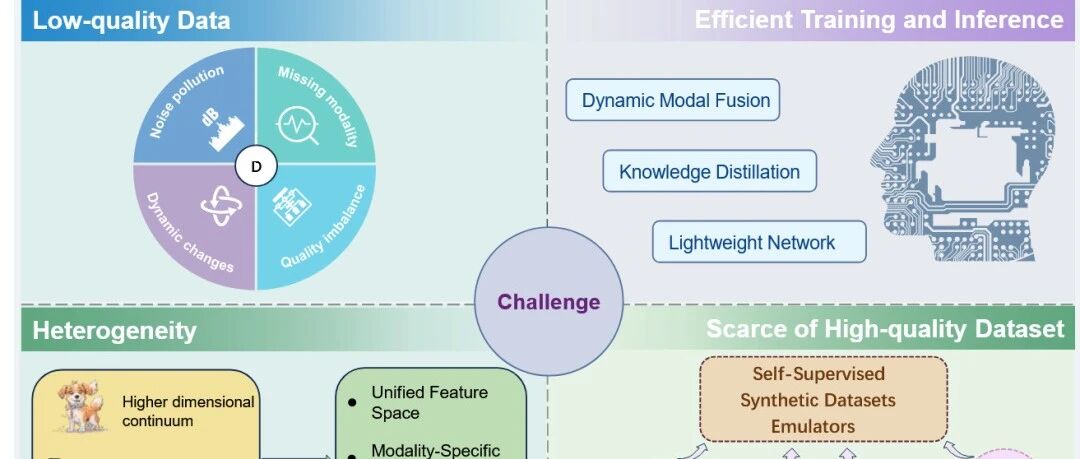
Core Viewpoint - The article discusses the advancements in multimodal fusion and vision-language models (VLMs) in robot vision, emphasizing their role in enhancing robots' perception and understanding capabilities in complex environments [4][5][56]. Multimodal Fusion in Robot Vision Tasks - Semantic scene understanding is a critical task in visual systems, where multimodal fusion significantly improves accuracy and robustness by integrating additional information such as depth and language [9][11]. - Current mainstream fusion strategies include early fusion, mid-level fusion, and late fusion, evolving from simple concatenation to more sophisticated interactions within a unified architecture [10][12][16]. Applications of Multimodal Fusion - In autonomous driving, 3D object detection is crucial for accurately identifying and locating pedestrians, vehicles, and obstacles, with multimodal fusion enhancing environmental understanding [15][18]. - The design of multimodal fusion involves addressing when to fuse, what to fuse, and how to fuse, with various strategies impacting performance and computational efficiency [16][17]. Embodied Navigation - Embodied navigation allows robots to explore and act in real environments, focusing on autonomous decision-making and dynamic adaptation [23][25][26]. - Three representative methods include goal-directed navigation, instruction-following navigation, and dialogue-based navigation, showcasing the evolution from perception-driven to interactive understanding [25][26][27]. Visual Localization and SLAM - Visual localization determines a robot's position, which is challenging in dynamic environments; recent methods leverage multimodal fusion to improve performance [28][30]. - SLAM (Simultaneous Localization and Mapping) has evolved from geometric-driven to semantic-driven approaches, integrating various sensor data for enhanced adaptability [30][34]. Vision-Language Models (VLMs) - VLMs have progressed significantly, focusing on semantic understanding, 3D object detection, embodied navigation, and robot operation, with various fusion methods being explored [56][57]. - Key innovations in VLMs include large-scale pre-training, instruction fine-tuning, and structural optimization, enhancing their capabilities in cross-modal reasoning and task execution [52][53][54]. Future Directions - Future research should focus on structured spatial modeling, improving system interpretability and ethical adaptability, and developing cognitive VLM architectures for long-term learning [57][58].
具身智能之心人形机器人交流群成立啦~
具身智能之心· 2025-08-31 02:33
具身智能之心人形机器人交流群来啦!欢迎从事人形运控、VLA模型、数采、硬件等相关方向的同学 加入。 添加小助理微信AIDriver005,备注昵称+人形+加群。注意:有备注才能通过哦~ ...

直播分享!“具身数据困境”:仿真技术、真实数据与世界模型的碰撞交融
具身智能之心· 2025-08-29 16:03
Core Viewpoint - The article discusses the intersection of simulation technology, real data, and world models in the context of embodied intelligence, highlighting the ongoing debate about the importance of simulation versus real data and the potential breakthroughs in world modeling [3][11]. Group 1: Roundtable Discussion - The roundtable focuses on the "data dilemma" in embodied intelligence, featuring four young scientists who explore the boundaries between simulation and real interaction, as well as the technological advancements in world models like Genie [3][11]. - Sergey Levine's assertion that real data is irreplaceable is examined, questioning whether this is a strategic choice or an inevitable path in AI evolution [11]. Group 2: Key Participants - Li Hongyang, an assistant professor at the University of Hong Kong, leads the OpenDriveLab and has made significant contributions to end-to-end autonomous driving solutions, including the award-winning UniAD [4]. - Zhao Hao, an assistant professor at Tsinghua University, specializes in computer vision related to robotics and has co-founded over ten startups since 2009 [5]. - Gu Jiayuan, an assistant professor at ShanghaiTech University, focuses on generalizable robotic decision-making models and has received multiple awards for his research [6][7]. - Mu Yao, an assistant professor at Shanghai Jiao Tong University, has published extensively in top conferences and has received numerous academic honors [7].
ReconVLA:基于重建式VLA模型的机器人感知方法
具身智能之心· 2025-08-29 16:03
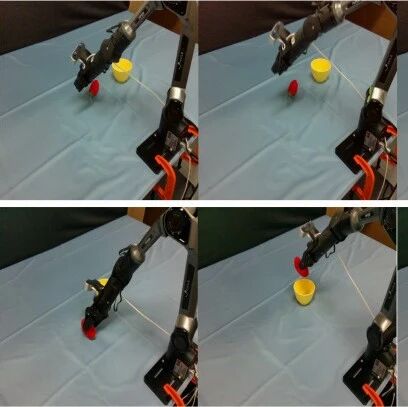
Core Viewpoint - The article discusses the rapid development of Vision-Language-Action (VLA) models and introduces a new model called ReconVLA, which aims to enhance the precision of robotic actions by improving visual attention and focus on target objects [2][3][27]. Summary by Sections Introduction - Existing VLA models struggle with visual attention in complex scenes, leading to errors in object manipulation. Traditional methods to improve visual localization have not significantly enhanced attention distribution [6]. Model Overview - ReconVLA introduces a reconstructive approach to visual localization, where the model first reconstructs the gaze region before predicting actions. This implicit supervision forces the model to focus on the correct object, improving action precision [8][11][14]. Methodology - The framework consists of two branches: visual reconstruction and action prediction. The model uses a frozen visual tokenizer to encode the gaze region and employs a diffusion transformer for denoising and reconstruction [13][16]. - A large-scale dataset with over 100,000 trajectories and 2 million samples was created to pre-train the model, enhancing its visual generalization and implicit grounding capabilities [19]. Performance Results - In simulations, ReconVLA achieved a near 95% success rate in long-term tasks, outperforming existing methods. The model demonstrated strong transferability to unseen objects, maintaining over 40% success rates even with novel items [9][26]. - The model's performance in real-world tasks, such as stacking bowls and placing fruits, showed significant improvements over previous models, achieving up to 90% success in specific tasks [25]. Contributions - ReconVLA is the first model to utilize a gaze region reconstruction paradigm, significantly enhancing visual attention and action prediction accuracy. The extensive pre-training on diverse datasets has established a solid foundation for its performance in various tasks [14][27]. Conclusion - The study highlights the limitations of current VLA models in visual focus and presents ReconVLA as a solution that effectively directs attention to key objects, paving the way for more reliable multi-modal robotic control [27].
HA-VLN:具备动态多人互动的视觉语言导航基准与排行榜
具身智能之心· 2025-08-29 16:03
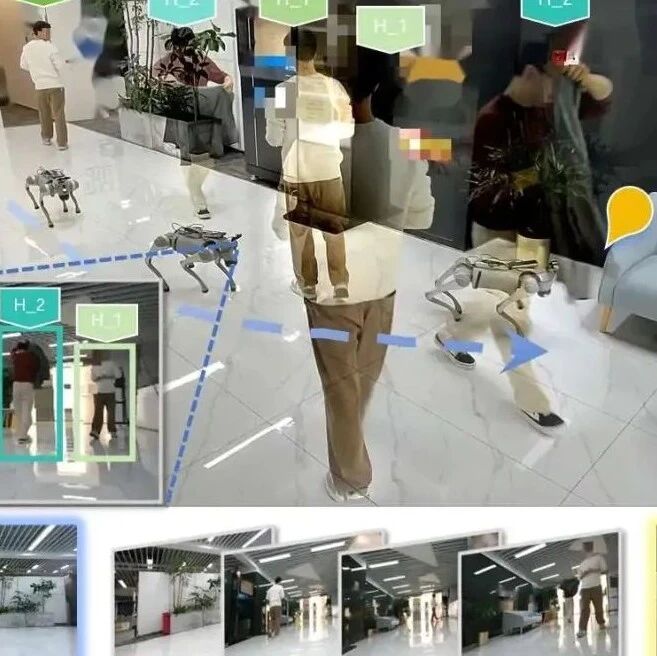
Core Insights - The article introduces the Human-Aware Visual Language Navigation (HA-VLN) task, which requires agents to navigate dynamic environments while following natural language instructions, addressing the limitations of traditional Visual Language Navigation (VLN) systems that often overlook human dynamics and partial observability [6][8][9]. Research Background - The motivation behind HA-VLN is to enhance navigation systems by incorporating human dynamics, such as crowd movement and personal space requirements, which are often ignored in existing systems [6][8]. - The HA-VLN benchmark unifies discrete and continuous navigation paradigms under social awareness constraints, providing standardized task definitions, upgraded datasets, and extensive benchmarking [8][9]. HA-VLN Simulator - The HA-VLN simulator is based on the HAPS 2.0 dataset, featuring 486 motion sequences and designed to address long-standing challenges in social-aware navigation by simulating multiple dynamic humans in both discrete and continuous 3D environments [12][14]. - The simulator includes two complementary modules: HA-VLN-CE for continuous navigation and HA-VLN-DE for discrete navigation, both sharing a unified API for consistent human state queries and dynamic scene updates [12][14]. Human Perception Constraints - The HA-VLN task incorporates dynamic human models that update in real-time, requiring agents to respect personal space and adapt to human movements [9][12]. - The task is framed as a partially observable Markov decision process (POMDP), where agents must infer unobserved factors and balance exploration and exploitation to reach their goals efficiently [9][12]. Real-World Validation and Leaderboard - The research includes real-world validation through physical robots navigating crowded indoor spaces, demonstrating the transferability from simulation to reality and establishing a public leaderboard for comprehensive evaluation [8][34]. - The HA-R2R dataset, an extension of the existing R2R-CE dataset, includes 16,844 carefully curated instructions that emphasize social nuances, such as conversations and near-collision events [28][34]. Experimental Results - The experiments highlight the significant performance gains when integrating models for HA-VLN tasks, with notable improvements in success rates and collision rates across various configurations [40][41]. - The results indicate that agents trained on HA-VLN outperform those trained solely on traditional VLN tasks, confirming the robustness of the HA-VLN framework in real-world conditions [51]. Future Work - Future research will focus on enhancing agents' predictive capabilities regarding human behavior and testing in more complex and dynamic environments, with potential applications in service robotics and autonomous vehicles [51].
OpenHelix 团队新作!Long-VLA:深入探究端到端VLA模型的长时瓶颈和有效解决方案
具身智能之心· 2025-08-29 05:02
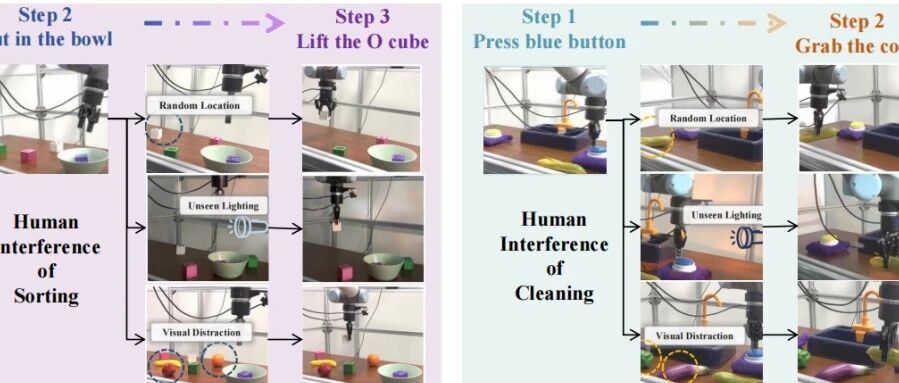
点击下方 卡片 ,关注" 具身智能 之心 "公众号 编辑丨具身智能之心 本文只做学术分享,如有侵权,联系删文 >> 点击进入→ 具身智能之心 技术交流群 更多干货,欢迎加入国内首个具身智能全栈学习社区 : 具身智能之心知识星球 (戳我) , 这里包含所有你想要的。 我们提出了Long-VLA,是首个专门针对长时任务设计的端到端 VLA 模型。其核心创新在于引入阶段感知的 输入掩码,将子任务划分为"移动阶段"和"交互阶 段",并在不同阶段动态调整视觉模态输入,使模型能够在移动时关注全局空间线索,在交互时聚焦局部精细感知。通过这种方式,Long-VLA 在保持统—架构 和端到端学习优势的 同时,有效解决了技能链问题。实验结果显示,无论在仿真环境还是真实机器人平台上,Long-VLA 都显著超越现有方法,确立了新的性能 基准,在机器人长时任务研究中具有突破意义。 标题:Long-VLA: Unleashing Long-Horizon Capability of Vision Language Action Model for Robot Manipulation 链接:https://arxiv.org/abs/ ...
四足机械狗+单臂,低成本开启你的具身学习之旅
具身智能之心· 2025-08-29 04:00
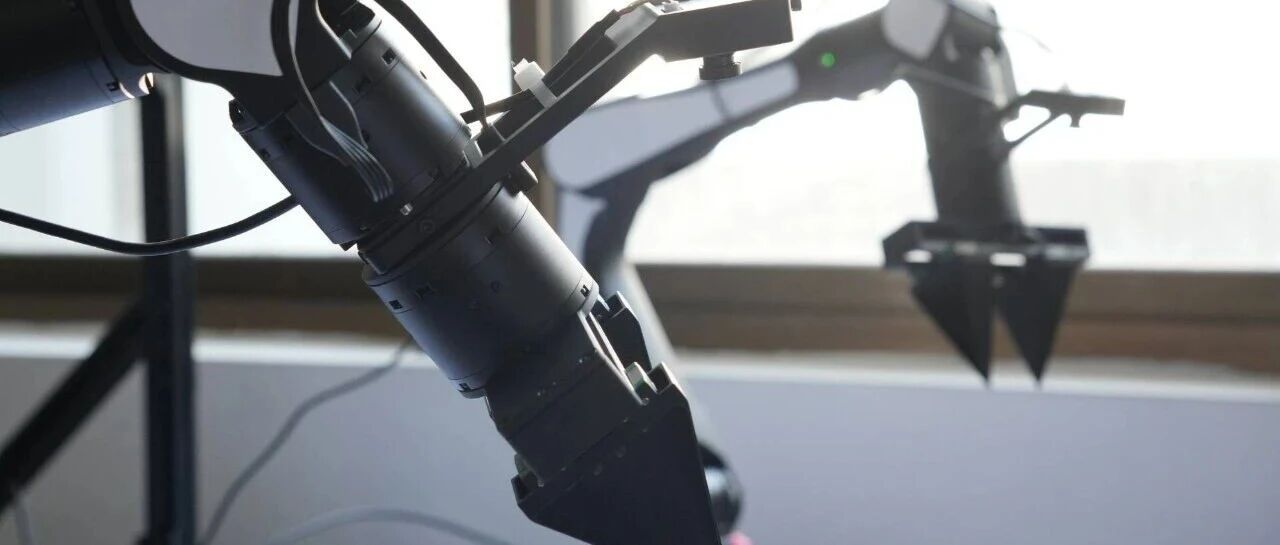
Core Viewpoint - Xdog is a low-cost, multifunctional quadruped robotic dog and robotic arm development platform designed for embodied developers, featuring a comprehensive curriculum for research and learning in robotics [1][2]. Group 1: Hardware Overview - Xdog integrates a robotic dog and robotic arm, with advanced functionalities such as voice control, sim2real, real2sim, target recognition and tracking, autonomous grasping, and reinforcement learning gait control [2][5]. - The robotic dog measures 25cm x 20cm x 30cm and weighs 7.0kg, with a maximum speed of 7.2 km/h and a maximum rotation speed of 450 degrees per second [3][11]. - The main control chip is Allwinner H616, featuring a quad-core 1.6GHz CPU, 4GB RAM, and 32GB storage [4][5]. Group 2: Technical Specifications - The robotic dog has a battery capacity of 93.24Wh, providing approximately 120 minutes of operational time and a standby time of about 6 hours [5][11]. - The robotic arm can reach a maximum height of 0.85m and has a grasping range of 0.4m around its base [7]. - The depth camera features active dual infrared and structured light technology, with a depth output resolution of 1280 × 800 @ 30 fps and a working distance of 0.2m - 10m [14]. Group 3: Software and Functionality - The system supports various control methods including voice control, keyboard control, visual control, and reinforcement learning for autonomous movement [15][17]. - Development is based on ROS1, with Python as the primary programming language, and it is recommended to use a GPU of at least 2080ti for inference [16][24]. - The platform allows for advanced functionalities such as collaborative control of the robotic arm and dog for target following, and autonomous grasping capabilities [19][20]. Group 4: Educational Curriculum - The curriculum includes hands-on training in ROS project creation, Mujoco simulation, and reinforcement learning principles, among other topics [22][23]. - Courses cover the setup and usage of the Xdog system, including network configuration, camera parameter adjustments, and advanced algorithms for object recognition and tracking [22][23]. - The teaching team consists of experienced instructors responsible for project management, technical support, and algorithm training [22]. Group 5: Delivery and Support - The delivery cycle is set to be completed within three weeks after payment, with a one-year warranty for after-sales service [25][26]. - The product includes hardware and accompanying courses, with no returns or exchanges allowed for non-quality issues [26].