自动驾驶之心

Search documents
最近才明白,智能驾驶量产的核心不止是模型算法。。。
自动驾驶之心· 2025-07-05 13:41
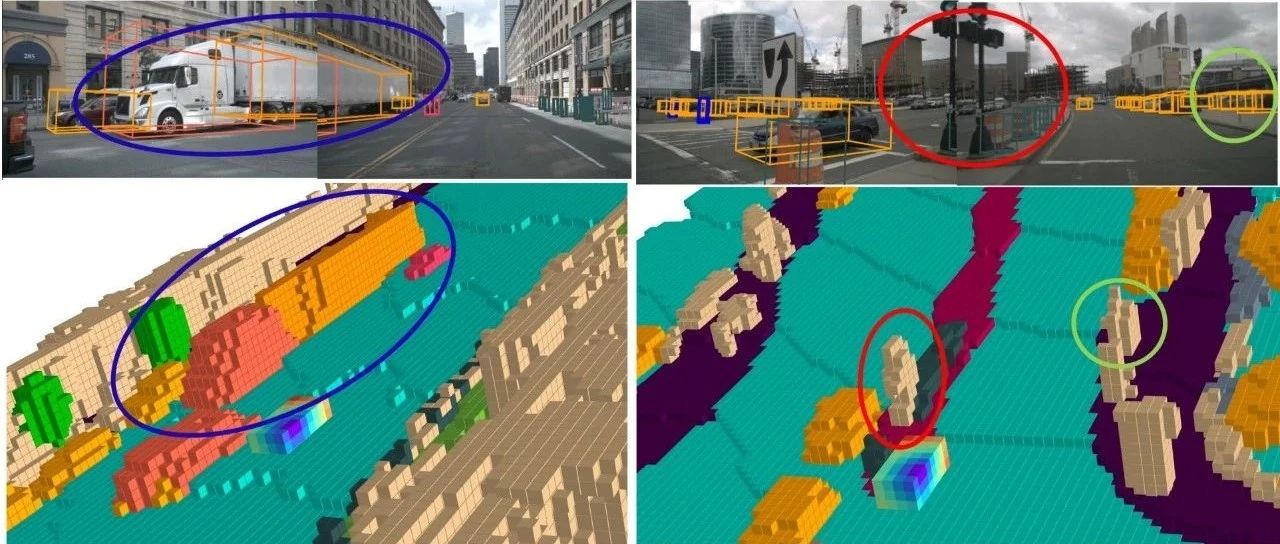
Core Viewpoint - The article emphasizes the importance of high-quality 4D automatic annotation in the development of intelligent driving, highlighting that while model algorithms are crucial for initial capabilities, the future lies in efficiently obtaining vast amounts of automatically annotated data [2][3]. Summary by Sections 4D Data Annotation Process - The article outlines the complexity of automatically annotating dynamic obstacles, which involves multiple modules and requires advanced engineering skills to effectively utilize large models and systems [2][3]. - The process includes offline 3D target detection, tracking, post-processing optimization, and sensor occlusion optimization [4][5]. Challenges in Automatic Annotation - High requirements for spatiotemporal consistency, necessitating precise tracking of dynamic targets across frames [7]. - Complexity in multi-modal data fusion, requiring synchronization of data from various sensors [7]. - Difficulty in generalizing dynamic scenes due to unpredictable behaviors of traffic participants and environmental interferences [7]. - The contradiction between annotation efficiency and cost, where high-precision annotation relies on manual verification, leading to long cycles and high costs [7]. - High requirements for scene generalization in mass production, with challenges in data extraction across different cities, roads, and weather conditions [8]. Educational Course on 4D Annotation - The article promotes a course designed to address the challenges of entering the field of 4D automatic annotation, covering the entire process and core algorithms [8][9]. - The course includes practical exercises and focuses on dynamic obstacle detection, tracking, optimization, and data quality inspection [11][12]. - It also covers SLAM reconstruction, static element annotation, and OCC marking, providing a comprehensive understanding of the field [13][15][16]. Instructor and Course Structure - The course is taught by an industry expert with extensive experience in data closure algorithms and has participated in multiple mass production projects [20]. - The course is suitable for researchers, students, and professionals looking to enhance their skills in 4D automatic annotation [23][24].

最新综述:从物理仿真和世界模型中学习具身智能
自动驾驶之心· 2025-07-05 13:41
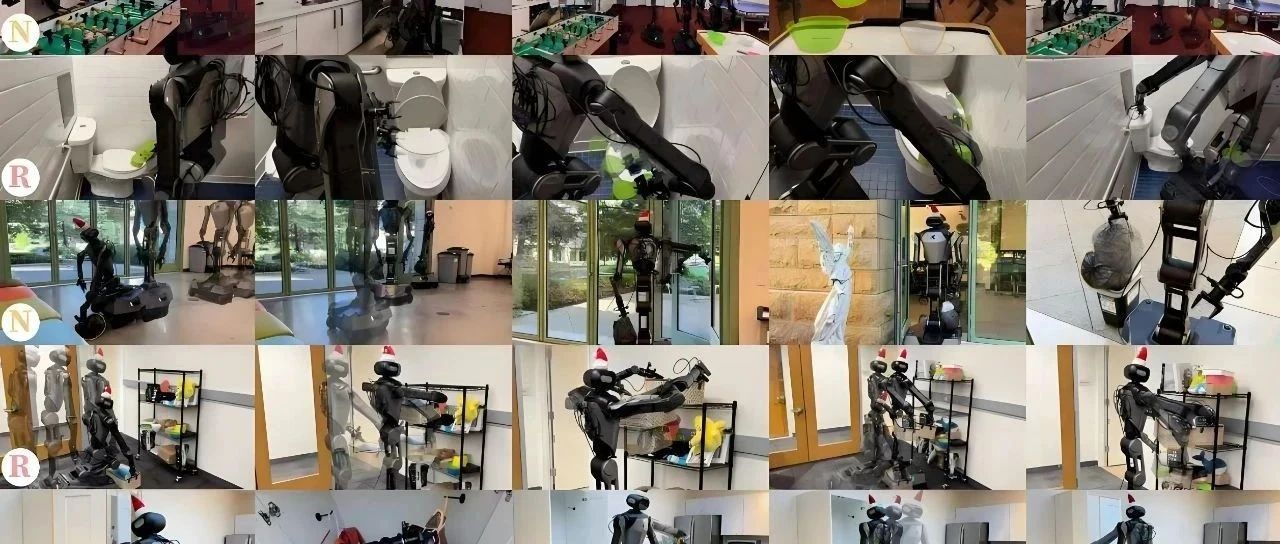
Core Viewpoint - The article focuses on the advancements in embodied intelligence within robotics, emphasizing the integration of physical simulators and world models as crucial for developing robust embodied intelligence [3][5]. Group 1: Embodied Intelligence and Robotics - Embodied intelligence is highlighted as a key area of research, emphasizing the importance of physical interaction with the environment for perception, action, and cognition [5]. - The article discusses the necessity for a scientific and reasonable grading system for robotic intelligence, especially in dynamic and uncertain environments [5][6]. - A proposed grading model for intelligent robots includes five progressive levels (IR-L0 to IR-L4), covering autonomy and task handling capabilities [6][10]. Group 2: Grading System for Intelligent Robots - The grading system categorizes robots based on their task execution capabilities, decision-making depth, interaction complexity, and ethical cognition [7][10]. - Key dimensions for grading include autonomy, task processing ability, environmental adaptability, and social cognition [11]. Group 3: Physical Simulators and World Models - The article reviews the complementary roles of physical simulators and world models in enhancing robot autonomy, adaptability, and generalization capabilities [3][72]. - A resource repository is maintained to provide comprehensive insights into the development of embodied AI systems and future challenges [3]. Group 4: Key Technologies and Trends - The advancements in robotics include the integration of various technologies such as model predictive control, reinforcement learning, and imitation learning to enhance robot capabilities [24][25]. - The article discusses the evolution of world models, which simulate real-world dynamics and improve the robustness of robotic systems [45][60]. Group 5: Future Directions and Challenges - Future directions include the development of structured world models, multi-modal integration, and lightweight models for efficient inference [73][72]. - The challenges faced by the industry include high-dimensional perception, causal reasoning, and real-time processing requirements [71][73].
肝了几个月!手搓了一个自动驾驶全栈科研小车~
自动驾驶之心· 2025-07-05 13:41
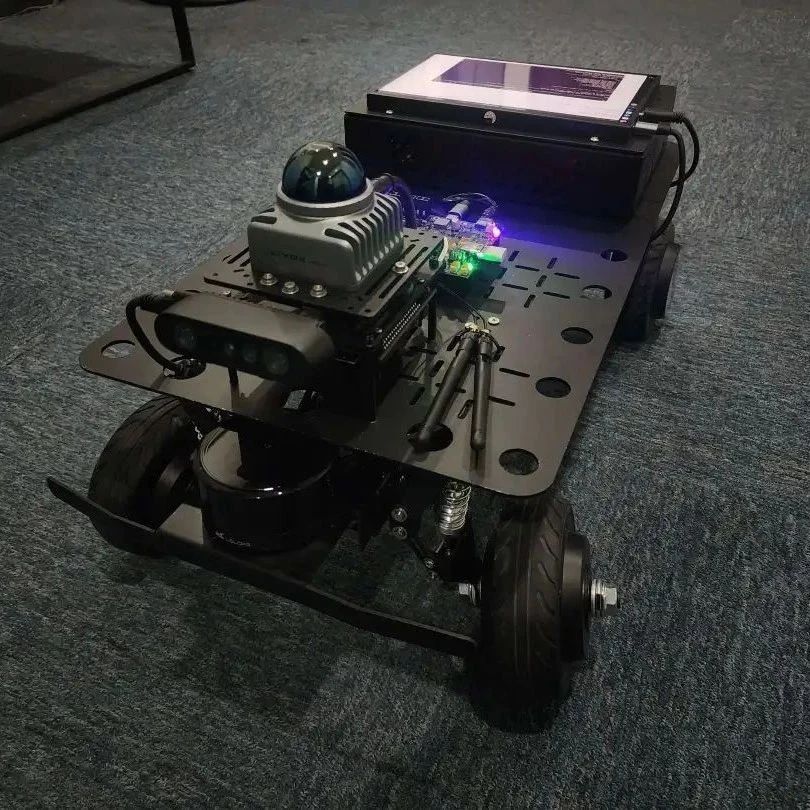
Core Viewpoint - The article announces the launch of the "Black Warrior Series 001," a lightweight autonomous driving solution aimed at research and education, with a promotional price of 34,999 yuan and a deposit scheme for early orders [1]. Group 1: Product Overview - The Black Warrior 001 is developed by the Autonomous Driving Heart team, featuring a comprehensive solution that supports perception, localization, fusion, navigation, and planning, built on an Ackermann chassis [2]. - The product is designed for various educational and research applications, including undergraduate learning, graduate research, and as teaching tools in laboratories and vocational schools [5]. Group 2: Performance Demonstration - The product has been tested in multiple environments, including indoor, outdoor, and underground scenarios, showcasing its capabilities in perception, localization, fusion, navigation, and planning [3]. Group 3: Hardware Specifications - Key sensors include: - 3D LiDAR: Mid 360 - 2D LiDAR: Lidar Intelligent - Depth Camera: Orbbec, with built-in IMU - Main Control Chip: Nvidia Orin NX 16G - Display: 1080p [19] - The vehicle's weight is 30 kg, with a battery power of 50W and a voltage supply of 24V, providing a runtime of over 4 hours [21]. Group 4: Functional Capabilities - The system supports various functionalities such as 2D and 3D SLAM, point cloud processing, vehicle navigation, and obstacle avoidance [24]. Group 5: Software Framework - The software framework includes ROS, C++, and Python, allowing for one-click startup and providing a development environment for users [23]. Group 6: After-Sales and Maintenance - The company offers one year of after-sales support (excluding human damage), with free repairs for damages caused by operational errors or code modifications during the warranty period [46].
快秋招了,慌得一批!自动驾驶算法方向去哪里找面经和题目啊?
自动驾驶之心· 2025-07-05 09:35
Core Viewpoint - The article introduces AutoRobo Knowledge Planet, a job-seeking community focused on autonomous driving and embodied intelligence, aimed at helping students quickly match with suitable positions and prepare for interviews [1][3]. Group 1: Community Overview - AutoRobo Knowledge Planet is a platform for job seekers in the fields of autonomous driving, embodied intelligence, and robotics, currently hosting nearly 1,000 members from various companies such as Horizon, Li Auto, Huawei, and Xiaomi [3]. - The community includes both experienced professionals and students preparing for upcoming job fairs in 2024 and 2025, covering a wide range of topics related to autonomous driving and embodied intelligence [3]. Group 2: Content and Resources - The platform provides a wealth of resources including interview questions, interview experiences, industry reports, salary negotiation tips, and services for resume optimization and internal referrals [3][5]. - AutoRobo has compiled a comprehensive list of 100 questions related to autonomous driving and embodied intelligence, which are essential for job seekers [9][10][13]. Group 3: Industry Reports - The community offers various industry reports to help members understand the current state, development trends, and market opportunities within the autonomous driving and embodied intelligence sectors [16][17]. - Reports include topics such as the World Robotics Report, Chinese Embodied Intelligence Venture Capital Report, and in-depth studies on the development of humanoid robots [17]. Group 4: Interview Experiences - The platform shares both successful and unsuccessful interview experiences across different roles, providing insights from various companies and positions, including algorithm engineering and product management [19][20]. - This collection of experiences aims to help members learn from past candidates' journeys and avoid common pitfalls during the interview process [20][21]. Group 5: Salary Negotiation and Professional Development - AutoRobo provides guidance on salary negotiation techniques and common HR questions to prepare members for discussions regarding compensation [22][25]. - The community also shares foundational resources, including recommended books and skills necessary for roles in robotics, autonomous driving, and AI [23][24].
本来决定去具身,现在有点犹豫了。。。
自动驾驶之心· 2025-07-05 09:12
Core Insights - The article discusses the evolving landscape of embodied intelligence, highlighting its transition from a period of hype to a more measured approach as the technology matures and is not yet at a productivity stage [2]. Group 1: Industry Trends - Embodied intelligence has gained significant attention over the past few years, but the industry is now recognizing that it is still in the early stages of development [2]. - There is a growing demand for skills in multi-sensor fusion and robotics, particularly in areas like SLAM and ROS, which are crucial for engaging with embodied intelligence [3][4]. - Many companies in the robotics sector are rapidly developing, with numerous startups receiving substantial funding, indicating a positive outlook for the industry in the coming years [3][4]. Group 2: Job Market and Skills Development - The job market for algorithm positions is competitive, with a focus on cutting-edge technologies such as end-to-end models, VLA, and reinforcement learning [3]. - Candidates with a background in robotics and a solid understanding of the latest technologies are likely to find opportunities, especially as traditional robotics remains a primary product line [4]. - The article encourages individuals to enhance their technical skills in robotics and embodied intelligence to remain competitive in the job market [3][4]. Group 3: Community and Resources - The article promotes a community platform that offers resources for learning about autonomous driving and embodied intelligence, including video courses and job postings [5]. - The community aims to gather a large number of professionals and students interested in smart driving and embodied intelligence, fostering collaboration and knowledge sharing [5]. - The platform provides access to the latest industry trends, technical discussions, and job opportunities, making it a valuable resource for those looking to enter or advance in the field [5].
名校合作、多年技术积累的手持扫描仪是什么样的?
自动驾驶之心· 2025-07-05 09:12
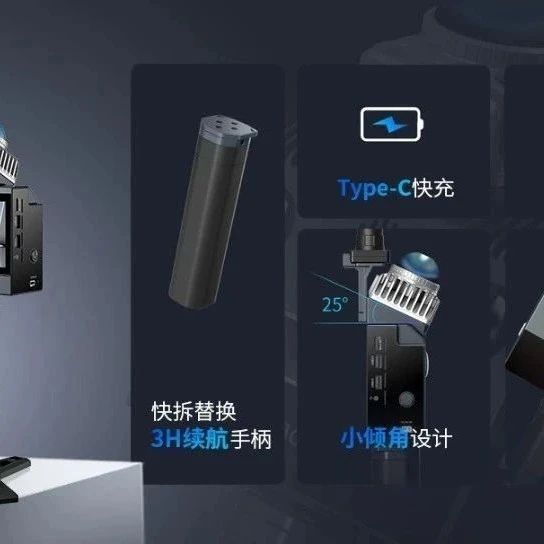
Core Viewpoint - GeoScan S1 is presented as a highly cost-effective handheld 3D laser scanner, designed for various operational fields with features such as lightweight design, one-button operation, and centimeter-level precision in real-time 3D scene reconstruction [1][4]. Group 1: Product Features - The GeoScan S1 can generate point clouds at a rate of 200,000 points per second, with a maximum measurement distance of 70 meters and 360° coverage, supporting large scenes over 200,000 square meters [1][23]. - It integrates multiple sensors, including RTK, 3D laser radar, and dual wide-angle cameras, allowing for high precision and efficiency in mapping [7][28]. - The device operates on a handheld Ubuntu system and includes various sensor devices, with a power supply integrated into the handle [2][21]. Group 2: Usability and Efficiency - The device is designed for ease of use, with a simple one-button start for scanning operations and immediate usability of the exported results without complex deployment [3][4]. - It features a small tilt angle design (25°) for the laser radar, enhancing efficiency by covering multiple orientations without repeated data collection [9][23]. - The GeoScan S1 supports real-time modeling and high-fidelity restoration through multi-sensor fusion and microsecond-level data synchronization [21][28]. Group 3: Market Position and Pricing - The product is positioned as the most cost-effective option in the market, with a starting price of 19,800 yuan for the basic version and higher for additional features [4][51]. - The company emphasizes its strong background and project validation, having collaborated with academic institutions and completed numerous projects [3][4]. Group 4: Application Scenarios - GeoScan S1 is suitable for various environments, including office buildings, parking lots, industrial parks, tunnels, forests, and mines, enabling precise 3D scene mapping [32][40]. - The device can be integrated with drones, unmanned vehicles, and other platforms for automated operations [38][40].
具身领域的目标导航到底是什么?主流算法盘点~
自动驾驶之心· 2025-07-04 10:27
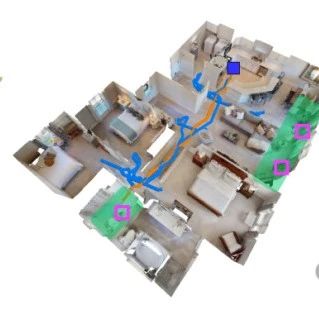
Core Viewpoint - The article discusses the advancements and applications of Goal-Oriented Navigation technology, emphasizing its significance in enabling robots to autonomously navigate and make decisions in unfamiliar environments, moving from traditional instruction-based navigation to a more autonomous understanding of the world [1][2]. Group 1: Technology Overview - Goal-Oriented Navigation is a key area within embodied navigation, relying on three main technological pillars: language understanding, environmental perception, and path planning [1]. - The technology has been successfully implemented in various verticals, including delivery, healthcare, and hospitality, showcasing its ability to adapt to dynamic environments and human interactions [2]. - The evolution of Goal-Oriented Navigation can be categorized into three generations: end-to-end methods, modular approaches, and LLM/VLM integration strategies [4][6]. Group 2: Industry Applications - In delivery scenarios, Goal-Oriented Navigation combined with social navigation algorithms allows robots to perform tasks in complex urban settings, as seen with Meituan's delivery vehicles and Starship Technologies' campus robots [2]. - In healthcare and hospitality, companies like Aethon and Jianneng Technology have deployed service robots for autonomous delivery of medications and meals, enhancing service efficiency [2]. - The integration of Goal-Oriented Navigation in humanoid robots is accelerating their penetration into home services, care, and industrial logistics [2]. Group 3: Technical Progress and Challenges - The development of embodied navigation has seen significant advancements since the introduction of PointNav in 2020, with evaluation systems expanding to include ImageNav and ObjectNav [3]. - Current challenges include achieving human-level performance in open vocabulary object navigation and dynamic obstacle scenarios, despite notable progress in closed-set tasks [3]. - The introduction of frameworks like Sim2Real by Meta AI provides methodologies for transitioning from simulation training to real-world deployment [3]. Group 4: Educational Initiatives - The article highlights the creation of a comprehensive course aimed at addressing the challenges faced by newcomers in the field of Goal-Oriented Navigation, focusing on practical applications and theoretical foundations [9][10][11]. - The course structure includes a systematic approach to understanding the technology's evolution, practical training on simulation platforms, and hands-on projects to bridge theory and practice [14][15][16][18].
Human2LocoMan:通过人类预训练学习多功能四足机器人操控
自动驾驶之心· 2025-07-04 10:27
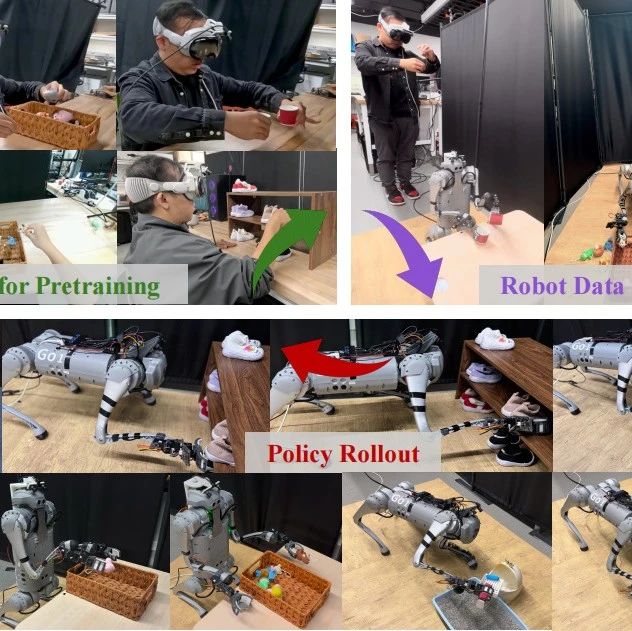
Core Insights - The article presents a novel framework called Human2LocoMan for enhancing quadrupedal robots' manipulation capabilities through human pretraining, addressing the challenges of autonomous multi-functional operations in complex environments [5][9][38] - The framework utilizes a modular cross-entity transformer architecture (MXT) to facilitate effective data collection and transfer learning from human demonstrations to robotic strategies, demonstrating significant performance improvements in various tasks [10][36] Group 1: Framework and Methodology - The Human2LocoMan framework integrates remote operation and data collection systems to bridge the action space between humans and quadrupedal robots, enabling efficient acquisition of high-quality datasets [9][38] - The system employs extended reality (XR) technology to capture human actions and translate them into robotic movements, enhancing the robot's workspace and perception capabilities [9][12] - A modular design in the MXT architecture allows for the sharing of a common transformer backbone while maintaining entity-specific markers, facilitating effective strategy transfer across different robotic entities [16][37] Group 2: Experimental Results - Experiments conducted on six challenging household tasks showed an average success rate improvement of 41.9% and an 82.7% increase in out-of-distribution (OOD) scenarios when using human data for pretraining [6][10] - The framework demonstrated robust generalization capabilities, maintaining high performance even with limited robotic data, and significantly improving task execution in both ID and OOD scenarios [37][38] - The modular design of MXT was shown to outperform traditional methods, indicating its effectiveness in leveraging human data for enhanced robotic learning and performance [33][36] Group 3: Data Collection and Efficiency - The Human2LocoMan system allows for efficient data collection, achieving over 50 robotic trajectories and 200 human trajectories within 30 minutes, showcasing its potential for rapid data acquisition in complex tasks [30] - The framework supports a variety of operation modes, including single and dual-hand tasks, and is adaptable to different object types and scenarios, enhancing its applicability across various domains [30][36]
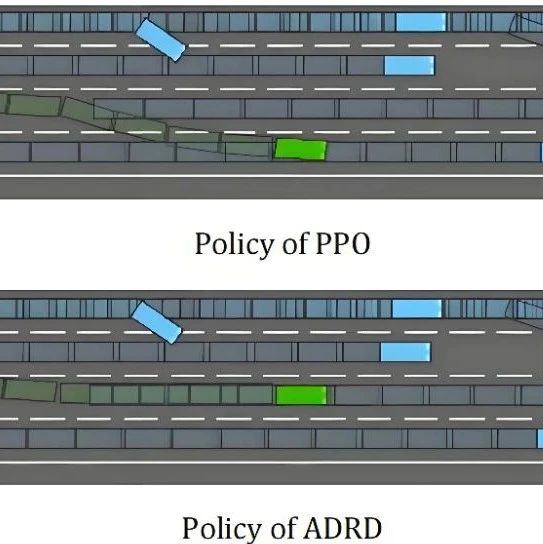
清华最新ADRD:自动驾驶决策树模型实现可解释性与性能双突破!
自动驾驶之心· 2025-07-04 10:27
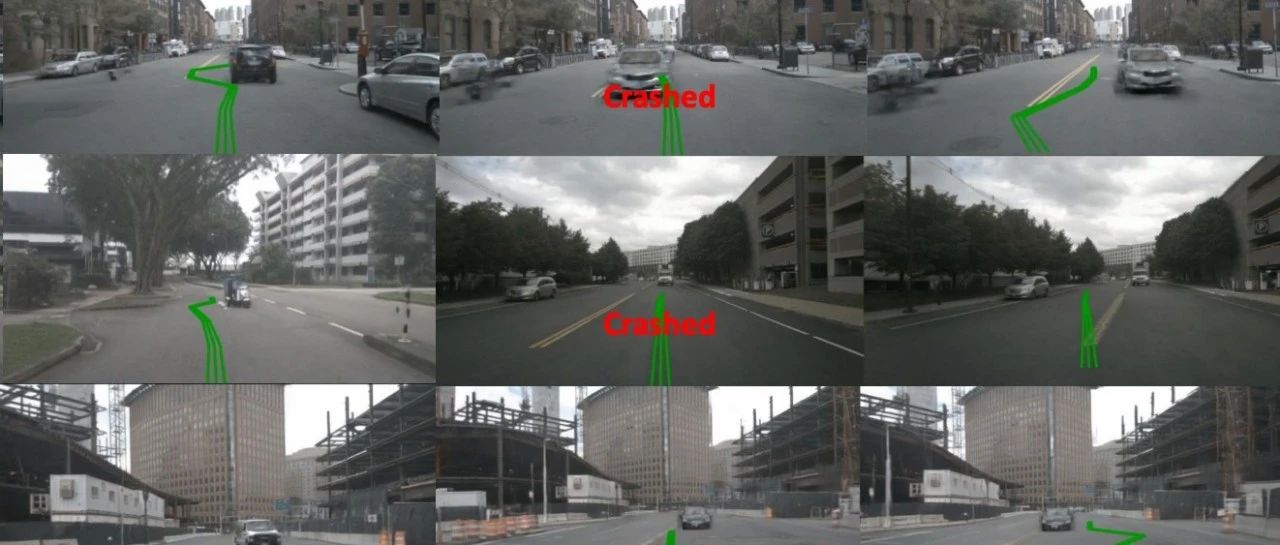
Core Viewpoint - The article discusses the rapid advancements in the autonomous driving field, emphasizing the increasing demand for transparency and interpretability in decision-making modules of autonomous systems. It highlights the limitations of both data-driven and rule-based decision systems and introduces a novel framework called ADRD, which leverages large language models (LLMs) to enhance decision-making capabilities in autonomous driving [1][2][26]. Summary by Sections 1. Introduction - The autonomous driving sector has seen significant progress, leading to a heightened focus on the interpretability of decision-making processes within these systems. The reliance on deep learning methods has raised concerns regarding performance in non-distributed driving scenarios and the complexity of decision logic [1]. 2. Proposed Framework - The ADRD framework is introduced as a solution to the challenges faced by traditional decision systems. It combines rule-based decision-making with the capabilities of LLMs, demonstrating superior performance in various driving scenarios compared to conventional methods [2][26]. 3. Algorithm Model and Implementation Details - The ADRD model consists of three main modules: information, agent, and testing. The information module converts driving rules and environmental data into natural language for LLM processing. The agent module includes a planner, encoder, and summarizer, which work together to ensure stable reasoning and effective feedback loops [5][7][13]. 4. Experimental Results - Experiments conducted in the Highway-env simulation environment show that ADRD outperforms traditional methods in terms of average safe driving time and reasoning speed across various driving conditions. For instance, in a normal density scenario, ADRD achieved an average driving time of 25.15 seconds, significantly higher than other methods [21][22]. 5. Conclusion - The article concludes that the ADRD framework effectively utilizes LLMs to generate decision trees for autonomous driving, outperforming both traditional reinforcement learning and knowledge-driven models in performance, response speed, and interpretability [26].
某新势力世界模型负责人休假。。。
自动驾驶之心· 2025-07-04 10:27
Core Viewpoint - The article discusses the instability of talent within the autonomous driving sector, particularly focusing on a new player in the industry that is experiencing significant personnel changes in its core technology teams, which may impact its technological advancements and competitive edge [3][5][6]. Group 1: Talent Instability - A key figure responsible for the development of the VLA model at a new player in the autonomous driving sector is currently on sick leave, raising concerns about the impact on the company's research and development efforts [3]. - The core team for autonomous driving at this new player is unstable, with the heads of the end-to-end and world model departments having left or taken leave, leaving only the production head in place [5]. - The industry has seen a trend of frequent talent turnover, especially among companies that have previously excelled, leading to a lack of stability and continuity in technological development [6][7]. Group 2: Leadership and Management Response - Despite the instability in key personnel, the leadership of the new player remains optimistic about achieving significant advancements once new models are produced, indicating a disconnect between management confidence and the reality of talent challenges [5]. - There is a noted lack of effort from company leaders to address the talent turnover issue, suggesting a belief that technological changes necessitate a shift in personnel [8]. - The phenomenon of treating talent as expendable resources has emerged, leading to a short value cycle for employees, who often seek to leave after project completion for better opportunities [10]. Group 3: Industry Trends - The article highlights a broader trend in the autonomous driving industry where companies cycle through different teams for various technological iterations, indicating a lack of long-term investment in talent [9]. - The departure of skilled professionals from the autonomous driving sector to pursue opportunities in robotics or other fields reflects a growing desire for autonomy and control over one's career path [10].