中国能源报

Search documents
3万公里燃气管网将持续“焕新”
中国能源报· 2026-01-19 13:39
Core Viewpoint - The article emphasizes the urgent need for a nationwide overhaul of urban underground pipelines, particularly gas pipelines, which have become a systemic risk due to aging infrastructure and safety concerns [3][5][12]. Group 1: Current Situation and Challenges - The Ministry of Housing and Urban-Rural Development has set a target to complete the renovation of 30,000 kilometers of various gas pipelines by 2026, with an investment of approximately 220 billion yuan allocated for major projects, including urban underground pipelines [3][5]. - Aging pipelines, many installed in the 1980s and 1990s, pose significant public safety risks, with issues such as gas leaks from corroded pipes accounting for 78% of repair requests in some areas [5][6]. - The complexity of urban environments, including the presence of multiple underground utilities and the need to minimize disruption to residents and traffic, complicates the renovation process [9][10]. Group 2: Strategic Actions and Innovations - The renovation of underground pipelines has been elevated to a national strategic initiative, integrating it into broader safety and infrastructure development plans [6][7]. - Innovative approaches, such as "one road one policy" and "one night one policy," are being implemented to reduce disturbances during construction, alongside the use of advanced technologies for monitoring and data collection [12][13]. - A multi-faceted funding mechanism is being proposed, combining central subsidies, local contributions, and user fees to address the financial challenges faced by gas companies in undertaking these renovations [12][13]. Group 3: Long-term Goals and Vision - The ultimate goal of the pipeline renovation initiative is to embed resilience thinking into the entire lifecycle of urban planning, design, construction, and management, enabling cities to better handle uncertainties and risks [13]. - The completion of the 30,000-kilometer renovation target is seen as a significant milestone, but it is only the beginning of a broader effort to ensure the safety and reliability of urban infrastructure [13].


“西电东送”开启绿色重塑新篇章
中国能源报· 2026-01-19 13:39
Core Viewpoint - The article discusses the transformation of traditional energy transmission models in China, particularly focusing on the "West-to-East Power Transmission" initiative, emphasizing the need for a green transition while ensuring energy security in the northwest region [1][3]. Group 1: Green Transformation of Energy Transmission - The National Development and Reform Commission and the National Energy Administration have issued guidelines to enhance the optimization of power grid resources, with the "West-to-East Power Transmission" expected to exceed 420 million kilowatts and add inter-provincial power exchange capacity of around 40 million kilowatts [3]. - The northwest region is projected to deliver approximately 400 billion kilowatt-hours of electricity annually by 2025, which is comparable to the total annual electricity consumption of South Korea or Germany [5]. - The proportion of green electricity in the "West-to-East Power Transmission" is expected to increase significantly, with projections indicating it will reach over 55% by 2025 and 67% under baseline scenarios by 2035, potentially reaching 72% under accelerated scenarios [5]. Group 2: Challenges in the Transition - The transition is not without challenges, as highlighted by the example of existing key transmission lines, which face issues such as high coal power ratios and insufficient renewable energy sources [6]. - The planning and positioning of transmission lines significantly impact their overall effectiveness, indicating that without coordinated resources, even well-designed projects may not yield expected benefits [6]. Group 3: Regional Development Strategies - The article emphasizes the need for differentiated development strategies for provinces like Shaanxi and Gansu, with Shaanxi positioned as a "regulation center" and Gansu as an "export base" for renewable energy [8]. - Gansu is expected to achieve a renewable energy proportion exceeding 60% in its power exports by 2030, leveraging its abundant wind and solar resources [8]. Group 4: Market and Policy Coordination - To address the challenges in the "West-to-East Power Transmission" process, experts suggest enhancing policy coordination, technical systems, and market mechanisms [11]. - Establishing a unified national electricity market and balancing mechanisms is crucial to resolve conflicts of interest among provinces, as current market rules vary significantly [12]. - The article advocates for a collaborative approach to optimize resource allocation and achieve the dual carbon goals, emphasizing the importance of government support and market efficiency [12].
光伏出口退税再调,倒逼产业加速转型
中国能源报· 2026-01-19 13:08
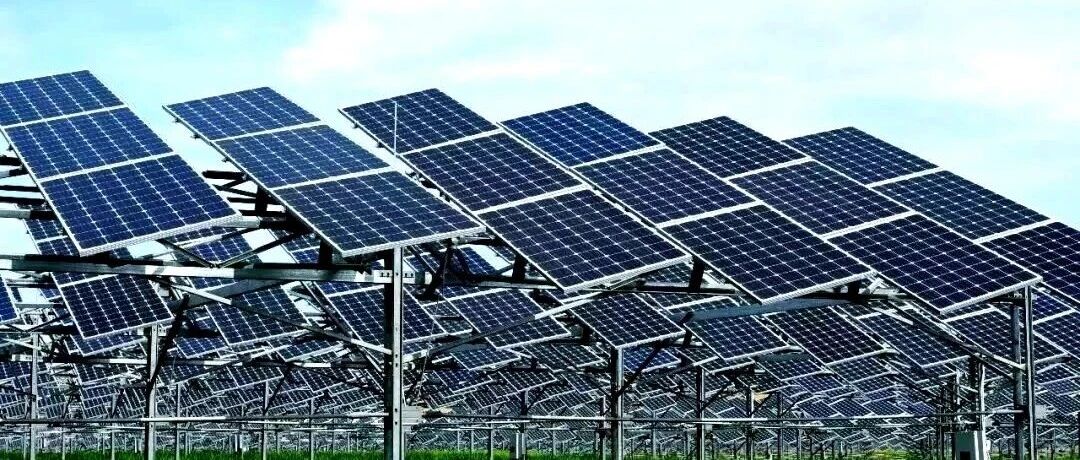
Core Viewpoint - The cancellation of export tax rebates for photovoltaic products is expected to increase export costs in the short term, causing price disturbances. However, in the long run, it aims to shift the photovoltaic industry from a quantity-driven model to a quality-driven one, promoting a more sustainable and higher-value development path for the industry [2][3]. Policy Adjustment - The Ministry of Finance and the State Taxation Administration announced the cancellation of VAT export rebates for certain products, including photovoltaic products, effective April 1, 2026. This marks the second significant adjustment to the export tax rebate policy within a year, drawing considerable attention from the industry [3][5]. - The products affected primarily include monocrystalline silicon wafers with a diameter greater than 15.24 cm, unassembled solar cells, and photovoltaic modules, which are commonly traded in the market [5]. Market Response - The cancellation of approximately 9% export tax rebate is projected to increase the cost of photovoltaic products by 0.06 to 0.07 yuan per watt. To maintain reasonable profit levels, export prices would need to rise above 0.8 yuan per watt, impacting the pricing structure and profitability of companies [6]. - A transition period of about three months has been set, leading to expectations of a surge in exports before the new policy takes effect. Analysts predict a potential doubling of battery component exports in the first quarter of 2026 as companies rush to fulfill orders [8][9]. Industry Dynamics - The adjustment is seen as a response to the ongoing trend of increasing export volumes but decreasing prices, with the total export value of photovoltaic products declining by 13.2% year-on-year despite volume growth [9]. - The policy aims to guide the industry away from low-price competition and homogenization, pushing for a transition to high-quality development. This is crucial as the industry faces intense competition and declining prices in international markets [11]. Long-term Implications - The cancellation of export tax rebates is expected to accelerate industry differentiation, benefiting leading companies with pricing power while forcing low-margin firms reliant on subsidies to exit the market [12]. - The industry is encouraged to focus on technological innovation, product differentiation, and brand value rather than competing solely on price, which could lead to more sustainable growth and reduced trade friction [12].
年度配额分配工作陆续启动,地方碳市场“对表”全国碳市场
中国能源报· 2026-01-19 13:08
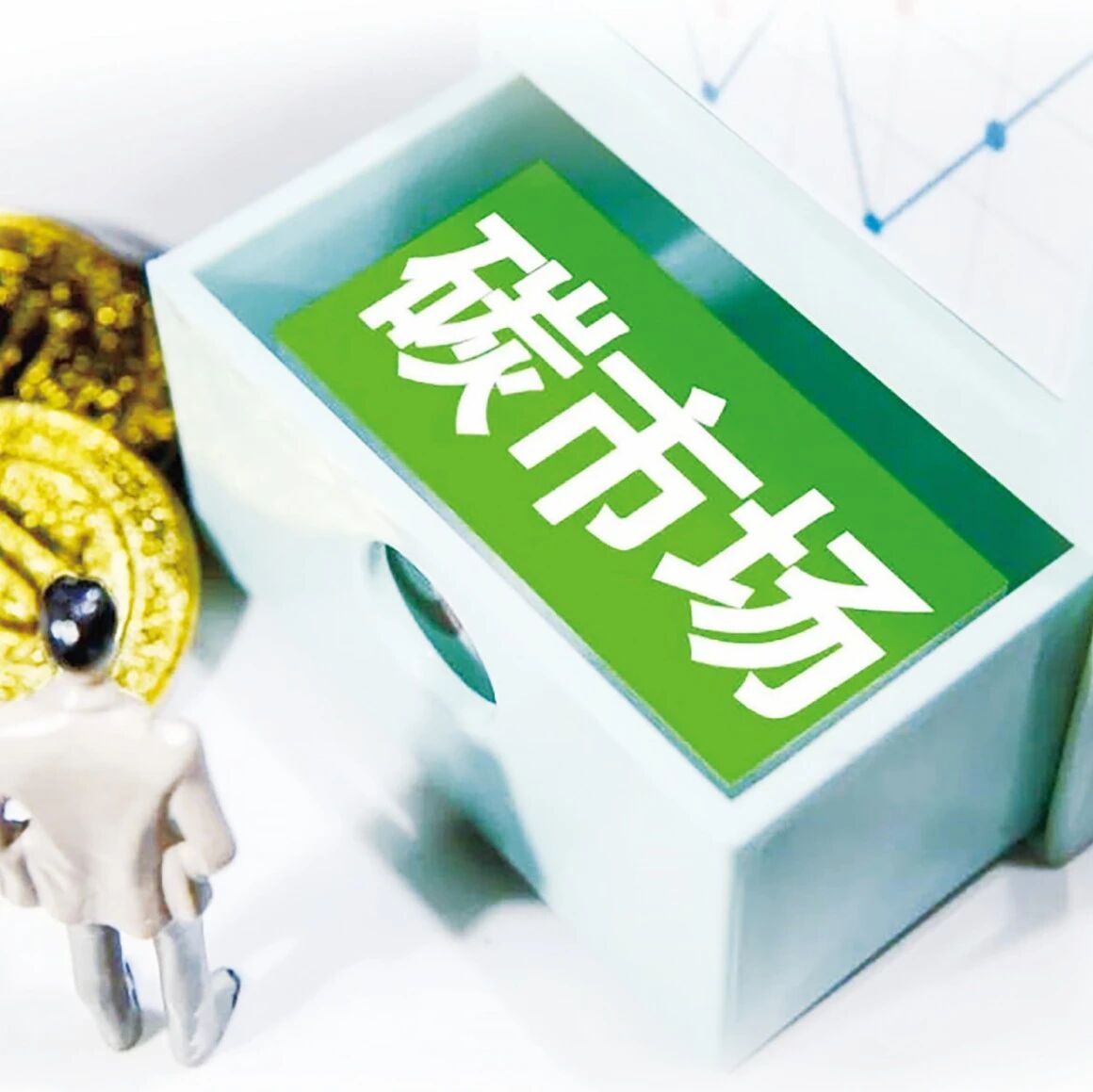
Core Viewpoint - The article discusses the ongoing development and optimization of local carbon markets in China, highlighting the tightening of quota management and the early release of carbon emission allowances as part of the country's dual carbon goals and the evolution of the national carbon market [1][4]. Group 1: Carbon Quota Management - Beijing's ecological environment bureau announced the pre-allocation of 2025 carbon emission quotas, which will be 70% of the 2024 approved quotas for key emission units that completed their 2024 quota compliance [3]. - Shanghai's carbon emission trading system for 2025 will have a total quota of 80 million tons, significantly reduced from 2024, signaling a tightening control on emissions [4]. - Tianjin's ecological environment bureau set a maximum adjustment amount of 5% of the annual carbon emission quota for 2025, promoting paid allocation and market regulation [4]. Group 2: Changes in Pre-allocation Timing - The pre-allocation of carbon quotas has been systematically advanced, with the deadline for 2025 quotas set for January 16, 2026, indicating a shift in policy focus towards enhancing market activity and liquidity [5][6]. Group 3: Expansion of Carbon Market Coverage - Local carbon markets are expanding from focusing solely on industrial sectors to include non-industrial sectors such as data centers, buildings, and transportation, reflecting a new phase of collaborative development [7]. - In Shanghai, the inclusion of sectors like aviation and commercial buildings into the carbon control framework marks a significant transition towards mandatory market mechanisms for carbon emissions [7]. Group 4: Alignment with National Regulations - Local carbon markets are moving towards comprehensive standardization, aligning closely with national regulations, as seen in the revision of Tianjin's carbon trading management measures to match the national framework [8]. Group 5: Need for Cross-Departmental Collaboration - As non-industrial sectors are integrated into local carbon markets, there is a recognized need for tailored policies that address the unique characteristics of these sectors, including carbon accounting and regulatory enforcement [9]. - The establishment of a cross-departmental mechanism for carbon emission accounting and data management is deemed essential for effective implementation [9]. Group 6: Implications for Corporate Carbon Management - The early release of carbon quotas necessitates that companies adopt a year-round carbon management approach, integrating carbon costs into their operational decisions [10]. - Companies are encouraged to develop internal monitoring systems for carbon emissions and to proactively manage carbon assets, including exploring financing options through carbon quotas [10].
原党委委员、副总经理李波,非法收受巨额财物
中国能源报· 2026-01-19 12:33
Group 1 - The article reports on the investigation of Li Bo, former member of the Party Committee and Vice General Manager of Anhui Energy Group, for serious violations of discipline and law [2] - Li Bo is accused of losing ideals and beliefs, resisting organizational review, and violating the spirit of the Central Eight Regulations by improperly accepting consumer cards and travel arrangements [2] - The investigation revealed that Li Bo breached organizational principles, failed to truthfully explain issues during inquiries, and engaged in private lending for substantial returns [2] - He utilized his position to benefit others in equipment procurement and project contracting, illegally accepting large sums of money [2] - Li Bo's actions constitute severe violations of political, organizational, and integrity disciplines, amounting to serious job-related offenses and suspected bribery, with significant negative impact [2] - The disciplinary actions taken against Li Bo include expulsion from the Party, cancellation of benefits, confiscation of illegal gains, and referral of criminal issues to the prosecution [2]
日本最大核电站推迟重启
中国能源报· 2026-01-19 12:33
Core Viewpoint - The restart of the Kashiwazaki-Kariwa Nuclear Power Plant's Unit 6 has been delayed due to an alarm setting error during a control rod withdrawal test, which is a necessary step before the reactor can be restarted [1][3]. Group 1: Incident Details - Tokyo Electric Power Company (TEPCO) reported that a fault occurred during the control rod withdrawal test on November 17, which was intended to prepare for the restart of Unit 6 [3]. - The original plan was to restart Unit 6 on November 20, but the alarm system did not function as expected during the test, prompting further checks to ensure all alarms can operate correctly [3]. - The Kashiwazaki-Kariwa Nuclear Power Plant, operated by TEPCO, has been offline since the 2011 Great East Japan Earthquake [3].

人民日报再评西贝关店事件
中国能源报· 2026-01-19 11:56
Group 1 - The core issue in the Xibei store closure incident is the lack of sincerity from the company, which is more critical than the pre-prepared food controversy [4][5] - The response from the entrepreneur, Jia Guolong, appears strong but is ineffective, leading to a more passive situation for the company [4] - The incident highlights the importance of understanding consumer needs and being transparent, as consumers will "vote with their feet" if they feel misled [5] Group 2 - The pre-prepared food industry should be standardized and regulated to ensure safety and quality for consumers, benefiting the overall food supply chain [5] - Companies should not fear pre-prepared foods but should embrace transparency and promote their use to enhance consumer trust and experience [5] - The online criticism from influencers can be turned into an opportunity for companies to clarify their practices and engage with consumer concerns sincerely [5]

副厅长黎将,被查
中国能源报· 2026-01-19 11:15
Group 1 - The article reports that Li Jiang, a member of the Party Committee and Deputy Director of the Guizhou Provincial Natural Resources Department, is under investigation for serious violations of discipline and law [1] - The investigation is being conducted by the Guizhou Provincial Commission for Discipline Inspection and the Supervisory Commission [1]
党委书记、董事长方斌斌,被查
中国能源报· 2026-01-19 11:15
Group 1 - The core viewpoint of the article highlights that Fang Binbin, the Party Secretary and Chairman of Jiangsu Environmental Protection Group Co., Ltd., is under investigation for serious violations of discipline and law [2]. Group 2 - The investigation is being conducted by the Jiangsu Provincial Commission for Discipline Inspection and the Supervision Commission [2]. - This incident reflects ongoing efforts by Chinese authorities to enforce stricter regulations and accountability within state-owned enterprises [2].
外交部紧急提醒:接到这个来电,立即挂断!
中国能源报· 2026-01-19 10:39
Group 1 - The Ministry of Foreign Affairs' Consular Protection Center warns about fraudsters impersonating the 12308 consular protection hotline to deceive individuals into providing personal information or paying "bail money" [1] - The 12308 hotline's primary function is to record calls related to consular protection requests and provide emergency consultation and guidance, not to initiate calls to citizens regarding personal matters or legal issues [1] - The hotline will not transfer calls to other departments or request money transfers during calls [1] Group 2 - If individuals receive suspicious calls from the 12308 hotline, they are advised to hang up immediately and verify by calling the hotline directly or using the "12308" function in the "Chinese Consulate" official app or WeChat mini-program [2] - Victims of fraud should report to local police immediately and, if the funds were transferred through domestic banks, also report to the police in their registered household location [2] - The global consular protection and service emergency hotline operates 24 hours at +86-10-12308 and +86-10-65612308 [2]