
digihuman(835670)

Search documents
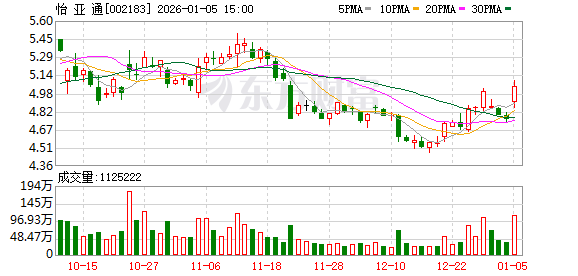
怡亚通:跨境支付及国内供销服务环节暂未涉及数字人民币支付场景
Zheng Quan Ri Bao· 2026-01-05 11:39
Group 1 - The company, Yiatong, has not yet involved in digital RMB payment scenarios in its cross-border payment and domestic supply chain service segments [2] - Yiatong will continue to monitor digital RMB policies and market dynamics, preparing relevant technical adaptation capabilities [2] - The company is exploring the feasibility of applying digital RMB in cross-border settlement and other scenarios [2]


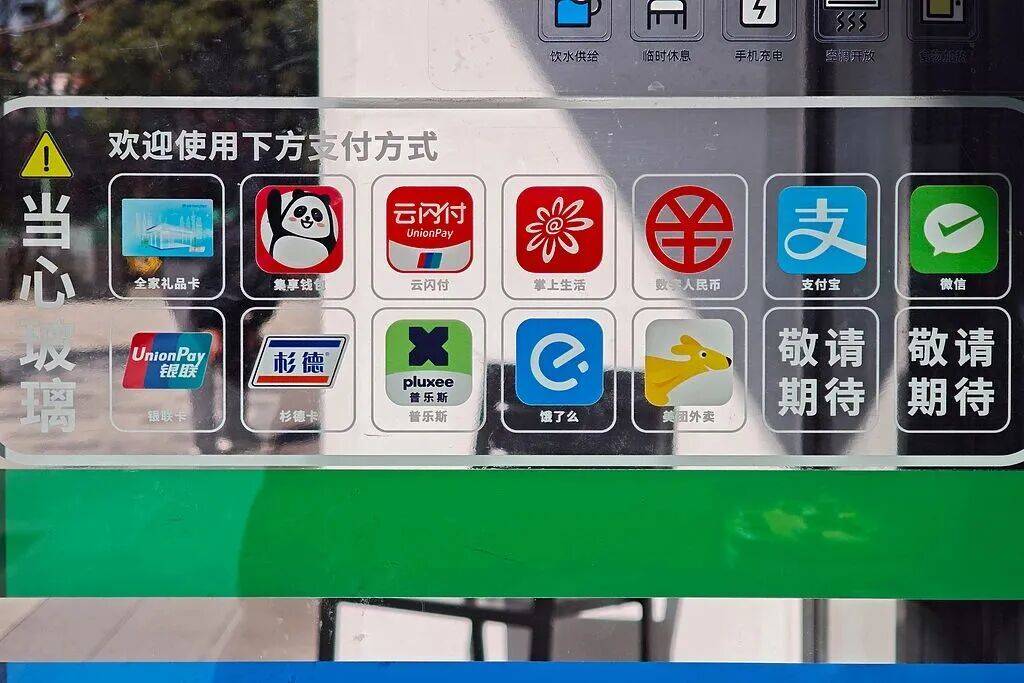
重大升级!工、农、中、建等大行集体公告:数字人民币开始生息了!
Sou Hu Cai Jing· 2026-01-05 11:03
Core Viewpoint - From January 1, 2026, digital yuan wallet balances will earn interest based on current deposit rates, marking a transition from "digital cash" to "digital deposit currency" in China [1][2] Group 1: Digital Yuan Interest Payment - Digital yuan wallets will be credited interest similar to bank current deposits, as announced by major state-owned banks [2] - This move signifies a shift from the cash-like version 1.0 to the deposit currency version 2.0 of digital yuan [2] Group 2: Application and Usage - Digital yuan has established application models across various sectors, including retail, education, and public services, with capabilities for both online and offline payments [3] - Users can download the "Digital Yuan" app, register a wallet, and convert bank funds into digital yuan through various payment methods [7] Group 3: Comparison with Other Payment Methods - Digital yuan functions as a direct form of currency, while WeChat and Alipay serve as wallets that can hold various forms of money [10] - Unlike WeChat and Alipay, which can be refused by merchants, digital yuan will be universally accepted once fully promoted [11] Group 4: Benefits of Digital Yuan - The issuance cost of digital yuan is lower as it eliminates the need for physical currency production [12] - Digital yuan facilitates the internationalization of the renminbi, making transactions more convenient in global trade [13]
数字人民币迎来重大调整 | 知识窗
Sou Hu Cai Jing· 2026-01-05 06:28
Core Viewpoint - From January 1, 2026, digital yuan wallet balances will earn interest based on current deposit rates, marking a transition from "digital cash" to "digital deposit currency" in China [2][3] Group 1: Digital Yuan Transition - The People's Bank of China will be the first central bank to pay interest on its digital currency, enhancing user willingness to adopt digital yuan and expanding its usage scenarios [2] - Major state-owned banks, including ICBC, ABC, CCB, BOC, PSBC, and BOCOM, will implement interest payments on digital yuan wallets, aligning with current deposit rates [3] - This shift signifies a move from version 1.0, which functioned as "digital cash," to version 2.0, which will operate as "digital current deposits" with core functions including value measurement, value storage, and cross-border payments [3] Group 2: Characteristics of Digital Yuan - Digital yuan is a legal tender issued by the People's Bank of China, designed to support a broad account system and allow for a loose coupling with bank accounts [6] - It does not pay interest, aligning with its classification as M0, similar to physical cash [10] - Digital yuan offers low operational costs, as there are no fees for exchange or circulation services [12] - Transactions using digital yuan are settled immediately, enhancing efficiency [14] - It incorporates controllable anonymity, protecting personal information while preventing illegal activities [16] - Security features include digital certificates, signatures, and encryption to ensure transaction integrity and prevent fraud [17] - Digital yuan is programmable through smart contracts, allowing for automated transactions under agreed conditions [19] Group 3: Comparison with Third-Party Payment Systems - Digital yuan is a state-backed legal currency that merchants cannot refuse, unlike third-party payment systems [21] - It does not incur any transaction fees and supports offline transactions [21] - Third-party payment systems may charge fees and require internet access, limiting their usability [23] Group 4: Benefits of Digital Yuan - The issuance cost is reduced as there is no need for physical currency production [25] - It aids in combating illegal activities through transaction data tracking [27] - Digital yuan facilitates the internationalization of the renminbi, making cross-border transactions more efficient [29] Group 5: Usage Scenarios - Digital yuan can be used in various sectors, including transportation, shopping, dining, healthcare, cultural tourism, and online platforms [31] - It has established a comprehensive application model across multiple fields, integrating both online and offline payment capabilities [31]

侃财邦|福利!你的数字人民币“钱生钱”了
Sou Hu Cai Jing· 2026-01-05 06:12
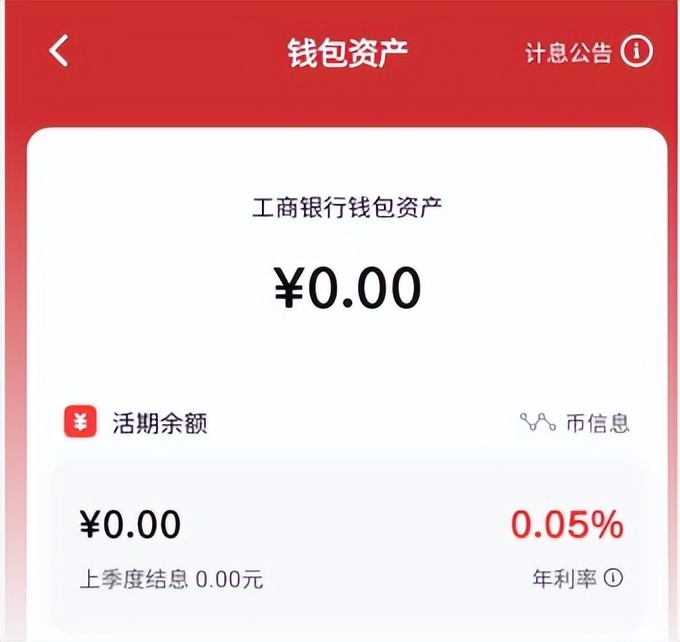
Core Viewpoint - The digital renminbi is evolving from a cash substitute to a deposit currency, allowing users to earn interest on their balances starting January 1, 2026, marking a significant upgrade to its functionality [2][5]. Group 1: Digital Renminbi Upgrade - Starting January 1, 2026, digital renminbi wallets will earn interest at the rate of 0.05% per annum, transforming the nature of digital currency from mere cash to a form of deposit [2][4]. - The new version of digital renminbi, referred to as 2.0, enhances its economic function beyond traditional cash, allowing users to earn interest, thus transitioning from "spending money" to "money generating money" [5][10]. - The digital renminbi will be treated as a liability for banks, subject to deposit insurance and legal protections similar to traditional bank deposits, but it will not be classified as savings deposits [5][10]. Group 2: User Experience and Benefits - Users will experience automatic quarterly interest accrual on their digital renminbi balances, simplifying the process and making it comparable to other financial products like Yu'ebao [10]. - The interest rate of 0.05% means that a balance of 100,000 yuan will yield an annual interest of 50 yuan, providing a tangible benefit for users [10]. - The transition to digital renminbi offers state-backed security for deposits, with a maximum compensation limit of 500,000 yuan in case of bank failure, ensuring the same safety as traditional bank deposits [10][12]. Group 3: Comparison with Other Payment Platforms - Digital renminbi is a legal digital currency issued by the People's Bank of China, while platforms like WeChat Pay and Alipay are merely payment tools that hold funds in commercial bank reserves [12]. - The relationship between digital renminbi and third-party payment platforms is not one of simple replacement but rather a complementary integration, enhancing the overall financial ecosystem [12].

数字人民币有利息了,专家详解背后影响
Huan Qiu Wang· 2026-01-05 05:25
Core Viewpoint - The digital renminbi (RMB) has transitioned from a payment tool to a systematic currency form, with the introduction of interest on wallet balances marking a significant upgrade in its functionality and regulatory framework [3][4][5]. Group 1: Digital RMB Upgrade - The digital RMB app has been updated to version 2.0, allowing wallet balances to accrue interest at an annual rate of 0.05%, similar to traditional savings accounts [1][3]. - The "Action Plan" implemented on January 1 outlines that banks will pay interest on customer digital RMB wallet balances, marking a shift to a digital deposit currency era [3][4]. Group 2: Financial Management and Security - The new digital RMB management model allows banks to conduct real-time and precise liability management, enhancing their asset-liability management capabilities [4][5]. - The digital RMB provides the same level of security as traditional deposits, backed by deposit insurance, thus increasing public trust in its safety and stability [5][6]. Group 3: Technological Advancements - The "Action Plan" emphasizes a digital framework that includes an "account system + currency string + smart contracts," aiming to enhance the digitalization and intelligence of RMB issuance and circulation [6]. - By September 2025, the establishment of the digital RMB International Operation Center will facilitate cross-border digital payments and blockchain services, positioning digital RMB as a foundational infrastructure for the digital economy [6].
中国老挝试行跨境数字支付合作,网商银行完成首笔数字人民币扫码付款
Cai Jing Wang· 2026-01-05 05:18
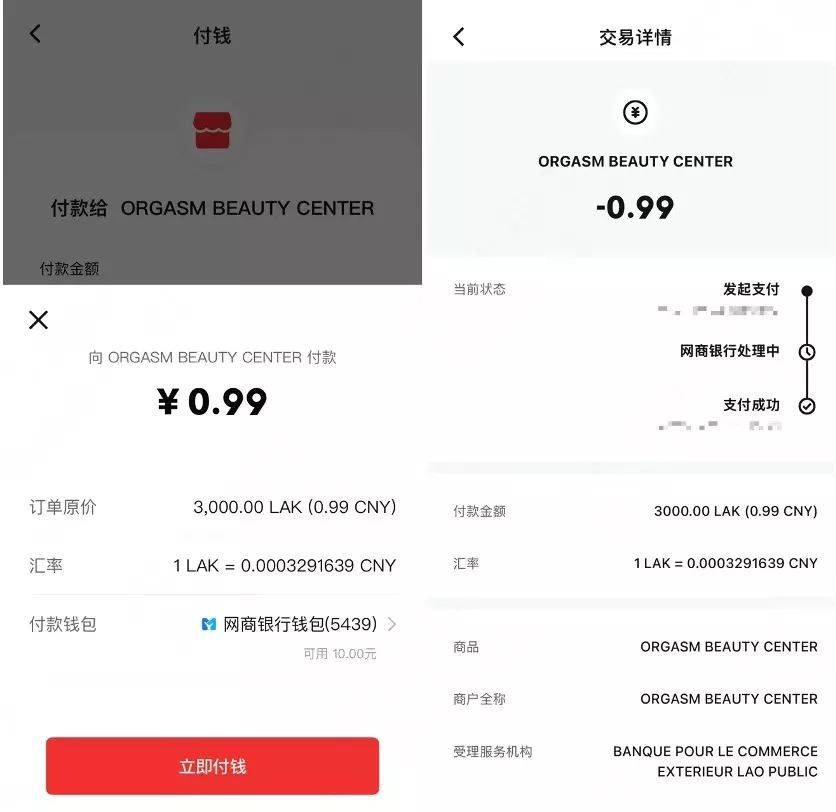
Core Viewpoint - The successful completion of the first cross-border digital payment using digital RMB in Laos marks a significant advancement in the bilateral digital payment cooperation between China and Laos, showcasing the practical application of digital RMB for Chinese residents abroad [1][4]. Group 1: Digital RMB Implementation - The first transaction involved a Chinese tourist making a payment of 3,000 LAK (approximately 0.99 CNY) at a merchant in Laos using the digital RMB app, eliminating the need for currency exchange [2][3]. - The transaction was processed through the Ant Group's subsidiary, MyBank, which is one of the first institutions to operate digital RMB [3]. Group 2: Bilateral Cooperation Framework - In 2024, the People's Bank of China and the Bank of the Lao People's Democratic Republic signed a memorandum to enhance cooperation on digital payments and central bank digital currencies [4]. - The first phase of the bilateral cross-border digital payment cooperation project began in December 2025, focusing on the interconnection of digital RMB payment platforms with Laos' national payment network (LAPNet) [4]. - The project aims to facilitate the use of digital RMB for cross-border trade and payments, with future phases planned to support Lao residents using their digital wallets in China [4]. Group 3: Strategic Alignment - The initiative aligns with China's broader strategy to enhance the international use of the RMB and support regional economic cooperation, particularly in Southeast Asia [3][4]. - The successful implementation of the digital RMB in Laos is expected to expand its cross-border application and explore cost-effective methods for cross-border payments [3].
开始计息!数字人民币App迎来2.0版本
Sou Hu Cai Jing· 2026-01-05 04:46
Core Insights - The digital renminbi has transitioned from the "digital cash era" to the "digital deposit currency era" with the launch of the upgraded version 2.0 of the digital renminbi App [1] Group 1: Digital Renminbi App Features - Starting from January 1, 2026, the balance in the real-name digital renminbi wallet will earn interest based on the current deposit rate, with interest details available for users to view quarterly [1] - The updated App has optimized the wallet interface design and introduced personalized skin features [3] - The digital renminbi App serves as the primary platform for individual users to manage their digital renminbi assets, aggregating wallet access from various operating institutions for unified management [4]
客易云数字人TK数字人:双星闪耀,共绘智能交互新蓝图
Sou Hu Cai Jing· 2026-01-05 04:18
Core Insights - The article highlights the rapid development of artificial intelligence, particularly focusing on digital humans, which are transforming traditional interaction models and business ecosystems [1][3][4] Group 1: Digital Human Technology - Kexiyun Digital Human stands out due to its advanced AI algorithms, creating highly realistic virtual personas with impressive language understanding and expression capabilities [1][3] - TK Digital Human possesses a unique design style that combines fashion-forward elements with approachability, effectively engaging diverse user groups [3][4] Group 2: Interaction Capabilities - Kexiyun Digital Human offers a natural and efficient interaction experience, allowing for deep conversations that feel like engaging with a knowledgeable and caring partner [1][3] - TK Digital Human focuses on emotional resonance, adjusting responses based on user emotions, thereby fostering a sense of genuine emotional connection [3][4] Group 3: Commercial Applications - The combination of Kexiyun and TK Digital Humans presents significant potential in e-commerce live streaming, enhancing product explanations and emotional engagement to boost sales conversion rates [3][4] - In the education sector, Kexiyun Digital Human serves as a knowledgeable instructor, while TK Digital Human acts as a supportive learning companion, improving student engagement and learning outcomes [4] Group 4: Social and Entertainment Experiences - The collaboration between Kexiyun and TK Digital Humans offers users a novel social experience, blending knowledge and entertainment to meet modern social needs [6] - Continuous technological advancements will enable both digital humans to explore new application scenarios, enhancing interaction realism and personalization [6]

怡 亚 通:公司跨境支付及国内供销服务环节暂未涉及数字人民币支付场景
Mei Ri Jing Ji Xin Wen· 2026-01-05 02:38
Group 1 - The company currently does not involve digital RMB payment scenarios in its cross-border payment and domestic supply services [1] - The company will continue to track digital RMB policies and market dynamics, preparing relevant technical adaptation capabilities [1] - The company is exploring the feasibility of applying digital RMB in cross-border settlement scenarios [1]
东吴证券:数字人民币新方案 机制+技术架构双重升级
智通财经网· 2026-01-05 01:34
Core Viewpoint - The upgrade of digital RMB from a "pilot product" to a "core liability and infrastructure" of banks will lead to an "order-driven + long-term penetration" impact on A-shares, rather than a simple thematic trade [1][2]. Group 1: Digital RMB Upgrade - The People's Bank of China will officially launch a new generation of digital RMB measurement framework and management system starting January 1, 2026, transitioning from "cash-type 1.0" to "deposit currency-type 2.0" [2]. - The core of the 2.0 mechanism is the redefinition of liability attributes and the inclusion of a macro framework, where balances in real-name wallets at commercial banks will be treated as "account-based commercial bank liabilities" [3]. Group 2: Financial IT Impact - Financial IT companies are likely to benefit from the need for banks to transform their core systems, accounting, channels, and data governance as the digital RMB infrastructure is implemented [1]. - The digital RMB will enhance the willingness of users to hold and use it by providing interest payments on wallet balances, similar to traditional deposits, thus creating a manageable asset-liability space for banks [3]. Group 3: Technical Architecture - The proposed digital path includes an "account system + currency string + smart contracts," which aims to standardize the wallet system and enhance the resilience of the system while ensuring compatibility with distributed ledger technology (DLT) [4]. - The smart contract ecosystem will facilitate programmable digital payments, reducing misuse risks and compliance costs across various scenarios such as supply chain finance and fiscal subsidies [4]. Group 4: Investment Recommendations - Companies such as Hengsheng Electronics, Jingbeifang, Changliang Technology, and Yuxin Technology are recommended for their potential in payment acceptance and terminal expansion [5]. - Communication operators like China Telecom, China Unicom, and China Mobile are expected to benefit directly from capabilities related to SIM hard wallets and cross-border connections [5].