CHOW SANG SANG(00116)

Search documents
现货黄金站稳5000美元关口,金饰克价一夜涨36元
新华网财经· 2026-02-14 02:51
Group 1 - The core viewpoint of the article highlights the rebound in gold and silver prices, with spot gold stabilizing above $5000, closing at $5042.81 per ounce, and spot silver rising to $77.34 per ounce [1][3] - Following the release of the US CPI data, market expectations for a Federal Reserve interest rate cut increased, leading to a decline in the US dollar index, which in turn supported the attractiveness of precious metals [3] - Domestic gold jewelry prices have been adjusted upwards, with notable increases such as Chow Sang Sang's gold jewelry priced at ¥1551 per gram, up from ¥1524, and Lao Miao's gold jewelry at ¥1565 per gram, up from ¥1529 [3][9] Group 2 - The article provides specific pricing for various gold and platinum products, including Chow Sang Sang's gold jewelry at ¥1551 per gram, Lao Miao's at ¥1565 per gram, and platinum jewelry at ¥860 per gram [6][9] - The increase in gold prices is reflected in the adjustments made by multiple banks, which have raised deposit interest rates, indicating a broader trend in the financial sector [12]



看见2026 | 周生生周嘉颖:以长期主义锚定百年品牌,以守正创新铸牢信任根基
Xin Hua Wang· 2026-02-13 10:07
1 在周期波动中锚定品牌信任 坚守、进化、连接,破除瓶颈 过去的一年,受多重要素影响,黄金珠宝行业热潮涌动,在成本与价格成为主流叙事的趋势下,周生生则转向了更深层的命题:当材质价值被过度放大, 品牌如何构建超越金属本身、更具韧性的长期价值体系? 周嘉颖的答案是"坚守、进化与连接",这是周生生对2025年的三个总结词,也是其在周期中锚定百年的方法论。 2025年,在行业的波动起伏中,中国黄金珠宝品牌用工艺、文化、审美,将世界目光聚集于东方。 当符号表达被品牌价值取代,情感体验跃升为消费的关键词,在价格波动、消费需求迭代、行业竞争重塑的背景下,中国黄金珠宝品牌们站在了穿越市场 周期,迈向高质量发展的关键节点上。 本期《看见2026》系列访谈邀请了周生生首席品牌长周嘉颖,从从业者的视角出发,解读一家有着长达九十余年发展史的珠宝品牌,如何秉持"周而复 始,生生不息"的核心理念,穿越时代变化的洪流,构建长期主义发展的护城河。 不断"进化"产品,是周生生适配行业变革、贴合消费者需求的关键。周嘉颖敏锐洞察到,当前中国黄金珠宝消费已发生深刻转变,消费者对珠宝的认知, 正在从"价格及材质敏感"转向"价值综合判断"。品牌价值的构 ...

金价真的是一夜大变天,最新报价,全国金价竟然差这么多?
Sou Hu Cai Jing· 2026-02-13 00:03
Core Viewpoint - The price of gold varies significantly across different retailers, with a difference of over 400 yuan per gram between the Shanghai Gold Exchange and brand jewelry stores, highlighting the importance of price comparison for consumers [1][6][20]. Price Comparison - On February 12, 2026, the Shanghai Gold Exchange quoted AU9999 at 1123 yuan per gram, while major jewelry brands like Chow Tai Fook and Chow Sang Sang priced it at 1560 yuan per gram [3][20]. - The price difference between investment gold bars from banks and jewelry is substantial, with bank gold bars priced around 1135 yuan per gram compared to 1560 yuan for jewelry, resulting in a savings of over 420 yuan per gram when choosing bank gold bars [6][20]. Brand Pricing Discrepancies - The price variation among brand jewelry stores is notable, with a difference of 80 yuan per gram between the highest and lowest prices [4][20]. - The cost of jewelry includes design, operational, and store costs, leading to higher prices compared to investment gold bars, which have minimal premiums [6][7]. Regional and Store Variations - Prices differ based on location and store type, with flagship stores in prime urban areas charging more than those in smaller towns [7][16]. - In the same city, different shopping districts can have price variations of a few yuan per gram [7][16]. Consumer Behavior - Consumers exhibit varied purchasing behaviors, with some opting for bank gold bars for investment and others choosing brand jewelry for personal use [17][18]. - The demand for gold jewelry spikes during festive seasons, leading to increased sales for brand stores [12][20]. Market Dynamics - The gold recovery market shows that consumers often receive lower prices than expected when dealing with non-regulated buyers, emphasizing the importance of using transparent recovery channels [9][22]. - The gold market is influenced by international prices, with domestic prices fluctuating in response to global trends [26]. Sales Data - On February 12, 2026, the trading volume on the Shanghai Gold Exchange reached 50 tons, with significant sales reported by both banks and brand jewelry stores [20]. - Brand stores like Chow Tai Fook sold 500 kg of gold jewelry, while banks sold substantial amounts of gold bars, indicating strong consumer interest [20].

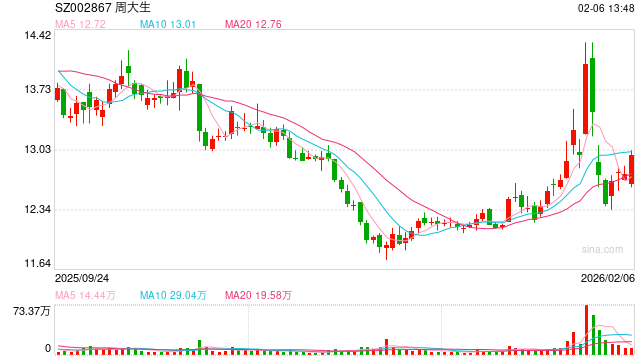
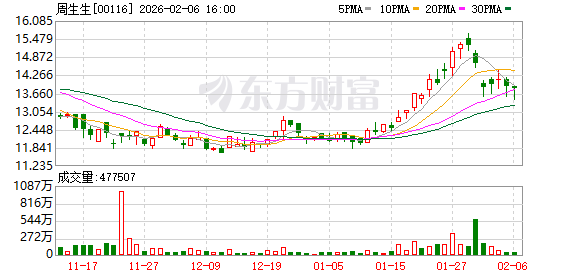
2月9日周生生黄金价格报1560元/克 较上一日上涨15元/克
Xin Lang Cai Jing· 2026-02-09 10:20
Core Viewpoint - The price of Zhou Shengsheng gold reached 1560 CNY per gram on February 9, marking an increase of 15 CNY per gram from the previous day, with a daily growth rate of 0.97% [1][2][3] Price Statistics - The highest price recorded this month was 1570 CNY per gram, while the lowest was 1484 CNY per gram [2][3] - The average price for the month so far is 1527 CNY per gram [2][3] - The current price is 10 CNY lower than the monthly peak and 76 CNY higher than the monthly low [1][2][3] Monthly Comparison - Compared to the beginning of the month, the price has increased by 76 CNY per gram, reflecting a growth rate of 5.12% [1][2][3]
王小卤霉变、麦当劳翻车、周生生纠纷、好想来扣人:消费市场的信任防线与品牌危机
Sou Hu Cai Jing· 2026-02-07 02:16
Group 1 - The core issue for Wang Xiaolu is the contradiction between high pricing and weak quality control, leading to consumer skepticism about "high price, low quality" products due to ineffective supply chain management [3][8] - McDonald's faces a cultural misalignment in its marketing strategy, where the superficial use of traditional elements fails to resonate with local cultural sensitivities, resulting in public backlash [3][11] - Chow Sang Sang's response to quality complaints about its gold products highlights a disconnect between brand promises and actual product quality, damaging consumer trust through inadequate crisis management [4][13] Group 2 - The incident involving Hao Xiang Lai reveals significant management flaws in protecting consumer rights, particularly regarding minors, as the rapid expansion of the chain has led to insufficient training and oversight [5][17] - The essence of the Wang Xiaolu issue is a failure in quality control due to a marketing-heavy approach that neglects supply chain integrity, which could lead to long-term brand damage as consumer loyalty wanes [8][20] - The McDonald's controversy illustrates the pitfalls of cultural appropriation in marketing, where a lack of genuine understanding of local customs can lead to negative consumer perceptions and brand ridicule [11][20] Group 3 - The crisis response from Chow Sang Sang demonstrates a tendency to evade direct accountability, which can further erode consumer trust rather than restore it [4][13] - The management incident at Hao Xiang Lai underscores the risks associated with prioritizing rapid growth over effective management practices, particularly in safeguarding consumer rights [5][18] - The overarching lesson for brands is the necessity of balancing short-term marketing strategies with long-term trust-building through genuine quality assurance and cultural respect [20][21]
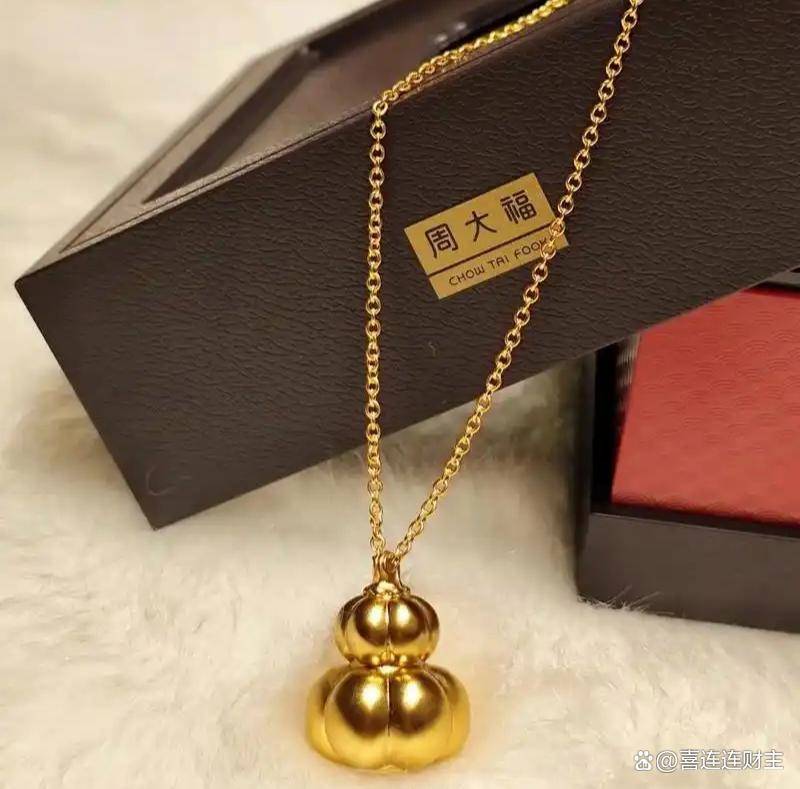
反转来了!周生生涉事黄金挂坠确认为足金
Guo Ji Jin Rong Bao· 2026-02-06 14:57
Core Viewpoint - The controversy surrounding the purity of Chow Sang Sang's (00116.HK) gold pendant has reached a significant turning point, with official testing confirming the product's compliance with purity standards [2][6]. Group 1: Incident Overview - The issue began when consumer Ms. Li complained about her newly purchased gold pendant, which showed signs of wear and raised doubts about its gold content [3]. - Initial tests conducted by a local gold recycling store indicated discrepancies in gold content, leading to further scrutiny [4]. Group 2: Official Response and Testing - Chow Sang Sang's official response included a statement acknowledging the customer's concerns and detailing their commitment to resolving the issue [6]. - The local market supervision authority intervened, facilitating a third-party test that confirmed the pendant met the national gold purity standards [2][6]. Group 3: Financial Performance - Chow Sang Sang reported a revenue of HKD 11.04 billion for the first half of 2025, a decrease of 2.45% year-on-year, while net profit rose by 71.44% to HKD 902 million, reversing previous declines [8]. - The improvement in profitability was attributed to rising gold prices and strategic adjustments in product offerings, leading to a 5.2 percentage point increase in gross margin to 33.5% [8].
周生生回应金饰为何会出现白色痕迹
Xin Lang Cai Jing· 2026-02-06 10:25
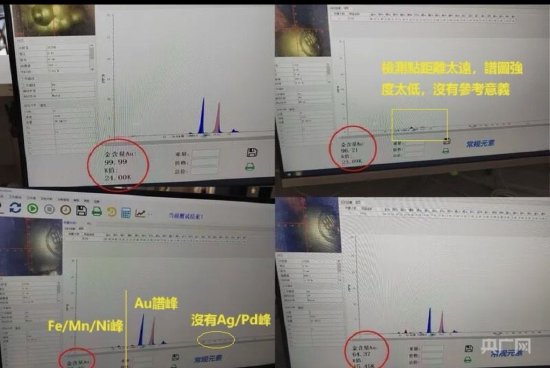
Core Viewpoint - The company, Chow Sang Sang, has addressed consumer concerns regarding the purity of a gold product, confirming that it meets national standards for "pure gold" as per GB11887 [1][5]. Group 1: Consumer Concerns and Company Response - Chow Sang Sang received inquiries from consumers about the material of a gold product, which prompted immediate communication and cooperation with local market regulatory authorities for testing [1][5]. - The testing results confirmed that the product is indeed pure gold, with a gold content that meets the national standard requirements [1][5]. - The company explained that white marks on the gold jewelry are not due to insufficient purity or adulteration, but rather a result of contact with cosmetics, sweat, or detergents during daily wear [6][1]. Group 2: Testing and Results - The company clarified that the gold product was made using an electroforming process, which does not include metals like iron, silver, or palladium, and that the purity can reach or exceed the standard for pure gold [6][1]. - The company addressed discrepancies in consumer-conducted tests, stating that the detection results were affected by the use of non-professional equipment and improper testing methods [9][4]. - Chow Sang Sang emphasized that all its gold products are 100% compliant with national legal standards and can withstand any authoritative inspection [5][9].
足金“不足”?鉴定有点难
Sou Hu Cai Jing· 2026-02-06 09:44
Core Viewpoint - The recent controversy surrounding Chow Sang Sang's gold jewelry highlights significant consumer trust issues in the gold market, with many consumers questioning the reliability of well-known brands due to quality complaints and deceptive practices [1][3]. Group 1: Consumer Complaints - There are over ten thousand complaints related to gold quality on a complaint platform, involving well-known brands like China Gold and Lao Feng Xiang, with online purchases showing a particularly high incidence of issues [3]. - Consumers have reported cases where gold jewelry changed color after a short period of use, with sellers often attributing the problem to improper wear or exposure to chemicals, rather than acknowledging potential quality issues [3][6]. - Online stores frequently engage in deceptive practices, such as selling items that appear to be solid gold but contain inferior metals, leading to significant consumer losses when these stores close shortly after sales [3][6]. Group 2: Challenges in Quality Verification - Consumers face difficulties in verifying the quality of gold jewelry due to a confusing array of certification bodies, with many not being recognized by sellers, leading to a lack of accountability [4][6]. - The cost of professional appraisal can be prohibitive, often exceeding the value of the jewelry itself, discouraging consumers from pursuing claims [6]. - Many consumers find themselves unable to seek redress as sellers may have already closed their shops or provided false information, complicating the process of claiming refunds or replacements [6]. Group 3: Legal Protections and Regulatory Actions - According to consumer protection laws, sellers are obligated to provide accurate information about product materials and purity, and failure to do so can result in liability for damages [7]. - If discrepancies in gold purity are found, consumers can demand refunds and may be entitled to additional compensation if fraud is proven [7]. - Regulatory bodies have begun to take action against fraudulent practices in the gold market, with significant penalties imposed on non-compliant institutions [7].
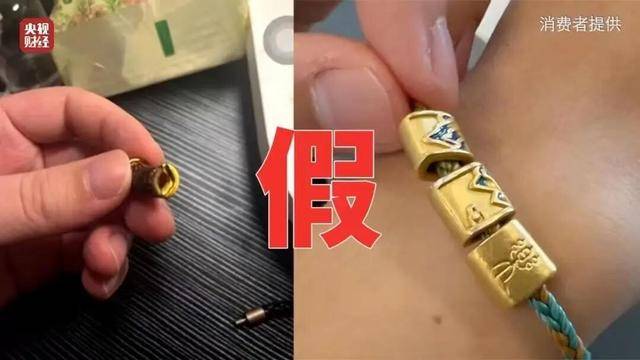
周生生“足金不足”事件反转,给我们上了一堂什么课
第一财经· 2026-02-06 06:45
Core Viewpoint - The incident involving consumer complaints against Chow Sang Sang jewelry highlights the importance of reliable quality assessments and the potential repercussions of consumer rights actions on brand reputation [3][6]. Group 1: Incident Overview - Consumer Li reported quality issues with a Chow Sang Sang gold pendant, claiming it was scratched and showed white marks after one day of wear [3][4]. - Initial testing by a local gold recovery store indicated varying gold purity levels, leading Li to believe the product was defective [4]. - Chow Sang Sang maintained that the product met gold standards, supported by a report from a national jewelry testing organization confirming it as pure gold [4][5]. Group 2: Testing Methodology - The testing method used by the gold recovery store, X-ray fluorescence spectroscopy, is known for its speed but has limitations in accuracy, particularly for light elements [5][6]. - This method is primarily suitable for preliminary screening rather than definitive assessments, which contributed to the misunderstanding of the product's quality [5]. Group 3: Brand Impact and Consumer Education - The incident caused significant negative publicity for Chow Sang Sang, with public opinion initially skewed against the brand before the authoritative testing results were released [6]. - The situation serves as a lesson for consumers about the importance of ensuring that their rights are defended through proper and accurate means to avoid unintended consequences [6]. - For brands, the incident underscores the necessity of maintaining integrity and trustworthiness to withstand scrutiny and protect their reputation [6].
周生生回应足金材质质疑:第三方检测确认符合国家标准
Xin Lang Cai Jing· 2026-02-06 05:49
Core Viewpoint - The recent controversy surrounding Chow Sang Sang's gold product highlights the importance of brand transparency and quality assurance in the jewelry industry, as the company responded promptly to consumer concerns and confirmed the product's compliance with national standards [1][4][12]. Company Summary - Chow Sang Sang (China) Commercial Co., Ltd. issued a statement on February 5, confirming that the gold content of the questioned product meets the national standard for "pure gold" [1][8]. - The company emphasized its commitment to quality and integrity, stating that all products undergo multiple quality inspections before leaving the factory [1][8]. - Following consumer feedback, Chow Sang Sang cooperated with market regulatory authorities to have the product tested by a designated third-party institution [1][4]. Incident Origin - The issue began when a consumer in Guangdong reported discrepancies in the gold content of a newly purchased Chow Sang Sang pendant, which led to independent testing revealing significant variations in gold content, with a maximum of 99.99% and a minimum of 64.37% [4][10]. - The local market supervision authority intervened and facilitated the testing of the disputed product after the consumer's complaint [4][10]. Legal Implications - Legal experts indicated that if the testing by an authoritative body found discrepancies between the product's actual composition and its labeling, it could constitute consumer fraud [5][11]. - The official testing results confirmed the product as "pure gold," thereby alleviating potential legal risks for the company [5][11]. Industry Observation - The incident reflects a growing consumer sensitivity towards product quality, weight, and brand reputation in the gold jewelry market, emphasizing the need for transparency and trust [6][12]. - Analysts noted that the timely response from brands and the involvement of authoritative testing can help protect consumer rights and enhance industry quality control [6][12]. - Chow Sang Sang reiterated that consumer trust is its most valuable asset and committed to improving service details and consumer experience in the future [6][12].