黄金价格

Search documents
国航中朝航线恢复运行
券商中国· 2026-03-30 01:08
Group 1 - The core point of the article is the resumption of Air China's flight CA121 from Beijing to Pyongyang, marking the reopening of the China-North Korea route [1]



How high will gold go this year? Top 3 predictions about gold prices.
Yahoo Finance· 2026-03-27 15:00
Core Insights - Gold is increasingly viewed as a safe haven for investors amid stock market fluctuations and rising inflation, with its price rising 64% in 2025 [1] Factors Driving Gold Prices - **Inflation**: High inflation rates lead to decreased purchasing power, prompting investors to allocate more capital to gold, which tends to spike in value during such periods [2] - **Instability**: Geopolitical issues, including wars and trade disputes, can trigger surges in gold prices as investors seek financial security [4] - **Economic Uncertainty**: Recessions and stock market volatility make traditional investments less appealing, leading investors to turn to gold as a stable alternative [5] Expert Predictions on Gold Prices - **Future Price Projections**: Experts predict that gold could surpass $6,000 per ounce by 2026, with JPMorgan forecasting a price of $6,300 due to increased central bank buying and global tensions [6][8] - **Increased Popularity of Physical Gold**: Retail investors are expected to show more interest in physical gold, such as coins and bars, driven by financial uncertainty and easier access to purchase options [10] - **Price Volatility**: Recent economic changes have made gold prices more volatile, with significant fluctuations observed, such as a 14% drop in just three days in early 2026 [11] Investment Considerations - **Long-term Investment Strategy**: Gold is best suited for long-term investment, and investors should not panic during price fluctuations [15] - **Diversification**: Experts recommend that gold should not constitute more than 15% of an investment portfolio to mitigate risks [15] - **Investment Options**: Investors can consider various methods to invest in gold, including physical gold, ETFs, or mining stocks, each with its own risk profile [15]
B2Gold 2025Q4 黄金总产量 销量环比增加 19.1% 13.4%至 9.43 吨 8.82 吨,2025Q4 调整后净利润环比减少 18.3%至 1.47 亿美元
HUAXI Securities· 2026-02-27 10:25
Investment Rating - Industry rating: Recommended [5] Core Insights - The report highlights a significant increase in gold production and sales for B2Gold in Q4 2025, with total gold production rising by 19.1% quarter-over-quarter to 303,029 ounces (9.43 tons) and total sales increasing by 13.4% to 283,490 ounces (8.82 tons) [2][3] - The adjusted net profit for Q4 2025 decreased by 18.3% to $147.25 million, despite a year-over-year increase of 764.7% [6] - The average realized gold price in Q4 2025 was $3,718 per ounce, reflecting an 18.7% increase quarter-over-quarter and a 39.7% increase year-over-year [3][6] Production and Sales Summary - Q4 2025 total gold production was 303,029 ounces (9.43 tons), a 19.1% increase from the previous quarter and a 62.9% increase year-over-year [2] - Total gold sales for Q4 2025 reached 283,490 ounces (8.82 tons), marking a 13.4% quarter-over-quarter increase and a 51.0% year-over-year increase [3] - For the full year 2025, total gold production was 979,604 ounces (30.47 tons), a 21.7% increase year-over-year, while total sales were 927,797 ounces (28.91 tons), a 13.2% increase [3][6] Financial Performance - Q4 2025 revenue was $1.05 billion, a 34.6% increase quarter-over-quarter and a 110.8% increase year-over-year [6] - The net profit for Q4 2025 was $180.26 million, a significant increase from a loss of $9.33 million in the same quarter of the previous year [6] - The adjusted net profit for the full year 2025 was $611.85 million, a 195.7% increase year-over-year [6] Cost Analysis - The cash operating cost per ounce of gold produced in Q4 2025 was $736, a 5.6% decrease quarter-over-quarter and a 24.0% decrease year-over-year [4] - The all-in sustaining cost (AISC) for Q4 2025 was $1,754 per ounce, an 18.6% increase quarter-over-quarter and a 5.2% increase year-over-year [4] - For the full year 2025, the AISC was $1,584 per ounce, an 8.1% increase year-over-year [4] 2026 Guidance - The consolidated gold production for 2026 is expected to be between 820,000 and 970,000 ounces, with a decrease anticipated due to the completion of open-pit mining at the Otjikoto mine [8][12] - The cash operating cost guidance for 2026 is projected to be between $1,155 and $1,280 per ounce [8][12] - The all-in sustaining cost guidance for 2026 is estimated to be between $2,400 and $2,580 per ounce [9][12]
有色金属海外季报:AngloGold2025Q4黄金总产量环比增加4%至24.85吨,归母净利润环比增长28%至8.55亿美元
HUAXI Securities· 2026-02-25 07:28
Investment Rating - Industry rating: Recommended [4] Core Insights - The company reported a gold production of 799,000 ounces (24.85 tons) in Q4 2025, representing a 4% increase quarter-on-quarter and a 7% increase year-on-year, primarily driven by full production at the Sukari mine and steady growth in other mines [1] - The average gold price received in Q4 2025 was $4,171 per ounce, up 20% quarter-on-quarter and 57% year-on-year, contributing to a significant increase in revenue and profit [2][6] - The total cash cost per ounce increased to $1,292 in Q4 2025, reflecting a 5% rise quarter-on-quarter and a 13% rise year-on-year, influenced by higher royalty fees and inflationary pressures [3][5] Production and Sales Summary - In 2025, the total gold production reached 3.091 million ounces (96.14 tons), a 16% increase year-on-year, with notable contributions from the Sukari mine and other operational improvements [2] - The total gold sales for 2025 were 3.105 million ounces (96.58 tons), also reflecting a 16% year-on-year increase [2] - The company’s Q4 2025 gold revenue was $3.023 billion, a 27% increase quarter-on-quarter and a 76% increase year-on-year [6] Financial Performance - The gross profit for Q4 2025 was $1.643 billion, up 38% quarter-on-quarter and 132% year-on-year, driven by increased sales and higher average gold prices [6] - Net profit attributable to shareholders for Q4 2025 was $855 million, a 28% increase quarter-on-quarter and an 82% increase year-on-year [6] - Adjusted EBITDA for Q4 2025 was $2.175 billion, reflecting a 40% increase quarter-on-quarter and a 146% increase year-on-year [8] Cost Analysis - The all-in sustaining costs per ounce for Q4 2025 were $1,805, a 5% increase quarter-on-quarter and a 10% increase year-on-year, indicating rising operational costs [5] - The total operating costs for Q4 2025 were $986 million, up from $815 million in the previous quarter [14] Guidance for Future Production - For 2026, the company expects gold production to be between 2.8 million and 3.17 million ounces, with cash costs projected to range from $1,335 to $1,455 per ounce [11][16] - The company plans to maintain capital expenditures at similar levels to 2025, focusing on optimization and investment in the Sukari mine [11][12]
在岸、离岸人民币对美元汇率再创阶段新高;2月LPR报价继续持平 | 金融早参
Sou Hu Cai Jing· 2026-02-24 23:22
Group 1: Monetary Policy and Liquidity - The People's Bank of China (PBOC) will conduct a 600 billion MLF operation on February 25, 2026, to maintain ample liquidity in the banking system, with a one-year term [1] - In February, the PBOC has net injected 300 billion through MLF, marking the 12th consecutive month of increased MLF operations [1] - The PBOC also expanded the scale of medium-term liquidity injections through reverse repos, totaling 600 billion in February, which is an increase from the previous month's 300 billion [1] Group 2: Currency Exchange Rates - On February 24, both onshore and offshore RMB against the USD reached new highs, with the onshore rate peaking at 6.8804 and the offshore rate at 6.8760, marking the highest levels since April 28, 2023 [2] - The strengthening of the RMB is attributed to improved China-US trade relations and increased demand for currency exchange from enterprises at year-end [2] Group 3: Interest Rates - The Loan Prime Rate (LPR) for both one-year and five-year terms remained unchanged at 3.0% and 3.5%, respectively, as of February 24, 2026 [3] - This indicates that monetary policy is still in a wait-and-see mode, with potential adjustments requiring clear signals such as economic slowdown or unexpected external shocks [3] Group 4: Gold Prices - On February 24, spot gold prices fell below 5,200 USD per ounce, declining by 0.52% [4] - Short-term forecasts suggest that gold prices will remain volatile, with geopolitical and policy expectations creating opportunities for fluctuations [4] Group 5: Payment Transactions During Spring Festival - During the 2026 Spring Festival holiday, payment transactions processed by UnionPay and Wanglian reached 39.302 billion transactions, totaling 13.12 trillion yuan, with daily averages increasing by 37.45% and 19.26% compared to the previous year [5] - The growth in payment transactions reflects enhanced consumer spending power and the maturation of payment methods, indicating a recovery in sectors like tourism and retail [5]
金价半小时暴跌内幕,别再等了!历史正在重演,机会就在眼前
Sou Hu Cai Jing· 2026-02-14 05:02
Core Viewpoint - The international gold price experienced a significant drop, falling nearly $200 within 30 minutes, while domestic gold prices remained high, leading to a substantial price discrepancy between international and retail gold prices [1][3]. Group 1: Price Levels in the Gold Market - The gold market consists of three distinct pricing tiers: the benchmark price tier, the brand retail tier, and the wholesale and investment tier [3]. - The benchmark price tier is directly linked to the international market, with Shanghai Gold Exchange's AU9999 gold closing at approximately 1110.40 yuan per gram, reflecting the international spot gold price [3]. - The brand retail tier, which is what consumers encounter, shows prices for gold jewelry from major brands like Chow Tai Fook and Lao Feng Xiang ranging from 1550 to 1562 yuan per gram [3]. - The wholesale and investment tier, closer to the raw material cost, has the wholesale price for 999 gold around 1282 to 1289 yuan per gram, with banks offering lower prices for investment gold bars [5]. Group 2: Factors Influencing Gold Price Fluctuations - The primary factor behind the recent gold price drop is the U.S. Federal Reserve's monetary policy, which has seen interest rates lowered multiple times, leading to a shift in market expectations regarding future rate cuts [5][6]. - In 2025, global central banks purchased a total of 863 tons of gold, with the People's Bank of China increasing its reserves significantly, indicating a strategic move to bolster financial security [6]. - Geopolitical tensions, such as conflicts in the Middle East and the ongoing Russia-Ukraine situation, have also contributed to increased demand for gold as a safe-haven asset [8]. Group 3: Cost Structure of Retail Gold Prices - The significant price difference between retail gold and raw gold prices can be attributed to various factors, including design and craftsmanship, which elevate production costs [9][11]. - Retail gold stores incur high operational costs due to prime location rents, staff salaries, and store maintenance, which are reflected in the final retail price [9]. - Marketing expenses also play a role, as brands invest heavily in advertising and promotions to establish trust and recognition among consumers [11]. Group 4: Investment Alternatives and Market Dynamics - For those looking to invest in gold without the premium of retail prices, purchasing investment gold bars from banks is a viable option, with prices closely following the raw material costs [12]. - New investment products like "small gold beans" and gold ETFs have emerged, allowing for flexible and low-barrier entry points for retail investors [12]. - When it comes to selling gold, the market price for gold recovery is significantly lower than retail prices, as recovery businesses deduct costs associated with testing and refining [14].

Gold price today, Monday, February 9: Gold opens above $5,000
Yahoo Finance· 2026-02-09 12:22
Group 1: Gold Price Trends - Gold futures opened at $5,020.10 per troy ounce, up 0.8% from Friday's closing price of $4,979.80 [1] - Last week, gold prices fluctuated between $4,400 and $5,082.20, indicating volatility in the market [2] - The one-year gain for gold was 95.6% as of January 29 [4] Group 2: Influencing Factors - Strong central bank demand, particularly from China, has been a significant factor in gold's performance, with China investing in gold for 15 consecutive months [2] - Concerns over the Federal Reserve's independence and expectations of lower interest rates have contributed to increased gold demand [3] - Factors affecting gold prices include geopolitical events, central bank buying trends, inflation, interest rates, and mining production [11][13] Group 3: Gold Pricing Mechanisms - The spot price of gold is the current market price per ounce for physical gold, while gold futures prices are contracts for future transactions [6][10] - The spot price is generally lower than the retail price due to additional costs like refining and dealer overhead [7]
纽约金价6日涨2.03%,周涨5.13%
Xin Hua Cai Jing· 2026-02-09 02:25
Core Viewpoint - The active trading price of April 2026 gold futures on the New York Commodity Exchange increased by 2.03% to $4988.60 per ounce, with a weekly gain of 5.13% [1] Group 1: Gold Market Analysis - Recent weeks have seen a rise in the US dollar index, which has weakened market enthusiasm for gold and silver [1] - Gold prices have experienced significant volatility recently, currently fluctuating just below the $5000 per ounce mark [1] - The next bullish target for February gold futures is to break through the strong resistance level of $5250, while the next bearish target for shorts is to fall below the technical support level of $4423.2 [1] Group 2: Silver Market Analysis - The next bullish target for March silver futures is to surpass the strong technical resistance level of $92.015, while the next bearish target for shorts is to drop below the strong support level of $60 [1]
中金研究 | 本周精选:宏观、策略、风光公用环保
中金点睛· 2026-02-07 01:06
Strategy - The price of gold exceeding $5,500 per ounce marks a significant milestone, indicating that the total value of existing gold is now comparable to the total amount of U.S. Treasury bonds, a first since the 1980s, suggesting potential shifts in the global financial system established post-Bretton Woods [3] - The A-share market has shown strong performance, driven by positive feedback from stock market performance and capital inflows, with sectors like non-ferrous metals, oil and petrochemicals, AI applications, and commercial aerospace being particularly active [4][5] - The current market environment supports a slow bull market, with growth style stocks favored, while low-position rebound opportunities are emerging [5] Macroeconomy - The nomination of Kevin Warsh as the next Federal Reserve Chairman has raised concerns about potential tightening of monetary policy, but the current liquidity dynamics and fiscal trends suggest that the expansion of the Fed's balance sheet is unlikely to change significantly [5] - The increasing U.S. fiscal financing needs and the stability of the financial system are heavily reliant on the Fed's provision of ample liquidity, especially with midterm elections approaching [5] Industry - The commercial aerospace sector is experiencing rapid growth, with space photovoltaics emerging as a key area for power system upgrades, driven by the deployment of low Earth orbit constellations and advancements in satellite technology [9]

2026 十大全球经济“猜想”
Sou Hu Cai Jing· 2026-02-05 06:53
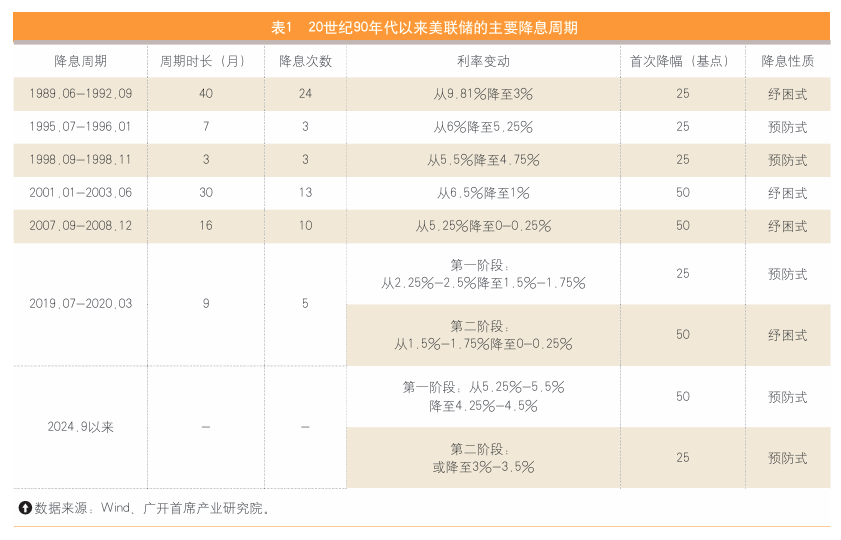
Group 1 - The global economy is transitioning from "high volatility" to "new equilibrium," facing new uncertainties and challenges while instability and imbalance are somewhat reduced [2][4] - In 2026, a series of positive factors are expected to drive global economic recovery, including expansionary fiscal policies, loose monetary policies, and an AI investment boom [4][5] - Global GDP growth is projected to be between 2.9% and 3.1% in 2026, slightly lower than in 2025, with developed economies growing below 2% and emerging markets, especially in Asia, continuing to be the main growth drivers [5] Group 2 - The global trade environment shows signs of partial recovery, with the U.S. likely to pragmatically adjust aggressive trade protection measures and deepen multilateral cooperation [8][9] - However, new protectionist forces may emerge, particularly in developed economies like Europe, which may impose "rules-based" barriers to trade [9] Group 3 - Inflation pressures remain in developed economies, with service prices showing stickiness and tariff impacts having delayed effects [13][10] - Global inflation is expected to decrease from 4.2% in 2025 to between 3.2% and 3.6% in 2026, with most developed economies approaching a 2% target [11] Group 4 - The Federal Reserve's interest rate cut uncertainty is increasing, with potential further cuts in 2026 depending on economic conditions and inflation expectations [14][15] - The political landscape and economic data may influence the Fed's decisions on interest rates, with pressures from the Trump administration complicating the situation [15] Group 5 - Many countries are expected to increase fiscal policy efforts in 2026 to counter economic downturn risks, with significant public investment planned in various sectors [17][18] - However, some countries face constraints on fiscal expansion due to high debt levels and external pressures [18] Group 6 - U.S.-China economic relations may experience a phase of easing, with the U.S. adjusting its stance towards China and seeking selective cooperation in non-sensitive areas [21][22] - This shift is driven by economic interdependence and political considerations ahead of the 2026 midterm elections [22] Group 7 - Countries are increasingly prioritizing supply chain "self-sufficiency" due to geopolitical risks and technological competition, leading to a restructuring of supply chains in strategic sectors [24][25] Group 8 - Global stock markets are expected to experience cautious optimism, with potential for upward movement driven by interest rate cuts and AI investments, but structural differentiation may increase [26][27] - Emerging markets are likely to attract more investment due to favorable conditions, while U.S. markets may face volatility and risks associated with high valuations [28] Group 9 - The U.S. dollar is anticipated to remain weak, influenced by lower interest rates and various economic factors, with fluctuations expected within a range [29][30] Group 10 - Gold prices are projected to remain strong amid geopolitical risks and a weakening dollar, although there may be short-term corrections due to various market factors [33][34]