CHINA TELECOM(00728)

Search documents
国家能源集团党组书记、董事长邹磊会见中国电信董事长、党组书记柯瑞文
Zheng Quan Shi Bao Wang· 2025-07-31 13:01
Core Viewpoint - The meeting between the leaders of China Energy Group and China Telecom focuses on deepening cooperation and promoting high-quality development in various technological areas [1] Group 1: Strategic Cooperation - Both parties aim to expand their collaboration based on existing partnerships, particularly in areas such as digital intelligence empowerment and the construction of green computing centers [1] - There is a mutual interest in the application of quantum computing within the energy and electricity sectors [1] Group 2: Technological Focus Areas - China Telecom expresses a desire to enhance cooperation in core technologies related to artificial intelligence, particularly in large model development [1] - The collaboration will also focus on the synergy between green electricity and computing power, as well as the application of quantum computing [1]

电信回应欠费影响征信称尚未纳入系统,短信系善意提醒
Xin Lang Ke Ji· 2025-07-31 07:32
Group 1 - The core issue revolves around a recent incident where a citizen received a debt collection message from a telecom company, indicating that overdue broadband fees could impact personal credit and various aspects of life, including children's education [1][2] - The message mentioned that overdue payments could lead to restrictions on purchasing high-speed train tickets, flights, and other services, which are related to the enforcement of credit penalties for individuals classified as "dishonest" [1][2] - The collection of dishonesty information is managed by multiple departments, including the court system and credit management agencies, and is primarily focused on civil execution cases [2] Group 2 - A telecom company representative confirmed that long-term unpaid debts could result in a credit record being created, which would be automatically uploaded to the system if not addressed [2] - The local branch of the telecom company clarified that currently, overdue broadband fees are not included in credit reporting, and paying the owed amount would resolve the issue [2] - The debt collection message is intended as a reminder, and there may be variations in how different outlets handle such communications [2]


全国首张城市信息化服务品牌“智云上海”发布|“上海有AI 智惠全城”打造AI城市新范式
Di Yi Cai Jing Zi Xun· 2025-07-31 06:47
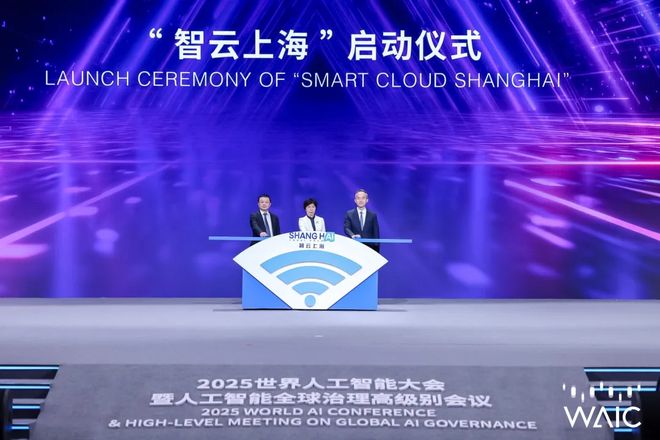
Core Concept - The launch of "Smart Cloud Shanghai" represents a significant step towards the digital transformation of the city, aiming to integrate AI into urban life and enhance the quality of life for residents [3][9][75] Group 1: Brand and Infrastructure - "Smart Cloud Shanghai" is the first city information service brand in the country, developed under the guidance of the Shanghai municipal government and China Telecom, marking the completion of a large-scale urban digital infrastructure [3][9] - The initiative aims to create a smart service system that seamlessly integrates AI into various aspects of urban life, benefiting all citizens [3][4] Group 2: Public Engagement and Promotion - The brand was introduced through a multi-faceted promotional campaign, including a visually impactful brand video that illustrates a vision of a smart city [4] - A themed light show at the Bund celebrated the launch, illuminating the city skyline with the "Smart Cloud Shanghai" logo, symbolizing the beginning of a new digital era [5][12] Group 3: Community Integration - The project includes creative modifications to public phone booths across 16 administrative districts, showcasing local AI applications and enhancing community engagement [13][16] - Each phone booth features unique posters that highlight AI initiatives relevant to their respective districts, reinforcing the message of "Shanghai has AI, Smart Benefits for All" [15][16] Group 4: Future Vision - The initiative is positioned as a model for global urban digital transformation, with aspirations to provide a replicable "AI CITY" paradigm for other cities [4][75] - China Telecom plans to collaborate with various partners to further develop "Smart Cloud Shanghai," aiming to strengthen its role as an international digital hub [9][75]

全国首张城市信息化服务品牌“智云上海”发布|“上海有AI 智惠全城”打造AI城市新范式
第一财经· 2025-07-31 06:38
Core Viewpoint - The launch of "Smart Cloud Shanghai" represents a significant step in Shanghai's digital transformation, aiming to integrate AI into urban life and enhance the city's capabilities, ultimately benefiting its citizens and setting a model for global smart cities [1][4][20]. Group 1: Launch and Significance - "Smart Cloud Shanghai" is the first city-level information service brand in China, developed under the guidance of the Shanghai government and China Telecom, marking the completion of a large-scale digital infrastructure [1]. - The initiative aims to create a smart service system that seamlessly integrates AI into various aspects of urban life, enhancing the quality of life for residents [1][4]. Group 2: Promotional Activities - A brand promotional video showcases the vision of a smart life through four thematic segments, emphasizing the transformative potential of "Smart Cloud Shanghai" [3]. - The launch event included a themed light show at the Bund, illuminating the city skyline with the "Smart Cloud Shanghai" logo, symbolizing the beginning of a new digital era for the city [5][12]. Group 3: Community Engagement - China Telecom Shanghai organized a multi-faceted release event to ensure that the value of "Smart Cloud Shanghai" is recognized by the public, demonstrating its impact on urban development and citizen welfare [1][9]. - The initiative includes creative modifications to public phone booths across 16 districts, showcasing local AI applications and reinforcing the message of "Shanghai has AI, benefiting the entire city" [13][15]. Group 4: Future Prospects - The launch of "Smart Cloud Shanghai" is not just a concept but a tangible symbol of the city's digital future, with plans for continued collaboration with various partners to enhance Shanghai's status as an international digital hub [20].

上海,AI的社会主义浪漫
Ge Long Hui· 2025-07-31 03:44
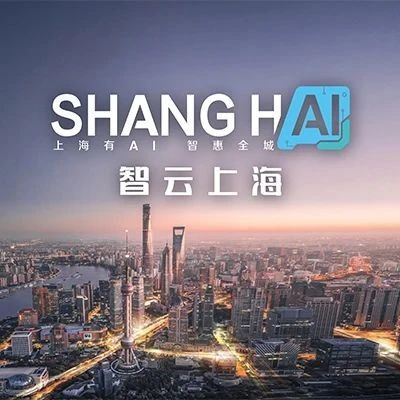
Core Insights - Shanghai is pioneering an AI development model based on "people-centric" principles, exemplified by public AI services like the "Hello Old Friend" phone booths, which provide easy access to AI technology for all citizens, including the elderly and those with disabilities [2][24][25] - The city's public computing power initiatives, such as public computing supermarkets and cloud broadband, aim to democratize AI access, fostering innovation and creating a larger application market [3][27] - Shanghai's approach to AI is characterized by a commitment to making technology accessible to the general public, contrasting with other global tech hubs where AI primarily serves elite users [18][35] AI Accessibility and Public Services - The "Hello Old Friend" phone booths allow users to interact with AI for various services without needing smartphones or literacy skills, showcasing Shanghai's dedication to public service [24][25] - The city has established a comprehensive cloud network, "Zhiyun Shanghai," which integrates AI services across various sectors, ensuring that all citizens can benefit from technological advancements [26][39][40] - Shanghai's public computing resources are designed to support small and medium enterprises, enabling them to access AI capabilities that were previously dominated by large corporations [49][50] Infrastructure and Technological Integration - Shanghai's infrastructure development has been proactive, with the city achieving full gigabit coverage by 2018, laying the groundwork for the current AI era [43][75] - The "Zhiyun Shanghai" initiative represents a significant investment in a city-wide AI infrastructure, making it the largest urban-level smart service platform globally [26][39] - The integration of AI into various industries, including finance, shipping, and manufacturing, is facilitated by a robust digital infrastructure that supports high bandwidth and low latency [49][70] Economic and Social Impact - The AI accessibility initiatives in Shanghai are expected to stimulate economic growth by fostering innovation among a broader range of participants, thus creating a more inclusive market [61][62] - By reducing the barriers to AI access, Shanghai aims to bridge the digital divide, ensuring that all demographics can participate in the technological revolution [29][35] - The city's commitment to public service and technological equity positions it as a model for other regions aiming to harness AI for societal benefit [55][63]
经济观察丨“AI+新型工业化”融合提速:场景更多 生态更优
Zhong Guo Xin Wen Wang· 2025-07-31 01:27
Group 1 - The Chinese government is promoting the integration of artificial intelligence (AI) into new industrialization, with a focus on enhancing industrial applications and optimizing the industry ecosystem [1][2] - The 2025 World Artificial Intelligence Conference (2025WAIC) showcased various AI applications in industries such as textiles, photovoltaics, and automotive, demonstrating significant efficiency improvements and quality enhancements [1][2] - AI-driven industrial safety systems have shown a 70% increase in response efficiency and a 50% reduction in manpower for safety management in steel manufacturing [1] Group 2 - Major state-owned enterprises are actively engaging in AI and manufacturing initiatives, with China Mobile establishing an AI innovation research institute and China Telecom launching an integrated AI service platform [2] - The Ministry of Industry and Information Technology of China has outlined key tasks for the second half of the year, emphasizing the deepening of the "AI + manufacturing" initiative [2] - A national AI platform called "Huanxin Community" was launched to promote the maturity of domestic AI technologies and industry ecosystems, aggregating data from 13 industries and opening up 40 high-value AI scenarios [2] Group 3 - KPMG's white paper presented at the 2025WAIC highlights that generative AI is rapidly penetrating various key processes in traditional manufacturing, leading to deeper applications beyond initial pilot projects [3]


智通港股通持股解析|7月31日
Zhi Tong Cai Jing· 2025-07-31 00:36
Core Insights - The top three companies by Hong Kong Stock Connect holding ratios are China Telecom (00728) at 74.67%, Gree Power (01330) at 70.01%, and China Shenhua (01088) at 66.95% [1] - The companies with the largest increase in holding amounts over the last five trading days are BYD Company (01211) with an increase of 14.05 billion, E Fund (02800) with 6.93 billion, and China Life (02628) with 2.58 billion [1] - The companies with the largest decrease in holding amounts over the last five trading days are China Mobile (00941) with a decrease of 1.63 billion, Pop Mart (09992) with 859 million, and Anta Sports (02020) with 678 million [1] Hong Kong Stock Connect Holding Ratios - China Telecom (00728) holds 10.363 billion shares, representing 74.67% [1] - Gree Power (01330) holds 283 million shares, representing 70.01% [1] - China Shenhua (01088) holds 2.262 billion shares, representing 66.95% [1] - Other notable companies include Tianjin Chuangye Environmental Protection (01065) at 64.66% and Hongye Futures (03678) at 63.53% [1] Recent Increases in Holdings - BYD Company (01211) saw an increase of 14.05 billion in holding amount, with a change of 11.621 million shares [1] - E Fund (02800) increased by 6.93 billion, with a change of 26.992 million shares [1] - China Life (02628) increased by 2.58 billion, with a change of 11.086 million shares [1] - Other companies with significant increases include China Construction Bank (00939) and Hang Seng China Enterprises (02828) [1] Recent Decreases in Holdings - China Mobile (00941) experienced a decrease of 1.63 billion, with a change of 1.875 million shares [1] - Pop Mart (09992) decreased by 859 million, with a change of 334.77 thousand shares [1] - Anta Sports (02020) saw a decrease of 678 million, with a change of 727.23 thousand shares [1] - Other companies with notable decreases include Agricultural Bank of China (01288) and New China Life Insurance (01336) [1]


政务数据新规即将施行,AI+IT建设有望推动行业新一轮建设周期
Xuan Gu Bao· 2025-07-30 23:26
Group 1 - The "Regulations on Government Data Sharing" will be implemented on August 1, 2025, aiming to enhance the security, order, and efficiency of government data sharing, thereby improving digital governance and public service effectiveness [1] - The regulations fill a legislative gap in China's government data sharing sector and establish a clear management system, addressing the "data island" issue [1] - The regulations are expected to significantly benefit the government data market by optimizing sharing processes and improving data supply efficiency [1] Group 2 - Companies involved in public data authorized operations include China Mobile, China Telecom, China Unicom, Deep Sanda A, Yihualu, Taiji Co., and Guangdian Yuntong [2] - In the financial services sector, companies such as Hengsheng Electronics and Zhongke Ruankai are noted [2] - In the trade and circulation sector, Shanghai Steel Union is mentioned, while in healthcare, companies like Zhongke Jiangnan, Chuangye Huikang, Jiuyuan Yinhai, and Wanda Information are highlighted [2] - In transportation, Shenzhou Holdings and COSCO Shipping Technology are identified [2]

无人机、卫星通信车抢修 密云、怀柔、延庆等地部分基站恢复通信
Xin Jing Bao· 2025-07-30 18:03
Core Viewpoint - The article highlights the response of telecommunications companies in Beijing to severe flooding, detailing their efforts to restore communication services using advanced technologies like drones and satellite communication systems [1][4]. Group 1: Emergency Response and Recovery Efforts - As of July 28, China Telecom deployed 334 personnel, 6 satellite communication vehicles, and 30 emergency repair vehicles to restore communication in affected areas [2]. - China Unicom reported the deployment of over 320 personnel and various emergency equipment, including 10 satellite base station vehicles and 34 satellite phones, with significant restoration of base stations in multiple districts [2][3]. - Beijing Mobile utilized 5 emergency communication vehicles and 2 drones to establish communication in key areas, successfully sending emergency messages and enabling communication for local government command points [2][4]. Group 2: Impact of Severe Weather - The average rainfall in Beijing reached 165.9 mm, with the maximum recorded at 543.4 mm, leading to significant infrastructure damage, including 31 road damages and 1825 disabled base stations [1]. - Communication facilities suffered extensive damage, with 62 fiber optic cables destroyed and 136 villages experiencing power outages [1]. Group 3: Technological Innovations in Communication - The use of drone base stations has been pivotal, providing emergency communication services to several villages and sending nearly 1 million emergency messages [4][5]. - Satellite communication vehicles and portable satellite stations were deployed to ensure connectivity in remote areas, demonstrating the effectiveness of "hard technology" in disaster response [4]. Group 4: Community Support and Services - Telecommunications companies provided temporary services such as free calls and charging stations for disaster-affected individuals, with China Telecom sending out 19.65 million risk warning messages [5]. - Beijing Unicom offered 100G of free data to users in affected areas, while Beijing Mobile provided essential services like drinking water and temporary shelter at key locations [5].

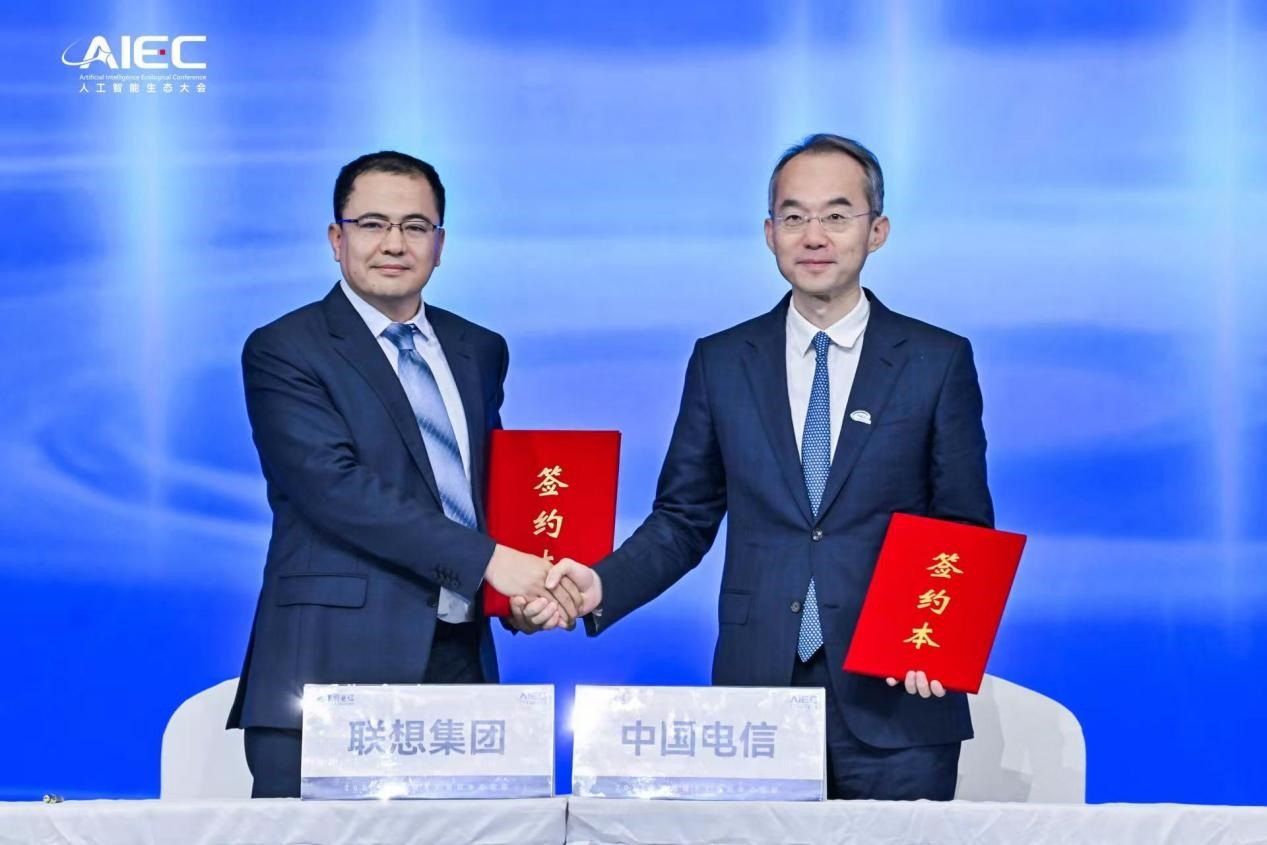
联想集团与中国电信签署战略合作协议
Jing Ji Wang· 2025-07-30 08:04
Core Viewpoint - The strategic cooperation agreement between China Telecom and Lenovo marks a significant milestone in their partnership, aiming to enhance collaboration in various fields including AI, cloud services, and industry solutions [1][4][6]. Group 1: Strategic Cooperation Details - Lenovo has been recognized as an important strategic partner of China Telecom, receiving the "Five Comprehensive Business Pioneer Cooperation Award" in 2024 [4]. - The cooperation will focus on areas such as basic communication, comprehensive information services, AI computing, international business, and joint expansion of government and enterprise clients [4][6]. - Both companies will explore collaboration in the Internet of Things (IoT) sector, including AI PCs, smart interactive devices, vehicle networking, and autonomous driving [4][6]. Group 2: Joint Initiatives - The partnership aims to deepen cooperation between Tianyi Cloud and Lenovo's hybrid cloud services, creating vertical industry cloud applications and establishing a close partnership service model [4][5]. - There will be a focus on smart manufacturing, with plans to co-build benchmark projects for smart factories [4][6]. - The companies will collaborate on AI computing and large model development to create intelligent computing solutions [5]. Group 3: Market Expansion and Goals - The agreement includes plans for overseas business cooperation, providing a full-chain intelligent solution for manufacturing enterprises venturing abroad [6]. - Joint efforts will be made to expand government and enterprise industry clients, integrating China Telecom's industry expertise with Lenovo's advanced intelligent systems [6]. - The strategic partnership aims to serve social development, share experiences, and enhance efficiency, contributing to the construction of a digital China and exploring the future of intelligent transformation [6].