
CNCB(00998)

Search documents
中信银行济宁分行“五进”宣传织密反诈网,守护群众“钱袋子”
Qi Lu Wan Bao· 2025-08-13 08:04
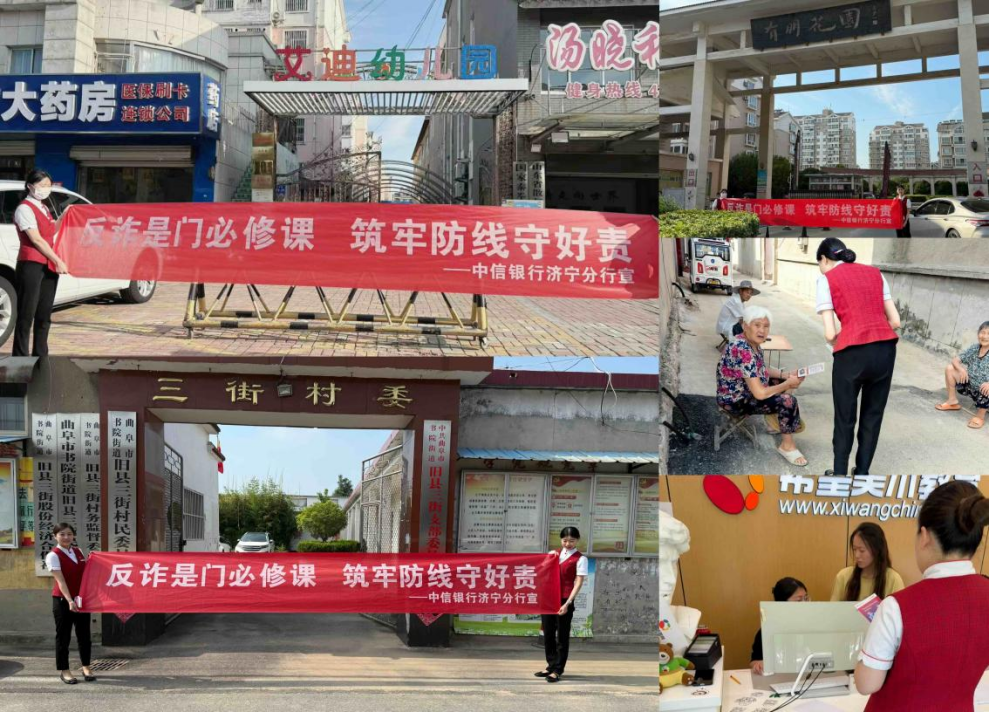
Core Viewpoint - The article highlights the efforts of China CITIC Bank's Jinan branch in promoting financial fraud awareness among various community segments, emphasizing the importance of safeguarding personal finances against scams [1][10]. Group 1: Community Engagement - The bank's outreach includes visits to communities, schools, enterprises, rural areas, and households to educate the public on fraud prevention [1][10]. - In the Youpeng Garden community, the bank's team used real-life examples to explain common scams, particularly those targeting the elderly, such as health product fraud and investment schemes [2][5]. Group 2: School Initiatives - At Aidi Kindergarten, a warning session titled "Don't Become a Tool for Telecom Fraud" was conducted, focusing on prevalent scams like fake job offers and impersonation of teachers [4][6]. - The interactive approach helped instill fraud awareness in students and parents, encouraging them to verify unfamiliar financial requests [4][6]. Group 3: Corporate Collaboration - The bank distributed fraud prevention materials to staff at Hope Art Education, highlighting specific scams targeting businesses, such as urgent transfer requests from impersonated partners [5][6]. - This initiative not only enhanced the staff's fraud detection skills but also empowered them to spread awareness among students and parents [6]. Group 4: Rural Outreach - In rural areas, the bank tailored its messaging using local dialects and examples, addressing scams like "network loans" and overpriced health products [7][8]. - The relatable communication style resonated with villagers, reinforcing their understanding of fraud risks [8]. Group 5: Family-Focused Education - The bank conducted one-on-one visits to families, discussing common scams related to children's education and high-return investment promises [9][10]. - This personalized approach helped families recognize and avoid potential fraud schemes, fostering a culture of caution regarding financial decisions [9][10].


中信银行济南天桥支行火眼金睛识骗局,40万元养老钱转危为安
Qi Lu Wan Bao· 2025-08-13 08:04
Core Insights - A senior customer at CITIC Bank was saved from a potential scam that could have resulted in a loss of 400,000 yuan in retirement funds due to the bank's timely intervention [1][2] Group 1: Incident Overview - The incident began when a senior customer requested to increase her bank transfer limit to pay for an automatic deduction from Douyin, raising suspicions among bank staff due to her vague explanations and anxious demeanor [2] - The customer had previously installed an illegal app called "Hui Xie Tong" under the guidance of a stranger, which allowed the scammer to view her screen and potentially access sensitive information [2][3] Group 2: Bank's Response - Upon identifying the situation as a typical telecom scam, bank staff acted quickly to close non-counter transaction channels on the customer's account, preventing further remote access by the scammer [3] - The bank assisted the customer in reporting the incident to the police and helped remove the risky software from her phone, effectively safeguarding her funds [3] Group 3: Customer Feedback and Future Measures - The customer expressed immense gratitude towards the bank staff for their professionalism and quick actions, stating that she felt secure keeping her money with CITIC Bank [4] - CITIC Bank's Jinan Tianqiao branch emphasized its commitment to enhancing employees' ability to identify risks and recognize unusual signals, aiming to protect customers from scams targeting vulnerable groups like the elderly [4]

中信银行济南高新支行慧眼识诈,成功拦截20万元婚恋交友诈骗
Qi Lu Wan Bao· 2025-08-13 08:04
Core Insights - The article highlights a successful fraud prevention case by China CITIC Bank's Jinan High-tech Branch, which intercepted a potential scam involving 200,000 yuan related to a romantic fraud scheme [1][2]. Group 1: Fraud Detection - A middle-aged customer attempted to withdraw 200,000 yuan without prior appointment, claiming it was for a romantic relationship, raising suspicions among bank staff [2]. - The unusual behavior of the customer, who was from Jiangxi but was in Jinan for dating, indicated a possible "pig-butchering" scam, where victims are lured into investing money under the guise of romantic interest [2]. Group 2: Response and Prevention - Bank staff engaged in a one-hour negotiation to calm the customer while simultaneously contacting the anti-fraud center and explaining the typical tactics used in romantic scams [3]. - After a thorough discussion, the customer recognized the scam and decided not to proceed with the withdrawal, expressing gratitude for the bank's intervention [3]. Group 3: Institutional Responsibility - China CITIC Bank's Jinan High-tech Branch plans to enhance its fraud interception capabilities and strengthen collaboration with law enforcement to protect customer funds [3]. - The bank emphasizes its commitment to safeguarding customer assets and contributing to a nationwide anti-fraud initiative [3].
陌生链接骗走9.9万港币,中信银行济南龙奥支行上演“追款时速”
Qi Lu Wan Bao· 2025-08-13 08:04
两小时告捷:客户哽咽致谢 "钱回来了,9.9万港币已经到账!"不到两个小时,张女士收到了银行的入账短信,激动得语无伦次。她再次拨通卢经理的电话,声音哽咽地重复着:"太感 谢你们了!我本来都不抱希望了,你们救了我!" 近日,一场与时间赛跑的跨境资金拦截战在中信银行济南龙奥支行上演,该行工作人员凭借高效协同,将一女子汇向境外诈骗账户的9.9万港币成功追回, 用实际行动诠释了"有温度的银行"的服务承诺。 惊魂一刻:产假经理接紧急求助 7月21日清晨,理财经理卢经理的电话骤然响起,电话那头传来张女士带着哭腔的颤抖声音:"卢经理,我被骗了!昨天点击了一个陌生链接,把9.9万港币 汇给了境外的陌生账户,转完账手机就黑屏死机,刚刚一早收到了反诈中心的提醒!"张女士表示这笔钱对她至关重要,若无法追回,对家庭将是沉重打 击。 尚在产假中的卢经理闻言立刻联系同事张经理,并柔声安抚张女士的焦虑,引导其冷静回忆汇款细节。"客户的声音里全是懊悔,那一刻我想的就是一定要 拼尽全力帮她把钱追回来。"卢经理事后回忆道。 极速响应:多岗联动锁定拦截窗口 接到通报的张经理第一时间通过汇款业务登记簿追溯资金流向,发现该笔港币正处于"中间行转往最终 ...

中信银行济南阳光新路支行反诈宣传织密金融“防护网”
Qi Lu Wan Bao· 2025-08-13 08:04
为提升社区居民识诈防诈能力,近日,中信银行济南阳光新路支行在济南阳光100社区开展"全民反诈在 行动"宣传活动,将反诈知识送到群众身边。 活动现场,银行工作人员通过悬挂宣传横幅、分发折页、面对面互动等形式,与社区居民零距离交流, 并结合公安部刑侦局发布的"十大类案""八大利器""二十个关键词"等权威指引,用通俗易懂的语言拆解 典型案例。 "您看,这个案例就是骗子利用老人'理财增值'的心理,推荐虚假投资产品,最后卷钱跑路……"工作人 员向社区居民讲解了银行卡买卖、现金支取、虚假投资理财、购买黄金等真实诈骗案例,剖析诈骗分子 如何设局、诱骗受害者步入圈套,同时详细讲解识诈技巧:"凡是说稳赚不赔的投资,一定要多打问 号;陌生人让转账、买黄金避险的,千万别信!" 针对当前电信网络诈骗中的"工具人"现象,银行人员还特别提醒居民:"出租、出售银行卡可能被骗子 用来洗钱、诈骗,不仅违法,还会影响个人征信,甚至要承担法律责任。"引导大家理解配合金融机构 的风险防控措施,从源头降低涉诈风险。 "以前总觉得诈骗离自己很远,听了这些案例才发现,骗子的手段真不少!"社区居民王大爷仔细听讲, 连连点头,"银行同志讲得很明白,以后遇到陌 ...
中信银行:将依法合规、积极有序推动个人消费贷款财政贴息工作
Cai Jing Wang· 2025-08-13 06:36
Core Viewpoint - China CITIC Bank (601998) is launching a personal consumption loan interest subsidy program to stimulate consumer spending and support economic recovery as per the directives from the central government [1] Group 1: Announcement Details - The bank's initiative aligns with the central government's strategy to boost consumption and expand domestic demand [1] - The implementation will follow the guidelines set forth in the "Personal Consumption Loan Interest Subsidy Policy Implementation Plan" (Cai Jin [2025] No. 80) [1] - CITIC Bank will develop specific implementation rules and operational guidelines to facilitate the subsidy process for eligible consumer loans [1] Group 2: Customer Assurance - The bank assures that no fees will be charged for processing personal consumption loan interest subsidies [1] - To protect customers from potential fraud, the bank advises against trusting communications from individuals outside its official channels regarding the subsidy program [1]
银行分红高峰已至!超半数A股上市银行实施年度分红
Zheng Quan Shi Bao Wang· 2025-08-13 05:51
Core Viewpoint - The peak period for cash dividend distribution among listed banks has arrived, with a total of 427.38 billion yuan already distributed for the 2024 fiscal year, indicating a nearly 70% completion rate of the total expected dividends [1][2] Group 1: Dividend Distribution Overview - As of June 27, 2024, 26 banks have implemented their profit distribution plans, with a total cash dividend expected to reach 631.96 billion yuan, an increase of nearly 20 billion yuan compared to the previous year, reflecting a growth rate of 3.03% [1][2] - A significant number of banks have advanced their dividend actions, with nearly half of the A-share listed banks completing their 2024 profit distribution plans in June [2] - The major contributors to the dividend payouts are the six state-owned banks, which collectively will distribute over 420 billion yuan in dividends for 2024 [2] Group 2: Individual Bank Performance - China Merchants Bank is the only joint-stock bank with a total dividend exceeding 50.44 billion yuan, with a payout ratio above 33% [3] - Ningbo Bank has increased its cash dividend for the second consecutive year, proposing a distribution of 9 yuan per 10 shares [3] - As of now, 23 A-share listed banks have implemented their mid-term dividends, totaling 257.71 billion yuan [3] Group 3: Dividend Ratio Trends - 14 banks have a cash dividend ratio exceeding 30% for 2024, with a slight decrease in the number of banks compared to 2023 [4] - 25 A-share listed banks have increased their cash dividend ratios compared to the previous year, with Ningbo Bank's ratio rising by 6.3 percentage points to 21.91% [4] - Industrial Bank and Citic Bank have also reported consistent increases in their cash dividend ratios over the years, with Citic Bank planning a cash dividend of 19.46 billion yuan for 2024 [5]




2025年河南省银行间市场债券融资增量提质系列宣介活动成功举办
Zhong Guo Jin Rong Xin Xi Wang· 2025-08-13 03:48
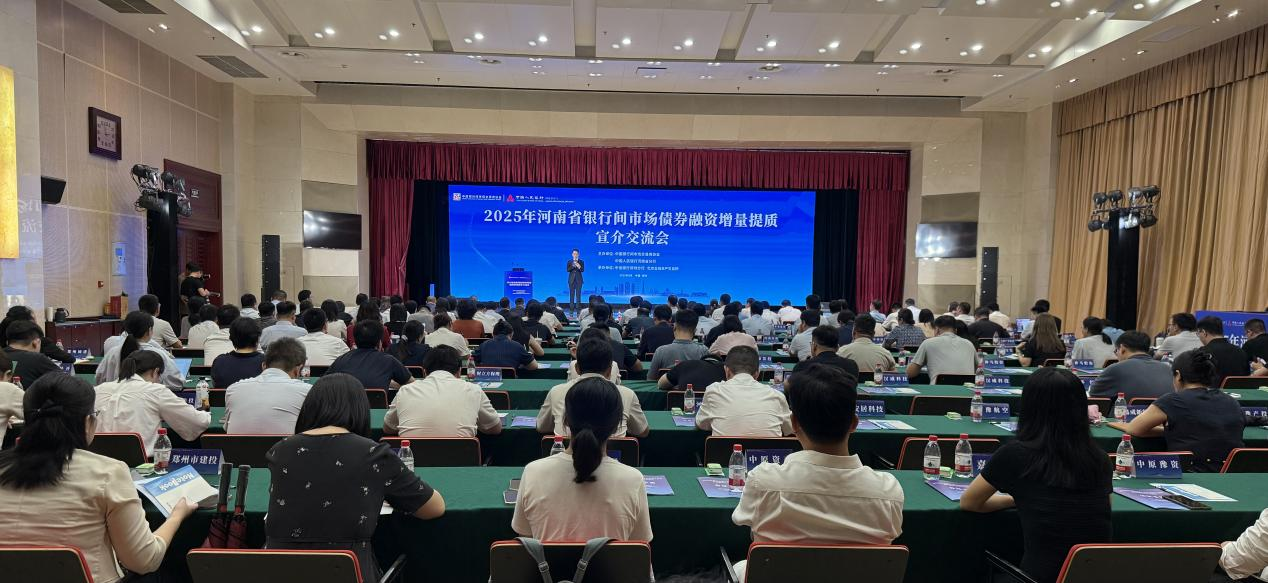
Core Insights - The event aims to enhance the direct financing function of the interbank bond market to support the transformation and upgrading of enterprises in Henan Province [1] - The activities include a promotional exchange meeting and a seminar focused on the role of the interbank bond market in supporting technological innovation in Henan [1] Group 1: Event Overview - The promotional exchange meeting took place on August 7, attended by over 200 participants, including representatives from 100 local enterprises and 15 financial institutions [3] - Key speakers included officials from the People's Bank of China and representatives from CITIC Bank, who discussed the latest registration and issuance policies, innovative products, and the advantages of the interbank bond market [3][5] Group 2: CITIC Bank's Role - CITIC Bank has been a significant player in supporting the local economy, providing over 100 billion yuan in comprehensive financing to various enterprises in Henan annually [3] - The bank has consistently ranked first in bond underwriting scale among all banks in Henan, receiving high recognition from provincial government and society [3] Group 3: Future Initiatives - The next steps involve CITIC Bank continuing its "Going to Ten Thousand Enterprises - Trust and Benefit Enterprises" initiative to serve mature bond-issuing enterprises and identify potential issuers [5] - The focus will be on accelerating the launch of new bond varieties in areas such as technological innovation and green development, contributing to the enhancement of bond financing in Henan Province [5]
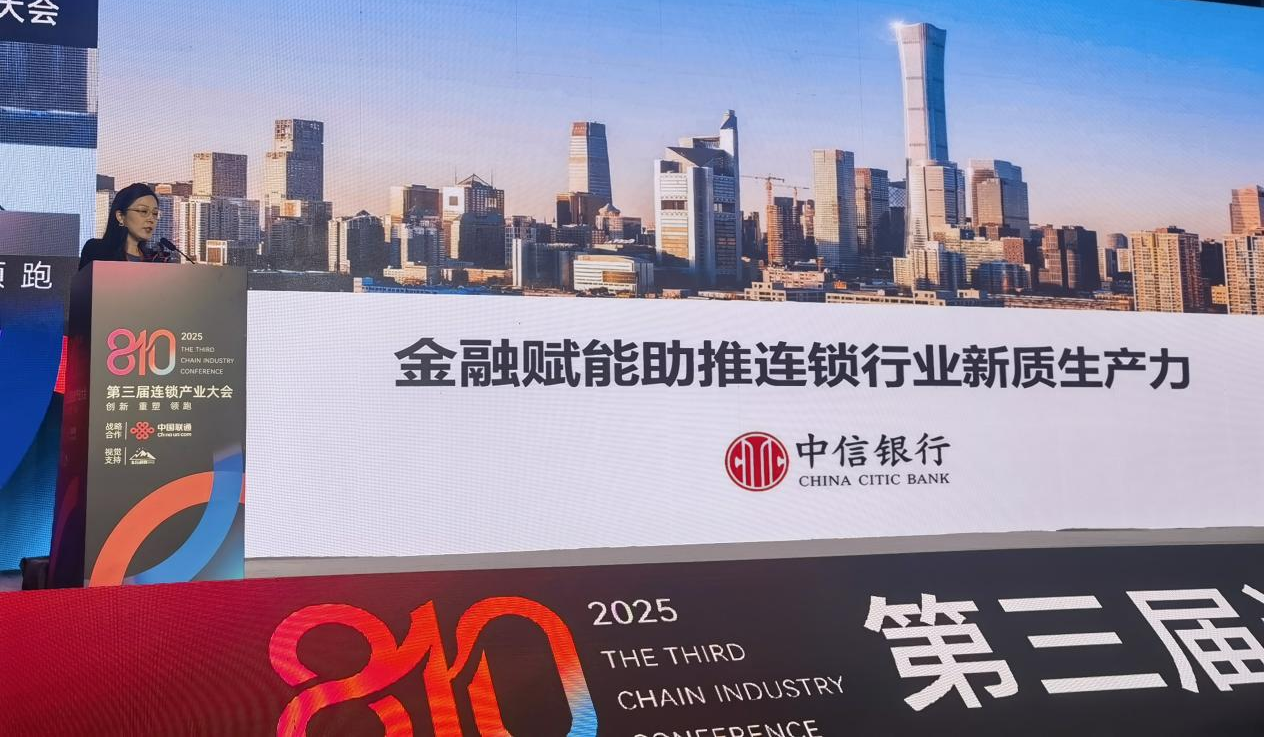
中信银行郑州分行亮相第三届连锁产业大会,以专业金融服务赋能连锁企业发展
Zhong Guo Jin Rong Xin Xi Wang· 2025-08-13 03:05
Core Insights - The third Chain Industry Conference was held in Zhengzhou, gathering over 800 representatives from chain enterprises and industry experts to discuss new trends in the chain industry [1] - CITIC Bank's Zhengzhou branch participated as the only invited financial institution, with a focus on financial empowerment for the chain industry [1][2] Group 1: Financial Solutions - CITIC Bank introduced targeted solutions addressing core challenges faced by chain enterprises, including "receiving, paying, managing, financing, and taxation" [2] - The bank promoted its flagship financial product "Xiaotianyuan" as a support tool for chain enterprises [2] Group 2: Digital Transformation - CITIC Bank launched the "Xiaotianyuan" enterprise ecological service platform, integrating digital services and financial innovations to facilitate the digital transformation of small and medium-sized enterprises [3] - The platform offers a comprehensive digital solution for enterprise management, enhancing efficiency and reducing costs for businesses [3] Group 3: Future Directions - The event strengthened the connection between CITIC Bank and the chain industry in Henan, establishing a model for comprehensive financial services for chain enterprises [3] - CITIC Bank plans to continue providing precise financial services tailored to new consumption scenarios in the chain industry, leveraging its financial technology and innovative service capabilities [3]
助力跨境企业高效结算,中信银行上海分行落地首笔跨境金融服务平台离岸贸易业务背景核验试点业务
Guo Ji Jin Rong Bao· 2025-08-13 00:40
Group 1 - The core viewpoint of the news is that China CITIC Bank Shanghai Branch has successfully implemented a pilot project for offshore trade background verification, enhancing the efficiency of cross-border financial services for foreign trade enterprises [1][2] - The pilot project involved a chemical trading company engaged in wholesale sales of chemical products, primarily operating in the Southeast Asian market, and facilitated an offshore settlement of nearly $500,000, improving processing time by 2-3 working days compared to traditional methods [1][2] - Offshore trade is recognized as a new form of international trade that enhances China's global resource allocation capabilities, aligning with national policies to support new trade formats and promote high-level financial openness [1][2] Group 2 - The challenges of verifying the authenticity of offshore trade backgrounds include difficulties in information acquisition, complex verification processes, and lengthy timeframes, which the bank aims to address through innovative regulatory policies and the integration of the national foreign exchange administration's cross-border financial service platform [2] - By leveraging big data and secure data sharing with customs and tax authorities, the bank has significantly improved the automation, standardization, and credibility of background verification, thereby reducing document review times and mitigating business risks for offshore trade enterprises [2] - Moving forward, the bank plans to expand its services in offshore trade settlements and cross-border financing, providing efficient and convenient financial services to enterprises engaged in international trade, thereby contributing to the development of a robust offshore trade financial ecosystem [2]