PRADA(01913)

Search documents
8倍溢价!《穿普拉达的女王》同版型香奈儿外套成拍场最大赢家
Xin Lang Cai Jing· 2026-03-01 09:41
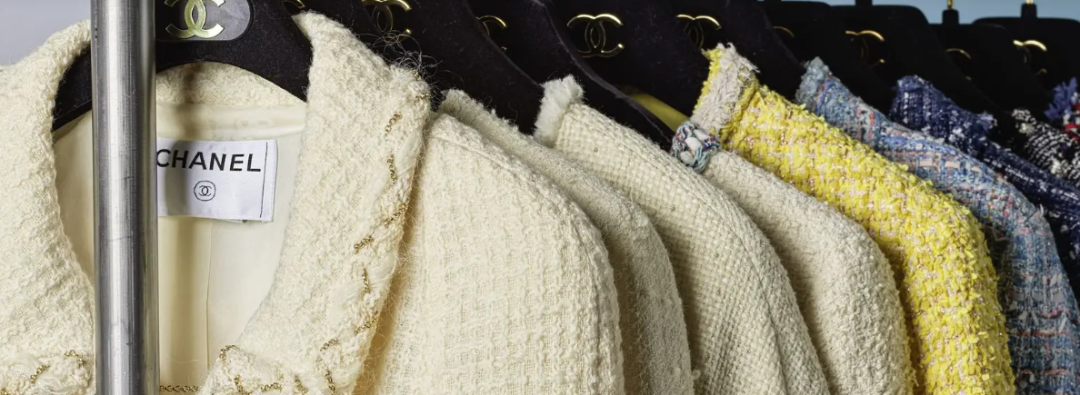
Core Insights - Bonhams' Cornette de Saint Cyr auction in Paris featured a special sale titled "Chanel: Private Collection," showcasing a private collector's wardrobe from 1995 to 2023, highlighting the brand's rich heritage and timeless style [2][6] - The auction included 367 items, achieving a total sales amount of €609,574 with a 100% sell-through rate, marking a successful "white glove" auction [2][7] Auction Details - The auction featured 367 items, including 130 jackets, dresses, and coats, 80 pieces of costume jewelry, and 70 cardigans, sweaters, and cashmere coats, along with various accessories [2][6] - The standout item was a black wool coat designed by Karl Lagerfeld from the 2005 Spring collection, which sold for €6,400, eight times its estimated price of €800-1,000 [2][4] Cultural Significance - The high price of the coat is attributed to its association with the iconic film "The Devil Wears Prada," which has become a fashion touchstone for many [4][11] - The auction reflects a significant shift in the luxury goods market, where items are increasingly viewed as long-term investments rather than mere consumables, with a growing interest in classic and limited-edition pieces [11][18] Market Trends - The success of this auction illustrates the booming high-end luxury auction market, where fashion items are seen as art pieces with aesthetic and collectible value [11][18] - Historical auction records, such as the ruby slippers from "The Wizard of Oz" selling for $32.5 million, highlight the increasing value of fashion items tied to cultural significance and celebrity [11][13]

整个社会都在喊没钱了,为什么这些公司反而年赚百亿?
创业家· 2026-02-24 10:28
Core Insights - The article emphasizes that despite the prevailing narrative of economic hardship, certain industries are thriving and generating substantial profits, particularly in the context of Japan's "lost 30 years" and its implications for various sectors [3][4]. Group 1: Economic Trends - The concept of a "low-desire society" does not equate to a lack of opportunities, as consumer behavior is shifting towards different spending patterns [4]. - The article identifies eight key industries that are capitalizing on changing consumer demands, highlighting that demand migration and consumption segmentation present significant business opportunities [5]. Group 2: Key Industries - **Second-Hand Economy**: The second-hand luxury market in Japan, exemplified by companies like Daikokuya, has seen a dramatic increase in revenue. In China, platforms like Hongbulin and Panghu are experiencing similar growth [6][7]. - **Pet Economy**: With declining birth rates, spending on pets is increasing, as seen with brands like Inaba in Japan and Guobao in China, which are witnessing strong sales in pet food and healthcare products [12][13][15]. - **Adult Care**: The adult diaper market in Japan has surpassed $10 billion, indicating that aging populations can drive significant economic opportunities [18][19]. - **Health Food and Beverages**: The rise in health consciousness has led to increased demand for products like sugar-free tea and functional beverages in both Japan and China [21]. - **Beauty and Aesthetics**: The beauty industry continues to thrive, with products like collagen supplements and home beauty devices gaining popularity, indicating a strong consumer desire for self-improvement [23][25][26]. - **Outdoor Recreation**: Companies in the outdoor equipment sector, such as Snow Peak in Japan, are profiting from the growing interest in outdoor activities, with Chinese brands also seeing rapid sales growth [29][31]. - **Convenience Economy**: The demand for convenience is driving growth in frozen food and smart home appliances, as consumers seek to save time in their daily routines [39][40]. - **Lazy Economy**: The trend towards convenience is evident in the increasing popularity of products that save time, suggesting that time-saving solutions may hold more commercial value than cost-saving ones in a low-desire economy [42]. Group 3: Market Dynamics - The article posits that while many perceive the current market as a "winter," the true winners will be those who identify and invest in counter-cyclical opportunities [44].




2026年,钱从哪挣?
创业家· 2026-02-20 09:32
Core Viewpoint - The article discusses the challenges faced by companies in 2025, particularly the issue of insufficient domestic demand, and suggests that going overseas may be a viable solution for growth and competitiveness [4][5][6][8]. Group 1: Value Chain Going Overseas - Companies are encouraged to move their entire value chain, including products, branding, research and development, and business models, overseas rather than just exporting products [11]. - An example is provided with Miniso, which engages with its millions of private domain users to understand their preferences and rapidly implement changes [12]. - Establishing direct stores overseas helps deepen user recognition and build brand image [13]. Group 2: Collaborating with Industry Leaders - Many industry leaders are beginning to explore overseas markets, but successful expansion requires integrating complex supply chain systems [14][15]. - Tesla's Shanghai factory exemplifies this, as it operates efficiently due to the support of numerous upstream and downstream companies within a 300-kilometer radius [18][20]. - When Tesla expands to Mexico, its supply chain partners will likely follow, indicating that collaboration with leading companies can create opportunities for others [21][22]. Group 3: Leveraging Unique Advantages - Companies are finding unique advantages to succeed in overseas markets, such as cost advantages where products can be sold at double the domestic price [25][26]. - Product advantages are also highlighted, with examples like Mech-Mind Robotics, which enhances industrial robots with advanced technology for complex tasks [27][28]. - Identifying and leveraging these unique advantages can lead to successful market entries [24]. Group 4: Building Long-term Trust - The story of Pang Donglai illustrates the importance of building long-term trust through exceptional customer service and employee treatment [31][34]. - By ensuring employees are respected and valued, companies can foster a culture of listening to customer feedback, leading to improved experiences and profitability [35][36]. Group 5: Meeting the Demand for a Better Life - The article notes a shift in consumer behavior, where individuals are willing to pay for better experiences, indicating a demand for upgraded consumption [38]. - Examples include travel photography services that create new consumer needs through social influence [39][42]. - As traditional large-scale commercial opportunities diminish, there is a growing trend towards more refined and personalized business ecosystems that cater to consumers' aspirations for a better life [43][46].


普拉达(01913.HK)拟3月5日举行董事会会议以审批年度业绩
Ge Long Hui· 2026-02-19 23:16
Core Viewpoint - Prada (01913.HK) announced that it will hold a board meeting on March 5, 2026, to approve the publication of the annual performance announcement for the year ending December 31, 2025, and to consider a proposal for the final dividend distribution [1] Group 1 - The board meeting is scheduled for March 5, 2026 [1] - The meeting will focus on approving the annual performance announcement for the year ending December 31, 2025 [1] - The board will also consider a proposal for the distribution of the final dividend [1]
普拉达(01913) - 董事会会议召开日期
2026-02-19 22:06
註冊辦事處位於 Via A. Fogazzaro n. 28, Milan, Italy 意大利米蘭蒙扎布里亞納洛迪公司註冊處:編號 10115350158 (根據意大利法律註冊成立的股份有限公司) 於本公告日期,本公司執行董事為 Patrizio BERTELLI 先生、Paolo ZANNONI 先生、 Miuccia PRADA BIANCHI 女士、 Andrea GUERRA 先生、 Andrea BONINI 先生及 Lorenzo BERTELLI 先生;及本公司獨立非執行董事為 Yoël ZAOUI 先生、Ilaria RESTA 女士、 Cristiana RUELLA 女 士 、 Pamela Yvonne CULPEPPER 女士及 Anna Maria RUGARLI 女士。 (股份代號:1913) 香港交易及結算所有限公司及香港聯合交易所有限公司對本公告的內容概不負責,對其準確 性或完整性亦不發表任何聲明,並明確表示,概不對因本公告全部或任何部份內容而產生或 因倚賴該等內容而引致的任何損失承擔任何責任。 承本公司命 PRADA S.p.A. 執行副主席 Paolo Zannoni 先 ...
2026年,钱从哪挣?
创业家· 2026-02-15 09:33
Core Insights - The article discusses the challenges faced by companies in 2025, particularly the issue of insufficient domestic demand and the limited market capacity, leading to increased competition and the need for companies to explore international markets [4][5][6][7]. Group 1: Value Chain Expansion - Companies are encouraged to expand their value chains overseas, moving beyond mere product exports to include brand, research and development, and business models [8][11]. - An example is provided with Miniso, which engages with its private users to understand their preferences and directly opens stores abroad to enhance brand recognition [10][12][13]. Group 2: Collaborating with Industry Leaders - Many industry leaders are beginning to venture abroad, but successful international expansion requires integrating complex supply chain systems and collaborating with local partners [14][15][16]. - Tesla's operations in Shanghai illustrate this, as it relies on a network of local suppliers to optimize production efficiency [18][20][21]. Group 3: Leveraging Unique Advantages - Companies are finding success in international markets by leveraging unique advantages such as cost efficiency and product innovation [23][25][27]. - For instance, a factory owner in Yiwu capitalizes on higher overseas prices by selling on cross-border platforms, while Mech-Mind Robotics enhances industrial robots with advanced technology for complex tasks [26][28]. Group 4: Building Long-Term Trust - The article highlights the importance of building long-term trust within communities, as exemplified by the story of Pang Donglai, who prioritizes employee welfare and customer feedback to foster loyalty [31][34][36]. Group 5: Meeting Evolving Consumer Needs - There is a shift in consumer behavior towards valuing better experiences, with examples of services like travel photography gaining popularity among retirees [39][41]. - The article suggests that businesses should focus on creating scenarios that fulfill the aspirations of ordinary people for a better life, as traditional mass-market opportunities diminish [43][46].

整个社会都在喊没钱了,为什么这些公司反而年赚百亿?
创业家· 2026-02-13 10:10
Core Insights - The article discusses how certain industries are thriving despite a general perception of economic downturn, highlighting eight key sectors that present significant business opportunities in a low-desire society [3][4]. Group 1: Key Industries - **Second-Hand Economy**: The second-hand luxury market in Japan, represented by companies like Daikokuya, has seen a surge in revenue. In China, platforms like Hongbulin and Panghu are experiencing similar growth, indicating a shift in consumer spending towards second-hand goods [6][7][8][9]. - **Pet Economy**: With a decline in birth rates, young consumers are increasingly spending on pets, leading to significant growth in pet food and healthcare products. Companies like Inaba in Japan and Guobao in China are capitalizing on this trend [12][13][15][16]. - **Adult Care Products**: The adult diaper market in Japan has surpassed $10 billion, showcasing the potential of the aging population as a lucrative market segment [17][18][19]. - **Health Food and Beverages**: Changing demographics and rising health awareness have led to the growth of sugar-free beverages and functional foods in both Japan and China, with brands like Suntory and Dongpeng gaining traction [21][22]. - **Beauty and Aesthetic Products**: The demand for beauty products, including collagen supplements and at-home beauty devices, remains strong, indicating that consumers prioritize personal care even in economic downturns [23][24][26]. - **Outdoor Recreation**: Companies in the outdoor equipment sector, such as Snow Peak in Japan and various Chinese brands, are benefiting from increased interest in outdoor activities as a form of stress relief [29][31][32]. - **Convenience Economy**: The rise of frozen foods and smart home appliances reflects a shift towards convenience, with brands like Anjijia and Kewell seeing steady growth as consumers seek time-saving solutions [39][40][42]. - **Lazy Economy**: The trend of reduced cooking time among younger generations has led to a preference for ready-to-eat meals and smart appliances that automate household tasks, indicating a shift in consumer priorities [39][40][42]. Group 2: Market Dynamics - The article emphasizes that even in a low-desire economy, there are significant opportunities for those willing to invest in counter-cyclical sectors. Companies that can identify and act on these opportunities are likely to emerge as winners [44].

智通港股沽空统计|2月12日
智通财经网· 2026-02-12 00:28
Group 1 - AIA Group (81299), JD Health (86618), and JD Group (89618) have the highest short-selling ratios at 100.00% each [1][2] - Alibaba (09988), Tencent Holdings (00700), and Xiaomi Group (01810) lead in short-selling amounts, with HKD 1.557 billion, HKD 1.404 billion, and HKD 1.183 billion respectively [1][2] - Zhaojin Mining (01818), OSL Group (00863), and Prada (01913) have the highest deviation values at 44.29%, 35.21%, and 34.72% respectively [1][2] Group 2 - The top ten short-selling ratios include AIA Group (81299) at 100.00%, JD Health (86618) at 100.00%, and JD Group (89618) at 100.00% [2] - The top ten short-selling amounts show Alibaba (09988) leading with HKD 1.557 billion, followed by Tencent Holdings (00700) with HKD 1.404 billion [2] - The top ten deviation values highlight Zhaojin Mining (01818) with a deviation of 44.29%, indicating significant short-selling activity compared to its historical average [2][3]




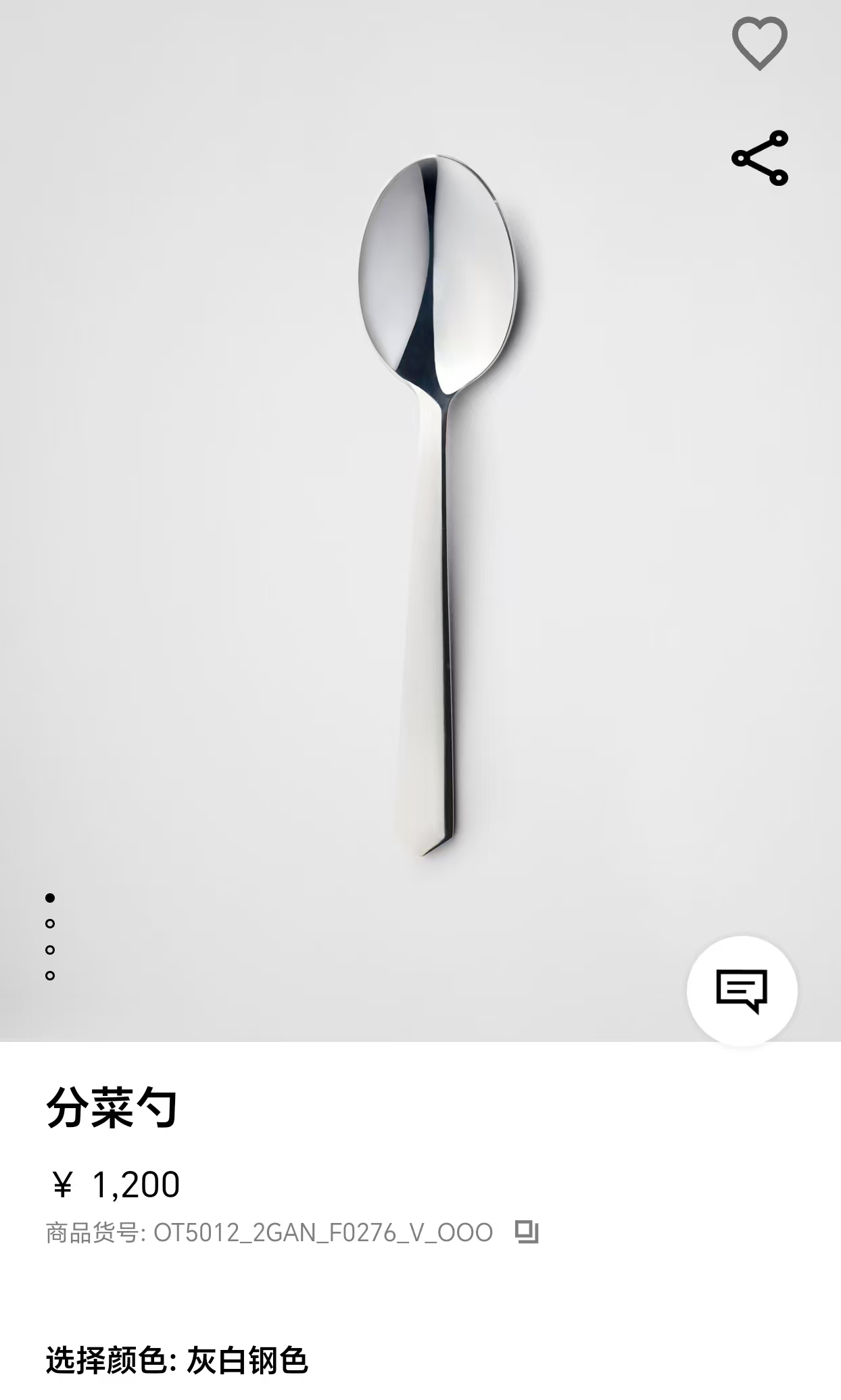
深圳门店有现货!一把不锈钢勺子卖1200元,Prada:库存仅4件
Sou Hu Cai Jing· 2026-02-09 12:45
Group 1 - The core viewpoint of the article highlights the high premium pricing of Prada's products, which is attributed to the perceived value rather than the cost, influenced by brand history, fashion impact, and marketing efforts [3] - Prada's recent product offerings include a stainless steel serving spoon available in limited stock at only two locations in China, with additional high-priced items like a cake spatula and serving fork [3] - For the nine months ending September 30, 2025, Prada Group reported a net revenue of €4.07 billion, an increase of 8.9% year-on-year, although retail sales for the Prada brand decreased by 2% at constant exchange rates, while Miu Miu saw a significant revenue increase of 41% [3] Group 2 - Retail sales in the Asia-Pacific region grew by 10.4% year-on-year, with a notable improvement in sales trends in mainland China during the third quarter [4] - The Americas market experienced a growth of 14.8%, continuing to accelerate in the third quarter [4] - The European market saw a growth of 6.3%, with stable local demand, while Japan and the Middle East recorded growth rates of 2.6% and 21.1%, respectively [4]
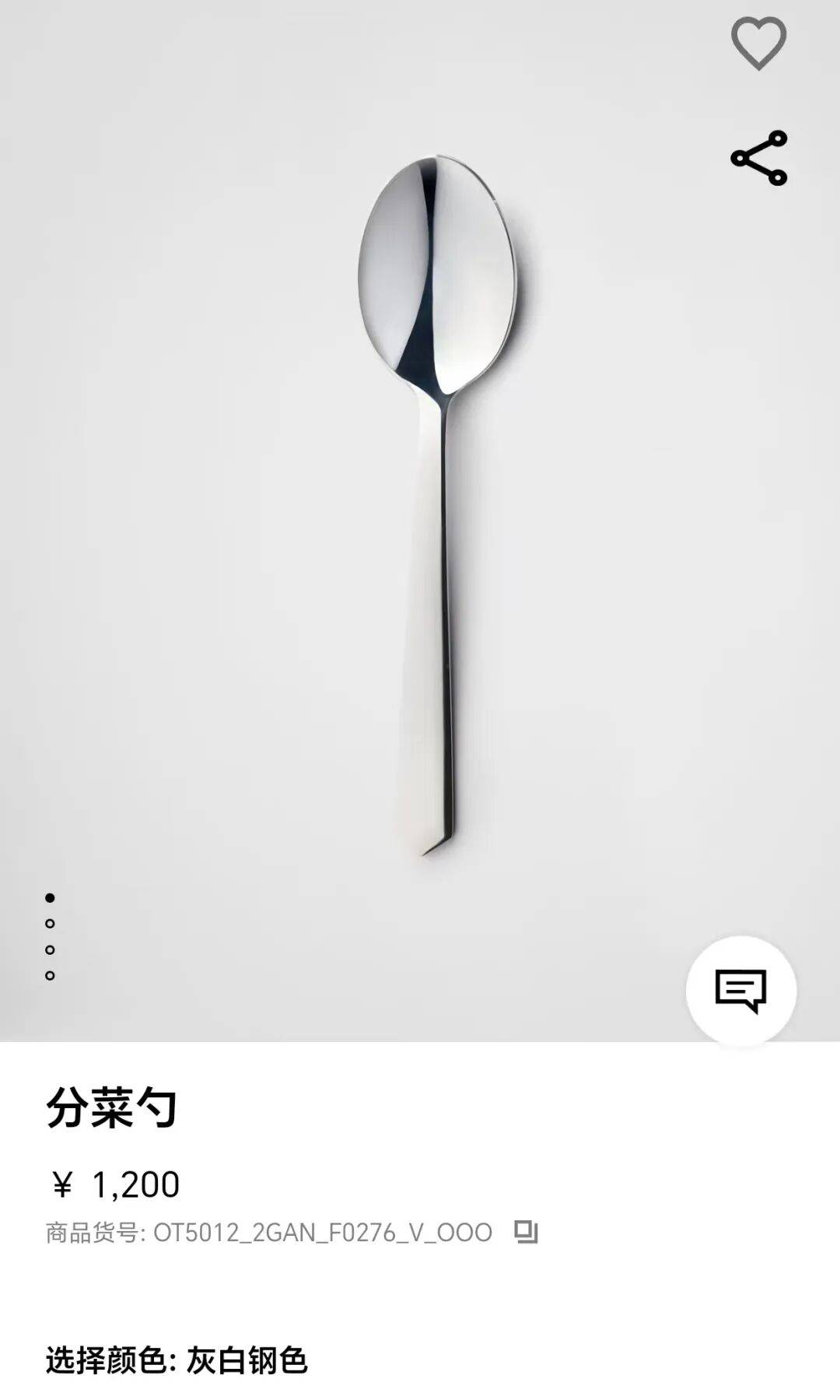
一把不锈钢勺子售价高达1200元,Prada客服:库存仅4件
Xin Lang Cai Jing· 2026-02-09 10:59
Group 1 - Prada has launched a stainless steel serving spoon priced at 1200 yuan, which has garnered significant attention [1] - The spoon measures 23.2 cm in length, features a gray-white steel color, and includes the Prada logo [1][5] - The product is noted for its geometric handle design that reflects Prada's iconic triangular logo, combining durability with aesthetic appeal [5] Group 2 - The product is available in limited stock, with only four pieces reported in stores located in Shenzhen and Chengdu [5] - Other similar products launched by Prada include a stainless steel cake server and a serving fork, both priced at 1200 yuan, and a two-piece stainless steel teaspoon set priced at 1750 yuan [5] Group 3 - Analysts suggest that the high pricing of Prada products reflects perceived value rather than production cost, influenced by the brand's history, fashion impact, and marketing efforts [7] - The design of the products is attributed to a renowned design team, integrating classic brand elements into everyday items, thus enhancing their artistic value [7] Group 4 - Prada's financial performance for the nine months ending September 30, 2025, shows a net revenue of 4.07 billion euros, an 8.9% year-on-year increase [7] - Retail sales for the Prada brand decreased by 2% year-on-year, while Miu Miu's revenue surged by 41%, contributing to a 9.3% overall growth in retail sales for the group [7] Group 5 - Retail sales growth by region includes a 10.4% increase in the Asia-Pacific region, a 14.8% increase in the Americas, and a 6.3% increase in Europe, with stable local demand [8] - Notable growth in sales was also recorded in Japan and the Middle East, at 2.6% and 21.1% respectively [8]