Workflow
SUNAC(01918)
icon
Search documents
【债券季报】2025年二季度信用观察季报:房企境内债重组落地,建工民企新增展期
Huachuang Securities· 2025-07-28 15:37
Report Industry Investment Rating No relevant content provided. Report's Core View - In Q2 2025, the overall default rate of credit bonds showed a downward trend, with a new first - time defaulting entity. The default repayment rate was stable with a slight increase, mainly driven by Sunac's repayment. There were 20 newly - added default bonds, mostly in the real - estate industry with many secondary extensions. The number of urban investment non - standard risk events decreased, while the number of commercial paper overdue entities remained high. Two hot credit events were the failure of AVIC Industry Finance's off - site repayment plan and the extension of a Zhejiang construction private enterprise's debt [2][4][14]. Summary According to the Table of Contents 1. Q2 2025: Overall Default Rate Continued to Decline, Repayment Rate Showed No Obvious Increase (1) Bond Default Rate - The overall default rate of credit bonds declined. There was one new first - time defaulting entity, Xinjie Investment Holding Group Co., Ltd. The default scale in Q2 was 5.938 billion yuan, and the default rates from April to June were 1.02%, 1.02%, and 1.00% respectively, showing a downward trend. The default rate of private - enterprise credit bonds also decreased, with the default amounts from April to June being 4.588 billion yuan, 1.35 billion yuan, and 0 yuan respectively, and the default rates being 9.02%, 9.00%, and 8.92% respectively, lower than that in Q1 [14]. (2) Default Repayment Rate - The cumulative default repayment rate in Q2 2025 was stable with a slight increase. The repayment rate in April was higher than that in the previous quarter, mainly due to Sunac's repayment. The principal repayment scale in Q2 increased compared with the previous quarter, with the repayment amounts from April to June being 3.561 billion yuan, 0.266 billion yuan, and 0.016 billion yuan respectively. Sunac had the largest repayment amount, reaching 3.247 billion yuan in Q2, with a repayment progress of 29%. Many real - estate enterprises were promoting debt restructuring, but the cash repayment for investors was limited [20][24][25]. (3) Credit Event Statistics - In Q2 2025, there were 20 newly - added default bonds in domestic bonds, with a total balance of 14.049 billion yuan. Among them, 18 bonds reached extensions, mostly secondary extensions of real - estate industry bonds, and 2 bonds had substantial defaults. Other industries involved included communication equipment, non - bank finance, and medical [28]. (4) Urban Investment舆情 - The number of urban investment non - standard risk events decreased by 12 from Q1 to Q2 2025, mainly distributed in Shandong. In terms of administrative levels, district - level and prefecture - level entities accounted for 86% and 14% respectively. The number of urban investment commercial paper overdue entities remained high, with 57, 55, and 56 entities in April, May, and June respectively, mainly distributed in Shandong and Yunnan [31][33]. 2. Hotspot Analysis: AVIC Industry Finance's Off - site Repayment Plan Rejected, Zhejiang Construction Private Enterprise's Debt Extension (1) AVIC Industry Finance - AVIC Industry Finance planned to transfer off - site for orderly repayment but was not approved by the bondholders' meeting. Its stock was delisted, and it failed to disclose its 2024 annual report. As of July 23, 2025, it had 19 outstanding bonds, with a domestic bond balance of 20.47 billion yuan and overseas bonds of 300 million US dollars. With the support of AVIC Industry Group and its own equity assets that can be realized, the bond default risk was relatively controllable [39][40][49]. (2) Xinjie Holdings - Xinjie Holdings is a Zhejiang private construction enterprise. Its only outstanding bond, "23 Xinjie 01", with a balance of 350 million yuan, had its interest payment and maturity dates extended. The company's construction business income has been declining for three years, and it faces risks such as shrinking housing construction business, large asset restrictions, concentrated short - term debt repayment pressure, and increased guarantee compensation pressure [53][58][59].
港股内房股震荡走高,碧桂园、雅居乐集团涨超7%
news flash· 2025-07-24 02:27
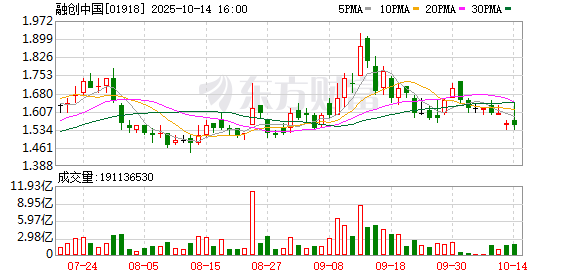
Group 1 - The Hong Kong stock market for property stocks experienced a significant upward trend, with Country Garden and Agile Group rising over 7% [1] - Greenland Hong Kong saw an increase of more than 5%, while other companies such as Midea Real Estate, Kaisa Group, Longfor Group, and Sunac China also followed suit with gains [1]
融创房地产等被执行14.9亿
news flash· 2025-07-22 01:56
智通财经7月22日电,天眼查深度风险信息显示,7月21日,融创房地产集团有限公司新增3则被执行人 信息,执行标的合计14.9亿余元,涉及票据追索权纠纷等案件,部分案件被执行人还包括成都融创文旅 城投资有限公司、眉山簏坤房地产开发有限公司等,执行法院为重庆市渝北区人民法院、江西省南昌市 中级人民法院、重庆市沙坪坝区人民法院。天眼风险信息显示,融创房地产集团有限公司现存340余条 被执行人信息,被执行总金额超481亿元。此外,该公司还存在多条限制消费令、失信被执行人(老 赖)及终本案件信息。 融创房地产等被执行14.9亿 ...
上半年15家房企交付均超1万套,“保交付”压力缓解
Bei Ke Cai Jing· 2025-07-21 13:53
Core Insights - The report from the China Index Academy indicates that the delivery scale of real estate companies in the first half of 2025 has peaked and is on a downward trend, with pressures on delivery easing in the industry [1][7]. Delivery Scale Rankings - In the first half of 2025, the top real estate company delivered over 50,000 units, with 15 companies delivering more than 10,000 units each [1]. - The delivery numbers for major companies have generally decreased compared to the same period last year, with companies like Greenland, Sunac, and Jianye experiencing declines of over 50% [1]. Company Performance - The report highlights that delivery capability has become a core competitive advantage for real estate companies, with some firms managing to gain market trust by enhancing quality and optimizing services despite the overall contraction in delivery scale [7]. Market Dynamics - The new housing market remains stable, supported by the combination of "good cities + good houses," although there has been a slight weakening in the market in the second quarter [5]. - The government is expected to take stronger measures to stabilize expectations, activate demand, optimize supply, and mitigate risks in the real estate market in the second half of the year [6]. Delivery Quality Improvement - Real estate companies are focusing on product delivery and service optimization to enhance delivery quality, utilizing methods such as open construction days and live broadcasts to build customer trust [4].
中证香港300内地高贝塔指数报1070.52点,前十大权重包含融创中国等
Jin Rong Jie· 2025-07-21 08:42
Core Points - The China Securities Index Hong Kong 300 Mainland High Beta Index (H300CNHB) has shown significant growth, with a 13.95% increase over the past month, 22.14% over the past three months, and 27.17% year-to-date [1] Group 1: Index Performance - The index is currently reported at 1070.52 points, reflecting a strong upward trend [1] - The index is based on a starting point of 1000.0 points as of December 30, 2005 [1] Group 2: Index Holdings - The top ten weighted stocks in the index include: - Sunac China (4.18%) - China Merchants Securities (3.13%) - China Cinda Asset Management (2.82%) - Bilibili Inc. (2.62%) - InnoCare Pharma (2.60%) - China International Capital Corporation (2.54%) - China Jinmao Holdings Group (2.40%) - China Everbright Holdings (2.38%) - GDS Holdings Limited (2.37%) - China Galaxy Securities (2.36%) [1] Group 3: Sector Allocation - The index is fully composed of stocks listed on the Hong Kong Stock Exchange, with a sector breakdown as follows: - Financials: 27.69% - Information Technology: 17.74% - Real Estate: 17.35% - Healthcare: 16.27% - Consumer Discretionary: 10.60% - Communication Services: 6.71% - Industrials: 3.64% [1]
多元探索化债高效路径 多家房企“刷新”债务重组进展
Core Viewpoint - The debt restructuring and reorganization process among real estate companies has significantly accelerated, with multiple firms disclosing their restructuring progress, indicating a shift towards substantial implementation of risk mitigation strategies in the industry [2][3][4]. Group 1: Debt Restructuring Progress - Companies such as *ST Jinke, Times China Holdings, and Longguang Group have reported advancements in their restructuring efforts, including approvals for overseas and domestic debt plans [2][3]. - As of June 25, over ten real estate companies, including Sunac, R&F, and Jinke, have received approval for debt restructuring or reorganization [2][4]. - The restructuring process is characterized by a diverse range of methods, standardized procedures, balanced interests, and policy coordination [5][6]. Group 2: Specific Company Updates - *ST Jinke has entered the execution phase of its restructuring plan, with a total of 2.628 billion yuan in investment funds received [3]. - Times China Holdings has received approval from the majority of its plan creditors for its debt restructuring plan, with a total of 29.05 billion USD in voting creditors [3]. - Longguang Group announced that its restructuring plan for 21 domestic bonds has been approved by relevant bondholders, with various options for principal and interest repayment [4]. Group 3: New Characteristics of Restructuring - The restructuring methods have diversified, including debt swaps, debt-to-equity conversions, and asset sales, with some companies employing combinations of repayment methods [5][6]. - The "early bird consent fee" mechanism has emerged as an innovative approach to expedite restructuring, providing incentives for creditors to agree to plans [6][7]. - The current market conditions, including stable housing prices, are favorable for enhancing asset valuations, which can facilitate the implementation of restructuring plans [7].
孙宏斌背水一战,融创债务重组攻坚
Sou Hu Cai Jing· 2025-07-18 01:58
Core Viewpoint - Sun Hongbin and Sunac China are awaiting the finalization of their second offshore debt restructuring plan, as the company seeks to navigate through the ongoing industry adjustments and mitigate risks [2][3] Debt Restructuring Progress - As of June 24, 75% of the holders of Sunac's existing debt have joined the restructuring support agreement, up from 64% at the end of May, indicating increasing creditor support for the full debt-to-equity swap plan [2][5] - The offshore debt restructuring hearing is scheduled for September 15, where the company will seek the Hong Kong High Court's directive to convene a plan meeting for creditor consideration [3] - On July 4, Sunac announced the issuance of 754 million new shares to repay approximately 5.6 billion yuan of domestic bonds under the "stock option" [3] Debt-to-Equity Swap Details - The total scale of Sunac's offshore debt is approximately $9.55 billion, with the company having faced its first dollar bond default in the first half of 2022 due to the liquidity crisis in the real estate sector [5][7] - The restructuring plan includes two series of new mandatory convertible bonds with conversion prices set at HKD 6.80 and HKD 3.85, with the latter option capped at 25% of the total debt [7][8] Strategic Focus and Market Position - Sunac is shifting its focus to core cities such as Beijing, Shanghai, Xi'an, and Chongqing, aiming to concentrate resources and improve project quality [11][13] - The company has successfully secured financing for several projects, including a 2.476 billion yuan investment for the Chongqing Bay project and debt restructuring for the Beijing Sunac One [13][14] Current Challenges - Sunac faces significant challenges, including the auction of two office properties in Beijing due to unresolved debt disputes, with starting prices of approximately 18.69 million yuan and 21.02 million yuan [16][17] - The company has accumulated 65 new enforcement cases in July alone, with total enforcement amounts nearing 4 billion yuan, highlighting ongoing liquidity pressures and judicial risks [17]
孙宏斌背水一战,融创债务重组攻坚
YOUNG财经 漾财经· 2025-07-17 13:15
Core Viewpoint - Sun Hongbin and Sunac China are undergoing a second offshore debt restructuring, aiming to resolve the company's financial difficulties amid a challenging real estate market [2][4][14]. Group 1: Debt Restructuring Progress - As of June 24, 75% of the holders of Sunac China's existing debt have joined the restructuring support agreement, up from 64% at the end of May, indicating growing creditor support for the full debt-to-equity swap plan [2][5]. - The offshore debt restructuring hearing is scheduled for September 15, where the company will seek the Hong Kong High Court's directive to convene a plan meeting for creditor approval [2][5]. - On July 4, Sunac announced the issuance of 754 million new shares to repay approximately 5.6 billion yuan of domestic bonds, marking a significant step in the domestic debt restructuring process [2][5]. Group 2: Debt-to-Equity Swap Details - The total scale of Sunac's offshore debt is approximately 9.55 billion USD, with the company facing its first default on USD bonds in the first half of 2022 due to the liquidity crisis in the real estate sector [4][6]. - The debt restructuring plan includes two series of new mandatory convertible bonds, with conversion prices set at 6.80 HKD and 3.85 HKD per share, respectively, with the latter option being less favorable for creditors [6][7]. - The debt-to-equity swap is seen as a necessary measure to reduce debt scale fundamentally, despite the potential for significant equity dilution for existing shareholders [7][8]. Group 3: Strategic Focus and Market Position - Sun Hongbin emphasized the need to reduce leverage and focus on core cities such as Beijing, Shanghai, Xi'an, and Chongqing, rather than spreading resources too thin across many locations [10][11]. - The company is actively restructuring its residential projects and has secured financing partnerships to support ongoing developments, such as a 2.476 billion yuan investment for the Chongqing Bay project [10][11]. - Despite impressive sales figures for certain projects, Sunac's equity stake in these developments is limited, resulting in lower actual returns [11]. Group 4: Ongoing Challenges - Sunac faces significant challenges, including the auction of two office properties in Beijing due to unresolved debt disputes, with starting prices set at approximately 18.69 million yuan and 21.02 million yuan [12][13]. - The company has seen a surge in judicial enforcement actions, with 65 new cases reported in July alone, totaling nearly 4 billion yuan in claims, highlighting ongoing liquidity pressures [14]. - The upcoming court hearing in September will be a critical juncture for Sunac's future, as the company seeks to finalize its restructuring plan amid persistent financial and operational challenges [15].
楼市“半年考”| 房企风险出清提速:十余家债务重组获批,总化债或达数千亿元
Mei Ri Jing Ji Xin Wen· 2025-07-17 05:28
Group 1 - The core point of the article highlights the acceleration of debt restructuring among real estate companies, with several firms successfully passing their restructuring proposals, including "H20 Xuhui 3," "H20 Xuhui 2," and "H21 Xuhui 01," totaling approximately 3.09 billion yuan [1] - As of now, over ten distressed real estate companies, including Sunac China, Zhongliang Holdings, and Kaisa Group, have received approval for their debt restructuring or reorganization plans, with an estimated total debt reduction of several hundred billion yuan if successful [1][14] - The restructuring efforts are seen as a means to alleviate risks, but experts emphasize that a market recovery is essential for companies to truly emerge from their crises [1][21] Group 2 - Longguang Group announced the completion of its debt restructuring, with 21 company bonds and asset-backed securities totaling 21.96 billion yuan approved by investors [2][3] - The restructuring plan includes options such as asset swaps, cash buybacks, and debt-to-equity swaps, with the cash buyback ratio increased from 15% to 18% and the asset swap ratio raised by 10 percentage points to 35% [3] - Sunac China has also made significant strides in its debt restructuring, with plans to issue 754 million shares to repay approximately 5.6 billion yuan of domestic debt, following a successful restructuring of 15.4 billion yuan earlier this year [8][12] Group 3 - Xuhui Group's restructuring plan aims to reduce its offshore debt by approximately 5.27 billion USD (around 37.9 billion yuan), accounting for 66% of its total offshore debt [17] - Country Garden has reported that over 75% of its existing bondholders have joined the offshore debt restructuring support agreement, with plans to finalize the restructuring by the end of 2025 [12][13] - The restructuring strategies adopted by various companies reflect a trend towards substantial debt reduction, with Longguang Group's plan being more conventional compared to the innovative approaches of Xuhui and Sunac [17][21]
研判2025!中国滨海旅游市场政策汇总、产业链图谱、发展现状、竞争格局及发展趋势分析:头部旅游集团优势明显[图]
Chan Ye Xin Xi Wang· 2025-07-16 01:26
Overview - Coastal tourism is increasingly favored by consumers due to rising income levels and a growing demand for high-quality, personalized travel experiences [1][12] - The industry is transitioning from traditional sightseeing to leisure vacations and high-end experiences, leading to a diversified and high-value consumption structure [1][12] - In 2024, the added value of China's coastal tourism industry is projected to reach 16,135 billion yuan, with a year-on-year growth of 9.50% and a GDP contribution rate of 1.20% [1][12] Market Policies - The Chinese government has implemented various policies to support the development of the tourism industry, including regulations to standardize market order and promote smart tourism [5][7] - Key initiatives include the "Domestic Tourism Enhancement Plan (2023-2025)" and measures to restore and expand consumption, which create a favorable environment for coastal tourism [5][7] Industry Chain - The upstream of the coastal tourism industry includes marine tourism resource development and infrastructure such as transportation, accommodation, and dining [8] - The downstream primarily targets consumers, including domestic and international tourists, with domestic tourists being families, young people, and seniors, while international tourists are attracted by visa-free policies and convenient international routes [8] Development Status - The demand for coastal tourism is shifting towards deep experiences that emphasize cultural content, ecological environment, and emotional resonance [12] - There is a growing interest in marine intangible cultural heritage, fishing village life, and marine science education, alongside a rapid development of coastal health tourism driven by an aging population [12] Competitive Landscape - China's coastal tourism enterprises are concentrated in regions rich in marine tourism resources, such as Tianjin, Hainan, and Shandong [14][16] - Major players include Shenzhen Overseas Chinese Town Holdings, Sunac China Holdings, and Weifang Coastal Tourism Group, which leverage scale advantages and resource integration to maintain competitive positions [16][18] Industry Representative Analysis - Shenzhen Overseas Chinese Town Holdings focuses on theme parks and cultural tourism, achieving a total revenue of 54.41 billion yuan in 2024, with tourism-related income accounting for over 50% [18] - Caesar Tourism Development Co., Ltd. aims to create comprehensive coastal tourism services, reporting a revenue of 653 million yuan in 2024, with tourism services contributing nearly 41% [20] Development Trends - Future coastal tourism will diversify beyond traditional beach leisure and water sports, incorporating models like "events + tourism" and "performances + tourism" [22] - There will be an increase in high-end customized services, such as private yacht rentals and exclusive island vacations, alongside a deeper integration of local coastal culture into tourism products [22]