CPIC(02601)

Search documents
2025年三季度寿险公司资本要求结构分析:权益价格风险显著提升,利率风险略有下降
13个精算师· 2025-12-24 11:02
Core Viewpoint - The comprehensive solvency adequacy ratio of the life insurance industry in Q3 2025 is 204%, showing a decrease of 26 percentage points quarter-on-quarter and 18 percentage points year-on-year. This decline is attributed to several factors, including the increase in minimum capital requirements and the dynamics of asset and liability growth [1][10]. Group 1: Solvency Analysis - The solvency adequacy ratio decreased due to a 3.2% increase in recognized assets and a 4.1% increase in recognized liabilities, leading to a 1.6% decline in actual capital. Meanwhile, the minimum capital requirement increased by 10.8% [3][13]. - The minimum capital scale reached 2.3 trillion yuan, up 10.8% quarter-on-quarter and 18.7% year-on-year, while actual capital stood at 4.7 trillion yuan, down 1.6% quarter-on-quarter but up 8.1% year-on-year [11][12]. Group 2: Risk Structure - The composition of the quantitative risk minimum capital shows that insurance risk accounts for 24%, market risk for 62%, and credit risk for 14%. The market risk proportion has significantly increased compared to the past three years [16][18]. - The increase in market risk minimum capital is primarily due to the shift towards dividend-type insurance products and the corresponding rise in equity asset allocation, which has heightened the minimum capital requirements and increased solvency pressure on insurance companies [18][26]. Group 3: Regulatory Response - In response to the solvency pressure, regulatory authorities introduced policies to guide the industry in optimizing investment structures and promoting long-term investment. For instance, the risk factor for long-term investments in stocks from the CSI 300 index held for over three years can be reduced by 10% [18][26]. - These adjustments aim to support stable investment behaviors and alleviate the capital burden faced by insurance companies in the current market environment [18][26]. Group 4: Company-Specific Risk Indicators - Among the top three life insurance companies, China Life has a market risk minimum capital proportion of 68.6%, which is above the industry average [18][27]. - The risk structures of leading companies differ significantly, influenced by their business structures, product term structures, and asset allocation strategies [20][28].





甘肃监管局同意太保寿险兰州中心支公司变更营业场所
Jin Tou Wang· 2025-12-24 09:43
2025年12月19日,国家金融监督管理总局甘肃监管局发布批复称,《中国太保寿险甘肃分公司关于兰州 中心支公司营业场所变更的请示》(甘太保寿〔2025〕397号)号)收悉。经审核,现批复如下: 二、中国太保寿险甘肃分公司应按照有关规定及时办理变更及许可证换领事宜。 一、同意中国太平洋人寿保险股份有限公司兰州中心支公司将营业场所变更为:甘肃省兰州市城关区张 掖路街道酒泉路437-451号第8层001室。 ...
多家险企康养社区密集落地
Jin Rong Shi Bao· 2025-12-24 03:00
Group 1 - The core viewpoint of the articles highlights the rapid development and expansion of senior care communities by major insurance companies in China, indicating a shift towards diversified and high-quality elderly care services [1][2][3] Group 2 - China Taiping's "Wutong Renjia" community in Shanghai welcomed its 1500th resident, showcasing the community's growth since its opening in November 2019, with interest groups increasing from over 10 to over 30 [1] - The community has established a comprehensive health保障 system, integrating community medical services with a rehabilitation hospital and a three-tier referral system [1] - As of now, China Taiping operates five major senior care communities across different cities, all of which are fully operational [1] Group 3 - The opening of the "Taikang Zhijia - Tongyuan Experience Center" in Jiangsu is part of Taikang Insurance's broader strategy, with plans for approximately 1500 elderly care units and a rehabilitation medical facility expected to be operational by Q4 2027 [2] - Taikang Insurance has established a presence in 37 cities with 47 projects, serving over 20,000 residents across 27 operational communities [2] - China Pacific Insurance has launched two new communities in Beijing and Sanya, bringing its total to 15 projects, with 14 already operational, completing a national elderly care service network [2] Group 4 - The trend of travel-based elderly care is emerging as a new focus for insurance companies, with Dajia Insurance unveiling its "Dajia's Home - Huangshan Feicui Valley" community in a scenic area [2] - Dajia Insurance plans to establish 16 urban medical care communities and multiple travel therapy communities in various locations by November 2025 [2] Group 5 - The insurance industry is transitioning from single project operations to a nationwide network, offering comprehensive services that include health management, cultural entertainment, and travel vacation options, addressing the challenges of an aging population [3]

献血获赠意外险 爱心保障暖人心
Xin Lang Cai Jing· 2025-12-23 18:05
令王女士暖心的是,血站工作人员第一时间协助联系太平洋人寿保险股份有限公司业务人员,指导她上 传理赔资料,最终顺利拿到保险赔付。"血站的举措太贴心了,等身体完全恢复,我还会继续参与无偿 献血,帮助更多需要的人。"王女士说道。 据悉,这份"爱心保障"源自《衢州市鼓励无偿献血若干政策措施》。该政策自2023年9月1日实施以来, 明确衢州市域范围内参与无偿献血的献血者(含献血前检测或穿刺后血液采集未成功的献血者),可享 有标准不低于5元/人/年次的意外伤害保险保障,保障自献血者健康征询表上的献血记录时间起算,为 期180天。 该保险由衢州市中心血站统一投保,确保每一位献血者都能享有意外伤害保障,切实践行"献血无忧、 爱心有保"的理念。数据显示,政策实施两年来,全市已累计为5.4万余人次无偿献血者投保,累计投保 金额达36万元。 本报讯 (记者 毛瑜琼 报道组 葛锦熙 通讯员 饶佳佳) 近日,市民王女士收到太平洋人寿保险股份有限 公司赔付的3661.49元保险金。这份意外保障,源于她半年前的一次无偿献血经历,让她深切感受到"献 血无忧、爱心有保"的温暖。 今年4月初,王女士前往献血屋捐献300毫升全血。"当时就想着能帮 ...
年内险资向私募股权基金出资已超千亿元
Zheng Quan Ri Bao· 2025-12-23 16:09
今年以来,险资继续加大私募股权基金投资力度。执中数据科技(苏州)有限责任公司(以下简称"执中") 数据显示,在今年(截至12月19日)备案的私募股权基金中,保险机构作为有限合伙人(LP)向私募股权基 金出资合计达1097.56亿元,较去年同期增长55.85%。 "今年以来,监管部门发布了一系列鼓励险资加大股权配置力度的政策。"张令佳表示,例如,国家金融 监督管理总局将保险公司投资单一创业投资基金的账面余额占该基金实缴规模的比例上限从20%提高至 30%。同时,进一步加强国有商业保险公司长周期考核,提升了险资对短期波动的容忍度,鼓励其进行 更长期的布局。 业内人士认为,险资加码私募股权投资是宏观经济环境、监管政策导向与险资自身资产配置需求三重因 素共振的结果。未来,预计险资还将继续加大这一领域的投资力度。 寿险公司出资额最大 根据出资总金额看,2025年在私募股权投资领域最活跃的5家保险机构依次为:中国太平洋人寿保险股 份有限公司,出资额达205.99亿元;中国平安人寿保险股份有限公司,出资额为150亿元;阳光人寿保 险股份有限公司,出资额为114.88亿元;友邦人寿保险有限公司,出资额为106.75亿元;人保 ...

中国太保(02601) - 章程
2025-12-23 14:31
中 國 太 平 洋 保 險(集 團)股 份 有 限 公 司 章 程 (2025年8月29日經公司2025年 第 一 次 臨 時 股 東 大 會 審 議 通 過) – 1 – – 2 – 公司章程制定及修改記錄 序 號 事 項 決議時間 會議名稱 批准文號 1 章程制定 1991年4月25日 中國太平洋保險公司第一屆 董事會第一次會議 《關 於 成 立 中 國 太 平 洋 保 險 公 司 的 批 覆》(銀 覆[1991]149號) 2 第一次修訂 1995年9月5日 中國太平洋保險公司1995年 度股東大會 《 關 於 核 准〈 中 國 太 平 洋 保 險 公 司 章 程 〉的 批 覆 》( 銀 覆 [1995]61號) 3 第二次修訂 2001年4月6日 中國太平洋保險公司2000年 度股東大會 《關 於 中 國 太 平 洋 保 險 公 司 改 為 中 國 太 平 洋 保 險(集 團) 股 份 有 限 公 司 的 批 覆》(保 監 變 審[2001]26號) 4 第三次修訂 2001年8月16日 中國太平洋保險公司2001年 第一次臨時股東大會 《關 於 確 認 中 國 太 平 洋 保 險 公司性質及股東發起 ...
中国太保(02601.HK):公司章程获得金融监管总局核准及不再设立监事会
Ge Long Hui· 2025-12-23 14:27
格隆汇12月23日丨中国太保(02601.HK)公告,公司于近日收到国家金融监督管理总局("金融监管总局") 《关于中国太平洋保险(集团)股份有限公司修改公司章程的批覆》(金覆[2025]739号),金融监管总局已 经核准公司修订后的公司章程。本次修订后的公司章程自金融监管总局核准日起生效,其全文请参见香 港联合交易所网站(www.hkexnews.hk)。公司于临时股东大会上同时审议通过了关于不再设立监事会的 议案。 ...
中国太保(02601) - 董事名单与其角色和职能
2025-12-23 14:24
中國太平洋保險(集團)股份有限公司 CHINA PACIFIC INSURANCE (GROUP) CO., LTD. (於中華人民共和國註冊成立的股份有限公司) (股份代號:02601) 路巧玲 非執行董事 王他竽 董事名單與其角色和職能 中 國 太 平 洋 保 險(集 團)股 份 有 限 公 司 董 事 會(「董事會」)成 員 載 列 如 下: | 執 | 行 董 | 事、董 | 事 | 長 | 獨立非執行董事 | | | --- | --- | --- | --- | --- | --- | --- | | 傅 | 帆 | | | | | 陳 欣 | | | | | | | | 林婷懿 | | 執 | 行 董 | 事、總 | 裁 | | | 羅婉文 | | 趙永剛 | | | | | | 金弘毅 | | | | | | | | 姜旭平 | 王昱華 陳 然 非 執 行 董 事、副 董 事 長 黃迪南 董事會目前已設立5個 委 員 會。下 表 提 供 各 董 事 會 成 員 在 這 些 委 員 會 中 所 擔 任 的 職 位。 – 1 – | | 委員會 | 審計與關聯 | 戰略與投資 | | | 科技創新 ...
中国太保(02601) - 关於公司章程获得金融监管总局核准及不再设立监事会的公告
2025-12-23 14:21
香港交易及結算所有限公司及香港聯合交易所有限公司對本公告的內 容 概 不 負 責,對 其 準 確 性 或 完 整 性 亦 不 發 表 任 何 聲 明,並 明 確 表 示,概 不對因本公告全部或任何部分內容而產生或因倚賴該等內容而引致的 任 何 損 失 承 擔 任 何 責 任。 – 1 – 自 本 次修訂後的 公 司 章 程 核 准 生 效 之 日 起,本 公 司 監 事 會 正 式 撤 銷,由 董事會審計與關聯交易控制委員會行使《中華人民共和國公司法》和 監 管 制 度 規 定 的 監 事 會 職 權。本公司現任監事不再擔任 監事職務,彼 等 均 已 確 認 與 本 公 司 並 無 不 同 意 見,亦 無 任 何 需 要 通 知 本 公 司 股 東 和 債 權 人 的 事 項。 本 公 司 全 體 監 事 在 任 職 期 間 恪 盡 職 守、勤 勉 盡 責,在 推 動 公 司 治 理 結 構 完 善、促 進 公 司 規 範 運 作 與 高 質 量 發 展 等 方 面 發 揮 了 重 要 作 用。本公司 對各位監事在任職期間 所 做 的 貢 獻 表 示 衷 心 感 謝。 中國太平洋保險(集團)股份有限公司 CH ...
中国太保:公司监事会正式撤销
Bei Jing Shang Bao· 2025-12-23 11:05
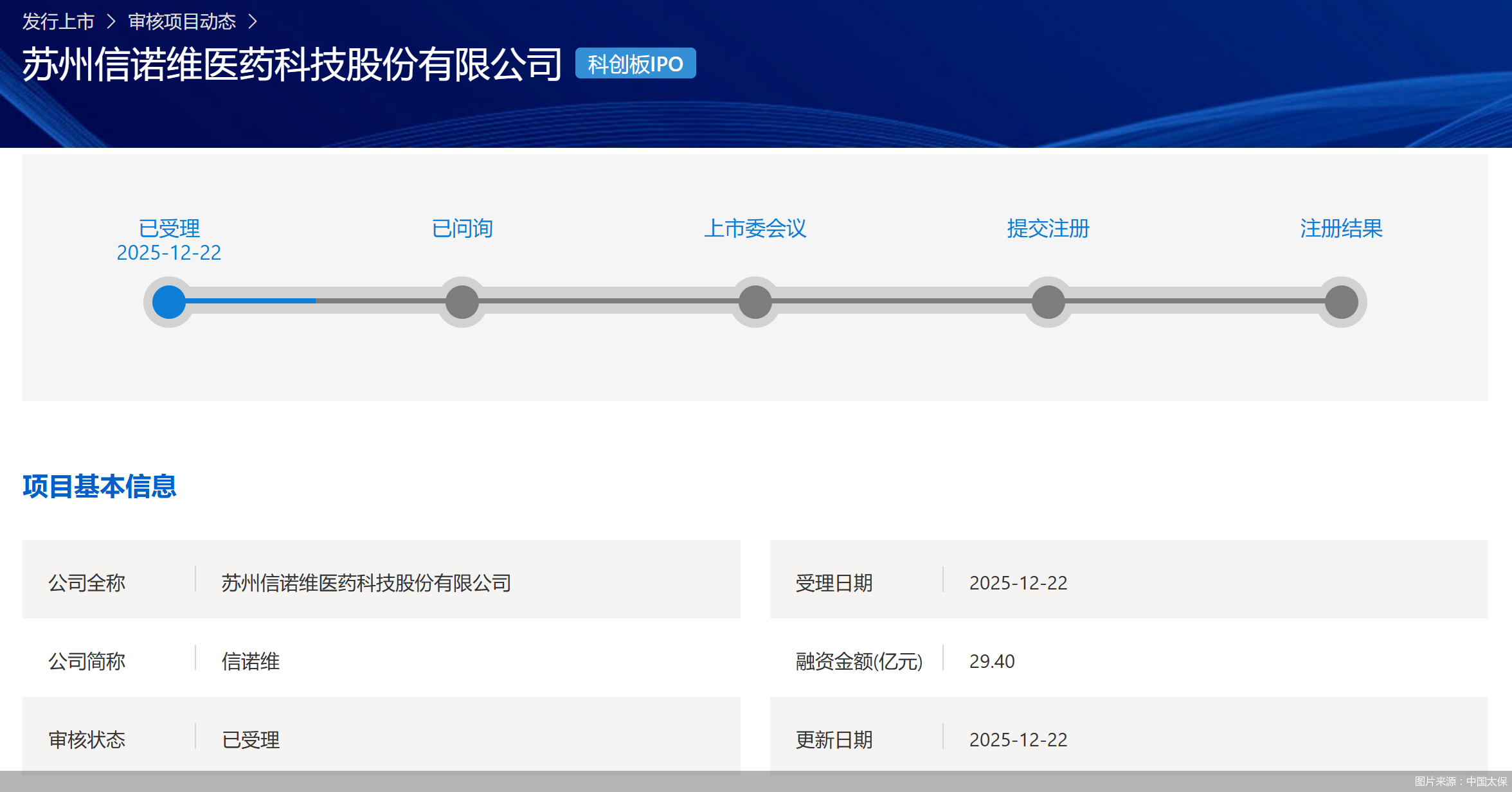
北京商报讯(记者 胡永新)12月23日,中国太平洋保险(集团)股份有限公司发布关于公司章程获核准及不再设立监事会的公告,公告显示,公司于2025 年8月29日召开的2025年第一次临时股东大会(以下简称"股东大会")审议通过了《关于修订〈中国太平洋保险(集团)股份有限公司章程〉的议案》,根 据监管制度相关要求并结合公司实际对《中国太平洋保险(集团)股份有限公司章程》(以下简称"《公司章程》")的相关内容进行了修订。 公司于近日收到金融监管总局《关于中国太平洋保险(集团)股份有限公司修改公司章程的批复》,金融监管总局已经核准公司修订后的《公司章程》。本 次修订后的《公司章程》自金融监管总局核准之日起生效。公司股东大会同时审议通过了《关于中国太平洋保险(集团)股份有限公司不再设立监事会相关 事项的议案》。自本次修订后的《公司章程》核准生效之日起,公司监事会正式撤销,由董事会审计与关联交易控制委员会行使《中华人民共和国公司法》 和监管制度规定的监事会职权。 | 公司全称 | 苏州信诺维医药科技股份有限公司 | | --- | --- | | 公司简称 | 信诺维 | | 审核状态 | 已受理 | ...