EVERGRANDE(03333)

Search documents
恒大再上热搜:许家印前妻丁玉梅被冻结15亿元资产,遭全球追债。
Sou Hu Cai Jing· 2025-11-30 05:06
许家印前妻丁玉梅,最近正被一张跨国追债网牢牢困住。她存于瑞银等银行的15亿海外存款已被冻结,散落在伦敦、温哥 华、香港等地的33套豪宅也接连被法院锁定。这场针对她的资产清查风暴,不仅揭开了其背后精密的离岸资产布局,更与 恒大暴雷后数百万购房者的命运紧密相连。 时间倒回到2022年,彼时恒大债务危机已暗流涌动,多地项目停工消息频传,丁玉梅与许家印却突然"闪离"。两人没有公 开的情感纠葛,只有悄无声息的和平分手,外界几乎一致认定,这是一场为规避债务风险的"技术性离婚"——目的就是将 核心资产与恒大的债务隔离开来。 丁玉梅早早就布好了局:海外离岸公司握着股权,瑞士、新加坡的银行存着钱,加拿大、香港的豪宅写着她的名。最让人 诧异的是,2020到2021年恒大欠着一屁股债时,她关联的公司居然给她和家人分了60多亿股息。 一边是老百姓掏空积蓄买的房却成了收不到房的烂尾楼,一边是她趁着债务危机把钱转去海外,每月支取高额生活费用于 其家人开支。这种操作,难怪成了众矢之的。 丁玉梅本以为离岸公司、家族信托是"安全牌",还搞了个2.39亿的信托想隔离开债务。但现在全球监管早不是以前那样了, 她的算盘打错了。 英国法院先冻结了她瑞 ...

许家印前妻大量资产被曝光!法院强制执行超15亿境外资产
Sou Hu Cai Jing· 2025-11-30 02:38
近日,香港高等法院公布了一项新判决:批准处于清算状态的中国恒大集团变更禁制令申请,允许其在泽西岛、直布罗陀、加拿大及新加坡四地,对许家印 前妻丁玉梅提起司法程序,以申请强制执行价值超2.2亿美元(约合人民币15.58亿元)的境外资产。 三个月前,恒大二当家夏海钧被曝出藏在美国的超级豪宅;最近,许家印前妻丁玉梅的跨境资产又被揪了出来,还被法院扩大了资产禁制令的范围。这下, 恒大债务的追缴工作可以说是取得了突破性进展。 出品丨花朵财经观察(FF-Finance) 撰文丨学研 恒大欠的债务又有新进展了! 随着丁玉梅更多资产曝光,其通过切割关系转移资产、逃避债务、隐匿不义之财的行为,正逐渐暴露在法治阳光之下。 PART.01 境外资产大起底 2024年7月29日,香港高等法院发布专有禁制令及玛瑞瓦禁制令,明确恒大仅可在中国香港、英国、开曼群岛及英属维尔京群岛范围内,对丁玉梅采取法律 行动。该禁令要求丁玉梅不得在上述司法管辖区内转移或隐匿资产。 同年9月,恒大又向法院提交了一份"管辖权变更传票"。申请文件显示,丁玉梅曾在资产宣誓书中详细列出其在加拿大皇家银行的1亿加元存款、新加坡嘉盛 莱宝银行的7100万美元资金、直布 ...
许家印前妻被冻结15亿元资产,涉及加拿大、直布罗陀、泽西岛和新加坡四地银行账户
Sou Hu Cai Jing· 2025-11-28 15:25
丁玉梅一方律师抗辩称,其无资产耗散意图,恒大的申请将导致其承担巨额跨国律师费,构成不当压迫,且应等待其此前 提出的"解除禁制令申请"判决结果。 香港高等法院于2024年首次冻结丁玉梅的资产,随后英国法院也作出了类似命令。 在资产披露之后,中国恒大附属公司CEG在香港和英国的律师已经向资产披露中列明的银行等机构发函,通知他们有关香 港法院和英国法院的禁令,目的是让他们冻结丁玉梅在其处持有的账户。 据香港高等法院近日披露的公告,香港高等法院采纳恒大清盘人的主张,扩大了对中国恒大集团创始人许家印前妻丁玉梅 的禁制令范围,将其在加拿大、直布罗陀、泽西岛和新加坡共约2.2亿美元(约合人民币15.58亿元)的资产一并纳入冻 结。 文件显示,这份判决由香港高等法院法官高浩文(Russell Coleman)在11月26日的聆讯中作出。 根据文件显示,丁玉梅需要披露其名下资产情况。丁玉梅在指定司法管辖区的资产分布集中且规模庞大:加拿大皇家银行 账户存有1亿加元(约合人民币5.03亿元),嘉盛莱宝银行新加坡有限公司银行账户存有7100万美元(约合人民币5.03亿 元),瑞士银行(直布罗陀)有限公司银行账户资产达5760万美元( ...

许家印前妻,大量资产曝光
Sou Hu Cai Jing· 2025-11-28 12:52
11月26日,香港高等法院(下称"香港高院")做出的一则裁定引发关注,事关恒大集团创始人许家印前 妻丁玉梅的海外资产。 简单来说,这则裁定扩大了对丁玉梅的禁制令范围,延伸至泽西岛、直布罗陀、加拿大和新加坡四地, 而丁玉梅在这四地银行账户中的资产超2.2亿美元(约合人民币15.58亿元)。这意味着丁玉梅未来在这 四地也可被提起司法程序,进而可能导致这2.2亿美元资产被冻结,以及被强制执行。 当年6月,香港法官就对许家印作出玛瑞瓦禁令(Mareva Injunction,即资产冻结令),禁止其处置全球 范围内价值最高达77亿美元的资产。许家印亦被要求确认所有价值5万港元或以上的资产,不论位于香 港境内或境外,不论是否以其本人名义持有,须提供所有该等资产的价值、地点及详细资料。丁玉梅也 面临类似限制,英国法院批准她每月最多可使用2万英镑。 但是法院此后裁定,许家印没有遵守披露令。恒大集团于2025年4月3日发出"接管人传票",申请任命清 盘人为许家印资产接管人。今年9月,香港高院作出裁定,支持接管申请,授权清盘人"识别、保全与调 查"许家印全部资产,包括其通过十余家离岸公司间接控制、可能涉及信托架构的资产。这可以被 ...
香港高院冻结许家印前妻15亿资产,涉及加拿大、新加坡等地银行账户
新浪财经· 2025-11-28 11:29
丁玉梅一方律师抗辩称,其无资产耗散意图,恒大的申请将导致其承担巨额跨国律师费,构 成不当压迫,且应等待其此前提出的"解除禁制令申请"判决结果。 据澎湃新闻,香港高等法院11月26日披露公告,香港高等法院采纳恒大清盘人的主张,扩 大了对中国恒大集团创始人许家印前妻丁玉梅的禁制令范围,将其在加拿大、直布罗陀、泽 西岛和新加坡共约2.2亿美元(约合人民币15.58亿元)的资产一并纳入冻结。 文件显示,这份判决由香港高等法院法官高浩文(Russell Coleman)在11月26日的聆讯 中作出。 根据文件显示,丁玉梅需要披露其名下资产情况。丁玉梅在指定司法管辖区的资产分布集中 且规模庞大:加拿大皇家银行账户存有1亿加元(约合人民币5.03亿元),嘉盛莱宝银行新 加坡有限公司银行账户存有7100万美元(约合人民币5.03亿元),瑞士银行(直布罗陀) 有限公司银行账户资产达5760万美元(约合人民币4.08亿元),泽西岛巴克莱银行账户亦 有67.5万英镑存款(约合人民币629.8万元),四项资产合计超2.2亿美元。 资料图 恒大的律师此前称,丁玉梅对中国香港及英国的法律程序采取"总体不合作态度"。具体表 现为:丁玉梅突 ...

香港高院扩大禁制令范围,许家印前妻约15.6亿资产被冻结
Guan Cha Zhe Wang· 2025-11-28 10:52
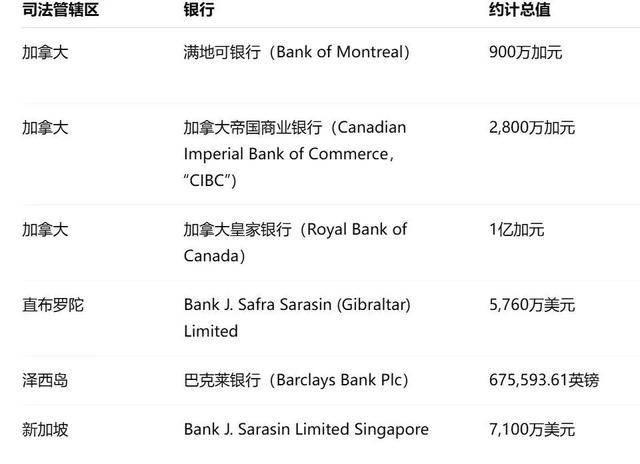
Core Viewpoint - The Hong Kong High Court has expanded the asset freeze on Xu Jiayin's ex-wife, Ding Yumei, to over $220 million across multiple jurisdictions, supporting the claims of Evergrande's liquidators [1][2]. Group 1: Asset Freeze Details - The court's ruling allows for the freezing of Ding Yumei's assets in Canada, Gibraltar, Jersey, and Singapore, totaling over $220 million (approximately 1.56 billion RMB) [1]. - Specific assets listed include CAD 100 million in the Royal Bank of Canada, CAD 9 million in Montreal Bank, CAD 28 million in Canadian Imperial Bank, USD 57.6 million in a Swiss bank in Gibraltar, GBP 675,000 in Barclays Bank in Jersey, and USD 71 million in a bank in Singapore [1]. Group 2: Legal Proceedings and Non-compliance - Ding Yumei has exhibited a non-cooperative attitude regarding the asset freeze, including attempts to sever ties with her rental property in the UK and refusing to provide detailed information about her Singapore bank account [2]. - The court has recognized Ding Yumei's actions as a blatant disregard for the court's orders, indicating a lack of understanding of the legal implications [2]. Group 3: Background on Xu Jiayin and Ding Yumei - The divorce between Xu Jiayin and Ding Yumei is believed to have occurred post-Evergrande's financial troubles, potentially as a strategy to protect assets from creditors [3]. - Xu Jiayin has not disclosed his assets, and there is ongoing scrutiny regarding the financial dealings of former executives, including Xia Haijun, who has been reluctant to reveal detailed asset information [5]. Group 4: Court Rulings and Financial Arrangements - In March 2024, liquidators initiated legal action against Xu Jiayin, Ding Yumei, and other related parties, leading to a global asset freeze order against Ding Yumei in July 2024 [4]. - Ding Yumei was allowed to withdraw a maximum of GBP 20,000 monthly for living expenses, while the rest of her assets remain frozen [4].
香港高院冻结许家印前妻15亿资产,涉及加拿大、新加坡等地银行账户
Sou Hu Cai Jing· 2025-11-28 05:06
据智通财经,香港高等法院11月26日披露公告,香港高等法院采纳恒大清盘人的主张,扩大了对中国恒大集团创始人许家印前妻丁玉梅的禁制令范围, 将其在加拿大、直布罗陀、泽西岛和新加坡共约2.2亿美元(约合人民币15.58亿元)的资产一并纳入冻结。 文件显示,这份判决由香港高等法院法官高浩文(Russell Coleman)在11月26日的聆讯中作出。 根据文件显示,丁玉梅需要披露其名下资产情况。丁玉梅在指定司法管辖区的资产分布集中且规模庞大:加拿大皇家银行账户存有1亿加元(约合人民币 5.03亿元),嘉盛莱宝银行新加坡有限公司银行账户存有7100万美元(约合人民币5.03亿元),瑞士银行(直布罗陀)有限公司银行账户资产达5760万美 元(约合人民币4.08亿元),泽西岛巴克莱银行账户亦有67.5万英镑存款(约合人民币629.8万元),四项资产合计超2.2亿美元。 资料图 恒大的律师此前称,丁玉梅对中国香港及英国的法律程序采取"总体不合作态度"。具体表现为:丁玉梅突然变更香港康乃馨道物业处置立场、拒绝提供 嘉盛莱宝银行新加坡有限公司银行账户赎回资金详情、阻碍加拿大帝国商业银行账户合规核实等。 丁玉梅一方律师抗辩称,其 ...
香港高等法院扩大对许家印前妻丁玉梅的资产禁制令范围:冻结四地约15亿元资产
Xin Lang Cai Jing· 2025-11-28 03:45
丁玉梅一方律师抗辩称,其无资产耗散意图,恒大的申请将导致其承担巨额跨国律师费,构成不当压 迫,且应等待其此前提出的"解除禁制令申请"判决结果。 香港高等法院于2024年首次冻结丁玉梅的资产,随后英国法院也作出了类似命令。 在资产披露之后,中国恒大附属公司CEG在香港和英国的律师已经向资产披露中列明的银行等机构发 函,通知他们有关香港法院和英国法院的禁令,目的是让他们冻结丁玉梅在其处持有的账户。 据香港高等法院11月26日披露的公告,香港高等法院采纳恒大清盘人的主张,扩大了对中国恒大集团创 始人许家印前妻丁玉梅的禁制令范围,将其在加拿大、直布罗陀、泽西岛和新加坡共约2.2亿美元(约 合人民币15.58亿元)的资产一并纳入冻结。 文件显示,这份判决由香港高等法院法官高浩文(Russell Coleman)在11月26日的聆讯中作出。 根据文件显示,丁玉梅需要披露其名下资产情况。丁玉梅在指定司法管辖区的资产分布集中且规模庞 大:加拿大皇家银行账户存有1亿加元(约合人民币5.03亿元),嘉盛莱宝银行新加坡有限公司银行账 户存有7100万美元(约合人民币5.03亿元),瑞士银行(直布罗陀)有限公司银行账户资产达5760 ...
许家印前妻丁玉梅拒不配合,2.2亿美元资产将被冻结
3 6 Ke· 2025-11-28 02:53
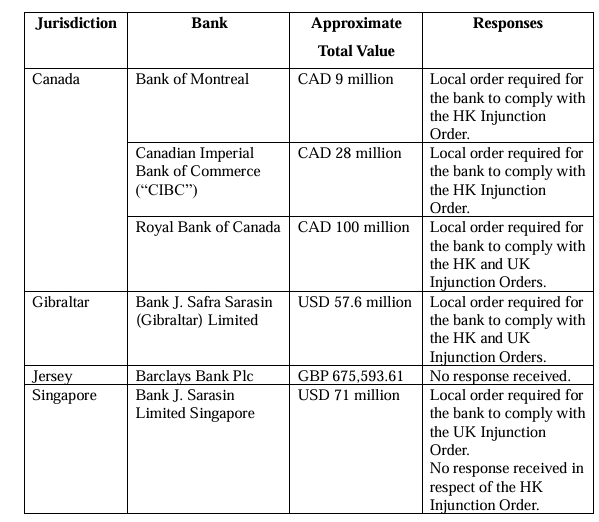
Core Viewpoint - The ongoing legal actions against Ding Yumei, the ex-wife of Xu Jiayin, are intensifying, particularly with the freezing of her overseas assets amounting to $220 million across four jurisdictions, including tax havens and major financial centers [2][4]. Group 1: Asset Freezing Details - Ding Yumei's assets frozen include approximately CAD 9 million at Bank of Montreal, CAD 28 million at Canadian Imperial Bank of Commerce, CAD 100 million at Royal Bank of Canada, USD 57.6 million at Bank J. Safra Sarasin in Gibraltar, GBP 675,593.61 at Barclays Bank in Jersey, and USD 71 million at Bank J. Sarasin Limited in Singapore [3][4]. - The freezing actions are a result of court orders from Hong Kong and the UK, aimed at preventing the dissipation of Ding Yumei's assets, which could harm creditors' interests [4][6]. Group 2: Legal Proceedings and Compliance - The banks involved have stated that they require local court orders to comply with the Hong Kong and UK injunctions, indicating a complex legal landscape for asset recovery [4][6]. - Ding Yumei has shown a lack of cooperation in the legal process, complicating the enforcement of the injunctions and raising concerns about her compliance with the court orders [5][9]. Group 3: Implications for Xu Jiayin and Evergrande - The legal actions against Ding Yumei are part of a broader effort to recover approximately $6 billion in wages and bonuses owed to Xu Jiayin and other former executives of Evergrande, with Ding Yumei now included as a defendant [4][9]. - The Hong Kong court's decision to expand the injunction to additional jurisdictions reflects the necessity of ensuring the effectiveness of asset protection measures in the face of potential legal maneuvering by Ding Yumei and her associates [6][7].

恒大2.2亿资产争夺战引跨国博弈,许家印前妻资本版图还剩多少?
Sou Hu Cai Jing· 2025-11-27 04:25
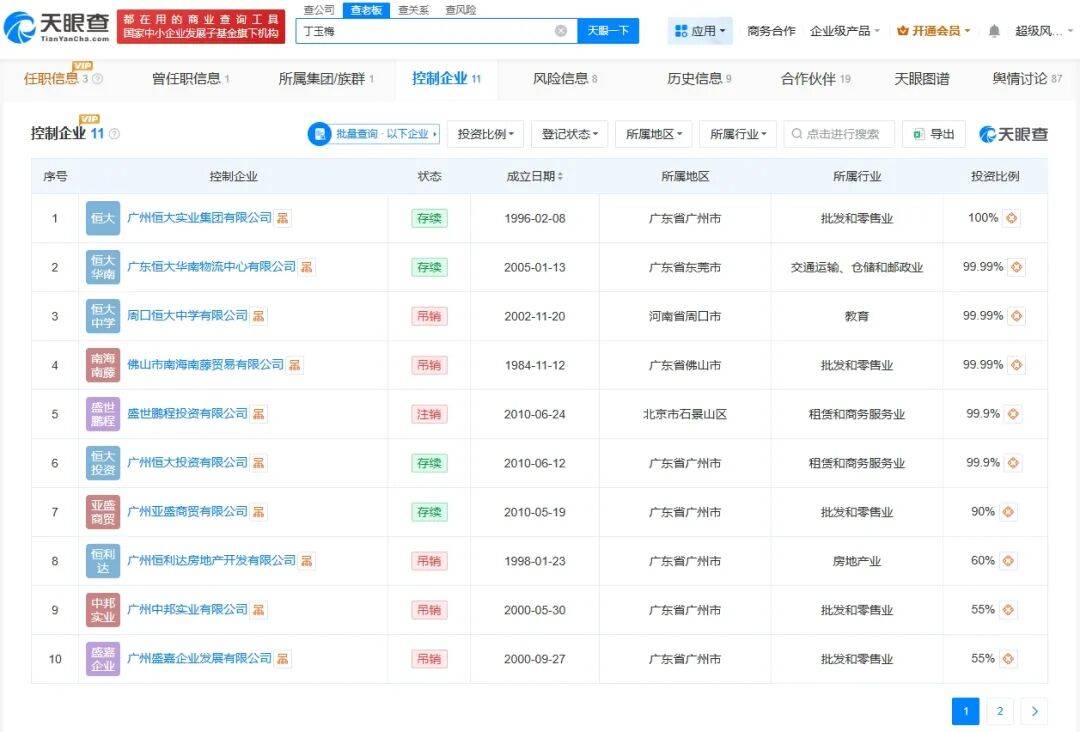
Core Viewpoint - The Hong Kong High Court has approved China Evergrande Group's application to change a restraining order, allowing it to initiate legal proceedings against Ding Yumei, the ex-wife of Xu Jiayin, in Jersey, Gibraltar, Canada, and Singapore to enforce overseas assets valued at over $220 million [1]. Group 1: Legal Proceedings - The court's decision enables China Evergrande Group to pursue legal actions in multiple jurisdictions against Ding Yumei for asset recovery [1]. - The value of the overseas assets targeted in the legal proceedings exceeds $220 million [1]. Group 2: Ding Yumei's Business Involvement - Ding Yumei is associated with three companies, two of which are currently operational: Guangzhou Chuang'er Biotechnology Co., Ltd. and Guangzhou Evergrande Industrial Group Co., Ltd. [1]. - She holds positions as the legal representative, chairman, and general manager in the aforementioned companies [1]. - Ding Yumei has actual control over more than ten enterprises, most of which have been revoked or canceled [1].