
Huishang Bank(03698)

Search documents
徽商银行(03698) - 建议不再设立监事会及建议修订本行章程、股东大会议事规则、董事会议事规则
2025-11-25 09:10
香港交易及結算所有限公司及香港聯合交易所有限公司對本公告之內容概不負責,對其準確性 或完整性亦不發表任何聲明,並明確表示,概不就因本公告全部或任何部分內容而產生或因倚 賴該等內容而引致之任何損失承擔任何責任。 Huishang Bank Corporation Limited* 徽商銀行股份有限公司 * (於中華人民共和國註冊成立的股份有限公司) (股份代號:3698) 建議不再設立監事會 及 建議修訂本行章程、股東大會議事規則、董事會議事規則 1 不再設立監事會將提交本行股東大會(「股東大會」)審議批准,並且待修訂後的章 程取得股東大會審議通過及銀行業監督管理機構核准後方可生效。 建議修訂本行章程 為進一步完善公司治理制度,根據《公司法》《關於公司治理監管規定與公司法 銜接有關事項的通知》等法律法規、監管要求及本行實際,本行擬對章程進行修 訂。修訂後章程共十九章329條。 同時,董事會提請股東大會授權董事會,董事會轉授權董事長╱行長及董事長╱ 行長轉授權人士,按照監管機構的要求與建議對經股東大會審議通過的章程作調 整和修訂,並在章程獲銀行業監督管理機構核准後向市場監督管理機構及其他相 關政府部門辦理變更登記 ...
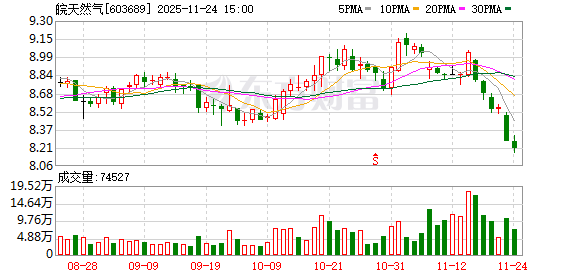
皖天然气:公司于2021年投资持有徽商银行23579472股
Zheng Quan Ri Bao· 2025-11-24 13:39
Group 1 - The company, Anhui Natural Gas, announced on November 24 that it holds 23,579,472 shares of Huishang Bank, which it invested in during 2021 [2] - The company's other equity investments are focused on the upstream and downstream of the natural gas industry chain and related energy sectors [2]


徽商银行在皖北信贷投放破2070亿元 激活地区发展新动能
Zhong Guo Jin Rong Xin Xi Wang· 2025-11-24 12:27
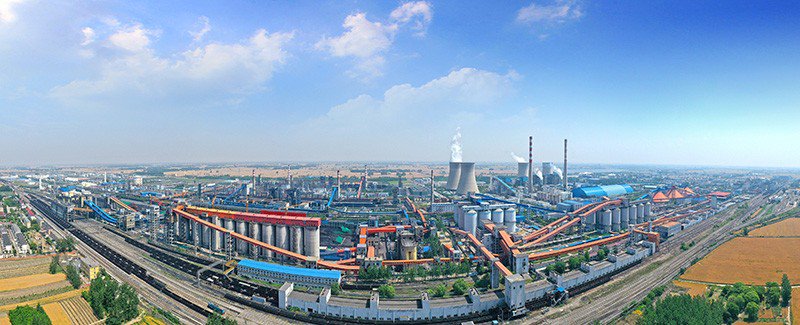
Core Viewpoint - Huishang Bank is committed to optimizing financial resource allocation and increasing credit support in the northern Anhui region, promoting high-quality development in the area [1] Group 1: Industrial Transformation - The northern Anhui region is crucial for the development of Anhui and has significant potential in the Yangtze River Delta [2] - Huishang Bank is focusing on major projects such as the Huabei Guoan Power Plant expansion, with a loan approval of 500 million yuan, of which nearly 300 million yuan has been disbursed [2] - The bank has approved loans totaling 2 billion yuan for various energy and coal resource utilization projects, with nearly 1 billion yuan already disbursed [2] Group 2: Rural Revitalization - Huishang Bank aims to drive rural revitalization through industrial development, exemplified by its support for a high-efficiency farming project in Yingshang County, with a loan of 80 million yuan [4] - The project focuses on the cultivation of lotus roots and eels, enhancing local agricultural productivity and contributing to the "beautiful countryside" initiative [4] Group 3: Infrastructure Acceleration - Transportation infrastructure is identified as a key variable for revitalizing northern Anhui, with the Suzhou Xixian General Airport project being a focal point [6] - Huishang Bank has approved over 200 million yuan in loans for the airport project, with more than 100 million yuan already disbursed, facilitating the development of regional transportation networks [6] Group 4: Future Outlook - The bank plans to continue optimizing financial services in northern Anhui and contribute to the modernization of the region [8]
徽商银行发布API安全监测平台交流公告
Jin Tou Wang· 2025-11-24 05:00
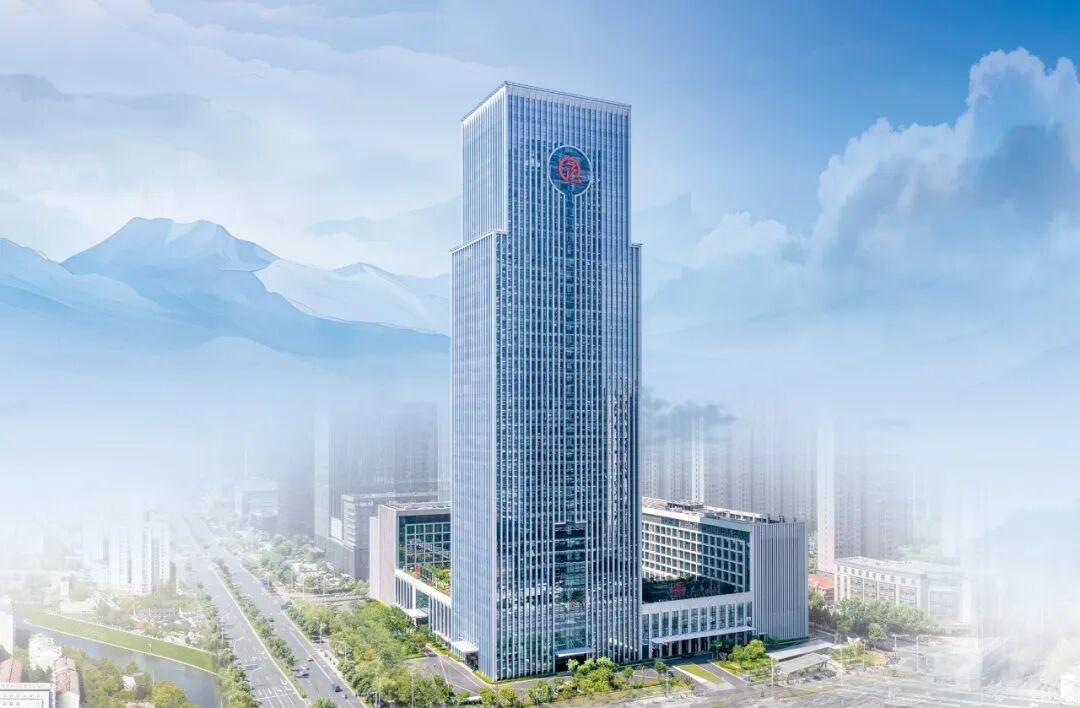
Core Points - Huishang Bank announced plans to procure an API security monitoring platform to enhance the management and security monitoring capabilities of its information system [1] Group 1: Exchange Content - The exchange will cover the company's basic information, including company introduction, main business, and case studies [2] - Personnel arrangements, including the presence of a permanent service institution and personnel in Hefei [3] - API security monitoring solutions, including API asset identification and management, operational monitoring, vulnerability analysis, abnormal behavior monitoring and early warning, and sensitive data identification [3] - Estimated costs for the API security monitoring platform [4] Group 2: Vendor Qualification Requirements - Vendors must be legally registered entities in the People's Republic of China with good operating conditions and no serious violations or credit issues [5] - Vendors should have implementation cases related to API security monitoring from a bank's head office since January 1, 2022 [6] Group 3: Required Materials - Companies must provide a company profile, business license, and relevant qualification certificates [7] - Results from the National Enterprise Credit Information Publicity System [8] - Implementation cases related to API security monitoring from a bank's head office since January 1, 2022 [9] - API security monitoring solutions and cost estimates [10] Group 4: Exchange Date and Location - Specific details regarding the date, location, and method of the exchange will be notified later [11]
徽商银行:创新驱动高质量发展 资产质量持续向好
Zhong Guo Jin Rong Xin Xi Wang· 2025-11-22 04:56
Core Insights - Huishang Bank has consistently prioritized development and innovation, leading to steady improvements in operational management and overall strength, with total assets reaching 2.3 trillion yuan by September 2025 [1] - The bank ranked 101st in the Global Top 1000 Banks, an improvement of 11 positions from the previous year [1] Group 1: Support for Regional Development - The bank has implemented a comprehensive plan to support the integration of the Yangtze River Delta, with infrastructure loans totaling 260 billion yuan [2] - It has provided over 24 billion yuan in funding support for enterprises in new functional areas and industrial parks within the Yangtze River Delta [2] - Huishang Bank has been a key financial supporter for major provincial projects, including significant investments in the semiconductor industry [2] Group 2: Focus on Key Industries - The bank has enhanced its financial services for the new energy vehicle industry, providing over 110 billion yuan in credit to more than 1,700 upstream and downstream clients [2] - It has invested over 100 billion yuan in local government bonds and created indices for local government and corporate credit bonds [2] Group 3: Financial Support for Small and Micro Enterprises - Huishang Bank has strengthened financial support for small and micro enterprises, with loans exceeding 170 billion yuan for inclusive small and micro businesses and over 260 billion yuan for private enterprises [2] - The bank has been recognized for its contributions to high-quality development in Anhui province, receiving awards for its financial support efforts [2] Group 4: Innovation in Financial Services - The bank has established a dedicated structure for technology finance, launching various specialized financial products aimed at supporting technological innovation [3][4] - It has developed a digital product service system that integrates technology and finance, providing over 12 billion yuan in online credit loans to more than 4,200 technology enterprises [3][4] Group 5: Commitment to Rural Development - Huishang Bank has focused on county-level economic development, with county loans accounting for over 30% of its total provincial loans [5] - The bank has signed agreements with 124 credit villages, with loans to these villages reaching 11 billion yuan [5] - It has launched over 40 financial products specifically for rural revitalization, providing more than 16 billion yuan in loans for various revitalization projects [7] Group 6: Future Outlook - As Huishang Bank approaches its 20th anniversary, it aims to become a global top 100 bank and a benchmark for systemic excellence, continuing to support the modernization of Anhui province [7]
收益互换兑现 撬动银企共同“再成长” 安徽省创新实施共同成长计划“认股权收益互换模式”
Jin Rong Shi Bao· 2025-11-20 02:02
Group 1: Company Development and Challenges - Company has transitioned from an integrator to a high-tech enterprise focusing on information security services and compliance projects after over 10 years of development [1] - The company faces challenges in generating profits due to budget constraints from key sectors such as healthcare, government, and education, leading to increased demand for external funding support [1] Group 2: Financial Support and Strategic Partnerships - Huishang Bank's Wuhu branch increased the credit approval limit for the company from 2 million to 5 million yuan, with a reduced interest rate of 3% [2] - A strategic cooperation agreement was signed, allowing the bank to acquire 25% equity in the company if its valuation reaches 40 million yuan [2] - The bank's support includes a focus on the company's operational accounts and payroll services, enhancing the bank's understanding of the company's financial health [2][3] Group 3: Growth of Financial Programs - By September 2025, nearly 100 financial institutions in Anhui province have participated in the "Common Growth Plan," providing loans totaling 216 billion yuan to 15,000 tech startups, with a year-on-year growth rate of 32% in tech loans [3] - The "Common Growth Plan" aims to create a long-term risk-sharing and profit-sharing mechanism between banks and tech companies, enhancing the value of these companies over time [3][4] Group 4: Challenges in Equity Investment - Tech companies are often cautious about equity dilution, especially high-growth firms that prefer to delay new equity financing until they achieve certain market results [4] - Current regulations prevent banks from direct equity investments, complicating the realization of returns from equity options [4][5] Group 5: Innovative Financial Products - The introduction of the "Fund Jungle Loan" by the Bank of China Wuhu branch aims to support high-growth tech companies, allowing for deeper collaboration and improved financial service offerings [9] - The loan has enabled the company to secure strategic partnerships and enhance its market competitiveness by locking in essential raw materials at lower costs [9] Group 6: Enhanced Bank-Enterprise Cooperation - The "Common Growth Plan 2.0" has strengthened mutual trust between banks and enterprises, with an average loan term of 2.8 years and a 25 basis point reduction in interest rates for signed clients [10] - The average loan term for signed loans across Anhui province has reached 3.1 years, indicating improved cooperation and financial service capabilities [11]


徽商银行遭阳光人寿保险股份有限公司减持877.3万股 每股均价约3.59港元
Xin Lang Cai Jing· 2025-11-20 00:01
Group 1 - Sunshine Life Insurance Co., Ltd. reduced its stake in Huishang Bank (03698) by 8.773 million shares on November 14, with an average price of HKD 3.5877 per share, totaling approximately HKD 31.4749 million [1] - After the reduction, Sunshine Life's latest shareholding stands at approximately 486 million shares, representing a holding percentage of 13.96% [1]
阳光人寿保险股份有限公司减持徽商银行(03698)877.3万股 每股均价约3.59港元
智通财经网· 2025-11-19 11:29
Core Viewpoint - Sunshine Life Insurance Co., Ltd. has reduced its stake in Huishang Bank (03698) by selling 8.773 million shares at an average price of HKD 3.5877 per share, totaling approximately HKD 31.4749 million, resulting in a new holding of about 486 million shares, representing 13.96% ownership [1] Group 1 - Sunshine Life Insurance sold 8.773 million shares of Huishang Bank [1] - The average selling price was HKD 3.5877 per share [1] - The total amount raised from the sale was approximately HKD 31.4749 million [1] Group 2 - After the transaction, Sunshine Life's remaining shares in Huishang Bank are approximately 486 million [1] - The new ownership percentage of Sunshine Life in Huishang Bank is 13.96% [1] - The transaction involved other related parties, specifically Sunshine Insurance Group Co., Ltd. [1]
徽商银行探索多元化、接力式服务体系 金融滴灌让科技“小苗”变“大树”
Ren Min Ri Bao· 2025-11-18 22:44
Group 1 - The core viewpoint of the articles highlights the significant role of Huishang Bank in supporting technology-driven enterprises like Qingxin Huilian, which has achieved substantial growth in revenue and financing through tailored financial products [2][3][4][5] - Qingxin Huilian, established in July 2014, has seen its annual sales revenue grow from nearly 5 million yuan to over 100 million yuan by 2024, showcasing its successful business model in the energy sector [2] - Huishang Bank has increased its credit support for Qingxin Huilian from 1.5 million yuan in 2015 to 10 million yuan in 2023, demonstrating a strong partnership that has helped the company overcome financial bottlenecks [2] Group 2 - Huishang Bank has developed a diverse range of financial products tailored to the different life cycles of technology enterprises, including loans for seed, startup, growth, and mature stages [3][4] - As of June 2025, Huishang Bank's technology loan balance exceeded 200 billion yuan, with over 10,000 loan accounts, indicating a robust commitment to supporting technology enterprises [4] - The bank has actively collaborated with guarantee institutions to provide nearly 11 billion yuan in technology guarantee loans to over 2,300 technology enterprises, enhancing the financial ecosystem for innovation [4][5] Group 3 - Huishang Bank has pioneered a "technology flow" evaluation system and an online loan application channel, providing credit support of over 15 billion yuan to more than 5,000 technology enterprises [5] - The bank has established a knowledge property value self-assessment system and launched online pledge loans based on intellectual property, facilitating the transformation of intellectual assets into financial assets [5] - The bank aims to explore new models of technology financial services, focusing on the integration of technology and finance, and leveraging strategic opportunities in the Yangtze River Delta region [5]
国泰海通证券增持徽商银行70万股 每股均价约3.65港元
Zhi Tong Cai Jing· 2025-11-17 11:10
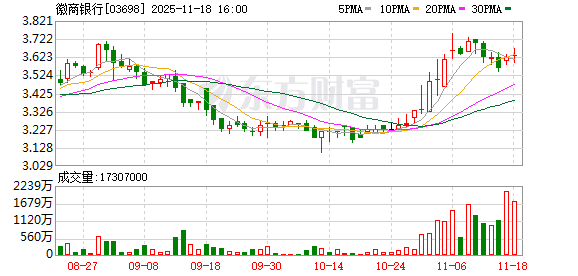
Group 1 - Cathay Securities increased its stake in Huishang Bank by purchasing 700,000 shares at an average price of 3.6486 HKD per share, totaling approximately 2.554 million HKD [1] - Following the purchase, Cathay Securities' total shareholding in Huishang Bank reached approximately 487 million shares, representing a 14% ownership stake [1]
