STARBUCKS(04337)

Search documents
星巴克10亿美元重组计划曝光,关闭数百门店裁员900人
3 6 Ke· 2025-09-26 06:12
这是倪睿安自2024年9月上任以来的第二次裁员。今年2月,倪睿安宣布将裁员1100人,但不包括星巴克 中国的员工。公开信息显示,星巴克目前在全球共有约1.6万名公司员工,其中1万人在美国,其余6000 人则在全球其他地区。 星巴克表示,为扭转销售下滑局面,拯救星巴克承压的业绩,将关闭北美业绩不佳的门店,其中包括位 于美国西雅图国会山(Capitol Hill)的Reserve Roastery,该门店也是星巴克的全球第一间臻选烘焙工 坊,距离公司总部仅数分钟车程。 星巴克董事长兼CEO倪睿安表示,根据计划,截至2025财年末,星巴克在美国和加拿大的门店总数将减 少1%,即关闭数百家门店。公司预计,大部分门店关闭工作将在2025财年结束前完成。同期,公司将 在重组过程中裁减约900个工作岗位,主要涉及非零售合作伙伴职位,并关闭许多空缺职位。 【#星巴克推10亿美元重组计划#,涉及关闭部分门店以及缩减非零售岗位】#星巴克上百家门店被关# 据智通财经报道,当地时间9月25日,全球知名咖啡连锁巨头星巴克公司董事长兼CEO倪睿安(Brian Niccol)发布致北美合作伙伴的公开信,称为支持"重回星巴克"计划,公司批准 ...


星巴克拟斥资10亿美元重组
Xin Lang Cai Jing· 2025-09-26 00:24
来源:智通财经 智通财经记者 邵冰燕 上任一年,全球连锁咖啡星巴克CEO宣布拟斥资10亿美元深化重组。 9月25日美股盘前,星巴克(Nasdaq:SBUX)公司董事长及首席执行官倪睿安(Brian Niccol)在官网 发布公开信,称为支持"重回星巴克"计划做出两项决定,包括关闭部分门店以及缩减非零售岗位。 在门店调整方面,倪睿安指出,今年早些时候在对北美门店的评估中,发现部分门店无法达到顾客和伙 伴期待的环境标准或缺乏盈利潜力,未来部分门店将面临关闭。 倪睿安指出,本周将通知受闭店影响的伙伴,并尽力协助调岗至附近门店,同时快速提供转岗机会咨 询。对于无法即时安置的伙伴,星巴克将提供包括丰厚离职补偿在内的全面支持,并期待未来新店开设 或门店扩编时能再次欢迎他们回归。 此外,星巴克还将进一步削减非零售岗位编制及相关开支。倪睿安指出,这一艰难决定涉及裁减约900 个现有非零售岗位,并取消大量空缺职位。为打造更优秀的星巴克,公司正增加绿围裙伙伴工时、扩编 门店人手、提升顾客服务、优化门店设计与创新投入。公司也将持续严控成本,聚焦驱动长期增长的关 键领域。 值得注意的是,这是倪睿安任职期间的第二轮裁员。据外媒报道,今 ...
约900人被裁、上百家门店被关!星巴克突然宣布重组计划
Zhong Guo Ji Jin Bao· 2025-09-25 16:24
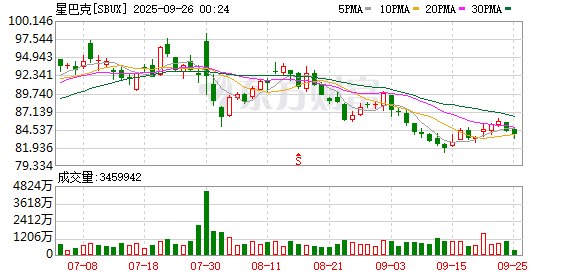
Group 1 - Starbucks announced a $1 billion restructuring plan, which includes closing underperforming North American stores and laying off approximately 900 employees [1][4] - The restructuring is part of CEO Brian Niccol's "Back to Starbucks" initiative aimed at enhancing the in-store experience and financial performance [4] - Following the announcement, Starbucks' stock price fell sharply at the market open [1] Group 2 - The restructuring will result in a reduction of about 1% of Starbucks' North American store count, bringing the total to approximately 18,300 stores, which means around 180 stores will be closed [4] - Despite initial signs of improvement in customer engagement, Starbucks reported a 2% decline in global comparable store sales for Q3, exceeding market expectations of a 1.3% drop, marking the sixth consecutive quarter of decline [5] - Year-to-date, Starbucks' stock has decreased nearly 6%, while the S&P 500 index has risen about 13% [6] Group 3 - Starbucks has undergone multiple rounds of layoffs this year, including a reduction of 1,100 employees in February and a voluntary departure program in July [8] - In China, Starbucks is reportedly in the final stages of a potential equity restructuring, with a valuation of approximately $5 billion [9] - Starbucks China achieved Q3 revenue of about $790 million, an 8% year-over-year increase, driven by a significant rise in transaction volume despite a slight decline in average ticket price [9] Group 4 - CEO Niccol emphasized the search for strategic partners in China who share similar values and vision, aiming to capitalize on future growth opportunities [10] - Starbucks intends to retain a significant equity stake in the Chinese market and will only pursue transactions that align with its interests [11]
关店裁员谋求转型 星巴克(SBUX.US)启动10亿美元重组计划
Zhi Tong Cai Jing· 2025-09-25 12:29
Core Viewpoint - Starbucks is implementing a $1 billion restructuring plan that includes closing stores and cutting 900 jobs under the leadership of new CEO Brian Niccol, aiming to transform the business and enhance store attractiveness [1][2] Group 1: Store Closures and Restructuring - The company plans to reduce its total number of stores by 1% by fiscal year 2025, maintaining a total of 18,300 stores in the U.S. and Canada [1] - Starbucks will close underperforming stores identified through a comprehensive evaluation and will focus on developing stores that align with Niccol's strategic vision [1] Group 2: Store Upgrades and Customer Experience - The company intends to expand store operations and renovate an additional 1,000 locations, with initial upgrades showing positive results in customer visit frequency and duration [1] - Niccol's strategy includes optimizing store facilities by increasing seating and adding power outlets to attract customers more frequently and encourage longer stays [1] Group 3: Financial Performance and Market Competition - Despite these adjustments, the financial performance of Starbucks has not shown significant improvement, with the company facing intense competition from smaller coffee chains in key markets like the U.S. and China [2] - Starbucks is working to streamline its menu and reduce drink preparation complexity to shorten customer wait times and introduce new products that cater to changing consumer preferences [2] Group 4: Investor Sentiment and Concerns - While analysts and investors generally support Starbucks' transformation efforts, there are growing concerns regarding the costs and implementation timeline of Niccol's plans, especially as the company's profitability has declined due to significant investments in brand renewal [2]
茶咖日报|星巴克海外店员被指辱骂广东消费者,公司回应:已解雇
Guan Cha Zhe Wang· 2025-09-25 12:08
Group 1: Starbucks Incident - A Starbucks employee in Malaysia was accused of insulting a customer, leading to public outrage [1] - The employee has been terminated, and Starbucks issued an apology through its official overseas account [1] - The incident highlights the importance of respect in customer service, as emphasized by the franchise owner, Success Food Group [1] Group 2: JD's Seven Fresh Coffee - JD is launching a low-cost coffee brand, Seven Fresh Coffee, aiming to enter the affordable coffee market with products priced under 10 yuan [2] - The company is recruiting business partners under a light-asset model, where partners provide the location and initial investment while JD manages operations [2] - A unique revenue-sharing mechanism allows partners to earn 5% of each coffee sale, with additional incentives for using their own staff [2][3] Group 3: 7 Fen Tian's Frozen Mango Controversy - The fruit tea brand 7 Fen Tian has been accused of using frozen mangoes with a shelf life of 24 months in its drinks [4] - Customer service confirmed the use of frozen mangoes but did not clarify why fresh mangoes were not used despite their availability [4] Group 4: Tea Baidao Management Change - Sichuan Tea Baidao announced a change in its joint company secretary, with Li Zhongcheng resigning and Zou Xinglong taking over [5][6] - Zou Xinglong brings over 14 years of experience in company secretarial and legal fields, enhancing the company's governance and investor relations [6]


星巴克重组成本10亿美元,裁员900人关店
Bei Ke Cai Jing· 2025-09-25 11:38
【#星巴克重组成本将达10亿美元# 裁减约900个工作岗位】智通财经9月25日电,美国证券交易委员会 文件披露,星巴克公司批准涉及关闭咖啡店的重组计划。预计重组成本将达到10亿美元,星巴克将在重 组过程中裁减约900个工作岗位,并关闭部分门店。(智通财经) ...

星巴克宣布在北美裁员约900人,关闭部分门店以进行重组
Xin Lang Cai Jing· 2025-09-25 11:20
星巴克公司9月25日在致北美合作伙伴的信中表示,公司批准了一项重组计划,该计划涉及关闭部分咖 啡店,并进一步转型公司的支持组织架构。公告显示,该战略将取消约900个当前的非零售合作伙伴职 位,并关闭许多空缺职位。公司预计本财年末将完成大部分门店关闭工作。公司估算与门店关闭、支持 组织转型及其他重组活动相关的支出约为10亿美元,其中90%的费用归属于北美业务。 ...
消息称星巴克将在重组中裁减约900个工作岗位
Ge Long Hui A P P· 2025-09-25 11:12
Group 1 - Starbucks plans to cut approximately 900 jobs as part of its restructuring process [1] - The company will also close some of its stores [1]
露胸肌自拍推销星巴克中秋礼盒,店员为完成卖月饼KPI快被逼成男模了?
3 6 Ke· 2025-09-25 09:34
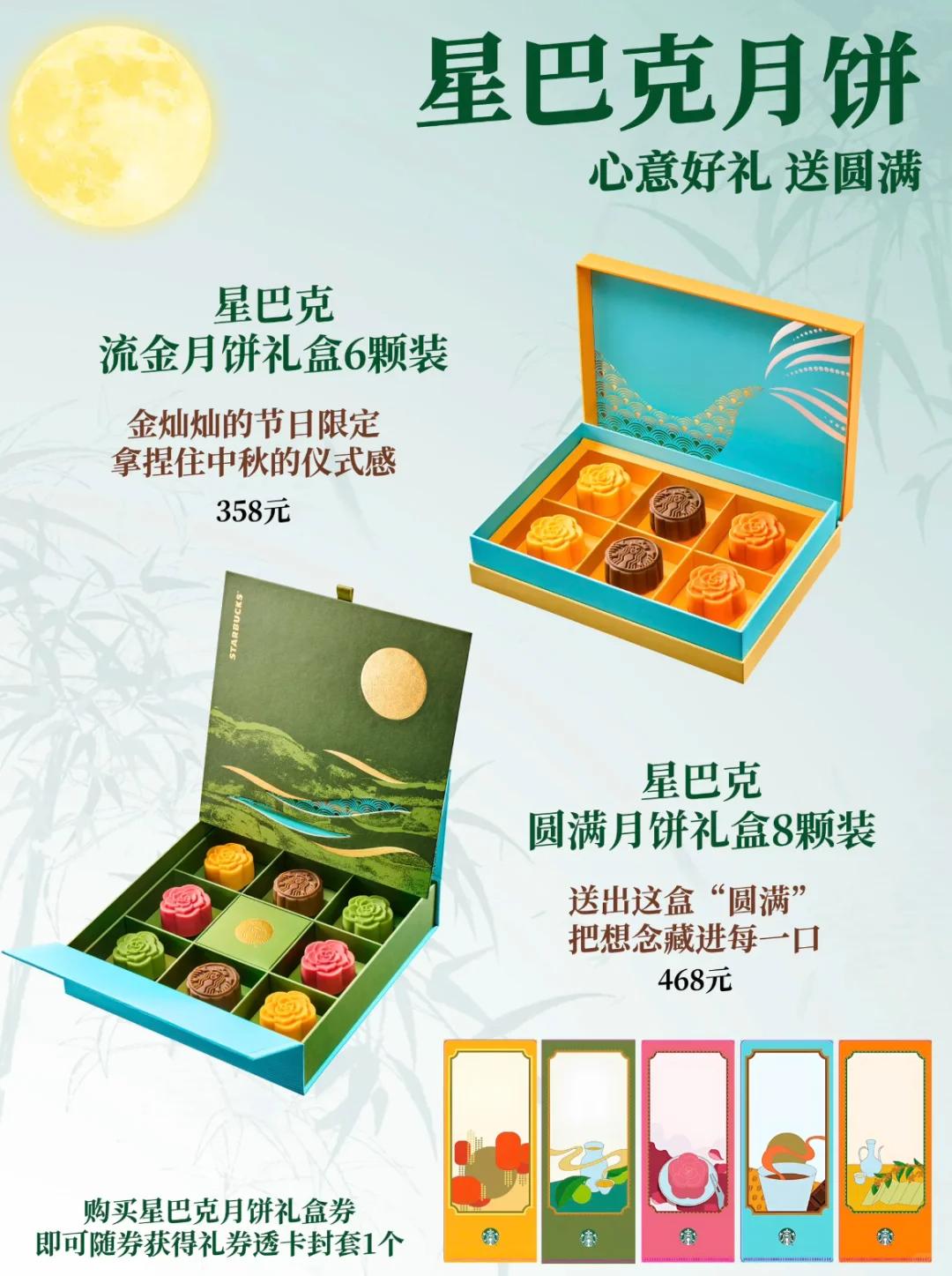
Core Insights - Starbucks employees face immense pressure to sell mooncakes, leading to creative and sometimes desperate sales tactics [1][24][31] - The company has introduced two new mooncake products this year, priced at 468 yuan and 358 yuan, respectively [2] - Despite high profit margins of 65%, the low repurchase rate of 23% for Starbucks mooncakes indicates a struggle to sell the product [35][36] Group 1: Employee Sales Pressure - Employees are resorting to various methods to sell mooncakes, including creative social media promotions and even self-purchasing to meet sales targets [1][6][31] - The pressure to meet sales KPIs is significant, with some employees reporting that they must sell over 200 boxes of mooncakes [24][31] - Official company policy prohibits employees from self-purchasing, yet the pressure to meet sales targets often leads to this behavior [26][31] Group 2: Product Performance - The new mooncake offerings include a variety of flavors, but employee feedback suggests that the taste does not align with consumer preferences [32][35] - The mooncake sales strategy appears to be a mix of high pricing and promotional offers, yet the effectiveness of these strategies is questioned due to low consumer interest [27][36] - The company has faced criticism for its mooncake products, which are perceived as overpriced and not meeting quality expectations [35][36] Group 3: Company Strategy and Market Position - Starbucks is attempting to adapt to local market demands while facing competition from lower-priced alternatives [36][37] - The company has recently lowered prices on several non-coffee products, indicating a response to competitive pressures in the market [36] - The ongoing challenges in mooncake sales reflect broader issues within Starbucks regarding employee satisfaction and product alignment with consumer expectations [37]
星巴克海外店员被指辱骂消费者!成功食品集团:已解雇员工
Nan Fang Du Shi Bao· 2025-09-24 15:05
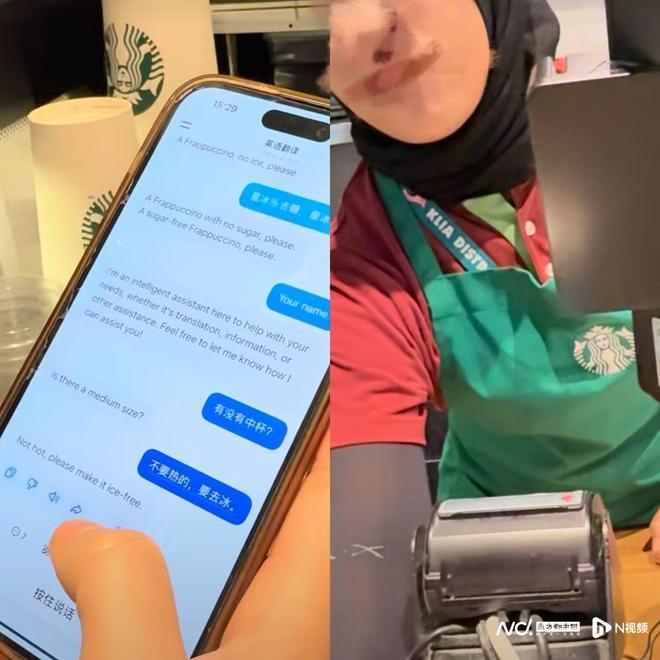
Core Viewpoint - A recent incident involving a customer at a Starbucks in Malaysia has sparked controversy after the barista allegedly insulted the customer using a local language, leading to public outcry and an official response from Starbucks [1][2][4]. Company Response - Starbucks Malaysia, operated by Berjaya Food Berhad, issued a statement emphasizing that respect is non-negotiable and that the behavior of the barista does not reflect the company's values [4][8]. - The barista involved was dismissed on September 21, 2025, following an internal review, and Starbucks is reinforcing training programs to enhance cultural sensitivity and customer service standards [6][7]. Incident Details - The incident occurred on September 18, when a Guangdong consumer shared a video of her ordering at a Starbucks using a translation app, which led to complaints from local netizens about the barista's disrespectful behavior [2][5]. - The consumer expressed gratitude for the support received but noted that she did not understand what the barista was saying at the time [1][2]. Business Context - Starbucks operates in Malaysia through a licensing model, with Berjaya Food Berhad being the exclusive franchisee since its entry into the market in 1998 [9]. - As of now, there are 405 Starbucks locations in Malaysia, and the company reported a revenue of $27.615 billion for the first nine months of fiscal year 2025, reflecting a year-over-year growth of 1.9% [9].