STARBUCKS(04337)

Search documents
从星巴克到汉堡王,“洋品牌”掀起在华“卖身潮”
Zhi Tong Cai Jing· 2025-12-19 07:03
Group 1 - The core point of the article highlights that Western food and beverage giants are increasingly turning to Chinese private equity firms for investment as traditional operating models fail amid intensifying local competition [1] - Starbucks has agreed to sell 60% of its Chinese business to Boyu Capital, valuing the business at $4 billion, while CPE Yuanfeng is investing $350 million to acquire 83% of Burger King's China operations [1] - Other multinational companies are following suit, with IDG Capital recently acquiring the Chinese business of Yuno Yogurt, and reports indicating that General Mills and Oatly are also considering selling parts of their operations [1] Group 2 - Chinese private equity firms possess not only capital but also deep operational experience, strong local networks, and a willingness to reform management and strategy [2] - Many collaboration models allow foreign companies to retain minority stakes and intellectual property, thus generating long-term royalty income while handing over daily operations to local investors [2] - The resurgence of spin-off transactions this year underscores the trend of multinational companies reassessing their operations in China due to geopolitical uncertainties, slowing consumer demand, and pressure from shareholders to refocus on core markets [2]


从星巴克到汉堡王:外资餐饮为何纷纷把中国市场交给私募基金?
Sou Hu Cai Jing· 2025-12-18 10:18
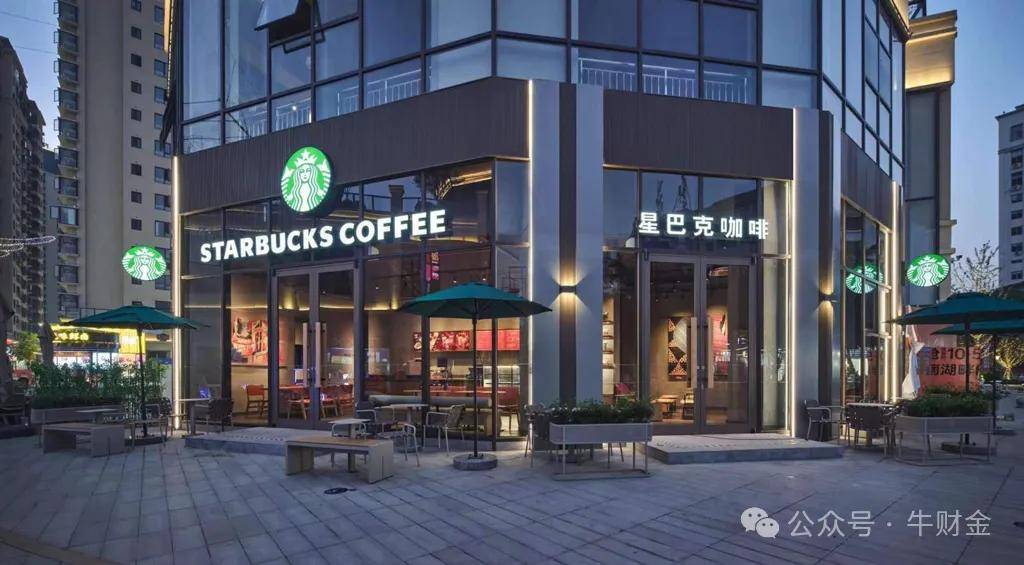
Core Viewpoint - Foreign dining brands in China are undergoing a significant transformation, shifting control to local private equity firms to better understand and cater to Chinese consumers [1][2][10]. Group 1: Starbucks' Strategic Shift - Starbucks plans to sell 60% of its Chinese business to Boyu Capital for an estimated valuation of $4 billion, retaining 40% ownership and core brand licensing rights [2]. - This move reflects a change in role from direct management to a licensing model, indicating a response to the challenges in the Chinese coffee market [2][14]. - Starbucks anticipates that the overall value of its Chinese operations could exceed $13 billion over the next decade, including royalties [2]. Group 2: Reasons for Local Private Equity Takeover - The acquiring firms, such as Boyu, CPE, and IDG, are familiar with the local market and can act quickly, making operational changes in a matter of months rather than undergoing lengthy global approval processes [5]. - Local private equity firms excel in relationship-based management, which is crucial in the Chinese dining sector, where rapid menu changes and pricing adjustments are necessary [6][8]. - The current market conditions, characterized by a slowdown in IPOs and mergers, make stable, mature foreign subsidiaries attractive targets for investment [9]. Group 3: Broader Industry Trends - The challenges faced by brands like Burger King and Uniqlo reflect a systemic trend among foreign dining companies in China, acknowledging their inability to effectively manage operations in the local context [10]. - The shift towards licensing fees is becoming a core asset for foreign brands, allowing them to generate long-term cash flow rather than relying solely on equity sales [11][17]. - This transition is not a retreat from the Chinese market but rather a pragmatic adaptation to the realities of local competition and operational challenges [13][14]. Group 4: Market Dynamics - The Chinese market remains vast but is characterized by intense competition, with local players evolving rapidly [18]. - Foreign brands are retaining their brand identity and supply chain standards while local private equity firms take charge of expansion and management [17].

早餐、现烤与精准推送:博裕入局后,星巴克中国为什么突然加速?
3 6 Ke· 2025-12-17 02:45
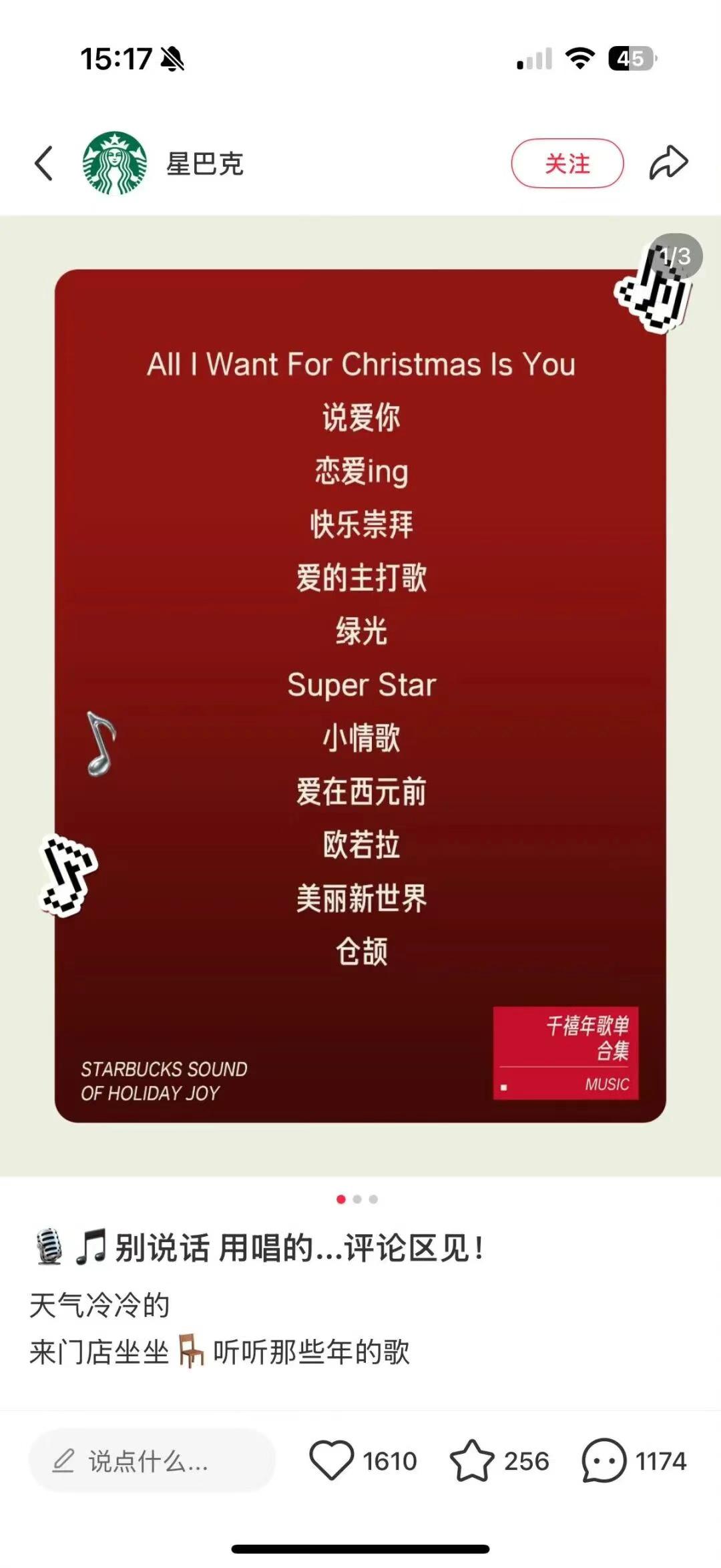
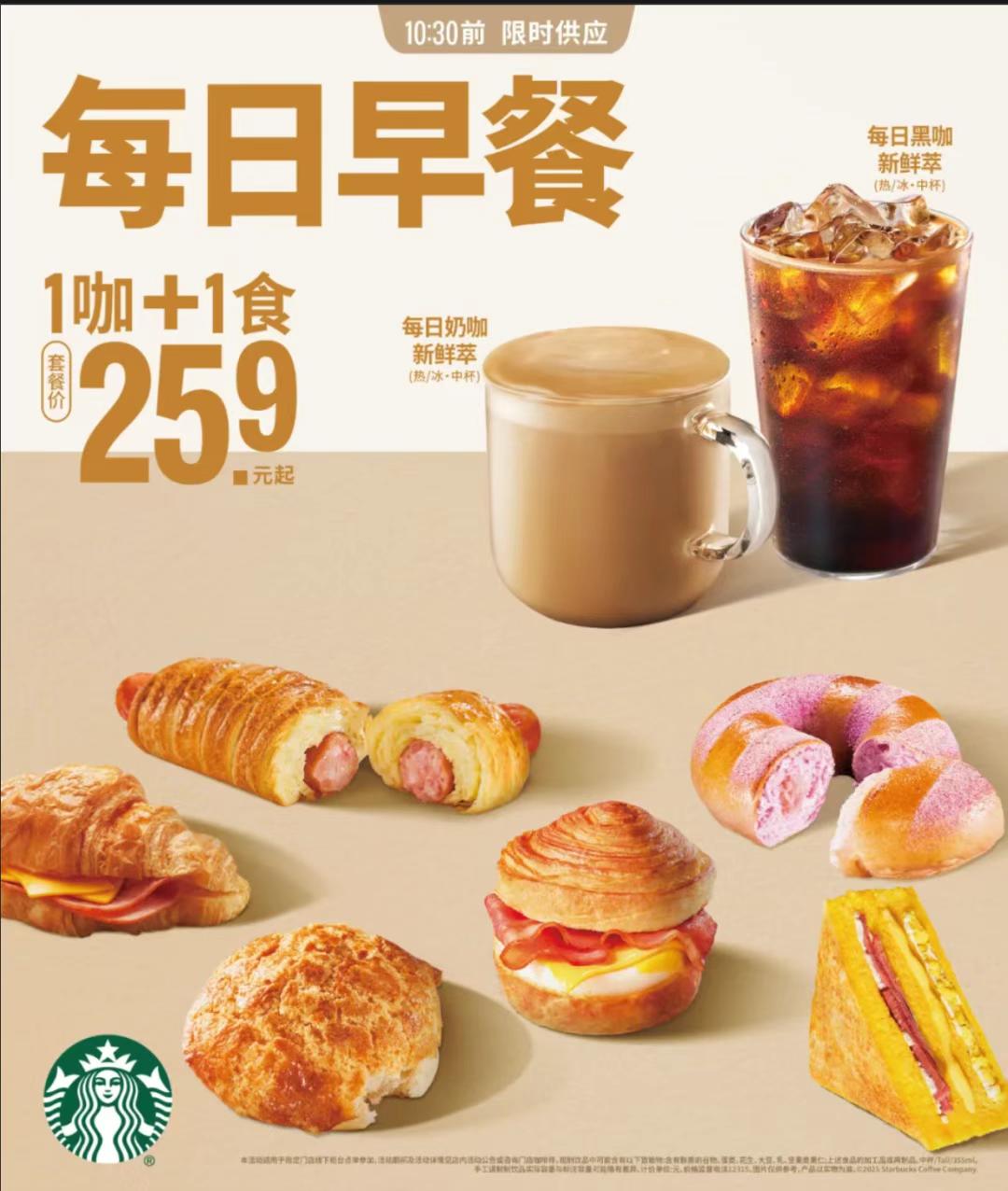
Core Insights - Starbucks China is accelerating its localization process significantly after the investment from Boyu Capital, indicating a shift in strategy to adapt to the Chinese market more effectively [1][14][16] In-Store Changes - The introduction of a "Daily Breakfast" series in over 300 stores in Shenzhen, offering value meal combinations priced at 25.9, 28.9, or 31.9 yuan, reflects a shift towards more cost-effective options [2][3] - The menu now includes freshly baked items, enhancing the appeal of the offerings and catering to consumer preferences for freshness and immediacy [3][12] - The background music in stores has shifted from jazz to popular Chinese songs from the millennium era, aiming to create a more relatable atmosphere for customers [3][8] Marketing and Customer Engagement - The use of precise location-based marketing through the Starbucks app has sparked consumer backlash, indicating a shift from a passive brand presence to a more aggressive marketing approach [9][12] - The brand is attempting to become a more frequent choice for consumers by integrating into their daily routines rather than being a destination for special occasions [12][14] Strategic Adaptation - Starbucks is responding to the changing market dynamics in China, where coffee and social spaces are no longer scarce, necessitating a reevaluation of its unique value proposition [13][14] - The partnership with Boyu Capital has allowed Starbucks China to make quicker decisions and adapt more flexibly to local market conditions, moving away from a reliance on global templates [15][16] Future Directions - The ongoing changes suggest that Starbucks China will continue to implement more localized product strategies, flexible pricing, and enhanced digital operations as part of its long-term strategy [18][19] - The brand is navigating the challenge of maintaining its premium image while becoming more accessible and integrated into everyday consumer life [19][20]
Netflix计划收购华纳兄弟;迪士尼投资OpenAI;星巴克联名哈利波特...| 刀法周报
Sou Hu Cai Jing· 2025-12-14 04:37
Group 1 - Netflix plans to acquire Warner Bros. for $72 billion, including HBO and HBO Max [3] - Paramount quickly proposed a $108.4 billion cash offer to join the bidding war [3] - Concerns about market concentration and antitrust issues have been raised, with concentration estimates between 28% and 45% [4] Group 2 - Disney announced a $1 billion investment in OpenAI, allowing users to create videos using Disney characters on the Sora platform [6] - This partnership signifies a shift towards AI-driven content creation in the entertainment industry [6] - Disney's CEO emphasized the importance of responsible AI use while collaborating with top IPs [6] Group 3 - Starbucks launched a Harry Potter-themed winter celebration series in China, featuring three limited-edition drinks [9] - The collaboration aims to create an immersive cultural experience and enhance consumer engagement [10] - This partnership reflects Starbucks' strategy of leveraging popular IPs for brand marketing [10] Group 4 - The Dream Ice Cream Company announced its listing in Amsterdam, London, and New York, with a market value of 64 billion yuan on its first day [12] - This marks the company's independence from Unilever, allowing for more agile market responses [13] - The listing is expected to lead to adjustments in product strategy and supply chain in China [14] Group 5 - ChatGPT released version 5.2, focusing on creating more economic value for users [16] - The update reflects OpenAI's ambition in the vertical application field for businesses [16] - The new version is seen as a strong model but is now more aligned with competitors like Google and Microsoft [17] Group 6 - The Chinese snack retailer "Mingming Hen Mang" received approval for its overseas listing, achieving retail sales of 41.1 billion yuan in the first half of the year [20] - The company operates in 28 provinces and 1,327 counties across China [20] - Its business model emphasizes low margins and high sales volume [22] Group 7 - "Kids King" submitted its listing application to the Hong Kong Stock Exchange, aiming for a dual capital platform [24] - The company has shown steady revenue growth, with projected revenues of 85.2 billion yuan in 2022 and 93.37 billion yuan in 2024 [25] - The expansion strategy includes entering the hair care market through acquisitions [25] Group 8 - Nova Coffee announced its global store count surpassed 10,000, with rapid expansion in China and overseas [28] - The coffee market is growing as more consumers adopt coffee-drinking habits [29] - Nova's early focus on low-sugar products aligns with rising health-conscious consumer trends [30] Group 9 - Coca-Cola announced a management change, with Henrique Braun set to become CEO in March 2026 [32] - The transition is seen as a strategic continuation rather than a crisis response [33] - The new CEO's experience in the Chinese market is expected to enhance Coca-Cola's growth in that region [33] Group 10 - Wu Yue from LVMH joined the board of Pop Mart, aiming to enhance the brand's international expansion and marketing strategies [36] - His experience in luxury brand management is expected to benefit Pop Mart's brand positioning [37] - The appointment reflects Pop Mart's ambition to diversify its IP and elevate its brand [37]



星巴克工人罢工行动已扩大到美国180多家门店
Ge Long Hui A P P· 2025-12-11 13:52
Core Viewpoint - The Starbucks workers' union has reported that hundreds of newly unionized baristas are striking across 34 cities, escalating a strike that began on November 13, coinciding with the company's "Red Cup Day" [1] Group 1: Strike Details - The strike has expanded from 65 stores in over 40 cities to more than 180 stores in over 130 cities, marking the largest strike in Starbucks' history [1]
官宣后1个月,博裕已经搞定了收购星巴克的资金,收购主体落地在宁波
Xin Lang Cai Jing· 2025-12-05 14:54
Core Insights - The core point of the article is the acquisition of 60% stake in Starbucks China by Boyu Capital for approximately $2.4 billion, marking a significant investment in the coffee chain's 8,000 stores in China [1][21]. Group 1: Acquisition Details - Boyu Capital is set to spend around $2.4 billion (approximately 165 billion RMB) to acquire the stake in Starbucks China [21][22]. - The acquisition is believed to be facilitated by a newly established equity fund in Ningbo, named Boyu New Intelligence New Industry (Ningbo) Equity Investment Partnership [23][24]. - The partnership was officially announced by the Ningbo government fund on December 1, 2025, indicating a strong governmental backing for the acquisition [23]. Group 2: Fundraising Strategy - Boyu Capital likely employed a "find project first, then raise funds" strategy for this acquisition [22]. - The initial fundraising for the equity fund amounts to 4 billion RMB, with contributions from companies like Ningde Times, Luoyang Molybdenum, and Yitai B, each investing 500 million RMB [31][32]. - The total committed capital for the fund is expected to reach 4 billion RMB, with potential for expansion to 8-10 billion RMB [31]. Group 3: Financing Structure - The total funding required for the acquisition is estimated at 16 billion RMB, with the shortfall potentially covered by additional investments from limited partners [19][38]. - A syndicate loan of 10 billion RMB (approximately $1.4 billion) is being arranged by three Chinese banks to support the acquisition, with a loan term of 7 years [19][38]. - Boyu Capital's ability to secure the necessary funding within a month highlights its strong influence and negotiation capabilities in the market [19][38].
星巴克出售中国业务控股权;广告业规模最大收购案尘埃落定 | 2025年11月全球企业并购
Sou Hu Cai Jing· 2025-12-05 03:20
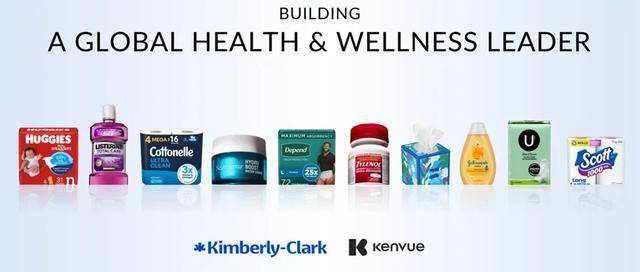
Major Mergers and Acquisitions - Kimberly-Clark is set to acquire Kenvue for approximately $48.7 billion, creating a large consumer health products company with projected annual net revenue of about $32 billion by 2025 [1] - Abbott Laboratories has agreed to acquire Exact Sciences for $23 billion, marking its largest acquisition in nearly a decade, focusing on rapid cancer detection [2] - Pfizer has successfully acquired Metsera for over $10 billion after winning a bidding war against Novo Nordisk [3] - AkzoNobel plans to merge with Axalta Coating Systems, resulting in a combined company valued at $25 billion, with expected annual revenue of $17 billion [5] - Parker Hannifin will acquire Filtration Group for $9.25 billion, enhancing its industrial business portfolio [5] - Macquarie Asset Management proposed to acquire Qube Holdings, valuing the Australian logistics company at approximately $7.5 billion [6] - Omnicom Group's acquisition of Interpublic Group has been finalized, creating the largest marketing communications group globally with revenues exceeding $25 billion [8] Chinese Market Developments - Starbucks announced the sale of a controlling stake in its China business to Boyu Capital for $4 billion, aiming to double its store count in China [11][12] - CPE Yuanfeng is forming a joint venture with Burger King to establish "Burger King China," with an initial investment of $350 million [12] - China International Capital Corporation plans to acquire Xinda Securities and Dongxing Securities, potentially creating a leading brokerage firm in the market [12] Other Notable Transactions - GlobalFoundries has acquired Advanced Micro Foundry to expand its presence in the emerging silicon photonics industry [13] - Panasonic Holdings is selling its subsidiary Panasonic Housing Solutions to YKK Group, which focuses on residential equipment [13] - Posco Holdings will acquire a 30% stake in Mineral Resources' lithium business for approximately AUD 1.2 billion (USD 765 million) [14]
星巴克工会罢工进入第三周,数百名成员在帝国大厦外集会
Ge Long Hui A P P· 2025-12-05 02:31
Core Viewpoint - Starbucks union strike has entered its third week, with hundreds of union members gathering at the Empire State Building, which houses a three-story Starbucks Reserve store and serves as the company's regional headquarters [1] Group 1 - The strike involves 145 stores, with 55 stores remaining closed during the protest [1]
星巴克中国、蜜雪冰城……茶咖品牌们,都盯上了打工人的早餐
3 6 Ke· 2025-12-04 03:55
Core Insights - The article discusses the emerging trend of beverage brands, particularly coffee and tea chains, entering the breakfast market, indicating a shift in consumer behavior and market strategy [2][3][23] Group 1: Market Trends - Major beverage brands like Starbucks and Mixue Ice City are focusing on breakfast offerings, suggesting a strategic shift to capture consumer demand during this key meal period [2][4][22] - The trend of integrating food with beverages is becoming a standard practice rather than a differentiating factor, as seen with brands like Nayuki Tea and Tims Coffee [3][12][24] Group 2: Company Strategies - Starbucks launched a "Daily Breakfast" series in Shenzhen, offering value meal combinations at prices ranging from 25.9 to 31.9 yuan, which includes coffee and food items [6][8] - Tims Coffee has also entered the lunch market with a "Light Bagel Lunch Box" series, emphasizing health and freshness, indicating a broader strategy to attract consumers throughout the day [10][11] Group 3: Consumer Behavior - There is a growing consumer preference for convenient breakfast options, particularly among office workers and students, leading to increased demand for quick meal solutions [22][24] - The article highlights that breakfast consumption is becoming a necessity, with brands recognizing the importance of catering to this demand to enhance customer engagement and sales [22][26] Group 4: Competitive Landscape - The competitive landscape is shifting as beverage brands aim to capture a larger share of the breakfast market, which has traditionally been dominated by street vendors and local eateries [26][27] - The integration of food offerings is seen as a way to increase customer frequency and average transaction value, making it essential for brands to adapt to this evolving market [24][25]

瑞幸二次上市遭围剿,星巴克被资本拿下,29亿配送费 咖啡圈生死局
Sou Hu Cai Jing· 2025-12-03 11:48
Core Viewpoint - Luckin Coffee is facing significant challenges ahead of its potential re-listing, with a notable discrepancy between its impressive revenue growth and stagnant profits, raising concerns about its underlying business model and operational efficiency [1][9]. Financial Performance - Luckin Coffee's recent quarterly report shows a substantial increase in revenue and a rapid rise in store count, nearing competitors like Heytea. However, net profit remains unchanged, indicating deeper issues within its cost structure [3]. - The company spent nearly 2.9 billion on delivery services in just three months, more than doubling from the previous year, which highlights the financial strain from its delivery model [3][14]. Competitive Landscape - Intense price competition is evident, with competitors like Kudi Coffee drastically lowering prices, forcing Luckin to reduce its own prices from 9.9 yuan to 6.9 yuan, which has not resulted in a proportional increase in customer loyalty [5]. - The competitive pressure is compounded by Starbucks' aggressive expansion strategy in China and the emergence of Kudi Coffee, which closely mimics Luckin's business model [7]. Market Perception and Capital Concerns - Luckin's eagerness to re-list is driven by a desire to restore its image post-2019 financial scandal. However, the market remains skeptical, as the current financial performance does not convincingly demonstrate a sustainable profit model [9]. - The stock price increase in the pink sheet market appears speculative, with long-term investors scrutinizing the company's fundamentals for potential weaknesses [9]. Supply Chain and Operational Efficiency - The company recognizes that relying on subsidies is not a viable long-term strategy, as competitors are enhancing their supply chain capabilities to reduce costs and improve efficiency [11]. - Luckin must address its supply chain and store management issues to avoid superficial growth and ensure long-term viability in a competitive market [13][14].