Harbin Bank(06138)
Search documents
哈尔滨银行(06138) - 2023 - 中期业绩
2023-08-28 13:23
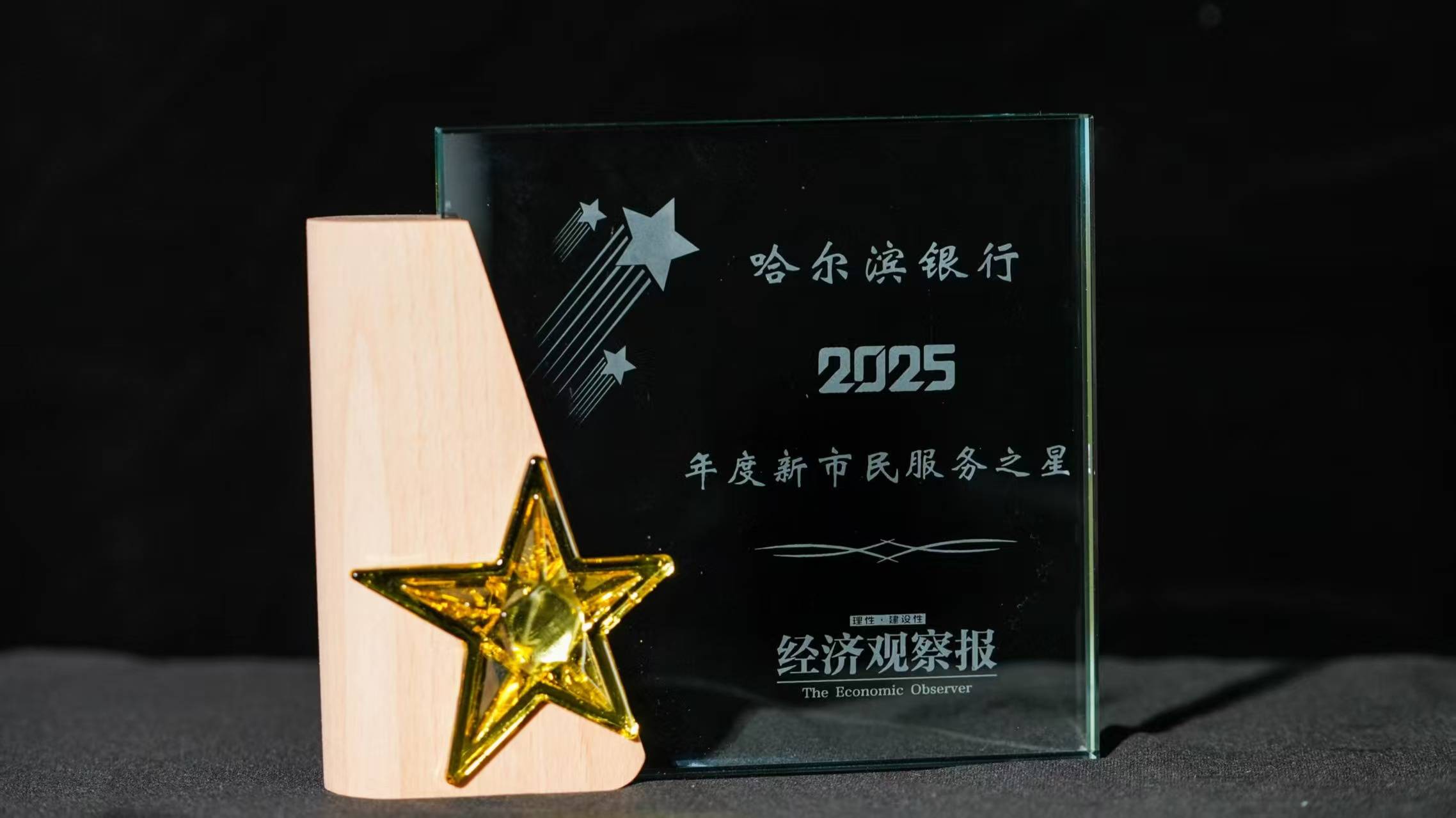
Financial Performance - Harbin Bank reported unaudited consolidated interim results for the six months ended June 30, 2023[1]. - Net interest income decreased by 16.87% to RMB 4,421.1 million compared to RMB 5,318.6 million in the same period last year[9]. - Total operating income declined by 4.84% to RMB 6,655.0 million from RMB 6,993.2 million year-on-year[9]. - Pre-tax profit fell by 47.33% to RMB 499.9 million, down from RMB 949.2 million in the previous year[9]. - Net profit increased by 19.12% to RMB 700.4 million, compared to RMB 588.0 million in the same period last year[9]. - Total assets increased by 10.45% to RMB 787,220.3 million, up from RMB 712,733.1 million[10]. - Customer loans and advances totaled RMB 308,711.7 million, an increase of 8.54% from RMB 284,414.9 million[10]. - The capital adequacy ratio improved to 13.97%, up from 11.91% at the end of the previous year[10]. - Earnings per share rose by 100.00% to RMB 0.02 from RMB 0.01 in the same period last year[9]. - The cost-to-income ratio increased to 32.24% from 29.37% year-on-year[9]. Asset Quality and Risk Management - The non-performing loan ratio rose to 2.92% from 2.89% year-on-year[10]. - The provision coverage ratio was 187.45%, up by 5.91 percentage points compared to the end of the previous year[19]. - The bank's credit impairment losses amounted to RMB 3.8859 billion, a year-on-year increase of RMB 0.096 billion, representing a growth rate of 0.2%[53]. - The bank's risk compensation ability remains stable, with a slight increase in the loan impairment loss provision ratio by 0.23 percentage points compared to the previous year[93]. - The bank has implemented stricter risk management measures, focusing on optimizing client structure and enhancing approval processes to mitigate default risks[82]. - The bank has established a dedicated debt collection headquarters to improve the management and operation of non-performing assets[158]. Customer Loans and Deposits - As of June 30, 2023, the total customer loans and advances amounted to RMB 308,711.7 million, an increase from RMB 284,414.9 million as of the previous year[90]. - The total amount of customer deposits as of June 30, 2023, was RMB 638,610.0 million, up by RMB 807.842 million from the end of the previous year, reflecting a growth of 14.5%[72]. - The total amount of corporate loans was RMB 168.7591 billion, an increase of RMB 7.716 billion since the beginning of the year, accounting for 54.7% of total loans[113]. - The total personal loan amount was RMB 120,604.9 million, representing 39.1% of the total, with an NPL amount of RMB 4,601.6 million and an NPL ratio of 3.82%[84]. Subsidiaries and Investments - The bank's major subsidiaries include Harbin Bank Financial Leasing Co., with a registered capital of RMB 2 billion, and Harbin Consumer Finance Co., with a registered capital of RMB 1.5 billion[8]. - The bank has completed the absorption and merger of Bayannur Rural Bank and Yanshou Rural Bank, with registration procedures pending[8]. - The bank's investment in its subsidiaries includes RMB 1.6 billion in Harbin Financial Leasing and RMB 795 million in Harbin Consumer Finance[8]. - The total amount of debt financial instruments issued by financial institutions that the company invested in was RMB 162.1688 billion, an increase of 4.0% compared to the end of the previous year[22]. Awards and Recognition - The bank has received multiple awards, including the "Best Service Rural Revitalization Bank" from the Financial Times in 2022 and the "Best Deposit Product Award" from The Asian Banker in 2023[6]. - The bank's "Unified Intelligent Risk Control Platform" won the "Annual Big Data Product Innovation Award" at the China Digital Finance Annual Conference[6]. Digital Transformation and Technology - The bank's digital transformation strategy aims to enhance financial technology service levels and build digital financial capabilities[154]. - The company continues to focus on integrating digital technologies such as big data, cloud computing, and AI into traditional financial services[125]. - The core business system availability reached 99.996%, with a technology service support resolution rate of 98.84%[155]. Corporate Governance and Management - The company has a total share capital of RMB 10,995,599,553, with 7,972,029,553 shares being domestic shares and 3,023,570,000 shares being H shares[176]. - The company appointed Mr. Yao Chunhe as the executive director and president, effective from March 3, 2023[192]. - The company has undergone significant management changes, including the resignation of previous Chief Risk Officer and Chief Credit Approval Officer in May 2023[192]. - The company emphasizes compliance and governance, with all board members confirming adherence to the established trading conduct[199].
哈尔滨银行(06138) - 2022 - 年度财报
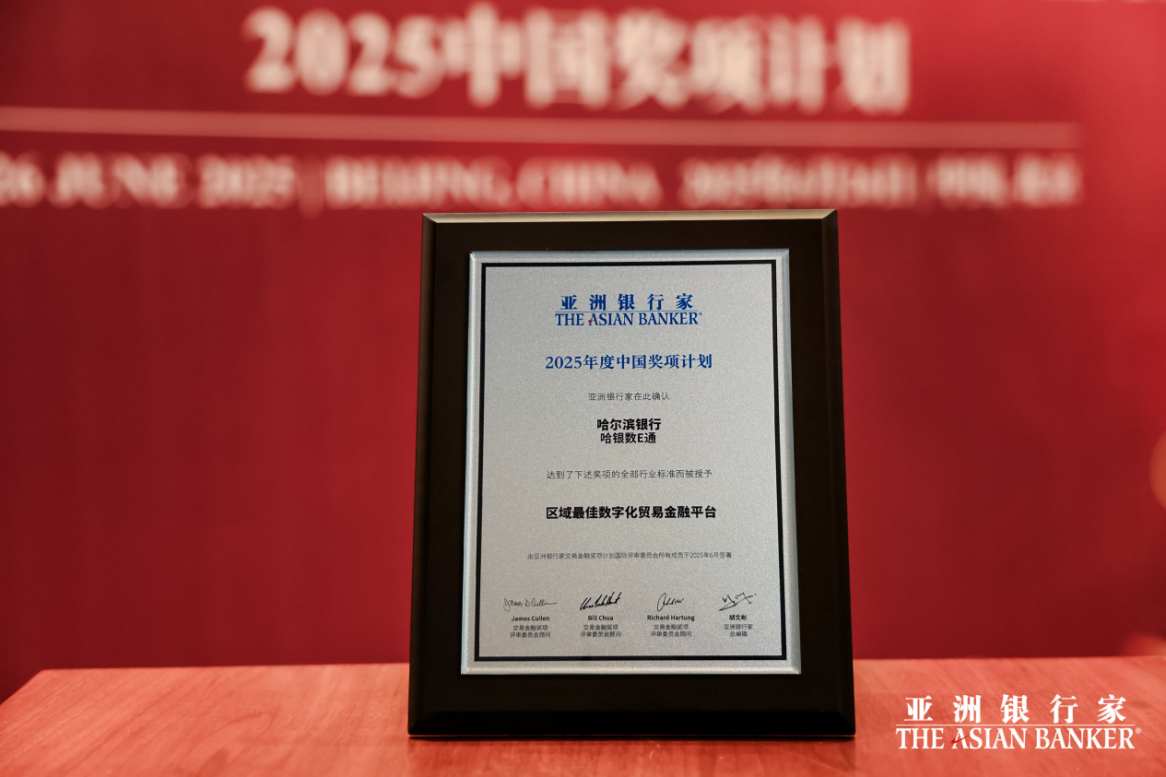
2023-04-27 09:40
Financial Performance - Net interest income decreased by 10.47% to RMB 9,007.2 million compared to RMB 10,061.0 million in 2021[15]. - Total operating income increased by 4.47% to RMB 12,870.5 million from RMB 12,319.5 million in 2021[15]. - Pre-tax profit rose by 78.40% to RMB 1,001.2 million, up from RMB 561.2 million in 2021[15]. - Net profit attributable to shareholders increased by 102.41% to RMB 554.8 million compared to RMB 274.1 million in 2021[15]. - Total assets grew by 10.49% to RMB 712,733.1 million from RMB 645,046.2 million in 2021[17]. - Total operating income for 2022 was RMB 12,870.5 million, an increase from RMB 12,319.5 million in 2021, representing a growth of 4.5%[134]. - The net profit for the year was RMB 712.5 million, representing a significant increase of 78.7% year-on-year[27]. - The bank achieved a net profit of RMB 712.5 million, representing a year-on-year increase of 78.7%[21]. Asset and Liability Management - As of December 31, 2022, the total assets of Harbin Bank amounted to RMB 712.733 billion, with total customer loans and advances at RMB 284.415 billion, and total customer deposits at RMB 557.826 billion[8]. - The total liabilities of the bank as of December 31, 2022, amounted to RMB 649.4125 billion, an increase of RMB 671.462 million, representing an 11.5% growth[102]. - The total amount of debt instruments issued by financial institutions reached RMB 155.899 billion, an increase of RMB 112.344 billion, with a growth rate of 7.8%[98]. - The bank's total assets as of December 31, 2022, reached RMB 712.7331 billion, an increase of RMB 67.6869 billion or 10.5% compared to the previous year[85]. - The total customer loans and advances decreased to RMB 284.4149 billion, a decline of RMB 9.9443 billion, or 3.4% year-on-year[33]. - The total customer deposits increased to RMB 557.8258 billion, an increase of RMB 56.0746 billion, or 11.2% year-on-year[33]. Risk Management - The non-performing loan ratio slightly increased to 2.89% from 2.88% in 2021[17]. - The provision coverage ratio improved to 181.54% from 162.45% in 2021[17]. - The bank actively managed risks and improved its risk management system in response to external economic challenges[112]. - The bank has intensified efforts in the disposal of non-performing assets, with dedicated recovery centers continuing to play a significant role[117]. - The bank is focusing on risk management by optimizing credit risk standards and policies across various sectors and regions[117]. - The bank has adopted AI and big data in risk management to enhance its smart risk control system[117]. - The bank's risk management framework was strengthened, focusing on credit, market, liquidity, and operational risks to ensure sustainable development[185]. Awards and Recognition - In 2022, Harbin Bank received several awards, including "Best Retail Small and Medium Bank" and "Pioneer Bank in Inclusive Finance" at the 20th China Finance Wind and Cloud Awards[8]. - The bank ranked 249th in the "2022 Global Banking Brand Value 500" and 338th in the "2022 China Brand Value 500" by Brand Finance[8]. - The company was awarded the "Best Retail Small and Medium Bank" in the 5th "Iron Horse" selection in 2022[10]. - The company was recognized as an "Outstanding Digital Transformation Commercial Bank" in 2022[10]. - The company was awarded the "Pioneer Bank in Inclusive Finance" in the 20th China Economic Wind and Cloud Awards in 2022[10]. Customer and Market Engagement - The bank has established 389 operating institutions across seven major administrative regions in China as of December 31, 2022[8]. - The bank operates 17 branches in cities including Tianjin, Chongqing, Dalian, Shenyang, Chengdu, and Harbin, and has set up 32 village and town banks in 14 provinces and municipalities[8]. - The bank's inclusive small and micro enterprise loan issuance totaled RMB 18.6 billion, with a guarantee loan for the "stabilizing enterprises and jobs" fund amounting to RMB 753 million[22]. - The bank's agricultural loan issuance exceeded RMB 13 billion, with inclusive agricultural loans growing at a rate of over 10%[22]. - The bank's international settlement volume reached RMB 54.6 billion, a year-on-year increase of 165%, while cross-border RMB business volume surged to RMB 59.3 billion, a ninefold increase[22]. Digital Transformation and Technology - The bank's technology governance and service capabilities have steadily improved, achieving a regulatory rating of 2C level in information technology supervision[178]. - The bank's digital currency system construction was advanced, enhancing the integration of digital RMB into product service channels, which is expected to increase revenue generation capabilities[183]. - The bank implemented a comprehensive information security protection system, ensuring stable operation of critical systems with 24-hour support services[184]. - The bank is enhancing its digital capabilities by integrating big data, cloud computing, and AI into traditional financial services[158]. - The bank's digital transformation plan for technology lines was established, optimizing resource allocation and reducing system maintenance costs[180]. Strategic Initiatives - In 2023, the bank plans to focus on revitalizing entrepreneurship, reshaping corporate culture, and building a talent system as part of its strategic initiatives[24]. - The bank aims to enhance its operational efficiency and management effectiveness through organizational restructuring and performance evaluation reforms[29]. - Looking ahead to 2023, the bank plans to focus on high-quality development, balancing innovation and risk prevention while enhancing financial services for the real economy[29]. - The company plans to continue optimizing its asset structure and enhancing the value contribution of its investments to improve overall financial performance[59]. - The company is preparing for the application of a wealth management subsidiary license in response to regulatory policies[157].
哈尔滨银行(06138) - 2022 - 年度业绩
2023-03-30 12:35
Financial Performance - Harbin Bank Co., Ltd. reported its audited financial results for the year ended December 31, 2022[1]. - Net profit attributable to shareholders was RMB 15 billion, representing a growth of 8% compared to the previous year[1]. - Future guidance indicates a projected net profit growth of 10% for 2023[1]. - Net profit for the year was RMB 7.125 billion, showing a significant year-on-year increase of 78.7%[21]. - The bank's net profit for 2022 was RMB 12.5 billion, representing a 5.2% increase compared to the previous year[32]. - The company reported a significant reduction in earnings per share, which fell by 92.00% to RMB 0.002 from RMB 0.025 in 2021[15]. - The bank achieved a pre-tax profit of RMB 1,001.2 million in 2022, representing a year-on-year increase of 78.4%[47]. - The bank's operating profit for 2022 was RMB 1,001.2 million, compared to RMB 561.2 million in 2021, indicating a substantial improvement[136]. Asset and Liability Management - The bank's total assets reached RMB 1.2 trillion, an increase of 10% year-on-year[1]. - As of December 31, 2022, total assets reached RMB 712.733 billion, a year-on-year increase of 10.5%[17]. - The total liabilities as of December 31, 2022, amounted to RMB 649,412.5 million, with total assets at RMB 712,733.1 million[132]. - The total amount of investments in debt instruments issued by financial institutions was RMB 155.899 billion, an increase of 7.8% year-on-year[41]. - The bank's total issued capital for its major subsidiaries includes RMB 30 million for Qining Village Bank and RMB 294 million for Lepin Village Bank[12]. - The bank's total liabilities included RMB 41.4085 billion in interbank borrowings, which represented 6.4% of total liabilities[102]. Loan and Deposit Growth - Total customer loans and advances amounted to RMB 284.414 billion, reflecting a decrease of 3.38% compared to the previous year[17]. - Total customer deposits increased to RMB 557.826 billion, representing a year-on-year growth of 11.2%[21]. - The total amount of corporate loans was RMB 161.0431 billion, accounting for 56.6% of total loans[152]. - The total amount of personal loans was RMB 117,360.8 million, with a non-performing loan ratio of 3.23%[120]. - The bank's total customer deposits included RMB 319.8417 billion in personal fixed deposits, which accounted for 57.3% of total personal deposits[104]. Non-Performing Loans and Asset Quality - The non-performing loan ratio stood at 1.5%, a decrease of 0.1 percentage points from the previous year[1]. - The non-performing loan ratio was 2.89%, an increase of 0.01 percentage points from the previous year[21]. - The provision coverage ratio improved to 181.54%, an increase of 19.09 percentage points compared to the previous year[17]. - The bank's overall non-performing loan amount was RMB 8,218.7 million, with a total loan amount of RMB 284,414.9 million, resulting in an overall NPL ratio of 2.89%[121]. - The company focused on optimizing credit structure and enhancing risk management through strict credit risk controls and the implementation of intelligent risk management systems[117]. Digital Transformation and Innovation - Harbin Bank is focusing on digital transformation, with a target to increase online banking users by 20% in the coming year[1]. - The bank has allocated RMB 500 million for research and development of new financial technologies[1]. - The bank's technology governance and service capabilities have steadily improved, achieving a regulatory rating of 2C level in information technology supervision[178]. - The bank's digital currency system construction was advanced, enhancing the integration of digital RMB into product service channels, which is expected to increase revenue generation capabilities[183]. - The company improved its risk control capabilities and enhanced its digital transformation by integrating big data, cloud computing, and AI into traditional financial services[158]. Market Expansion and Strategic Focus - The bank plans to expand its market presence by increasing its branch network by 15% in 2023[1]. - The bank is exploring potential mergers and acquisitions to enhance its service offerings and market share[1]. - The bank's strategic focus includes expanding its presence in various regions, as evidenced by its establishment of financial leasing and consumer finance companies in Northeast China[8]. - The bank is committed to expanding its market presence and enhancing competitiveness as a national urban commercial bank[29]. - The bank's credit support for major projects in Heilongjiang Province totaled RMB 10.739 billion[27]. Awards and Recognition - The bank received multiple awards in 2022, including the "Best Retail Small and Medium Bank" and "Pioneer Bank in Inclusive Finance" at the 20th China Financial Awards[10]. - Harbin Bank ranked 249th in the "2022 Global Bank Brand Value 500" list and 178th in the "2022 Global Top 1000 Banks" list published by The Banker[10]. - Harbin Bank was recognized as the "Outstanding Digital Transformation Commercial Bank" in November 2022, highlighting its commitment to digital innovation[10]. Risk Management - The bank has implemented a comprehensive operational risk management system, focusing on key risk indicators and loss data collection to enhance risk control capabilities[197]. - The bank emphasizes the importance of liquidity risk management, implementing stress tests to assess potential impacts from macroeconomic changes and policy shifts[188]. - The bank's risk management framework was strengthened, focusing on credit, market, liquidity, and operational risks to ensure a solid foundation for sustainable development[185]. - The company has established a clear organizational structure and a comprehensive anti-money laundering (AML) work system, enhancing monitoring effectiveness[200]. Customer Engagement and Services - The number of retail deposit customers reached 14.2844 million, with an increase of 288,300 customers compared to the previous year[144]. - The cumulative sales of personal wealth management products, including funds and insurance, reached 60.884 billion RMB during the reporting period[148]. - The bank's Harbin branch held a retail deposit market share of 18.5%, maintaining the top position in the region for five consecutive years[145]. - The company is preparing for the application of a wealth management subsidiary license in response to regulatory policies[157].
哈尔滨银行(06138) - 2022 - 中期财报
2022-09-21 04:07
Financial Performance - Net interest income for the six months ended June 30, 2022, was RMB 5,318.6 million, an increase of 5.20% compared to RMB 5,055.8 million in the same period of 2021[9]. - Net fee and commission income rose to RMB 375.8 million, reflecting a significant increase of 25.14% from RMB 300.3 million year-on-year[9]. - Total operating income reached RMB 6,993.2 million, marking a 14.00% growth compared to RMB 6,134.5 million in the previous year[9]. - Profit before tax decreased by 24.37% to RMB 949.2 million, down from RMB 1,255.0 million in the prior year[9]. - Net profit for the period was RMB 588.0 million, representing a decline of 37.47% compared to RMB 940.3 million in the same period of 2021[9]. - The net profit attributable to shareholders of the parent company was RMB 494.6 million, down 41.89% from RMB 851.2 million year-on-year[9]. - Earnings per share dropped to RMB 0.01, a decrease of 87.50% from RMB 0.08 in the previous year[9]. - The average return on total assets decreased to 0.18%, down from 0.31% in the same period last year[9]. - The cost-to-income ratio improved to 29.37%, a decrease from 30.14% in the previous year[9]. Asset and Liability Management - As of June 30, 2022, the total assets of Harbin Bank amounted to RMB 661.6549 billion, with total customer loans and advances reaching RMB 287.0476 billion, and total customer deposits at RMB 509.5103 billion[6]. - The total customer loans and advances decreased to RMB 287.0476 billion, a decline of RMB 7.3116 billion or 2.48% from the end of the previous year[14]. - The total customer deposits increased to RMB 509.5103 billion, an increase of RMB 7.7591 billion or 1.55% compared to the end of the previous year[14]. - Total liabilities amounted to RMB 598.8223 billion as of June 30, 2022, an increase of RMB 16.5560 billion or 2.8% compared to the end of the previous year[69]. - The total equity attributable to shareholders of the parent company was RMB 60.7535 billion, a slight decrease of 0.07% compared to the end of the previous year[10]. Risk Management - The non-performing loan ratio stood at 2.95%, an increase of 0.07 percentage points from the end of the previous year[16]. - The provision coverage ratio improved to 174.67%, an increase of 12.22 percentage points from the end of the previous year[16]. - The bank implemented stricter risk management policies, focusing on optimizing the credit structure and enhancing the management of non-performing loans[81]. - The bank has established a comprehensive risk management system to adapt to the complex external environment and the impacts of the COVID-19 pandemic[151]. - The bank's credit impairment losses totaled RMB 3,876.3 million, reflecting the impact of the ongoing COVID-19 pandemic on borrowers[93]. Strategic Initiatives - The bank's strategic focus remains on serving local economies, small and medium enterprises, and urban and rural residents, amidst economic challenges[13]. - The bank plans to enhance asset-liability management and optimize the asset portfolio to stabilize net interest margin and yield amid ongoing market competition and external uncertainties[18]. - The bank's strategy includes increasing support for the "three rural issues" (agriculture, rural areas, and farmers) to align with national rural revitalization efforts[81]. - The bank is committed to supporting green finance and the development of high-tech industries, aligning its credit policies with national strategies[152]. Customer and Market Engagement - The bank established 390 operating institutions across seven major administrative regions in China as of June 30, 2022[6]. - The bank's retail deposit customers reached 14.1455 million, an increase of 149,400 customers or 1.07% from the end of the previous year[101]. - The cumulative number of serviced clients exceeded 32 million, with total loans surpassing RMB 140 billion[141]. - The bank's wealth management customer base with personal financial assets exceeding RMB 300,000 reached 360,700, an increase of 7.8% from the previous year[101]. Corporate Governance and Management - The company has a diverse board of directors, including 8 directors with varying roles and responsibilities, ensuring a broad range of expertise[182]. - The supervisory board consists of 7 members, including external supervisors, enhancing oversight and governance[183]. - The company emphasizes compliance and risk management, with key positions held by experienced professionals in these areas[187]. - The management team includes a chief risk officer and a chief credit approval officer, indicating a robust risk management framework[184]. Digital Transformation and Technology - The bank is focused on digital transformation and enhancing its financial technology capabilities to support the development of a modern financial system[149]. - The bank is actively promoting the digital RMB project and has completed the construction of the digital RMB project, enhancing its service capabilities[150]. - The bank has implemented a mobile financial app accessibility project to provide convenient services for elderly and disabled customers[150]. Related Party Transactions - The major related party transactions with Harbin Investment Group and its affiliates amounted to a credit limit and guarantee business of RMB 7.559 billion, with a business balance of RMB 5.596 billion, accounting for 9.4% of the company's net capital as of the end of Q2 2022[125]. - The company has established a standardization of bond products for its related party transactions, ensuring compliance with regulatory requirements[127]. - The company’s related party transactions have been approved by the board of directors, with independent non-executive directors confirming the legality and fairness of the processes[129].
哈尔滨银行(06138) - 2021 - 年度财报
2022-04-19 04:00
Financial Performance - Net interest income decreased by 18.26% to RMB 10,061.0 million from RMB 12,309.2 million in 2020[18] - Net fee and commission income fell by 20.80% to RMB 697.0 million compared to RMB 880.0 million in the previous year[18] - Operating income declined by 15.66% to RMB 12,319.5 million from RMB 14,606.3 million in 2020[18] - Pre-tax profit decreased by 60.17% to RMB 561.2 million, while net profit dropped by 49.90% to RMB 398.7 million[18] - Net profit attributable to shareholders decreased by 63.24% to RMB 274.1 million from RMB 745.7 million in 2020[18] - Earnings per share fell by 71.43% to RMB 0.02 compared to RMB 0.07 in the previous year[18] - Average return on total assets decreased to 0.06% from 0.13% in 2020, a decline of 0.07 percentage points[18] - Average return on equity decreased to 0.55% from 1.51%, a decline of 0.96 percentage points[18] - Net interest margin decreased to 1.74% from 2.18%, a decline of 0.44 percentage points[18] - Cost-to-income ratio increased to 38.28% from 32.06%, an increase of 6.22 percentage points[18] Asset and Liability Management - As of December 31, 2021, total assets reached RMB 645.046 billion, a year-on-year increase of 7.76%[20] - Customer deposits amounted to RMB 501.751 billion, up 6.92% compared to the previous year[20] - The loan balance was RMB 294.359 billion, reflecting a growth of 4.92% year-on-year[20] - The capital adequacy ratio stood at 12.54%, a slight decrease of 0.05 percentage points from the previous year[20] - The bank successfully issued RMB 11 billion in perpetual bonds, setting a record for the largest issuance among similar-sized city commercial banks[24] - The bank's total equity attributable to shareholders increased by 23.45% to RMB 60.794 billion compared to the previous year[20] - The total liabilities amounted to RMB 582.2663 billion, an increase of RMB 34.7718 billion, representing a growth of 6.4% compared to the previous year[99] - The total amount of repurchase agreements was RMB 89.980 billion, a substantial increase of RMB 75.278 billion, indicating a growth of 512.0%[103] Credit Quality and Risk Management - The non-performing loan ratio decreased to 2.88%, down 0.09 percentage points from the previous year, marking a positive turning point[24] - The provision coverage ratio was 162.45%, an increase of 29.19 percentage points year-on-year[32] - The bank's credit impairment losses improved by RMB 1,600.9 million, or 19.3%, to RMB 6,700.5 million[46] - The bank has strengthened its risk management framework, focusing on optimizing the credit structure and enhancing asset quality control[115] - The bank's corporate loan NPL ratio was 2.97%, a decrease of 0.18 percentage points from the previous year[115] - The bank's retail loan NPL ratio showed a slight increase due to the impact of the COVID-19 pandemic on personal repayment capabilities[115] - The overdue loans accounted for 14.4% of the total loans, an increase from the previous year's 9.1%[125] - The loan impairment loss provision as of December 31, 2021, was RMB 13,780.8 million, up by RMB 2,676.1 million from the previous year, with a provision coverage ratio of 4.68%[126] Customer and Market Position - Harbin Bank ranked 261st in the "2021 Global Banking Brand Value 500" by Brand Finance and 204th in "The Banker’s 2021 Global 1000 Banks" list[8] - The bank has established 392 operating institutions across seven major administrative regions in China as of December 31, 2021[8] - The bank's headquarters is located in Harbin, with a comprehensive network of branches and subsidiaries across the country[8] - The company achieved a ranking of 204 in the "2021 Global Bank 1000" list by The Banker[12] - The company ranked 34th in the "Top 100 Chinese Banks" by the China Banking Association in July 2021[12] - The bank's market share of RMB retail deposits in Harbin was 18.6%, maintaining the top position in local market growth for four consecutive years[143] Awards and Recognition - In 2021, Harbin Bank was awarded several accolades, including "Best Corporate Governance Bank" by Global Finance and "Best Cross-Border Payment Innovative Small and Medium Bank" by the Golden Dragon Awards[8] - Harbin Bank was recognized as the "Outstanding Retail Bank of 2021" and "Responsible Bank for Rural Revitalization" in the 19th China Finance Wind and Cloud Awards[8] - The company received the "2021 Best Retail Bank Award" at the 19th China Financial Economic Awards[13] - The company was awarded the "Best Company" in the 14th "China Star" selection by Global Finance in August 2021[12] - The company was awarded the "Best Innovative Wealth Management Product" at the Jin Yu Awards in September 2021[12] - The company was recognized for its "Community Elderly Care Financial Model Innovation Case" at the China Financial Innovation Awards in September 2021[12] Digital Transformation and Innovation - The company launched a "Mobile Banking Intelligent Upgrade Project" which won an award for outstanding achievements in digital transformation in November 2021[12] - The bank is focusing on enhancing online, intelligent, and automated business operations in response to increased demand for online financial services[44] - The bank's electronic channel business replacement rate reached 97%, with mobile channel replacement rate at 73%, increasing by 2 and 6 percentage points respectively compared to the previous year[173] - The number of online banking customers grew to 4.4344 million, a year-on-year increase of 12.93%[175] - The number of active mobile banking users reached 3.1986 million, up 19.06% year-on-year[177] - The bank has developed 164 major business systems across 116 categories, enhancing its self-research capabilities to support operational and transformation needs[184] Community and Social Responsibility - The bank has provided over RMB 1 billion in financial support to businesses during the pandemic[43] - The company was awarded the "2021 Rural Revitalization Responsibility Bank" by the 19th China Financial Wind and Cloud Awards, reflecting its commitment to rural financial services[167] - The bank actively supported small and micro enterprises by increasing the issuance of inclusive loans, contributing to the growth of credit guarantee loans[121] International Business and Cross-Border Transactions - The bank's international settlement volume reached RMB 20 billion, a year-on-year increase of 60%[24] - The company achieved an international settlement volume exceeding RMB 20 billion in cross-border business with Russia[164] - The company successfully developed and launched the CIPS system, becoming the third city commercial bank in China to directly participate in the CIPS system, with a transaction volume exceeding RMB 4.75 billion[165] - The company launched innovative financial products for cross-border transactions, including the "Russian Speed Remittance" and foreign exchange hedging products, contributing to the development of cross-border RMB direct investment[165]
哈尔滨银行(06138) - 2021 - 中期财报
2021-09-17 04:07
[Company Profile](index=3&type=section&id=Company%20Profile) [Company Overview](index=4&type=section&id=Company%20Overview) Harbin Bank, established in 1997 and headquartered in Harbin, is a commercial bank listed on the Hong Kong Stock Exchange (stock code: 6138), with 390 operating institutions across seven administrative regions as of June 30, 2021, including 17 branches and 32 village banks, and has initiated Harbin Bank Financial Leasing and Harbin Bank Consumer Finance, maintaining solid asset scale and industry standing Key Scale Indicators as of June 30, 2021 | Indicator | Amount (RMB) | | :--- | :--- | | Total Assets | 632.3138 billion | | Total Customer Loans and Advances | 294.3987 billion | | Total Customer Deposits | 489.4106 billion | - The Group operates 390 institutions, with branches across seven administrative regions nationwide, including 17 branches and 32 village banks[6](index=6&type=chunk) - Ranked 204th in The Banker's '2021 Top 1000 World Banks' and 32nd in the China Banking Association's '2020 Top 100 Chinese Banks' list[6](index=6&type=chunk) [Major Subsidiaries](index=5&type=section&id=Major%20Subsidiaries) The company controls 32 village banks across multiple provinces and cities, and holds majority stakes in Harbin Bank Financial Leasing Co., Ltd. (80%) and Harbin Harbin Bank Consumer Finance Co., Ltd. (53%), forming a diversified financial service landscape - The company controls 32 village banks, with branches across multiple provinces and cities nationwide[7](index=7&type=chunk)[8](index=8&type=chunk) - As a controlling shareholder, it established Harbin Bank Financial Leasing Co., Ltd. (80.00% stake) and Harbin Harbin Bank Consumer Finance Co., Ltd. (53.00% stake)[8](index=8&type=chunk) [Summary of Accounting Data and Financial Indicators](index=8&type=section&id=Summary%20of%20Accounting%20Data%20and%20Financial%20Indicators) [Summary of Financial and Operating Indicators](index=8&type=section&id=Summary%20of%20Accounting%20Data%20and%20Financial%20Indicators) In H1 2021, the Group's operating performance declined year-on-year, with operating income and net profit decreasing by 21.76% and 49.26% respectively, while key profitability indicators like ROA and NIM also saw significant drops; however, compared to end-2020, asset scale grew steadily, asset quality improved with NPL ratio decreasing by 0.12 percentage points to 2.85%, and provision coverage ratio increased to 152.43%, with capital adequacy ratios remaining above regulatory requirements despite a slight decrease in CET1 ratio H1 2021 Key Operating Performance (YoY) | Indicator | H1 2021 (Million RMB) | H1 2020 (Million RMB) | Change Rate | | :--- | :--- | :--- | :--- | | Operating Income | 6,134.5 | 7,840.9 | -21.76% | | Net Profit | 940.3 | 1,853.3 | -49.26% | | Net Profit Attributable to Equity Holders of the Bank | 851.2 | 1,857.8 | -54.18% | | Basic Earnings Per Share | 0.08 RMB | 0.17 RMB | -52.94% | Key Profitability and Cost Indicators (YoY) | Indicator | H1 2021 | H1 2020 | Change | | :--- | :--- | :--- | :--- | | Return on Average Total Assets | 0.31% | 0.61% | Decreased 0.30 percentage points | | Return on Average Equity | 3.43% | 7.41% | Decreased 3.98 percentage points | | Net Interest Margin | 1.83% | 2.33% | Decreased 0.50 percentage points | | Cost-to-Income Ratio | 30.14% | 22.03% | Increased 8.11 percentage points | Period-End Key Scale and Quality Indicators (vs. End-2020) | Indicator | June 30, 2021 (Billion RMB) | December 31, 2020 (Billion RMB) | Change | | :--- | :--- | :--- | :--- | | Total Assets | 632.314 | 598.604 | +5.63% | | Total Customer Loans | 294.399 | 280.567 | +4.93% | | Total Customer Deposits | 489.411 | 469.280 | +4.29% | | Non-Performing Loan Ratio | 2.85% | 2.97% | Decreased 0.12 percentage points | | Provision Coverage Ratio | 152.43% | 133.26% | Increased 19.17 percentage points | | Common Equity Tier 1 Capital Adequacy Ratio | 9.90% | 10.18% | Decreased 0.28 percentage points | | Capital Adequacy Ratio | 12.36% | 12.59% | Decreased 0.23 percentage points | [Management Discussion and Analysis](index=11&type=section&id=Management%20Discussion%20and%20Analysis) [Overall Operating Performance](index=11&type=section&id=I.%20Past%20Economic%20and%20Environmental%20Conditions%20and%20Overall%20Operating%20Performance) In H1 2021, facing a stable domestic economic recovery, the Bank adhered to its "high-quality development" theme, achieving steady business growth with total assets increasing by 5.6% from the beginning of the year; despite a 49.3% year-on-year decline in net profit, it significantly rebounded from full-year 2020, while asset quality improved with a lower NPL ratio and higher provision coverage ratio, and management focused on issues such as narrowing net interest margin, asset quality in key areas, capital management, financial instrument investments, and net stable funding ratio, implementing corresponding measures - Business scale grew steadily: As of June 30, 2021, the Group's total assets reached **RMB 632.31 billion**, a **5.6%** increase from year-end; customer loans and deposits grew by **4.9%** and **4.3%** respectively[14](index=14&type=chunk) - Profitability rebounded from last full year: Net profit for H1 was **RMB 940.3 million**, a **49.3%** year-on-year decrease, but an increase compared to full-year 2020; ROA and ROE were **0.31%** and **3.43%** respectively, lower year-on-year but higher than full-year 2020 levels[15](index=15&type=chunk) - Asset quality improved: Non-performing loan ratio decreased to **2.85%**, down **0.12 percentage points** from the beginning of the year; provision coverage ratio increased to **152.43%**, enhancing risk compensation capability[16](index=16&type=chunk)[19](index=19&type=chunk) - Net interest margin narrowed: In H1 2021, net interest spread and net interest margin were **1.81%** and **1.83%** respectively, both decreasing by **0.50 percentage points** year-on-year, primarily due to a decline in asset yields and limited room for deposit cost reduction[18](index=18&type=chunk) - Capital management: During the reporting period, **RMB 8 billion** perpetual bonds were issued, increasing the Tier 1 capital adequacy ratio to **11.50%**; however, due to increased risk-weighted assets, the Common Equity Tier 1 capital adequacy ratio and capital adequacy ratio decreased to **9.90%** and **12.36%** respectively[20](index=20&type=chunk) [Income Statement Analysis](index=16&type=section&id=II.%20Income%20Statement%20Analysis) In H1 2021, the Bank achieved a pre-tax profit of RMB 1.255 billion, a 48.1% year-on-year decrease, and a net profit of RMB 940 million, down 49.3%, with the performance decline primarily attributed to a dual reduction in net interest income and net fee and commission income; net interest income decreased by 20.0% year-on-year mainly due to lower asset yields, while net fee and commission income significantly dropped by 47.6% due to reduced income from agency, custody, and bank card businesses, operating expenses increased by 7.5% year-on-year, and credit impairment losses decreased by 18.9% H1 2021 Core Income Statement Items | Item (RMB Thousand) | H1 2021 (Million RMB) | H1 2020 (Million RMB) | Change Rate | | :--- | :--- | :--- | :--- | | Net Interest Income | 5,055.8 | 6,317.8 | -20.0% | | Net Fee and Commission Income | 300.3 | 572.8 | -47.6% | | Operating Income | 6,134.5 | 7,840.9 | -21.8% | | Operating Expenses | (1,971.7) | (1,834.0) | +7.5% | | Credit Impairment Losses | (2,907.8) | (3,586.8) | -18.9% | | Profit Before Tax | 1,255.0 | 2,420.1 | -48.1% | | Net Profit | 940.3 | 1,853.3 | -49.3% | [Net Interest Income, Net Interest Spread and Net Interest Margin](index=17&type=section&id=(I)%20Net%20Interest%20Income%2C%20Net%20Interest%20Spread%20and%20Net%20Interest%20Margin) In H1 2021, net interest income was RMB 5.056 billion, a 20.0% year-on-year decrease, primarily because the average yield on interest-earning assets fell from 5.32% to 4.72%, while the average cost of interest-bearing liabilities only slightly decreased from 3.01% to 2.91%, resulting in both net interest spread and net interest margin narrowing by 0.50 percentage points year-on-year to 1.81% and 1.83% respectively Changes in Interest and Yield Indicators | Indicator | H1 2021 | H1 2020 | Change | | :--- | :--- | :--- | :--- | | Net Interest Income | 5.056 billion RMB | 6.318 billion RMB | -20.0% | | Average Yield on Interest-Earning Assets | 4.72% | 5.32% | -0.60 percentage points | | Average Cost of Interest-Bearing Liabilities | 2.91% | 3.01% | -0.10 percentage points | | Net Interest Spread | 1.81% | 2.31% | -0.50 percentage points | | Net Interest Margin | 1.83% | 2.33% | -0.50 percentage points | - The decrease in interest income was mainly due to interest rate changes (**-RMB 2.537 billion**), while scale expansion brought some positive impact (**+RMB 1.145 billion**)[30](index=30&type=chunk) [Non-Interest Income](index=23&type=section&id=(V)%20Non-Interest%20Income) In H1 2021, non-interest income significantly declined, with net fee and commission income decreasing by 47.6% to RMB 300 million, primarily due to reduced income from agency and custody businesses (-61.4%) and bank card businesses (-46.0%); net trading gains and net gains from financial investments also decreased by 21.7% and 49.9% respectively, while only other operating net gains increased by 135.4% year-on-year due to higher gains from property disposal Composition of Net Fee and Commission Income (H1 2021) | Item | Income (Million RMB) | YoY Change Rate | | :--- | :--- | :--- | | Consulting and Advisory Fees | 95.6 | -21.3% | | Agency and Custody Business Fees | 122.0 | -61.4% | | Bank Card Fees | 125.6 | -46.0% | | **Total Net Fee and Commission Income** | **300.3** | **-47.6%** | - Net trading gains were **RMB 493 million**, a **21.7%** year-on-year decrease, mainly due to lower interest income from financial assets measured at fair value through profit or loss[47](index=47&type=chunk) - Net gains from financial investments were **RMB 127 million**, a **49.9%** year-on-year decrease, mainly due to lower disposal gains from financial assets measured at fair value through other comprehensive income[48](index=48&type=chunk) [Operating Expenses](index=25&type=section&id=(VI)%20Operating%20Expenses) In H1 2021, operating expenses were RMB 1.972 billion, a 7.5% year-on-year increase, with staff costs accounting for the largest proportion (45.9%) and increasing slightly by 1.2%, primarily due to social security contribution exemptions in 2020, while other operating expenses saw a larger increase (+28.6%) mainly due to a lower base in the prior year affected by the pandemic Composition of Operating Expenses (H1 2021) | Item | Amount (Million RMB) | YoY Change Rate | | :--- | :--- | :--- | | Staff Costs | 904.9 | +1.2% | | Taxes and Surcharges | 122.8 | +15.5% | | Depreciation and Amortization | 374.4 | -4.2% | | Others | 569.6 | +28.6% | | **Total Operating Expenses** | **1,971.7** | **+7.5%** | [Credit Impairment Losses](index=26&type=section&id=(VII)%20Credit%20Impairment%20Losses) In H1 2021, credit impairment losses were RMB 2.908 billion, a 18.9% year-on-year decrease, primarily driven by a significant 75.1% reduction in impairment losses on financial assets measured at amortized cost, while impairment losses on customer loans and advances were RMB 2.846 billion, largely consistent with the prior year Composition of Credit Impairment Losses (H1 2021) | Item | Amount (Million RMB) | YoY Change Rate | | :--- | :--- | :--- | | Impairment Losses on Customer Loans and Advances | 2,846.1 | -1.9% | | Impairment Losses on Financial Assets | 145.4 | -75.1% | | Impairment Losses on Finance Lease Receivables | (26.0) | -156.8% | | Impairment Losses on Other Assets | (57.7) | -203.8% | | **Total** | **2,907.8** | **-18.9%** | [Financial Position Analysis](index=27&type=section&id=III.%20Analysis%20of%20Key%20Financial%20Position%20Items) As of June 30, 2021, the Bank's total assets reached RMB 632.31 billion, a 5.6% increase from the beginning of the year, primarily driven by customer loans and advances; total liabilities were RMB 572.31 billion, up 4.5%, with customer deposits being the main component, accounting for 86.4%, and total shareholders' equity increased by 17.4% to RMB 60.01 billion, mainly due to the issuance of perpetual bonds in H1 [Asset Analysis](index=27&type=section&id=(I)%20Assets) As of June 30, 2021, total assets increased by 5.6% from the beginning of the year to RMB 632.31 billion; net customer loans and advances, as core assets, accounted for 45.0% of total assets, growing by 4.9% to RMB 294.40 billion, with personal loans growing faster than corporate loans, and net investment securities and other financial assets accounted for 35.5%, increasing by 3.5% from the beginning of the year, with a structural shift towards bond investments Asset Structure (June 30, 2021) | Item | Amount (Million RMB) | Percentage of Total | | :--- | :--- | :--- | | Net Customer Loans and Advances | 284,757.0 | 45.0% | | Net Investment Securities and Other Financial Assets | 224,477.6 | 35.5% | | Cash and Balances with Central Bank | 72,268.0 | 11.4% | | Other Assets | 50,811.2 | 8.1% | | **Total Assets** | **632,313.8** | **100.0%** | - Corporate loans increased by **4.0%** from the beginning of the year to **RMB 164.83 billion**, while personal loans increased by **6.5%** to **RMB 127.99 billion**, with personal consumption loans growing by **13.2%**[60](index=60&type=chunk)[63](index=63&type=chunk) - Total investments in debt instruments issued by financial institutions (e.g., trust schemes, asset management plans) amounted to **RMB 139.52 billion**, accounting for **61.6%** of total investment securities[67](index=67&type=chunk)[68](index=68&type=chunk) [Liability Analysis](index=32&type=section&id=(II)%20Liabilities) As of June 30, 2021, total liabilities increased by 4.5% from the beginning of the year to RMB 572.31 billion; customer deposits, the cornerstone of liabilities, accounted for 86.4% of total liabilities, growing by 4.3% to RMB 494.23 billion, with personal time deposits showing faster growth, while interbank placements and borrowings and repurchase agreements significantly increased, and issued debt securities substantially decreased by 49.6% due to partial maturities Liability Structure (June 30, 2021) | Item | Amount (Million RMB) | Percentage of Total | | :--- | :--- | :--- | | Customer Deposits | 494,227.1 | 86.4% | | Interbank Placements and Borrowings | 34,400.2 | 6.0% | | Issued Debt Securities | 16,815.4 | 2.9% | | Repurchase Agreements | 15,633.8 | 2.7% | | Other Liabilities | 11,229.9 | 2.0% | | **Total Liabilities** | **572,306.4** | **100.0%** | - Among customer deposits, personal deposits accounted for **60.9%** and corporate deposits for **39.1%**; personal time deposits showed significant growth from the beginning of the year[73](index=73&type=chunk) - The balance of issued debt securities significantly decreased by **49.6%** from the beginning of the year, mainly due to the maturity of some debt securities[76](index=76&type=chunk) [Shareholders' Equity Analysis](index=34&type=section&id=(III)%20Shareholders'%20Equity) As of June 30, 2021, total shareholders' equity was RMB 60.01 billion, a 17.4% increase from the beginning of the year, primarily driven by the successful issuance of RMB 8 billion perpetual bonds during the reporting period, which are classified as other equity instruments and significantly enhanced Tier 1 capital Shareholders' Equity Composition (June 30, 2021) | Item | Amount (Million RMB) | Percentage of Total | | :--- | :--- | :--- | | Share Capital | 10,995.6 | 18.3% | | Other Equity Instruments | 8,000.0 | 13.3% | | Reserves | 19,172.6 | 32.0% | | Retained Earnings | 19,888.0 | 33.1% | | Non-Controlling Interests | 1,951.1 | 3.3% | | **Total Equity** | **60,007.3** | **100.0%** | - The increase in shareholders' equity was mainly due to the issuance of **RMB 8 billion** perpetual bonds in H1 2021[77](index=77&type=chunk) [Loan Quality Analysis](index=35&type=section&id=V.%20Loan%20Quality%20Analysis) As of June 30, 2021, the Bank's asset quality improved, with the non-performing loan ratio at 2.85%, a 0.12 percentage point decrease from the beginning of the year, and the provision coverage ratio increased to 152.43%, enhancing risk compensation capability; structurally, the NPL ratio for corporate loans decreased, while that for personal loans slightly increased, and by industry, NPLs were mainly concentrated in wholesale and retail trade and leasing and business services, while by region, the NPL ratio in Heilongjiang decreased, but increased in other Northeast regions Loan Five-Category Classification | Category | Amount (Million RMB) | Percentage (2021/6/30) | Percentage (2020/12/31) | | :--- | :--- | :--- | :--- | | Pass | 272,942.7 | 92.7% | 92.7% | | Special Mention | 13,057.6 | 4.4% | 4.4% | | Substandard | 1,197.9 | 0.4% | 1.3% | | Doubtful | 6,103.9 | 2.1% | 1.4% | | Loss | 1,096.6 | 0.4% | 0.2% | | **Total Non-Performing Loans** | **8,398.4** | **2.85%** | **2.97%** | - The non-performing loan ratio for corporate loans decreased from **3.15%** to **2.89%**, while for personal loans it slightly increased from **2.77%** to **2.84%**[83](index=83&type=chunk) - Corporate loan NPLs were mainly concentrated in wholesale and retail trade (**RMB 1.402 billion**) and leasing and business services (**RMB 944 million**)[86](index=86&type=chunk)[87](index=87&type=chunk) - Loans in Heilongjiang accounted for **49.4%** of the total, with an NPL ratio of **2.08%**, down from **2.46%** at the beginning of the year; NPL ratios in other Northeast regions and 'other regions' were higher, at **4.72%** and **5.60%** respectively[88](index=88&type=chunk) - As of June 30, 2021, overdue loans accounted for **9.7%** of total loans, an increase from **9.1%** at the beginning of the year[92](index=92&type=chunk)[93](index=93&type=chunk) [Capital Adequacy Ratio Analysis](index=47&type=section&id=VII.%20Capital%20Adequacy%20Ratio%20Analysis) As of June 30, 2021, all of the Bank's capital adequacy ratios met regulatory requirements; thanks to the issuance of RMB 8 billion perpetual bonds, the Tier 1 capital adequacy ratio significantly increased by 1.30 percentage points to 11.50% from the beginning of the year, however, due to an increase in risk-weighted assets, the Common Equity Tier 1 capital adequacy ratio and capital adequacy ratio slightly decreased to 9.90% and 12.36% respectively Capital Adequacy Ratio Indicators | Indicator | June 30, 2021 | December 31, 2020 | Change | | :--- | :--- | :--- | :--- | | Common Equity Tier 1 Capital Adequacy Ratio | 9.90% | 10.18% | -0.28 percentage points | | Tier 1 Capital Adequacy Ratio | 11.50% | 10.20% | +1.30 percentage points | | Capital Adequacy Ratio | 12.36% | 12.59% | -0.23 percentage points | - The increase in Tier 1 capital adequacy ratio was primarily due to the company's issuance of **RMB 8 billion** perpetual bonds[101](index=101&type=chunk) - The decrease in Common Equity Tier 1 capital adequacy ratio and capital adequacy ratio was mainly due to an increase in risk-weighted assets, which amounted to **RMB 508.98 billion** at the end of the reporting period, a **4.26%** increase from the beginning of the year[20](index=20&type=chunk)[101](index=101&type=chunk) [Business Operations Analysis](index=49&type=section&id=VIII.%20Business%20Operations) In H1 2021, the Bank's various businesses progressed steadily, with retail finance focusing on digital inclusive finance, achieving continuous growth in customer numbers and asset scale; corporate finance supported the real economy and optimized customer structure; financial markets dynamically adjusted investment structure, and wealth management business steadily transformed; specialized businesses such as microfinance, Russia-related finance, and inclusive rural finance continued to deepen, with microfinance balances accounting for 65.7% of total loans, and the Bank continuously optimized distribution channels and information technology infrastructure to support business development [Retail Banking Business](index=49&type=section&id=(I)%20Retail%20Banking%20Business) The retail banking business, centered on digital inclusive finance, generated operating income of RMB 1.659 billion, accounting for 27.0% of total income; retail deposit customers reached 13.83 million, with total deposits of RMB 298.29 billion, a 6.8% increase from the beginning of the year, and personal loan balances were RMB 127.99 billion, up 6.5%, with personal consumption loans being the main growth driver, while cumulative credit card issuance reached 1.448 million cards, a 13.3% increase - As of June 30, 2021, retail deposit customers numbered **13.8326 million**, and total retail deposits were **RMB 298.29 billion**, a **6.8%** increase from the beginning of the year[104](index=104&type=chunk)[105](index=105&type=chunk) - Personal loan balances were **RMB 127.989 billion**, accounting for **43.5%** of total loans; personal consumption loan balances were **RMB 77.137 billion**, accounting for **60.3%** of personal loans[106](index=106&type=chunk) - Cumulative credit card issuance reached **1.4481 million** cards, a **13.3%** increase from the beginning of the year; credit card asset balances were **RMB 15.38 billion**, a **10.6%** year-on-year increase[107](index=107&type=chunk) [Corporate Banking Business](index=51&type=section&id=(II)%20Corporate%20Banking%20Business) Corporate banking business generated operating income of RMB 2.566 billion, accounting for 41.8% of total income, but decreased by 25.8% year-on-year, mainly due to the implementation of fee reduction and profit concession policies; corporate customer numbers reached 87,500, corporate deposit balances were RMB 191.12 billion, a slight 0.6% increase from the beginning of the year, and corporate loan balances were RMB 164.83 billion, a 4.0% increase from the beginning of the year, accounting for 56.0% of all loans, with a focus on supporting infrastructure, livelihood construction, and private small and micro enterprises - Corporate banking business generated operating income of **RMB 2.566 billion**, a **25.8%** year-on-year decrease, accounting for **41.8%** of the Bank's total operating income[109](index=109&type=chunk) - As of June 30, 2021, corporate deposit balances were **RMB 191.12 billion**, a **0.6%** increase from the beginning of the year[111](index=111&type=chunk) - Total corporate loans were **RMB 164.829 billion**, a **4.0%** increase from the beginning of the year, accounting for **56.0%** of total loans[112](index=112&type=chunk) [Financial Markets Business](index=53&type=section&id=(III)%20Financial%20Markets%20Business) Financial markets business generated operating income of RMB 1.753 billion, a 22.1% year-on-year decrease, accounting for 28.6% of total income; the Bank actively adjusted its bond investment structure, with total bond investments increasing to RMB 86.25 billion, and in investment banking, it continued to increase investments in standardized products, with total investments in debt instruments issued by financial institutions reaching RMB 139.52 billion, while wealth management business steadily transformed, with non-principal-protected wealth management product balances at RMB 52.96 billion, of which net-value products accounted for 59.06% - As of June 30, 2021, total bond investments were **RMB 86.251 billion**, a **6.8%** increase from year-end[115](index=115&type=chunk) - Total investments in debt instruments issued by financial institutions amounted to **RMB 139.52 billion**, effectively supporting the real economy[116](index=116&type=chunk) - Non-principal-protected wealth management product balances were **RMB 52.96 billion**, of which net-value products accounted for **RMB 31.28 billion**, representing **59.06%**, an increase of **16.9 percentage points** from the beginning of the year[117](index=117&type=chunk)[118](index=118&type=chunk) [Key Featured Businesses](index=55&type=section&id=(IV)%20Key%20Featured%20Businesses) The Bank continued to deepen its featured businesses; microfinance is a core strategy, with balances reaching RMB 193.37 billion, accounting for 65.7% of total loans; Russia-related financial business leveraged its platform advantages, with members of the China-Russia Financial Alliance increasing to 73, successfully completing multiple cross-border financing and payment transactions, and inclusive rural finance supported rural revitalization, with agricultural-related loan balances of RMB 36.34 billion and farmer loan balances of RMB 17.29 billion - Microfinance balances were **RMB 193.368 billion**, an increase of **RMB 14.247 billion** from the beginning of the year, accounting for **65.7%** of the Bank's total customer loans[119](index=119&type=chunk) - In Russia-related financial business, members of the China-Russia Financial Alliance increased to **73**, with interbank financing balances with Russia reaching **RMB 2 billion**, and cumulative cross-border RMB business with Russia exceeding **RMB 2 billion**[123](index=123&type=chunk)[124](index=124&type=chunk) - In inclusive rural finance, agricultural-related loan balances were **RMB 36.341 billion**, and farmer loan balances were **RMB 17.294 billion**[126](index=126&type=chunk) [Risk Management](index=76&type=section&id=IX.%20Risks%20Faced%20and%20Management%20Measures) The Bank adheres to the philosophy of "risk management creates value" and has established a comprehensive risk management system; during the reporting period, it effectively responded to challenges from the macro economy and the pandemic, deepening customer structure adjustment and leveraging financial technology to enhance risk control in credit risk, optimizing asset-liability structure and broadening stable liability sources in liquidity risk, and effectively preventing interest rate and exchange rate risks through limit management and sensitivity analysis tools in market risk, while continuously strengthening operational risk, information technology risk, compliance, and anti-money laundering management to ensure stable business development - Credit Risk: Facing macroeconomic downturn and pandemic impact, the Bank appropriately increased impairment provisions, actively strengthened risk prevention, and continuously optimized its retail and non-retail internal rating systems[161](index=161&type=chunk)[162](index=162&type=chunk) - Liquidity Risk: Through measures such as increasing customer deposit absorption, broadening interbank liability sources, strengthening indicator limit management, and regular stress testing, overall liquidity risk remains controllable[163](index=163&type=chunk) - Market Risk: Primarily faces interest rate and exchange rate risks; measurement and monitoring are conducted through tools such as gap analysis, sensitivity analysis, and exposure limits, ensuring risks are within acceptable ranges[164](index=164&type=chunk) - Operational and Information Technology Risk: Utilizes three key operational risk tools (KRI, LDC, RCSA) and established a three-line-of-defense information technology risk management system to ensure system and operational security[165](index=165&type=chunk)[166](index=166&type=chunk)[167](index=167&type=chunk) [Outlook](index=85&type=section&id=XI.%20Outlook) Looking ahead to H2 2021, the Bank believes the domestic economy will remain stable and solid, with central bank policies favorable for banks to serve the real economy, bringing new opportunities for development; the Bank will continue to adhere to the "six stabilities and six guarantees" objectives and the "high-quality development" theme, focusing on asset quality and operating efficiency as two main lines, implementing a "dual-driven" approach, and building a "three-horse carriage" development strategy, striving to achieve annual operating targets and lay the foundation for the new three-year strategic plan - In the second half of the year, the Bank will continue to implement the 'six stabilities and six guarantees' objectives and the 'high-quality development' theme[176](index=176&type=chunk) - The core strategy is to focus on 'two main lines' of asset quality and operating efficiency, implement a 'dual-driven' approach, and build a 'three-horse carriage'[176](index=176&type=chunk) [Changes in Share Capital and Shareholder Information](index=86&type=section&id=Changes%20in%20Share%20Capital%20and%20Shareholder%20Information) [Shareholder Holding Information](index=87&type=section&id=III.%20Shareholder%20Holding%20Information) As of the end of the reporting period, the company's total share capital was 10.996 billion shares, with domestic shares accounting for 72.5% and H shares for 27.5%; the major shareholder structure remained stable, with the top two shareholders being state-owned legal entities: Harbin Economic Development Investment Co., Ltd. holding 29.63% and Heilongjiang Provincial Financial Holding Group Co., Ltd. holding 18.51%, while Fubon Life Insurance Co., Ltd. was the largest H-share shareholder, holding 6.82%, and the company has no controlling shareholder or actual controller Top Three Shareholders' Holdings (As of Report Disclosure Date) | Shareholder Name | Shareholder Nature | Holding Percentage | Share Type | | :--- | :--- | :--- | :--- | | Harbin Economic Development Investment Co., Ltd. | State-owned | 29.63% | Domestic Shares | | Heilongjiang Provincial Financial Holding Group Co., Ltd. | State-owned | 18.51% | Domestic Shares | | Fubon Life Insurance Co., Ltd. | Foreign Capital | 6.82% | H Shares | - The company has no controlling shareholder or actual controller[188](index=188&type=chunk) - Shareholders holding more than 5% of the company's shares have not pledged their shares, nor are there any judicial freezes[187](index=187&type=chunk) [Significant Matters](index=97&type=section&id=Significant%20Matters) [Debt Securities Issuance](index=97&type=section&id=II.%20Debt%20Securities%20Issuance) During the reporting period, the Bank successfully issued RMB 8 billion perpetual bonds to supplement other Tier 1 capital, with a coupon rate of 4.8% for the first 5 years; concurrently, RMB 8 billion Tier 2 capital bonds issued in 2016 and RMB 1 billion financial bonds issued by Harbin Bank Financial Leasing in 2018 matured and were redeemed within the period, and the company and its subsidiaries also have several financial bond issuance plans approved by the general meeting of shareholders awaiting implementation - In June 2021, **RMB 8 billion** perpetual bonds were successfully issued to supplement other Tier 1 capital, with a coupon rate of **4.8%** for the first 5 years[205](index=205&type=chunk) - The **RMB 8 billion** Tier 2 capital bonds (coupon rate **4.00%**) issued in 2016 were redeemed with principal and interest on June 16, 2021[206](index=206&type=chunk) - Subsidiary Harbin Bank Financial Leasing's **RMB 1 billion** financial bonds (coupon rate **5.48%**) issued in 2018 matured and were redeemed with principal and interest on May 4, 2021[209](index=209&type=chunk) [Major Litigation and Arbitration Matters](index=101&type=section&id=IV.%20Major%20Litigation%20and%20Arbitration%20Matters) As of the end of the reporting period, the total amount involved in major pending litigation cases (single dispute exceeding RMB 10 million) where the Bank was a defendant or third party was RMB 75 million; management believes these lawsuits will not have a significant impact on operating activities and no provision for liabilities is required - As of the end of the reporting period, the amount involved in major pending litigation cases where the Bank was a defendant or third party was **RMB 75 million**, which is not expected to have a significant impact on operating activities[212](index=212&type=chunk) [Profit Distribution](index=102&type=section&id=XI.%20Profit%20Distribution%20During%20the%20Reporting%20Period) As approved by the 2020 Annual General Meeting, the company will not distribute cash dividends for the year 2020; additionally, the company has no plans to distribute interim dividends for the six months ended June 30, 2021 - The company's 2020 profit distribution plan is to not distribute cash dividends to all shareholders[217](index=217&type=chunk) - The company has not distributed and has no plans to distribute interim dividends for 2021[217](index=217&type=chunk) [Financial Report](index=103&type=section&id=Financial%20Report) [Condensed Consolidated Income Statement](index=106&type=section&id=Condensed%20Consolidated%20Income%20Statement) In H1 2021, the Group achieved operating income of RMB 6.134 billion, a 21.8% year-on-year decrease, with net interest income at RMB 5.056 billion, down 20.0% year-on-year; due to increased operating expenses and decreased non-interest income, pre-tax profit significantly declined by 48.1% year-on-year to RMB 1.255 billion, resulting in a net profit of RMB 940 million, a 49.3% year-on-year decrease Condensed Consolidated Income Statement (For the Six Months Ended June 30) | Item (RMB Thousand) | 2021 | 2020 | | :--- | :--- | :--- | | Net Interest Income | 5,055,787 | 6,317,750 | | Net Fee and Commission Income | 300,334 | 572,849 | | **Operating Income** | **6,134,435** | **7,840,919** | | Operating Expenses | (1,971,707) | (1,834,014) | | Credit Impairment Losses | (2,907,800) | (3,586,807) | | **Profit Before Tax** | **1,254,928** | **2,420,098** | | **Net Profit** | **940,274** | **1,853,336** | | Net Profit Attributable to Equity Holders of the Bank | 851,162 | 1,857,835 | [Condensed Consolidated Statement of Financial Position](index=108&type=section&id=Condensed%20Consolidated%20Statement%20of%20Financial%20Position) As of June 30, 2021, the Group's total assets were RMB 632.314 billion, a 5.6% increase from the beginning of the year, with customer loans and advances at RMB 284.757 billion and financial investments at RMB 224.478 billion being the main components of assets; total liabilities were RMB 572.306 billion, a 4.5% increase from the beginning of the year, with customer deposits dominating at RMB 494.227 billion, and total shareholders' equity was RMB 60.007 billion, significantly enhanced by the issuance of perpetual bonds Condensed Consolidated Statement of Financial Position (As of June 30, 2021) | Item (RMB Thousand) | June 30, 2021 | December 31, 2020 | | :--- | :--- | :--- | | **Assets** | | | | Customer Loans and Advances | 284,757,015 | 272,350,602 | | Financial Investments | 224,477,549 | 216,849,308 | | **Total Assets** | **632,313,788** | **598,603,617** | | **Liabilities** | | | | Customer Deposits | 494,227,107 | 476,333,139 | | Issued Debt Securities | 16,815,423 | 33,575,110 | | **Total Liabilities** | **572,306,444** | **547,494,485** | | **Shareholders' Equity** | | | | Equity Attributable to Equity Holders of the Bank | 58,056,227 | 49,247,127 | | **Total Equity** | **60,007,344** | **51,109,132** | [Condensed Consolidated Cash Flow Statement](index=111&type=section&id=Condensed%20Consolidated%20Cash%20Flow%20Statement) In H1 2021, the Group's net cash flow from operating activities was RMB 28.028 billion, a 7.4% year-on-year increase, primarily due to stable growth in customer deposits; net cash outflow from investing activities was RMB 7.482 billion, reflecting the Bank's adjustments in its investment portfolio, and net cash outflow from financing activities was RMB 8.793 billion, mainly due to the redemption of some matured bonds despite the concurrent issuance of perpetual bonds, with a net increase in cash and cash equivalents of RMB 11.753 billion at period-end Condensed Consolidated Cash Flow Statement (For the Six Months Ended June 30) | Item (RMB Thousand) | 2021 | 2020 | | :--- | :--- | :--- | | Net Cash Flows from Operating Activities | 28,027,637 | 26,098,618 | | Net Cash Flows from Investing Activities | (7,481,586) | 2,864,947 | | Net Cash Flows from Financing Activities | (8,792,776) | (4,032,111) | | **Net Increase in Cash and Cash Equivalents** | **11,753,275** | **24,931,454** |
哈尔滨银行(06138) - 2020 - 中期财报
2020-09-25 04:01
哈爾濱銀行股份有限公司 ( 於中華人民共和國註冊成立的股份有限公司 ) 股份代號 : 6138 中期報告 2020 目 錄 哈爾濱銀行股份有限公司 二零二零年中期報告 釋義 2 公司簡介 3 會計數據和財務指標摘要 7 管理層討論與分析 9 股份變動及股東情況 73 董事、監事、高級管理人員及員工基本情況 78 重要事項 84 組織架構圖 90 財務報告 91 備查文件目錄 188 本公司經中國銀行保險監督管理委員會批准持有B0306H223010001號金融許可證,並經哈爾濱市市場監督管理局核 准領取統一社會信用代碼為912301001275921118號營業執照。本公司根據香港銀行業條例(香港法例第155章)並 非一家認可機構,不受香港金融管理局監管,及不獲授權在香港經營銀行╱接受存款業務。 釋義 在本報告中,除非文義另有所指,下列詞語具有如下涵義。 | --- | --- | --- | |---------------------------------------|-------|------------------------------------------------------------ ...
哈尔滨银行(06138) - 2019 - 年度财报
2020-04-23 04:02
哈爾濱銀行股份有限公司 ( 於中華人民共和國註冊成立的股份有限公司 ) 股份代號 : 6138 年度報告 2019 本公司經中國銀行保險監督管理委員 會批准持有 B0306H223010001 號 金融許可證,並經哈爾濱市市場監督 管理局核准領取統一社會信用代碼為 912301001275921118 號營業執照。本 公司根據香港銀行業條例(香港法例第 155 章)並非一家認可機構,不受香港金 融管理局監管,及不獲授權在香港經營銀 行╱接受存款業務。 哈爾濱銀行股份有限公司 1 二零一九年年度報告 目錄 | --- | --- | |----------------------------------------------|-------| | | | | 釋義 2 | | | 公司簡介 | 4 | | 會計數據和財務指標摘要 | 10 | | 董事長致辭 | 13 | | 行長致辭 | 16 | | 董事會報告 | 19 | | 股份變動及股東情況 | 90 | | 企業管治報告 | 96 | | 監事會報告 130 | | | 重要事項 133 | | | 董事、監事、高級管理人員、員工和機構基本情況 ...
哈尔滨银行(06138) - 2019 - 中期财报
2019-09-25 08:31
哈爾濱銀行股份有限公司 ( 於中華人民共和國註冊成立的股份有限公司 ) 股份代號 : 6138 中期報告 2019 ATT A TEN THE FOR EXCENT OF OXECTION OF CONTRACT 目 錄 哈爾濱銀行股份有限公司 二零一九年中期報告 釋義 2 公司簡介 3 會計數據和財務指標摘要 7 管理層討論與分析 9 股份變動及股東情況 68 董事、監事、高級管理人員及員工基本情況 74 重要事項 81 組織架構圖 88 財務報告 89 備查文件目錄 184 本公司經中國銀行保險監督管理委員會批准持有B0306H223010001號金融許可證,並經哈爾濱市市場監督管理局核 准領取統一社會信用代碼為912301001275921118號營業執照。本公司根據香港銀行業條例(香港法例第155章)並 非一家認可機構,不受香港金融管理局監管,及不獲授權在香港經營銀行╱接受存款業務。 釋義 在本報告中,除非文義另有所指,下列詞語具有如下涵義。 | --- | --- | --- | |---------------------------------------|-------|----------- ...