TRIP.COM(09961)

Search documents
智通ADR统计 | 12月16日
智通财经网· 2025-12-15 22:43
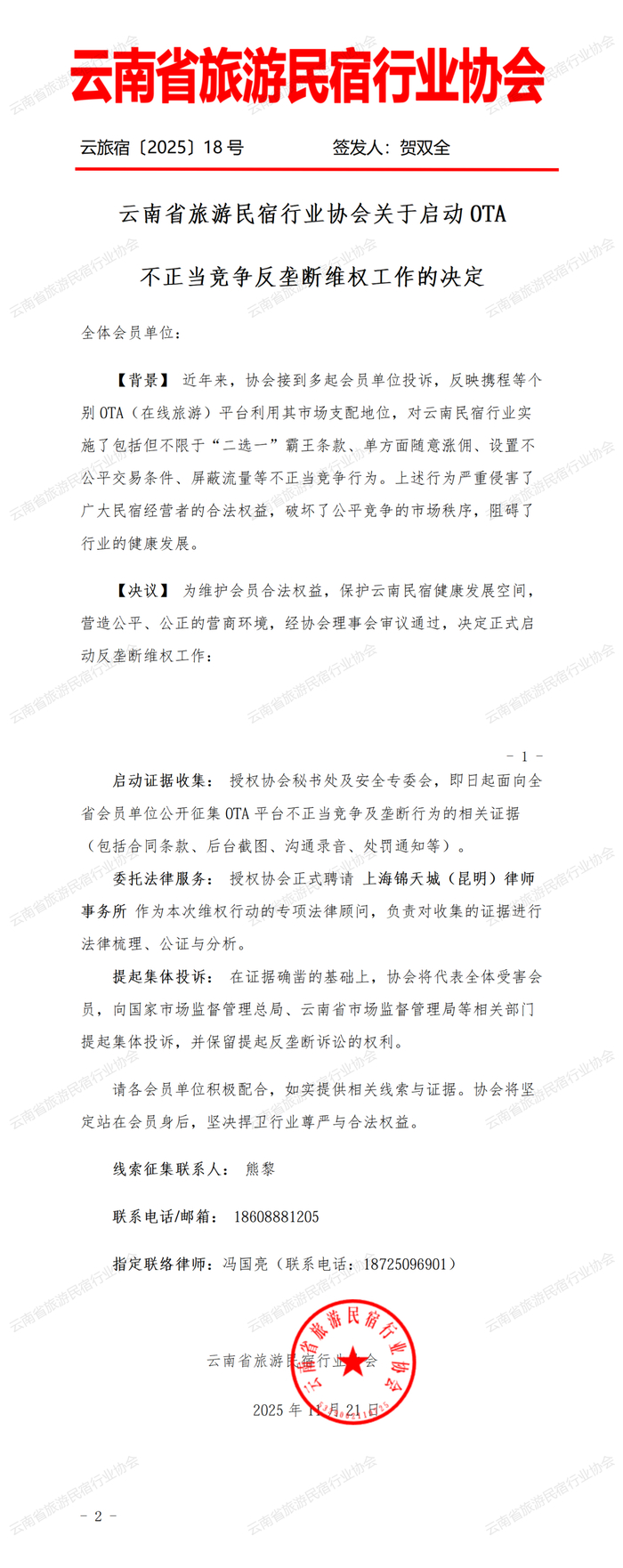
Market Overview - The Hang Seng Index (HSI) closed at 25,577.23, down by 51.65 points or 0.20% from the previous close [1] - The index reached a high of 25,757.83 and a low of 25,577.23 during the trading session, with a trading volume of 35.27 million [1] Major Blue-Chip Stocks Performance - HSBC Holdings closed at HKD 117.167, up by 0.83% compared to the Hong Kong close [2] - Tencent Holdings closed at HKD 600.386, down by 0.43% compared to the Hong Kong close [2] Stock Price Movements - Tencent Holdings (00700) latest price is HKD 603.000, down by HKD 13.000 or 2.11% [3] - Alibaba Group (09988) latest price is HKD 148.600, down by HKD 5.500 or 3.57% [3] - HSBC Holdings (00005) latest price is HKD 116.200, down by HKD 1.100 or 0.94% [3] - AIA Group (01299) latest price is HKD 80.650, up by HKD 1.650 or 2.09% [3] - BYD Company (01211) latest price is HKD 96.000, down by HKD 2.500 or 2.54% [3] - Baidu Group (09888) latest price is HKD 118.700, down by HKD 7.300 or 5.79% [3] - JD.com (09618) latest price is HKD 113.500, down by HKD 2.100 or 1.82% [3]






行业年度策略报告:新兴需求领航,传统消费破局-20251213
Ping An Securities· 2025-12-13 08:08
Group 1 - The core viewpoint of the report emphasizes that emerging demand is leading the way, while traditional consumption is breaking through. The year 2026, as the start of the 14th Five-Year Plan, is expected to see continued implementation of consumption stimulus policies, effectively releasing residents' consumption willingness and promoting a steady recovery in consumption demand [4][11] - The report suggests that the traditional consumption industry is likely to experience a rebound, while new demands such as "new products, new channels, and new business formats" will continue to drive the rapid development of new consumption [4][11] - The report highlights the importance of the 14th Five-Year Plan, which emphasizes the need to stimulate consumption and enhance domestic demand as a key driver of economic growth [11][12] Group 2 - In the textile and media sectors, new demand is leading to new supply, and new supply is creating new demand. The report recommends focusing on investment opportunities in three segments: outdoor sports, gold jewelry, and cultural and trendy IP in 2026 [4][30] - The outdoor sports segment is identified as a growing trend, with social aspects becoming increasingly important for young consumers. The report notes that outdoor activities such as cycling, hiking, and climbing are gaining popularity [32][33] - The gold jewelry market is expected to see continued growth in consumer spending, with a positive outlook for retail sales in 2026. The report suggests focusing on leading gold jewelry brands [32][33] Group 3 - The social services sector is evolving, with a focus on leading companies that actively respond to changes in consumer demand. The report indicates that tourism and beauty industries are experiencing changes, with a shift towards rational consumption and a focus on value for money [4][30] - The food and beverage sector is expected to stabilize, with signs of recovery emerging. The report notes that the industry is closely tied to macroeconomic conditions and consumer income expectations [4][30] - The agricultural, forestry, animal husbandry, and fishery sectors are experiencing a cyclical upturn, particularly in the pig farming segment, which is expected to stabilize due to policy-driven transformations [4][5] Group 4 - The home appliance industry is characterized by resilience in demand, with policies such as "trade-in for new" supporting consumption. The report suggests looking for structural highlights within the home appliance sector, particularly in high-dividend white goods and rapidly growing new consumption categories [4][5] - The report emphasizes the importance of exploring new consumption trends and adapting to changing consumer preferences, particularly in the context of the ongoing economic recovery [4][5]




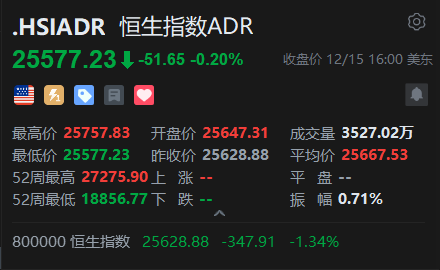
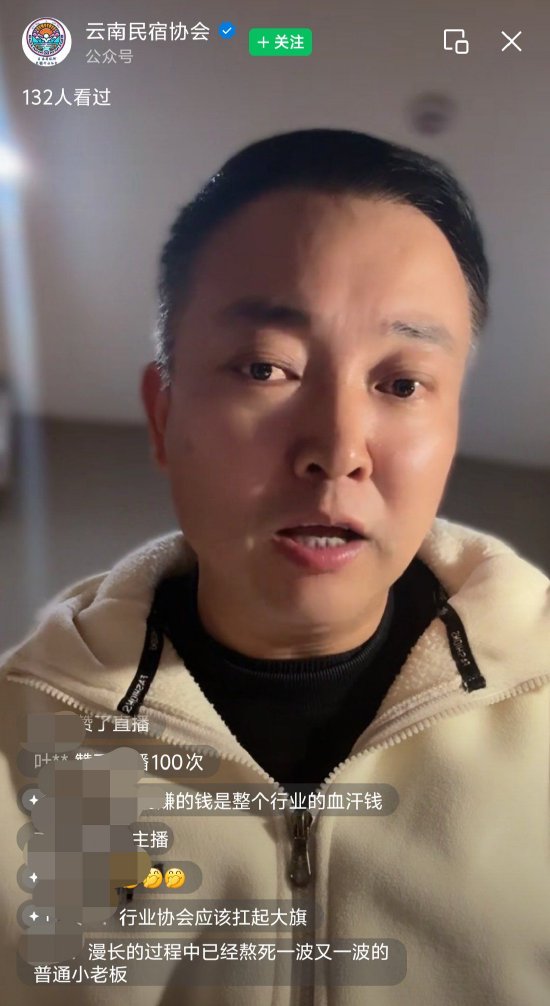
云南民宿协会直播回应对在线旅游平台启动反垄断维权工作:平台在挣整个行业的「血汗钱」
Xin Lang Ke Ji· 2025-12-12 23:21
Core Viewpoint - The Yunnan Provincial Tourism Homestay Industry Association has initiated collective legal action against online travel agencies (OTAs) like Ctrip for alleged abuse of market dominance, raising concerns about unfair competition practices in the homestay sector [1] Group 1: Allegations Against OTAs - The association has received multiple complaints from its members regarding OTAs using their market power to impose unfair practices, including "choose one from two" clauses, arbitrary commission increases, and unfair trading conditions [1] - These practices are said to severely infringe on the rights of homestay operators and disrupt fair market competition, hindering the healthy development of the industry [1] Group 2: Association's Response and Actions - The association's president, He Shuangquan, emphasized the need for fair competition and criticized the coercive practices of OTAs that force homestays to choose specific platforms [1] - The first step in their action plan involves collecting evidence from affected homestays to support a collective lawsuit to the market supervision authority [1] Group 3: Commission and Fee Concerns - He Shuangquan noted that while commissions typically range from 8% to 15%, some OTAs charge hidden fees that can lead to total commission rates as high as 30% to 40% [1] - This high fee structure raises questions about the actual market and profit space available for homestays, as platforms often earn more than the service providers themselves, leading to concerns about the sustainability of the business model [1]

云南民宿协会直播回应对在线旅游平台启动反垄断维权工作:平台在挣整个行业的“血汗钱”
Xin Lang Cai Jing· 2025-12-12 15:26
Core Viewpoint - The Yunnan Provincial Tourism Homestay Industry Association has initiated collective legal action against online travel platforms (OTAs) like Ctrip for alleged abuse of market dominance, raising concerns about unfair competition practices in the homestay industry [1][4]. Group 1: Allegations Against OTAs - The association has received multiple complaints from its members regarding OTAs using their market power to impose unfair practices, including "choose one from two" clauses, arbitrary commission increases, unfair trading conditions, and traffic blocking [1][4]. - These practices are said to severely infringe on the legitimate rights of homestay operators, disrupt fair market competition, and hinder the healthy development of the industry [1][4]. Group 2: Association's Response and Actions - The association's president, He Shuangquan, emphasized the need for fair competition and criticized the notion that platforms should dictate which apps users must use or force homestays to align with specific platforms [1][4]. - The first step in their action plan involves collecting evidence from affected homestays to support a collective lawsuit to be submitted to the market supervision administration [1][4]. Group 3: Commission and Fee Concerns - He Shuangquan noted that while commissions typically range from 8% to 15%, hidden platform fees can lead to total commission rates as high as 30% to 40%, raising questions about the market and profit space for homestays [1][4]. - The president pointed out that the revenue generated by homestays is often viewed as a source of income for the platforms, resulting in platforms earning more than the service providers themselves, which he described as "blood money" [1][4].
携程集团副总裁秦静:体验深度决定旅行价值,为“沉浸感”付费的意愿正空前强烈
Mei Ri Jing Ji Xin Wen· 2025-12-12 10:42
Core Insights - The article discusses the evolving trends in the cultural and tourism consumption market, highlighting a shift from "check-in" experiences to "immersive" experiences [1][2] Group 1: Market Trends - The cultural and tourism consumption market is undergoing profound changes across four dimensions: destination, consumption philosophy, customer demographics, and engagement methods [1] - Destinations are being redefined from mere attractions to experiential "fields," integrating cultural tourism with everyday life scenarios, offering richer and more layered choices for tourists [1] - There is a notable trend towards "decentralization" and "de-scenicization," with tourism heat in lower-tier cities increasing by 25% year-on-year during the recent May Day holiday [1] Group 2: Consumer Behavior - Consumers are becoming more "value-sensitive," with a significant increase in rational segmentation of spending [1] - The trend of "slow immersion" is evident, with the proportion of users staying for two days or more rising by 7.2%, and searches for deep immersive activities increasing by 300% year-on-year, indicating a strong willingness to pay for immersive experiences [1] Group 3: Demographic Drivers - The Z generation and the "new silver-haired" demographic are identified as dual engines driving market innovation, with the former favoring social and immersive experiences, while the latter seeks quality deep travel [2] - These two groups contribute to market innovation by leading trends in engagement and defining quality experiences [2]
云南民宿协会对携程等OTA平台启动反垄断维权
21世纪经济报道· 2025-12-12 03:35
Core Viewpoint - The Yunnan Provincial Tourism Homestay Industry Association has initiated collective legal action against online travel agencies (OTAs) like Ctrip for alleged abuse of market dominance, including unfair competition practices that harm the rights of homestay operators [1][3]. Group 1: Allegations Against OTAs - The association has received multiple complaints from its members regarding OTAs using their market power to impose "choose one from two" clauses, arbitrary commission increases, unfair trading conditions, and traffic blocking, which severely infringe on the rights of homestay operators [1][3]. - The association has engaged a law firm to collect evidence and analyze the situation, calling for members to provide relevant documentation such as contract terms and communication records [1][3]. Group 2: Investigation and Legal Actions - The association's president emphasized that the investigation is not solely targeting a specific OTA but addressing a broader issue that may involve misunderstandings or mismanagement by regional OTA staff [3][4]. - The law firm confirmed the engagement and highlighted the importance of collective action, stating that if widespread issues are confirmed, it could lead to fundamental changes in regulations [4]. Group 3: Previous Regulatory Actions - In August, the Guizhou Provincial Market Supervision Administration held discussions with Ctrip and other travel platforms regarding potential violations, including "choose one from two" practices and price manipulation [4]. - In September, the Zhengzhou Market Supervision Bureau issued a corrective notice to Ctrip for violating e-commerce laws and engaging in unreasonable restrictions on platform operators [4].

云南民宿协会对在线旅游平台启动反垄断维权工作 会长:不是针对某一平台 但对携程反馈较多
2 1 Shi Ji Jing Ji Bao Dao· 2025-12-12 01:36
Core Viewpoint - The Yunnan Provincial Tourism Homestay Industry Association has initiated collective legal action against online travel agencies (OTAs) like Ctrip for alleged abuse of market dominance, including unfair competition practices that harm the rights of homestay operators [1][2]. Group 1: Allegations Against OTAs - The association has received multiple complaints from its members regarding Ctrip and other OTAs using their market power to impose "choose one from two" clauses, unilaterally increasing commissions, setting unfair trading conditions, and blocking traffic [1][2]. - The association's president highlighted that complaints were particularly concentrated against Ctrip during the peak tourist seasons in August and September [2]. Group 2: Legal Actions and Investigations - The association has engaged Shanghai Jintiancheng (Kunming) Law Firm to assist in evidence collection and legal analysis, calling on members to provide relevant documentation [1][3]. - The designated lawyer confirmed that the investigation is not specifically targeting Ctrip but is focused on a broader issue of unfair practices within the industry [3]. Group 3: Regulatory Context - In August, the Guizhou Provincial Market Supervision Administration had already raised concerns with Ctrip and other travel platforms regarding similar issues, including "choose one from two" practices and price manipulation [3]. - In September, the Zhengzhou Market Supervision Administration issued a corrective notice to Ctrip for violating e-commerce laws and engaging in unreasonable restrictions on platform operators [4]. Group 4: Industry Dynamics - The conflict between OTAs and small merchants is not new, with previous allegations against Ctrip dating back to 2021, when a hotel platform accused it of market abuse [4]. - As of the latest update, Ctrip has not responded to the allegations made by the Yunnan Provincial Tourism Homestay Industry Association [5].
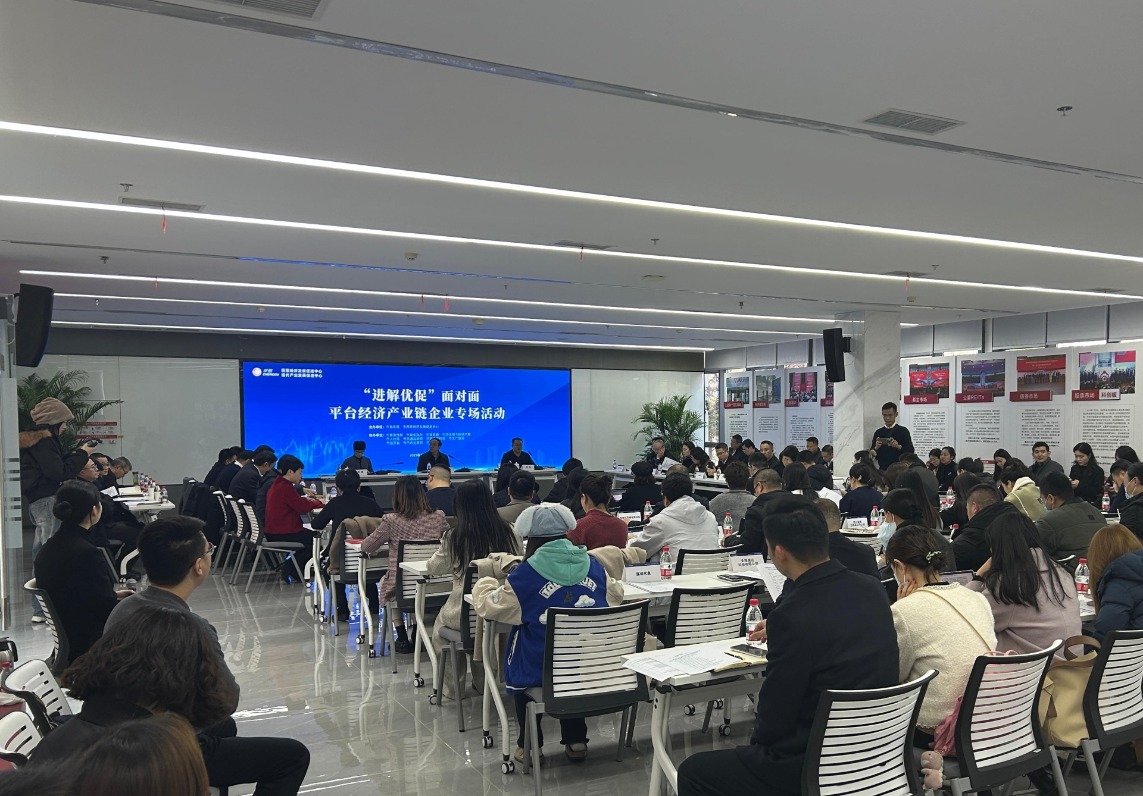
为何美团、抖音等在蓉业务主体 都在这场政企“面对面”中敞开聊?
Mei Ri Jing Ji Xin Wen· 2025-12-11 15:54
Core Points - The event "Face-to-Face: Promoting Platform Economy" in Chengdu aimed to facilitate direct communication between local businesses and government departments, addressing challenges faced by platform economy enterprises [1][2] - The initiative reflects Chengdu's commitment to improving the business environment by implementing a responsive mechanism for addressing enterprise needs [2][12] Group 1: Business Challenges and Requests - Companies raised specific issues such as the inclusion of new retail in government consumption voucher programs, with potential sales conversion estimated at 50 million yuan for 2024 [4] - There were calls for government collaboration in promoting consumption activities and support for specific enterprises in promotional events [4] - Requests also included the establishment of unified regulations for low-speed unmanned vehicle operations and addressing malicious complaint behaviors [4][9] Group 2: Government Responses and Initiatives - Government representatives actively responded to business concerns, promising to explore solutions and implement new policies to enhance consumer engagement and operational efficiency [8][9] - The city plans to implement a closed-loop mechanism for collecting, solving, and providing feedback on enterprise issues, demonstrating a proactive approach to governance [9][11] - Chengdu's government is focusing on creating a supportive ecosystem for businesses, with initiatives aimed at improving financing options and addressing workforce shortages [11][12] Group 3: Economic Performance and Growth - Chengdu's online retail sales reached 591.9 billion yuan from January to October 2025, accounting for 68.6% of the province's total, with a year-on-year growth of 10.8% [7] - The city has over 960,000 online businesses, contributing to the employment of over 2.5 million people, indicating a robust platform economy [7] - The local government has established several centers to foster a vibrant and resilient industrial ecosystem, with the private economy's value added reaching 920.97 billion yuan in the first three quarters of 2025, growing by 6.4% year-on-year [14]



2026年国补政策再升级!5000亿红包来袭,这些领域将迎来爆发
Sou Hu Cai Jing· 2025-12-11 15:45
Core Insights - The 2026 "National Subsidy" policy will continue the "old-for-new" consumption initiative with an increased budget of 500 billion yuan, aimed at stimulating consumption and stabilizing economic growth [1][3][16] Group 1: Policy Overview - The "National Subsidy" policy has shown significant results since its launch in 2024, generating over 2.5 trillion yuan in sales and benefiting 360 million people [3] - The policy will focus on three main upgrades: increasing the subsidy amount, expanding coverage to new sectors, and optimizing the distribution process [4][10] Group 2: Sectoral Impacts - Traditional consumption sectors like home appliances and automobiles are expected to see a second wave of growth, with home appliance subsidies potentially increasing from 12.84 million units to 15 million units [6][8] - The service consumption sector, particularly in tourism and health, is anticipated to become a new focal point, with over 100 billion yuan in tourism vouchers expected to be issued [6][10] - Digital and green consumption will be enhanced, with subsidies for smartphones and energy-efficient appliances, benefiting companies like Apple and Huawei [8][10] Group 3: Economic Implications - The policy aims to boost domestic demand and counter economic pressures, with expectations for retail sales growth to rebound to 5%-6% in 2026 [10] - It promotes industrial upgrades by leading consumption upgrades, encouraging innovation in sectors like electric vehicles and smart home appliances [10][14] Group 4: Investment Opportunities - Key investment targets include essential consumer goods like dairy products and condiments, as well as discretionary items like home appliances and new energy vehicles [15] - The policy is seen as a long-term opportunity for investors, with potential for valuation recovery and growth in the consumer sector [16]




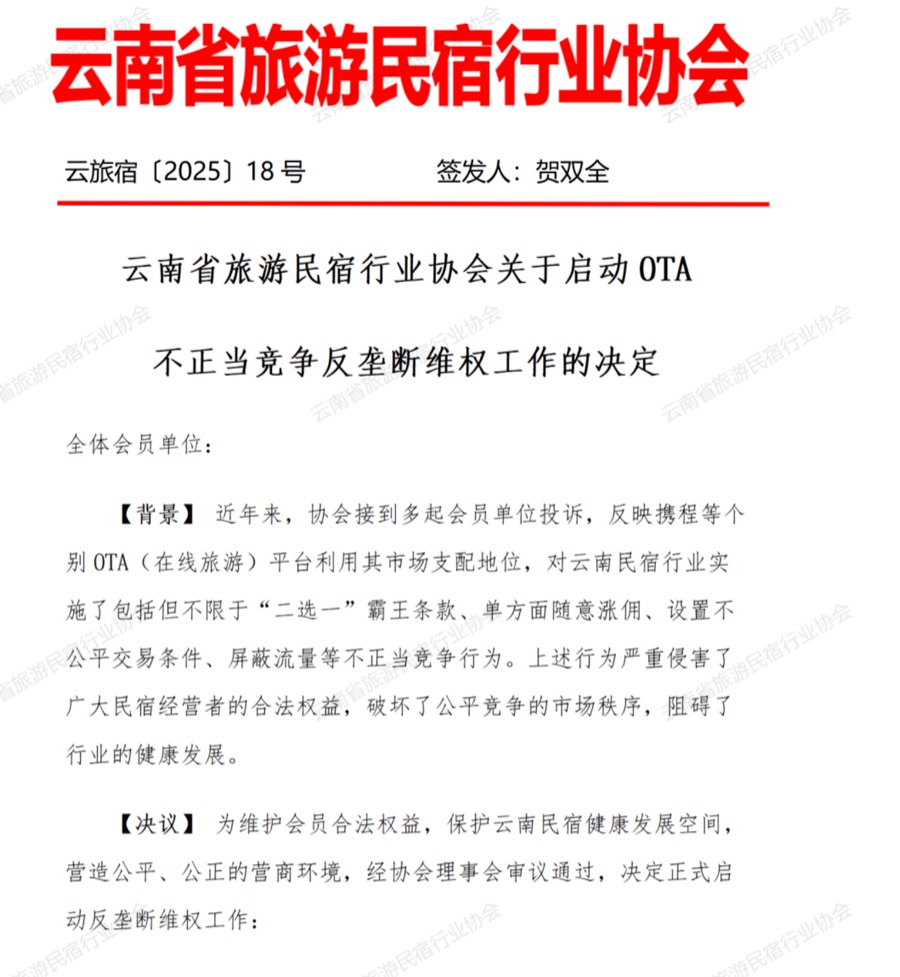
云南省旅游民宿行业协会:对携程等在线旅游平台启动反垄断维权工作
Xin Lang Cai Jing· 2025-12-11 11:06
Core Viewpoint - The Yunnan Province Tourism Homestay Industry Association has initiated actions against unfair competition practices by certain online travel agencies (OTAs) like Ctrip, citing complaints from member units regarding abusive clauses and market manipulation [1][2]. Group 1: Complaints and Allegations - The association has received multiple complaints from its members about OTAs using their market dominance to impose unfair practices, including "pick one of two" clauses, arbitrary commission increases, and unfair trading conditions [1]. - Specific allegations include the blocking of traffic and other forms of unfair competition that harm the local homestay industry [1]. Group 2: Legal Actions - Based on solid evidence, the association plans to file a collective complaint with the National Market Supervision Administration and the Yunnan Provincial Market Supervision Administration [2]. - The association has retained Shanghai Jintiancheng (Kunming) Law Firm as a legal advisor to assist in the collection, notarization, and analysis of evidence for this action [2]. Group 3: Member Participation - The association urges all member units to actively cooperate by providing relevant leads and evidence to support the collective complaint [2]. - The association emphasizes its commitment to defending the dignity and legal rights of its members in the face of these challenges [2].