LBX(603883)

Search documents
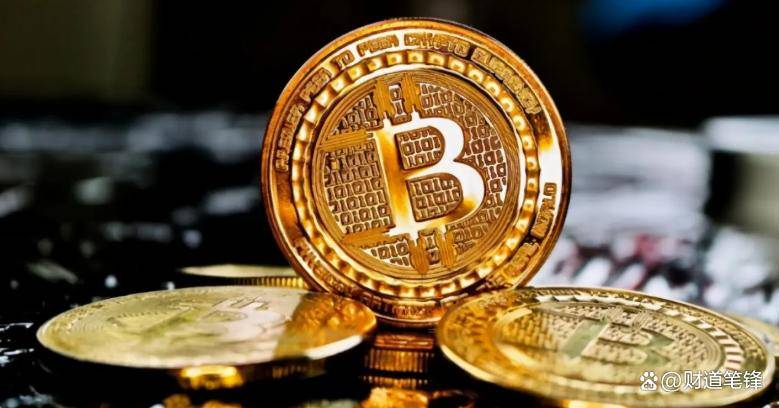
老百姓被骗倾家荡产,利用比特币做骗局,凭一己之力骗走500亿
Sou Hu Cai Jing· 2025-10-16 08:01
Core Insights - A disabled woman, known as Qian Zhimin, confessed to orchestrating the largest Bitcoin money laundering case globally, involving nearly 50 billion RMB [1] Group 1: Scheme Overview - The scheme began in 2014 when Qian registered a company named "Lantian Ge Rui" in Tianjin under the alias "Hua Hua" [3] - The company launched ten financial products targeting middle-aged and elderly investors, promising daily returns of approximately 160 RMB and a maximum return rate of three times the investment [3] - Between 2014 and 2017, the company raised 43 billion RMB, with an average loss of over 330,000 RMB per victim [3] Group 2: Money Laundering Operations - Qian utilized Bitcoin's anonymity to launder money, investing 1.14 billion RMB to purchase 61,000 Bitcoins from 2014 to 2015 [5] - In the UK, she attempted to buy a luxury property worth 23.5 million GBP using Bitcoin, which triggered anti-money laundering alerts [6] Group 3: Legal Proceedings and Victim Compensation - The UK police froze the Bitcoins, which had appreciated to a value of 49.35 billion RMB by September 2025 [6] - Victims have received less than 13% of their principal back, totaling only 2.8 billion RMB [6] - Legal obstacles complicate the recovery process, with victims potentially recovering a maximum of 24 billion RMB due to UK laws regarding unclaimed assets [8] - A civil recovery process is underway, with 2,500 victims submitting a joint letter to the Chinese Ministry of Public Security [8] Group 4: Industry Implications - The case highlights the emerging trend of virtual currency money laundering, exposing regulatory gaps and increasing challenges in asset recovery due to the cross-border nature of Bitcoin transactions [8]


美国人均GDP已经到了8万美元了,为啥老百姓还是觉得生活很困难?
Sou Hu Cai Jing· 2025-10-15 12:25
Core Insights - The article highlights the disparity between high GDP figures in the U.S. and the reality of income inequality, where a significant portion of wealth is concentrated among the top 1% while the bottom 90% experience sluggish income growth [1][3][13] Economic Disparity - From 1979 to the present, income inequality in the U.S. has widened significantly, with the top 1% capturing most of the economic growth, while the bottom 90% see minimal income increases [1] - The Gini coefficient, a measure of income inequality, increased by approximately 20% from 1980 to 2016, indicating a growing wealth gap [3] - The Federal Reserve reports that income inequality is linked to rising corporate debt, contributing to overall financial fragility [3] Inflation and Cost of Living - Inflation remains a pressing financial challenge for many Americans, with one-third of adults citing it as their top financial concern for 2024 [5] - Housing costs are a major contributor to inflation, accounting for two-thirds of inflationary pressures from 2024 to 2025, with housing prices having risen by 60% over the past six years [5][7] - The average American household is increasingly burdened by housing costs, with 31.3% spending over 30% of their income on housing [5][7] Healthcare Costs - The U.S. has the highest healthcare spending globally, with total expenditures reaching $4.9 trillion in 2023, translating to an average of $14,570 per person, a 7.5% increase from 2022 [9] - Nearly half of adults report finding healthcare costs burdensome, particularly among uninsured and minority populations [9] Education Debt - Student loan debt in the U.S. is projected to reach $1.814 trillion by 2025, affecting approximately 43 million borrowers [11] - The financial strain from education debt is compounded by rising living costs and stagnant wages, creating a cycle of financial difficulty for many households [11][13] Conclusion - The article underscores the disconnect between high GDP figures and the lived experiences of many Americans, suggesting that without addressing these systemic issues, social tensions may escalate [13]

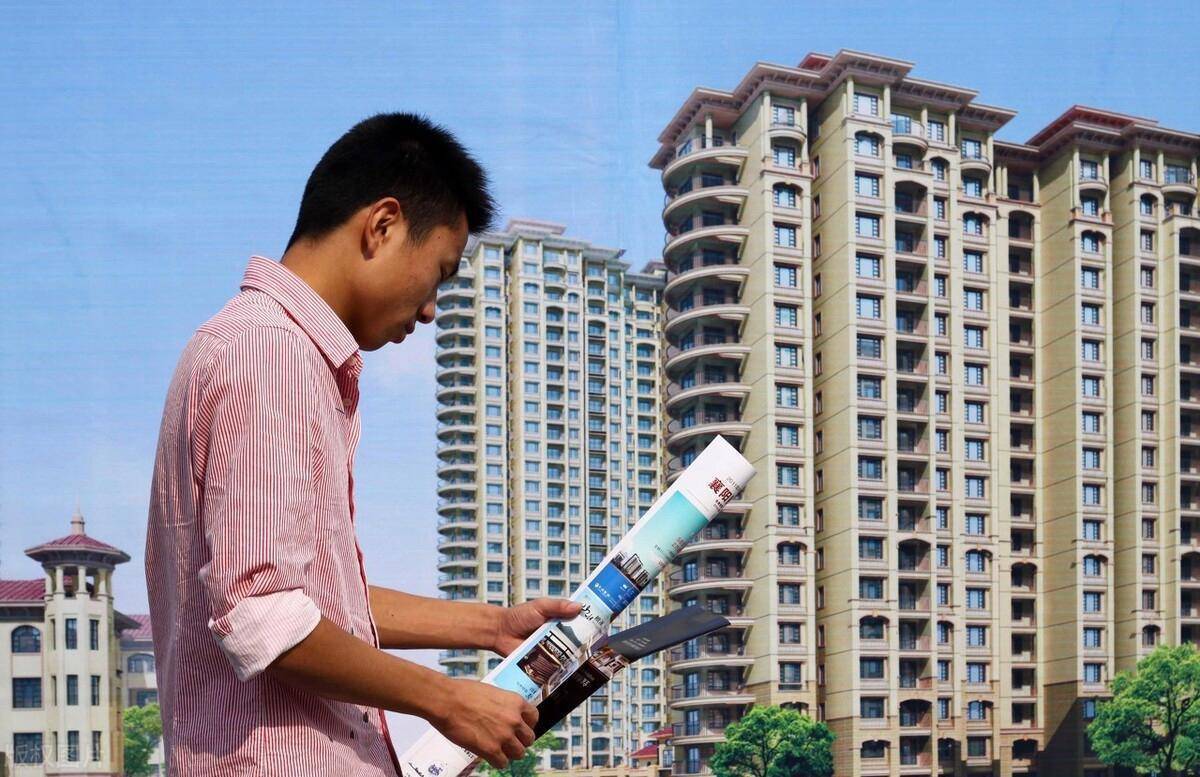
一边是上亿套房空置,一边是老百姓买不起房?老干部提出解决方案
Sou Hu Cai Jing· 2025-10-14 21:20
Core Insights - The Chinese real estate market continues to experience a downward trend, with the average price of second-hand residential properties in 100 cities hovering around 15,088 yuan per square meter, marking the 23rd consecutive month of month-on-month decline [1] - A staggering 98 cities reported price drops in March, with over 90 cities experiencing declines each month for the past 10 months [1] - The number of second-hand housing listings has surged, with cities like Chongqing exceeding 270,000 listings, Tianjin over 190,000, Suzhou around 177,800, and Beijing approximately 147,000 [1] Group 1: Market Conditions - The real estate market is facing a paradox of over 100 million vacant homes while many families with genuine housing needs are unable to afford properties [3][5] - The vacancy rate is reported to be as high as 21.8%, with estimates suggesting that the number of vacant homes could accommodate 300 to 400 million people [3] Group 2: Affordability Issues - In second and third-tier cities, the total price for a 90 square meter property ranges from 1.5 million to 2 million yuan, while in first-tier cities, it escalates to 5 million to 6 million yuan [5] - Local residents typically earn between 3,000 to 6,000 yuan per month, making home ownership a significant financial burden [5] Group 3: Proposed Solutions - Former Vice Minister of Housing and Urban-Rural Development Qiu Baoxing suggests creating a comprehensive mechanism to combat speculative buying and establish a corresponding tax system [7] - The proposed policy framework includes providing affordable housing and shared ownership options to low-income urban families, which could redirect some market demand and encourage speculators to exit [9] - Implementing a property tax or vacancy tax could increase the cost of holding properties, thereby discouraging speculative behavior and promoting more rational use of housing resources [10]
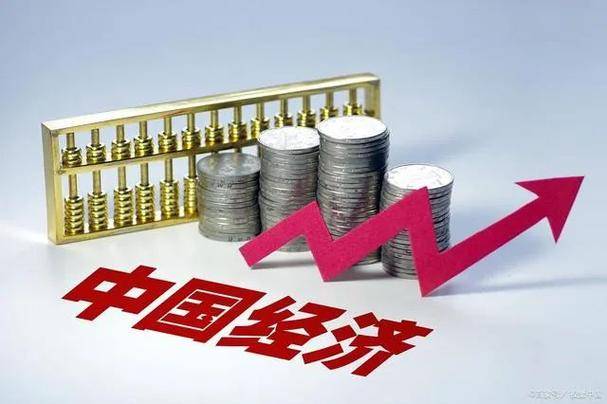
老百姓不消费,经济难回暖,政府反内卷难见效,稳物价还缺这招!
Sou Hu Cai Jing· 2025-10-14 01:57
Group 1 - The photovoltaic industry is facing significant challenges, with 31 major companies in the A-share market reporting revenues of 117.8 billion yuan in Q1 2025, a year-on-year decline of 24.5%, and a net loss of 12.58 billion yuan [1] - The steel industry is experiencing some relief as local authorities reduce excess capacity, leading to a halt in price declines in July, but skepticism remains among workers and small business owners [1] - The automotive industry continues to struggle with a price war that has persisted into May 2023, resulting in a profit margin of only 3.9% in Q1 and negative cash flow [3] Group 2 - Consumer spending is not keeping pace with income growth, with nominal disposable income rising by 5.3% in the first half of 2025, but consumption growth only at 5.1%, indicating a lack of vitality in the market [3] - The CPI turned negative in March, primarily due to food prices, with a year-on-year decline of 0.4% in August, while core CPI shows a mild recovery but remains below the 2% target [5] - The real estate market has not fully stabilized, with slow wealth effect release and unclear expectations leading to a slowdown in private investment [5] Group 3 - The government aims to stabilize the real estate and stock markets to boost consumer confidence, but the actual willingness to spend may not align with wealth recovery [7] - Employment targets have been specified, with an urban unemployment rate of around 5.5% and over 12 million new jobs expected, indicating a focus on government procurement and community positions to support graduates [7] - The supply-side adjustments may temporarily alleviate the price war's impact, but long-term demand instability could hinder companies' willingness to invest [9] Group 4 - To stabilize prices, it is essential not only to address industry chaos but also to increase consumer confidence and spending, requiring a dual approach of supply and demand [11] - The current economic adjustments resemble a surgical procedure, where stabilizing bleeding is crucial, but patient cooperation in recovery is key to success [11] - If policies can effectively connect subsidies, employment, and consumer confidence in Q4, the price target may approach 2%, but missing any link could cool market activity [11]
4大问题不解决,老百姓怎敢消费?只有对症下药才能促进消费
Sou Hu Cai Jing· 2025-10-13 19:07
Core Viewpoint - The global economic downturn has led to weak consumer demand, significantly impacting China's export business, and the long-term sustainable growth of the Chinese economy relies on domestic consumer demand [1][3]. Group 1: Current Economic Challenges - The release of pandemic restrictions has not resulted in a surge in consumer spending, with demand remaining weak, particularly for mid to high-end consumer goods [3][5]. - Despite a rise in bank deposits, there is a growing concern about whether lowering bank deposit rates to zero could effectively stimulate consumer spending [3][5]. Group 2: Underlying Issues Affecting Consumer Demand - The primary challenge is that income growth is not keeping pace with rising prices, leading to increased living costs that restrict actual consumption capacity [6][7]. - High housing prices continue to suppress consumer demand, with the cost of purchasing a home in second and third-tier cities still exceeding 1.5 million yuan, limiting disposable income for other expenditures [9]. - A lack of security and rising concerns about future uncertainties lead residents to prioritize savings over spending, even if deposit rates are reduced [9][10]. - The widening wealth gap exacerbates the low consumer demand, with a small wealthy population having their consumption needs met while the majority face significant limitations in their spending capacity [10].
战火记忆丨“这才是为老百姓打仗的军队”
Zhong Yang Ji Wei Guo Jia Jian Wei Wang Zhan· 2025-10-13 00:17
Core Points - The article narrates the life and experiences of Yang Hongchang, a veteran who participated in significant historical events such as the Anti-Japanese War and the Korean War, highlighting his dedication and sacrifices for the country [1][2][3][4][5][6][7][8] Group 1: Early Life and Military Involvement - Yang Hongchang was born in 1925 in a poor farming family in Anhui Province and joined the Nationalist army in 1945 to fight against Japanese invaders [1] - He faced numerous challenges during his military training, including physical hardships and the pressure of combat, which he overcame with determination [1][2] - Yang participated in over ten battles during the Anti-Japanese War, sustaining injuries and demonstrating bravery, which earned him recognition from his superiors [2] Group 2: Transition to the People's Liberation Army - After witnessing the treatment of prisoners by the People's Liberation Army, Yang decided to join them, believing they fought for the people [2][3] - He was promoted to squad leader and later to platoon leader, participating in major campaigns such as the liberation of Northwest China [3][4] - Yang's leadership and tactical skills were evident during an assault where he led his team despite being injured [3] Group 3: Service in the Korean War - Yang volunteered for the Chinese People's Volunteer Army in 1951, focusing on logistics and supply during the Korean War [4][5] - He faced life-threatening situations, including air raids, while ensuring the timely delivery of supplies to the front lines [5] - His contributions were recognized with multiple honors, and he remained in Korea for post-war reconstruction until 1956 [5] Group 4: Post-Military Life and Values - After returning to China, Yang transitioned to civilian life, working in various government roles while maintaining his military values of integrity and service [6][7] - He emphasized the importance of hard work and honesty to his children, instilling in them the values he upheld as a soldier [6][7] - Yang expressed pride in his military service and the progress of the nation, feeling fulfilled by his contributions to the country [8]
美元涨人民币跌,这事对咱老百姓影响大不大?
Sou Hu Cai Jing· 2025-10-13 00:02
Core Insights - The recent depreciation of the Chinese yuan against the US dollar has significant implications for both consumers and exporters, with the exchange rate affecting the cost of imports and the revenue from exports [1][3][7]. Exchange Rate Dynamics - The exchange rate operates like a seesaw, where a stronger dollar results in a weaker yuan, influenced by economic stability, interest rates, and investment flows [3][4]. - The US dollar's strength is attributed to multiple interest rate hikes and positive economic data, attracting global capital, while the yuan remains relatively stable due to slower domestic consumption and investment recovery [3][4]. Impact on Consumers - The depreciation of the yuan means higher costs for consumers purchasing imported goods, such as electronics and education expenses, which have increased significantly in yuan terms [3][4]. - For individuals holding dollar-denominated financial products, the appreciation of the dollar translates to gains from currency exchange [3][4]. Export Opportunities - A weaker yuan can benefit domestic exporters, as their products become cheaper for foreign buyers, potentially increasing sales and revenue when converted back to yuan [1][7]. - The current exchange rate scenario presents opportunities for savvy exporters to capitalize on favorable currency conditions [7][8]. Long-term Outlook - The yuan's value is not solely determined by current exchange rates but is a reflection of broader economic conditions, including trade balances and investment flows [6][8]. - The increasing use of the yuan in global trade indicates growing confidence in its stability, suggesting that as long as the domestic economy remains robust, the yuan will maintain its value over the long term [6][8]. Consumer Strategies - Consumers are advised to be strategic about currency exchange, particularly when planning international purchases, and to consider diversifying their investments to mitigate risks associated with currency fluctuations [6][8].
人民币兑美元约0.14,汇率变化对老百姓到底有多大影响
Sou Hu Cai Jing· 2025-10-12 21:19
Core Viewpoint - The fluctuation of the RMB to USD exchange rate reflects the relative value of currencies and is influenced by various global economic factors, rather than indicating a permanent devaluation of the RMB [1][3]. Impact of Exchange Rate Fluctuations - The rising cost of imported goods, such as milk powder and electronics, is directly linked to the USD's strength, which increases the cost of these items for consumers [3]. - Parents of students studying abroad face increased financial pressure as the cost of living in foreign currencies rises due to the depreciation of the RMB [3]. - For export-oriented companies, a weaker RMB can be beneficial as it makes Chinese goods cheaper for foreign buyers, potentially increasing export orders [3]. Underlying Logic of RMB Exchange Rate Changes - Exchange rate fluctuations are normal and reflect the broader economic environment, including China's strong economic fundamentals and foreign exchange reserves [3][4]. - The RMB's international standing is improving, despite temporary fluctuations caused by global economic conditions and U.S. monetary policy [3][6]. Long-term Outlook - The RMB is expected to remain stable in the long run, supported by China's robust economic foundation and ongoing efforts to enhance the currency's international influence [6][7]. - The increasing use of the RMB in international trade settlements indicates its growing significance and acceptance globally [7]. Recommendations for Individuals - Individuals are advised to stay calm during exchange rate fluctuations and consider strategic currency exchanges when rates are favorable [6]. - It is important to focus on personal financial planning and investment strategies rather than being overly concerned with daily exchange rate changes [9].
三年暴涨115%!国庆后金价迎来新高度,老百姓现在买还来得及吗?
Sou Hu Cai Jing· 2025-10-11 23:02
Core Insights - The recent surge in gold prices has transformed it from a traditional safe-haven asset to a high-return investment, with a year-to-date increase of over 50% and a cumulative rise of 115% since 2021 [5][12] - The driving force behind this change is the acceleration of "de-dollarization," as evidenced by a significant increase in gold purchases by global central banks [7][10] Group 1: Market Dynamics - Gold has outperformed most global stock and bond markets, with only the Nasdaq showing comparable performance [5] - The shift in gold's pricing logic indicates a transition from a defensive asset to an offensive investment, largely influenced by geopolitical events [5][12] Group 2: Central Bank Actions - Central banks globally have significantly increased their gold reserves, with purchases of 1,136 tons in 2022 and projected purchases of 1,045 tons in 2024 [7][10] - As of September 2023, gold's share in global central bank reserves has surpassed that of U.S. Treasury bonds, marking the highest level since 1996 [8] Group 3: U.S. Dollar Dynamics - The share of the U.S. dollar in global foreign exchange reserves has dropped to 57.4%, the lowest in 30 years, indicating a restructuring of the global monetary reserve system [10] - The U.S. national debt has surged from $5.67 trillion to $37 trillion since 2000, raising concerns about the long-term sustainability of the dollar's credit [10] Group 4: Future Outlook - Predictions from top investment banks suggest that gold prices could reach between $4,000 and $6,000 per ounce in the coming years, driven by ongoing central bank purchases and geopolitical uncertainties [12][18] - The key to capitalizing on this trend lies in understanding the broader market dynamics rather than attempting to predict specific price points [18] Group 5: Investment Strategies - Investors are advised to adopt a long-term perspective on gold investments, avoiding short-term trading and leverage [14][16] - Various investment vehicles, such as gold ETFs and funds, offer more flexibility and lower risks compared to physical gold [16]
80年代初,叶选平抑制高房价暗流涌动,说:老百姓有房子就不怕
Sou Hu Cai Jing· 2025-10-11 16:55
Core Viewpoint - The rapid development of the real estate market in Guangzhou during the early 1980s led to a significant increase in housing prices, adversely affecting low- and middle-income families who struggled to afford new homes [1][3][5] Group 1: Impact on Society - Many individuals became wealthy through real estate speculation, while others faced financial ruin, particularly affecting low- and middle-income families who remained in dilapidated housing [1] - The emotional toll on residents was evident, with many expressing despair over their inability to access new housing despite the city's growth [3] - The government's failure to address housing issues raised concerns about the overall purpose of urban development and the well-being of citizens [5] Group 2: Government Response - Guangzhou's mayor, Ye Xuanping, initiated investigations into the housing crisis, engaging with residents to understand their needs and concerns regarding housing affordability [3][5] - A consensus emerged among government officials that increasing the supply of affordable housing could help stabilize the market and lower prices for higher-end properties [5][7] - The government implemented measures to construct affordable housing and renovate old neighborhoods, leading to many citizens achieving their dream of homeownership [7][9] Group 3: Market Dynamics - The introduction of affordable housing policies garnered public support for Ye Xuanping, who was praised as a leader focused on the needs of the people [9][11] - However, these policies threatened the interests of real estate developers, leading to attempts to circumvent regulations and a slowdown in market activity [9] - The tension between economic growth and social welfare created challenges for the government, but Ye Xuanping remained committed to prioritizing housing for citizens [9][11] Group 4: Outcomes - The effective regulation of the housing market not only addressed the immediate housing crisis but also contributed to the long-term health of Guangzhou's real estate sector [11] - Ye Xuanping's leadership and policies earned him widespread acclaim from the public, reinforcing the importance of balancing development with social responsibility [11]