ABInBev(BUD)

Search documents
AB InBev vs. Boston Beer: Which Brewer is a Better Investment Now?
ZACKS· 2026-01-16 15:21
Core Insights - The beverage landscape is evolving, with Anheuser-Busch InBev (AB InBev) and The Boston Beer Company (Boston Beer) as key competitors in the alcoholic beverage market, each adapting to changing consumer preferences [1][2] Group 1: AB InBev (BUD) - BUD dominates the brewing industry through an extensive sourcing and distribution network, focusing on premiumization, digital transformation, and brand equity investment [2] - Premiumization is a central growth strategy for BUD, with strong performances from premium and super-premium brands, despite flat growth in the above-core portfolio due to challenges in China [4][9] - BUD's digital platforms, including BEES and Zé Delivery, are crucial for customer engagement, generating $13.3 billion in gross merchandise value (GMV), with a year-over-year increase of 11% [5][6] - The company’s global operating model allows it to adapt to local market dynamics, with megabrand revenues increasing by 3% year over year, driven by strong consumer demand [7] - BUD is expanding its portfolio beyond traditional beer, targeting a year-over-year EBITDA growth of 4-8% in 2025 [8][9] - BUD's sales are projected to decrease by 1.3% in 2025, but earnings per share (EPS) are expected to grow by 3.1% [14] Group 2: Boston Beer (SAM) - Boston Beer has a strong craft heritage and is diversifying its portfolio to include hard seltzers, ciders, and flavored malt beverages, but faces challenges in the competitive craft beer market [10][12] - The Samuel Adams brand, while iconic, is struggling with competition and changing consumer preferences, prompting Boston Beer to focus on revitalization and cost-efficiency [11] - Boston Beer is experiencing a slowdown in the hard seltzer category, with management forecasting a negative impact from tariffs of $9-$13 million in 2025 [13] - Sales for Boston Beer are expected to decline by 2.4% in 2025, with a modest EPS growth of 0.7% [14] Group 3: Performance and Valuation Comparison - Over the past year, BUD has outperformed with a total return of 43.2%, compared to the industry growth of 10.8% and Boston Beer’s decline of 14.4% [17] - BUD trades at a forward price-to-earnings (P/E) multiple of 16.56X, slightly above the industry average, while Boston Beer trades at a higher multiple of 18.95X [19][20] - BUD's valuation reflects strong momentum in high-growth brands, while Boston Beer faces uncertainty due to ongoing challenges in the craft beer segment [21][25] Conclusion - AB InBev is positioned as a more compelling investment opportunity due to its strong stock performance, attractive valuation, and clear growth strategy, while Boston Beer presents a longer-term opportunity amid its diversification efforts [25][26][27]


Anheuser-Busch InBev: Strong Cash Flow And Growing Profitability (NYSE:BUD)
Seeking Alpha· 2026-01-14 09:49
Core Viewpoint - Anheuser-Busch InBev SA/NV (BUD) stock has experienced significant volatility since March 2024, reaching a five-year low in January 2025 [1] Group 1: Stock Performance - The stock was bullish in March 2024 but has since faced a rollercoaster ride, indicating high volatility [1] Group 2: Analyst's Position - The analyst has no current stock, option, or derivative positions in any mentioned companies and does not plan to initiate any within the next 72 hours [1]
Anheuser-Busch InBev: Strong Cash Flow And Growing Profitability
Seeking Alpha· 2026-01-14 09:49
Core Viewpoint - Anheuser-Busch InBev SA/NV (BUD) stock has experienced significant volatility since March 2024, reaching a five-year low in January 2025 [1] Group 1: Stock Performance - The stock was noted to have reached a five-year low in January 2025, indicating a substantial decline in value [1] Group 2: Analyst's Perspective - The article reflects the author's personal opinions and does not represent any financial advice or recommendations [2]
百威旗下米狮龙啤酒期待在冬奥会前再现奇迹
Xin Lang Cai Jing· 2026-01-14 04:09
Core Viewpoint - Michelob Ultra, the official beer sponsor of Team USA, is launching a promotional campaign centered around the "Miracle on Ice" event from the 1980 Winter Olympics, aiming to enhance brand visibility ahead of the 2026 Winter Olympics [1][5]. Group 1: Marketing Strategy - The campaign will feature an immersive event on January 15, recreating the iconic match where the U.S. hockey team defeated the Soviet Union, with footage included in a special program on Peacock [1][6]. - Nostalgia and national pride are key themes in Michelob Ultra's marketing, aligning the brand with elite athletes and promoting it as a healthy beverage choice [1][3]. - The brand collaborates with U.S. hockey players Brady and Matthew Tkachuk, who will appear in various digital and broadcast content, enhancing the brand's association with hockey [1][3]. Group 2: Event Details - The "Recreating the Miracle" event will take place at the Herb Brooks Arena in Lake Placid, New York, the site of the original game, and will utilize holograms and video projections to showcase key moments [2][6]. - Fans can participate in a sweepstakes through the "Superior Access" platform for a chance to attend the "Ultra Summit" event in Park City, Utah, featuring Olympic memorabilia, live performances, and interactive games [2][6]. Group 3: Brand Positioning - Michelob Ultra emphasizes its connection to sports, positioning itself as a healthier beer option amidst changing consumer preferences, with over 53% of Americans believing drinking is harmful [4][8]. - The brand's recent marketing efforts highlight past Olympic successes, indicating a belief in the value of nostalgia marketing, even as competitors move away from this strategy [3][7]. - An increase in sales is noted, with Anheuser-Busch reporting third-quarter revenue of $15.13 billion, partly attributed to the success of Michelob Ultra [4][8].
Strong Analyst Sentiment on Anheuser-Busch (BUD) As It Expands U.S. Brewing Capacity and Reaquires Strategic Plant
Yahoo Finance· 2026-01-12 09:29
Core Insights - Anheuser-Busch InBev SA/NV (NYSE:BUD) is considered one of the most undervalued blue chip stocks currently available for investment [1] Group 1: Analyst Sentiment - Approximately 90% of analysts maintain a bullish outlook on Anheuser-Busch, with a consensus price target of $75.00, indicating a potential upside of 17.60% [2] - Analysts' confidence is bolstered by the company's recent operational initiatives, including significant investments in brewing capacity [3] Group 2: Operational Developments - The company plans to invest $30 million in its Jacksonville brewery and can plant to expand capacity for popular brands like Michelob Ultra, which has become the leading brand by volume in 2025 [3] - Anheuser-Busch will reacquire a 49.9% stake in its U.S. container plants for approximately $3 billion, regaining full economic exposure to seven plants across six states, which is expected to enhance profits and supply security [4]
AB InBev and Live Nation Strike Exclusive UK Partnership
Businesswire· 2026-01-12 09:00
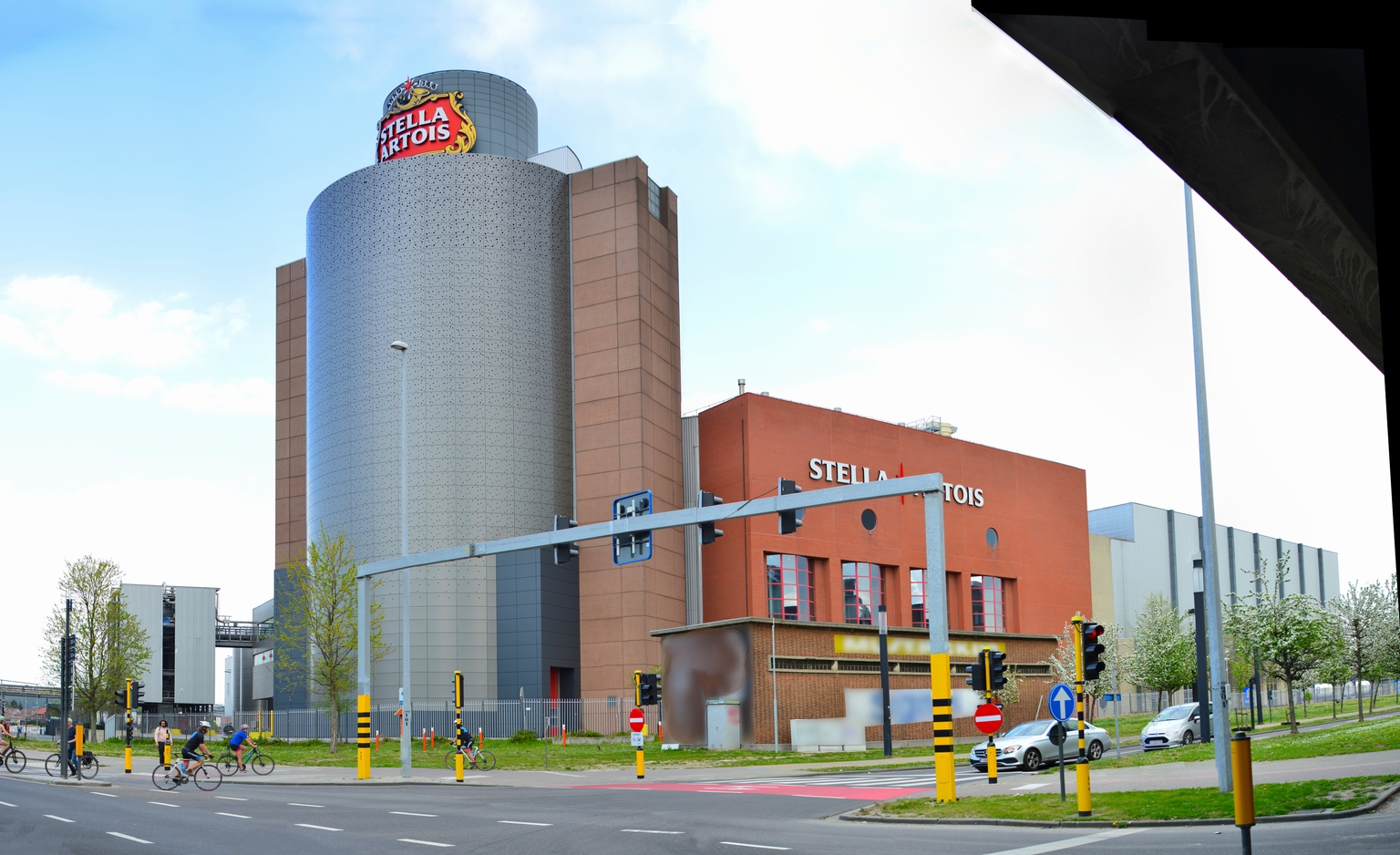
Core Insights - AB InBev has entered into an exclusive partnership with Live Nation in the UK, becoming the sole beer and cider partner for various festivals, venues, and outdoor shows, connecting its brands to millions of music fans of legal drinking age [1][5] Group 1: Partnership Details - The partnership includes major events such as the Reading & Leeds Festival and TRNSMT, as well as over 20 festivals and all Academy Music Group venues, including O2 Academy Brixton and O2 Shepherd's Bush Empire [2] - AB InBev's brands, including Budweiser, Corona, and Stella Artois, will be prominently featured, enhancing the live music experience for fans [4] Group 2: Marketing Strategy - The collaboration aims to integrate AB InBev's beverages into the live music culture, with a focus on creating memorable experiences through immersive activities and digital engagement [4] - The partnership builds on a long-standing relationship between AB InBev and Live Nation, which has previously reached millions of fans globally [3][5] Group 3: Company Background - AB InBev is a publicly traded company based in Belgium, with a diverse portfolio of over 500 beer brands, including global and local favorites [6] - The company reported a revenue of 59.8 billion USD for 2024, excluding joint ventures and associates [6]

美股异动|百威英博盘前涨超1% 斥资30亿美元回购美国金属瓶业务49.9%股权
Ge Long Hui A P P· 2026-01-07 09:53
Core Viewpoint - Anheuser-Busch InBev (BUD.US) is set to repurchase a 49.9% stake in its U.S. metal can business from a consortium led by Apollo Global Management for approximately $3 billion, utilizing available cash for the transaction and expecting to complete the buyback in the first quarter of this year [1]. Group 1 - Anheuser-Busch InBev shares rose by 1.58% to $64.76 prior to the announcement [1]. - The U.S. metal can business includes seven production facilities across six states [1]. - The transaction is valued at around $3 billion [1].
AB InBev to pour $30 million in US brewery to boost Michelob Ultra beer production
Reuters· 2026-01-06 17:07
Core Insights - Anheuser-Busch InBev is set to invest $30 million in its U.S. brewery as part of a strategy aimed at creating and sustaining manufacturing jobs in the country [1] Company Strategy - The investment reflects Anheuser-Busch InBev's commitment to enhancing its manufacturing capabilities within the United States [1] - This move is aligned with the company's broader goal of supporting local job creation in the manufacturing sector [1]
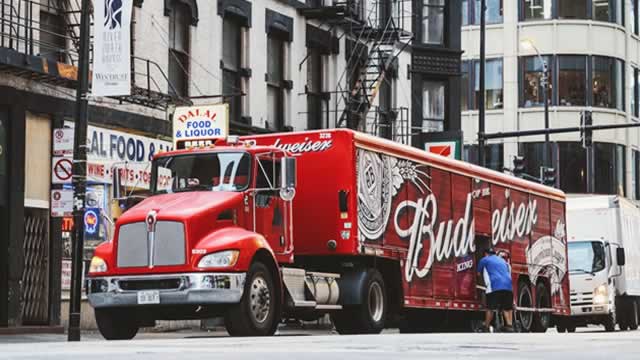
百威英博将斥资30亿美元回购美国金属包装厂股份
Ge Long Hui A P P· 2026-01-06 15:39
Group 1 - The core point of the article is that Anheuser-Busch InBev, the world's largest beer brewer, plans to spend approximately $3 billion to repurchase a 49.9% stake in its U.S. metal container plant [1] - The company will utilize cash to execute the buyback option, with the transaction expected to be completed in the first quarter [1] - In 2020, the company sold a minority stake in its U.S. packaging business to fund debt repayment [1]
Anheuser-Busch Investing $30M in Jacksonville Facilities to Drive Local Economic Growth & Fuel Production of Michelob ULTRA
Prnewswire· 2026-01-06 15:04
Core Insights - Anheuser-Busch has announced a $30 million investment in its Jacksonville Brewery and Can Plant to increase production of Michelob ULTRA, which is the top-selling and fastest-growing beer in the U.S. [1][2] Investment and Economic Impact - The $30 million investment is part of Anheuser-Busch's Brewing Futures initiative, which has seen over $300 million invested in U.S. facilities in the past year to support American manufacturing jobs [2][3] - The investment aims to enhance brewing and packaging capabilities, thereby expanding the production capacity for Michelob ULTRA and contributing to local economic growth [2][3] Market Position - Michelob ULTRA is recognized as the 1 top-selling beer nationwide and in Florida, with strong performance in bars and restaurants as confirmed by Nielsen [2][3] Community and Workforce Development - The investment is expected to create new jobs and provide opportunities for workforce development in Jacksonville, aligning with local government support for manufacturing growth [3][5] - Anheuser-Busch has invested over $100 million in its Jacksonville facilities since 2021, part of nearly $2 billion invested across its 100 U.S. facilities in the last five years [3][4] Company Overview - Anheuser-Busch has a legacy of over 165 years in brewing and is committed to creating economic prosperity through investments in people, facilities, and communities [4][5] - The company is recognized as the only alcohol manufacturer investing at such a scale in the U.S. [4]