CDL(CDEVY)

Search documents
南昌北二环两大关键工程加速冲刺 “1 小时都市圈” 交通骨架构筑城市发展新格局
Zhong Guo Fa Zhan Wang· 2025-10-09 10:53
Core Insights - Nanchang is rapidly transforming under the national strategy for the rise of central China and the Poyang Lake ecological economic zone, with significant transportation infrastructure projects underway to enhance urban connectivity and alleviate traffic pressure [1][3]. Group 1: Strategic Importance - The North Second Ring Road project is a crucial component of Nanchang's urban transportation planning, aimed at addressing increasing traffic congestion due to population growth and vehicle ownership [2][3]. - The project will facilitate the formation of a "1-hour urban circle," enhancing regional connectivity and supporting the coordinated development of various districts [3]. Group 2: Project Overview - The North Second Ring project includes two major core projects with a total investment exceeding 2.3 billion yuan, covering various construction aspects such as roads, bridges, drainage, landscaping, lighting, and intelligent monitoring [4]. - The North Second Ring Phase II and the Xiaozhuang Lake Bridge are essential links in completing the second ring road, connecting key highways and improving traffic flow [5][6]. Group 3: Construction Progress - Multiple construction zones are advancing simultaneously, with significant milestones achieved in various sections, including the completion of foundational work and the initiation of structural construction [8][9][11][12][13]. - The project has adopted innovative construction techniques to enhance efficiency and minimize disruption to existing traffic [16][18]. Group 4: Collaborative Efforts - The successful advancement of the North Second Ring project relies on the collaboration of various stakeholders, including construction, design, and supervision teams, ensuring high standards and effective resource management [20]. Group 5: Future Prospects - Upon completion, the North Second Ring project is expected to significantly alleviate traffic congestion, promote urban expansion, and enhance the quality of life for residents through improved infrastructure and services [21].


Property Developers in a Lower-Rate World: CapitaLand, CDL and UOL Under the Spotlight
The Smart Investor· 2025-10-07 23:30
Core Viewpoint - Sustained high interest rates have negatively impacted property developers, but with expectations of lower rates, opportunities for recovery and growth are emerging for key players in the sector [1][16]. CapitaLand Investment (CLI) - CLI operates with a fee-driven model, providing a defensive option for real estate exposure, with recurring fee income increasing by 5% YoY to S$572 million, accounting for over 50% of total revenue [2][5]. - Assets under Management grew by 17% YoY to S$117 billion, with a resilient lodging platform showing a 5% YoY increase in Revenue per Available Unit (RevPar) to S$88 [3]. - CLI's capital recycling reached S$584 million year-to-date as of 13 August 2025, and new acquisitions include properties in Australia and a data center in Singapore [4]. City Developments Limited (CDL) - CDL reported a 54% increase in volume and a 90% increase in sales value YoY for its Singapore residential segment, with 903 units sold [6]. - Despite a 24% YoY decline in revenue to S$1.04 billion, the company maintains a solid take-up rate with around 740 unsold units from a pipeline of approximately 2,260 units [7][8]. - CDL's hotel operations, contributing 43.5% of revenue, reported a 0.5% YoY increase in RevPAR to S$155.6, driven by a 1.7% increase in average room rate [9]. UOL Group (UOL) - UOL's residential segment showed strong momentum with new launches achieving high sell-through rates, such as Parktown Residence at 92% [13][14]. - The company reported high occupancy levels in office and retail segments at 96.6% and 97.3%, respectively, while hotel performance improved with average RevPAR increasing by 9.1% YoY to S$180.30 [14]. - UOL has a low net gearing ratio of 0.25 times and an interest coverage ratio of seven times, indicating a balanced debt profile with 69% of debt being fixed-rate [15]. Sector Outlook - Falling interest rates are expected to improve margins for property developers, enhancing affordability and driving residential demand [16]. - The hospitality segment is poised for recovery due to tourism rebound and reduced refinancing costs, while commercial properties and fund management platforms are likely to benefit from improved valuations and increased capital flows [17]. Investment Opportunities - CLI offers a defensive investment with earnings resilience through its capital-light model and expanding lodging platform [18]. - CDL presents a more cyclical investment opportunity with potential upside from hotel recovery and residential sales momentum [18]. - UOL provides a balanced approach with a diversified portfolio across residential, commercial, and hospitality assets, combining stability with growth potential [19].

山东省地矿局第四地质大队以多领域地质技术赋能城市发展
Qi Lu Wan Bao· 2025-09-30 07:45
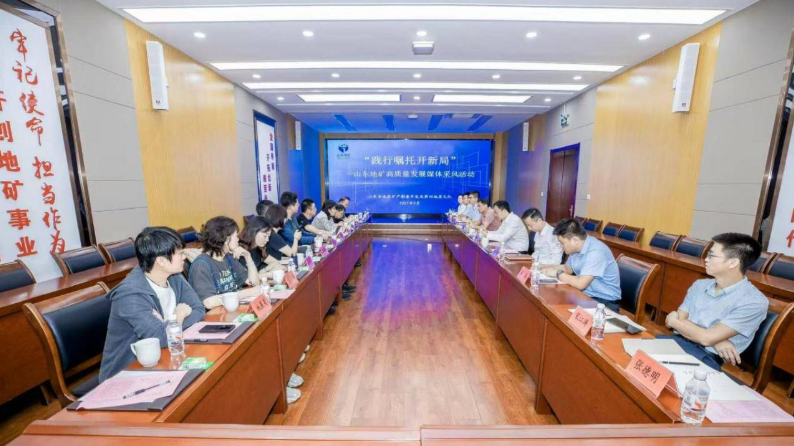
Core Insights - The article highlights the significant achievements of the Shandong Provincial Geological Bureau's Fourth Geological Team in advancing geological work to ensure national energy resource security and support local development [1][12] - The team has successfully completed its mineral exploration goals ahead of schedule, contributing to resource safety in Shandong [1] Group 1: Geological Work and Innovations - The Fourth Geological Team has established a high-quality development model for geological work in coastal areas, leveraging advanced technology and data operations to enhance service delivery [2] - The establishment of the High-Resolution Earth Observation System in Weifang has positioned the team as a leader in data analysis and application, contributing to various sectors including natural resources and ecological protection [4] - The team has developed a "Cultural Relics + Remote Sensing" monitoring model, enabling regular oversight of significant cultural heritage sites, thus enhancing the protection of cultural assets [6] Group 2: Coastal Resource Management - The team has initiated the "Laizhou Bay Coastal Resource and Environmental Comprehensive Observation Experimental Zone," addressing the challenges of resource development and ecological protection in a sensitive marine area [7] - The experimental zone aims to integrate various technologies for comprehensive monitoring and service capabilities, supporting local government initiatives in urban planning and ecological restoration [7] Group 3: Resource Monitoring and Protection - The Fourth Geological Team has implemented a dual-track model for the development and protection of underground brine resources, establishing a high-precision monitoring network to manage resource dynamics effectively [11] - This monitoring network is crucial for preventing ecological issues such as seawater intrusion and soil salinization, ensuring sustainable use of brine resources for local industries [11] Group 4: Commitment to National and Local Development - The Fourth Geological Team emphasizes its commitment to national resource security and local ecological development, positioning itself as an essential force in addressing practical geological challenges [12] - The team aims to transform geological work from a background role to a forefront position, integrating its mission into every aspect of its operations [12]
新能源汽车城市发展论坛举行
Hai Nan Ri Bao· 2025-09-29 01:00
Group 1 - The forum on "New Energy Vehicle Urban Development" was held in Haikou, focusing on the theme of "New Energy Vehicles and Zero Carbon Infrastructure" [2] - The event gathered policymakers, industry planners, experts from research institutions, industry organization leaders, and entrepreneurs to discuss the construction of zero-carbon cities, parks, factories, and transportation systems [2] - Participants emphasized that the promotion and application of new energy vehicles are crucial for urban zero-carbon transformation, significantly reducing carbon emissions in the transportation sector and driving the development of related industrial chains [2] Group 2 - Discussions at the forum included enhancing policy guidance, technological innovation, market-driven approaches, and international cooperation to accelerate the iteration and upgrade of new energy vehicle technologies [2] - Haikou and Sanya shared their experiences in promoting low-carbon development and integrating smart energy with zero-carbon infrastructure [2]
人行张蓓:转型金融试点贷款破600亿,精准滴灌城市发展
2 1 Shi Ji Jing Ji Bao Dao· 2025-09-25 01:30
Core Viewpoint - China's green finance has undergone significant development over the past decade, evolving from non-existence to a comprehensive system that supports the green and low-carbon transformation of the economy [1] Group 1: Green Finance Support Projects - The People's Bank of China, in collaboration with financial regulatory authorities, released the "Green Finance Support Project Directory" in June 2025, which standardizes various financial products and covers the entire production-consumption chain [2] - The 2025 version of the directory introduces a new primary classification for green consumption, focusing on supporting low-carbon products such as green vehicles and low-carbon buildings [2] - The directory expands green trade classifications to include seven key areas, providing clear guidance for financial institutions to support green trade and promote the greening of industrial and value chains [2] - The directory aligns with the needs of green low-carbon transformation industries by excluding fossil fuel-related content and marking low-carbon economic activities with carbon reduction benefits [2] Group 2: Implementation and Development of Transition Finance - Transition finance plays a crucial role in supporting the upgrade of traditional industries, with pilot standards for key sectors like steel, coal, electricity, and agriculture being tested in select regions [4] - Financial institutions are developing a variety of transition finance products, such as sustainable development-linked loans, which tie financing costs to transition performance, effectively incentivizing companies to reduce emissions [4] - The quality of information disclosure by transition entities has significantly improved, with clear requirements for transition planning and sustainable information disclosure [4] - Incentive measures are being enhanced, with pilot programs in Shanghai incorporating eligible transition loans into carbon reduction support tools [4] Group 3: Biodiversity Finance - The People's Bank of China has initiated the trial of the "Biodiversity Finance Directory," emphasizing the importance of biodiversity for human survival and development [7] - The directory aligns with international standards while considering China's specific context, incorporating various biodiversity activities and ensuring a balance between ecological protection and economic development [8][9] - The directory establishes a comprehensive standard system that combines directory-style and principle-based approaches, including a negative list of prohibited activities to ensure ecological protection [10] - The directory outlines six fundamental principles for biodiversity economic activities, including the principle of not causing significant harm and the principle of transparency and verification [11]
景俊美:文化科技融合赋能城市发展
Jing Ji Ri Bao· 2025-09-25 00:07
Group 1 - The 2025 Beijing Cultural Forum emphasizes the integration of culture and technology, marking a new phase in Beijing's cultural development and exploring deeper connections between culture and urban growth [1][3] - The forum introduces innovative formats, including the establishment of a permanent "Beijing Cultural Forum Salon" at 17 historical cultural sites, transforming them into ongoing cultural exchange spaces [1][2] - The forum's theme reflects a strong focus on cultural and technological integration, highlighting Beijing's dual role as a cultural and technological innovation center [3][4] Group 2 - The cultural industry is becoming a significant pillar of Beijing's economic development, with a reported revenue of 20,951.5 billion yuan in 2024, representing a 7.6% year-on-year growth [4] - The forum's activities, such as the Cultural Industry Investors Conference, aim to promote resource integration and innovative collaboration in the cultural and technological sectors [4] - The successful hosting of the forum signifies a new step in the integration of cultural construction and urban development in Beijing, fostering a new urban development ecology that blends tradition with modernity and technology with humanity [4]
文化科技融合赋能城市发展
Jing Ji Ri Bao· 2025-09-24 23:34
Group 1 - The 2025 Beijing Cultural Forum emphasizes the integration of culture and technology, marking a new phase in Beijing's cultural development and exploring new paths for the deep integration of culture and urban development [1][3] - The forum introduces innovative formats, including the establishment of a permanent "Beijing Cultural Forum Salon" at 17 historical cultural sites, transforming them into regular cultural exchange spaces [1][2] - The forum's theme reflects a strong focus on the fusion of culture and technology, highlighting Beijing's dual positioning as a national cultural center and a technology innovation hub [3][4] Group 2 - The cultural industry has become a significant pillar of Beijing's economic development, with the core cultural sector achieving revenues of 20,951.5 billion yuan in 2024, a year-on-year increase of 7.6% [4] - The forum's activities, such as the Cultural Industry Investors Conference, aim to promote resource integration and innovative cooperation in the cultural and technology sectors [4] - The successful hosting of the 2025 Beijing Cultural Forum signifies a new step in the integration of cultural construction and urban development, showcasing the city's commitment to building a new ecological model of development that blends tradition with modernity and technology with humanity [4]
3 Singapore Blue-Chips That Could Benefit From Interest Rate Cuts
The Smart Investor· 2025-09-24 23:30
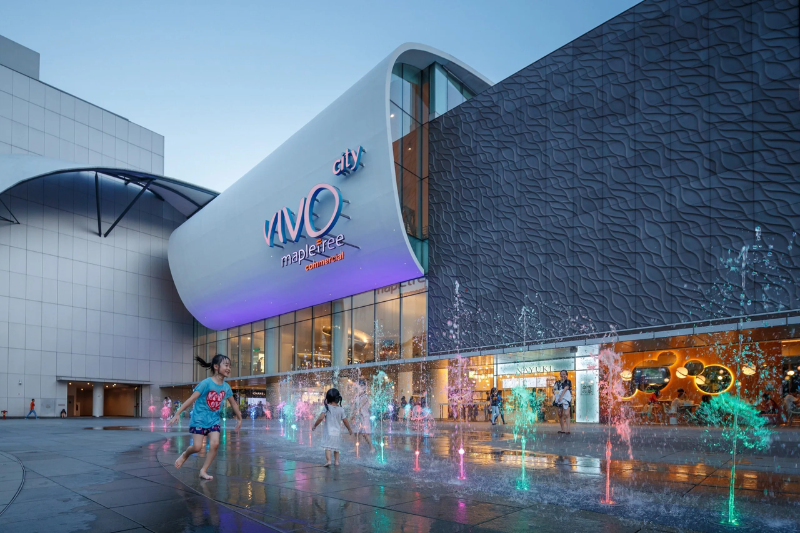
Economic Context - The US Federal Reserve lowered interest rates by 0.25 percentage points, establishing a new target range of 4% to 4.25% [1] - The Fed is anticipated to continue lowering rates through the end of 2025, indicating a shift in the global interest rate cycle [1] Frasers Logistics & Commercial Trust (FLCT) - FLCT's distribution per unit (DPU) fell by 13.8% year on year to S$0.03 in the first half of fiscal year ending 30 September 2025 due to high borrowing costs [3] - Lower interest rates are expected to reduce FLCT's financing expenses and stabilize its DPU [3] - FLCT's gearing ratio was 36.8% as of 30 June 2025, well below the regulatory threshold of 50%, providing room for future acquisitions [4] - The trust's logistical and industrial assets have a weighted average lease expiration (WALE) of 4.6 years and a 96.7% occupancy rate [4] - FLCT's portfolio occupancy rate decreased by 1.4 percentage points quarter-on-quarter to 92.5%, but is expected to improve following the divestment of underperforming assets [5] Mapletree Pan Asia Commercial Trust (MPACT) - MPACT, formed through the merger of Mapletree Commercial Trust and Mapletree North Asia Commercial Trust, has a diversified asset base across multiple countries [6] - MPACT's DPU fell by 3.8% year on year to $0.0201 in the first quarter of fiscal year 2025/2026 due to negative rental reversions in its overseas portfolios [7] - The trust has a manageable gearing ratio of 37.9% as of 30 June 2025, which helps mitigate financing cost sensitivity [7] - MPACT achieved an overall portfolio rental reversion of 1.4%, with VivoCity in Singapore showing a 14.7% uplift [7][8] - However, overseas markets faced challenges, with rental reversions declining by 19.4% in China and 7.9% in Hong Kong [8] City Developments Limited (CDL) - CDL is one of Singapore's largest property developers, with a diversified portfolio across residential, commercial, and hotel sectors [9] - Lower interest rates are expected to enhance mortgage affordability and boost property demand, benefiting CDL's hotel segment amid a global travel recovery [9] - CDL's revenue for the first half of 2025 increased by 8% year on year to $1.68 billion, driven by strong property development performance [10] - The company reported a 10% year-on-year decline in profit before tax to S$139.9 million due to net foreign exchange losses and reduced divestment gains [10] - CDL maintained a strong capital position with cash reserves of S$1.8 billion and total cash and undrawn committed bank facilities of S$3.5 billion [11] - The Singapore office portfolio achieved a committed occupancy of 97%, outperforming the island-wide rate of 88.6% [11] - The retail portfolio also performed well with 97% occupancy and a 12.8% rental reversion [12] - A special interim dividend of $0.03 per share was declared for 1H2025, reflecting a commitment to shareholder returns [12] Investment Implications - Interest rate cuts are expected to provide significant benefits for Singapore REITs and property developers, particularly those with higher gearing levels [13] - Lower borrowing costs will enhance distributable income and support higher asset valuations as cap rates compress [13] - Investors are advised to focus on companies with strong occupancy rates, quality assets in prime locations, and reputable sponsors [14] - Companies that combine operational excellence with strategic leverage will be well-positioned to capitalize on declining rates [14] - Singapore blue-chips such as FLCT, MPACT, and CDL are expected to see meaningful gains from lower financing costs and stronger valuations [15]
太白湖新区跻身山东绿色低碳试点,为城市发展注入“绿色引擎”
Qi Lu Wan Bao Wang· 2025-09-24 09:53
Core Viewpoint - The Taibai Lake New District in Shandong Province has been recognized as a pilot green low-carbon city, marking a significant achievement in its green development efforts and setting a benchmark for the city's low-carbon construction initiatives [1][3]. Group 1: Green Development Strategy - The Taibai Lake New District emphasizes planning and top-level design, integrating green low-carbon concepts into urban development strategies based on the "Jining Land and Space Planning" [3]. - A "1+N" planning system has been established to clarify green development directions across multiple sectors, including energy, industry, transportation, and construction [3]. - The district has implemented supportive policies in land, planning, approval, and funding to facilitate pilot construction [3]. Group 2: Achievements in Low-Carbon Development - The district has made significant progress towards its "dual carbon" goals, promoting energy-efficient buildings and renewable energy utilization [3]. - Notable projects include the Jining Cultural and Technological Integration Innovation Center and the Public Health Traditional Chinese Medicine Center, with a total of approximately 266.3 million square meters of renewable energy application projects constructed [3]. - All new residential buildings in the district adhere to green building standards, with the Hongshun Guandi residential community achieving a two-star design and operational certification [3][5]. Group 3: Future Plans and Initiatives - The district has developed detailed implementation plans and annual goals to promote high-quality green low-carbon building development [5]. - Strict adherence to green building standards is enforced, with government investment projects required to meet high-star standards [5]. - Future efforts will focus on deepening green low-carbon development, advancing construction tasks, and providing replicable experiences for the city's green low-carbon urban construction [5].
13栋楼宇年税收破亿,奎文楼宇经济如何成为城市发展的新引擎?
Qi Lu Wan Bao Wang· 2025-09-23 03:35
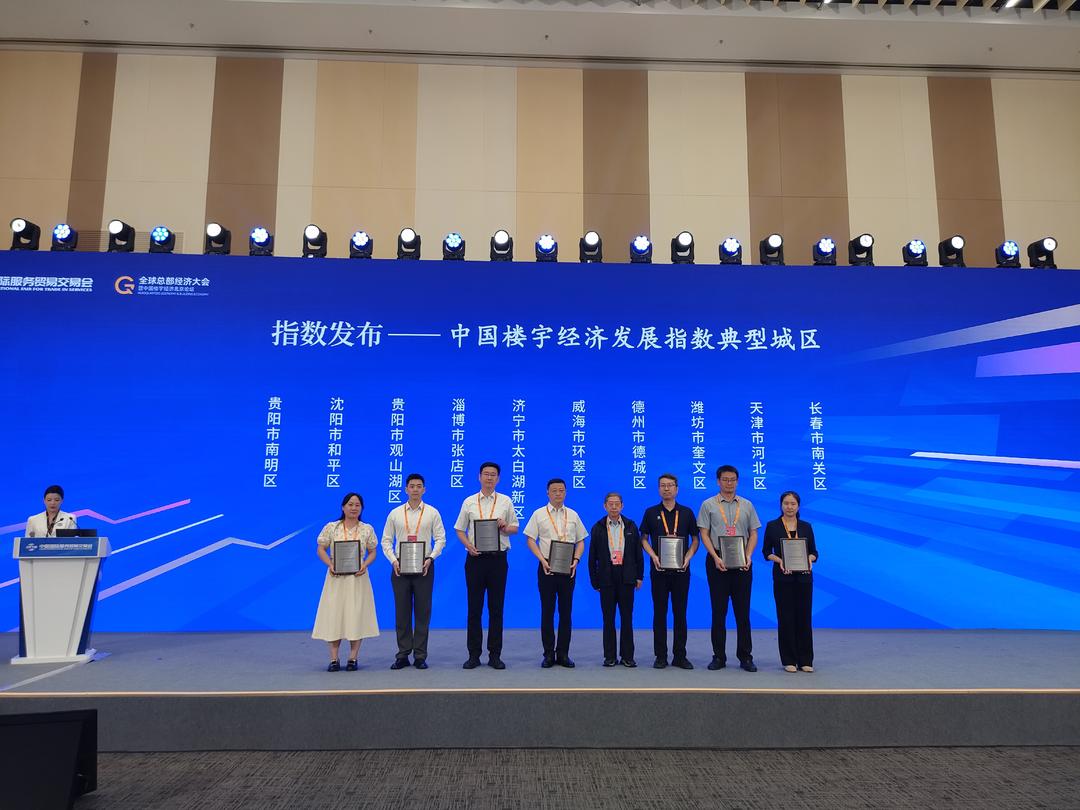
Core Insights - The article highlights the recognition of Kuiwen District as a model for the development of the building economy in China, showcasing its innovative practices and achievements in enhancing economic vitality through building operations and enterprise services [1][4]. Group 1: Building Economy Development - Kuiwen District has been awarded the title of "Typical District for Building Economy Development Index" and has implemented practices that have been included in the "Research Report on High-Quality Urban Development" [1]. - The district has established 117 commercial buildings with over 9,300 enterprises, contributing more than 60% of the total tax revenue from the building economy [1][4]. - The building economy has become a dual model for headquarters and building economy development in Weifang City, with 26 buildings generating over 50 million yuan in annual tax revenue and 13 exceeding 100 million yuan [1]. Group 2: Innovative Mechanisms - The government has shifted from a "government-led" approach to a "multi-party co-governance" model, actively engaging with enterprises and building operators to create a collaborative development ecosystem [3]. - A building economic development service center has been established, along with 8 street operation teams and 47 joint operation teams, to enhance service delivery and support for enterprises [3][4]. - Various activities have been organized to address enterprise needs, including 28 promotional events and 174 service delivery sessions, benefiting over 4,000 enterprises [3]. Group 3: Industry Cultivation - The district has formed the Weifang Building Economic Development Alliance, promoting collaboration among key building operators and industry-leading enterprises [4]. - Specialized associations have been established in various sectors, such as animation, pet industry, and e-commerce, fostering industry cooperation and resource sharing [4]. - The electronic commerce association has secured a 3% discount on express delivery for local e-commerce enterprises, demonstrating the benefits of industry collaboration [4]. Group 4: Operational Innovation - The "6+3" building operation model has been introduced, transforming buildings from mere office spaces into vibrant industrial communities [6][12]. - Internal communication among enterprises within buildings has been enhanced through organized activities, creating a "familiar social circle" that promotes mutual cooperation [7]. - A comprehensive service manual has been developed to assist enterprises with various business and lifestyle needs, optimizing the business environment [8]. Group 5: Brand Development - The district has launched the first provincial brand identifier in the building economy sector, "Building Economy Looks at Kuiwen," aimed at enhancing regional influence and attracting more enterprises [11]. - The establishment of a digital platform for building economic development has improved transparency and service efficiency, facilitating better enterprise engagement [10]. - Recognition at the national level, including titles such as "Top Ten Vibrant Districts for Building Economy," underscores the district's commitment to building a strong brand in the sector [11].