
CDL(CDEVY)

Search documents
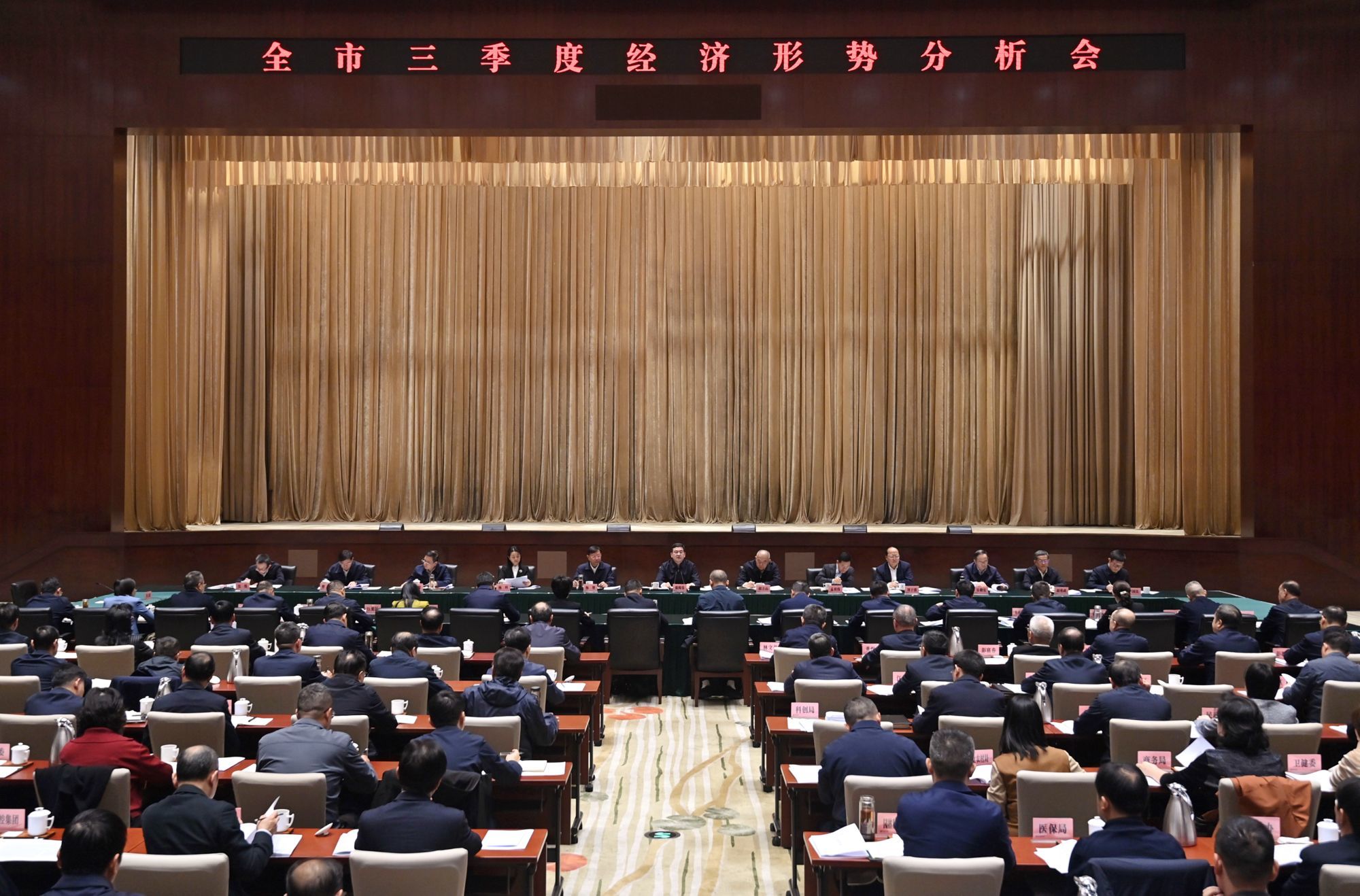
全市三季度经济形势分析会举行,以城市发展方式转变带动经济发展方式转变,全面完成全年经济社会发展目标任务,盛阅春主持并讲话
Chang Jiang Ri Bao· 2025-10-23 13:04
Core Insights - The meeting emphasized the importance of implementing Xi Jinping's important speech during his inspection of Hubei, focusing on economic development and urban transformation to achieve the goals set for the year [1][4][5] Economic Performance - The city has maintained a stable and positive economic trend in the first three quarters, with efforts directed towards high-quality development, steady growth, technological advancement, and risk prevention [2][3] - The local government aims to ensure the completion of annual economic and social development targets, particularly in the fourth quarter [6] Urban Development Strategy - The city is in a critical period of urban transformation and is expected to leverage multiple strategic opportunities to enhance its status and functions [4][5] - The focus is on urban renewal and high-quality development, with specific initiatives targeting the renovation of old buildings, neighborhoods, and industrial areas [5][6] Policy and Governance - The local government is committed to optimizing the business environment and enhancing governance mechanisms to support economic recovery and growth [6][7] - There is a strong emphasis on collaboration among various departments to address key issues and ensure a coordinated approach to urban development [5][6] Leadership and Commitment - Local leaders are encouraged to adopt a proactive and ambitious mindset, focusing on the broader national and provincial context while driving local initiatives [7] - The meeting highlighted the need for a long-term vision and sustained efforts to build a modernized Wuhan and achieve the "Five Centers" goal [7]


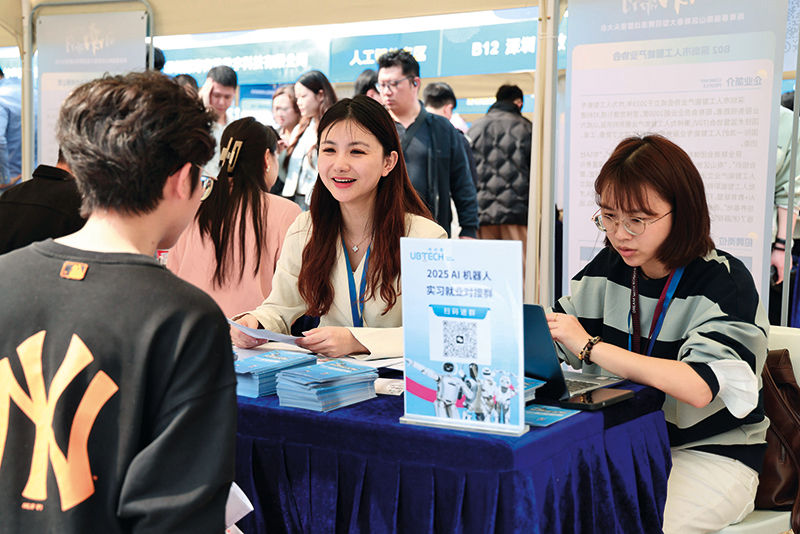
糖酒会+南京的创新实践,激活行业与城市发展新动能
Zhong Guo Jing Ji Wang· 2025-10-23 07:13
Core Insights - The 113th National Sugar and Wine Products Trade Fair, held in Nanjing from October 16 to 18, introduced the "Autumn Sugar Season" concept, integrating high-quality exhibitions with city resources to create a new model of "exhibition +". This event showcased the value of exhibitions as industry indicators and boosters, successfully merging professional exhibitions with urban development [1][2]. Group 1: Model Innovation - The "Autumn Sugar Season" featured a "7+70+700" activity matrix, including 7 themed events across key Nanjing landmarks, over 70 participating dining brands, and more than 700 consumer scenarios, driving a significant boost in local consumption [2]. - The series of events attracted over 10 million participants and generated direct economic benefits of 10.6816 billion yuan. Hotel occupancy rates reached 92%, with a year-on-year increase of 29.47% in the accommodation sector during the event period [2]. Group 2: Content Innovation - The trade fair focused on industry pain points and trends, establishing a comprehensive empowerment system that emphasized innovation, health, specialty, and technology. It featured dedicated zones for smart manufacturing and health food, promoting the integration of industry upgrades and technology [3]. - The event also included a new channel selection conference, attracting over 1,000 exhibitors and establishing a nationwide procurement network, with 75% of professional attendees coming from outside Jiangsu province [3]. Group 3: Service Innovation - Nanjing's exhibition services were enhanced through a "smart service system" that integrated online and offline experiences, facilitating a seamless business process from pre-event appointments to post-event follow-ups. The digital platform recorded 279,100 visits [3][4]. - The event implemented green practices, achieving full green electricity coverage for the exhibition area and promoting low-carbon operations, setting a benchmark for sustainable development in the exhibition industry [4]. Group 4: Overall Impact - The trade fair attracted 4,027 exhibitors from over 40 countries, showcasing more than 300,000 products and drawing over 400,000 professional visitors, with a customer satisfaction rate of 96.5% [4]. - Over 30 high-profile forums were held, focusing on cutting-edge topics such as AI smart manufacturing, injecting new momentum into the industry [4].
广东南山:创新生态驱动城市发展
2 1 Shi Ji Jing Ji Bao Dao· 2025-10-23 05:23
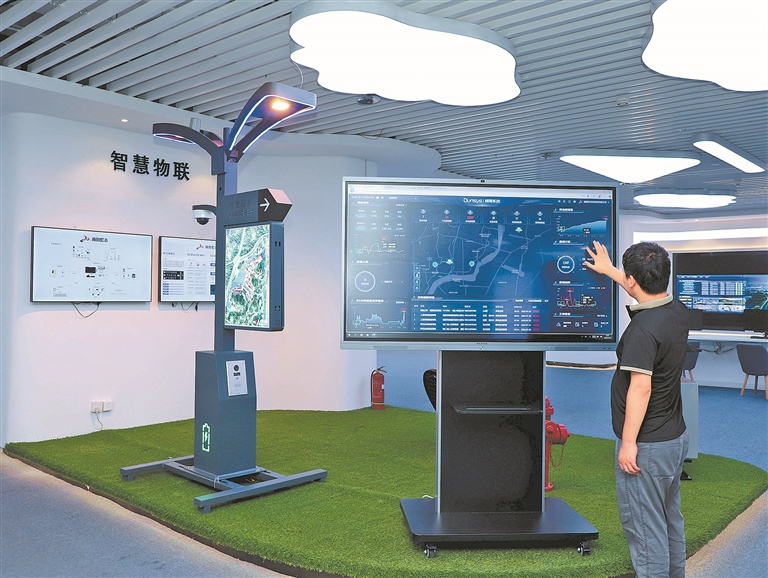
Core Insights - Nanshan District in Shenzhen is emerging as a leading innovation hub, with 218 listed companies and over 5,500 national high-tech enterprises by October 2025, showcasing a robust innovation ecosystem [1][3]. Group 1: Innovation Ecosystem - The innovation vitality in Nanshan stems from respect for market rules and careful cultivation of the innovation ecosystem, featuring major players like Tencent and DJI alongside numerous innovative SMEs [2]. - Nanshan has implemented supportive policies since 2013, including the "Six Actions to Support Innovation and Entrepreneurship" plan, which provides financial, spatial, and application scenario incentives to stimulate entrepreneurial activity [3][4]. - The region boasts an impressive patent ownership rate, with 826 invention patents per 10,000 people, which is 23 times the national average [3]. Group 2: Policy and Financial Support - Nanshan's policy approach encourages market-driven innovation without strictly defining industries, leading to the emergence of key sectors such as fintech, robotics, and logistics, as well as new fields like semiconductors and artificial intelligence [4]. - A strategic direct investment seed fund and angel fund totaling 500 million yuan have been established to support startups in AI and robotics, allowing for a high-risk tolerance in funding [4]. Group 3: Talent Attraction and Development - Nanshan has developed a talent-centric environment, providing various support measures for young professionals, including rent-free housing for recent graduates and affordable industrial research spaces [6][7]. - The district has a talent pool of 1.2 million, with high-level talents constituting over 50% of the total, fostering collaboration and innovation across different sectors [7]. Group 4: Global Integration - Nanshan is positioning itself as a global innovation resource hub, with the establishment of the Global Service Center to assist companies in international expansion and facilitate cross-border collaborations [9]. - The district's enterprises, such as ZTE and DJI, have successfully penetrated international markets, demonstrating the effectiveness of its global outreach strategies [9][10]. Group 5: Industry Collaboration - The integration of academia and industry in Nanshan has created a robust innovation ecosystem, with partnerships between leading companies and universities enhancing technology transfer and collaborative research [10]. - The presence of major enterprises and research institutions has established Nanshan as a global center for the robotics industry, showcasing the importance of diverse business models and sustainable growth [10].
城市更新或成为“十五五”城市发展重要抓手,各项政策机制有望加快建立
3 6 Ke· 2025-10-23 03:05
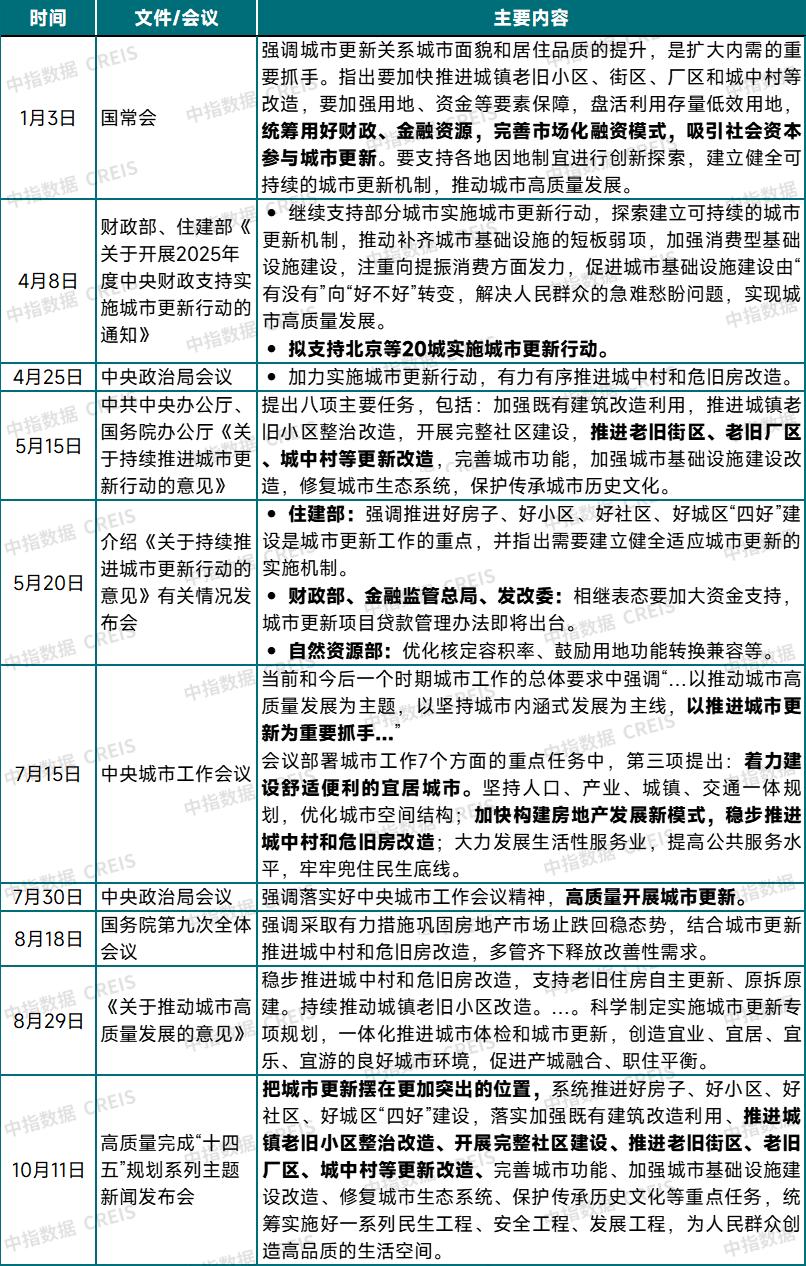
政策回顾:今年以来中央多次会议强调城市更新,5月纲领性文件落地,7月 中央城市工作会议定调城市工作要以推进更新为重要抓手 表:今年以来中央关于城市更新相关提法 | 时间 | 文件/会议 | 主要内容 | | --- | --- | --- | | 1月3日 | 国常会 | 强调城市更新关系城市面貌和居住品质的提升,是扩大内需的重 要抓手。指出要加快推进城镇老旧小区、街区、厂区和城中村等 | | | | 改造,要加强用地、资金等要素保障,盘活利用存量低效用地, | | | | 统筹用好财政、金融资源、完善市场化融资模式,吸引社会资本 | | | | 参与城市更新。要支持各地因地制宜进行创新探索,建立健全可 | | | | 持续的城市更新机制,推动城市高质量发展。 | | 4月8日 | 财政部、住建部《 关于开展2025年 | ● 继续支持部分城市实施城市更新行动,探索建立可持续的城市 | | | | 更新机制,推动补齐城市基础设施的短板弱项,加强消费型基础 | | | | 设施建设,注重向提振消费方面发力,促进城市基础设施建设由 | | | 度中央财政支持实 | 有没有"向"好不好"转变,解决人民群众的急难愁盼 ...
加快新型城镇化建设 推动城市发展能级跃升 ——访省发展改革委党组书记、主任马健
He Nan Ri Bao· 2025-10-18 00:29
Core Insights - The province has achieved a significant increase in urbanization rate, rising from 55.43% in 2020 to 59.22% in 2024, with an addition of 2.87 million urban residents and 38 new cities since the start of the 14th Five-Year Plan [1] - The provincial government is committed to high-quality urban development and has implemented various plans to enhance urbanization and city development [1] Group 1: Urbanization Strategy - The province is implementing a people-centered new urbanization strategy, prioritizing high-quality urban development in its urbanization efforts [1] - The 14th Five-Year Plan has successfully met urbanization rate targets, with ongoing efforts to optimize urban development patterns and integrate into the national market [1] Group 2: Modern Urban Circles - The focus is on building modern urban circles through enhanced transportation, industry, culture, city governance, and collaboration among cities [2] - The province aims to strengthen the comprehensive strength and regional influence of the Zhengzhou urban circle, promoting coordinated development with surrounding cities [2] Group 3: Town Development Potential - The province has established 20 new-type urbanization pilot counties and identified 84 potential counties, with nearly 70% showing urbanization rate growth above the provincial average [2] - Future efforts will include supporting infrastructure development, industrial transfer, and collaborative projects to accelerate industrial upgrades and population concentration in potential areas [2] Group 4: Urban Development Projects - The province plans to initiate key urban renewal projects, including underground pipeline upgrades and the renovation of old urban areas and shantytowns, while seeking additional funding [2] - There is a strong emphasis on investing in human capital, focusing on the urbanization of agricultural migrants and improving education, healthcare, and elderly care services to enhance urban livability [2]
加快新型城镇化建设 推动城市发展能级跃升——访省发展改革委党组书记、主任马健
He Nan Ri Bao· 2025-10-17 23:16
Core Insights - The province has achieved a significant increase in urbanization rate, rising from 55.43% in 2020 to 59.22% in 2024, with an addition of 2.87 million urban residents and 38 new cities since the start of the 14th Five-Year Plan [1] Group 1: Urbanization Strategy - The province is implementing a people-centered new urbanization strategy, prioritizing high-quality urban development in urbanization construction [1] - Various plans have been introduced, including new urbanization construction and Zhengzhou metropolitan area development, to ensure the successful achievement of urbanization rate targets set in the 14th Five-Year Plan [1] Group 2: Metropolitan Area Development - The focus is on enhancing the comprehensive strength, core competitiveness, and regional influence of the Zhengzhou metropolitan area, promoting coordinated development with surrounding cities [2] - The province aims to strengthen urban integration and collaboration among cities within the metropolitan area, facilitating cross-regional administrative processes [2] Group 3: Town Development Potential - The province has cultivated 20 new-type urbanization pilot counties and identified 84 potential counties, with nearly 70% showing urbanization rate growth above the provincial average [2] - Future efforts will include supporting infrastructure development, industrial transfer, and collaborative projects to accelerate industrial upgrades and population concentration in potential areas [2] Group 4: Urban Development Projects - The province plans to initiate more key urban renewal projects, including the renovation of underground pipelines and old urban communities, while seeking additional funding support [2] - There will be a focus on investing in human capital, particularly in education, healthcare, and elderly care, to enhance urban livability and overall capacity [2]
看!河南如何为城市发展探出新路
He Nan Ri Bao· 2025-10-17 23:16
Core Insights - The article discusses the transformation of urbanization in China over the past 40 years, highlighting the shift from rural to urban living and the implications for economic development and social change in regions like Henan [1][3]. Urban Development and Economic Growth - Approximately two-thirds of China's population now resides in urban areas, reflecting significant changes in living conditions and economic dynamics [1]. - Since the start of the 14th Five-Year Plan, Henan has added 2.87 million urban residents, bringing the total number of cities in the province to 38, with Zhengzhou emerging as a major urban center [3][5]. - The economic output of the Zhengzhou metropolitan area is projected to reach 2.53 trillion yuan in 2024, accounting for 39.7% of the province's total economic output [3]. Challenges and Strategic Shifts - Rapid urban growth has led to challenges such as environmental pollution, traffic congestion, and diverse public demands, necessitating a shift in urban development focus from quantity to quality [4]. - The Central Urban Work Conference has emphasized a strategic pivot in urban development, urging local governments to adapt their approaches to align with evolving circumstances [4]. Development Framework and Regional Strategy - Henan aims to establish a differentiated urban development strategy, avoiding a "one-size-fits-all" approach by leveraging its unique geographical and resource characteristics [5]. - The proposed development framework includes a primary city (Zhengzhou), two secondary cities (Luoyang and Nanyang), and a coordinated urban system that supports both large and small cities [5][6]. Innovation and Infrastructure - Nanyang is enhancing its economic landscape by fostering innovation among various business entities and improving its logistics network, which has seen a significant increase in A-level logistics companies [6]. - The region's GDP reached 238.98 billion yuan in the first half of the year, reflecting a year-on-year growth of 6.3% [6]. Sustainable Urban Development - The article emphasizes the need for urban development to be more sustainable and people-centered, focusing on improving public services, infrastructure, and community engagement [8]. - Initiatives include promoting smart living environments, enhancing urban safety, and creating world-class tourist destinations in cities like Zhengzhou, Kaifeng, Luoyang, and Anyang [8].
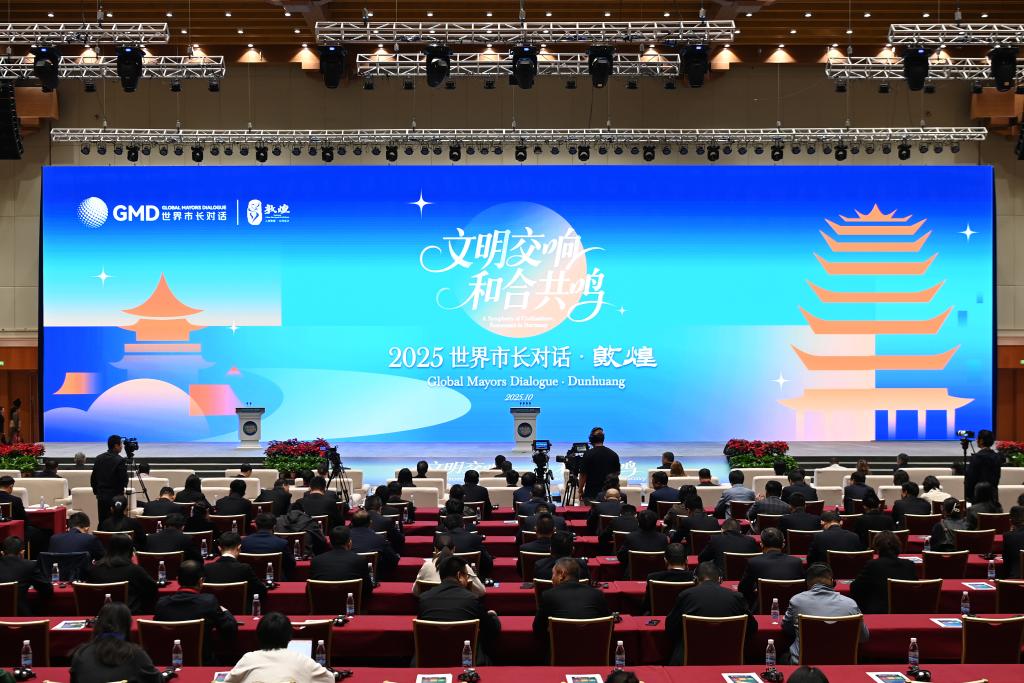
“敦煌之约”:全球智慧共谋文化城市发展
Xin Hua Wang· 2025-10-13 23:08
Core Insights - The "World Mayors Dialogue in Dunhuang" event emphasizes the importance of cultural city governance and the sustainable development of cultural heritage, with participation from mayors and representatives from 10 countries [2][3] - The dialogue aims to explore effective paths for sustainable cultural city development amidst global challenges, highlighting the need for international cooperation [2][3] Group 1: Cultural Heritage and Urban Development - Dunhuang, historically a hub for trade and cultural exchange, is now focusing on balancing cultural heritage protection with urban development [2][3] - The event featured discussions on the challenges and opportunities in cultural city governance, with a strong emphasis on the preservation of cultural heritage [3][4] Group 2: International Collaboration - Representatives from various countries shared their experiences in cultural heritage protection and sustainable urban development, indicating a mutual interest in learning from each other [3][4] - The dialogue serves as a platform for deepening practical cooperation between cities, addressing global development challenges through shared cultural values [2][3] Group 3: Dunhuang's Cultural Initiatives - Dunhuang is actively promoting cultural heritage protection and the development of cultural arts, aiming for a dual enhancement of cultural resources and urban quality [4][5] - The city has successfully integrated its rich cultural heritage into modern urban life, showcasing a harmonious coexistence of tradition and contemporary culture [5][6] Group 4: Cultural Exchange Events - Dunhuang has hosted the Silk Road (Dunhuang) International Cultural Expo, attracting over 6,000 participants from more than 130 countries, highlighting its role as a cultural exchange platform [6] - The city has also initiated the "Dunhuang Cultural Global Connection" activities, promoting Dunhuang's art and culture in various countries [6]
淄博|以河湖之变激活城市发展新动能
Da Zhong Ri Bao· 2025-10-13 00:49
Core Viewpoint - The article highlights the significant transformation of rivers and lakes in Zibo, which injects new vitality into urban development through effective ecological governance and tourism enhancement [2][4][10]. Group 1: Ecological Governance Achievements - Zibo has successfully implemented river and lake governance, resulting in improved ecological conditions and enhanced urban landscapes, exemplified by the transformation of Honglian Lake and Matia Lake [4][6]. - The governance approach includes controlling pollution sources, reducing emissions, and promoting ecological protection, leading to a resurgence of local ecosystems and increased tourism [4][6]. Group 2: Economic and Social Impact - The improved ecological environment has positively impacted residents' quality of life and created economic value, demonstrating a win-win situation between ecological and economic benefits [6]. - The establishment of cultural and economic hubs, such as the Xi Culture Town, has fostered local employment and income growth, benefiting over 200 individuals and generating an additional 2 million yuan [6]. Group 3: Policy Support and Future Plans - The city has implemented a comprehensive river and lake governance strategy, with a goal to establish over 75 provincial-level happy rivers and lakes by the end of 2030, benefiting more than 1,000 villages [9]. - Recent policies, including the "Ten Thousand Villages and Thousand Rivers" initiative, aim to enhance the quality and scope of happy river and lake construction, reflecting the city's commitment to ecological improvement [9].
自然资源部:我国城市发展进入“存量时代”,不再大拆大建
Huan Qiu Wang· 2025-10-11 04:19
Group 1 - The core viewpoint of the articles emphasizes that urban development in China is transitioning from large-scale construction to optimizing existing urban spaces, focusing on high-quality urban renewal as a key task for future land use planning [1][2] - The Ministry of Natural Resources has released guidelines indicating that revitalizing existing urban spaces will be a significant task in national land space planning, marking a shift towards utilizing existing land effectively rather than extensive demolition and construction [1] - Central urban work meetings have highlighted that urbanization in China is moving from a rapid growth phase to a stable development phase, with a focus on improving the quality of existing urban spaces and promoting urban renewal projects [1][2] Group 2 - Companies with strong development capabilities, rich experience in primary and secondary market interactions, and a presence in core cities are expected to play a significant role in high-quality urban renewal efforts [1] - Urban renewal is not entirely devoid of demolition and construction; it includes a combination of demolition and new construction, as seen in various projects in Shanghai [2] - Challenges in urban renewal include obtaining consent from residents for modifications, securing funding sources, and ensuring financial balance, which often leads to extended project timelines [2]
