Costco(COST)

Search documents
知名品牌被曝发霉,“气味刺鼻”!多地门店紧急下架
凤凰网财经· 2025-07-27 12:59
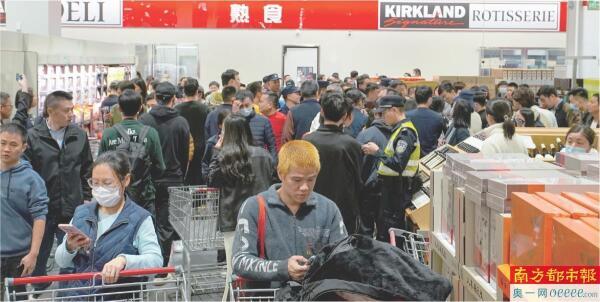
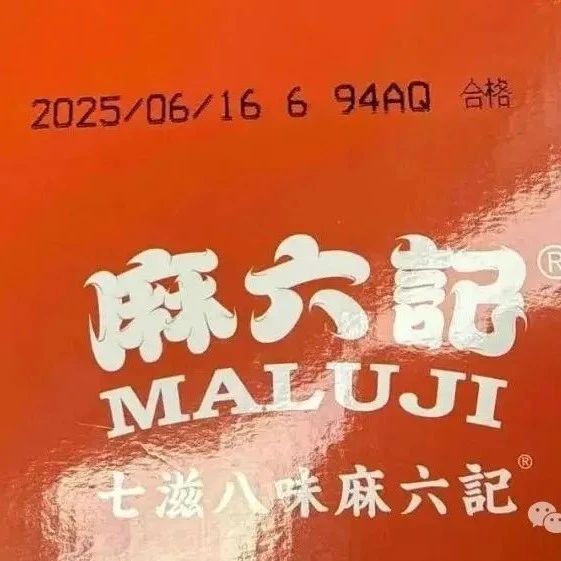
Core Viewpoint - Costco has removed the "Ma Liu Ji" spicy sour noodles from multiple locations due to quality control issues, following customer complaints about moldy products [1][2][3]. Group 1: Customer Complaints - Customers in cities like Shenzhen, Shanghai, and Ningbo reported purchasing moldy "Ma Liu Ji" spicy sour noodles from Costco, with one customer sharing images of the product showing signs of mold [3][4]. - A specific case involved a customer who bought a box of "Ma Liu Ji" spicy sour noodles for 65.9 yuan, which contained eight packets, leading to an estimated price of over 8 yuan per packet [3]. - Another customer in Ningbo also reported similar issues with the product purchased for 49.9 yuan, with the same production date and visible mold [6]. Group 2: Company Response - A representative from Costco stated that the product was removed after a routine quality inspection revealed quality fluctuations, and there is currently no timeline for its return [2]. - Attempts to contact "Ma Liu Ji" and its CEO for comments on the situation were unsuccessful [9]. Group 3: Company Background - "Ma Liu Ji" was established in 2020 and has three associated companies, with "Shi Tong Da" responsible for the operation of the instant food segment, including the spicy sour noodles [7]. - The spicy sour noodles are primarily produced by a third-party manufacturer, A Kuan Food [7]. - The product was officially introduced to Costco in January 2025 [8].


A Case Study In Special Dividends
Seeking Alpha· 2025-07-26 07:45
Group 1 - Infrastructure Capital Advisors is a leading provider of investment management solutions for income-focused investors [1] - Jay Hatfield serves as CEO and CIO, and is the lead portfolio manager for multiple ETFs including InfraCap Small Cap Income ETF (NYSE: SCAP) and InfraCap Equity Income Fund ETF (NYSE: ICAP) [1] - The company frequently appears in major financial media outlets such as Fox Business, CNBC, and Bloomberg Radio/TV [1] Group 2 - Infrastructure Capital publishes a monthly market and economic report, quarterly commentaries, and various research materials [1] - The company hosts a monthly webinar and participates in industry conferences to provide educational resources for investors [1]
Best Stock to Buy Right Now: Apple vs. Costco Wholesale
The Motley Fool· 2025-07-25 21:23
Core Insights - Apple and Costco have generated similar investment returns over the past decade, becoming two of the world's largest companies by market cap [1] - Both companies are expected to continue being long-term winners, but investors should be cautious about the price at which they buy [2] Company Overview - Apple is a leading smartphone and personal electronics company with over 2.35 billion active iOS users globally, while Costco is a membership-only warehouse retailer with a diverse range of goods [4] - Both companies have established core businesses but are experiencing slower growth rates; Apple is expanding its user base and subscription services, with service revenue reaching nearly $53 billion in the first half of the year, up 12.7% year over year [5] - Costco's growth is driven by membership increases, with paid memberships rising by 6.8% year over year to 79.6 million; membership dues are a significant profit contributor [6] Performance Comparison - Over the past decade, both companies have shown remarkably similar stock performance, with annualized returns that have significantly outperformed the S&P 500 [7] - Both companies offer small dividends, with Apple increasing its dividend for 12 consecutive years and Costco for 20 years; their dividend yields are around 0.4% to 0.5%, with Costco occasionally providing special dividends [9] Future Growth Prospects - Analysts project Apple to grow earnings at an average of 10.6% annually, compared to about 9% for Costco [6] - Apple faces challenges in integrating AI features into its devices, but its loyal user base and sticky ecosystem provide some resilience; despite this, Apple is considered the better stock to buy now [10][11] - Costco's stock price has expanded faster than its profits, leading to a high P/E ratio of nearly 54, which is deemed excessive given its expected 9% earnings growth [12] - Apple, with a P/E ratio of 33, is viewed as more attractive if it achieves double-digit earnings growth, bolstered by significant stock repurchases [13]


Costco vs. Target: Which Discount Retailer Is the Better Bet?
ZACKS· 2025-07-25 13:51
Core Insights - Costco Wholesale Corporation (COST) and Target Corporation (TGT) are key players in the Retail–Discount Stores industry, with Costco having a market capitalization of approximately $414 billion and Target at about $48 billion [1][2] - Costco operates 908 warehouses globally, while Target has 1,981 store locations across the United States [1][2] - Evaluating the growth positioning of these retailers is essential amid changing consumer spending patterns and economic dynamics [3] Costco's Position - Costco's membership-based model is a significant growth driver, with high membership renewal rates of 92.7% in the U.S. and Canada and 90.2% globally [4] - Membership fee income increased by 10.4% year over year in Q3 2025, with 79.6 million paid household members, a 6.8% increase year over year [5][10] - The company plans to open 27 new warehouses in fiscal 2025, expanding its global presence [6] - E-commerce comparable sales rose 14.8% in Q3 2025, with a 31% increase in logistics deliveries [7][10] - Despite challenges such as currency headwinds and potential tariffs, Costco's model remains resilient [8] Target's Position - Target is focusing on brand presence, diverse product offerings, and expanding e-commerce capabilities to drive growth [9] - The company plans to open around 20 new stores and remodel existing locations in fiscal 2025 [11] - Target's third-party marketplace, Target Plus, saw over a 20% increase in Gross Merchandise Value (GMV) in the first quarter [12] - However, Target has issued a cautious outlook for fiscal 2025, expecting a low-single-digit decline in sales and adjusted earnings between $7.00-$9.00 per share [13] - Target's first-quarter performance showed challenges with declining sales and earnings, driven by weakening consumer demand [14] Financial Estimates - Costco's current fiscal-year sales and EPS estimates imply year-over-year growth of 8.1% and 11.6%, respectively [15] - Target's current fiscal-year sales and EPS estimates suggest a year-over-year decline of 1.8% and 14.8%, respectively [17] Stock Performance - Costco shares advanced 14.2% over the past year, while Target shares declined by 29% [20] - Costco's forward P/E ratio is 47.34, lower than its one-year median of 50.76, while Target's forward P/E ratio stands at 13.50 [21] Investment Outlook - Costco is viewed as a safer investment choice due to its stable membership model and efficient cost structure, while Target faces short-term challenges [23]


麻六记酸辣粉被曝发霉,遭开市客所有门店下架!开市客回应了
Nan Fang Du Shi Bao· 2025-07-25 11:33
Core Points - Costco has removed the product "Ma Liu Ji Spicy and Sour Noodles" from its shelves due to quality issues reported by consumers [2][3][8] - Multiple consumers have complained about receiving moldy products, leading to refunds and ongoing discussions about further compensation [3][5][7] - The product was found to have quality fluctuations during a routine inspection, prompting Costco to suspend its sale without a clear timeline for reintroduction [2][8] Company Overview - Ma Liu Ji, founded in 2020, relies on third-party manufacturing, primarily by Sichuan Bai Jia A Kuan Food Industry Co., Ltd. [10][12] - The brand has seen significant sales growth since 2022, but the growth rate has noticeably slowed down in the past year [10][12] - In 2022, Ma Liu Ji became the largest customer of A Kuan Food, with procurement amounts rising from 50.35 million yuan in 2022 to 174 million yuan in 2023, marking a 245.65% increase [10][12] Consumer Feedback - Consumers reported purchasing moldy Ma Liu Ji noodles, with specific complaints detailing the presence of mold and unpleasant odors [3][5][7] - Refunds have been issued, but consumers are seeking additional compensation due to health concerns related to the moldy products [5][7] - The product's packaging and specifications differ from those sold through other channels, which may contribute to consumer confusion [8][12]
Better Growth Stock: Costco vs. Visa
The Motley Fool· 2025-07-25 08:15
Group 1: Company Overview - Visa is a payment processor in the financial sector, collecting small fees for facilitating transactions via its branded cards [2] - Costco operates as a warehouse club retailer and issues credit cards within the Visa system, charging an annual membership fee for shopping [5] Group 2: Financial Performance - In Q2 2025, Visa processed 60.7 billion transactions, a 9% year-over-year increase, resulting in a revenue of $9.6 billion, also up 9% [3] - Costco's revenue in the fiscal Q3 2025 increased by 8% to nearly $62 billion, with membership fees contributing significantly to operating income [5] Group 3: Growth Potential - Both Visa and Costco are well-managed companies with strong growth prospects; Visa benefits from the shift to digital transactions, while Costco is expanding its store base due to high demand [6] Group 4: Valuation Concerns - Both companies are currently considered expensive, with Visa's price-to-earnings (P/E) ratio about 5% above its five-year average, while Costco's is approximately 25% above [9][10] - Visa's dividend yield is 0.7%, and Costco's is less than 0.6%, indicating limited income generation for value investors [8] Group 5: Investment Considerations - Visa appears to be the better value option compared to Costco for growth investors, given its relatively lower valuation metrics [10] - Caution is advised for investors, as economic downturns could negatively impact both companies [12]

深圳Costco火热,广州脚步临近?负责人回应:开店是既定的目标!
Sou Hu Cai Jing· 2025-07-24 15:26
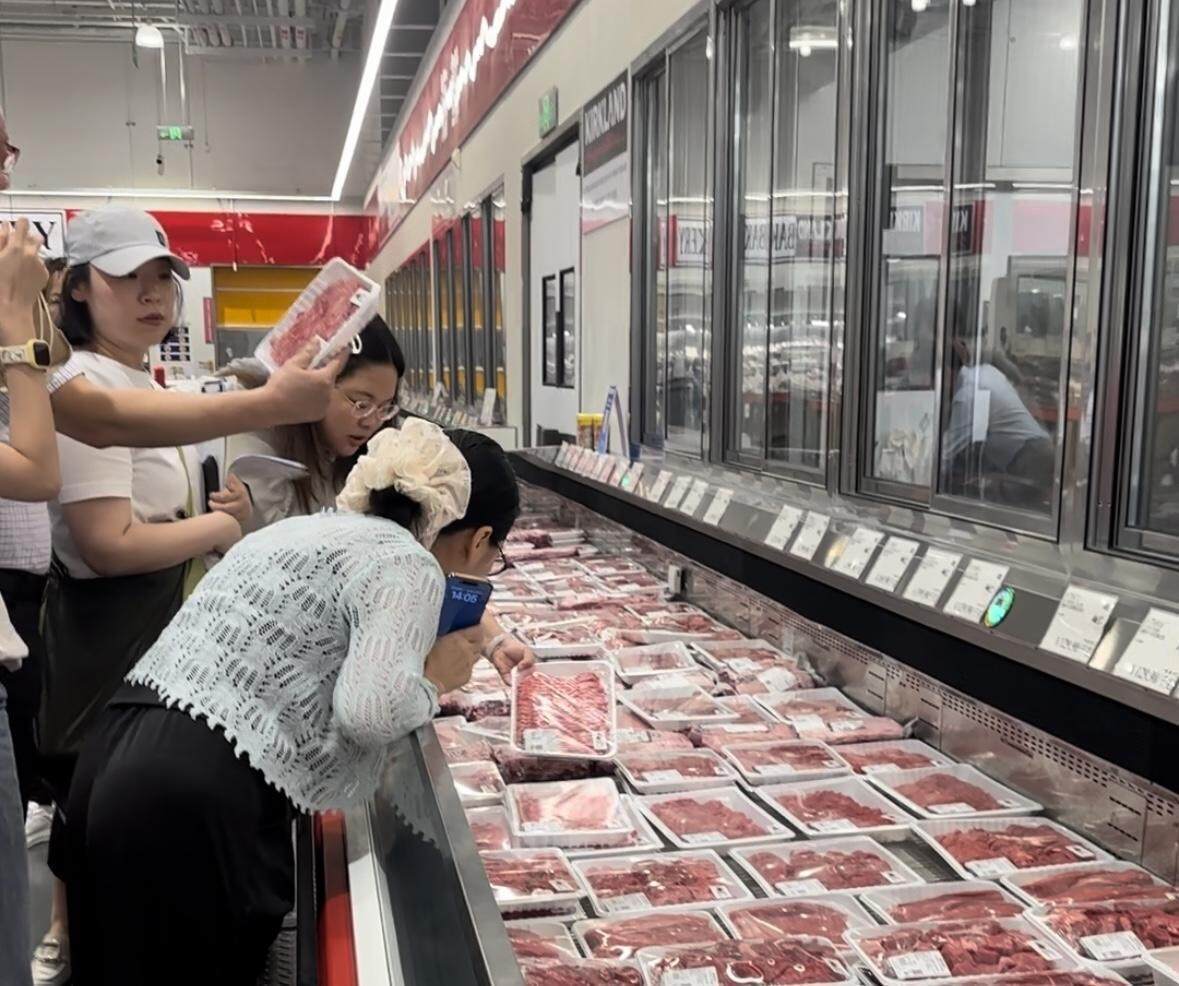
Core Insights - The opening of Costco's first store in South China has been highly successful, achieving a record of 140,000 membership sign-ups on its opening day, January 12, 2024 [3] - The store has attracted not only local consumers but also many families from Hong Kong, making it a popular weekend shopping destination [3][4] Consumer Behavior - Hong Kong consumers account for 15% of the customer base at the Shenzhen Costco, with an average spending exceeding 800 RMB per visit [6] - Popular items among Hong Kong shoppers include snacks, dried fruits, and essential daily goods, indicating a strong demand for these products [6] Product Strategy - Costco has successfully localized its product offerings, launching exclusive items that blend international and local flavors, such as kumquat lemonade ice cups and seasonal baked goods featuring popular ingredients like crayfish [7] - These products have generated significant buzz on social media, contributing to their popularity [7] Competitive Landscape - The rapid success of Costco in China reflects the growing competition in the membership-based supermarket sector, with other brands like Sam's Club and Hema also expanding their presence [8] - Major players such as Yonghui and Beijing Hualian have increased their focus on warehouse membership stores, intensifying competition and providing consumers with more choices [8] Expansion Plans - There are discussions about Costco's potential expansion into Guangzhou, with a possible new store location in the Zengcheng district, although specific details remain unconfirmed [11] - The company aims to continue its growth in South China, leveraging its global supply chain and localized product strategies to enhance market presence [11]
Costco customers test the limits of company's risk-free return policy
NBC News· 2025-07-24 05:02
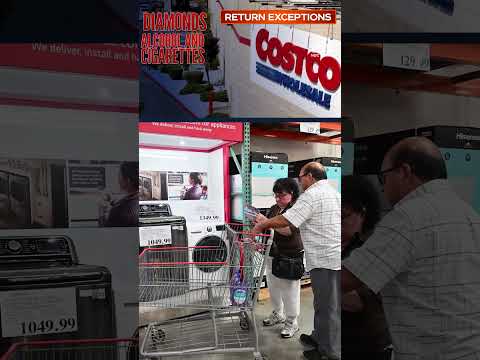
When Tik Tocker Evelyn Huarez saw that her toddler had done this, she thought the Costco rug she bought just four months ago was a sunk cost. But then she says she remembered the company's risk-free return policy. Oh my gosh, they gave me a full refund.like Evelyn's return just one apparent example of the company's famous risk-free 100% satisfaction guarantee to members allowing customers to return almost anything with some exceptions for things like diamonds and alcohol and cigarettes and airline or concer ...
Costco customers testing the limits of their risk-free return policy on TikTok
NBC News· 2025-07-24 03:00
When Tik Tocker Evelyn Huarez saw that her toddler had done this, >> look at what this human did. >> Jani, >> she put slime on my carpet. >> She thought the Costco rug she bought just 4 months ago was a sunk cost.>> I like gasped. I tried to scrape off the slime with my nails and nothing worked. But then she says she remembered the company's risk-free return policy.>> I'm kind of nervous to ask, but we're going to see. >> Anything wrong. Do you have any.>> Yes. It has a stain on it and I couldn't take it ou ...
开市客开业一年半 香港消费者占15%
Nan Fang Du Shi Bao· 2025-07-23 23:08
Core Insights - Costco's first flagship store in South China opened in Longhua, Shenzhen, attracting significant customer traffic and indicating strong market interest [6][7]. Company Overview - Costco's Longhua store has nearly 150,000 members with a renewal rate of 70%, showcasing strong customer loyalty [6][9]. - The store's customer base consists of 60% local Shenzhen residents, 15% from Hong Kong, and others from nearby cities like Guangzhou and Dongguan [9]. Market Dynamics - The retail landscape in Shenzhen is evolving, with Costco facing competition from established players and online shopping [6][10]. - Shenzhen's retail market saw a total retail sales of 411.59 billion yuan in the first five months of 2023, growing by 4.7% year-on-year, indicating a robust consumer market [10]. Strategic Positioning - Costco's entry into Shenzhen is supported by local government policies aimed at enhancing modern service and high-end retail sectors [7][11]. - The store's location near public transport and its focus on high-quality, differentiated products align with the increasing consumer demand for premium goods [7][9]. Future Plans - Costco plans to expand its online business in China, aiming to provide a diversified shopping experience [11]. - The company is also set to establish an eight-story headquarters in China by 2025, indicating a long-term commitment to the market [11].