GWMOTOR(GWLLY)

Search documents
长城汽车(02333) - 海外监管公告
2026-03-27 10:27
香港交易及結算所有限公司及香港聯合交易所有限公司對本公告的內容概不負責,對其準確性或完整性亦不發表任何 聲明,並明確表示,概不對因本公告全部或任何部份內容而產生或因倚賴該等內容而引致的任何損失承擔任何責任。 長 城 汽 車 股 份 有 限 公 司 GREAT WALL MOTOR COMPANY LIMITED* (於中華人民共和國註冊成立的股份有限公司) 股份代號:02333(港幣櫃台)及82333(人民幣櫃台) 此海外監管公告是根據香港聯合交易所有限公司證券上市規則第 13.10B 條發出。以下為長城汽 車股份有限公司於上海證券交易所網站(www.sse.com.cn)所刊發之「長城汽車股份有限公司 務報表及審計報告(2025年12月31日止年度)」。 承董事會命 長城汽車股份有限公司 公司秘書 李紅栓 海外監管公告 中國河北省保定市,2026 年 3 月27 日 於本公告日期,董事會成員如下: 執行董事: 魏建軍先生、趙國慶先生及李紅栓女士。 职工董事:盧彩娟女士。 非執行董事:何平先生。 獨立非執行董事: 樂英女士、 輝先生及鄒兆麟先生。 * 僅供識別 长城汽车股份有限公司 财务报表及审计报告 二零二 ...
长城汽车申请高压直流母线检测系统专利,抗干扰能力较强
Jin Rong Jie· 2026-03-25 04:17
Group 1 - The core point of the article is that Great Wall Motors Co., Ltd. has applied for a patent for a high-voltage direct current bus detection system and vehicle, indicating its focus on advanced voltage detection technology [1] - The patent application, published as CN121721352A, was filed on December 2025 and includes a system that consists of a sampling circuit, pulse signal generation circuit, isolation transmission circuit, and control circuit [1] - The system enhances safety and anti-interference capabilities by converting sampled voltage into pulse signals, which are then processed to determine the bus voltage [1] Group 2 - Great Wall Motors Co., Ltd. was established in 2001 and is primarily engaged in the automotive manufacturing industry, with a registered capital of approximately 855.89 million RMB [2] - The company has made investments in 75 enterprises and participated in 2,927 bidding projects, showcasing its active role in the automotive sector [2] - Great Wall Motors holds a significant amount of intellectual property, including 5,000 trademark records and 5,000 patent records, along with 640 administrative licenses [2]

长城汽车董事长魏建军:三大路径促进行业公信力建设
Zhong Zheng Wang· 2026-03-20 11:32
Core Viewpoint - The chairman of Great Wall Motors, Wei Jianjun, emphasizes the importance of building credibility as a core strategy for the high-quality development and globalization of the automotive industry in China, which is transitioning from being a major player to a strong player in the global market [1] Industry Insights - China has established itself as the world's largest automotive producer and seller, but becoming a strong automotive nation requires excellence in technology innovation, industry globalization, product quality, and brand culture [1] - The shift in focus should be from product exports to industrial and cultural exports, aiming to build lasting trust in larger markets [1] Current Challenges - The automotive industry faces issues such as damaged trust in quality and zero-sum games within the supply chain, which pose significant credibility concerns [1] Recommendations - Companies should return to value creation by focusing on technology research and quality improvement [1] - It is essential to uphold safety and quality standards to restore consumer confidence [1] - Promoting symbiotic relationships within the supply chain is crucial for establishing a solid foundation of trust [1] - Localization of overseas operations should be prioritized to transition from merely entering markets to establishing a strong presence [1] Credibility as a Core Barrier - Credibility is identified as a key barrier to long-term industry development and a critical factor in reducing transaction costs, as technology can be caught up with, but credibility is difficult to replicate [1] Paths to Establish Credibility - Great Wall Motors proposes three main paths to build credibility: - Establishing trust with users by maintaining quality and being accountable [1] - Building trust within the industry by promoting collaboration and mutual benefit [1] - Enhancing global credibility through the localization of the entire supply chain to gain recognition from various stakeholders [1]
长城汽车董事长魏建军谈“立信” 中国汽车由大到强需筑牢信任基石
Zheng Quan Ri Bao Wang· 2026-03-20 05:58
Core Insights - The Chinese automotive industry is at a critical juncture, transitioning from a "big automotive nation" to a "strong automotive nation" as it approaches the start of the 14th Five-Year Plan in 2026 [1] - Wei Jianjun, Chairman of Great Wall Motors, emphasizes the need to establish credibility as a core strategy to address deep-seated challenges in the industry [1] Group 1: Industry Challenges - Four major challenges identified by Wei Jianjun include: deviation from the essence of car manufacturing by some companies, disordered competition undermining user trust, zero-sum games harming supply chain resilience, and lack of localized strategies in overseas markets [1] - Wei believes that while technology can be caught up, values and credibility are the hardest to replicate, making them essential for competitive advantage [1] Group 2: Vision for a Strong Automotive Nation - A strong automotive nation is characterized not only by leading sales but also by comprehensive success in technological innovation, global expansion, and cultural prosperity [1] - Wei proposes a twelve-character mantra: "Establish credibility through quality, convey credibility through collaboration, and establish credibility through actions" [1] Group 3: Practical Implementation of Credibility - Great Wall Motors is implementing the concept of "establishing credibility" through three main pathways: ensuring product quality and safety for users, promoting symbiotic relationships within the supply chain, and localizing operations in international markets [2] - The company advocates for a long-term vision of establishing credibility, which is seen as a core element in reducing transaction costs and serving as a competitive barrier for companies [2]
长城汽车魏建军:中国车企要对用户、产业及全球出海“立信”
Bei Ke Cai Jing· 2026-03-20 04:15
Core Viewpoint - The chairman of Great Wall Motors, Wei Jianjun, emphasizes that while technology can be caught up with, a company's values and credibility are the hardest to replicate, serving as a crucial moat for businesses. He advocates for Chinese automotive companies to establish trust in their relationships with users, the industry, and in global markets [1][3]. Group 1: Challenges in the Automotive Industry - The Chinese automotive industry faces several challenges, including excessive capital intervention and a focus on short-term profits that detracts from the essence of vehicle manufacturing [3]. - Some companies are sacrificing quality in a bid for scale, which erodes consumer trust in the industry [3]. - Zero-sum thinking among manufacturers is squeezing profit margins in the supply chain, damaging the resilience of the industry and undermining the credibility of finished vehicles [3]. - Chinese brands are still in the early stages of product export and lack deep localization, making them easily replaceable in international markets [3]. Group 2: Establishing Trust - Establishing trust with users involves a commitment to accountability and a willingness to take responsibility for product quality [3]. - Building trust within the industry requires collaborative empowerment to create a symbiotic ecosystem among manufacturers, suppliers, and dealers through standardization and capability development [3]. - For global trust, it is essential to localize operations and invest in long-term responsibilities to build lasting brand credibility, positioning Chinese brands as reliable partners in local markets [4].

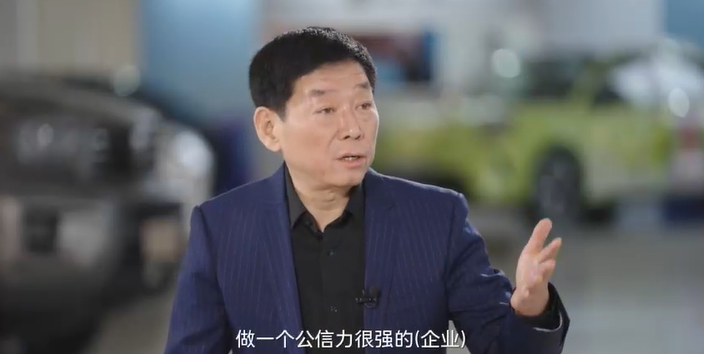
长城汽车魏建军解码中国汽车的“价值回归”
Zhong Guo Qing Nian Bao· 2026-03-19 12:15
Core Insights - The fundamental path for China's automotive industry to become stronger lies in establishing "trust" rather than merely focusing on temporary technological leadership or sales figures [2][3] Group 1: Industry Challenges - The automotive industry currently faces four core challenges: returning car manufacturers to the essence of value creation, restoring user confidence in products, shifting competition from zero-sum games to symbiotic win-win scenarios, and building credit in overseas markets [2] - All these challenges fundamentally revolve around the concept of "trust" [2] Group 2: Company Practices - Great Wall Motors provides a practical example by establishing full-process production bases in countries like Thailand and Brazil, promoting an ecosystem that integrates research, production, supply, sales, and service [2] - This long-term commitment has allowed Chinese brands to become trusted partners in local markets rather than merely replaceable products [2] - On the technical side, Great Wall Motors boasts a research and development team of 23,000, with one engineer for every four employees, and leads in both total patent authorizations and new energy vehicle patent authorizations among domestic automakers [2]
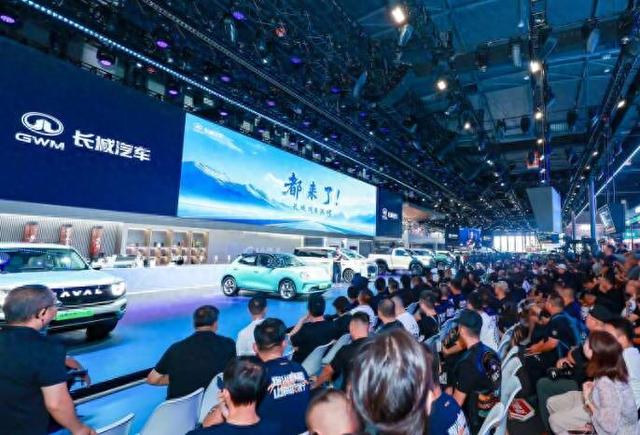
长城汽车董事长魏建军谈中国汽车未来发展方向
Bei Jing Ri Bao Ke Hu Duan· 2026-03-19 08:53
Core Viewpoint - The interview with Wei Jianjun, Chairman of Great Wall Motors, emphasizes the importance of building trust in the automotive industry as China transitions from a major automotive nation to a strong one, advocating for a comprehensive approach to quality, collaboration, and action to establish credibility [1][6]. Group 1: Industry Development - China has been the world's largest automotive producer and seller for several consecutive years [4]. - The transition from being a "big automotive country" to a "strong automotive country" requires a shift from "product export" to "industry output," integrating the entire industrial chain globally [6]. Group 2: Trust Issues - Wei Jianjun identifies four major trust concerns in the industry: 1. Returning car manufacturers to value creation 2. Restoring consumer confidence in products 3. Ensuring competition is based on real capabilities 4. Building trust in the industry for global expansion [6]. Group 3: Trust-Building Strategies - Great Wall Motors outlines three key paths for establishing trust: 1. Building trust with users by maintaining quality standards and being accountable for products 2. Building trust within the industry by promoting symbiotic relationships between manufacturers and suppliers, with independent operations of parts companies reinforcing industry credibility 3. Building global trust through "ecological outbound" strategies, localizing production and sales in countries like Thailand and Brazil to integrate deeply into local societies and earn respect in global markets [6].
魏建军:长城汽车固态电池仍处于技术开发和验证阶段,具备商业价值上车至少需要五年【附固态电池行业技术发展情况】
Qian Zhan Wang· 2026-03-19 01:52
Core Viewpoint - The chairman of Great Wall Motors, Wei Jianjun, clarified that recent market speculation regarding the European certification and entry of their solid-state batteries is inaccurate, emphasizing that the technology is still in the development and validation stage and will take at least five years to achieve commercial viability [2][3]. Group 1: Technology Development - Great Wall Motors is focusing on the development and validation of materials and systems for solid-state batteries, with a particular emphasis on the sulfide route, which is currently the main technology being pursued [3][10]. - The solid-state battery technology is recognized as the next generation of power battery technology, offering higher energy density and safety compared to traditional lithium batteries, with theoretical energy densities reaching 400-500 Wh/kg [3][12]. - The production of solid-state batteries involves complex processes, including mixing and dissolving raw materials to obtain the required films, followed by the deposition of solid electrodes and densification treatments [5]. Group 2: Industry Challenges - The solid-state battery industry faces significant technical challenges, particularly related to the solid-solid interface, which is considered the most difficult technical bottleneck [7][15]. - Current solid-state battery technologies include sulfide, oxide, and polymer routes, with sulfide and oxide being the most prominent in China [10]. Group 3: Production Plans and Timelines - Several companies in the solid-state battery sector have announced production plans, with Great Wall Motors aiming to complete the development of a 10Ah 400 Wh/kg solid-state cell by the end of 2025 and to achieve mass production of the first generation of semi-solid-state batteries in 2026 [12][14]. - Other companies, such as BYD and SAIC, plan to start mass production of solid-state batteries around 2027, with energy densities exceeding 400 Wh/kg [12][14]. - The Chinese solid-state battery industry is expected to gain momentum starting in 2024, with a significant increase in new patents, indicating a leading position globally [12][15].
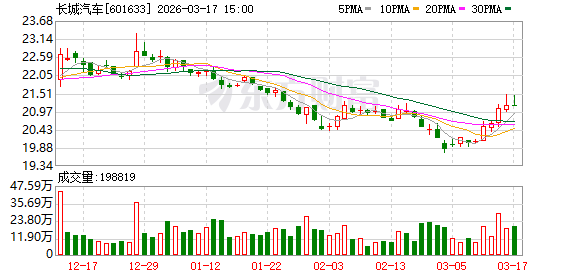
长城汽车跌0.33%,成交额3.03亿元,后市是否有机会?
Xin Lang Cai Jing· 2026-03-18 07:29
Core Viewpoint - Great Wall Motors is experiencing fluctuations in stock performance, with a recent decline of 0.33% and a total market capitalization of 180.31 billion yuan. The company is focusing on expanding its electric vehicle (EV) production and enhancing its smart driving technology [1][12]. Company Overview - Great Wall Motors Co., Ltd. is located in Baoding, Hebei Province, and was established on June 12, 2001. It was listed on September 28, 2011. The company primarily engages in the production and sale of automobiles and auto parts, with automotive sales accounting for 86.37% of its revenue [8][20]. - As of September 30, 2025, the number of shareholders is 137,500, a decrease of 22.95% from the previous period. The average circulating shares per person is 0, unchanged from the previous period [20]. Financial Performance - For the period from January to September 2025, Great Wall Motors achieved operating revenue of 153.58 billion yuan, representing a year-on-year growth of 7.96%. However, the net profit attributable to shareholders decreased by 17.20% to 8.64 billion yuan [9][20]. - The company has distributed a total of 34.70 billion yuan in dividends since its A-share listing, with 8.95 billion yuan distributed over the past three years [21]. Stock and Market Analysis - On March 18, the stock price of Great Wall Motors fell by 0.33%, with a trading volume of 303 million yuan and a turnover rate of 0.23%. The average trading cost of the stock is 23.90 yuan, with a current support level at 21.04 yuan [1][7][19]. - The main capital flow shows a net outflow of 16.49 million yuan today, with a total industry net outflow of 1.136 billion yuan over the past two days [4][16]. New Energy Vehicle (NEV) Growth - In 2024, Great Wall Motors' NEV production and sales are expected to continue rapid growth, with annual production and sales surpassing 10 million units for the first time, achieving 12.888 million and 12.866 million units respectively, marking year-on-year increases of 34.4% and 35.5% [2][13]. - NEVs accounted for 40.9% of total new car sales, with pure electric vehicle production and sales reaching 7.758 million and 7.719 million units, reflecting year-on-year growth of 15.7% and 15.5% [2][13]. Smart Driving Technology - The company's smart driving system, Pilot, has reached Level 3 capabilities, with plans to achieve Level 4 by 2020. Current products include partial driving assistance features and human-machine interaction systems [3][14].
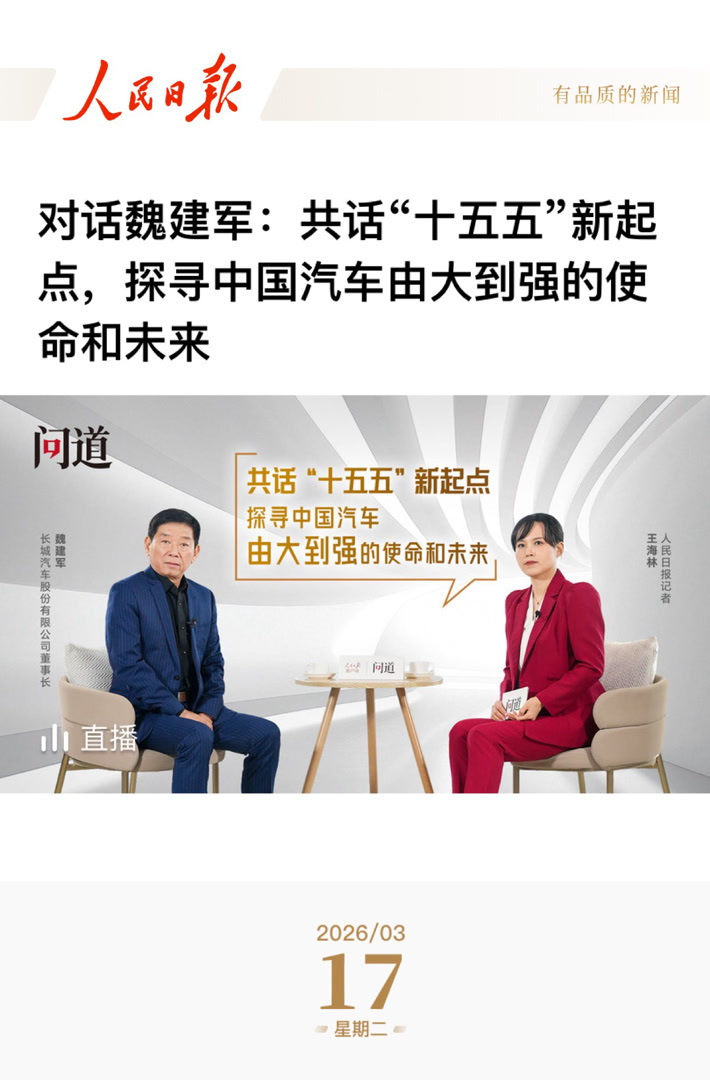
长城汽车魏建军谈“反内卷”:公信力才是中国汽车核心竞争力
Zhong Guo Jing Ying Bao· 2026-03-17 14:21
Group 1 - The core viewpoint emphasizes the importance of "public credibility" as the key competitive advantage for the Chinese automotive industry, moving beyond mere technology and scale [2][3] - The Chinese automotive industry is transitioning from a "manufacturing power" to a "manufacturing strong power," with challenges such as internal competition and supply chain issues [3][4] - The industry must focus on "industrial output" rather than just "product export," integrating local culture and contributing to local economies [4][5] Group 2 - The current competitive landscape is characterized by excessive internal competition and price wars, which detract from the original purpose of vehicle manufacturing [6][7] - Companies are urged to adopt a "public credibility value system," prioritizing long-term trust and quality over short-term gains [7][8] - Long-term strategies should include not engaging in price wars and maintaining quality standards, as excessive cost-cutting can harm brand reputation [8]