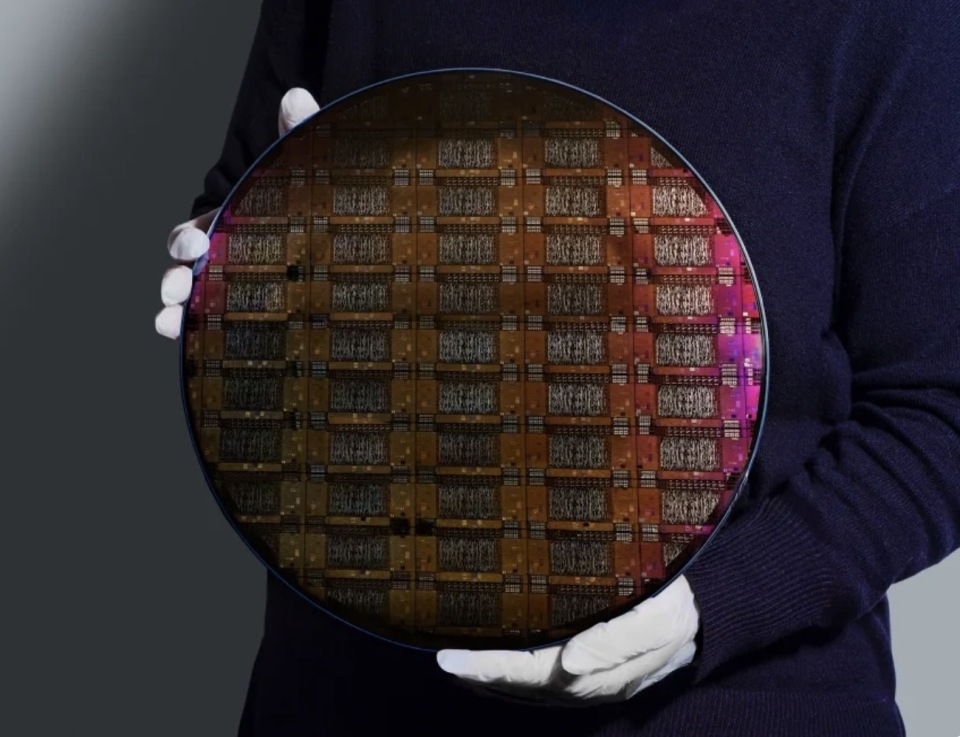
IBM(IBM)

Search documents
硅谷10万人失业:科技巨头裁员潮AI成“背锅侠”?
Zhong Guo Jing Ying Bao· 2025-11-14 20:54
Core Insights - The recent news highlights that approximately 100,000 jobs have been lost in Silicon Valley due to the application of AI technologies and strategic adjustments by companies [1][3] - Major tech companies like Amazon, Microsoft, and Intel have announced significant layoffs despite reporting strong financial performance, indicating a shift in workforce allocation towards AI [2][4] Group 1: Layoff Statistics - Over 218 tech companies have conducted layoffs this year, totaling more than 110,000 employees [1] - As of October 2023, U.S. employers have announced 1,099,500 layoffs, a 65% increase compared to the same period last year, marking the highest number since 2020 [1] - Amazon plans to cut approximately 14,000 employees, while Microsoft has laid off over 15,000 since May [1][3] Group 2: Financial Performance - Despite the layoffs, Amazon reported a 13% increase in revenue and a 39% increase in net profit for Q3, with expectations of over 10% revenue growth in Q4 [4] - Other tech giants like Google, Microsoft, and Meta also reported over 10% revenue growth in Q3, with their stock prices reaching new highs [4] Group 3: Factors Behind Layoffs - The layoffs are not solely attributed to AI; they also stem from previous rapid expansions during the pandemic, followed by economic adjustments due to rising interest rates and a slowing economy [5][8] - The tech industry saw significant workforce growth from 2019 to 2022, with companies like Amazon doubling their employee count, leading to a necessary correction [7][8] Group 4: Future Workforce Implications - The acceleration of AI applications is reshaping the labor market, with a notable impact on entry-level positions and a shift towards requiring higher skill levels [8] - The rise of freelance work is evident, with approximately 38% of the U.S. workforce (around 64 million people) engaged in gig economy jobs, partly due to layoffs [8]





Unanimous Decision: UFC and IBM Introduce New AI-Driven In-Fight Insights
Prnewswire· 2025-11-14 19:00
Core Insights - IBM and UFC have launched In-Fight Insights, an AI-driven live alert platform that provides real-time updates on notable milestones during UFC events, debuting at UFC 322 on November 15, 2025 [1][3][5] Company Collaboration - The new technology utilizes over 13.2 million data points from more than 20 years of UFC fights and over 2400 current and former athletes, enhancing the viewing experience for fans [2][6] - This initiative is part of the UFC Insights Engine, which represents the most advanced evolution of the system since the IBM-UFC partnership began a year ago [3][4] Technological Advancements - In-Fight Insights will allow broadcasters to provide immediate contextual understanding of key fight moments, such as record-setting strikes and significant milestones, integrating these insights into the broadcast feed [4][5] - The collaboration aims to optimize the Insights Engine for both speed and depth of information, marking a significant advancement in live sports analytics [4] Market Impact - The introduction of AI in live sports viewing is seen as a transformative step, enhancing fan engagement and storytelling potential within the sport [5][6] - UFC continues to expand its global reach, with over 700 million fans and 318 million social media followers, producing more than 40 live events annually [7]



Tech crash alert: $1.5 trillion lost from US stock market in just 48 hours — Nasdaq, S&P 500, Dow fall as rate cut hopes fade
The Economic Times· 2025-11-14 17:13
Core Insights - Wall Street experienced a significant decline, with large-cap technology companies losing $1.5 trillion in market value over two days due to reduced expectations for a Federal Reserve interest rate cut in December [1][2][12] Market Performance - Major US indices faced volatility, with the Nasdaq Composite falling 1.5%, the S&P 500 dropping 1.1%, and the Dow Jones Industrial Average losing 479 points, marking the lowest intraday levels of the week [3][4][7] - The selloff on Thursday was noted as the worst one-day performance for major US indices since October 10, with the Dow reversing gains from the previous day [7][9] Technology Sector Impact - Top technology companies such as Nvidia, Microsoft, Palantir, Tesla, Amazon, Intel, and AMD saw sharp declines despite reporting strong earnings [2][15] - AI-focused stocks were particularly affected, as investors expressed concerns over overvaluation in companies heavily investing in artificial intelligence [2][8][15] Individual Stock Movements - Nvidia dropped 2.8%, AMD slid 4.7%, and both Tesla and Palantir fell 3% following larger declines on the previous day [6][15] - Significant losses were reported for Palantir (-11.0%), Tesla (-10.5%), Intel (-9.0%), and AMD (-8.0%) among others [14][15] Investor Sentiment - Investor concerns centered around the sustainability of the AI trade, with Oracle's pullback raising alarms about stretched valuations and rising debt [8][9] - Expectations for a Fed rate cut in December decreased, with traders now assigning a 52% chance of a quarter-point cut, down from 62.9% earlier in the week [9][15] Notable Gains Amidst Turbulence - A few companies saw notable gains, including Cidara Therapeutics which surged 105% after a $9.2 billion acquisition announcement by Merck, and Avadel Pharmaceuticals which rose 20% following a purchase offer [10][11]




Cramer Suggests International Business Machines “If You Crave Quantum Computing”
Yahoo Finance· 2025-11-14 16:13
Core Insights - Jim Cramer highlighted International Business Machines Corporation (IBM) as a key player in quantum computing, emphasizing its commercial quantum solutions that are performing well [1] - Cramer stated that IBM is one of the only two companies with viable quantum technology, alongside Google, and noted that many other quantum stocks are speculative and years away from realization [1] - IBM currently operates eight functional quantum machines, positioning itself as a cost-effective option in the quantum computing space [1] Company Overview - IBM provides a range of technology solutions, including hybrid cloud, AI, consulting, and infrastructure services [1] - The company is recognized for its advancements in quantum computing, which is expected to reduce power consumption significantly [1] Market Position - Cramer suggested that IBM's quantum computing solutions are expected to have a practical impact within the next one to two years, contrasting with other speculative quantum stocks [1] - While IBM is seen as a strong investment in quantum computing, there are AI stocks that may offer greater upside potential with less downside risk [1]
IBM宣布本季度裁员计划 或波及数千名员工
Huan Qiu Wang· 2025-11-14 09:55
Core Points - IBM will implement a small-scale layoff in the fourth quarter, affecting a "low single-digit" percentage of its global workforce [1] - As of the end of 2024, IBM's total employee count is projected to be 270,000, indicating that even a 1% reduction would result in approximately 2,700 job losses [1] - Other tech companies are also reducing staff as executives seek to enhance productivity, increasingly relying on artificial intelligence tools [1] - IBM's CEO, Arvind Krishna, mentioned that the company has already replaced hundreds of HR roles with AI, while hiring more programmers and sales personnel [1]
IBM Is Staring Down Quantum Advantage. Should You Buy IBM Stock First?
Yahoo Finance· 2025-11-13 16:56
Core Insights - Quantum computing is transitioning from a laboratory concept to a significant topic in corporate discussions, with IBM being a key player in this evolution [1] - IBM aims to achieve quantum advantage by 2026 and fault-tolerant quantum computing by 2029, leveraging its new Quantum Nighthawk processor [2] - The question arises whether IBM's scale and fabrication strategy provide a competitive edge worth investing in, or if the stock is already overvalued before commercialization efforts begin [3] Company Overview - IBM, founded in 1911, is one of the oldest technology companies globally, offering a wide range of enterprise hardware, software, and services [4] - The company's portfolio includes mainframe servers, enterprise software (such as Red Hat and WatsonX AI tools), and IT consulting, with operations in over 175 countries [4] Stock Performance - IBM's market capitalization is approximately $295 billion, and its stock has increased by about 41% year-to-date, significantly outperforming the S&P 500's 15% rise [5] - This stock rally is attributed to strong earnings and positive developments in quantum computing announced at a developer conference [5] Valuation Metrics - IBM's forward price-to-earnings (P/E) ratio is around 26x, and its enterprise value to EBITDA (EV/EBITDA) is near 25x, both above industry medians of approximately 24x and 11x, respectively [6] - The current valuation indicates that IBM is trading at moderate premiums compared to its peers, neither being classified as "cheap" nor "expensive" [6]
Quantum Computing Stocks: AMD, Qualcomm, IonQ Invest In Startup
Investors· 2025-11-13 16:45
Core Insights - The quantum computing sector is experiencing significant investment activity, with Classiq raising over $200 million in a recent funding round, supported by major players like AMD and Qualcomm [1][2] - Quantum Computing's Q3 earnings report is anticipated, with notable revenue growth reported by IonQ and D-Wave, while Rigetti's revenue has declined [9][10] - The U.S. government is considering equity stakes in quantum companies, which may impact investor sentiment [3][4] Investment Activity - Classiq has announced a new funding round totaling "tens of millions of dollars," bringing its total funding to over $200 million [2] - The Trump administration is reportedly contemplating taking equity stakes in both public and private quantum companies [2][3] - DARPA has selected 11 firms for the Quantum Benchmarking Initiative, aimed at developing practical quantum computing solutions [4][5] Company Performance - IonQ's Q3 revenue surged to $39.9 million, up from $12.4 million year-over-year, while D-Wave's revenue increased to $3.7 million from $1.9 million [9] - Rigetti's revenue fell to $1.9 million from $2.4 million in the same period last year [9] - D-Wave's stock has risen 178% in 2025, while IonQ and Rigetti have seen increases of 10% and 66%, respectively [10] Technological Developments - IBM is advancing its quantum computing technology with new devices, including Nighthawk and Loon, aiming for a fault-tolerant quantum computer by 2029 [7][8] - The second stage of DARPA's Quantum Benchmarking Initiative focuses on validating utility-scale quantum architectures [5]




Can the Launch of an Advanced Quantum Processor Propel IBM Stock?
ZACKS· 2025-11-13 16:01
Core Insights - IBM has launched the IBM Quantum Nighthawk, the most advanced quantum processor to date, which allows for 30% more complex quantum circuits compared to its predecessors [1][8] - The new quantum processor is expected to enhance algorithm complexity and could lead to significant technological advancements in the quantum ecosystem [2] - IBM is upgrading its Qiskit software platform to improve performance and accuracy, achieving a 24% increase in accuracy for circuits with over 100 qubits [3][4] Quantum Technology Developments - The IBM Quantum Nighthawk processor enhances qubit connectivity, enabling users to execute more complex quantum circuits [1] - The evolution of Qiskit from a simple SDK to a comprehensive quantum software stack aims to maximize the performance of IBM's quantum hardware [3] - The latest Qiskit version introduces a new execution model that improves error mitigation, reducing the cost of obtaining accurate results [4] Financial Performance - Over the past year, IBM's stock has increased by 50.7%, outperforming Amazon (15.5%) and Microsoft (19.8%), but lagging behind the industry average growth of 75.8% [5] - Earnings estimates for IBM have risen by 6.2% for 2025 and 7.1% for 2026, indicating positive investor sentiment [8][10] Market Position and Challenges - IBM is experiencing strong demand in hybrid cloud and AI sectors, which are expected to drive growth in its Software and Consulting segments [6] - Despite positive trends, IBM faces significant competition from Amazon Web Services and Microsoft Azure, leading to margin pressure and declining profitability [12] - The company is implementing job cuts as part of a strategy to reduce operating costs, with many positions being shifted to India [13] Strategic Outlook - IBM's focus on hybrid cloud and AI, along with improving earnings estimates, is contributing to a positive investor perception [14] - However, high operating costs and competitive pressures are challenges that could impact future profitability [15]

The Accel 2025 Globalscape Report: The Cold, Hard Data on How AI Has Radically Changed B2B
SaaStr· 2025-11-13 15:10
Core Insights - The Accel 2025 Globalscape report highlights a significant divergence in performance between AI infrastructure and traditional enterprise software, with AI infrastructure companies experiencing substantial market cap growth [3][4][7] - Companies that are AI-native or focused on AI infrastructure are being rewarded in the market, while traditional SaaS companies are facing challenges [8][9] Market Performance - AI infrastructure companies collectively gained $4.9 trillion in market cap, with Nvidia leading at $1.6 trillion, followed by Alphabet at $1.2 trillion and IBM at $288 billion [4] - Traditional enterprise software companies like Salesforce and Adobe saw declines in market cap, with Salesforce losing $72 billion despite being profitable [7][24] Revenue Efficiency - AI-native companies are achieving revenue per employee metrics that are 6-12 times better than traditional SaaS, indicating a complete reimagining of operational efficiency [10][13] - Examples include Cursor with $6.1 million ARR per FTE and Lovable with $3.4 million ARR per FTE, compared to traditional SaaS companies averaging $0.46-0.54 million ARR per FTE [15] Adoption Trends - There is unprecedented velocity in bottoms-up adoption of AI technologies, driven by viral growth through developer communities and social media [14][16] - Companies that can achieve viral adoption are positioned to build significant revenue before needing a traditional sales team [16] Gross Margins - Emerging AI application leaders are currently facing gross margins between 7-40%, significantly lower than the 76% average for the Globalscape Public Cloud Index [18][19] - Despite current margin challenges, the expectation is that costs will decrease, leading to improved unit economics as companies scale [20] Venture Capital Trends - Venture capital funding for Cloud and AI reached an estimated $184 billion in 2025, with a significant portion allocated to AI model funding [29][30] - The US leads in model funding, while Europe and Israel are competitive in application funding [30] Compute Infrastructure - The projected capital expenditure for AI infrastructure is $4.1 trillion by 2030, with a significant power shortfall anticipated in the US [32] - Hyperscalers are expected to finance the necessary buildout through their operating cash flow [32] AI Budget Increases - 45% of businesses plan to increase their AI budgets by 10-25% over the next year, indicating strong interest in agentic AI [35][36] IPO Market Dynamics - The tech IPO market is reopening, with eight software/AI IPOs in 2025, but traditional SaaS companies without an AI narrative are struggling to attract attention [43][47] - Successful IPOs are characterized by AI-driven efficiency, clear paths to profitability, and demonstrated enterprise traction [49][50] Unicorn Formation - A record number of AI unicorns are being formed quickly, with 65% of breakout AI companies being 0-3 years old [51][53] - Companies are achieving significant valuations in a fraction of the time compared to previous eras, with some reaching $100 million ARR in as little as 8 months [53][55]



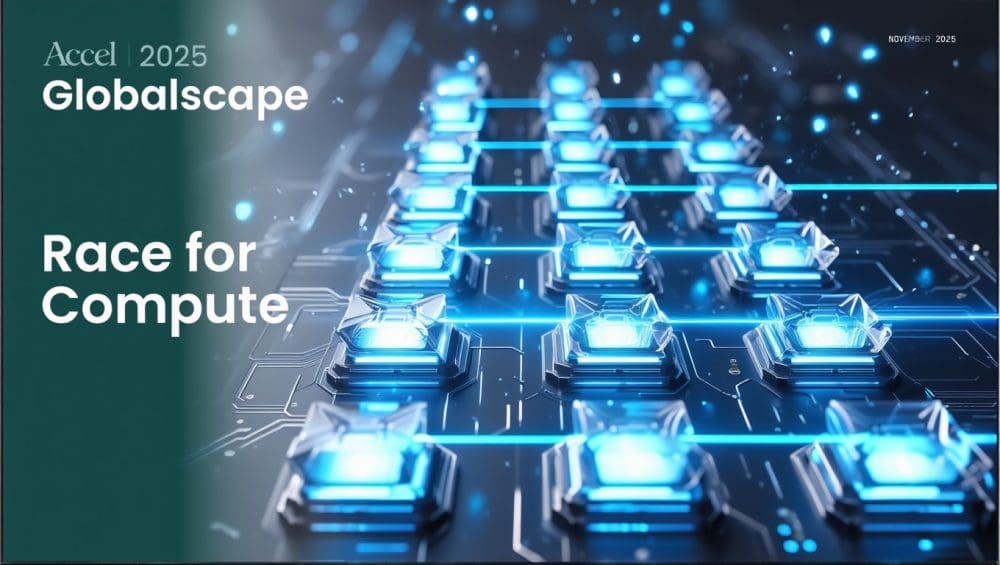
量子计算革命蓄势待发:IBM新芯片或将破解千年难题
3 6 Ke· 2025-11-13 06:07
Group 1: Core Insights - IBM has introduced two experimental quantum chips, Loon and Nighthawk, which may enable machines to perform calculations based on quantum physics, addressing complex problems that traditional computing cannot solve [2][6] - The concept of "fault-tolerant quantum computing" is central to these developments, allowing systems to maintain accuracy despite computational errors, which has been a significant barrier to practical quantum computing [6][16] - The advancements signify a shift from "physical feasibility" to "engineering reliability" in quantum computing, with the potential to revolutionize various industries [6][16] Group 2: Quantum Computing Principles and Potential - Quantum computing aims to solve the long-standing question of how machines can compute certainty in uncertainty, utilizing quantum bits (qubits) that can exist in multiple states simultaneously, unlike traditional binary bits [7][9] - This capability allows quantum computers to perform tasks in a fraction of the time required by classical computers, with applications in pharmaceuticals, materials science, finance, and climate research [7][9] - A McKinsey report predicts that by 2035, 72% of tech executives and investors believe fault-tolerant quantum computing will achieve commercial viability, marking it as a potentially disruptive technology [8] Group 3: Global Quantum Race - IBM's breakthroughs have intensified the global competition in quantum computing, with major players like Google, Microsoft, and various research institutions making significant advancements [10][12] - Google plans to release a quantum chip named Willow, claiming it can perform calculations in 5 minutes that would take traditional supercomputers 10^24 years [13] - Microsoft is developing the Majorana 1 chip, which aims to create more stable qubits, potentially extending the lifespan of quantum information [14] Group 4: Challenges to Quantum Computing Adoption - Despite the progress, significant technical, economic, and ethical challenges remain before quantum computing can be widely adopted [16] - The operational requirements for quantum computers, such as maintaining near absolute zero temperatures, make large-scale deployment costly and complex [16] - The current investment in quantum computing exceeds $7 billion annually, but a stable profit model has yet to be established, with companies exploring "Quantum-as-a-Service" models [16] Group 5: Future Implications - The introduction of Loon and Nighthawk represents not just technological advancements but a potential redefinition of human computational capabilities [17] - Experts suggest that quantum computing could fundamentally change how machines operate, moving beyond human-like AI to a new form of intelligence that transcends traditional thinking [17]