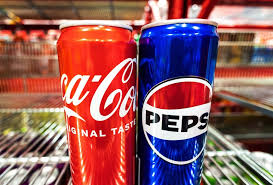
Coca-Cola(KO)

Search documents
蔗糖可乐救不了肥胖的美国人
Hu Xiu· 2025-07-21 07:19
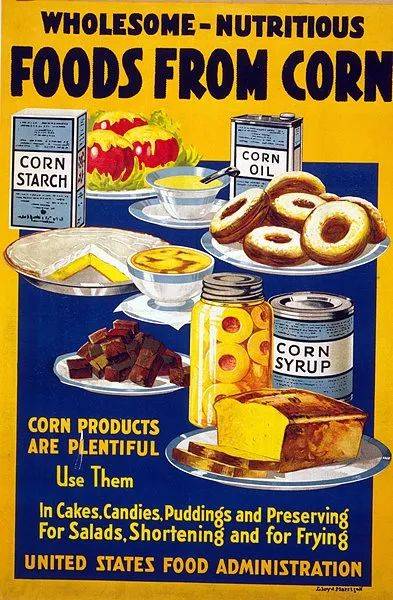
Core Viewpoint - Trump's announcement to negotiate with Coca-Cola to replace high fructose corn syrup with cane sugar in the U.S. soda formula is seen as politically motivated rather than a personal preference for soda [1][4]. Group 1: Economic Factors - High fructose corn syrup (HFCS) is widely used in the U.S. due to its cost advantage, stemming from protective tariffs on imported sugars and agricultural subsidies [2][3]. - Corn is the most subsidized crop in the U.S., accounting for about 30% of annual agricultural subsidies, which contributes to the low price of corn syrup [3]. - The political implications of Trump's proposal may involve interests of sugar industry supporters, such as the Van Hollen family in Florida, who are significant players in the sugar market [2][4]. Group 2: Health Concerns - The health debate surrounding corn syrup is significant, with figures like Robert F. Kennedy Jr. advocating against its use due to its association with rising obesity rates since the 1970s [5][10]. - Scientific studies present mixed conclusions on whether corn syrup is worse than cane sugar, with some suggesting fructose may increase the risk of metabolic syndrome and non-alcoholic fatty liver disease [5][6]. - Public perception of corn syrup has been negatively impacted by marketing efforts from traditional sugar producers, leading to a general distrust in food safety [7][9]. Group 3: Societal Implications - The ongoing debate between corn syrup and cane sugar reflects broader societal issues, including the affordability of healthy food options versus cheaper, high-sugar, high-fat foods [11][12]. - The obesity epidemic in the U.S. is exacerbated by economic factors, with lower-income individuals facing higher obesity rates due to limited access to healthier food choices [11][12]. - Technological solutions, such as GLP-1 medications for weight loss, are not universally accessible, particularly for lower-income populations, highlighting the intersection of health and socio-economic issues [12].

财报前瞻 | 提价策略不可持续 可口可乐(KO.US)能转靠营销战略投资迎来拐点吗?
智通财经网· 2025-07-21 04:13
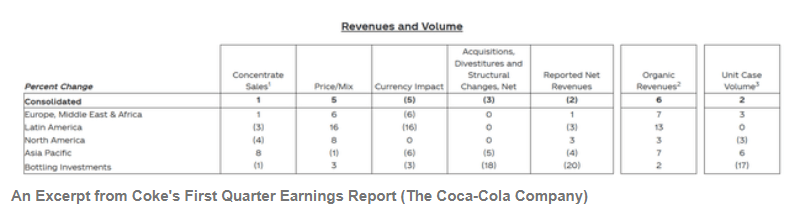
Core Insights - Coca-Cola (KO.US) is expected to report Q2 earnings on July 22, with an anticipated EPS of $0.83, a 1.2% decline year-over-year, and revenue forecasted at $12.59 billion, reflecting a 1.9% increase from the previous year [1] Group 1: Financial Performance - Coca-Cola's Q1 adjusted EPS was $0.73, with revenue of $11.22 billion, slightly above market expectations [2] - The company's revenue growth rate has been declining since Q1 2022, with annual revenue growth slowing for three consecutive years, increasing from $43 billion to $47 billion [3] - The net profit margin has also shown a downward trend, decreasing from 25.69% in Q1 2022 to 23% currently [4] Group 2: Market Dynamics - Coca-Cola's growth has been primarily driven by price increases rather than volume growth, with a 4% price hike in North America contributing significantly to revenue [2] - 65% of Coca-Cola's revenue comes from international markets, making it sensitive to currency fluctuations [8] - Analysts predict a modest EPS growth rate of 6-8% over the next three years, which may be overly optimistic given current economic uncertainties [8] Group 3: Strategic Initiatives - The company is increasing its marketing spend to 11% of sales, up from a five-year average of 10%, focusing on low-calorie and nutritional beverages [9] - This strategic focus on marketing and innovation aims to enhance brand recognition and consumer engagement, potentially creating growth opportunities [9] - Despite global trade uncertainties, analysts maintain a cautiously optimistic outlook, expecting organic revenue growth of 5-6% and EPS growth of 2-3% for the year [9]
X @Investopedia




Investopedia· 2025-07-20 12:00
Earnings Reports - Tesla, Google, Intel, Verizon, and Coca-Cola are expected to release earnings reports [1] Economic Data - New and existing home sales data will be released [1]
PepsiCo Vs. Coca-Cola: Value Buy Opportunity Vs.
Seeking Alpha· 2025-07-19 14:00
Core Insights - The article emphasizes the importance of conducting personal in-depth research and due diligence before making investment decisions, highlighting the inherent risks involved in trading [3]. Group 1 - The analysis is intended solely for informational purposes and should not be interpreted as professional investment advice [3]. - There is a clear disclaimer regarding the lack of any stock, option, or similar derivative positions in the companies mentioned, indicating a neutral stance [2]. - The article expresses that past performance does not guarantee future results, underscoring the uncertainty in investment outcomes [4].

General Motors Vs Coca-Cola Stock: Which is the Better Investment as Q2 Earnings Approach?
ZACKS· 2025-07-19 01:51
Core Insights - The Q2 earnings season is approaching, with General Motors (GM) and Coca-Cola (KO) set to report their quarterly results, attracting significant investor attention [1][2] General Motors Q2 Expectations - GM's Q2 sales are expected to decline by 5% to $45.34 billion from $47.97 billion a year ago [3] - Q2 earnings per share (EPS) for GM are projected at $2.45, a 20% decrease from $3.06 in the same quarter last year [3] - GM has exceeded the Zacks EPS Consensus for 11 consecutive quarters, with an average earnings surprise of 10.16% over the last four quarters [3][4] Coca-Cola Q2 Expectations - Coca-Cola's Q2 sales are anticipated to increase by 2% to $12.59 billion from $12.36 billion in the previous year [4] - Q2 EPS for Coca-Cola is expected to be $0.83, slightly down from $0.84 in Q2 2024 [4] - Coca-Cola has met or exceeded the Zacks EPS Consensus for 32 consecutive quarters, with an average earnings surprise of 4.93% in its last four quarterly reports [4][5] Valuation Comparison - GM's valuation is more attractive at 5.7X forward earnings compared to Coca-Cola's 23.8X, which is in line with the S&P 500 [5] - GM offers a significant discount in price to forward sales at less than 1X, while KO stands at 6.3X, near the S&P 500 average [5] Dividend Comparison - Coca-Cola has a 2.89% annual dividend yield, significantly higher than GM's 1.13% and the S&P 500's average of 1.18% [7] - Coca-Cola is recognized as a Dividend King, having increased its dividend for over 50 consecutive years, while GM suspended its dividend during the pandemic [8] Operational & Strategic Factors - GM's stock is more appealing in terms of valuation metrics, but Coca-Cola's consistent operational performance and reliable dividend are noteworthy [10] - GM is currently rated as Zacks Rank 3 (Hold), while Coca-Cola holds a Zacks Rank 2 (Buy) [10][11] - The expected decline in GM's Q2 figures reflects a challenging operating environment, while Coca-Cola serves as a defensive hedge against economic uncertainty, evidenced by KO's 12% year-to-date increase compared to GM's flat performance [11]


Corn Crash Or Sugar Rush? ETFs React To Trump's Sweet Talk On Coca-Cola
Benzinga· 2025-07-18 17:52
Core Viewpoint - President Trump's comment regarding Coca-Cola's potential switch from high-fructose corn syrup (HFCS) to cane sugar has triggered significant reactions in commodity markets, particularly affecting corn refiners and related ETFs [1][2]. Group 1: Market Reactions - Coca-Cola has not officially announced any changes, but Trump's statement led to a decline in shares of corn refiners Archer-Daniels-Midland Co (ADM) and Ingredion Inc (INGR) as markets reacted to the potential decrease in HFCS demand [2]. - Archer-Daniels-Midland managed to recover some losses in subsequent trading sessions, indicating market volatility [2]. Group 2: ETF Implications - The Teucrium Corn Fund (CORN) may face challenges if demand for HFCS decreases, as it offers direct exposure to corn futures [6]. - Conversely, the Teucrium Sugar Fund (CANE) stands to benefit from an increase in cane sugar demand, whether domestically or globally [6]. - The Invesco DB Agriculture Fund (DBA), which holds positions in both corn and sugar, could provide a hedged investment opportunity amid the evolving sweetener market dynamics [7]. Group 3: Industry Response - The Corn Refiners Association has publicly opposed Trump's comments, warning of "massive job losses" and arguing that HFCS is crucial to the U.S. agricultural economy [8]. - They contend that replacing HFCS with imported cane sugar would undermine American competitiveness in agriculture [8]. Group 4: Future Considerations - The situation remains speculative until Coca-Cola confirms any changes, but ETF strategists should monitor future comments from major food and beverage companies, potential policy changes regarding farm subsidies or tariffs, and market volatility driven by sentiment rather than supply and demand [10].
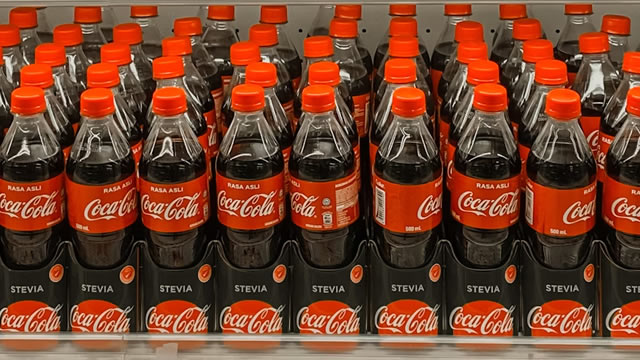
High-fructose corn syrup vs. cane sugar in foods: The cost of switching ingredients
Fox Business· 2025-07-18 16:17
Core Viewpoint - The potential switch from high-fructose corn syrup (HFCS) to cane sugar by Coca-Cola may lead to increased costs for consumers and farmers, as cane sugar is significantly more expensive to produce and process compared to HFCS [1][3][4]. Pricing Comparison - The cost of bulk high-fructose corn syrup is approximately $0.35 per pound in 2025, a slight increase from $0.27 in 2015, while refined white sugar has risen to $1.01 from $0.61 in 2015 [1]. Industry Context - Coca-Cola's historical shift from cane sugar to HFCS in the 1980s was driven by the latter's lower cost due to corn farming subsidies and high tariffs on cane sugar [3][4]. - The U.S. produces 850 billion pounds of corn annually, making it a readily available and inexpensive source for HFCS, while only three states produce 8 billion pounds of cane sugar, with additional sources facing tariffs [6]. Economic Implications - The Corn Refiners Association (CRA) warns that eliminating HFCS could reduce corn prices by up to $0.34 per bushel, resulting in a $5.1 billion revenue loss for farms [9]. - The CRA estimates that the loss of demand for corn refining products could lead to short-term losses of $13.9 billion, with annual losses reaching between $5.2 billion and $7.5 billion, adversely affecting local economies [11]. Product Strategy - Analysts suggest that Coca-Cola may introduce a new product line featuring cane sugar rather than replacing its existing corn syrup-based products [13]. - A cane sugar variant is expected to carry a premium price due to higher production costs, and achieving price parity with current products would require significant increases in U.S. cane sugar production or imports, which is unlikely in the near term [14].

Has Vita Coco Company (COCO) Outpaced Other Consumer Staples Stocks This Year?
ZACKS· 2025-07-18 14:40
Company Overview - Vita Coco Company, Inc. is part of the Consumer Staples group, which consists of 178 companies and currently ranks 11 within the Zacks Sector Rank [2] - The company operates in the Beverages - Soft drinks industry, which includes 17 companies and is ranked 55 in the Zacks Industry Rank [6] Performance Metrics - Year-to-date, Vita Coco has returned 6.4%, outperforming the average return of 5.5% for Consumer Staples companies [4] - Over the past three months, the Zacks Consensus Estimate for Vita Coco's full-year earnings has increased by 0.9%, indicating improved analyst sentiment [4] Comparative Analysis - Coca-Cola (KO) is another Consumer Staples stock that has outperformed the sector with a return of 13.4% year-to-date [5] - The average return for the Beverages - Soft drinks industry is 7.8%, suggesting that Vita Coco is slightly underperforming its industry peers [6] Future Outlook - Investors interested in Consumer Staples stocks should monitor Vita Coco Company, Inc. and Coca-Cola for potential continued strong performance [7]

Coca-Cola's Q2 Earnings on the Deck: A Smart Buy Before the Release?
ZACKS· 2025-07-18 13:41
Core Viewpoint - The Coca-Cola Company is expected to report second-quarter 2025 earnings on July 22, with anticipated year-over-year revenue growth despite a slight decline in earnings per share [1][2]. Revenue and Earnings Estimates - The Zacks Consensus Estimate for revenues is $12.6 billion, reflecting a 1.9% increase from the previous year [2]. - The consensus estimate for earnings is 83 cents per share, indicating a 1.2% decline from the prior-year quarter [2]. - Coca-Cola has shown a positive earnings surprise trend over the last nine quarters, with an average surprise of 4.9% [2]. Business Performance and Trends - Coca-Cola's resilience is attributed to strong business momentum, a diverse brand portfolio, and strategic investments [5]. - The company is projected to see a 4.9% year-over-year increase in organic revenues, driven by a 5.8% rise in price/mix, despite a 0.9% decline in concentrate sales [7]. - Innovations and increased digital investments are expected to contribute positively to second-quarter revenues, with e-commerce growth rates doubling in many countries [8]. Market Challenges - Despite favorable price/mix trends, macroeconomic challenges such as low consumer confidence in China and high inflation in Argentina are anticipated to impact Coca-Cola's performance [9][10]. - The company is facing notable volume pressure in key markets, particularly in North America, which may affect overall growth [10]. Currency and Margin Impact - Currency headwinds are estimated to have a 3% negative impact on second-quarter revenues, with an anticipated 10-basis point decline in adjusted operating margin [13]. - The company expects comparable EPS growth to be affected by 5-6% from currency fluctuations [13]. Stock Performance and Valuation - Coca-Cola's stock has risen 13.4% year to date, outperforming the broader industry and the S&P 500 index [14][18]. - The stock trades at a forward 12-month P/E multiple of 22.77X, which is higher than the industry average of 17.96X [18]. Long-term Outlook - Coca-Cola commands over 40% of the global non-alcoholic beverage market, supported by a strong market presence and a focus on innovation [19]. - Despite short-term challenges, the company is well-positioned for sustained long-term growth [20]. - The upcoming earnings report is expected to reinforce Coca-Cola's resilience and growth outlook, making it a compelling long-term investment [21].
可口可乐公司谢绝听从特朗普“改配方”后,百事可乐公司表态:我们可以改
Huan Qiu Wang· 2025-07-18 10:26
Group 1 - The core message from PepsiCo is that its products will always meet consumer demand, emphasizing a consumer-centric strategy in response to market preferences [1][3] - PepsiCo's CEO, Ramon Laguarta, stated that the company aims to stay ahead of consumer preferences without straying too far from them, indicating a gradual shift towards eliminating artificial colors and flavors in its beverage line [3] - In contrast, Coca-Cola has not committed to any changes regarding the use of real cane sugar in its products, despite President Trump's comments suggesting otherwise [3] Group 2 - Coca-Cola typically uses high fructose corn syrup in the U.S. but employs cane sugar in markets like Mexico and Europe, highlighting regional differences in ingredient sourcing [3] - President Trump is known to be a fan of Diet Coke, having installed a "Coke button" in the Oval Office for easy access to the beverage, which underscores the personal connection between the President and the brand [3]