
Roche(RHHBY)

Search documents
My Market Outlook For 2026: Focus On Pharma For Consistent Returns, Potential Skyrocketing Shares
Seeking Alpha· 2025-12-29 16:00
Group 1 - The article promotes a weekly newsletter focused on stocks in the biotech, pharma, and healthcare industries, highlighting key trends and catalysts that influence market valuations [1] - The newsletter is led by a biotech consultant with over 5 years of experience, who has compiled detailed reports on more than 1,000 companies [1] - The investing group provides insights for both novice and experienced investors, including buy and sell ratings, product sales forecasts, and integrated financial statements [1] Group 2 - The article emphasizes the importance of understanding market catalysts and trends for making informed investment decisions in the biotech and healthcare sectors [1]


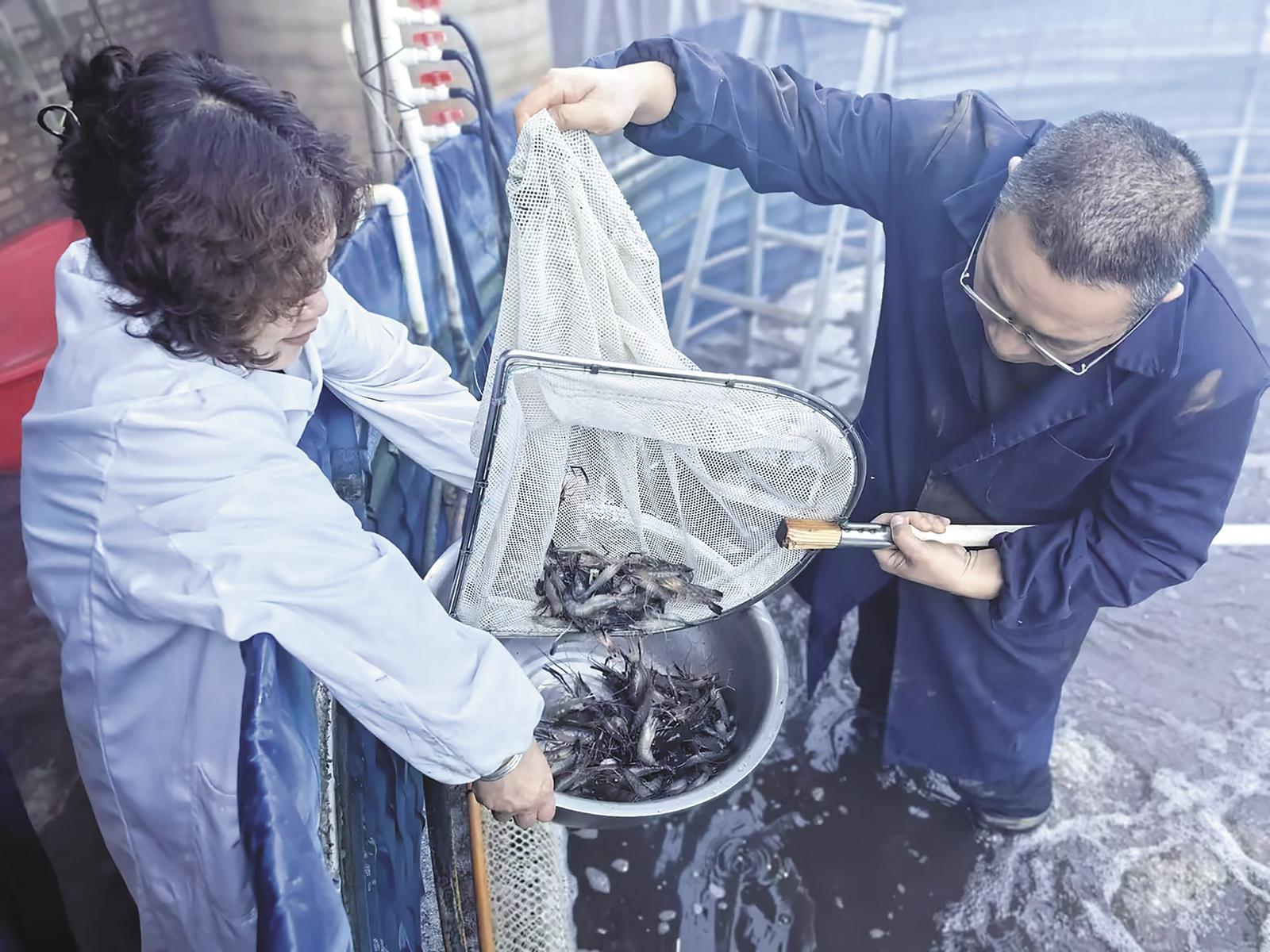
平安区引进罗氏沼虾养殖获丰收
Xin Lang Cai Jing· 2025-12-28 21:32
Core Insights - The introduction of the shrimp farming project in Ping'an District, Haidong City has successfully yielded over 4,000 pounds of high-quality shrimp after more than five months of careful cultivation [2] - This project fills a gap in local specialty aquaculture and establishes the "Southern Famous Shrimp" in the Hehuang Valley [2] - The first batch of shrimp is being sent to market, with a second batch of 320,000 shrimp entering a critical farming period, expected to be available before the Spring Festival [2] Industry Impact - The successful harvest of the shrimp project is expected to enhance local aquaculture diversity and contribute to the regional economy [2] - The upcoming availability of fresh shrimp for the Spring Festival is anticipated to add a unique flavor to traditional holiday meals, potentially increasing local demand [2]
创新药周报:礼来口服SERD imlunestrant III期数据更新-20251221
Huachuang Securities· 2025-12-21 13:23
Investment Rating - The report does not explicitly state an investment rating for the industry or specific companies involved in the development of oral SERDs for breast cancer treatment. Core Insights - The report highlights the recent FDA approval of Imlunestrant, an oral SERD developed by Eli Lilly, for the treatment of ER+/HER2–/ESR1 mutant advanced or metastatic breast cancer, marking it as the second oral SERD approved after Elacestrant [18][19] - The EMBER-3 trial results indicate that Imlunestrant significantly improves progression-free survival (PFS) compared to standard endocrine therapy, with a median PFS of 5.5 months versus 3.8 months for standard therapy [23] - Giredestrant, developed by Roche, has shown positive results in the III phase evERA trial, demonstrating significant benefits in PFS compared to standard treatment in patients previously treated with CDK4/6 inhibitors [27] - Camizestrant, another oral SERD from AstraZeneca, has shown promising efficacy in the SERENA-6 trial, with a median PFS of 16.6 months when combined with CDK4/6 inhibitors [33] Summary by Sections Section 1: Focus on Innovative Drugs - The report reviews the advancements in innovative drugs, particularly in the field of breast cancer treatment, emphasizing the importance of oral SERDs [2][5] Section 2: Current Status of ER+ Breast Cancer Therapies - The report discusses the current landscape of therapies for ER+ breast cancer, including the mechanisms of action for various anti-estrogen therapies and the challenges of resistance faced by patients [10][8] Section 3: Clinical Development of New Oral SERDs - The report details the clinical development progress of several new oral SERDs, including Imlunestrant, Giredestrant, and Camizestrant, highlighting their respective phases and trial outcomes [12][11][33] Section 4: Market Dynamics and Company Performance - The report provides insights into the market dynamics of the biotech sector, including stock performance of key companies involved in the development of innovative cancer therapies [46][49]


Roche CEO points to higher future drug prices in Switzerland after US deal
Reuters· 2025-12-20 21:41
Core Insights - Deals between pharmaceutical companies and the U.S. government aimed at reducing drug prices are expected to increase the cost of new drugs in Switzerland, according to the CEO of Roche [1] Group 1: Impact on Drug Pricing - The agreements in the U.S. to lower medicine prices may lead to higher costs for new pharmaceuticals in Switzerland [1]
Trump strikes deal with US drugmakers to cut Medicaid medicine costs
The Guardian· 2025-12-19 20:14
Core Insights - Donald Trump and nine major pharmaceutical companies have reached agreements to significantly reduce drug prices for the Medicaid program and cash payers, aiming to align US costs with those in other wealthy nations [1][2] Group 1: Price Reductions and Agreements - Drugmakers will cut prices on most drugs sold to Medicaid, promising "massive savings" on commonly used medicines, although specific figures were not disclosed [2] - The deals include agreements to lower cash-pay prices for select drugs, launch drugs in the US at prices equal to those in other wealthy nations, and increase manufacturing [3] - Merck plans to sell its diabetes drugs at approximately 70% off list prices directly to US consumers, with potential for its experimental cholesterol drug to be offered through direct channels [4] Group 2: Previous and Current Deals - Five companies had previously made agreements with the administration to control prices, while three companies have yet to announce deals [6] - Drugmakers committed to "most-favored-nation" pricing for all new US drug launches across various markets, including Medicare [7] Group 3: Financial Commitments and Investments - Companies pledged to invest over $150 billion in US research and development and manufacturing, with Merck contributing $70 billion of that total [8] - A portion of revenues from foreign sales will be remitted to the US to help offset costs [8] Group 4: Medicaid and Market Impact - Medicaid, which represents about 10% of US drug spending, already benefits from significant price discounts, sometimes exceeding 80% [9] - Pfizer indicated that Medicaid discounts would lead to price and margin compression in the upcoming year [9]



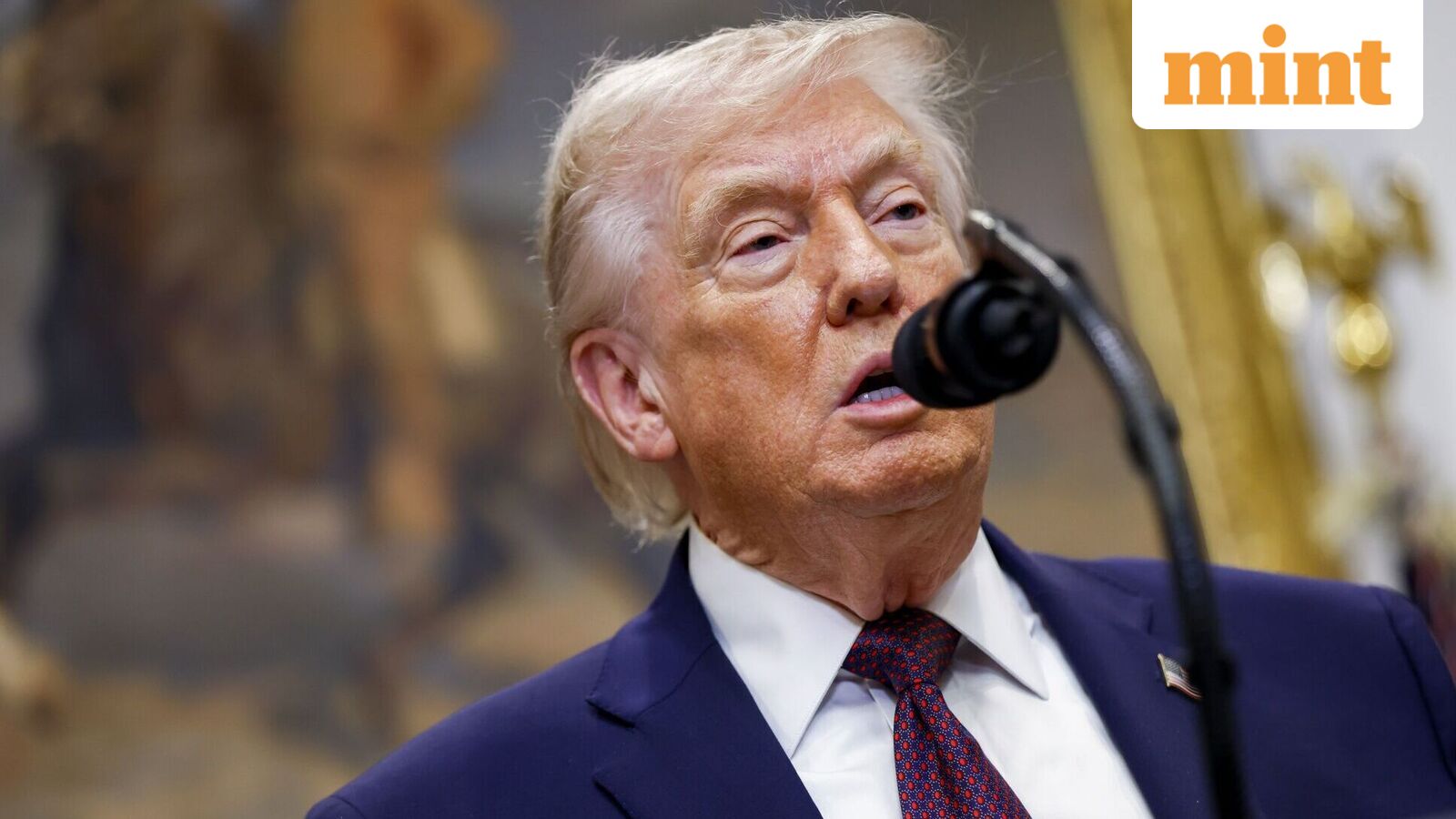
Trump secures agreements with Merck, Amgen, Novartis and others to cut drug prices under Medicaid
MINT· 2025-12-19 20:04
Core Points - US President Donald Trump announced agreements with nine major pharmaceutical companies to reduce drug prices for Medicaid and cash-paying consumers, aiming to align US drug costs with those in other wealthy nations [1][4] - Trump emphasized that the US was previously subsidizing global drug costs and will no longer do so [2] Group 1: Drugmakers Involved - Participating companies include Bristol Myers Squibb, Gilead Sciences, Novartis, Amgen, Boehringer Ingelheim, Sanofi, GSK, Merck, and Roche's US unit Genentech [3] - Additional companies like Regeneron, Johnson & Johnson, and AbbVie are expected to join after the holidays [3] Group 2: Price Reductions and Commitments - Drugmakers will reduce prices on most medicines sold to Medicaid, promising "massive savings" on widely used drugs, although specific figures were not disclosed [4] - The agreements also include commitments to cut cash prices for select medicines and to launch new drugs in the US at prices equal to those in other wealthy countries [5] Group 3: Specific Drug Pricing - Merck plans to sell diabetes drugs Januvia, Janumet, and Janumet XR at discounts of about 70% off list prices [7] - Amgen will price its migraine drug Aimovig and arthritis treatment Amjevita at $299 per month, which is nearly 60% and 80% below current US list prices, respectively [7] Group 4: Investment and Revenue Sharing - Companies pledged to invest over $150 billion in US research, development, and manufacturing, with Merck alone committing $70 billion [8] - A portion of each company's overseas revenue will be remitted to the US to help offset domestic drug costs, and several companies agreed to donate drug ingredients to the US strategic reserve [9] Group 5: Industry Reaction - Five drugmakers, including Pfizer and Eli Lilly, had already struck similar deals with the administration, and AbbVie is expected to announce its agreement soon [10]

Genentech Announces Agreement With U.S. Government
Businesswire· 2025-12-19 19:28
Core Insights - Genentech has reached an agreement with the U.S. government aimed at reducing costs for state Medicaid programs and enhancing patient access to medications [1][2][3] - The company is committed to making its medicines available at prices comparable to those in other wealthy countries, particularly for vulnerable patients [2][3] - Genentech has announced a significant $50 billion investment in U.S. manufacturing, infrastructure, and R&D, which is expected to create over 11,000 jobs [3] Medicaid and Patient Access - Under the new agreement, Genentech will expand its direct-to-patient program for essential flu medicines, making it accessible via TrumpRx.gov [2] - The company aims to address prescription drug costs while promoting innovation and patient access [3] Investment and Economic Impact - The $50 billion investment includes the establishment of a new facility in Holly Springs, North Carolina, and the onshoring of research and manufacturing [3] - This investment will support approximately 6,500 construction jobs and create up to 1,000 highly skilled jobs at new and expanded sites [3] Tariff Exemption and Pricing - Genentech has secured a three-year exemption from tariffs, facilitating its manufacturing expansion in the U.S. [4] - The company will not be subject to future pricing mandates, although specific terms of the agreement remain confidential [4]
九家制药商与特朗普签署价格协议,以避免关税。其中包括罗氏、Merck、百时美施贵宝、葛兰素史克、诺华、吉利德科学、安进、赛诺菲,艾伯维、强生、再生元制药还没有与特朗普宣布协议
Hua Er Jie Jian Wen· 2025-12-19 19:25
Group 1 - Nine pharmaceutical companies have signed a price agreement with Trump to avoid tariffs, including Roche, Merck, Bristol-Myers Squibb, GlaxoSmithKline, Novartis, Gilead Sciences, Amgen, and Sanofi [1] - AbbVie, Johnson & Johnson, and Regeneron Pharmaceuticals have not yet announced agreements with Trump [1]
股票市场概览:资讯日报:大型科技股拖累标普500指数四连跌-20251218
Guoxin Securities Hongkong· 2025-12-18 13:17
Market Overview - The S&P 500 index has experienced four consecutive declines, primarily driven by large technology stocks[1] - Major U.S. indices collectively fell, with the Nasdaq down nearly 2%[9] - The S&P 500 closed at 6,800, reflecting a decline of 1.16% for the day and a year-to-date increase of 14.28%[3] Hong Kong Market Performance - The Hong Kong stock market showed a significant recovery in the afternoon, with major indices rebounding after two consecutive days of decline[9] - Large technology stocks such as Meituan and Kuaishou rose nearly 2%, while Tencent and Alibaba increased over 1%[9] - The financial sector saw a collective rise, with China Life Insurance up over 4% and CITIC Securities up over 3%[9] Sector Highlights - Precious metals stocks strengthened, with China Silver Group rising over 7% due to a weaker dollar and expectations of interest rate cuts, pushing silver prices above $66 per ounce[9] - The aviation sector saw gains, with China Southern Airlines up over 5% as ticket bookings surged ahead of the New Year holiday[9] - The lithium battery sector also rose, driven by a significant increase in lithium carbonate futures prices, with Tianqi Lithium up 5.83%[9] Economic Indicators - Japan's November exports grew by 6.1% year-on-year, exceeding market expectations, with a trade surplus of 322.2 billion yen[13] - The U.S. Treasury yields have shown fluctuations, impacting market sentiment and investment strategies[18]




紧跟同行步伐,瑞士两大药企诺华(NVS.US)、罗氏表态支持美国药品降价
智通财经网· 2025-12-18 10:49
Core Viewpoint - Swiss pharmaceutical giants Novartis (NVS.US) and Roche have expressed support for efforts to lower drug prices in the U.S. and are collaborating with the Trump administration towards this goal [1] Group 1: Company Actions - Novartis is in discussions with the Trump administration to find solutions for reducing drug costs for American citizens and addressing the price disparity between the U.S. and other high-income countries [1] - Roche has stated its support for the goal of lowering drug costs and encourages other countries to reward biopharmaceutical innovation [1] Group 2: Industry Context - The Trump administration has reached out to 17 pharmaceutical companies, urging them to significantly lower drug prices, with Pfizer (PFE.US) and AstraZeneca (AZN.US) being the first to agree to price reductions in exchange for tariff relief [1] - Recent agreements have been made by Eli Lilly (LLY.US) and Novo Nordisk (NVO.US) to substantially reduce the prices of commonly used GLP-1 weight loss drugs for Medicare, Medicaid, and out-of-pocket patients [1]