Rio Tinto(RIO)

Search documents
全球铁矿石定价格局面临重塑
Qi Huo Ri Bao· 2026-01-22 01:09
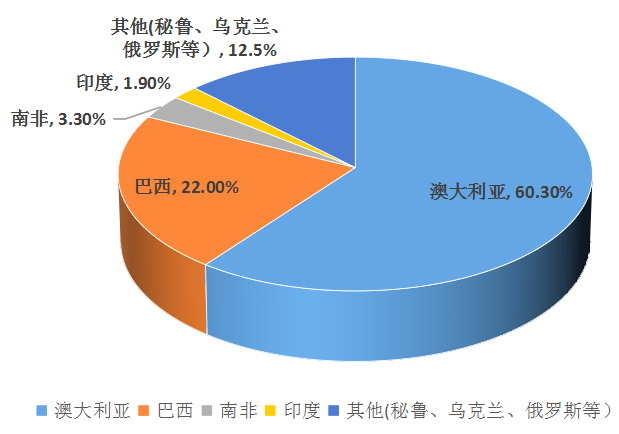
Core Viewpoint - The recent shift in iron ore pricing mechanisms by major miners like Rio Tinto and FMG indicates a potential transition away from the Platts index, which has been criticized for its limited sample size and susceptibility to manipulation. This change may lead to a multi-index pricing phase, reshaping the global pricing landscape for iron ore [1][2][10]. Group 1: Changes in Pricing Mechanisms - Rio Tinto and FMG will stop using the Platts index for long-term contracts with Chinese steel mills, opting instead for Fastmarkets and a combination of Mysteel and Argus indices [2][3]. - The adjustment in pricing benchmarks signifies that the Platts index will no longer be the sole reference for iron ore pricing, potentially breaking its monopoly [2][10]. Group 2: Supply Dynamics - China, as the largest consumer of iron ore, imports over 12 million tons annually, with a dependency exceeding 80%, primarily from the four major miners [4][9]. - The upcoming Guinea Simandou iron ore project, set to commence production in November 2025, is expected to alter the current supply dynamics, reducing China's reliance on Australian iron ore [7][8]. Group 3: Future Supply Outlook - The global iron ore supply is anticipated to increase due to ongoing capacity expansions by major miners and the gradual ramp-up of the Simandou project [9][10]. - The long-term outlook suggests a shift towards a more balanced supply-demand scenario, with potential downward pressure on prices as the market adjusts to increased supply [10].

力拓第四季度铜产量超预期,全年产量高于指引
Wen Hua Cai Jing· 2026-01-22 00:43
Group 1 - Rio Tinto's fourth-quarter copper production exceeded expectations, driven by the expansion of underground capacity at the Oyu Tolgoi mine, offsetting a decline in production at the Escondida mine in Chile [2][4] - The consolidated copper production for the fourth quarter increased by 5% year-on-year to 240,000 tons, surpassing the general estimate of 214,400 tons [2][4] - Annual copper production rose by 11% to 883,000 tons, exceeding Rio Tinto's guidance of 860,000 to 875,000 tons [2][3] Group 2 - The copper business accounts for about one-quarter of Rio Tinto's half-year profits, which is still modest compared to iron ore, but is crucial for the company's long-term growth ambitions and ongoing acquisition talks with Glencore [3][4] - At the Escondida mine, production decreased by 10% year-on-year due to lower grades and reduced output from the concentrator, while Oyu Tolgoi's production increased by 57%, supporting the overall copper revenue for the group [3][4]
Rio Tinto (RIO) Is Up 4.93% in One Week: What You Should Know
ZACKS· 2026-01-21 18:01
Core Viewpoint - Momentum investing focuses on following a stock's recent price trends, with the aim of buying high and selling higher, capitalizing on established price movements [1] Company Overview: Rio Tinto (RIO) - Rio Tinto currently holds a Momentum Style Score of B and a Zacks Rank of 1 (Strong Buy), indicating strong potential for outperformance in the market [2][3] - The stock has shown a price increase of 4.93% over the past week, while the Zacks Mining - Miscellaneous industry has increased by 5% during the same period [5] - Over the last quarter, Rio Tinto shares have increased by 19.02%, and over the past year, they have gained 38.8%, significantly outperforming the S&P 500, which moved 1.25% and 14.72% respectively [6] Trading Volume - The average 20-day trading volume for Rio Tinto is 3,509,214 shares, which serves as a bullish indicator when combined with rising stock prices [7] Earnings Outlook - In the past two months, 2 earnings estimates for Rio Tinto have been revised upwards, while only 1 has been revised downwards, leading to an increase in the consensus estimate from $6.43 to $7.08 [9] - For the next fiscal year, 3 estimates have moved upwards with no downward revisions, indicating positive earnings momentum [9] Conclusion - Given the positive momentum indicators and earnings outlook, Rio Tinto is positioned as a strong buy candidate for investors seeking short-term opportunities [11]
It's make-your-mind-up time for Rio Tinto as deadline looms for decision on Glencore takeover

MarketWatch· 2026-01-21 15:05
Rio Tinto has until Feb. 5 to inform the U.K. Takeover Panel if it intends to make an offer for Glencore. ...
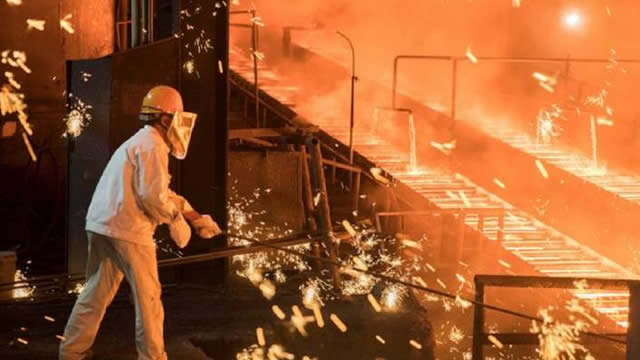
美股异动丨力拓涨近5%创新高,Q4铁矿石产量强劲反弹
Ge Long Hui· 2026-01-21 15:03
力拓(RIO.US)涨近5%,最高触及89.78美元,创下历史新高。消息面上,力拓第四季度铁矿石和铜产量 强劲增长,得益于早前天气干扰后的业务反弹以及其旗舰铜资产的持续产能提升。期内,皮尔巴拉 (Pilbara)铁矿石发货量同比增长7%至9130万吨,产量同比增长4%至8970万吨,创下季度记录;铜产量 同比增长5%至24万吨。(格隆汇) ...
After Gold and Silver, Is Copper Set for a Big Run? 4 Stocks to Buy
ZACKS· 2026-01-21 14:41
Core Insights - Gold and silver experienced significant price increases in 2025, with gold rising over 60% and silver surging over 150%, continuing into 2026 as geopolitical tensions drive investors towards safe-haven assets [1] - Copper is emerging as a key investment opportunity, having risen around 40% in 2025, with expectations for further price increases due to new demand drivers [2][10] Copper Market Dynamics - The demand for copper is being fueled by its essential role in electric vehicles, renewable energy systems, and the AI economy, with massive data centers requiring substantial amounts of copper [5] - China, as the largest copper consumer, is actively securing long-term supplies, contributing to a lasting shortage in the market as demand outpaces supply [6] Investment Opportunities in Copper Stocks - Ero Copper Corp. is positioned well with record production of 16,664 tonnes of copper concentrate at a low cash cost of $2 per pound, and is advancing the Furnas Copper-Gold Project [7][8] - BHP Group Limited is targeting around 2 million tons of copper production per year by the 2030s, with significant investments in expanding operations [11][12] - Rio Tinto is developing major projects like Resolution Copper and Oyu Tolgoi, which is set to be one of the largest copper mines globally by 2030 [14][15] - Southern Copper Corporation holds the largest copper reserves in the industry and has a $15 billion capital investment plan, focusing on major projects in Peru [16][17] Financial Projections - Ero Copper's 2026 sales and EPS are expected to grow by 38% and 100% year-over-year, respectively, with a Zacks Rank of 1 (Strong Buy) [9] - BHP's fiscal 2026 EPS is projected to grow by 23%, also holding a Zacks Rank of 1 [13] - Rio Tinto's 2026 sales and EPS are estimated to grow by 6% each, with a Zacks Rank of 1 [16] - Southern Copper's 2026 sales and EPS are expected to grow by 10% and 18%, respectively, with a Zacks Rank of 2 (Buy) [18]




Rio Tinto reports 8% increase in 2025 copper production
Yahoo Finance· 2026-01-21 13:39
Group 1: Production and Shipments - Rio Tinto announced an 8% year-on-year increase in copper equivalent production for 2025, with shipments rising by 5% [1] - In Q4 2025, Pilbara iron ore operations reported a record 4% production increase and a 7% rise in shipments year-on-year [1] - Bauxite production in Q4 stood at 15.4 million tonnes, contributing to a 6% annual increase to 62.4 million tonnes [4] Group 2: Project Developments - The growth in copper production was largely driven by the successful ramp-up of the Oyu Tolgoi project [1] - The Simandou project saw rapid progress, with operations commencing and the first shipment dispatched in Q4 2025 [1][5] - Rio Tinto celebrated the major milestone of the first shipment from the Simandou port, highlighting its ability to deliver major growth projects [5] Group 3: Financials and Expenditures - In 2025, Rio Tinto reported pre-tax and pre-divestment expenditure on exploration and evaluation amounting to A$795 million, a decrease from A$935 million in 2024 [2] - The expenditure distribution included approximately 40% for copper, 32% for central exploration, 19% for iron ore, 8% for other operations, and 1% for aluminium and lithium [3] - Copper production reached 240,000 tonnes in Q4, up 5%, with an annual total of 883,000 tonnes, an 11% rise from the previous year [4]
美股异动丨力拓盘前涨超4%,Q4铁矿石和铜产量强劲增长
Ge Long Hui· 2026-01-21 09:22
Core Viewpoint - Rio Tinto (RIO.US) shares rose over 4% pre-market, reaching $89.19, driven by strong growth in iron ore and copper production in Q4 2025, following a rebound from earlier weather disruptions and ongoing capacity enhancements in its flagship copper assets [1] Group 1: Production Growth - Iron ore production from Pilbara increased by 4% year-on-year to 89.7 million tons, setting a quarterly record [1] - Copper production rose by 5% year-on-year to 240,000 tons [1] - For the full year 2025, copper production is projected to grow by 11% to 883,000 tons, exceeding the upper limit of the company's guidance range [1]
力拓(RIO.US)Q4铜产量增长5%,持续推进铜业务增长
Zhi Tong Cai Jing· 2026-01-21 02:32
Core Insights - Rio Tinto (RIO.US) reported a 5% increase in copper production in Q4, primarily due to the expansion of underground operations at the Oyu Tolgoi copper mine in Mongolia [1] - The Pilbara iron ore operations set a production record in the last three months of the previous year, with iron ore remaining the largest revenue source for the company [1] - The company must announce its acquisition intentions by February 5 to avoid forfeiting the opportunity to acquire [1] Group 1: Copper Production - The Escondida copper mine in Chile, the largest in the world, saw a 10% decrease in production compared to the same period in 2024 due to lower output from the concentrator and reduced ore grades [1] - In contrast, the Oyu Tolgoi copper mine's production increased by 57% year-on-year, offsetting the decline from Escondida [1] Group 2: Iron Ore and Other Commodities - Iron ore exports increased by 7% to 91.3 million tons in Q4, although the annual export volume was below expectations due to recovery from adverse weather conditions [1] - The company began exporting iron ore from the newly constructed Simandou mine in Guinea in Q4, with expected sales of 5 to 10 million tons by 2026, a small fraction of the anticipated 323 to 338 million tons from the Pilbara region this year [1] - Other commodities saw a 2% increase in aluminum production, while lithium production reached a record high, aided by exports from Argentina [1] - The company's small titanium business, which is planned for divestment, experienced a 6% decline in production [1] Group 3: Management Focus - Since the appointment of new CEO Simon Trott, the company has been focused on refocusing its business, cutting costs, and controlling its previous ambitions in the lithium sector [2] - Trott stated that the company is implementing more efficient and streamlined working methods, which have already yielded positive results [2]
Rio Tinto Produced More Copper, Slightly Less Iron Ore Last Year
WSJ· 2026-01-20 22:23
Core Insights - Rio Tinto reported an 11% increase in copper output for 2025, exceeding investor guidance [1] - Iron ore shipments from Australian mines were only slightly lower, following record output [1] Company Performance - The increase in copper output indicates strong operational performance and effective management strategies [1] - The slight decrease in iron ore shipments suggests stability in production levels despite previous records [1]