
SoftBank(SFTBY)

Search documents
“哭着清仓英伟达”
中国基金报· 2025-12-01 15:39
Core Viewpoint - SoftBank's founder Masayoshi Son expressed that the decision to sell all Nvidia shares was driven by the need to raise funds for AI investments, particularly in OpenAI, rather than a belief in an AI investment bubble [2][4]. Group 1: Sale of Nvidia Shares - SoftBank sold its entire stake in Nvidia, amounting to approximately 32.1 million shares, for a total value of about $5.83 billion [6]. - The sale occurred amid rising concerns in the market regarding AI investments, which triggered a chain reaction in the market [5]. - Son stated that he would not have sold Nvidia shares if the company had "unlimited money" for AI investments, indicating a strong desire to retain the investment [2][4]. Group 2: AI Investment Strategy - SoftBank is significantly increasing its AI-related investments, including partnerships for building data centers and acquiring companies like Ampere Computing [4]. - Son countered claims of an AI investment bubble by asserting that AI could generate returns equivalent to 10% of global GDP in the long term, making substantial investments worthwhile [4]. - The company plans to further increase its investment in OpenAI by the end of the year [4]. Group 3: Historical Context and Financial Impact - SoftBank initially invested $4 billion in Nvidia in 2017, acquiring nearly 5% of the company, but sold its shares in 2019, missing out on Nvidia's market value surge from $100 billion to $4 trillion [5]. - The recent sale of Nvidia shares was part of a broader strategy to fund new projects, including data center construction [2][5].



“哭着清仓英伟达”
Zhong Guo Ji Jin Bao· 2025-12-01 15:20
Group 1 - The core viewpoint is that SoftBank's CEO Masayoshi Son expressed regret over selling Nvidia shares, stating that the sale was necessary to raise funds for AI investments, particularly in OpenAI and data center projects [2][3]. - Son criticized the notion of an "AI investment bubble," arguing that AI could generate returns equivalent to 10% of global GDP in the long term, making substantial investments worthwhile [3]. - SoftBank sold its entire stake in Nvidia, amounting to approximately 32.1 million shares, for a total value of about $5.83 billion in October [5]. Group 2 - SoftBank initially invested $4 billion in Nvidia in 2017, acquiring nearly 5% of the company, but the recent sale meant missing out on Nvidia's market cap growth from $100 billion to $4 trillion [3]. - The company had been increasing its stake in Nvidia again, holding $1 billion in Q4 of last year and raising it to about $3 billion in Q1 of this year [4]. - The sale occurred amid rising concerns in the market regarding AI investments, which triggered a chain reaction in the market [3].
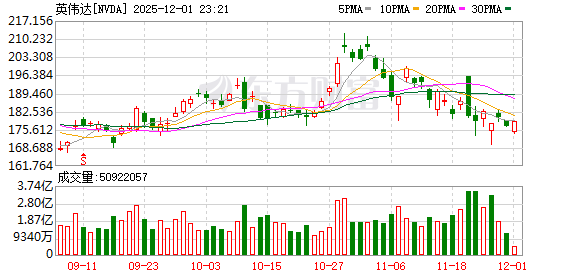
哭着清仓英伟达
Zhong Guo Ji Jin Bao· 2025-12-01 15:19
Core Viewpoint - SoftBank's founder Masayoshi Son stated that the company sold its entire stake in Nvidia to raise funds for AI investments, emphasizing that he would not have sold if there were "unlimited funds" available for such investments [1][2]. Group 1: Reasons for Selling Nvidia Shares - SoftBank sold its entire Nvidia stake, amounting to approximately 32.1 million shares, for a total value of about $5.83 billion [4]. - The sale was primarily driven by the need to raise capital for projects such as data center construction and investments in OpenAI [1][2]. - Son expressed regret over the sale, indicating that he was "crying" while selling the shares, highlighting the emotional weight of the decision [1]. Group 2: AI Investment Perspective - Son refuted claims of an "AI investment bubble," arguing that AI could generate returns equivalent to 10% of global GDP in the long term, making substantial investments worthwhile [2]. - He criticized those who believe in an AI bubble, suggesting they lack understanding of the potential of AI [2]. - SoftBank has significantly increased its AI-related investments, including partnerships for data center development and acquisitions in the semiconductor sector [1]. Group 3: Historical Context of Nvidia Investment - SoftBank initially invested $4 billion in Nvidia in 2017, acquiring nearly 5% of the company [2]. - The company sold its Nvidia shares in 2019, missing out on the stock's rise from a market cap of $100 billion to $4 trillion [2]. - After a period of reduced investment, SoftBank re-established its position in Nvidia, increasing its holdings from $1 billion in Q4 of last year to approximately $3 billion in Q1 of this year [3].
SoftBank's Son says he cried selling Nvidia to fund AI bets
Yahoo Finance· 2025-12-01 15:03
Core Viewpoint - SoftBank's founder Masayoshi Son expressed reluctance in selling the company's entire Nvidia stake, indicating that the decision was emotionally driven by the need for cash to invest in AI opportunities [1][2]. Group 1: Financial Decisions and Implications - SoftBank sold its Nvidia stake for approximately $5.83 billion, which surprised investors and raised concerns about potential overvaluation in AI-related stocks [2]. - The company's stock has declined nearly 40% in U.S. trading since late October, reflecting investor anxiety regarding the scale of SoftBank's AI investments [3]. Group 2: AI Sector Outlook - Son countered claims of a bubble in the AI sector, asserting that the economic impact of advanced AI systems will justify the significant investments being made [3]. - Despite the optimism, concerns have been raised by short-seller Jim Chanos regarding the sustainability of business models in the AI cloud computing space, highlighting that many AI companies are currently loss-making [4][5]. Group 3: Investment Focus - Much of SoftBank's AI spending is directed towards ambitious hardware and infrastructure projects, including the "Stargate" data-center initiative and in-house chip design through Ampere Computing, which require substantial capital investments before yielding returns [4].
“快哭了!”孙正义,首次回应
证券时报· 2025-12-01 14:16
在今日 ( 12 月 1 日 ) 举行的 东京 FII Priority Asia 论坛 上,软银集团创始人孙正义首次回应清仓英 伟达,以及如何看待 " AI 泡沫"。 在被软银清仓之时,今年10月底,英伟达最近成为首家市值突破5万亿美元的公司,而就在3个月前,它的市值 刚刚突破4万亿美元,这种飙升程度,加剧了近几个月来人们对人工智能行业泡沫的担忧。批评人士指出,在 人工智能狂热的推动下,科技巨头的股价过快飙升,与最终破裂的2000年互联网泡沫有相似之处。11月以来, 英伟达股价整体呈回调趋势,目前股价报177美元/股,较高点回撤幅度超过16%。 阿里巴巴集团董事长蔡崇信近期在香港大学演讲时表示,针对AI是否为泡沫的疑问,他区分两种类型:金融 市场泡沫涉及估值合理性,如市盈率50倍是否过高,"这是一门艺术,我不知道";技术泡沫则关乎技术本身真 实性。他认为AI可能存在金融泡沫,但技术基础真实可靠,类比2000年互联网泡沫破裂后,互联网并未消失 反而更强大。所有投入AI基础设施与模型开发的资源不会白费。 英伟达CEO黄仁勋则在财报电话会上再次驳斥了"AI泡沫论",觉得从他和公司的角度看不到泡沫存在,并认 为"已 ...

孙正义回应清仓英伟达:我是哭着卖掉的
Guan Cha Zhe Wang· 2025-12-01 13:41
Core Viewpoint - SoftBank Group's founder Masayoshi Son expressed that the sale of Nvidia shares was a necessary move to raise funds for future investments in artificial intelligence, despite emotional attachment to the stock [1][2]. Group 1: SoftBank's Investment Strategy - SoftBank has heavily invested in AI this year, including projects with OpenAI and Oracle, and plans to invest an additional $6.5 billion in OpenAI [2]. - The company has also announced plans to acquire U.S. chip company Ampere for $6.5 billion [2]. - SoftBank's second-quarter net profit reached 2.5 trillion yen (approximately 114.2 billion yuan), significantly exceeding analyst expectations of 418.2 billion yen (approximately 19.1 billion yuan) [2]. Group 2: Nvidia's Financial Performance - Nvidia reported third-quarter revenue of $57.006 billion, a 62% increase year-over-year, with net profit of $31.91 billion, up 65% [2]. - The data center business achieved record revenue of $51.2 billion in the third quarter, a 66% year-over-year increase [2]. - Nvidia's fourth-quarter revenue is projected to be around $65 billion, with a gross margin expected at 74.8% [2]. Group 3: Market Concerns and AI Bubble - Despite Nvidia's strong financial results, investor concerns about an "AI bubble" have intensified, leading to a 14.45% decline in Nvidia's stock price over the past month [3]. - The market is questioning whether Nvidia is artificially creating demand through complex financing structures rather than responding to genuine market needs [3]. - Research from MIT found that 95% of companies investing in AI reported zero return on investment, while Bain & Co. predicts a $800 billion shortfall in revenue needed to meet expected demand by 2030 [4].

孙正义:哭着卖出英伟达股票
Feng Huang Wang· 2025-12-01 12:23
Core Viewpoint - The founder of SoftBank, Masayoshi Son, expressed that if the company had unlimited funds for its next round of investments in artificial intelligence, including a significant bet on OpenAI, he would not have sold shares of Nvidia [1] Group 1: Investment Strategy - SoftBank's decision to sell Nvidia shares was driven by the need to raise capital for projects such as data center construction [1] - Son stated that he was reluctant to sell Nvidia shares, indicating that the sale was a necessity rather than a strategic choice [1] Group 2: AI Investment Perspective - Son dismissed claims of an artificial intelligence investment bubble, arguing that if AI can contribute 10% to global GDP in the long term, the investment of trillions of dollars would be justified [1] - He criticized those discussing the AI investment bubble as "not smart enough," questioning the existence of a bubble in the context of potential economic benefits [1]
SoftBank’s Son ‘Cried’ About Nvidia Stake Sale to Fund AI Bets
Yahoo Finance· 2025-12-01 09:57
Masayoshi Son during the Future Investment Initiative Institute Priority Asia conference in Tokyo,, Dec. 1. SoftBank Group Corp. founder Masayoshi Son said he wouldn’t have sold off Nvidia Corp. shares if his company had unlimited money to bankroll its next investments in artificial intelligence, which include a big bet on OpenAI. Most Read from Bloomberg Son, addressing for the first time the surprise November disclosure that SoftBank had unloaded its entire stake in the world’s most valuable company, a ...

日经225跌破50000点,软银跌超3%,日元跌至10个月新低
2 1 Shi Ji Jing Ji Bao Dao· 2025-12-01 01:34
Core Points - The Japanese 5-year government bond yield has risen to 1.345%, the highest level since June 2008, indicating a significant shift in the bond market [2] - The Japanese yen has depreciated against the US dollar, reaching a 10-month low, with the exchange rate at 155.84 yen per dollar, marking a depreciation of approximately 10 yen since the Liberal Democratic Party presidential election [2][5] - The US dollar index has decreased by 8.37% this year, with the dollar depreciating against major currencies, including a 0.79% decline against the yen [4] Currency and Economic Trends - The depreciation of the yen is primarily attributed to the widening interest rate differential between the US and Japan, as the Federal Reserve has entered a strong rate hike cycle while the Bank of Japan has maintained a more stable policy [5] - Japan's economic stimulus plan, announced by Prime Minister Fumio Kishida, includes a budget of 21.3 trillion yen aimed at addressing inflation and stimulating growth, but has led to immediate depreciation of the yen, suggesting investor skepticism [8][9] - Japan's government debt is projected to exceed 42.1 trillion yen in 2024, with an additional issuance of approximately 11.7 trillion yen to cover the funding gap from the stimulus plan [8] Long-term Economic Implications - Japan's economic growth has been sluggish, with average growth rates declining significantly over the decades, raising concerns about the effectiveness of fiscal stimulus measures [9][12] - The Bank of Japan faces a dilemma in its monetary policy, balancing the need for economic stimulus against rising inflation, with current inflation rates hovering around 2.4% to 4% [14] - The reliance on government debt and low interest rates has distorted the bond market, leading to capital outflows as investors seek higher returns abroad, which could further pressure the yen [16]


