西门子

Search documents
颠覆传统蒸箱!西门子“蒸玲珑”抽屉蒸箱京东线上线下独家首发
Yang Zi Wan Bao Wang· 2026-01-23 15:15
Core Viewpoint - Siemens has launched the innovative "Steamed Linglong" drawer steamer, designed to meet the dual needs of health-conscious Chinese consumers and space optimization in small kitchens, marking a significant advancement in kitchen appliance technology [1][3]. Product Features - The "Steamed Linglong" features a compact design with a thickness of only 14.1 cm, allowing it to seamlessly integrate into modern kitchens [1]. - It boasts a powerful 1560W steam generator that can reach near working temperature in under 100 seconds, reducing cooking time by up to 30% compared to traditional steamers [1]. - The product utilizes a German PID 2.0 algorithm and real-time temperature control system, maintaining temperature fluctuations within ±1°C to ensure optimal cooking results [1]. - It releases approximately 1.2 liters of high-density steam per second, preserving the natural color and nutrients of the food [1]. Market Response - The product has generated significant interest on its first day of display at JD MALL, with consumers appreciating its space-saving design and ease of use [2]. - Customers have highlighted the convenience of the product, particularly for families, as it allows for quick meal preparation [2]. Sales and Promotions - The introductory price for the "Steamed Linglong" is set at 5990 yuan, with promotional offers including a choice of a high-end air fryer or a blender for customers who pay a deposit in-store [2]. - Additional services include free cabinet renovation consultations and a 100-day free trial period, enhancing customer experience and reducing purchase hesitations [2]. Industry Context - The launch aligns with the "Healthy China Initiative," as steaming has become a mainstream cooking method in first-tier and new first-tier cities, addressing the limitations of traditional large steamers [3]. - Siemens leverages its century-long expertise in steam and baking technology to redefine consumer perceptions of steamers, focusing on practical solutions for modern cooking challenges [3].


多点数智成功入选MINDS 2025项目
Huan Qiu Wang· 2026-01-23 10:55
Group 1 - The MINDS 2025 project, initiated by the World Economic Forum, recognizes leading AI solutions that have been deployed at scale in real business environments, with Multi-Point Intelligence being the only retail company selected for its AI innovations in the retail sector [1][3] - Multi-Point Intelligence showcased its AI applications in retail operations using the Beijing Wumart store as a case study, integrating AI capabilities such as product selection, clearance, inspection, and loss prevention into daily operations [3] - The company aims to transform retail operations from relying on human experience to a data-driven, intelligent collaboration model, thereby enhancing operational efficiency and reducing costs [3] Group 2 - The MINDS 2025 project includes participants from various key sectors such as information technology, energy, healthcare, finance, and manufacturing, featuring renowned companies like AMD, Siemens, and Ant Group, highlighting the significance of retail as a frontier for AI applications [1][3] - Multi-Point Intelligence's selection for the MINDS 2025 project not only affirms its technological strength and innovative achievements but also emphasizes the retail industry's role in creating economic value and promoting sustainable development through applied AI [3]


中国“灯塔工厂”数量全球第一,在华外资加码本土化升级
第一财经· 2026-01-22 12:37
Core Insights - The article highlights the significant presence of China in the latest "Lighthouse Factory" list released by the World Economic Forum, with 16 new factories, bringing the total to 101, making China the leader globally in this category [3][4]. Group 1: Lighthouse Factories - The "Lighthouse Factory" initiative, co-launched by the World Economic Forum and McKinsey, represents the pinnacle of smart manufacturing and digital transformation [4]. - Schneider Electric's Wuhan factory is recognized as one of the three "Talent Lighthouse Factories" globally, emphasizing the importance of talent development in the digital age [5]. Group 2: Talent Development and Challenges - Schneider Electric's Wuhan factory has seen a 55% increase in automation and a 239% expansion in product offerings since 2020, but faces a significant talent challenge, with only 20% of employees possessing automation skills and a turnover rate of 48% for technical staff [6]. - The factory has implemented a digital apprenticeship program and AI-driven personalized skill upgrade paths, reducing onboarding time from 75 days to 15 days and decreasing technician turnover to 6% over five years [6]. Group 3: Market Dynamics and Investment - The article notes that foreign investments in China are driven by the country's vast market size and unmatched supply chain efficiency, with customized services being key to enhancing global competitiveness [9][10]. - In the first 11 months of 2025, China saw a 16.9% year-on-year increase in newly established foreign-invested enterprises, with high-tech industries attracting significant foreign capital [11].
AI Makes AI!工业富联2026年度科技创新峰会圆满举行
Xin Lang Cai Jing· 2026-01-22 10:09
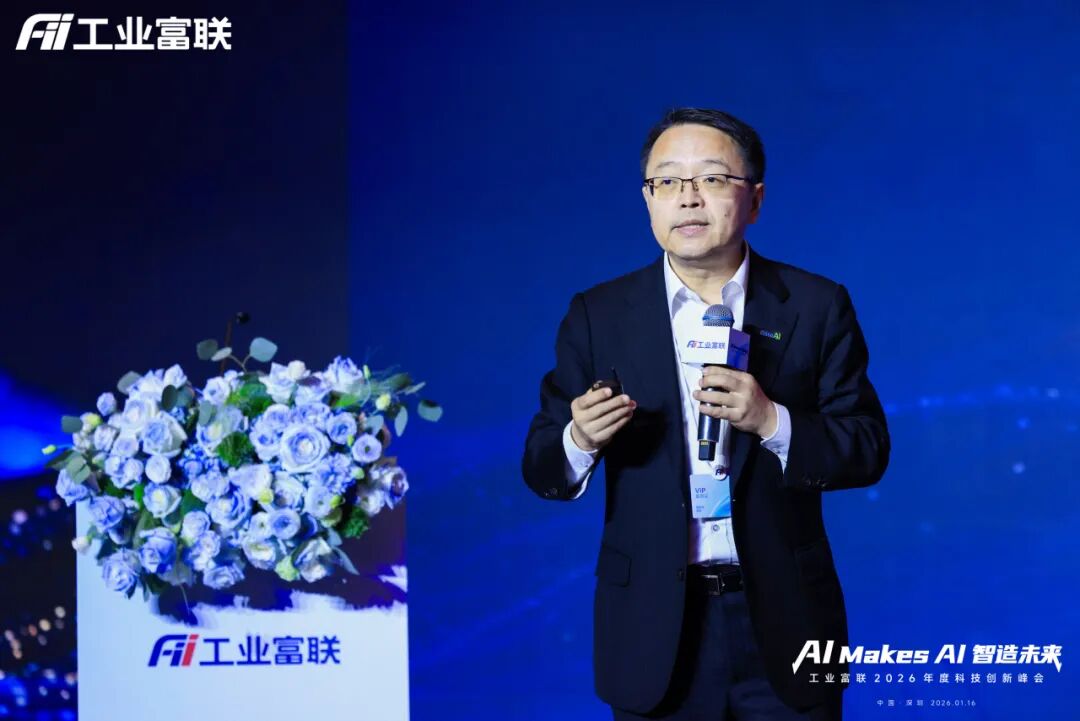
Core Insights - The 2026 Industrial Technology Innovation Summit held by Industrial Fulian focused on the deep integration of artificial intelligence (AI) and intelligent manufacturing, discussing opportunities and challenges for industrial upgrades [1][21] - The summit gathered over thirty heavyweight speakers from AI and intelligent manufacturing, with nearly five hundred attendees from industry, academia, and investment sectors [2][21] Group 1: Key Themes and Discussions - Chairman Zheng Hongmeng emphasized that as AI model sizes increase, training power consumption doubles annually, leading to higher energy and heat dissipation challenges, indicating a comprehensive upgrade of the entire industrial chain [2][21] - Zheng noted that future competition in AI and intelligent manufacturing will shift from individual company technology superiority to the ability to integrate systems effectively [2][21] - The CTO of Industrial Fulian, Zhou Taiyu, highlighted the transition of AI infrastructure from a "single-point computing" model to a "system engineering" approach, creating a closed-loop system of computing power, algorithms, and applications [3][22] Group 2: Technological Foundations - Academician Mao Junfa pointed out that integrated circuits are the foundational technology for scientific instruments, while AI is the driving force behind scientific discovery and technological advancement [4][23] - The future of AI is expected to require interdisciplinary integration, including physics, life sciences, and philosophy, as the industry faces challenges related to Moore's Law [4][23] Group 3: Industry Collaboration and Development - A roundtable discussion on global AI infrastructure emphasized that building AI infrastructure requires deep collaboration across the entire industry chain, representing a significant opportunity for value reconstruction [5][24] - Tencent Cloud's VP Wang Qi stated that intelligent agents are crucial for bridging the gap in enterprise AI application implementation, relying on scenario-driven, data collaboration, and ecosystem co-construction [6][25] Group 4: Practical Applications and Innovations - Chen Zhaopeng, CEO of Sensing Robotics, discussed the application of embodied intelligence in industrial scenarios, emphasizing the need for widespread deployment of robots to create a positive feedback loop of application, data, and training [7][26] - The roundtable on AI applications and productivity innovation highlighted that AI's value is extending from the digital world to the physical world, marking a deep transformation in manufacturing [8][26] Group 5: Future Trends and Challenges - The "AI Smart Computing Center" session focused on innovations in large-scale computing cluster architectures and solutions for power and heat dissipation [11][28] - The "AI Smart Factory" session analyzed capital expenditure trends in the AI industry chain and the evolution of humanoid robots from hardware modularization to software autonomy [15][32] - Discussions on the transformation from Industry 4.0 to 5.0 addressed the challenges and opportunities of human-machine collaboration, aiming for a win-win path of efficiency and sustainability [17][34]

中国“灯塔工厂”数量全球第一,在华外资加码本土化升级
Di Yi Cai Jing· 2026-01-22 09:54
Core Insights - China's talent advantage, market scale, and supply chain efficiency are key factors for foreign investment to enhance global competitiveness [1] - The World Economic Forum (WEF) has recognized 16 new "lighthouse factories" in China, bringing the total to 101, making China the leader globally [1] - Notable foreign companies have established localized factories in China, reflecting their strategic upgrades and the changing global position of China's supply chain [1] Group 1: Lighthouse Factories - The "lighthouse factories" initiative, co-launched by WEF and McKinsey, represents the highest level of smart manufacturing and digital transformation [2] - The evaluation categories for lighthouse factories will expand from three to five, including "customer-centric lighthouse," "production efficiency lighthouse," "supply chain resilience lighthouse," "sustainable lighthouse," and "talent lighthouse" starting September 2025 [2] Group 2: Talent Development - Schneider Electric's Wuhan factory has been recognized as one of the three "talent lighthouse factories" globally for its innovative talent cultivation and empowerment model [4] - The factory has seen a 55% increase in automation and a 239% expansion in product offerings by the end of 2024 compared to 2020, but faces a significant talent challenge with only 20% of employees possessing automation skills [5] - To address these challenges, the factory has implemented a digital apprenticeship program and AI-driven personalized skill upgrade paths, reducing onboarding time from 75 days to 15 days and decreasing technician turnover from 48% to 6% over five years [5] Group 3: Supply Chain and Market Dynamics - China's supply chain has evolved from being a "global factory" to an integrated hub for R&D, advanced manufacturing, and supply chain management, becoming a stabilizer for Schneider Electric's global supply chain [6] - China is now a key innovation source, with many innovations led by local teams and launched globally [6] - The country is recognized for its vast market size, stable economic foundation, complete industrial system, and rich talent resources, making it the second-largest market for Schneider Electric and a crucial supply chain base [6] Group 4: Localization and Customization - Foreign investments in China are driven by the country's large market size and unmatched supply chain efficiency, with customized services being essential for enhancing global competitiveness [7] - Zeiss's Guangzhou factory, recognized as a "customer-centric lighthouse," has expanded its personalized product range by 400% and achieved a 98.5% on-time delivery rate [7] - Michelin's Shenyang factory, awarded as a "production efficiency lighthouse," has significantly increased its product specifications for electric vehicle tires by 340% and reduced minimum order quantities by 71% [7] Group 5: Investment Trends - In the first 11 months of 2025, China saw the establishment of 61,207 new foreign-invested enterprises, a year-on-year increase of 16.9%, with actual foreign investment rising by 26.1% in November alone [8] - High-tech industries attracted over 220 billion RMB in foreign investment, with significant growth in e-commerce services, medical equipment manufacturing, and aerospace manufacturing [8]
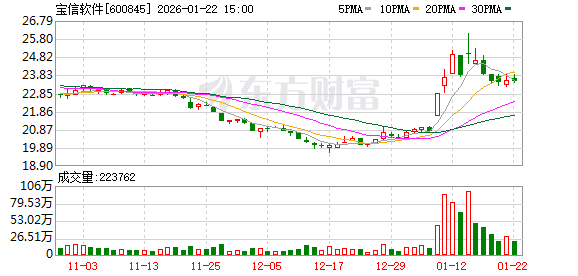
宝信软件:公司天行T4系列PLC全面应用于梅钢1422热轧加热炉升级改造系统,目前正在现场调试过程中
Mei Ri Jing Ji Xin Wen· 2026-01-22 09:19
每经AI快讯,有投资者在投资者互动平台提问:1.公司PLC产品在上海梅山钢铁股份有限公司"1422产 线机组改造"项目中有无应用?2.请问公司PLC产品是否可替代目前在用的西门子S7-300、S7-1200及S7- 1500? 宝信软件(600845.SH)1月22日在投资者互动平台表示,公司天行T4系列PLC全面应用于梅钢1422热轧 加热炉升级改造系统,替代原国外大型控制系统,目前正在现场调试过程中。宝信天行全栈自主可控 PLC的T3、T4系列型号可全面替代国外中大型PLC产品。 (文章来源:每日经济新闻) ...

瞄向可控核聚变 中集环科着力打造新赛道
Shang Hai Zheng Quan Bao· 2026-01-21 18:13
Core Insights - The company is investing in the controllable nuclear fusion project, highlighting its commitment to clean energy and advanced manufacturing capabilities [1][2] - The investment of 30 million yuan in the Star Ring Fusion project reflects the company's confidence in the market potential and technological value of nuclear fusion [1][2] - The company aims to strengthen its market position in the tank container industry while exploring new business opportunities in high-end medical equipment and controllable nuclear fusion [1][3] Investment in Controllable Nuclear Fusion - The controllable nuclear fusion technology encompasses several cutting-edge fields, including high-temperature superconductors and plasma physics, with significant commercial application prospects [1][2] - Star Ring Fusion, established in October 2021, focuses on the commercial application and research of fusion energy, leveraging a core research team from Tsinghua University [1][2] Strategic Development and New Business Opportunities - The company is the first manufacturer of tank containers in China and has maintained a leading global market share for several years [3] - Following the strategic investment in Star Ring Fusion, the company plans to explore collaborative product development, such as specialized storage tanks for nuclear fusion engineering [3] - The company is also expanding its high-end medical equipment business, having established strategic partnerships with global medical imaging equipment manufacturers like Siemens [3] - The revenue from the medical equipment components segment reached 119 million yuan in the first half of 2025, marking a year-on-year increase of 16.12% [3]
2026-2032年能量路由器行业深度研究及趋势前景预判专项报告
Xin Lang Cai Jing· 2026-01-21 13:49
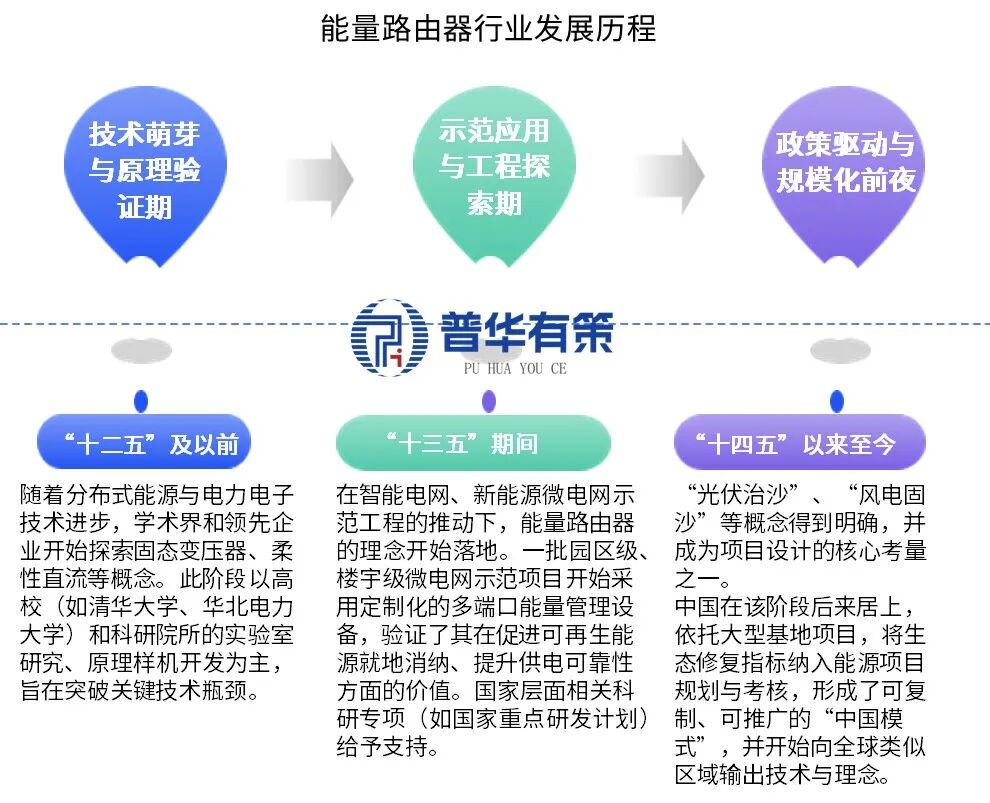
(来源:普华有策) 能源革命核心装备!能量路由器引爆千亿智能电网赛道 1、行业概述 目前,中国官方文件尚未对"能量路由器"作出独立的标准化定义,但其核心内涵与功能已被涵盖在国家对新型电力系统和配电网高质量发展 的权威界定中。根据国家发改委、国家能源局《关于促进电网高质量发展的指导意见》的核心精神,能量路由器可被视为实现"接纳和消纳 大规模分布式新能源、支撑新型储能和电动汽车多元化接入、实现与用户双向互动"这一目标的关键物理载体与核心装备。它是支撑"主配微 协同"发展的新一代电力电子化、数字化、智能化配电设备集合,本质上是一个实现电能灵活转换、精准控制、优化分配与信息耦合的能源 互联网核心节点。 行业主要发展历程阶段 目前,行业处于示范应用向规模化商用过渡的关键期。技术路线(如基于SiC的下一代产品)持续迭代,成本呈下降趋势。市场需求从电网 侧主导的"刚性升级"向用户侧"经济性驱动"双轮驱动转变。产品标准化进程加速,但成熟商业模式仍在探索中。 2、行业产业链总结及影响 能量路由器产业链条清晰,涵盖上游原材料与核心部件、中游设备制造与系统集成、下游应用投资与运营服务。 上游是产业的技术源泉与成本核心,主要包括功率 ...
“十五五”微电网行业深度研究及趋势前景预测专项报告
Xin Lang Cai Jing· 2026-01-21 13:49
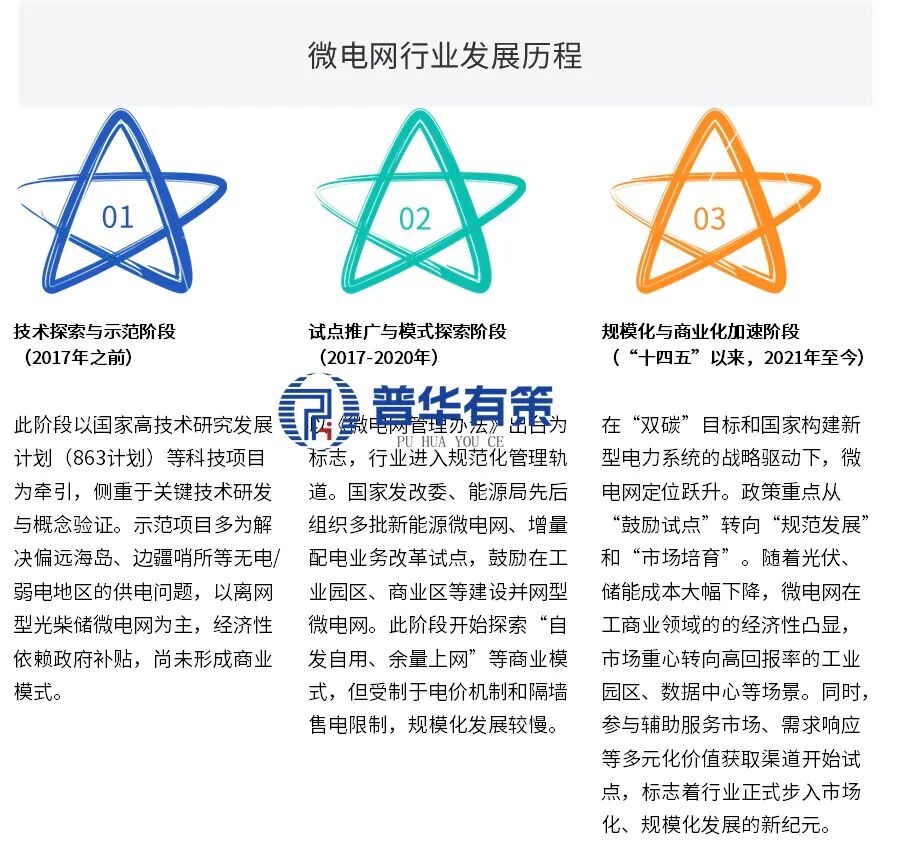
Core Insights - The microgrid sector is poised for significant growth, driven by the urgent need for energy security and the push for green, low-carbon development as emphasized in the 2025 Central Economic Work Conference [1][20] - The "14th Five-Year Plan" is expected to reinforce energy independence and green transformation, providing a stable policy outlook for the industry [1][20] Industry Development Overview - Microgrids are small-scale power systems that can operate independently or in conjunction with the main grid, consisting of distributed energy sources, loads, and control systems [2][21] - The Chinese microgrid industry is entering a phase of scale development, with rapid growth in installed capacity and diverse application scenarios [3][24] Industry Chain Summary and Impact - The microgrid industry chain is structured like a pyramid, with upstream, midstream, and downstream components that significantly influence costs, performance, and expansion speed [4][25] - Upstream includes distributed energy sources, storage systems, and core software, where recent cost reductions in photovoltaic components and lithium batteries have been pivotal for commercialization [4][25] - Midstream focuses on system integration and solution provision, where the ability to integrate various technologies and manage projects effectively is crucial for reliability and efficiency [5][26] - Downstream applications span various sectors, including industrial parks and public institutions, with distinct demands driving the need for customized and efficient products and services [6][27] Competitive Landscape - The Chinese microgrid market features a "four-pillar" competitive structure, with major players categorized into four camps: state-owned enterprises, renewable energy technology giants, specialized energy service providers, and international industrial leaders [7][28] - The first camp includes state-owned enterprises with strong grid integration capabilities, while the second camp consists of technology leaders providing integrated solutions [8][29] - The third camp focuses on specialized energy service providers that cater to specific market segments, and the fourth camp includes international brands leveraging AI and cloud computing [9][30] - The market remains fragmented, with no single dominant player, and future competition will hinge on creating or integrating into an open, collaborative ecosystem [10][31] Industry Opportunities and Trends - The microgrid sector is entering a strategic opportunity period, expected to become a model for integrated energy systems, driven by AI applications that enhance economic viability [11][32] - Key growth drivers include the demand for distributed solar energy storage, energy infrastructure in rural revitalization, and emergency power supply needs during extreme weather [11][32]
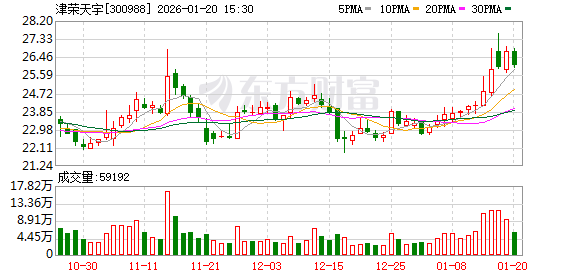
津荣天宇:公司为西门子提供低压配电精密部品、工业自动化精密部品等,暂不涉及开展燃气轮机方面的合作
Mei Ri Jing Ji Xin Wen· 2026-01-21 01:10
Core Viewpoint - The company, Jintai Tianyu, is currently not planning to collaborate with Siemens on gas turbine projects, focusing instead on its main business of precision metal components and new energy storage products [2]. Group 1: Company Operations - Jintai Tianyu's main business includes the research, production, and sales of precision metal components and new energy storage products [2]. - The company provides Siemens with low-voltage distribution precision components and industrial automation precision components [2]. Group 2: Future Collaborations - There are no current plans for collaboration with Siemens in the area of gas turbines [2].