
邮储银行

Search documents
工农中建交邮储六大行集体公告!数字人民币实名钱包余额计付利息,计结息规则与活期存款一致
Sou Hu Cai Jing· 2026-01-04 06:55
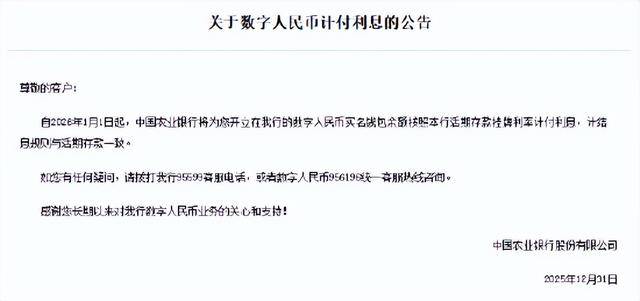
Core Viewpoint - Major Chinese banks, including ICBC, ABC, BOC, CCB, BOCOM, and PSBC, will start paying interest on the balances of digital RMB wallets at the rate of their respective demand deposit rates from January 1, 2026 [1][2][4][5][8][9]. Group 1: Bank Announcements - ICBC will pay interest on digital RMB wallet balances according to its demand deposit rate, with interest calculation rules consistent with those for demand deposits [1]. - ABC will also apply the same interest payment policy for digital RMB wallet balances starting January 1, 2026 [2]. - BOC will follow the same approach, paying interest on digital RMB wallet balances at its demand deposit rate from January 1, 2026 [4]. - CCB will implement interest payments on digital RMB wallet balances based on its demand deposit rate, with relevant service agreement updates [5]. - BOCOM will pay interest on digital RMB wallet balances according to its demand deposit rate, effective January 1, 2026 [8]. - PSBC will also apply the same interest payment policy for digital RMB wallet balances starting January 1, 2026 [9].





年终奖理财怎么投?银行力推“一站式”稳健配置
Huan Qiu Wang· 2026-01-04 03:41
Core Insights - The focus of investors is on how to effectively plan their year-end bonuses in the current market environment, aiming for safety while upgrading returns [1] - Financial institutions like Postal Savings Bank, Guangfa Bank, and Everbright Wealth Management are launching targeted "one-stop" year-end bonus investment plans [1][2] - The core theme for year-end bonus investments this year is "steady and low volatility," with institutions providing diversified asset allocation solutions for different risk preferences [1][4] Group 1: Investment Strategies - Guangfa Bank offers a tiered asset allocation strategy categorized as "Conservative - Steady - Aggressive," matching different investors' risk tolerance and return expectations [1] - The conservative allocation focuses on pure bond funds to create a "safety cushion" for asset growth, while the steady allocation suggests "fixed income+" products to enhance yield [1] - The aggressive allocation recommends broad-based index funds for higher returns through long-term holding [1] Group 2: Product Offerings - Everbright Wealth Management suggests splitting the year-end bonus into three segments: short-term living expenses, medium-term expenditures, and long-term compounding growth, each corresponding to different types of fixed-income products [1] - Postal Savings Bank and Bank of Communications are also actively participating in the year-end bonus investment market, offering low-risk or medium-low-risk products tailored to various scenarios [2] - Bank of Communications has enhanced its offerings by adding insurance and precious metals to its "one-stop" investment product matrix [2] Group 3: Risk and Financial Planning - The main risk levels of products are concentrated in PR1 to PR2 categories, with few products rated PR3 or higher appearing in fund recommendations [4] - Analysts recommend that investors analyze their financial situation, risk tolerance, and funding needs before customizing their year-end bonus investment plans [4] - A combined approach of "earmarked funds" and "diversified allocation" is suggested, with cash or daily-opening investment products for short-term needs and insurance products for long-term planning [4][5]



“崩了”,汉堡王致歉
新华网财经· 2026-01-04 03:34
1月4日上午,"汉堡王崩了"在社交平台引热议。 部分网友发文称汉堡王官方小程序、APP及支付宝等第三方接入端口出现集中故障,用户遭遇页面卡顿、闪退甚至定位错误等异常现象,线上点餐系统完 全停滞。 1月4日,汉堡王北京西城区一门店工作人员对记者表示,"由于这次联名周边套餐比较火热,短时间内访问量较大,导致线上点单系统崩溃,目前正在进 行系统修复中,再次对于系统的问题深表歉意。" 工、农、建、交、邮储,国有大行集体官宣→ 里程碑!人形机器人与具身智能标委会成立,王兴兴彭志辉发言 消费者可以正常到店点餐吗?该门店工作人员表示:"线上点餐需要等系统修复完成。除了该联名套餐外,当前线下门店正常点餐没有问题,顾客可以到 门店直接点餐。" 来源:中新经纬 关注" 新华网财经 "视频号 更多财经资讯等你来看 往期推荐 ...

数字人民币开始生息 年利率0.05% 工、农、中、建等大行集体公告
2 1 Shi Ji Jing Ji Bao Dao· 2026-01-04 02:51
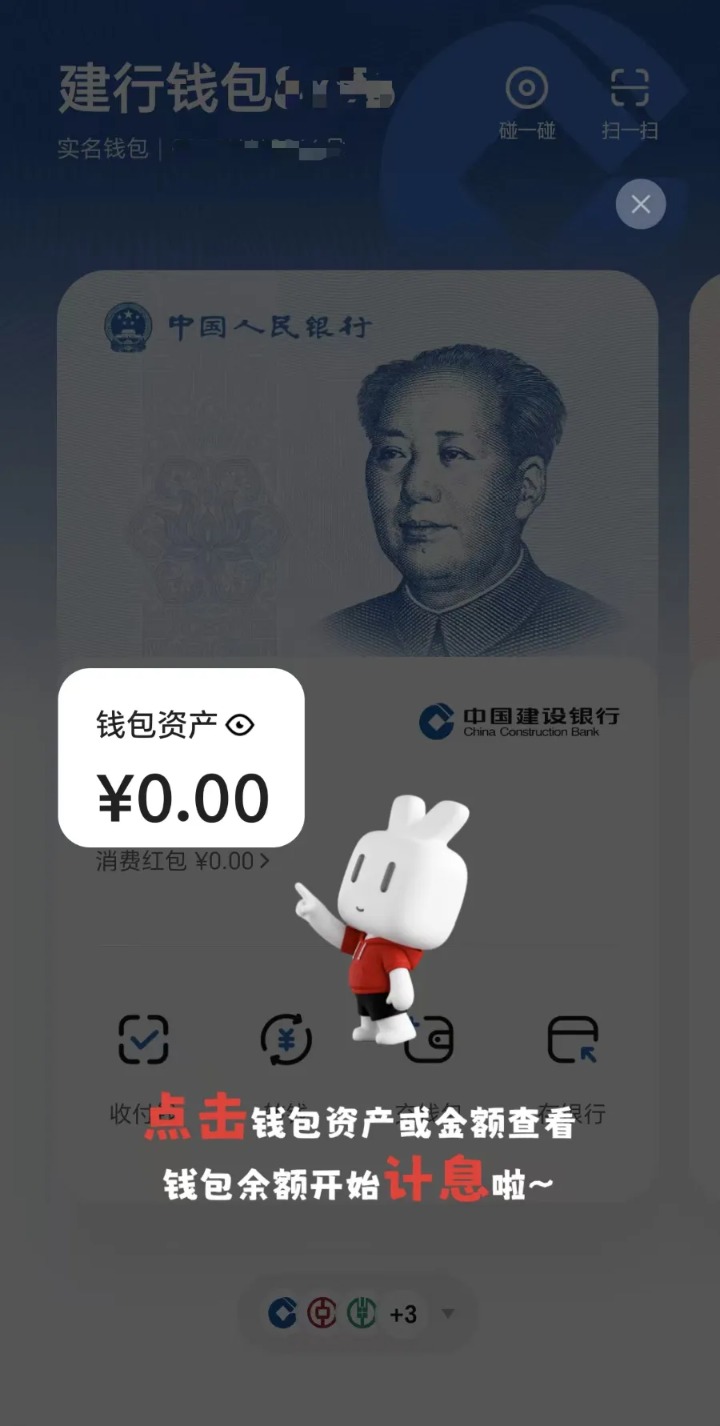
Core Viewpoint - The digital renminbi has transitioned from a "digital cash era" to a "digital deposit currency era," with the launch of the upgraded version 2.0 of the digital renminbi App, which will start paying interest on real-name wallet balances from January 1, 2026 [1][9]. Group 1: Digital Renminbi App Upgrade - The digital renminbi App has undergone 54 iterations since its launch in January 2022, focusing on enhancing user experience [1]. - The significant change in version 2.0 is the introduction of interest payments on real-name wallet balances, which will be calculated based on the current deposit rates of designated operating institutions [1][9]. Group 2: Interest Payment Mechanism - Interest will only be paid on real-name digital renminbi wallets, with the current interest rate set at 0.05% [1][8]. - Users can check their interest details in the App after the quarterly interest settlement dates, which are March 20, June 20, September 20, and December 20 [2][8]. Group 3: Wallet Classification and Compliance - Digital renminbi wallets are classified based on customer identity verification strength, with different types having varying transaction limits and requirements [8]. - Non-real-name wallets (fourth category) will not earn interest due to the inability to verify account ownership accurately [9]. Group 4: Implications for Banking and Financial System - The transition to a digital deposit currency signifies a shift from central bank liabilities to commercial bank liabilities, integrating digital renminbi into the deposit insurance framework [9][11]. - This change allows commercial banks to manage digital renminbi deposits actively, creating a sustainable market promotion mechanism and enabling the offering of traditional financial products [12][13]. Group 5: Future Prospects - Analysts suggest that the ability to earn interest on digital renminbi will encourage banks to innovate in asset management and enhance their operational incentives [12]. - The digital renminbi's integration into the traditional monetary framework provides new policy tools for the central bank, facilitating precise monetary policy implementation [13].
数字人民币开始生息,年利率0.05%,工、农、中、建等大行集体公告
2 1 Shi Ji Jing Ji Bao Dao· 2026-01-04 02:37
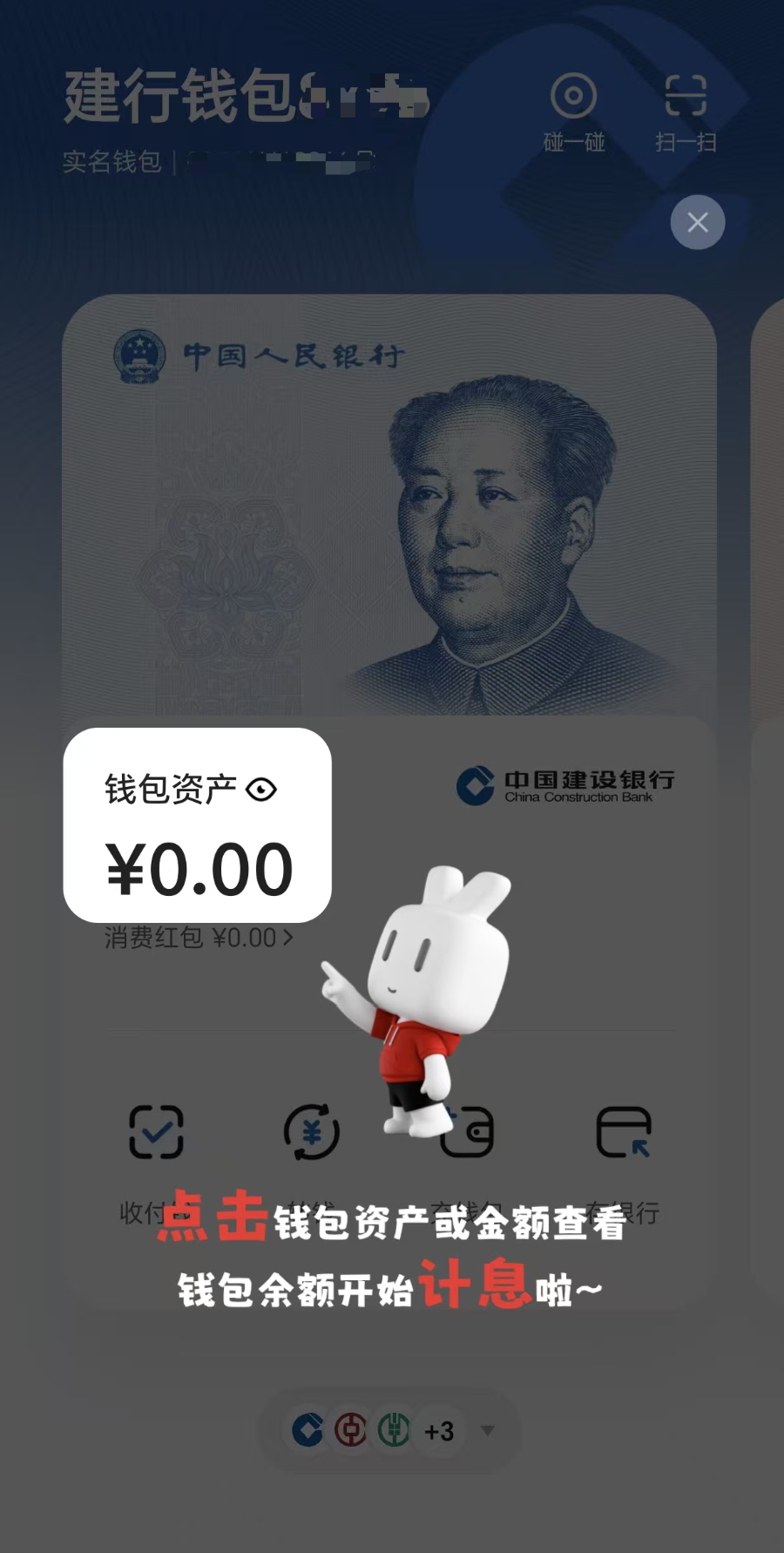
Core Viewpoint - The digital renminbi has transitioned from a "digital cash era" to a "digital deposit currency era," with the launch of the upgraded version 2.0 of the digital renminbi App, which will start paying interest on real-name wallet balances from January 1, 2026 [1][6]. Group 1: Digital Renminbi App Upgrade - The digital renminbi App has undergone 54 iterations since its launch in January 2022, focusing on enhancing user experience [1]. - The significant change in version 2.0 is the introduction of interest payments on real-name wallet balances, which will be calculated based on the current deposit rate of designated operating institutions [1][2]. Group 2: Interest Payment Mechanism - Ten banks have announced that they will pay interest on real-name digital renminbi wallet balances at a rate of 0.05%, consistent with their current savings deposit rates [2][5]. - Interest will only be paid on real-name wallets, which are classified into four categories based on user identification strength, with different transaction limits and requirements for each type [5][6]. Group 3: Implications for Financial Institutions - The transition to a digital deposit currency signifies a shift from central bank liabilities to commercial bank liabilities, integrating digital renminbi into the deposit insurance framework and reserve requirements [6][8]. - This change allows commercial banks to innovate on the asset side, as they will have management and revenue rights over digital renminbi deposits, promoting a sustainable market-driven promotion mechanism [9]. Group 4: Future Developments - The digital renminbi's ability to earn interest addresses previous concerns about its lack of yield, enhancing its attractiveness to users [8]. - Commercial banks are expected to introduce traditional financial products that can be purchased with digital renminbi, further integrating it into the financial ecosystem [9].
你的数字人民币生息了! App适配功能已上线 未来还能买理财
2 1 Shi Ji Jing Ji Bao Dao· 2026-01-04 02:37
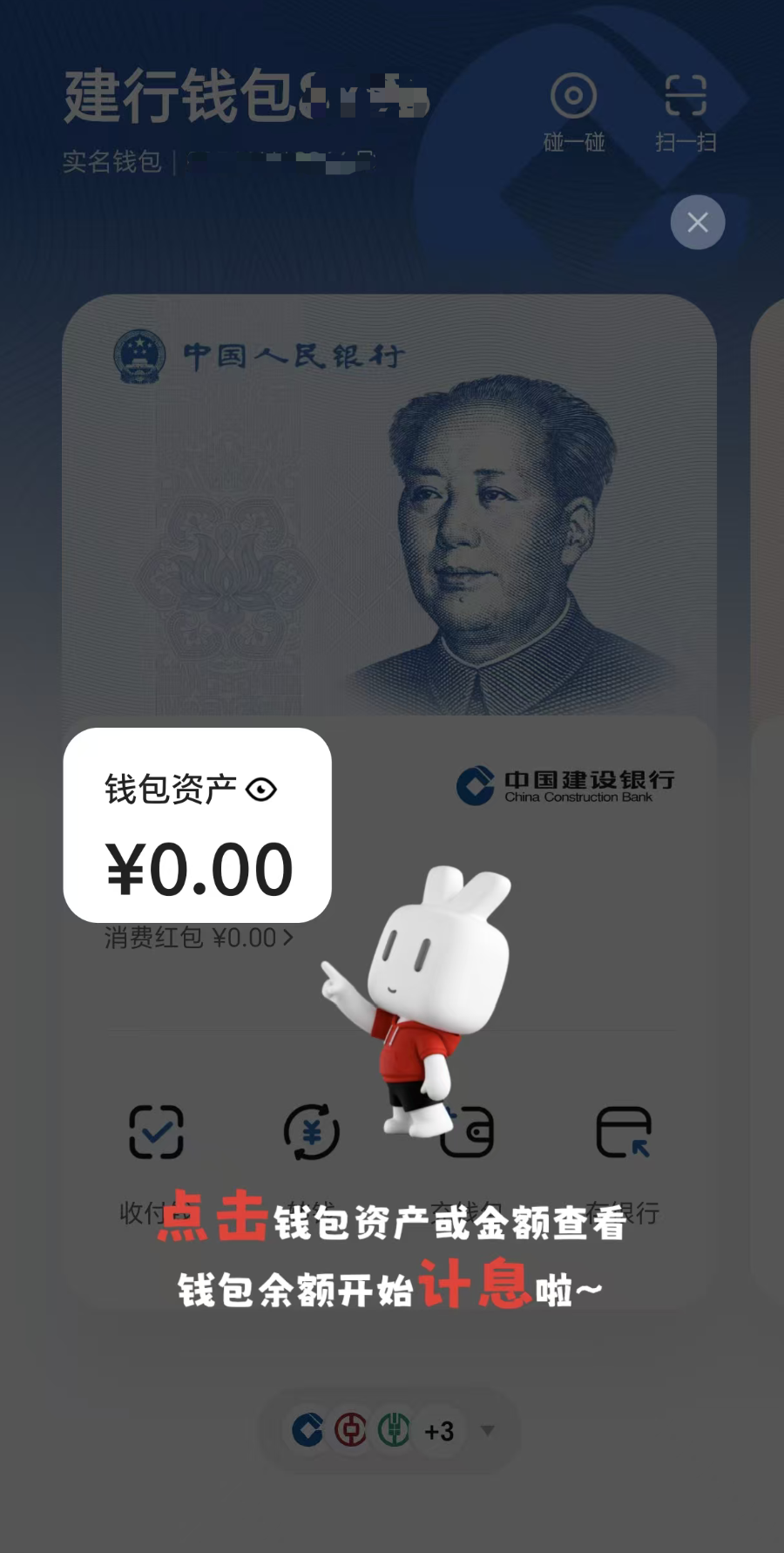
Core Viewpoint - The digital renminbi is transitioning from a "digital cash era" to a "digital deposit currency era," allowing users to earn interest on their digital renminbi wallet balances starting January 1, 2026, with the potential to purchase traditional financial products using digital renminbi [1][10]. Group 1: Digital Renminbi Wallet and Interest - The digital renminbi app has been upgraded to version 2.0, enhancing user experience and introducing interest payments on real-name wallet balances at the bank's current demand deposit rate, which is currently 0.05% [1][2][10]. - Interest will only be paid on real-name digital renminbi wallets, which are classified into four categories based on user identification strength, with only the first three categories eligible for interest [6][8]. - Users can check their interest details in the digital renminbi app after the quarterly interest settlement dates, which are March 20, June 20, September 20, and December 20 [2][16]. Group 2: Implications for Banking and Financial Products - The transition to a digital deposit currency means that digital renminbi will be treated as a liability of commercial banks, thus falling under deposit insurance protection and being included in the reserve requirement base [9][10]. - This change is expected to encourage commercial banks to innovate in asset management and create a sustainable market-driven promotion mechanism for digital renminbi [11][10]. - The digital renminbi's ability to earn interest addresses previous concerns about its lack of yield, making it more attractive to users and facilitating its integration into traditional financial systems [10][11]. Group 3: Regulatory and Operational Framework - The People's Bank of China is overseeing the digital renminbi's transition, ensuring compliance with anti-money laundering regulations and providing a framework for its integration into the existing banking system [9][10]. - The digital renminbi's new structure allows for better alignment with traditional banking operations, reducing compliance costs and enhancing the overall efficiency of the financial system [10][11].
数字人民币开始生息,年利率0.05%,工、农、中、建等大行集体公告
21世纪经济报道· 2026-01-04 02:29
Core Viewpoint - The digital renminbi has transitioned from the "digital cash era" to the "digital deposit currency era," with the launch of the upgraded version 2.0 of the digital renminbi App, which will start paying interest on real-name wallet balances from January 1, 2026 [1][12]. Summary by Sections Digital Renminbi App Upgrade - The digital renminbi App has undergone 54 iterations since its launch in January 2022, focusing on enhancing user experience [1]. - The significant change in version 2.0 is the introduction of interest payments on real-name wallet balances starting January 1, 2026, based on the specified operational institution's current deposit interest rate [1]. Interest Payment Mechanism - Ten designated operational institutions, including major banks, will pay interest on real-name wallet balances at a current deposit rate of 0.05% [1]. - Users can check their interest details after each quarter's interest settlement date through the App [2][8]. Wallet Classification and Interest Eligibility - Only real-name digital renminbi wallets (categories one, two, and three) will earn interest, while non-real-name wallets (category four) will not [8][11]. - The classification of wallets is based on the strength of customer identity verification, affecting transaction limits and authentication methods [8]. Regulatory and Risk Management Considerations - The shift to interest-bearing real-name wallets aligns with anti-money laundering regulations and provides a basis for deposit insurance, reducing potential disputes over fund ownership [12]. - The transition signifies a move from central bank liabilities to commercial bank liabilities, integrating digital renminbi into the existing banking system and enhancing financial stability [12][15]. Future Implications for Commercial Banks - Commercial banks are expected to innovate more in asset management due to the new interest-bearing structure of digital renminbi [13][16]. - The digital renminbi will be treated as a regular deposit, allowing for the purchase of traditional financial products, thus creating a sustainable market promotion mechanism [16].

北京开展第三代社保卡常态化换发,办理流程公布
Xin Lang Cai Jing· 2026-01-04 02:27
Core Viewpoint - The Beijing Municipal Human Resources and Social Security Bureau has announced the initiation of a regular issuance phase for the third-generation social security card, allowing individuals participating in social insurance to voluntarily apply for or replace their cards starting immediately [1]. Group 1: Issuance Details - The third-generation social security card is available for all individuals legally participating in social insurance within the administrative region of Beijing [1]. - A total of 16 banks are designated as partners for the issuance of the third-generation social security card, including major banks such as ICBC, ABC, BOC, and CCB [2]. Group 2: Application Process - The application process for the third-generation social security card can be completed through both online and offline channels, with specific instructions available on the official website and various mobile platforms [3]. - For employed individuals, there are options for collective applications through their employers or individual applications based on personal preference [4][5]. Group 3: Features and Functions - The third-generation social security card will retain its social security functions, and holders can activate these functions through various online and offline methods [7]. - Financial functions of the card must be activated at the issuing bank, and both social security and financial functions are activated simultaneously [8]. Group 4: Additional Services - Holders can use the card for public transportation and park visits after activating the relevant functions, with specific procedures for loading funds onto the card [9]. - A one-stop service is available at bank service points for activating social security functions, financial functions, and other related services [10]. Group 5: Processing Times - The card can be issued immediately at designated service points, while online applications will be processed within a maximum of 30 calendar days [11][12]. Group 6: Important Notes - From 2026, the issuance of the first and second-generation social security cards will cease, and all new applicants will receive the third-generation card [13]. - In case of loss, holders can report the card lost and apply for a replacement without incurring any fees [14].
元旦实探胖东来,消费者:没人能空着手出来
Hua Xia Shi Bao· 2026-01-04 02:20
Core Viewpoint - The integration of retail and tourism at Pang Donglai supermarket in Xuchang, Henan, has become a national consumer hotspot, attracting visitors from various regions and enhancing local consumption resilience through a "retail + tourism" model [2][4]. Group 1: Consumer Behavior and Experience - Visitors from cities like Zhengzhou and Luoyang are traveling specifically to shop at Pang Donglai, often filling their vehicles with purchases [4]. - The supermarket has implemented free self-service luggage storage and other facilities to accommodate the influx of out-of-town shoppers [4]. - High foot traffic is observed, particularly in the bakery section, indicating strong consumer interest and engagement [4][6]. Group 2: Sales Performance and Pricing Strategy - Consumer feedback suggests that while spending can reach significant amounts (e.g., 1500 yuan), the perception of value remains high due to product quality and variety [7]. - The supermarket's pricing strategy is transparent, with marked-up prices on items like down jackets showing modest profit margins compared to brand stores [7]. - Pang Donglai's sales figures are impressive, with projected total sales exceeding 23.53 billion yuan by the end of 2025, highlighting the supermarket's dominant position in the retail sector [12]. Group 3: Tourism and Local Economy Impact - The synergy between shopping and local tourism is evident, with visitors extending their trips to explore nearby attractions like the Cao Wei Ancient City after shopping [9][10]. - Social media has become a platform for sharing travel itineraries that include both shopping and cultural experiences in Xuchang, indicating a growing trend of combining retail with tourism [10]. Group 4: Financial and Market Trends - The Ministry of Commerce emphasizes the importance of retail in strengthening domestic demand and encourages learning from successful models like Pang Donglai [12]. - Financial institutions are increasingly focusing on consumer finance to stimulate retail growth, with various initiatives aimed at enhancing consumer spending [12][13]. - The potential for innovative financial products that combine retail and tourism experiences is highlighted as a growth opportunity for the consumer finance sector [13].

【基层创新故事】“守艺贷”为非遗传承注入新活力
Xin Lang Cai Jing· 2026-01-03 23:23
Core Viewpoint - The article highlights the integration of traditional cultural heritage with modern financial support, showcasing how specialized loan products are facilitating the preservation and development of intangible cultural heritage in Huangshan, China [1][2][3]. Group 1: Cultural Heritage and Its Preservation - The "Shengzhatang Ancient Oil Press Culture Park" in Huangshan displays nearly a hundred traditional oil extraction tools, emphasizing the rich heritage of Huizhou wood oil craftsmanship [1]. - Yu Hai, a representative inheritor of Huizhou wood oil craftsmanship, established the cultural park in 2008 to promote traditional handcrafts and founded Huangshan Yuxiangyuan Food Co., Ltd. to produce wood-pressed oil [1]. Group 2: Financial Support for Intangible Cultural Heritage - In 2023, China Postal Savings Bank's Huangshan branch launched the "Huizhou Guardian Loan" tailored for inheritors of intangible cultural heritage, offering credit limits based on the level of recognition: up to 3 million yuan for national inheritors, 2 million for provincial, and 1 million for municipal [1][2]. - Other banks, including China Construction Bank and Agricultural Bank of China, have also introduced similar credit products to support intangible cultural heritage [2]. - Financial institutions in Huangshan have provided a total of 430 million yuan in loans to 48 inheritors and 45 enterprises, enabling them to expand operations and invest in new production lines [2]. Group 3: Impact of Financial Products - The introduction of specialized loan products like "Huizhou Guardian Loan" addresses the financing challenges faced by inheritors due to their "light asset and lack of collateral" status, demonstrating the significant role of financial leverage in cultural heritage preservation [3]. - This financial empowerment model serves as a replicable example for sustainable development of intangible cultural heritage [3].