宇树科技

Search documents
宇树科技,公布人形机器人出货量数据
财联社· 2026-01-22 11:21
Core Viewpoint - The company clarifies that it has not previously disclosed any sales data for 2025, addressing misinformation circulating online regarding its sales figures for humanoid robots [2]. Group 1: Sales Data Clarification - The actual shipment volume of humanoid robots for the year 2025 is expected to exceed 5,500 units, which refers to the number sold and delivered to end customers, not the order quantity [2]. - The production of humanoid robot units is projected to surpass 6,500 units in 2025 [2]. - The figures mentioned pertain solely to humanoid robots and do not include other types of robotic products, such as dual-arm wheeled robots [2][4]. Group 2: Product Diversity - The company emphasizes the diversity of robot types available in the market and advises against directly comparing the quantities of different types of robots [4].


人工智能时代,机器人成了“新广货”
Nan Fang Du Shi Bao· 2026-01-22 11:18
Core Insights - The article discusses the transformation of "Guangdong goods" in the context of the artificial intelligence era, highlighting the rise of robots as a new category of products that are scalable, sustainable, and applicable across various scenarios [1][6][9] Industry Overview - Guangdong's industrial robot production reached 260,200 units and service robots 12.8388 million units from January to October 2025, both ranking first in the country [1] - The province is home to over 3,700 AI and robotics companies, with more than 2,000 being core AI enterprises, indicating a high level of industry collaboration [1][6] Market Dynamics - 2025 is identified as the "year of humanoid robot mass production," with over 140 domestic manufacturers and more than 330 humanoid robot products launched [2] - Leading companies like UBTECH and Yujian Technology are significantly contributing to this growth, with UBTECH's humanoid robot orders exceeding 1.4 billion yuan in 2025 [2][3] Technological Advancements - The article emphasizes the shift from traditional industrial robots to humanoid robots, showcasing advancements in autonomous operations and consumer-grade robots [3][4] - Companies are leveraging Guangdong's robust supply chain and rapid iteration capabilities to enhance robot production efficiency [6][8] Global Positioning - China holds approximately 63% of the global humanoid robot industry chain, with Guangdong being a crucial part of this ecosystem [1][6] - The article notes that robots are becoming a new "Guangdong good," with potential for significant international market penetration [7][9] Future Outlook - Analysts predict that humanoid robot shipments in China could reach 14,000 units in 2026, with expectations for exponential growth in the following years [7][9] - The evolution of "Guangdong goods" reflects a shift from manufacturing efficiency to intelligent supply capabilities, positioning robots as a key export product for the region [9]

宇树科技:2025全年人形机器人实际出货量超5500台
Xin Lang Cai Jing· 2026-01-22 11:09
Core Viewpoint - The company clarifies that it has not previously disclosed any sales data for 2025, addressing misinformation circulating online regarding its shipment numbers for that year [1] Group 1: Sales Data - The actual shipment volume of humanoid robots for the year 2025 is expected to exceed 5,500 units, which refers to the number of units sold and delivered to end customers, not the order quantity [1] - The total production volume of humanoid robots is projected to surpass 6,500 units for 2025 [1] - The figures mentioned pertain exclusively to the company's humanoid robots and do not include other robotic products such as dual-arm wheeled robots [1]
要看懂2025年,这是你无法避开的41篇文章丨36氪年度精选
36氪· 2026-01-22 11:08
Group 1 - The core theme of 2025's business narrative revolves around "war" and "turbulence," particularly highlighted by the epic competition in the food delivery market, where major players like Alibaba, Meituan, and JD engaged in fierce price wars, leading to a significant merging of e-commerce and food delivery boundaries [2][4] - The global narrative shifted from "connection" to "disconnection" due to tariff wars, impacting cross-border e-commerce sellers and manufacturing industries, prompting them to seek survival strategies within supply chain gaps [2][28] - A new generation of Chinese hardware companies, such as DJI and Anker, is successfully penetrating the European and American markets, showcasing a trend of smaller firms achieving significant market impact through unique products and rapid execution [2][9] Group 2 - The Shanghai Composite Index surpassed 3900 points, marking a new high in nearly a decade, while Starbucks' sale in China for 10 billion USD signified the end of the era of foreign premium pricing [3] - The passing of Zhong Qinghou and the succession of his daughter Zhong Fu Li highlighted the complexities of generational transitions in business ownership, particularly in state-owned enterprises [3][5] - The listing of Bawang Tea Princess on NASDAQ amidst a generally cold consumer market provided a significant "non-consensus" example, illustrating the potential for success even in challenging conditions [3][29] Group 3 - The article on the unexpected epic internet war in 2025 details how major companies in the food delivery sector engaged in fierce competition, betting their financial resources and reputations [4] - The narrative of generational succession in companies like Wahaha reveals the intricate dynamics of ownership and control, especially following the death of a founding figure [5] - The report on Starbucks' 13 billion USD sale in China explores the factors leading to this significant transaction, questioning how a leading brand with no competitors reached a point of sale [6][7] Group 4 - The hardware industry is experiencing a renaissance, with new Chinese players leveraging top-tier supply chains and unique speed to capture global markets, marking a shift in the perception of this traditionally less glamorous sector [9][10] - The article on the rise of domestic bag brands illustrates a significant trend in the market, with brands like Shanshiyou Song achieving top rankings in e-commerce, indicating a strong movement towards brand localization [51] - The analysis of the AI application landscape highlights the shift towards application-level competition as foundational capabilities mature, with a focus on global expansion and practical business models [23][62]

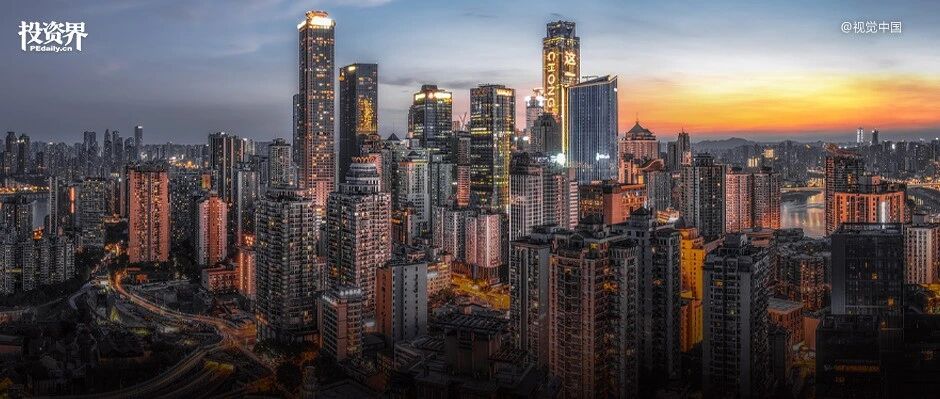
重庆,正批量诞生创业者
投资界· 2026-01-22 06:52
Core Viewpoint - The article highlights the emergence of Chongqing as a new hub for hardware startups, particularly in the AI audio sector, driven by investments from notable venture capital firms and the establishment of innovation bases like the Mingyue Lake Innovation Base [2][5][12]. Investment Trends - High-profile investments in early-stage hardware companies in Chongqing, such as the angel round financing of the immersive AI audio company Qipao Yinlu by Hillhouse Capital, indicate a shift in investor focus from seeking funds to finding projects [2][3]. - Notable companies emerging from Chongqing include Hengzhi Future, Shitiex Beast, Jidou Technology, and others, which have attracted investments from renowned VC firms like Sequoia China and ZhenFund [2][5]. Entrepreneurial Ecosystem - The Mingyue Lake Innovation Base has nurtured over 60 project teams and nearly 500 entrepreneurs, securing around 300 million in financing, with 23 projects completing new rounds of financing in 2025 alone, totaling over 148 million [5][12]. - Young entrepreneurs from the 95s and 00s are increasingly visible, demonstrating innovative thinking and successfully addressing market needs with their products [4][5]. Educational Initiatives - The Mingyue Class, a collaborative educational initiative between Chongqing University and the Mingyue Lake Innovation Base, aims to cultivate entrepreneurial talent by shifting focus from technical development to solving real-world problems [8][9]. - This educational model has proven effective, with many participants transitioning from students to entrepreneurs, supported by the base's resources [9][10]. Industrial Development - Chongqing's strategic focus on modern manufacturing and technology innovation, including the establishment of a 200 billion investment fund, aims to enhance its position in emerging industries [11][12]. - The city has seen significant growth in high-tech enterprises, with over 9,000 high-tech companies and nearly 7,500 technology-based firms reported as of Q3 2025, reflecting a 19.7% year-on-year increase [12][13]. Future Outlook - The article suggests that Chongqing is on the verge of becoming a significant player in the global AI and hardware sectors, with a conducive environment for startups to thrive [10][14]. - The ongoing development of strategic industrial clusters and the upgrade of the Liangjiang New Area to an administrative district are expected to further enhance Chongqing's innovation capabilities [12][13].
“中国智造” 2025闪耀时刻:AI核心产业突破1.2万亿元
Xin Lang Cai Jing· 2026-01-22 01:23
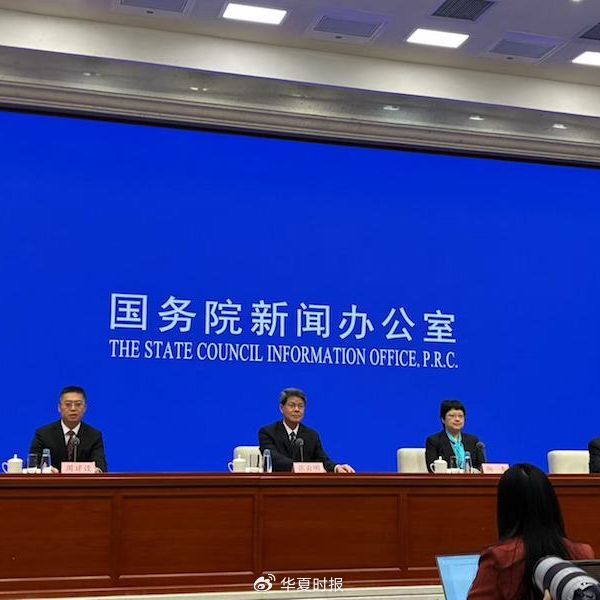
Core Insights - The year 2025 marked a significant surge in China's artificial intelligence (AI) industry, with over 6,000 AI companies expected and a core industry scale projected to exceed 1.2 trillion yuan [2][10] - The Ministry of Industry and Information Technology (MIIT) emphasized the integration of technological and industrial innovation, positioning AI as a strong driver for industrial economic growth [2][10] Industry Development - The MIIT plans to accelerate high-quality development in the AI sector, focusing on technological innovation, application integration, enterprise cultivation, ecosystem construction, and safety governance [11] - The AI chip industry is experiencing a boom, with several stocks reaching their daily limit up as of January 21 [11] AI in Manufacturing - The Chinese government aims to achieve deep integration of AI with six key sectors by 2027, with a target application penetration rate of over 70% for new-generation smart terminals and intelligent agents [12] - By 2025, the smart computing power in the industry reached 1,590 EFLOPS, and over 178 million AI glasses were shipped in the first three quarters of 2025, with nearly 80% being AI glasses [12] Smart Manufacturing - China has cultivated 15 leading smart factories, with AI penetrating over 70% of their business scenarios, leading to the development of over 6,000 vertical models and the application of more than 1,700 key smart manufacturing equipment and industrial software [13] - The MIIT plans to continue implementing smart manufacturing projects and support leading enterprises in exploring future manufacturing models [13] Humanoid Robots - The humanoid robot sector is experiencing rapid growth, with a market expected to reach 100 billion yuan by 2030, and over 140 companies producing humanoid robots with more than 330 products launched in 2025 [14] - The year 2025 is recognized as the year of mass production for humanoid robots, with advancements in technology and product quality being prioritized [14] Employment Concerns - The MIIT acknowledges that technological advancements may lead to job restructuring but emphasizes that this does not equate to job loss, advocating for the development of a workforce skilled in both AI and manufacturing [15][16]
大批头部机器人企业涌入广东
2 1 Shi Ji Jing Ji Bao Dao· 2026-01-22 00:02
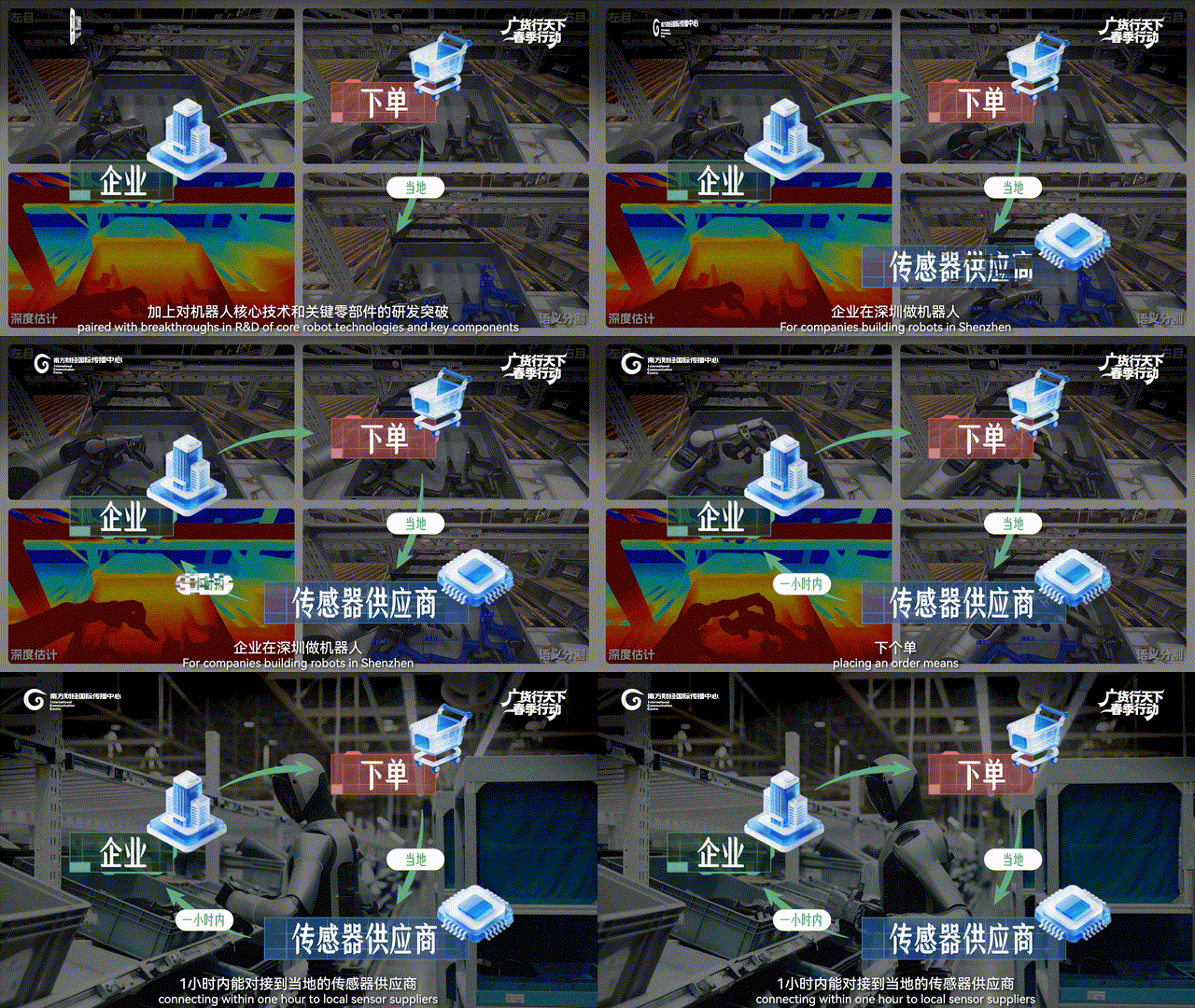
Core Insights - The article highlights the rapid development of the robotics industry in Guangdong, showcasing its transformation into a world-class industrial cluster, particularly in humanoid robots and automation solutions [1][2][6] Group 1: Industry Growth and Market Position - Guangdong holds approximately 63% of the global humanoid robot supply chain, with significant contributions from local manufacturers [1] - The region has over 160,000 robotics-related enterprises, leading the nation in this sector [1] - The speed of innovation in the Greater Bay Area is reportedly 30 times faster than Silicon Valley, with costs being only a fraction of those in the U.S. [2] Group 2: Technological Advancements and Ecosystem - Companies in Guangdong have achieved breakthroughs in core technologies and key components for robotics, enabling rapid prototyping and order fulfillment [2][4] - The unique mechanism of talent flow between academia and industry fosters innovation, allowing for effective commercialization of intellectual property [4] Group 3: Strategic Development Plans - Guangdong aims to develop "Artificial Intelligence + Robotics" into a high-tech, high-growth, and large-scale industrial cluster, targeting the creation of multiple trillion-yuan and hundred-billion-yuan industry clusters [7]
广东机器人进化:从七剑客到群英荟
2 1 Shi Ji Jing Ji Bao Dao· 2026-01-21 23:53
Group 1 - The core idea is the rapid development and commercialization of humanoid robots in Guangdong, which is becoming a global leader in the robotics industry, similar to how electric vehicles evolved a decade ago [1][2] - Guangdong holds approximately 63% of the global humanoid robot supply chain, with significant contributions from local companies, particularly in industrial and service robots [1][2] - The region's robotics industry is characterized by a robust supply chain and technological advancements, enabling rapid prototyping and order fulfillment [2][4] Group 2 - Guangdong's unique innovation ecosystem facilitates talent mobility between academia and industry, promoting entrepreneurship and technology commercialization [4] - Major robotics companies are increasingly establishing operations in Guangdong, contributing to a competitive environment with a diverse range of high-quality robotics firms [5] - The province aims to develop "Artificial Intelligence + Robotics" into a high-tech, high-growth industrial cluster, targeting the creation of trillion and hundred billion yuan-level industry clusters [6]
大批头部机器人企业涌入广东
21世纪经济报道· 2026-01-21 23:50
Core Viewpoint - The article highlights the rapid development and innovation of the robotics industry in Guangdong, emphasizing its transformation into a world-class industrial cluster, driven by market demand and technological advancements [1][10]. Group 1: Robotics Market and Innovation - The first global robot 6S store allows customers to customize and purchase robots, showcasing the growing accessibility of robotics technology [1]. - Guangdong has over 160,000 robotics-related enterprises, leading the nation and demonstrating unprecedented speed and innovation in showcasing its capabilities [5]. - By 2025, humanoid robots are expected to become as commonplace as electric vehicles were a decade ago, with China holding approximately 63% of the global humanoid robot supply chain [3]. Group 2: Industrial Growth and Supply Chain - The Guangdong robotics industry has adopted a market-driven and scenario-based innovation model, resulting in significant achievements and a vibrant ecosystem [7]. - The region's rapid iteration speed is noted to be 30 times faster than Silicon Valley, with costs significantly lower, facilitating quick prototyping and order fulfillment [10]. - The local supply chain allows for rapid connections between robotics manufacturers and component suppliers, enhancing efficiency in production [10]. Group 3: Talent and Collaboration - A unique mechanism for talent flow between academia and industry has been established, fostering innovation and entrepreneurship in the robotics sector [12]. - The collaboration between universities and enterprises has led to successful commercialization of robotics technology, with a focus on practical applications [12]. Group 4: Future Prospects - Guangdong plans to develop "Artificial Intelligence + Robotics" into a high-tech, high-growth industrial cluster, aiming to create more trillion and hundred billion yuan-level industry clusters [17]. - The region is attracting leading robotics companies from across the country, indicating a trend of enterprises relocating to Guangdong for better opportunities [14].
免费领取!100+硅碳负极项目清单(第1批)——企业、产能、技术、进度......
DT新材料· 2026-01-21 16:05
| 800+ 200+ 30+ 50,000m | | --- | | 企业参展 科研院所 | | 2026 . 06 . 10 → 06 . 12 | 在新能源产业迭代升级的浪潮中,固态电池已成为撬动行业变革的核心支点,是衡量国家高端制造实力的重要 标志。 在固态电池体系中,负极直接决定电池的能量密度、循环寿命, 是制约电池整体性能升级的关 键环节 。 相比于传统石墨负极, 硅基负极凭借优异的性能 ( 硅理论 比容量 是传统石墨负极的10倍以上 )和与固态 电池体系的高匹 配 度( 降低 固-固界面阻抗,抑制锂 枝晶析出 ), 已成为当前固态电池体系主流选择 。 作为高能量密度电池的核心材料, 硅碳负极已成为固态电池产业链的关键布局方向。 2025年,国内硅碳负极 赛道更是呈现全面开花、项目密集落地的火热态势。 据 DT 新材料不完全统计,2025年国内硅碳负极落地项 目数量突破 100 个,规划总产能超 30 万吨,行业总投资额高达800 亿元! 我们已梳理2025年硅碳负极项目(涵盖受理、公示、开工、投产等全阶段)的核心信息 , 囊括产能规划、技 术路线、项目规模等关键内容。 扫描下方二维码,转发即可领 ...