
邮储银行

Search documents
工行、农行、建行、交行、邮储银行发布公告
Xin Jing Bao· 2025-12-31 06:49
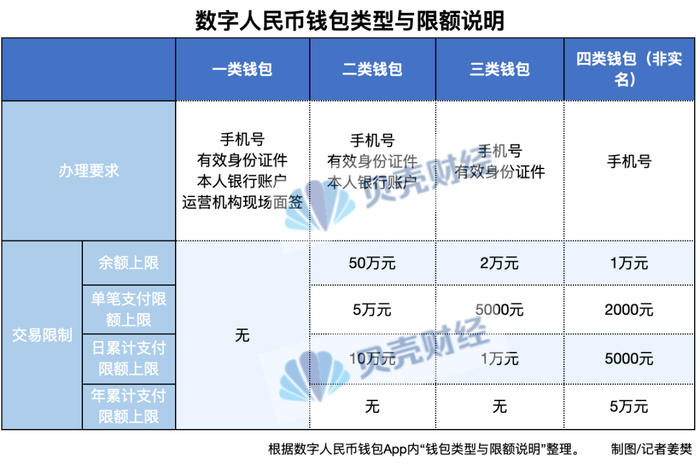
新京报贝壳财经记者 姜樊 编辑 陈莉 校对 杨利 本周一(12月29日),人民银行出台的《关于进一步加强数字人民币管理服务体系和相关金融基础设施 建设的行动方案》(以下简称《行动方案》)明确,从明年起,数字人民币钱包余额将计付利息。 明日起,数字人民币实名钱包余额将开始计息。12月31日,工行、农行、建行、交行、邮储银行等国有 银行公布了数字人民币钱包余额计息的规则。 工行、农行、建行、交行、邮储银行均发布公告称,自2026年1月1日起,银行将为客户开立的数字人民 币实名钱包余额按照本行活期存款挂牌利率计付利息,计结息规则与活期存款一致。 值得注意的是,数字人民币钱包分为四类钱包。其中,一类、二类、三类钱包未实名钱包,四类钱包为 非实名钱包。因此四类钱包不属于各家银行计息的"实名钱包"范畴。交行在公告中明确,如客户开立的 数字人民币钱包为四类个人钱包,则钱包内的余额不计付利息。 数字人民币是指人民银行发行的法定数字货币和相关支付体系,采用双层运营架构,由中国人民银行向 数字人民币业务运营机构发行,再由数字人民币业务运营机构兑换给公众。 ...






回望2025|存款市场变局:全面降息下的“存款搬家”
Di Yi Cai Jing Zi Xun· 2025-12-31 06:28
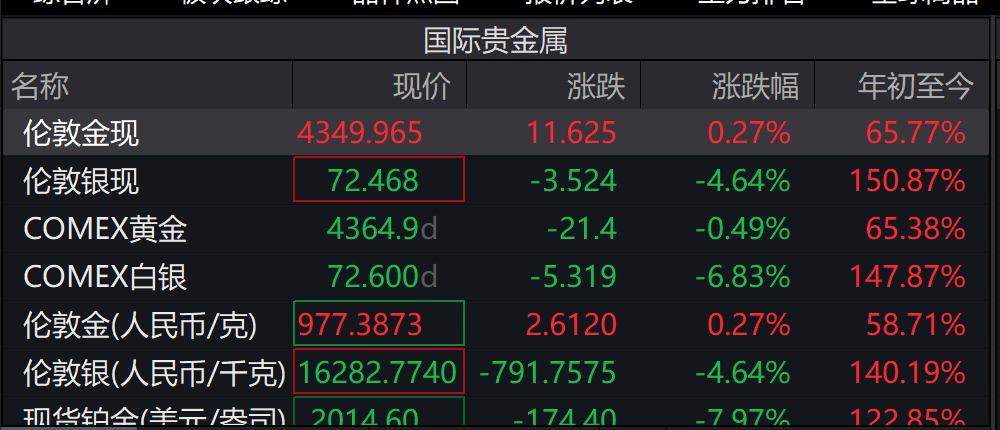
Core Viewpoint - The banking sector is experiencing a significant shift as deposit rates decline, leading to a "deposit migration" where residents are moving their funds from traditional deposits to diversified assets like wealth management products, insurance, and gold. This trend is expected to continue into 2026, with further adjustments in the deposit market anticipated [1][7]. Group 1: Interest Rate Changes - In 2025, the personal deposit and wealth management markets showed a clear structural differentiation, with long-term fixed deposit rates generally falling into the "1" range, and high-interest products like large-denomination certificates of deposit being withdrawn [2]. - Major state-owned banks initiated a round of interest rate cuts on May 20, 2025, reducing the interest rate on demand deposits by 5 basis points to 0.05%, and cutting rates on short-term fixed deposits by 15 basis points [2]. - Smaller banks have been more aggressive in their rate cuts, with some reducing three-year fixed deposit rates from 2.8% to 2.15% and five-year rates from 2.8% to 2.1% [2]. Group 2: Withdrawal of Long-Term Deposit Products - Many private banks have already removed five-year fixed deposit products, while state-owned banks have significantly reduced the availability of three and five-year large-denomination certificates of deposit [3]. - The trend of withdrawing long-term deposit products is evident across various banks, with major state-owned banks no longer offering five-year large-denomination certificates of deposit on their mobile banking apps [3]. Group 3: Net Interest Margin Pressure - The prolonged low macro interest rate environment has led to a decrease in loan market quoted rates (LPR), resulting in lower bank loan yields while deposit costs remain rigid, compressing net interest margins [4]. - As of the end of Q3 2025, the net interest margin for commercial banks was reported at 1.42%, with state-owned banks at 1.31% and joint-stock banks at 1.56%, all at historical lows [4]. - Many smaller banks have paused new business for three to five-year fixed deposits and large-denomination certificates of deposit to reduce high-cost long-term funding, thereby enhancing funding flexibility [4]. Group 4: Impact on Resident Asset Allocation - Data from the central bank indicates that from January to November 2025, the growth of resident fixed deposits slowed significantly, with a noticeable shift towards higher-yielding assets such as wealth management products, insurance, and gold [5]. - The interaction between non-bank institutions and resident deposits has increased market trading activity, reflecting a trend towards diversified asset allocation [5]. - In 2025, local banks employed gift marketing and loan-deposit linkage strategies to maintain customer loyalty, while state-owned banks focused on optimizing liability structures and cost control [5]. Group 5: Outlook for 2026 - Industry experts predict that the adjustment in the deposit market will deepen in 2026, with the "deposit migration" trend expected to persist as residents continue to shift savings towards diversified assets [7]. - By the end of Q3 2025, the total scale of outstanding wealth management products reached 32.13 trillion yuan, marking a year-on-year growth of 9.42% [7]. - Analysts forecast that retail deposit average rates will decrease by approximately 30 basis points in 2026, with a significant increase in the growth of non-fixed deposit investments [7]. Group 6: Differentiated Strategies Among Banks - In 2026, different types of banks are expected to adopt varied strategies, with state-owned banks focusing on wealth management to offset net interest margin pressures, while smaller banks may be more sensitive to deposit rates [8]. - Smaller banks are likely to attract deposits through differentiated pricing, flexible term products, and innovative offerings linked to gold, foreign exchange, or stock indices [8]. - Banks are encouraged to enhance service levels and innovate product designs to improve the proportion of demand and short-term deposits, thereby optimizing deposit maturity structures [8].
破局与重构:2025年中国金融业十大事件
2 1 Shi Ji Jing Ji Bao Dao· 2025-12-31 06:09
"却顾所来径,苍苍横翠微。" 2025年这一年,全球经济复苏乏力与地缘博弈交织的外部环境,同国内高质量发展与金融强国建设的内在要求相互碰撞,共同推动中国金融体 系加速告别规模扩张的旧范式,迈入以质量提升、结构优化、风险可控为核心的新周期。 2025年10月28日,《中共中央关于制定国民经济和社会发展第十五个五年规划的建议》(以下简称"十五五"规划建议)正式公布,为未来五年 中国经济社会发展擘画了宏伟蓝图。这份纲领性文件将金融提升到前所未有的战略高度,"金融"一词被提及17次,并首次将"加快建设金融强 国"确立为核心目标,标志着金融发展从"大"到"强"的历史性跨越。 "十五五"规划建议为金融强国建设明确了清晰的实施路径与核心任务。在对内改革层面,明确提出完善中央银行制度、货币政策与宏观审慎管 理体系"双支柱"框架;将科技金融、绿色金融、普惠金融、养老金融、数字金融这"五篇大文章"确立为金融服务实体经济的核心抓手;并致力 于提高资本市场制度的包容性与适应性。 在对外开放与监管层面,规划强调"稳"与"进"的平衡:一方面要求全面加强金融监管,强化央地协同,丰富风险处置工具,构建坚实的风险防 范化解体系;另一方面则明确 ...
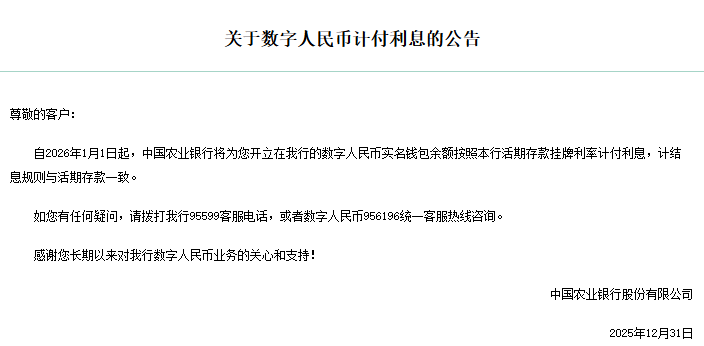
多家银行宣布:2026年起数字人民币钱包余额可计付利息
Sou Hu Cai Jing· 2025-12-31 05:40
Group 1 - The core announcement is that starting from January 1, 2026, major Chinese banks including Agricultural Bank of China, Postal Savings Bank, and others will pay interest on digital RMB wallet balances according to the same rates as regular demand deposits [1][4][8] - The interest calculation rules for digital RMB wallets will align with those of demand deposits, indicating a significant shift in how digital currency is treated [1][8] - This transition marks the evolution of digital RMB from a "digital cash era" to a "digital deposit currency era," following a decade of research and pilot programs [8] Group 2 - The People's Bank of China has introduced a plan to enhance the management and service system for digital RMB, which will officially launch on January 1, 2026 [8] - The new framework will include a measurement system, management structure, operational mechanism, and ecosystem for digital RMB [8]

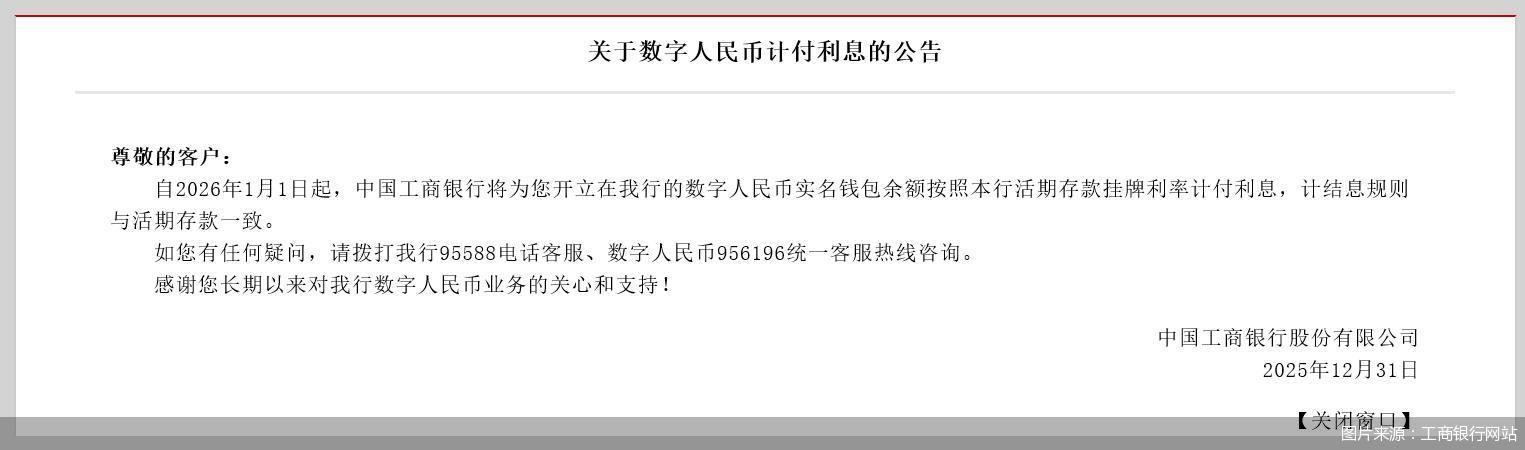
多家银行官宣:2026年1月1日起,为数字人民币实名钱包余额计付利息
Bei Jing Shang Bao· 2025-12-31 05:25
Core Viewpoint - Major Chinese banks including Industrial and Commercial Bank of China, Agricultural Bank of China, Postal Savings Bank of China, Bank of Communications, and China Construction Bank will start paying interest on digital RMB wallet balances at the same rate as current deposit rates from January 1, 2026, marking a significant transition in the digital currency landscape in China [1][4][5] Group 1: Bank Announcements - Industrial and Commercial Bank of China, Agricultural Bank of China, and Postal Savings Bank of China will apply interest to digital RMB wallet balances according to the current deposit rate, with interest calculation rules consistent with those for current deposits [4] - Bank of Communications will also apply the current deposit rate to digital RMB wallet balances, including various types of personal and corporate wallets, while balances in type four wallets will not earn interest [4] - China Construction Bank will revise its customer service agreement to reflect that digital RMB wallet balances will earn interest based on the current deposit rate starting January 1, 2026 [4] Group 2: Digital RMB Framework - The People's Bank of China has introduced a plan to enhance the management and service system for digital RMB, which will officially implement a new measurement framework and operational mechanism on January 1, 2026 [5] - This transition signifies a shift from the "digital cash era" to the "digital deposit currency era" after a decade of research and pilot programs [5]
中信银行少帅转战邮储,国有行股份行间高管流动折射何种变化
Nan Fang Du Shi Bao· 2025-12-31 04:36
Core Viewpoint - The recent appointment of Lu Wei as the president of Postal Savings Bank after his resignation from CITIC Bank highlights the increasing trend of executive mobility between state-owned and joint-stock banks in China, reflecting a shift towards breaking down institutional barriers and fostering financial innovation [2][9][12]. Group 1: Executive Changes - Lu Wei resigned from his positions at CITIC Bank, including president and executive director, due to work adjustments, and has been appointed as the president of Postal Savings Bank [3][5]. - Lu Wei has over 20 years of experience at CITIC Bank, having held various significant roles, including vice president and secretary of the board [3][4]. - Following Lu Wei's departure, CITIC Bank's chairman, Fang Heying, will temporarily assume the role of president [8]. Group 2: Industry Trends - The movement of executives between state-owned and joint-stock banks has become increasingly common, with several high-profile cases in recent years, indicating a trend towards more fluid talent mobility in the banking sector [9][10]. - Experts suggest that this trend is part of a broader strategy to enhance capital and talent flow, shift performance metrics from "loan scale" to "ecological value," and stimulate financial innovation [10][11]. - The transition of executives like Lu Wei poses challenges, as they must adapt their skills and experiences to different banking environments, particularly in rural contexts [11][12].


2025年A股融资地图出炉!总规模突破万亿元 | 刻度2025
Sou Hu Cai Jing· 2025-12-31 03:45
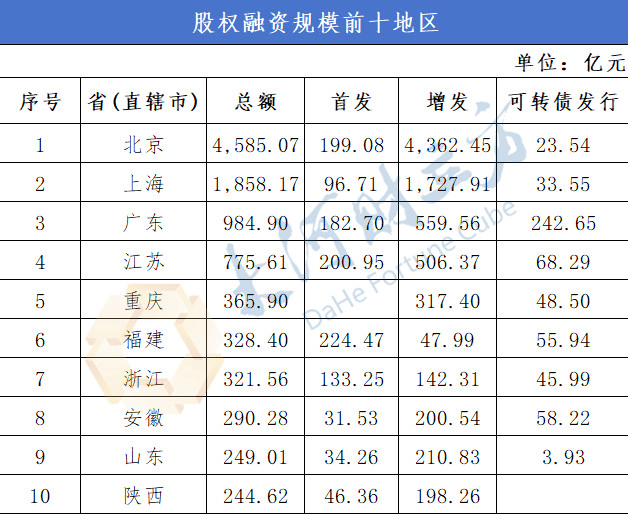
Core Insights - The total equity financing scale in A-shares for 2025 is projected to exceed 1 trillion yuan, with the Yangtze River Delta, Pearl River Delta, and Bohai Rim regions leading the way, and both Beijing and Shanghai surpassing 100 billion yuan in financing [1] Financing Overview - The total equity financing across various regions reached 1.08 trillion yuan, with initial public offerings (IPOs) amounting to 131.77 billion yuan, additional financing at 887.73 billion yuan, and convertible bond financing at 63.13 billion yuan. This represents a significant increase compared to 2024, which saw only 290.47 billion yuan in total equity financing [4] - Beijing and Shanghai are the top two regions for equity financing, with totals of 458.51 billion yuan and 172.79 billion yuan, respectively. Guangdong and Jiangsu follow with 98.41 billion yuan and 79.24 billion yuan [4] Regional Highlights - In Beijing, the equity financing scale reached 458.51 billion yuan, with state-owned banks contributing nearly 90% of the incremental capital. Major state-owned banks announced plans to issue stocks to raise core tier-one capital, with a total of 400 billion yuan raised from three banks [4] - Notable IPOs in Beijing include the "first domestic GPU stock" Moer Circuit, which raised 8 billion yuan, and chip giant Cambricon, which raised 3.985 billion yuan through additional financing [5] Policy Impact - Jiangsu, Guangdong, and Zhejiang accounted for nearly 60% of the total IPOs, with 28, 20, and 17 companies respectively. This is attributed to targeted financing policies that support manufacturing and innovation [6] - Jiangsu's new policies focus on supporting manufacturing enterprises, while Guangdong's financing scale is close to 1 trillion yuan, with significant contributions from IPOs and additional financing [6] - Zhejiang has maintained a strong IPO presence for six consecutive years, with a focus on nurturing high-quality enterprises through various support measures [7]
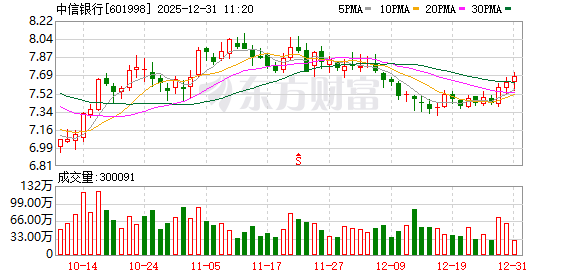
中信银行行长芦苇辞任,董事长方合英暂代履职
2 1 Shi Ji Jing Ji Bao Dao· 2025-12-31 03:19
Core Viewpoint - The announcement of Lu Wei's resignation as President of CITIC Bank due to work adjustments, with Fang Heying temporarily taking over the role, marks a significant leadership change within the bank [2]. Group 1: Leadership Transition - Lu Wei has resigned from his positions as Executive Director, President, and Chairman of the Risk Management Committee of CITIC Bank, effective immediately [2]. - Fang Heying, the Chairman of CITIC Bank, will temporarily assume the responsibilities of the President [2]. - Lu Wei will take on the role of President at China Postal Savings Bank, pending approval from the National Financial Regulatory Administration [2]. Group 2: Contributions and Background of Lu Wei - Lu Wei has served at CITIC Bank for 26 years, holding various key positions both domestically and internationally, contributing significantly to financial management, capital replenishment, and international development [2]. - Under Lu Wei's leadership, CITIC Bank has made strides in risk compliance, financial management quality, and service to the real economy, achieving positive results in enhancing competitiveness and high-quality development [2]. - Lu Wei's career includes roles such as Secretary of the Board and General Manager of CITIC Trust, showcasing a diverse background in banking and finance [3][4].
银行业保险业数字金融高质量发展实施方案印发
Zhong Guo Jing Ji Wang· 2025-12-31 02:48
在风险管理方面,《方案》要求,着力建设智能风控体系,重点强化数字化形势下的战略风险、合规风 险、操作风险、外包风险、流动性风险等重点风险防控,加强数据安全和网络安全防护,提升人工智能 技术的安全应用能力,有效管理算法模型风险,防范数字生态外部合作风险。《方案》同时明确,高效 推动监管数字化智能化转型,推动监管流程数字化再造,推进智能分析工具研发,加强监管大数据建 设,强化监管基础设施和数字化人力资源建设。 《方案》立足当前形势,推动金融机构深化数字化转型工作,以"数字技术与数据要素双轮驱动"为核 心,将工作目标定位为实现数字金融高质量发展,在延续原银保监会2022年印发的《关于银行业保险业 数字化转型的指导意见》框架基础上,新增"人工智能+""数据要素×"等工作内容,从健全治理机制、赋 能金融服务、发挥新技术引领作用、激发数据要素潜能、强化风险防控、监管数字化智能化转型六个方 面提出具体工作要求。 对此,中国邮政储蓄银行研究员娄飞鹏表示,《方案》将"人工智能+金融"与"数据要素×"纳入政策主 轴,将推动技术应用从流程优化向价值创造跃迁。同时,《方案》首次明确提出"数字技术与数据要素 双轮驱动"的战略主线,意味 ...
银行业加力支持农业强国建设
Jin Rong Shi Bao· 2025-12-31 02:05
12月29日至30日,中央农村工作会议在北京召开。会议分析当前"三农"工作面临的形势和挑战,部署 2026年"三农"工作。 2026年是"十五五"规划开局之年,做好"三农"工作至关重要。会议强调,农业农村现代化关系中国式现 代化全局和成色,必须加快建设农业强国。 在"十五五"开局之年,中央农村工作会议为银行业金融机构继续做好"三农"工作、推进乡村全面振兴指 明了方向。 助力端稳端牢"中国饭碗" 粮食安全是关系国计民生的根本性战略问题,它不仅是维持人类生存、健康与社会稳定的基石,更是国 家主权、经济安全和长期发展的核心保障。 中国人的饭碗要牢牢端在自己手中。中央农村工作会议提出,要稳定粮油生产,加力实施新一轮千亿斤 粮食产能提升行动,推动粮食品种培优和品质提升。 在巩固拓展脱贫攻坚成果同乡村振兴有效衔接5年过渡期结束后,站在"十五五"开局的全新起点,中央 农村工作会议作出重要部署,将此前"统筹建立农村防止返贫致贫机制"要求升级为"统筹建立常态化防 止返贫致贫机制,健全常态化帮扶政策体系"。 "'常态化'是将防返贫从过渡期临时举措转为长效制度,分层分类精准帮扶,稳定政策、提升效能。"娄 飞鹏表示。 对于银行业金融 ...