
赛诺菲

Search documents
Should You Buy, Sell or Hold AstraZeneca Stock Before Q1 Earnings?
ZACKS· 2025-04-21 13:25
Earnings Surprise History for AZN The healthcare bellwether's performance has been mixed, with the company exceeding earnings expectations in three of the trailing four quarters while missing in one. It delivered a four-quarter earnings surprise of 3.16%, on average. In the last reported quarter, the company delivered a negative earnings surprise of 1.87%. | | Surprise - Reported Earnings History 0 | | | | | | --- | --- | --- | --- | --- | --- | | | Quarter Ending | Quarter Ending | Quarter Ending | Quarter ...



成都康华生物制品股份有限公司2024年年度报告摘要
Shang Hai Zheng Quan Bao· 2025-04-18 23:03
Core Viewpoint - The company has successfully developed and marketed a freeze-dried human rabies vaccine using human diploid cells, which is recognized as a gold standard for rabies prevention and has received various national honors [3][4]. Company Overview - The company specializes in the development and sale of vaccines, with its core product being the freeze-dried human rabies vaccine, the first of its kind in China [3]. - The rabies vaccine is produced using advanced technology that eliminates animal cell residues, ensuring high safety and immunogenicity [3][4]. Industry Development - The global vaccine market is projected to reach approximately $83.1 billion by 2025 and $131 billion by 2030, driven by increasing health awareness and demand for infectious disease prevention [4]. - The Chinese vaccine industry is transitioning from scale expansion to innovation-driven growth, with a focus on advanced technologies such as mRNA and recombinant protein vaccines [5]. - There is a significant global demand for vaccines, with 68 countries reporting vaccine shortages in 2023, creating opportunities for Chinese vaccine companies to expand internationally [5]. Competitive Landscape - The vaccine industry is characterized by high capital investment, high research and development risks, and long product development cycles, which create substantial barriers to entry [6][7]. - The Chinese vaccine market is currently fragmented, with a mix of state-owned, multinational, and private enterprises competing for market share [8]. - Regulatory changes and the implementation of new laws are expected to increase industry consolidation, leading to a higher concentration of vaccine producers in the market [8].
Press Release: Dupixent approved in the US as the first new targeted therapy in over a decade for chronic spontaneous urticaria
Globenewswire· 2025-04-18 15:15
Core Insights - Dupixent (dupilumab) has been approved by the US FDA as the first new targeted therapy for chronic spontaneous urticaria (CSU) in over a decade, providing a new treatment option for patients who remain symptomatic despite antihistamine treatment [1][4][10] Company and Product Overview - Dupixent is a fully human monoclonal antibody that inhibits interleukin-4 (IL-4) and interleukin-13 (IL-13) signaling pathways, which are key drivers of type 2 inflammation [10] - The drug is administered via subcutaneous injection, with a dosing regimen of 300 mg every two weeks for adults and adolescents over 12 years old, with weight-based dosing for younger patients [9][10] - Dupixent is already approved for CSU in several countries, including Japan, the UAE, and Brazil, with ongoing reviews in other regions such as the EU [3][12] Clinical Study Results - The FDA approval is based on data from two phase 3 clinical studies (Study A and Study C) involving 284 biologic-naïve patients aged 12 years and older, which demonstrated significant reductions in itch severity and urticaria activity compared to placebo at 24 weeks [2][6][7] - Study B provided additional safety data for patients who were inadequate responders or intolerant to anti-IgE therapy, although it did not meet its primary endpoint in the US [8][6] - The most common adverse event observed in patients treated with Dupixent was injection site reactions, consistent with its known safety profile [2][4] Market Potential - There are over 300,000 adults and adolescents in the US suffering from CSU who remain symptomatic despite antihistamine treatment, indicating a significant market opportunity for Dupixent [4][5] - Dupixent is now approved for seven chronic atopic conditions driven by type 2 inflammation, potentially benefiting patients with multiple co-morbid conditions [3][10] Development and Future Prospects - Dupilumab is being jointly developed by Sanofi and Regeneron, with over 60 clinical studies involving more than 10,000 patients conducted to date [13] - The companies are exploring additional indications for Dupixent in diseases driven by type 2 inflammation, including chronic pruritus of unknown origin and bullous pemphigoid, which are currently under clinical investigation [14]


Dupixent® (dupilumab) Approved in the U.S. as the First New Targeted Therapy in Over a Decade for Chronic Spontaneous Urticaria (CSU)
Globenewswire· 2025-04-18 15:15
Core Insights - The U.S. FDA has approved Dupixent (dupilumab) for treating chronic spontaneous urticaria (CSU) in adults and adolescents aged 12 years and older who remain symptomatic despite antihistamine treatment [1][4][12] - Dupixent is the first new targeted treatment for CSU in over a decade, demonstrating significant reductions in itch and hives in clinical trials [2][4] - The approval is based on data from two Phase 3 clinical trials, which showed Dupixent's efficacy as an add-on therapy to standard antihistamines [2][6] Company Overview - Regeneron Pharmaceuticals, Inc. and Sanofi are the companies behind Dupixent, which is already approved for several other conditions driven by type 2 inflammation [1][12] - Regeneron utilizes its proprietary VelocImmune technology to develop Dupixent, a fully human monoclonal antibody targeting IL-4 and IL-13 pathways [10][30] Clinical Trial Details - The Phase 3 trial program for Dupixent included three studies: Study A (n=136), Study B (n=108), and Study C (n=148), focusing on patients who were symptomatic despite antihistamine use [6][7] - Both Study A and Study C met their primary and key secondary endpoints, showing significant reductions in itch severity and urticaria activity compared to placebo [2][7] - Study B provided additional safety data but did not meet the primary endpoint for itch reduction compared to placebo [8] Patient Impact - More than 300,000 adults and adolescents in the U.S. suffer from CSU that is inadequately controlled by antihistamines, highlighting the need for effective treatment options [1][5] - The approval of Dupixent offers a new treatment avenue for CSU patients, potentially improving their quality of life [2][4] Global Regulatory Status - Dupixent is already approved for CSU in Japan, the UAE, and Brazil, with ongoing reviews in other regions, including the European Union [4][12]


Sanofi Advances Mid-to-Late-Stage Pipeline in Respiratory Indications
ZACKS· 2025-04-16 16:50
Core Viewpoint - Sanofi announced preliminary data from the phase II TIDE-Asthma study for its anti-OX40L mAb, amlitelimab, which showed mixed results in treating moderate-to-severe asthma, alongside updates on other respiratory pipeline candidates [1][2][3]. Group 1: Amlitelimab Study Results - The highest dose of amlitelimab did not meet the primary endpoint of annualized exacerbation rate at week 48, while the medium dose showed nominal significance [2]. - At week 60, the medium dose demonstrated clinically meaningful reductions in asthma exacerbations, with a greater reduction observed at the high dose level [3]. - Amlitelimab also led to significant improvements in lung function and asthma control, which were secondary endpoints of the study [3]. Group 2: Other Respiratory Pipeline Developments - Sanofi is developing itepekimab in partnership with Regeneron Pharmaceuticals, currently in two phase III studies for chronic rhinosinusitis with nasal polyps [5]. - Itepekimab is also being evaluated for chronic obstructive pulmonary disease (COPD), with data expected in the second half of 2025 [6]. - Additional studies are ongoing for itepekimab in bronchiectasis and for lunsekimig in high-risk asthma and moderate-to-severe asthma, with data from these studies anticipated in 2026 [8][9]. Group 3: Market Performance - Year to date, Sanofi's shares have increased by 4.9%, contrasting with a 4.9% decline in the industry [4].
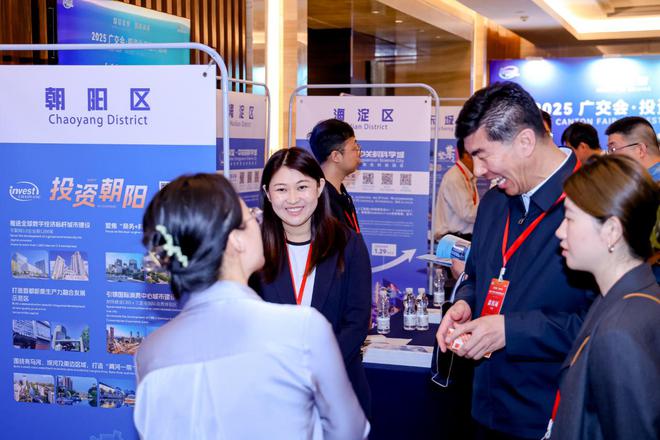
“投资北京”推介活动走进广交会,展示多元投资机遇
Xin Jing Bao· 2025-04-16 13:11
出口展参展企业首次突破3万家,吸引超20万名境外采购商预注册,第137届广交会于4月15日在广州开 展。 4月16日,北京市投资促进服务中心组织北京市11个区投资促进团组,在广州举办"2025广交会-投资北 京推介活动"。 北京市投资促进服务中心副主任孟凡勇围绕"投资北京赢得未来"的活动主题,向参展商们推介了北京的 优势。北京不仅是历史文化名城,更是全球科研高地与创新枢纽。作为国家科技创新中心,北京具有强 大的创新能力和丰富的创新资源,是享誉世界的创新之城。"创新",已成为除了故宫、长城等文化古都 标签之外,北京最具特点的标志性符号。 北京汇集了众多高校和科研院所,拥有55万余名科研人员、全国近一半的两院院士、超过四分之一 的"万人计划"专家,入选"高被引科学家名单"的科学家数量居全球首位。从科技企业看,北京每天有 300多家科技企业诞生,相当于每5分钟就有一家科技企业诞生,密度已超越硅谷。判断一个城市是不是 创新高地,要看它能否孕育出世界级的创新型企业。北京国家高新技术企业、国家级专精特新"小巨 人"企业均居全国各城市首位,独角兽企业数量位居全国首位、世界第二。 从产业规模看,北京已形成新一代信息技术、科技 ...
Press Release: Sanofi's respiratory pipeline advances with new data in asthma and plans for new clinical studies in COPD
GlobeNewswire News Room· 2025-04-15 05:00
Core Insights - Sanofi has made significant advancements in its respiratory pipeline, particularly with the drug amlitelimab for asthma treatment, showing promising preliminary phase 2 results [1][2][3] Group 1: Amlitelimab in Asthma - The TIDE-Asthma phase 2 study revealed that while the primary endpoint of annualized exacerbation rate at week 48 was not met at the highest dose, there were nominally significant reductions in asthma exacerbations at medium and low doses [2] - Amlitelimab demonstrated clinically meaningful improvements in lung function and asthma control, especially in a biomarker-defined patient subgroup, with a reduction of more than 70% in exacerbations at week 60 [2][3] - The treatment regimen involved administering amlitelimab every four weeks for the first 24 weeks, followed by every 12 weeks for the remaining 36 weeks, supporting a quarterly maintenance dosing schedule [3][11] Group 2: Future Clinical Studies - A phase 3 program for amlitelimab is currently being planned, with full results from the TIDE-Asthma study to be presented at an upcoming medical meeting [2][4] - Sanofi is also exploring lunsekimig in a broad population of asthma patients, with readouts from the AIRCULES phase 2 study anticipated in 2026 [5] - Itepekimab is expanding its clinical studies into chronic rhinosinusitis and COPD, with phase 3 readouts expected in H2 2025 [7][9] Group 3: Mechanism and Safety Profile - Amlitelimab operates through a unique non-depleting mechanism targeting OX40-Ligand, aiming to restore immune balance with infrequent dosing [3][10] - The safety profile of amlitelimab was consistent with previous studies, with no new safety signals identified during the 60-week treatment period [3][11]

第二十七届北京科博会下月启幕,亮点抢先看
Xin Jing Bao· 2025-04-14 11:42
医药健康是本届科博会聚焦的前沿领域之一。据了解,北京市将医药健康产业作为创新发展的"双发动 机"之一,滚动实施了3个产业发展"三年行动计划"。2024年产业规模达到1.06万亿元,同比增长8.7%。 北京出台了促进创新医药发展的"32条"措施等,率先实现了"药品补充申请审评时限从200天压缩至60 天""药品临床试验审批从60天压缩至30天",临床试验的启动用时压缩7.7周。实施罕见病药品的"白名 单"制度,建立了临床急需进口药械的审批绿色通道,进口货值超过1500亿元,位居全国首位。记者了 解到,今年还将持续推出新的"32条"改革举措。 依托"两区"建设和中关村先行先试的政策,北京推出数据出境绿色通道、建设创新药械的出海平台,吸 引一批外资企业加大在京布局,去年辉瑞、默沙东、礼来等8家知名药企在京新设创新主体。 骨科手术机器人操作关节置换手术仅需30分钟 第二十七届北京国际科技博览会(北京科博会)将于5月8日至11日在国家会议中心举办。4月14日,记 者从北京市贸促会了解到,本届科博会展览总面积约5万平方米,设置信息科技、智能制造、医药健 康、绿色双碳、数字经济和区域创新等六大展区,同期还将举办2025北京 ...

痛风为何没有像糖尿病一样诞生爆款药?
Hu Xiu· 2025-04-14 01:03
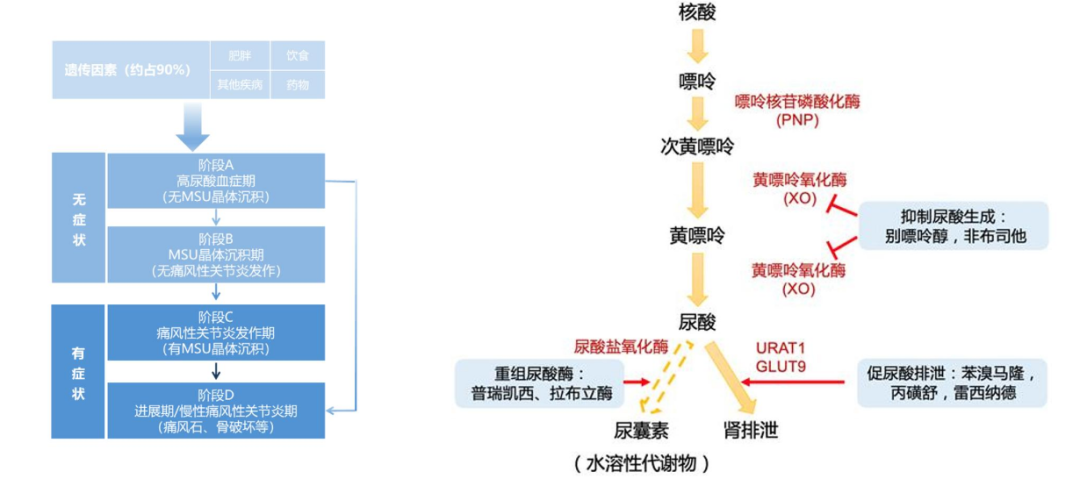
Core Viewpoint - The article discusses the significant disparity between the pharmaceutical markets for diabetes and gout, highlighting the large patient base for gout yet the lack of blockbuster drugs in this area despite its similar chronic nature to diabetes [3][4][18]. Group 1: Patient Demographics and Disease Impact - There are approximately 1 billion people globally suffering from high uric acid and gout, making it the second largest metabolic disease after diabetes [4][6]. - In China, there are 177 million individuals with high uric acid levels and 14.66 million gout patients, indicating a substantial patient population [6]. - The pathophysiology of gout involves an imbalance in purine metabolism, leading to elevated uric acid levels and subsequent crystal deposition, which can cause severe inflammation [6][7]. Group 2: Treatment Landscape and Challenges - Current gout treatments are limited, with no drug achieving annual sales exceeding $1 billion, contrasting sharply with diabetes medications [4][10][18]. - Existing gout medications face significant safety concerns, including severe side effects and low treatment adherence among patients, with many relying solely on pain relief rather than long-term management [10][11][15]. - The complexity of gout's pathogenesis complicates drug development, as effective treatment requires addressing multiple metabolic pathways [7][10]. Group 3: Market Dynamics and Future Outlook - The global market for gout medications is projected to be only $3.3 billion by 2024, while the diabetes drug market approaches $100 billion, influencing pharmaceutical companies to prioritize diabetes research [18]. - Despite the challenges, domestic pharmaceutical companies in China are showing innovation in gout treatment, with several drugs in advanced clinical stages, suggesting potential growth in this market [19]. - The article posits that the focus on gout treatment could lead to a "marginal revolution" in medicine, similar to past breakthroughs in other areas [19].
FDA计划逐步让“猴哥”退出新药研发? 提出三大替代方向,但业内认为还需更多研究
Mei Ri Jing Ji Xin Wen· 2025-04-12 14:44
Core Viewpoint - The FDA's recent policy shift aims to gradually eliminate mandatory animal testing in monoclonal antibody therapies and drug development, promoting alternatives like AI, organoids, and organ-on-a-chip technologies [1][2]. Group 1: Impact on Companies - Traditional CROs like Zhaoyan New Drug and Charles River Laboratories faced significant stock price declines following the announcement, with Charles River's stock dropping 28.13% and Zhaoyan's by 9.98% [1]. - The FDA's new policy is seen as a potential game-changer for the industry, providing a clear direction for reducing reliance on animal testing [3][4]. Group 2: Industry Perspectives - Industry experts acknowledge that while the new regulations indicate a shift, substantial clinical data is still needed to validate the effectiveness of organoids in toxicity prediction compared to animal testing [2][6]. - The TGN1412 incident highlights the limitations of animal testing, as severe reactions occurred in human trials that were not predicted by prior monkey studies, underscoring the need for alternative methods [2][5]. Group 3: Technological Advancements - Organoid and organ-on-a-chip technologies have been in development for over a decade and are now being recognized for their potential to simulate human responses more accurately than animal models [4][5]. - The FDA has identified specific organ models, such as liver and heart, that can be utilized in drug development, indicating a structured approach to integrating these technologies into regulatory frameworks [5][6]. Group 4: Financial and Market Trends - The organoid and organ-on-a-chip sectors are still in early development stages, with significant investments from major pharmaceutical companies like Johnson & Johnson and Merck, indicating growing confidence in these technologies [9][10]. - Despite a challenging investment climate, the organoid industry has seen optimistic funding trends, with companies securing millions in financing even during downturns [9]. Group 5: Future Outlook - The combination of organoids and AI is expected to enhance drug efficacy predictions and reduce toxicity screening failures, which are critical for successful drug development [10]. - As the industry moves towards adopting these technologies, the potential for improved drug safety and efficacy could redefine the landscape of pharmaceutical research and development [10].

