
健康元

Search documents
流感药“新老混战”:2元一粒的仿制药和200元一粒的原研药同场竞技
Di Yi Cai Jing· 2025-12-03 02:40
Core Viewpoint - The flu season is experiencing a surge in demand for antiviral medications, with a notable shift towards domestic innovative drugs entering the market, leading to a competitive landscape between traditional imported drugs and new local offerings [1][4][10]. Group 1: Market Dynamics - The flu drug market in China is projected to grow at a compound annual growth rate of 20.2%, potentially reaching a market size of 26.9 billion yuan by 2028 [10]. - The introduction of multiple new domestic antiviral drugs has diversified treatment options for patients, enhancing their ability to respond to the flu [4][6]. - The traditional flu drug, Oseltamivir, has seen its price drop to under 2 yuan per pill due to collective procurement, while new innovative drugs are priced significantly higher, around 200 yuan per pill [7][8]. Group 2: New Drug Developments - Several new antiviral drugs have been approved for clinical use, including innovative RNA polymerase inhibitors like Marbofloxacin and others targeting different mechanisms [5][6]. - The first domestic RNA polymerase PB2 protein inhibitor, Anglave, has been developed, marking a significant advancement in flu treatment options [9][10]. - The market is witnessing a mix of classic and innovative flu medications, with sales of Oseltamivir increasing by 237% recently, while new drugs like Marbofloxacin have also seen substantial sales growth [6][8]. Group 3: Consumer Behavior and Trends - There is a growing awareness and demand for new generation flu medications, although the penetration rate remains low, with less than 5% of patients opting for the new PA-targeted flu drugs [8][9]. - The pediatric market for flu medications is underdeveloped, despite children being significantly more susceptible to flu infections compared to adults [11]. - E-commerce platforms are increasingly playing a crucial role in the distribution of flu medications, providing comprehensive services from home testing to online consultations and drug delivery [11].

流感药“新老混战”:2元一粒的奥司他韦仿制药和200元一粒的原研药同场竞技
第一财经· 2025-11-30 12:41
Core Viewpoint - The current flu season in China is marked by a significant increase in drug demand due to a larger infected population, with a competitive landscape emerging as multiple domestic innovative flu drugs are launched, challenging traditional imported and older medications [2][17]. Group 1: Flu Season Trends - The flu season is peaking in northern China while southern regions are still rising, with a national flu positivity rate exceeding 40% [5][6]. - Increased flu cases are particularly noted among children, with hospitals reporting a significant rise in infections [7][5]. - Experts predict that some provinces may reach flu peak by mid-December, with a nationwide decline expected by early January [6]. Group 2: Rise of Domestic Flu Medications - The market for flu medications is becoming increasingly diverse, with various approved treatments available, including neuraminidase inhibitors and RNA polymerase inhibitors [9][8]. - 2025 is referred to as the "Year of Domestic Flu New Drugs," with several innovative flu medications launched this year, intensifying market competition [9][8]. - New drugs like Isodaz (Mashurashave) and Anruwei (Anglave) have been approved, representing significant advancements in flu treatment [10][9]. Group 3: Market Dynamics and Pricing - The price of new RNA polymerase inhibitors is comparable to imported drugs, with significant sales growth observed for both classic and innovative flu medications [12][11]. - Sales data indicates a substantial increase in demand for flu medications, with Oseltamivir sales reaching 5.9 billion yuan in 2024, marking a 237% increase in recent weeks [14][12]. - The competitive landscape is shifting, with traditional flu drugs losing their competitive edge post-collective procurement, emphasizing the need for innovative high-quality drugs [18][17]. Group 4: Investment and Market Outlook - The flu medication market in China is projected to grow at a compound annual growth rate of 20.2%, potentially reaching 26.9 billion yuan by 2028 [18][17]. - Companies are responding to rising stock prices in the flu drug sector, with some developing new generation neuraminidase inhibitors and focusing on innovative drug development [18][17]. - The influx of domestic companies into the flu drug market is driven by the market's high certainty and relatively safe research environment [19][17]. Group 5: Challenges and Recommendations - The influx of similar products raises concerns about market saturation and price wars, prompting calls for diversified and personalized flu vaccine products [20][19]. - There is a notable gap in pediatric flu medications, despite children having a significantly higher infection rate compared to adults [20][19]. - E-commerce platforms are enhancing their flu product offerings, indicating a strong potential for growth in online sales channels for flu medications [20][19].


流感药“新老混战”:2元一粒的奥司他韦仿制药和200元一粒的原研药同场竞技
Di Yi Cai Jing· 2025-11-30 09:44
Core Insights - The flu season is currently peaking, with a significant increase in infection rates leading to a surge in medication demand. Unlike previous years, the market is now seeing a competition between imported drugs and a variety of newly launched domestic innovative flu medications [1][5][12] - The market for flu medications is projected to grow significantly, with an expected compound annual growth rate of 20.2% from 2024 to 2028, potentially reaching a market size of 26.9 billion yuan by 2028 [12] Market Dynamics - The flu medication market is experiencing a "new vs. old" battle, as multiple new domestic drugs enter the market, challenging the dominance of traditional medications like oseltamivir, which has seen its price drop to under 2 yuan per pill due to collective procurement [1][9] - The introduction of new antiviral drugs, such as RNA polymerase inhibitors, is changing the treatment landscape, with some new drugs priced similarly to imported options, thus increasing competition [8][10] Product Launches - Several innovative flu medications have been approved for clinical use in China, including: - Isodaz (Mashurashave tablets) by Qingfeng Pharmaceutical, targeting influenza A and B [7] - Anruwei (Angladi tablets) by Zhongsheng Pharmaceutical, the first global PB2 protein inhibitor for flu treatment [7] - Jikeshou (Maseilashave tablets) by Zhengxiang Pharmaceutical, another RNA polymerase inhibitor [7] - The first year of sales for these new drugs has shown significant growth, with Mabalosave achieving 630 million yuan in sales, marking an 800% increase [10] Consumer Behavior - There is a notable increase in the sales of flu medications, with oseltamivir's sales volume rising by 237% in a week, while new drugs like Mabalosave also saw an increase of 180% [8][10] - Despite the high price of new medications, awareness and adoption among consumers remain low, with less than 5% of those aware of their flu diagnosis opting for the new generation of drugs [10] Competitive Landscape - The influx of domestic pharmaceutical companies into the flu medication market is driven by the high certainty of market demand and relatively safe R&D prospects [13] - However, this has led to concerns about product homogeneity and potential price wars, as many companies pursue similar targets in drug development [13] Future Outlook - The flu medication market is expected to continue evolving, with ongoing innovations and potential price reductions as more products enter the market and negotiations for inclusion in national insurance schemes progress [11][12]
AI医疗进阶3.0:医疗普惠潮下的效率革命与商业化破局丨2025·大复盘
Tai Mei Ti A P P· 2025-11-29 01:57
Core Insights - The consensus in the medical industry is that AI will not replace doctors but will serve as an essential assistant, supported by a strong regulatory framework [2] - The AI medical sector is transitioning from conceptual hype to substantial development driven by policies and market forces, with a projected industry scale of 115.7 billion yuan by 2025 [3][4] - The integration of AI into various medical applications is deepening, with significant advancements in areas such as imaging analysis and drug development [4][10] Industry Growth and Projections - The AI medical industry in China is expected to reach 115.7 billion yuan by 2025, with a compound annual growth rate of 10.5% from 2022 to 2028 [3] - By 2028, the industry scale is projected to increase to 159.8 billion yuan [3] Application Maturity and Areas of Focus - AI applications have expanded from diagnostic tools to encompass drug development, decision support, and medical robotics, with imaging analysis being the most mature area [4][10] - AI in medical imaging is projected to exceed 15 billion yuan by 2025, with a significant increase to 23.57 billion yuan by 2026 [10] Data Infrastructure and Challenges - As of July 2025, 206 algorithmic medical products have been registered, with 160 companies providing AI services directly to patients through apps [6] - The quality and standardization of medical data remain significant challenges, with a large volume of data being poorly structured and difficult to utilize effectively [21][22] Payment and Commercialization Issues - The integration of AI into the payment system is still developing, with current regulations preventing additional charges for AI-assisted diagnoses [23] - The recognition of AI's clinical value is crucial for its inclusion in payment systems, with a focus on demonstrating its effectiveness in improving patient outcomes [23][24] Future Directions and Sustainable Development - The AI medical sector is exploring diverse commercialization paths, with a focus on creating clear clinical value to ensure sustainability [27][30] - The concept of "inclusive healthcare" is emerging as a key focus, aiming to balance service quality, accessibility, and cost [30]

36氪精选:流感高峰将至,谁在买200元/盒的流感药
日经中文网· 2025-11-29 00:33
Core Viewpoint - The article discusses the significant increase in demand for flu medications in China, particularly due to an early flu season in 2025, and highlights the emergence of new domestic flu drugs that are changing the market landscape [6][9][13]. Flu Season and Demand Surge - The flu season in 2025 has started nearly a month earlier, with the National Disease Control Bureau indicating a rising trend in flu activity [6][9]. - There has been a more than 100% increase in orders for flu medications, especially in northern cities like Harbin and Hohhot, where orders surged over 150% [6][9]. Market Dynamics and New Drug Introduction - The flu medication market is projected to exceed 100 billion yuan, driven by a clearer understanding of flu's severity and the introduction of new medications [9][10]. - New flu drugs, including those that require only a single dose for the entire treatment course, are entering the market, with some priced nearly ten times higher than traditional medications like Oseltamivir [8][11]. Competitive Landscape - The article notes that 2025 is being referred to as the "Year of Domestic Flu New Drugs," with several new products set to launch [7][8]. - The new medications, such as Marbalozav and others, are designed to be more effective and user-friendly compared to older drugs, which require multiple doses [11][12]. Pricing and Market Penetration - The pricing of new flu medications is significantly higher than traditional options, with initial prices exceeding 300 yuan, while older drugs like Oseltamivir are priced around 20 yuan [14][15]. - Despite the higher prices, there is a potential for market growth as awareness of new medications increases, with current penetration rates for new drugs being low [12][15]. Marketing and Distribution Strategies - Companies are focusing on building new prescription habits and educating the market about the benefits of single-dose medications [16]. - E-commerce platforms are increasingly involved in the distribution of flu medications, providing services like home testing and online consultations [16].

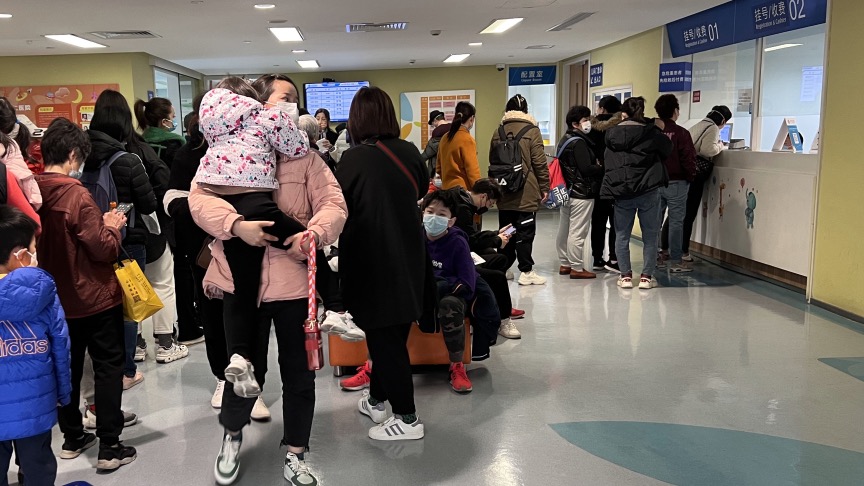
近3年最强流感季来袭:有药店特效药断货半个月,速福达紧俏,“都进不来货”
Mei Ri Jing Ji Xin Wen· 2025-11-27 08:33
Core Insights - The flu season of 2025 is reported to be more severe than the past three years, with increased cases of flu-like illnesses (ILI) in both northern and southern China [3][4][12] - There is a notable shortage of flu medications, particularly the children's version of the antiviral drug Marbofloxacin, leading to increased demand and stockouts in pharmacies [4][8][12] - Hospitals remain the primary choice for parents seeking treatment for their children, with a significant increase in pediatric flu patients reported [9][12] Summary by Category Flu Season Severity - The percentage of flu-like illness cases reported by sentinel hospitals in southern provinces was 6.7%, while northern provinces reported 7.0%, both higher than the previous week and the same period in 2022, 2023, and 2024 [3][4] Medication Availability - Pharmacies are experiencing shortages of flu medications, with some lacking the new antiviral drug "Sufuda" (generic name: Marbofloxacin) entirely, while traditional antiviral drugs like Oseltamivir are still available [4][8] - The children's version of Marbofloxacin is particularly in high demand, with reports indicating it is more sought after than other flu medications [8][14] Hospital Preference - Parents express a strong preference for hospitals over pharmacies for flu treatment, citing trust in clinical doctors [9][12] - Roche, the manufacturer of "Sufuda" and "Oseltamivir," has increased supply to hospitals, with the overall supply of "Sufuda" reportedly three times that of the previous year [9][12] Pediatric Medication Insights - Oseltamivir is widely used for children, with a broader age indication compared to Marbofloxacin, which is limited to children aged 5 and above [12][14] - The single-dose administration of Marbofloxacin is appealing to parents, but its availability in hospitals is limited, leading to increased purchases from pharmacies [14][16] Market Dynamics - The market for pediatric single-dose flu medications is expected to become more competitive as several domestic pharmaceutical companies are developing similar products [16] - Recent approvals for new pediatric flu medications are anticipated to challenge the current market dominance of Marbofloxacin in the coming years [16]
帮主郑重:流感有机硅逆势狂欢!明天盯紧这三条线
Sou Hu Cai Jing· 2025-11-27 08:08
Core Viewpoint - The market experienced mixed performance with the ChiNext index closing down 0.44%, while the influenza and organic silicon sectors surged, indicating a divergence in market sentiment driven by specific sectoral developments [1][4]. Group 1: Influenza Sector - The influenza sector saw a significant uptick, with flu-like cases in northern provinces rising to 7.0%, markedly higher than the same period in previous years [4]. - Sales of antiviral drugs, such as Oseltamivir, surged by 237% over the past week, indicating strong demand driven by rising flu cases [4]. - Jindike has completed the production season with 1.56 million doses of its quadrivalent flu vaccine approved for release, and is ramping up production capacity to 30 million doses [4]. Group 2: Organic Silicon Sector - The organic silicon sector experienced a boost following Dow Chemical's announcement of a 10%-20% price increase on major products starting December 10, which acted as a catalyst for domestic stocks [4]. - Companies like Hongbai New Materials and Chenguang New Materials saw their stocks hit the daily limit, while Dongyue Silicon Material rose over 10% [4]. - Smart money has already positioned itself in this sector, with Chenguang New Materials seeing a net inflow of 85.14 million yuan over the past ten trading days [4]. Group 3: Underperforming Sectors - The Hainan sector faced significant declines, with companies like Jingliang Holdings and Hainan Haiyao dropping nearly 7%, highlighting the lack of performance support for regional themes [4]. - The film and content industry also struggled, with Huanrui Century hitting the daily limit down and Shanghai Film falling nearly 7%, reflecting uncertainty in the content sector [4]. Group 4: Market Sentiment and Strategy - The overall trading volume decreased by 93.5 billion yuan compared to the previous day, indicating a cautious market sentiment and a tendency for rapid sector rotation [4]. - Investment strategies suggest focusing on the influenza sector for low-entry opportunities and the organic silicon sector for potential gains, while avoiding sectors lacking performance, policy support, or growth potential [5].




近3年最强流感季来袭:部分药店特效药缺货,儿童“一次口服”流感药还会紧俏多久?
Mei Ri Jing Ji Xin Wen· 2025-11-27 06:36
Core Viewpoint - The flu season of 2025 is reported to be more severe than in the past three years, with increased cases of flu-like illnesses (ILI) across both northern and southern regions of China, leading to a shortage of specific flu medications, particularly for children [1][3][11]. Summary by Sections Flu Season Severity - The latest report from the Chinese Center for Disease Control and Prevention indicates that from November 10 to 16, 2025, the ILI percentage in southern provinces was 6.7% and in northern provinces was 7.0%, both higher than the previous week and the same period in 2022, 2023, and 2024 [3][11]. Medication Shortages - Many pharmacies are experiencing shortages of flu medications, particularly the children's version of the antiviral drug "速福达" (Mabalaoshuwei). Traditional antiviral drugs like Oseltamivir are still available but are also in high demand [3][9][11]. - A pharmacy reported that Oseltamivir has been out of stock for over two weeks, with expectations for new supplies to arrive soon, while "速福达" is not expected to be restocked [9][11]. Hospital Preference - Parents prefer hospitals for flu treatment over pharmacies, as they trust clinical doctors more. The original manufacturers of "速福达" and Oseltamivir are ensuring a broad supply to hospitals across the country [10][11]. - Clinical demand for children's flu medications is increasing, with doctors noting that while there are no supply issues for Oseltamivir and Mabalaoshuwei, delivery disruptions can occur due to high demand [11][12]. Drug Efficacy and Usage - Oseltamivir is suitable for children aged 1 year and older, while Mabalaoshuwei is effective for children aged 5 to 12, with the latter being a single-dose oral medication, making it more convenient for parents [11][13]. - The latest guidelines indicate that flu medications are essential for treatment, as common cold medications do not replace antiviral drugs [12][13]. Market Dynamics - The market for children's single-dose flu medications is expected to become more competitive as several domestic pharmaceutical companies are developing similar products, which may challenge the current dominance of "速福达" [16][17]. - Recent approvals for new antiviral drugs targeting children are underway, with a focus on single-dose formulations, which could expand treatment options for pediatric patients [16][17].
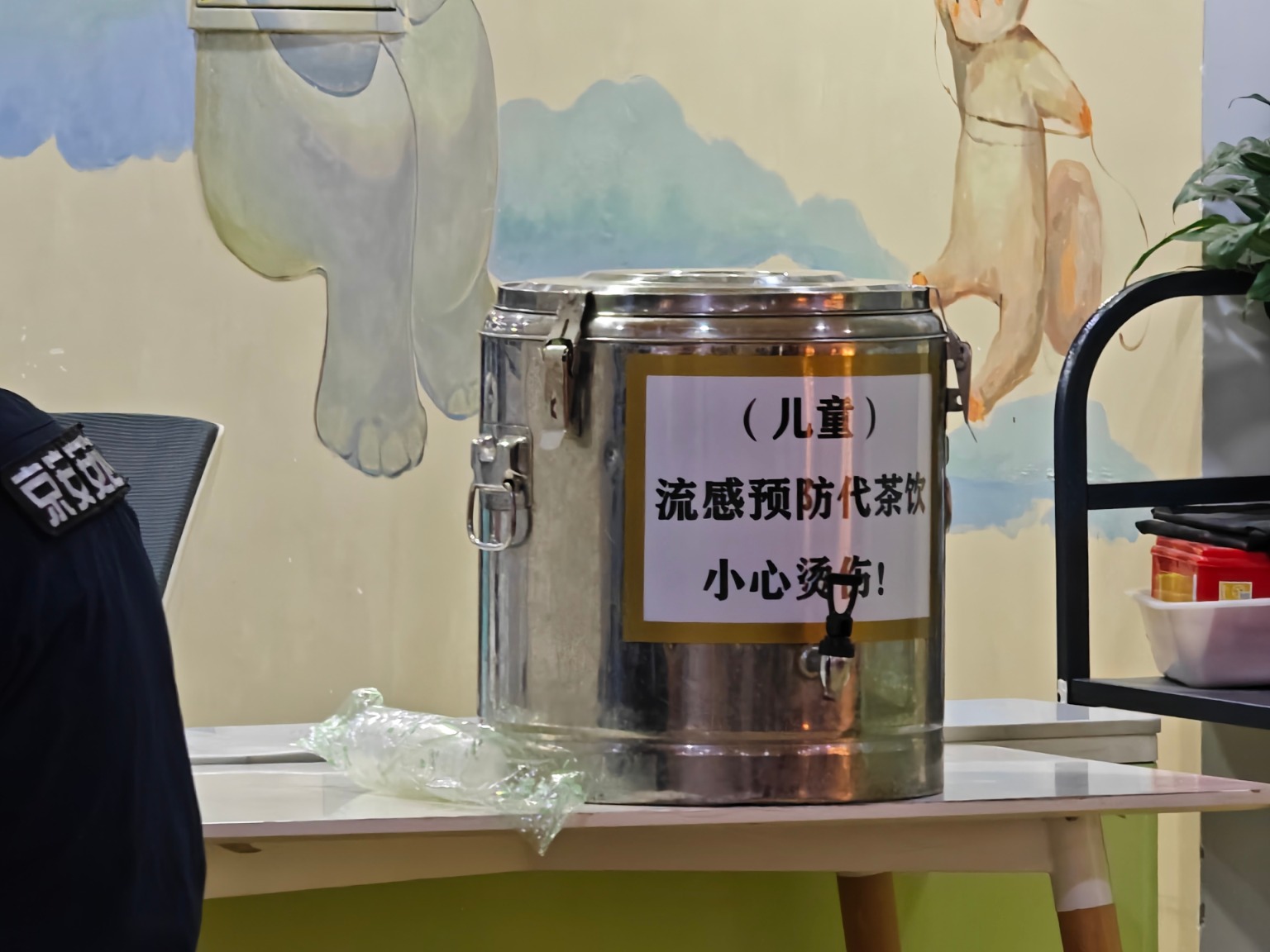
流感活动进入上升期 板块多只个股涨停
Zheng Quan Shi Bao· 2025-11-26 18:24
目前,各类流感药品销售已经出现增长。根据叮当快药数据,奥司他韦和速福达(玛巴洛沙韦)销量上 升比较明显,奥司他韦近七天销量增长237%,玛巴洛沙韦上涨180%。同时一些感冒退热、清热解毒、 止咳平喘以及鼻喷类的药物销量均有上涨。 国家流感中心披露的《中国流感监测周报》显示,11月10日至11月16日南、北方省份流感活动上升。其 中北方省份哨点医院报告的ILI%(流感样病例百分比)为7.0%,不仅高于前一周水平(6.2%),也高 于2022年、2023年和2024年同期水平(2.1%、5.8%和3.9%)。同时,日本、英国等地流感疫情持续, 活动性也高于往年同期水平。 近期,多家上市公司积极行动,应对流感季的到来。圣湘生物与阿里健康围绕呼吸道感染性疾病领域达 成合作,结合淘宝闪购推出"居家闪检"服务;精华制药布局有玛巴洛沙韦等产品,公司称将根据市场情 况适时调整生产节奏,保证市场供应;康缘药业抗感染和呼吸领域核心产品,在流感季节需求有显著增 长,公司正在加紧排产来满足日益增长的需求。 健康元在25日披露了公司进度最靠前的治疗流感的创新药玛帕西沙韦胶囊的进展,目前该产品已进入审 评后期,公司正积极推进商业化准备工 ...

国产流感创新药迎首考 上市公司积极回应关注
Zheng Quan Ri Bao Wang· 2025-11-26 13:12
Core Insights - The article discusses the recent launch of three domestic influenza innovative drugs in China, highlighting their effectiveness and market potential as flu activity rises across the country [1][2]. Group 1: Product Overview - Three domestic influenza innovative drugs have been approved for market: 1. Marzula Shave Tablets (Yisuda) by Jiangxi Kairui Pharmaceutical Co., a subsidiary of Qingfeng Pharmaceutical Group [1]. 2. Angladiwei Tablets (Anruiwei) by Guangdong Zhongsheng Pharmaceutical Co., a subsidiary of Guangdong Zhongsheng Ruichuang Biotechnology Co. [1]. 3. Maxiluo Shave Tablets (Jike Shu) developed by Hubei Jichuan Pharmaceutical Co. in collaboration with Nanjing Zhengxiang Pharmaceutical Co. [1]. - These drugs have achieved breakthroughs in "one-time dosing" and effectiveness against flu viruses, particularly for adolescents [2]. Group 2: Efficacy and Clinical Trials - Jichuan Pharmaceutical's Jike Shu is a new generation targeted RNA polymerase PA inhibitor, requiring only one dose for treatment of uncomplicated influenza in healthy adults [2]. - Angladiwei is the world's first oral drug targeting the RNA polymerase PB2 for type A influenza, showing significant symptom relief and low resistance in clinical trials [2]. - Health元 Pharmaceutical's Marpashisave Capsules are positioned to outperform existing treatments for type B influenza and in pediatric patients, utilizing a novel mechanism to inhibit viral replication [2]. Group 3: Supply Chain and Market Readiness - Companies report sufficient supply and production capacity to meet the increasing demand during the winter-spring season [3]. - Angladiwei is available through public medical institutions, major pharmacy chains, and online platforms, ensuring a robust supply chain [3]. - Jike Shu has launched on the JD Health platform, with ongoing market promotion efforts [3]. Group 4: Market Strategy and Future Outlook - Experts suggest that pharmaceutical companies should aim to be included in the dynamic adjustments of the national medical insurance catalog and enhance hospital channel coverage [4]. - As domestic influenza innovative drugs establish a stable supply system and gain positive reputations, they are expected to gradually increase their market share [4].

