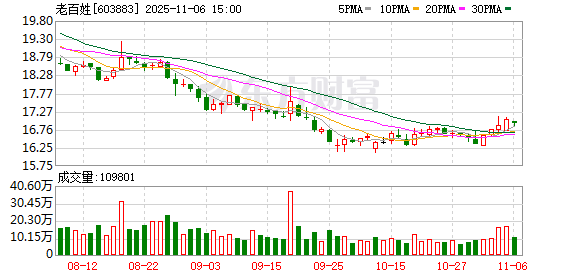
大参林

Search documents
流感疫情催化资金涌入,医药零售及商业板块走势强劲
Ge Long Hui· 2025-11-10 04:25
Core Viewpoint - The recent strong performance of the pharmaceutical retail and distribution sectors in A-shares and Hong Kong stocks is driven by an unusually high level of autumn flu activity, leading to heightened market expectations for the earnings resilience of pharmaceutical companies [1][2]. Group 1: Market Performance - The flu cases in northern provinces reached 5.1% of total emergency visits as of November 2, the highest since February 2025, while southern provinces saw flu cases rise to 4.6%, the highest since June 2025 [1]. - The significant increase in flu activity compared to the previous year has led to a surge in demand expectations for cold, fever, and antiviral medications [1]. - The pharmaceutical commercial sector, acting as a key link between drug production and end consumption, is expected to experience a short-term boost in business volume, including retail pharmacy sales and distribution volumes [1]. Group 2: Investment Trends - Market funds are proactively positioning themselves in the pharmaceutical commercial sector, which is currently valued relatively low, based on the anticipated earnings improvements due to the flu outbreak [1]. - The overall valuation recovery of the sector is driven by improved fundamental expectations, with market participants keenly capturing this change [1]. - Within this rally, companies with stronger supply chain capabilities, broader network coverage, or unique business models are favored by investors, with leading stocks like Dazhenglin and Yifeng Pharmacy showing active performance [2]. Group 3: Long-term Considerations - The sustainability of the sector's performance is closely tied to corporate earnings, and investors are advised to focus on companies that enhance their core competitiveness and possess resilient business models amid industry changes [2]. - While short-term event-driven opportunities are important, attention should also be given to the long-term value of these companies [2].
防晒品穿“马甲”进药店 企业钻医保漏洞拿下9000万大单
Yang Shi Xin Wen· 2025-11-09 21:54
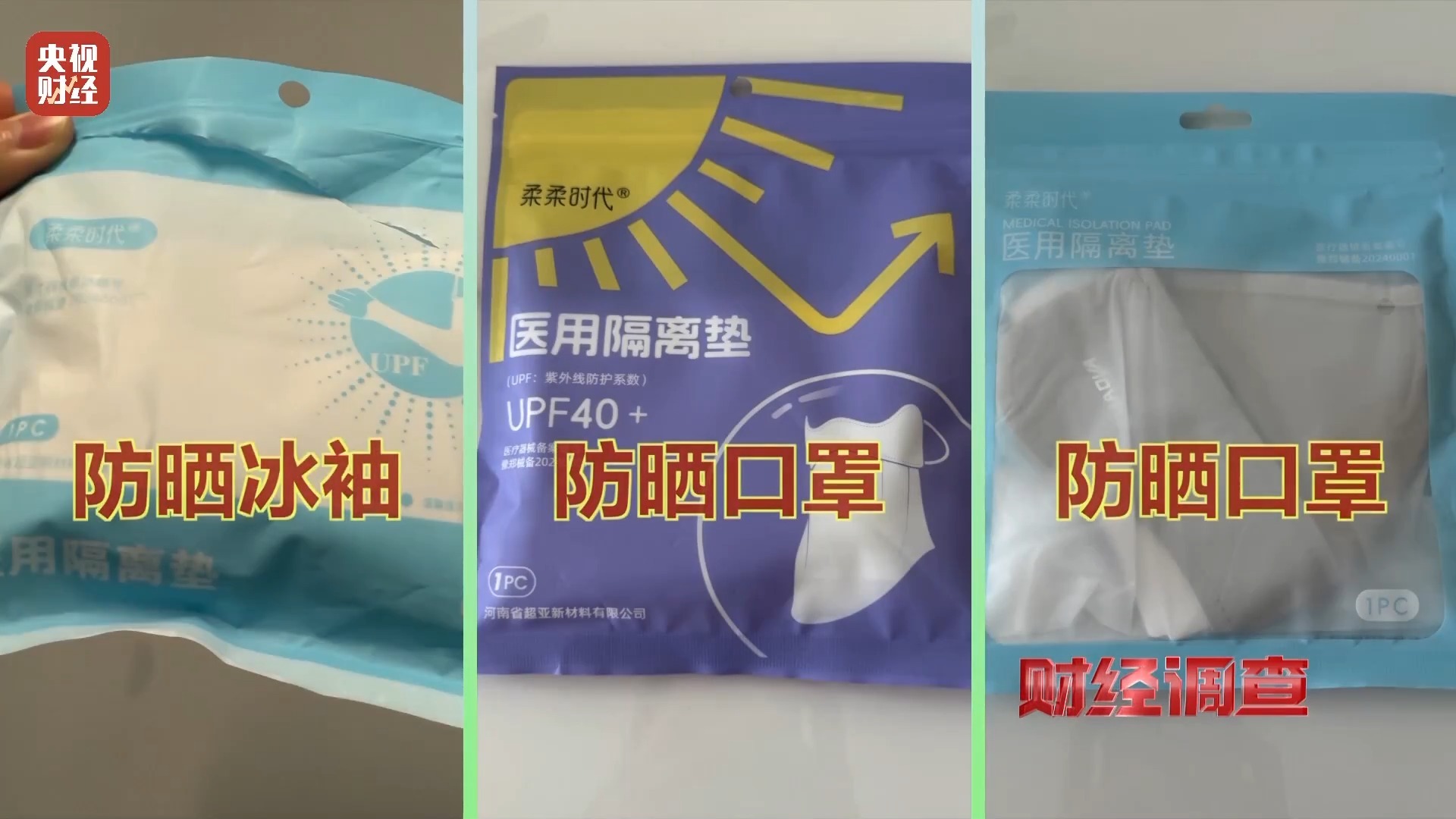
Core Insights - The article highlights the practice of marketing sunscreen products as "medical isolation pads" to enable insurance reimbursement, which allows companies to capture a larger market share and increase profits [1][3][5] Group 1: Marketing Strategy - Companies are using the term "medical-grade" to promote products, which helps them gain more market access and higher profit margins [3] - The collaboration with a major pharmacy chain has led to the production of sunscreen masks and sleeves, with contracts amounting to 90 million yuan [3] Group 2: Regulatory Compliance - "Medical isolation pads" are classified as Class I medical devices, which have lower risks and simpler registration processes, allowing non-medical products to be compliant with medical device regulations [5] - These products have unique 27-digit medical insurance codes, enabling them to meet the conditions for insurance reimbursement in pharmacies [5]

财经调查丨防晒产品“伪装”成医疗器械,药店公然刷医保销售
Sou Hu Cai Jing· 2025-11-09 12:44
Core Viewpoint - The article highlights the practice of marketing sunscreen products as "medical isolation pads" to exploit insurance reimbursement opportunities, revealing a trend in the pharmaceutical retail industry that blurs the lines between medical and non-medical products [1]. Group 1: Product Mislabeling - A sunscreen ice sleeve is marketed as a "medical isolation pad" to enable insurance reimbursement [1]. - The product's labeling as "medical" allows it to be sold in pharmacies and processed through health insurance, despite being a non-medical item [1]. Group 2: Market Strategy - The manufacturer, Henan Chaoya New Materials Co., has leveraged the "medical-grade" label to capture a larger market share and increase profits [1]. - The company has partnered with a leading pharmacy chain, resulting in an order worth 90 million yuan (approximately 13 million USD) for sunscreen masks and sleeves distributed to nearly 20,000 pharmacies nationwide [1]. Group 3: Regulatory Environment - "Medical isolation pads" are classified as Class I medical devices, which have lower risks and simpler registration processes, allowing non-medical products to meet compliance requirements [1]. - These products are assigned a unique 27-digit medical insurance code, enabling them to qualify for insurance reimbursement in certain regions [1].
财经调查丨网络频现“医保卡薅羊毛攻略”,买隐形眼镜也能刷医保?
Sou Hu Cai Jing· 2025-11-09 12:31
Core Viewpoint - The article highlights the misuse of medical insurance cards in China, where consumers are being encouraged to use them for non-medical purchases, violating strict regulations on the use of medical funds [1]. Group 1: Regulatory Environment - The national government has established strict regulations for the use of medical insurance funds, emphasizing dedicated usage [1]. - Warnings have been issued by various local medical insurance bureaus against converting medical insurance cards into "shopping cards" [1]. Group 2: Consumer Behavior - Consumers have reported finding "strategies" online that promote the misuse of medical insurance cards for purchasing everyday items like dental floss, toothbrushes, facial towels, and skincare products [1]. - Investigations in cities such as Chengdu, Zhengzhou, and Lanzhou revealed that certain pharmacies are marketing non-medical products as medical devices, allowing consumers to use their insurance cards for these purchases [1]. Group 3: Market Practices - Chain pharmacies like Haiwangxingchen, Dashenlin, Zhang Zhongjing, and Foci have been identified as selling everyday items packaged as medical devices, promoting the ability to use medical insurance cards for payment [1]. - Specific examples include non-reimbursable items like "beauty contact lenses" being sold under the guise of medical products in pharmacies [1].
医保卡变“购物卡”?总台《财经调查》曝光“套”刷医保卡黑链条→
Sou Hu Cai Jing· 2025-11-09 12:14
Core Viewpoint - The article highlights the ongoing misuse of medical insurance cards in China, where non-medical products are being fraudulently classified as medical devices to allow consumers to purchase them using their insurance funds, despite regulations prohibiting such practices [1][3][5]. Group 1: Misuse of Medical Insurance Cards - Various stores are openly promoting the ability to use medical insurance cards for purchasing everyday items like toothbrushes and skincare products, which are not intended for medical use [3][7]. - Consumers have reported finding guides online that instruct them on how to exploit their insurance cards for non-medical purchases [3][7]. - The Chinese Social Insurance Law explicitly states that medical insurance funds should only be used for medical-related expenses, yet violations continue to occur [5]. Group 2: Specific Examples of Misclassification - In multiple pharmacies, items such as dental cleaning devices and "medical toothbrushes" are sold, which are essentially regular products but labeled differently to qualify for insurance payments [9][10]. - A pharmacy in Chengdu allowed the purchase of contact lenses labeled as medical devices, despite official confirmation that they should not be eligible for insurance payment [12][14]. - Products like sunscreen sleeves and masks are being marketed as "medical isolation pads" to enable insurance payment, despite their actual use being for sun protection [22][23][33]. Group 3: Company Practices and Financial Implications - Companies are taking advantage of the loophole by branding everyday items as medical devices, thus increasing their market share and profits, with one company reporting a contract worth 90 million yuan for such products [29][31]. - The practice of selling "medical skincare products" in pharmacies is prevalent, with companies reporting significant sales figures, indicating that a large portion of their revenue comes from insurance payments [37][45][53]. - In one case, a company revealed that approximately 60% of its sales in a specific region were made using medical insurance cards, amounting to around 6 million yuan being drawn from consumer insurance funds [53].
医药生物行业双周报(2025、10、24-2025、11、6)-20251107
Dongguan Securities· 2025-11-07 09:22
Investment Rating - The report maintains a "Market Weight" rating for the pharmaceutical and biotechnology industry, indicating that the industry is expected to perform within ±10% of the market index over the next six months [3][29]. Core Insights - The SW pharmaceutical and biotechnology industry underperformed the CSI 300 index, declining by 0.61% from October 24 to November 6, 2025, which is approximately 2.50 percentage points lower than the index [10][23]. - Most sub-sectors within the industry recorded negative returns during the same period, with the vaccine and pharmaceutical distribution sectors showing the highest gains of 2.87% and 2.33%, respectively, while offline pharmacies and medical research outsourcing experienced declines of 3.95% and 3.11% [11][12]. - Approximately 57% of stocks in the industry recorded positive returns, with notable performers including Hezhong China, which saw a weekly increase of 115.96% [15][12]. Summary by Sections 1. Market Review - The SW pharmaceutical and biotechnology industry lagged behind the CSI 300 index, with a decline of 0.61% from October 24 to November 6, 2025 [10]. - Most sub-sectors recorded negative returns, with vaccines and pharmaceutical distribution leading in gains [11]. - About 57% of stocks in the industry had positive returns, with significant fluctuations among individual stocks [15]. 2. Industry News - The 11th batch of national drug centralized procurement results was announced, involving 55 varieties and 445 companies, with a selection rate of 57% [21]. - The new procurement rules emphasize clinical stability, quality assurance, and higher standards for bidding companies [21]. 3. Company Announcements - Yekang Pharmaceutical announced that its subsidiary received approval for clinical trials of YKYY013 injection for chronic hepatitis B treatment [22]. 4. Industry Outlook - The report suggests focusing on investment opportunities in innovative drugs and sectors with expected business development catalysts, including medical devices and traditional Chinese medicine [25]. - Key companies to watch include Mindray Medical, Yifeng Pharmacy, and Aier Eye Hospital, among others [26].
大参林(603233) - 大参林医药集团股份有限公司2025年第三次临时股东会会议材料
2025-11-07 08:00
大参林医药集团股份有限公司 2025 年第三次临时股东会 会议材料 2025 年第三次临时股东会会议材料 二○二五年十一月 2025 年第三次临时股东会会议材料 目 录 | 2025 | 年第三次临时股东会会议议程 | 1 | | --- | --- | --- | | 2025 | 年第三次临时股东会会议须知 | 3 | | 2025 | 年第三次临时股东会会议议案 | 4 | | 议案一: | 关于取消监事会并修订《公司章程》及附件的议案 | 4 | | 议案二: | 关于修订《独立董事制度》的议案 | 43 | | 议案三: | 关于修订《对外投资管理制度》的议案 | 44 | | 议案四: | 关于修订《对外担保管理制度》的议案 | 45 | | 议案五: | 关于修订《关联交易管理制度》的议案 | 46 | 2025 年第三次临时股东会会议材料 大参林医药集团股份有限公司 2025 年第三次临时股东会会议议程 会议表决方式:现场投票与网络投票相结合的方式 会议时间:2025 年 11 月 21 日上午 10 点 30 分 网络投票:2025 年 11 月 21 日 网络投票起止时间:采用上海证券交易 ...

2025年1-9月医药制造业企业有9833个,同比增长1.29%
Chan Ye Xin Xi Wang· 2025-11-07 03:35
2016-2025年1-9月医药制造业企业数统计图 数据来源:国家统计局,智研咨询整理 知前沿,问智研。智研咨询是中国一流产业咨询机构,十数年持续深耕产业研究领域,提供深度产业研 究报告、商业计划书、可行性研究报告及定制服务等一站式产业咨询服务。专业的角度、品质化的服 务、敏锐的市场洞察力,专注于提供完善的产业解决方案,为您的投资决策赋能。 上市公司:国药现代(600420),昆药集团(600422),片仔癀(600436),千金药业(600479),津 药药业(600488),国药股份(600511),联环药业(600513),合富中国(603122),康惠制药 (603139),莎普爱思(603168),奥翔药业(603229),大参林(603233) 相关报告:智研咨询发布的《2025-2031年中国医药制造行业市场发展态势及前景战略研判报告》 2025年1-9月,医药制造业企业数(以下数据涉及的企业,均为规模以上工业企业,从2011年起,规模 以上工业企业起点标准由原来的年主营业务收入500万元提高到年主营业务收入2000万元)为9833个, 和上年同期相比,增加了125个,同比增长1.29%,占工业 ...

合计超200亿元 高商誉悬顶上市连锁药店
Bei Jing Shang Bao· 2025-11-06 16:26
Core Viewpoint - The A-share chain pharmacy industry is experiencing a significant adjustment period, characterized by high goodwill levels due to previous aggressive expansion strategies through mergers and acquisitions. Companies are now facing challenges in balancing scale effects with operational quality [1][2]. Goodwill Accumulation - As of the end of Q3, the total goodwill of six A-share chain pharmacy companies reached 20.778 billion yuan, with an average of 3.463 billion yuan per company. The highest goodwill was recorded by Lao Bai Xing at 5.763 billion yuan, followed by Yi Feng Pharmacy at 4.772 billion yuan and Da San Lin at 3.522 billion yuan [2]. - Goodwill as a percentage of current assets is notably high, with Lao Bai Xing at 65.28% and Jian Zhi Jia exceeding 50% at 58.7%. This trend of high goodwill has persisted for several years, with Lao Bai Xing's goodwill exceeding 5 billion yuan in 2022 [2]. Performance Trends - The performance of A-share chain pharmacies has shown divergence in the first three quarters of this year. While Shuyu Pingmin has reported a revenue increase of 5.19% to 7.446 billion yuan and turned a profit of 109 million yuan, other companies like Lao Bai Xing have seen declines in net profit by 16.11% to 529 million yuan [4]. - Despite the overall decline in net profit for some companies, Lao Bai Xing showed signs of recovery in Q3 with a slight revenue increase of 0.07% [4]. Store Count Decline - Many chain pharmacy companies are experiencing a decline in the number of stores. Lao Bai Xing reported a net decrease of 240 direct stores this year, while Yi Feng Pharmacy closed 440 stores and opened only 137 [7]. - Jian Zhi Jia also closed more stores than it opened, with a net decrease of 38 stores. In contrast, Shuyu Pingmin increased its direct store count due to acquisitions, reflecting a shift in focus from quantity to quality in store management [7]. Industry Direction - As market saturation increases, the strategy of merely expanding store numbers is becoming less effective. The future direction for chain pharmacies should focus on high-quality service and enhancing customer experience to improve competitiveness [8].




合计超200亿!高商誉“悬顶”上市连锁药店企业 老百姓57.63亿居首
Bei Jing Shang Bao· 2025-11-06 14:12
Core Viewpoint - The A-share chain pharmacy industry is experiencing a significant adjustment period, marked by high goodwill levels due to previous aggressive expansion strategies through mergers and acquisitions. Companies are now facing declining store numbers and must balance scale effects with operational quality [2][5]. Goodwill Accumulation - As of the end of Q3, the total goodwill of six A-share chain pharmacy companies reached 20.778 billion yuan, with an average of 3.463 billion yuan per company [4]. - The company "老百姓" holds the highest goodwill at 5.763 billion yuan, followed by "益丰药房" at 4.772 billion yuan and "XD大参林" at 3.522 billion yuan [4][5]. - Goodwill as a percentage of current assets is notably high for "老百姓" at 65.28% and "健之佳" at 58.7%, indicating a heavy reliance on acquired goodwill [4]. Performance Trends - The performance of A-share chain pharmacies has shown divergence in the first three quarters of the year, with "漱玉平民" recovering from previous losses, achieving a revenue of 7.446 billion yuan, a year-on-year increase of 5.19% [7]. - "老百姓" reported a revenue decline of 1% to 16.07 billion yuan and a net profit drop of 16.11% to 529 million yuan [8]. - Other companies like "大参林" and "益丰药房" have also seen net profit growth, while "健之佳" and "一心堂" experienced declines [7][8]. Store Count Changes - Many chain pharmacy companies are witnessing a decline in store numbers, with "老百姓" reducing its direct stores by 240 this year [10]. - "益丰药房" closed 440 stores while opening only 137, resulting in a slight overall decrease in store count [10]. - In contrast, "漱玉平民" increased its direct store count due to new acquisitions, indicating a shift towards quality over quantity in store management [11]. Industry Direction - The industry is transitioning from a focus on expanding store numbers to enhancing service quality and operational efficiency, as market saturation makes previous growth strategies less effective [11].