
Scale AI

Search documents
领投 Ilya 新公司,13 年净 IRR 33%,Greenoaks 的科技投资哲学
海外独角兽· 2025-10-28 12:04
Core Insights - Greenoaks focuses on identifying potential future S&P 500 companies and aims to be a long-term core partner for these firms [3][4] - The firm emphasizes the importance of "Jaw Dropping Customer Experience" (JDCE) as a key factor in creating value and driving innovation [9][10] - Greenoaks has a concentrated investment strategy, managing approximately $15 billion in assets across only 55 companies, which allows for deep collaboration with founders [2][4] Investment Philosophy - Greenoaks prioritizes exceptional customer experiences and believes that only a few founders can drive significant advancements in human civilization [9][10] - The firm rejects a matrix management approach, opting instead for deep collaboration with a select group of top founders [4][31] - In AI investments, Greenoaks adheres to fundamental business principles, focusing on customer value, competitive barriers, and market size rather than solely on technological advancements [4][39] Case Study: Coupang - Coupang, often referred to as the "Amazon of Korea," transformed its logistics to offer rapid delivery services, significantly increasing customer retention rates from 30% to 60% [11][13] - Greenoaks has invested nearly $1 billion in Coupang over ten years, participating in multiple funding rounds and holding a 3.2% stake in the company [15][20] - The founder of Coupang, Bom Kim, is noted for his intense focus and ambition, which are key traits that Greenoaks looks for in founders [16][19] Growth and Market Dynamics - Greenoaks believes that the best companies exhibit sustained high growth rates and that a small percentage of companies contribute significantly to overall market value [21][22] - The firm acknowledges that while high growth can pose risks, it is essential for long-term success, especially in technology and software sectors [23][25] - Greenoaks has successfully navigated market volatility, often investing during downturns, as seen with Coupang and Carvana [27][53] Future Investment Strategy - Greenoaks aims to maintain a focused investment approach, limiting the number of companies in its portfolio to enhance engagement and support [56] - The firm is open to exploring new markets and investment structures, having previously attempted to establish a holding company for insurance in emerging markets [58][60] - Greenoaks emphasizes the importance of building strong relationships with founders and understanding their businesses deeply to identify the best investment opportunities [32][40]



扎克伯格“火线换将”!Meta元宇宙大神临危受命
Sou Hu Cai Jing· 2025-10-28 07:45
Core Insights - Meta is undergoing a significant leadership change in its AI division, appointing Vishal Shah as the new VP of AI Products, following the recent layoff of 600 employees in the AI team [1][5][12] - The urgency of this change is highlighted by the poor performance of Meta's newly launched AI video application, Vibes, which struggled against OpenAI's Sora [1][7][10] - Shah's primary mission is to bridge the gap between technology and application, ensuring that Meta's AI capabilities translate into user value [1][4][10] Leadership Changes - Vishal Shah, a veteran with a decade of experience at Meta, previously led Instagram and was instrumental in its growth to over one billion users [3][4] - Shah will report directly to Nat Friedman, who oversees the AI product team, and will focus on product management and integration strategy [3][4] - The restructuring reflects a shift in Meta's strategy, emphasizing the need to become an AI company rather than just having an AI team [10][12] Product Focus - Shah's role will involve integrating Meta's AI technologies into various applications and hardware, including smart glasses, which are crucial to Meta's "super intelligence" strategy [4][10] - The AI team will focus on flagship products like Meta AI, while application teams for Instagram and WhatsApp will create their own AI experiences based on foundational models [4][10] - The rushed launch of Vibes was a response to competition from OpenAI's Sora, leading to a partnership with Midjourney to enhance Vibes' capabilities [7][8] Strategic Shift - Meta's recent internal turmoil and the shift in focus from the metaverse to AI indicate a strategic pivot in response to market challenges and technological hurdles [12][13] - Despite the shift, Meta's CTO emphasized that the metaverse remains a strategic priority for the company [12][13] - The overarching goal is to develop an AI model that surpasses human intelligence, providing personalized services to billions of users [13]

AI招聘独角兽Mercor完成C轮融资 估值达100亿美元
智通财经网· 2025-10-28 03:20
Group 1 - Mercor, an AI startup, completed a Series C funding round, raising $350 million and achieving a valuation of $10 billion, a fivefold increase from its previous round in February last year [1] - The funding round was led by Felicis, which also led Mercor's $100 million Series B round at a $2 billion valuation, with participation from Benchmark, General Catalyst, and new investor Robinhood Ventures [1] - The new investment will focus on expanding the talent network, improving the matching mechanism between experts and training opportunities, and increasing delivery speed [1] Group 2 - Following Meta's $14 billion investment in Scale AI and the hiring of its CEO, concerns arose regarding Scale AI's neutrality, leading major AI labs like OpenAI and Google DeepMind to terminate collaborations with Scale AI, which allowed Mercor to capture more demand [2] - Mercor faces competition in the data labeling sector, particularly from Surge AI, which is planning a new funding round targeting $1 billion [2] - Other competitors include Turing AI, which reached a valuation of $2.2 billion in March, and Invisible Technologies, which completed a $100 million funding round in September, exceeding a $2 billion valuation [2]
硅谷“大裁员”何时休?
虎嗅APP· 2025-10-28 01:06
Group 1 - The article discusses the significant layoffs in Silicon Valley, with over 100,000 positions cut globally in the tech industry in 2023, driven primarily by the rise of artificial intelligence (AI) and economic uncertainty [11][8][4] - Major companies like Salesforce and Meta have implemented layoffs, with Salesforce cutting approximately 8,000 jobs in 2023 and an additional 1,000 in 2024, while announcing further cuts in 2025 [18][19] - AI is reshaping the workforce, leading to a reduction in traditional roles while simultaneously increasing demand for AI specialists and engineers [55][56] Group 2 - Companies are balancing layoffs with recruitment in AI fields, as seen with Salesforce planning to hire 5,000 salespeople for AI products despite cutting 4,000 customer service roles [56][32] - Microsoft and Amazon have also made significant cuts, with Microsoft reducing over 6,500 positions in 2024 to focus on AI product development [24][25] - Traditional industries, including automotive and retail, are not immune to these trends, with companies like General Motors and Starbucks also announcing layoffs [44][45] Group 3 - Startups and unicorns are also undergoing transformations, with companies like Fiverr and Yotpo cutting significant portions of their workforce to focus on AI-driven products [34][35] - The article highlights that even AI-focused companies are not exempt from layoffs, as seen with Scale AI and xAI reducing their workforce to optimize operations [37][39] - The overall trend indicates a shift in the job market, where lower-skilled positions are being replaced by higher-skilled roles in AI and technology [53][54]


独家揭秘Meta AI大裁员:Llama 4败于DeepSeek带来的恐慌
创业邦· 2025-10-27 10:11
Core Viewpoint - Meta is undergoing significant restructuring in its AI department, leading to the layoff of approximately 600 employees, including prominent researchers, as part of a strategy to enhance competitiveness and streamline operations in response to the underperformance of its Llama 4 model compared to competitors like DeepSeek [5][8][18]. Group 1: Restructuring and Layoffs - Meta announced a major reorganization of its AI department, resulting in the layoff of around 600 employees, which has raised eyebrows in the industry [8][10]. - The layoffs were confirmed by Meta's Chief AI Officer, Alexandr Wang, who emphasized the need for a leaner team to improve decision-making and accountability [8][10]. - Following the layoffs, the total number of employees in Meta's AI department has dropped to under 3,000, with affected employees given a two-month notice period and compensation as per California labor laws [8][10]. Group 2: Focus on Key Departments - The restructuring primarily affected three departments within the AI division, while the TBD Lab, which focuses on developing next-generation models, remains unaffected and is set to expand [10][11]. - TBD Lab was established recently and is tasked with the core responsibilities of developing Meta's large models and AI products, indicating its strategic importance to Meta's AI ambitions [10][11]. Group 3: Talent Acquisition and Competition - Meta is aggressively recruiting top AI talent from competitors, offering substantial salaries, including a reported $200 million contract to a key figure from Apple's AI team [11][15]. - The competition for AI talent is intensifying, with major tech companies like Google and Microsoft also expanding their AI research teams while cutting back on non-core departments [7][8]. Group 4: Performance Issues and Strategic Changes - The underwhelming performance of the Llama 4 model has been a significant factor driving the restructuring, as it has fallen behind competitors, leading to a sense of urgency within Meta [18][20]. - Internal issues, such as misalignment between product-focused leadership and AI research teams, have been cited as contributing factors to the challenges faced by the Llama team [20][21]. Group 5: Impact on Research and Development - The restructuring has led to the marginalization of the FAIR research team, which has historically contributed significantly to AI research, indicating a shift in Meta's priorities towards immediate product development over foundational research [22][26]. - The integration of FAIR into the new structure suggests a move towards aligning research efforts more closely with product development, potentially at the expense of long-term research initiatives [26][27]. Group 6: Industry Reactions and Future Outlook - The layoffs have sparked concern within the AI community, with many industry experts viewing Meta's actions as a significant misstep, particularly given the reputation of the affected researchers [27][31]. - The future success of Meta's AI strategy under the new leadership of Alexandr Wang remains uncertain, as the company seeks to recover from the setbacks associated with the Llama model [31][33].

扎克伯格的AI突围战:裁员与挖人的背后,Meta的破局之道
Tai Mei Ti A P P· 2025-10-27 04:03
Core Insights - Meta is facing dual pressures from OpenAI and DeepSeek, leading to seemingly contradictory actions of layoffs and talent acquisition as a necessary transition phase [1][7] - The company announced layoffs of 600 employees in its AI department while simultaneously investing $14.8 billion to recruit Alexander Wang from Scale AI, highlighting its anxiety and ambition in the AI race [1][2] Group 1: Strategic Moves - The investment in Scale AI aims to bring in essential data infrastructure expertise, with the newly formed TBD Lab becoming a strategic core that attracts top talent from OpenAI and Google [2][4] - The layoffs are a response to inefficiencies within the organization, with departments like FAIR being reduced while TBD Lab expands, signaling a shift towards practical applications over theoretical pursuits [2][3] Group 2: Performance and Challenges - Llama 4's performance has been under scrutiny, with real-world testing revealing significant gaps compared to competitors like DeepSeek-V3 and ChatGPT, indicating a 1-2 year gap in multi-modal collaboration and real-world adaptability [2][3] - Internal issues, such as management misalignment and fluctuating research directions, have contributed to Llama 4's underperformance, prompting a restructuring to enhance team dynamics [3] Group 3: Future Outlook - In the short term, the controversy surrounding Llama 4 is expected to accelerate industry evaluation standards, with an optimized version potentially launching in early 2026 to address its shortcomings [5] - Mid-term prospects suggest that TBD Lab's innovative architecture could position Llama series favorably in the enterprise service market, competing with Microsoft Azure and Google Cloud [5] - Long-term, Meta aims to integrate AI with the metaverse, potentially becoming the first tech giant to achieve "virtual interaction + intelligent decision-making," though challenges in talent retention and technology transfer remain significant [6]
揭秘Meta AI大裁员:Llama 4落后DeepSeek的恐慌!扎克伯格是急功近利,自毁长城;还是在精简机构,重振业务?
Sou Hu Cai Jing· 2025-10-27 01:31
Core Insights - Meta's AI division is undergoing significant restructuring, resulting in the layoff of approximately 600 employees, including prominent researchers, as part of a strategy to enhance efficiency and competitiveness in the AI sector [3][10][14]. Group 1: Restructuring and Layoffs - Meta announced a major reorganization of its AI department, leading to the dismissal of around 600 employees, which has raised eyebrows in the industry [3][10]. - The layoffs are part of a broader strategy by Meta's new AI chief, Alexandr Wang, to streamline operations and reduce bureaucracy within the AI division [3][10][14]. - Following the layoffs, the total number of employees in Meta's AI department has dropped to under 3,000 [3]. Group 2: Talent Acquisition and Competition - Despite the layoffs, Meta is aggressively recruiting top AI talent from competitors, offering lucrative salaries to attract skilled professionals [3][6][10]. - The newly formed TBD Lab, which focuses on developing next-generation foundational models, is expanding its team and is seen as a key strategic priority for Meta [5][6][10]. - Meta's investment in Scale AI, amounting to $14.8 billion, and the recruitment of its CEO, Alexandr Wang, signify a shift towards a more commercially driven approach to AI development [7][9][10]. Group 3: Performance Issues and Strategic Shifts - The restructuring is partly a response to the underperformance of Meta's flagship Llama 4 model, which has fallen behind competitors like DeepSeek from China [10][11][13]. - Internal issues, including misalignment between leadership and technical teams, have been cited as contributing factors to the challenges faced by the Llama team [11][13][14]. - The integration of the FAIR research team into the new structure indicates a shift in focus from foundational research to product-oriented development, reflecting Meta's immediate priorities [17][18]. Group 4: Industry Reactions and Future Implications - The layoffs have created opportunities for competitors to recruit experienced AI researchers, leading to concerns about talent loss for Meta [18][20]. - Prominent figures in the AI community have expressed disappointment over the layoffs, particularly regarding the departure of respected researchers like Tianyu Dong [18][20]. - The long-term success of Meta's restructuring efforts and its ability to regain competitive advantage in the AI space remains uncertain [20].

独家揭秘Meta AI大裁员:Llama 4败于DeepSeek带来的恐慌
Xin Lang Ke Ji· 2025-10-27 01:01
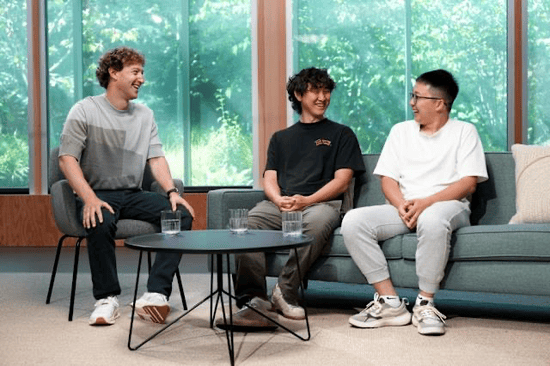
Core Insights - Meta is undergoing significant restructuring in its AI department, resulting in the layoff of approximately 600 employees, including prominent researchers, as part of a strategy to enhance efficiency and focus on core AI initiatives [6][5][12] Group 1: Restructuring and Layoffs - The layoffs are part of a broader reorganization led by the new Chief AI Officer, Alexandr Wang, who aims to streamline operations and reduce inefficiencies within the AI department [7][20] - Following the layoffs, the total number of employees in Meta's AI department has decreased to under 3,000, with affected employees given a notice period until November 21 [8][9] - The restructuring has raised eyebrows in the industry, especially as Meta simultaneously seeks to attract top talent from competitors by offering high salaries [5][4] Group 2: Performance and Competition - The urgency for restructuring is attributed to the underperformance of Meta's flagship open-source model, Llama 4, which has fallen behind competitors like DeepSeek from China, creating a sense of crisis within the company [2][22] - The competitive landscape in the AI industry has intensified, with major tech companies like Google and Microsoft aggressively expanding their AI research teams while cutting back on non-core departments [4][5] Group 3: Departmental Focus - The layoffs primarily affected three departments within the AI division, while the TBD Lab, which focuses on developing next-generation foundational models, remains unaffected and is set to continue hiring [12][11] - TBD Lab was established recently and is seen as a critical component of Meta's AI strategy, tasked with enhancing the capabilities of the Llama series and other AI products [13][14] Group 4: Leadership Changes - Alexandr Wang's appointment is seen as a strategic move to bring a more commercially-minded leadership style to Meta's AI operations, contrasting with the previous focus on academic research [20][29] - The integration of the FAIR research team into the Superintelligence Lab indicates a shift in priorities towards product development over foundational research, which may lead to further changes in the structure and focus of the AI department [29][28] Group 5: Talent Dynamics - The layoffs have resulted in a significant talent drain from Meta, with many former employees, including notable researchers, now seeking opportunities at competing firms, which could benefit from Meta's loss of expertise [31][33] - The situation has sparked discussions within the industry about the implications of Meta's restructuring strategy and its potential impact on the competitive landscape in AI research and development [30][35]
独家揭秘Meta AI大裁员:Llama 4落后DeepSeek的恐慌|硅谷观察
Xin Lang Ke Ji· 2025-10-26 23:23
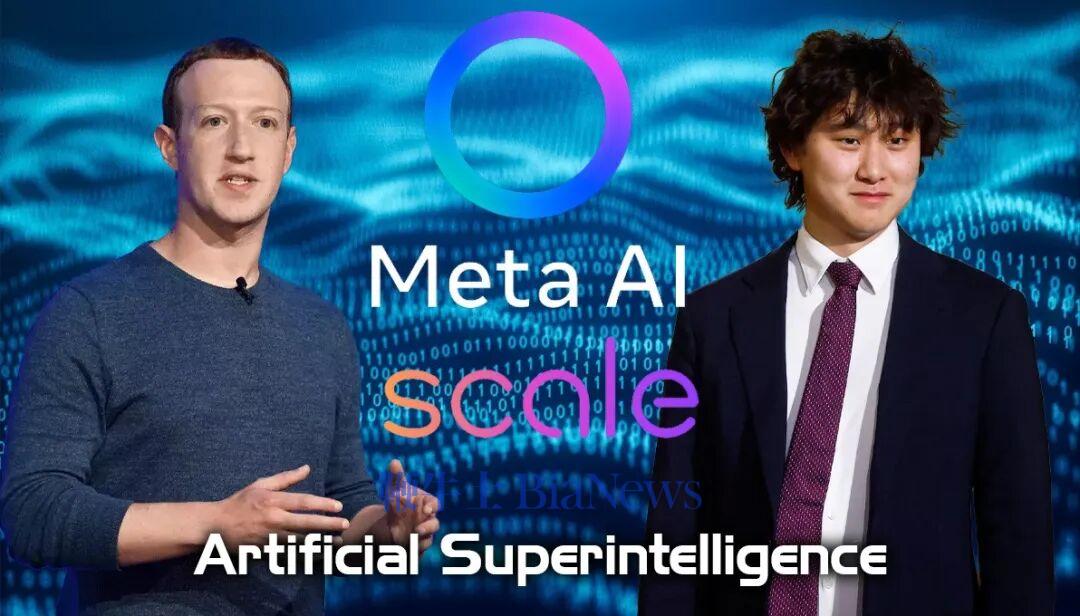
Core Insights - Meta is undergoing significant restructuring in its AI department, resulting in the layoff of approximately 600 employees, including prominent researchers, as part of a strategy to enhance efficiency and competitiveness in the AI sector [3][18][21] - The layoffs are attributed to the underperformance of Meta's Llama 4 model compared to competitors like DeepSeek, prompting a sense of urgency within the company to revamp its AI strategy [10][11][21] Restructuring and Layoffs - Meta's AI department, now led by Alexandr Wang, has seen a reduction in workforce to below 3,000 employees following the layoffs [3][5] - The layoffs primarily affected three departments within the AI division, while the TBD Lab, which focuses on developing next-generation models, remains unaffected and is set to expand [5][6] - Employees affected by the layoffs were informed of their termination date, with a two-month compensation period as per California labor laws [4] Leadership Changes - Alexandr Wang was brought in to lead the AI department after Meta's significant investment in Scale AI, indicating a shift towards a more commercially driven leadership style [7][9][10] - Wang's approach emphasizes a leaner, more agile team structure, aiming to enhance decision-making and accountability within the AI division [3][10] Talent Acquisition and Competition - Despite the layoffs, Meta is aggressively recruiting top AI talent from competitors, offering substantial salaries to attract skilled professionals [6][18] - The competitive landscape for AI talent is intensifying, with other tech giants like Google and Microsoft also expanding their AI teams while cutting back in non-core areas [3][18] Impact on Research and Development - The restructuring has led to the marginalization of the FAIR research team, historically known for its foundational contributions to AI, as the focus shifts towards product-oriented development [16][17] - The integration of FAIR into the Superintelligence Lab suggests a strategic pivot towards immediate product development rather than long-term foundational research [17] Industry Reactions - The layoffs have raised eyebrows within the AI community, with many industry experts expressing concern over Meta's decision to let go of highly regarded researchers, potentially benefiting competitors [18][21] - Prominent figures from the AI field, including renowned researchers, are now seeking opportunities in other companies, highlighting the potential talent drain from Meta [21]

Scale AI Veteran Bilal Abu-Ghazaleh Launches 1001 With $9 Million To Rebuild The Physical World Through Artificial Intelligence
Yahoo Finance· 2025-10-25 20:36
Core Insights - The startup 1001, founded by Bilal Abu-Ghazaleh, aims to modernize large industries in the Middle East and North Africa through artificial intelligence infrastructure [1][6] - The company has secured a $9 million seed funding round led by notable venture capital firms and individual investors [2] - 1001's mission targets inefficiencies in high-impact sectors, which reportedly lose over $10 billion annually due to outdated operational systems [3][4] Funding and Investment - The seed funding round of $9 million was led by CIV, General Catalyst, and Lux Capital, with participation from various prominent investors [2] - Investors include Stanford AI Lab Professor Chris Ré, Replit founder Amjad Masad, and others, indicating strong interest from the tech and investment community [2] Industry Focus and Impact - 1001 focuses on sectors such as aviation, logistics, construction, and oil and gas, which are critical to the regional economy [3] - The company aims to create an "AI-native operating system" to enhance operational decision-making, integrating live data and real-time oversight tools [4] Operational Efficiency - The platform developed by 1001 automates daily workflows, allowing for faster and more precise operational decisions without human intervention [5] - The AI orchestrator can reroute vehicles and reassign crews automatically, addressing inefficiencies in daily operations [5] Founder's Background - Bilal Abu-Ghazaleh has extensive experience in AI and data-driven automation from his time at Scale AI, which informs the development of 1001 [6] - The founder's return to the Middle East aims to build locally relevant AI infrastructure, reflecting a commitment to the region's technological advancement [6]