
荣耀

Search documents
荣耀全球首店落地深圳,李健详解AI生态“三步走”战略
Nan Fang Du Shi Bao· 2025-09-30 09:23
Core Insights - Honor has opened its first Alpha flagship store in Shenzhen, marking a significant step in its transition to an AI terminal ecosystem company since announcing its "Alpha Strategy" at the MWC in March [2][6] - The store serves as a physical embodiment of Honor's AI strategy and adds a tangible narrative to its anticipated IPO process [2][6] Group 1: Store Concept and Roles - The flagship store is positioned as an "AI Terminal Smart Life Innovation Workshop," serving three main roles: a consumer experience window, a creative collaboration stage, and a platform for open partnerships [3][4] - The store features a scene-based experience rather than traditional sales counters, showcasing products like the YOYO assistant and innovative ecological products [3][4] - The "AI Inspiration Café" within the store aims to connect tech professionals, developers, and users, facilitating creativity and collaboration through events like global tech salons [3][4] Group 2: Strategic Framework - Honor's "Alpha" strategy is based on three phases: opening technological boundaries in the AI agent era, opening industrial boundaries in the physical AI era, and opening human potential boundaries in the AGI era [6][7] - This strategy reflects Honor's vision of combining technology with humanism to maximize human potential [6][7] - The collaboration with China Resources Group to establish the flagship store in Shenzhen Bay aligns with the goal of making Shenzhen a "global digital pioneer city" [7] Group 3: Market Implications - The opening of the flagship store is seen as a crucial step in Honor's AI transformation, providing a solid foundation for its narrative in the capital market ahead of its IPO [6][7] - The store is expected to facilitate broader industry collaboration and innovation, enhancing Honor's position in the AI ecosystem [7]

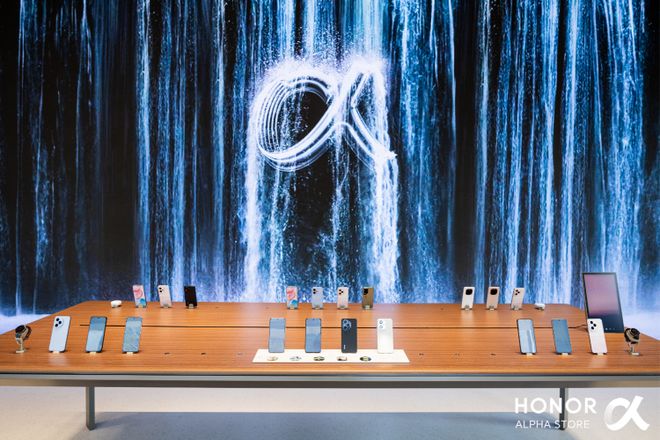
荣耀阿尔法全球旗舰店落地深圳湾,打造AI终端生态“全球会客厅”
Feng Huang Wang· 2025-09-30 06:33
Core Insights - The opening of the Honor Alpha global flagship store in Shenzhen Bay marks a significant milestone in the implementation of Honor's Alpha strategy, transitioning from a smartphone manufacturer to a leading AI terminal ecosystem company [1] - The flagship store serves as a core platform for the Alpha strategy, designed to connect AI enthusiasts and ecosystem partners, promoting an innovative AI-driven lifestyle [1][2] Group 1 - The flagship store is positioned as a window for consumers to experience AI smart living through the latest AI terminals and immersive scenarios, making technology accessible [2] - It will also serve as a creative platform for innovators, hosting global tech salons and user innovation workshops to collaboratively define future AI lifestyles [2] - The store features a design that reflects the local characteristics of Shenzhen Bay, integrating technology with culture through elements like indoor waterfalls and spiral staircases [2] Group 2 - The "AI Inspiration Café" within the store acts as an AI incubation platform, facilitating discussions among tech professionals and creators on topics like optimizing office efficiency with AI [3] - The flagship store has quickly become a popular destination in Shenzhen, blending experiential consumption with technology and cultural tourism, especially during the National Day and Mid-Autumn Festival [3] - Interactive demonstrations, such as the engagement between a robotic dog and a lion dance performer, attracted large crowds during the opening ceremony [3]
科氪|打造AI终端生态“全球会客厅”:荣耀阿尔法全球旗舰店落地深圳湾
3 6 Ke· 2025-09-30 06:16
Core Insights - The opening of the Honor Alpha Global Flagship Store in Shenzhen Bay marks a significant step in the company's transition from a smartphone manufacturer to a leading AI terminal ecosystem company, showcasing the implementation of its Alpha strategy [2][5]. Group 1: Store Opening and Design - The flagship store is positioned as an "AI terminal smart life innovation workshop," blending technology and culture, and serves as an open platform for AI enthusiasts and ecosystem partners [1][2]. - The store's design reflects the local characteristics of Shenzhen Bay, featuring elements like a landscape waterfall and a spiral staircase, creating a relaxed and transparent experience [2]. Group 2: AI Experience and Product Offering - The store focuses on a full-scenario AI lifestyle experience, allowing visitors to intuitively understand the diverse value of Honor's AI ecosystem through products like a lightweight folding projector and a wireless guitar [2][4]. - The AI assistant YOYO is showcased in a dedicated area, demonstrating its capabilities in personal assistance and user preferences, enhancing the user experience [4]. Group 3: Community Engagement and Events - The "AI Inspiration Café" serves as a social hub for tech professionals and creators, facilitating discussions on how AI can optimize work efficiency and meet humanistic needs [4]. - The store's opening coincides with the National Day and Mid-Autumn Festival, attracting a large audience and integrating experiential consumption with tech tourism [5][7]. Group 4: Industry Collaboration and Ecosystem Development - The flagship store acts as a collaborative window for AI innovation in the Greater Bay Area, inviting local AI companies to showcase their products and solutions, thus fostering an ecosystem of innovation [8].

荣耀阿尔法全球旗舰店落地深圳湾 李健:阿尔法战略走向实体化落地
Zheng Quan Shi Bao Wang· 2025-09-30 05:39
Core Insights - The opening of the Honor Alpha global flagship store in Shenzhen Bay MixC marks the transition of Honor's Alpha strategy from planning to tangible implementation, showcasing a significant milestone in the company's development [1] Company Strategy - Honor's CEO, Li Jian, emphasized that this event represents a concentrated display of the achievements of the Honor Alpha strategy, which was officially announced at the MWC conference in March [1] - The strategy indicates Honor's shift from being a smartphone manufacturer to becoming a leading global AI terminal ecosystem company [1]
重要资质 三大通讯巨头都拿到了!
Shang Hai Zheng Quan Bao· 2025-09-29 12:07
Group 1 - The Ministry of Industry and Information Technology (MIIT) has issued satellite mobile communication business licenses to China Mobile, following China Telecom and China Unicom, enabling them to conduct satellite direct connection services and enhance applications in emergency communication, maritime communication, and remote area communication [1][2] - The MIIT aims to optimize market access for satellite communication and strengthen regulatory oversight to promote high-quality development of the satellite communication industry, supporting the construction of a strong network, aerospace, and digital China [1][3] - China Telecom launched satellite direct connection services globally in September 2023, collaborating with major brands to introduce approximately 30 terminal devices supporting this feature by April 2025 [2][3] Group 2 - The MIIT's guidelines encourage telecom operators to explore the potential of high-orbit satellites like Tiantong and Beidou, promoting the direct connection of mobile devices to satellites and expanding high-speed data services based on low-orbit satellite internet [3][4] - China has established two major autonomous high-orbit satellite systems, Tiantong and Beidou, which theoretically can achieve global coverage with just three satellites, although the return on investment is long [4] - The development of low-orbit satellite constellations is expected to enhance overall service capabilities and expand coverage, creating a synergistic effect with high and medium-orbit satellites [4]



深圳发布新规,腾讯、华为等签下承诺书
21世纪经济报道· 2025-09-29 10:27
Core Viewpoint - The article discusses the newly released "Shenzhen Plan" which includes 15 clear guidelines aimed at enhancing personal information protection, reflecting a shift towards stricter compliance for companies handling personal data [1][4]. Summary by Sections Privacy Policy Standards - The guidelines require application distribution platforms and apps to provide easily accessible and long-term effective privacy policies, which must include rules for personal information processing, user rights, and complaint channels. Special rules must be established for handling minors' personal information [1][2]. User Consent Management - Operators must inform users about personal information processing in a prominent manner, prohibiting default selections or bundled authorizations. Sensitive personal information requires "separate consent," and users must have effective means to withdraw consent [2][4]. Data Processing Compliance - Operators are mandated to adhere to the principles of "minimum and necessary" data processing, prohibiting blanket authorizations and frequent pop-up requests. Personalized recommendations must offer non-targeted options or easy refusal methods. Generative AI services are restricted from indiscriminately collecting or retaining personal information, and any training data involving personal information must comply with legal standards [2][4]. User Rights Protection - Operators are required to inform users of their rights to access, copy, correct, delete, and restrict processing of their personal information. User requests must be processed within 15 working days without artificial barriers [2][4]. Multi-Party Governance Framework - The initiative aims to establish a multi-party governance framework for personal information protection, involving government regulation, corporate autonomy, industry self-discipline, and social oversight. Key application software distribution platforms have signed a compliance commitment to enhance personal information protection [4][5]. Ongoing Efforts and Future Directions - Shenzhen's efforts include exploring a "law enforcement + service" model, transitioning from punitive measures to proactive legal education and rectification. The city plans to continuously improve long-term mechanisms for personal information protection and enhance collaborative enforcement capabilities [5].




AI硬件的“实用”临界点,到来了吗?
3 6 Ke· 2025-09-29 09:56
Core Insights - The article emphasizes the growing importance of AI hardware in 2025, highlighting three main segments: AI learning machines, smartphones, and AI glasses [1][5][10] - AI education hardware is identified as a stable demand driver, while AI glasses are rapidly emerging as a new product category, leading to a competitive landscape [1][18] - The integration of large models into various devices is transforming user experiences and opening new possibilities for future lifestyles [1][10] AI Hardware Landscape - AI hardware is evolving beyond mere computational power, focusing on user needs, technology, and application scenarios [4][6] - The concept of "remaking" products with AI is prevalent, addressing previously unmet needs in traditional solutions [4][5] AI Education Hardware - AI learning machines are experiencing a resurgence due to their ability to meet the personalized and interactive learning demands of parents and students [5][6] - Leading companies in the AI education sector, such as Haoweilai and Zuo Ye Bang, are collaborating with Alibaba Cloud to enhance educational experiences through AI [5][6] AI Ecosystem Development - The construction of AI ecosystems is becoming a common strategy across various smart hardware sectors, enhancing device collaboration and service integration [6][7] - Companies like Midea and Tuya Smart are integrating AI with IoT to create smarter home environments [6][7] Smartphone Evolution - Smartphones are positioned as the primary consumer entry point for AI, with major manufacturers collaborating with large models to enhance user experiences [10][12] - The trend of AI integration in smartphones is seen as a model for other industries to follow [11][12] AI Glasses Market - AI glasses are emerging as a significant product category, with brands like Thunderbird and Halliday innovating to capture market share [18][19] - The success of AI glasses will depend on their ability to demonstrate value in high-frequency, essential use cases [23][24] Development Efficiency - The introduction of Alibaba Cloud's multi-modal interaction development suite is significantly reducing development cycles for smart hardware manufacturers [24] - Over 100,000 smart terminal clients have integrated with the multi-modal model, indicating a shift towards a more interconnected and intelligent hardware ecosystem [24]
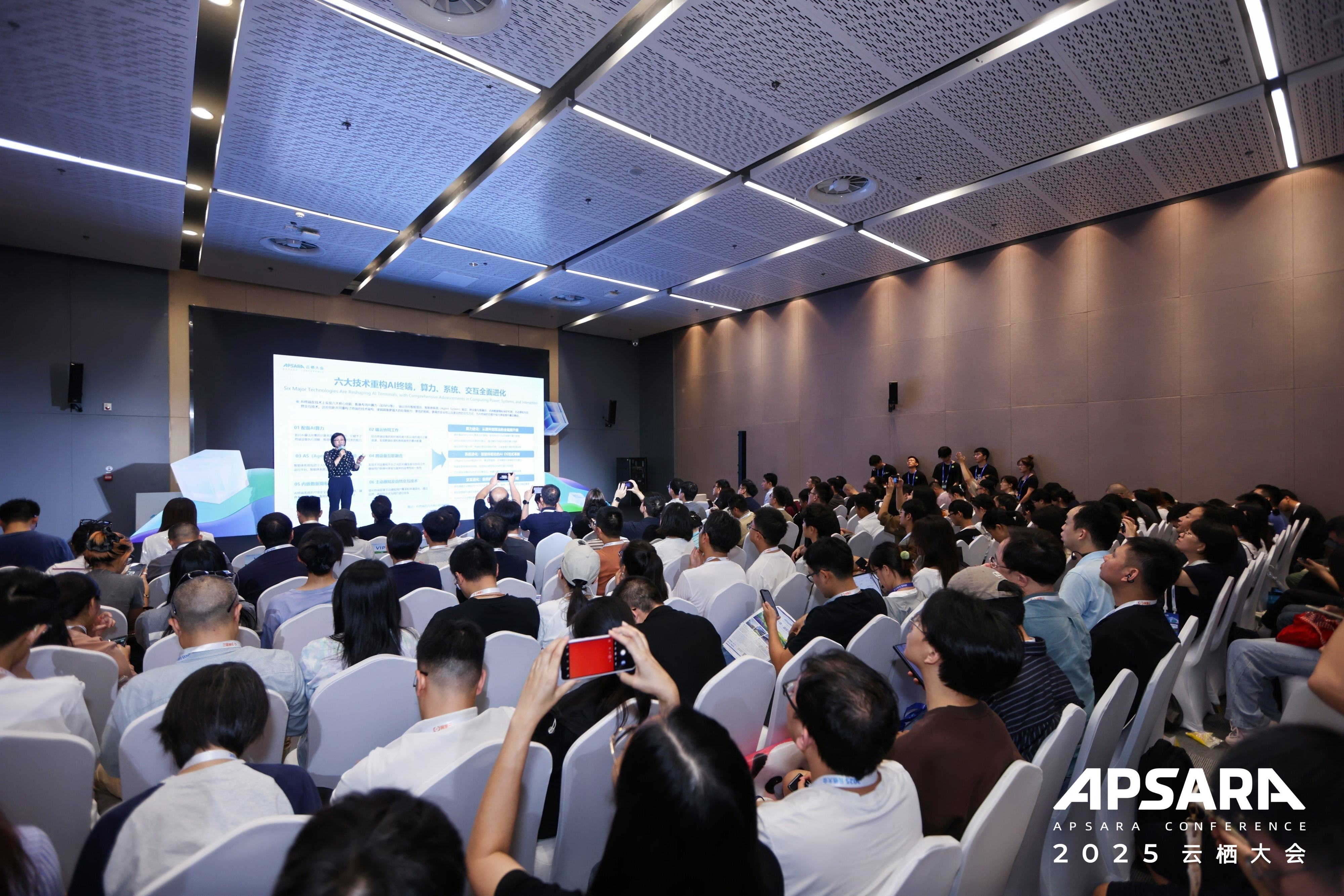
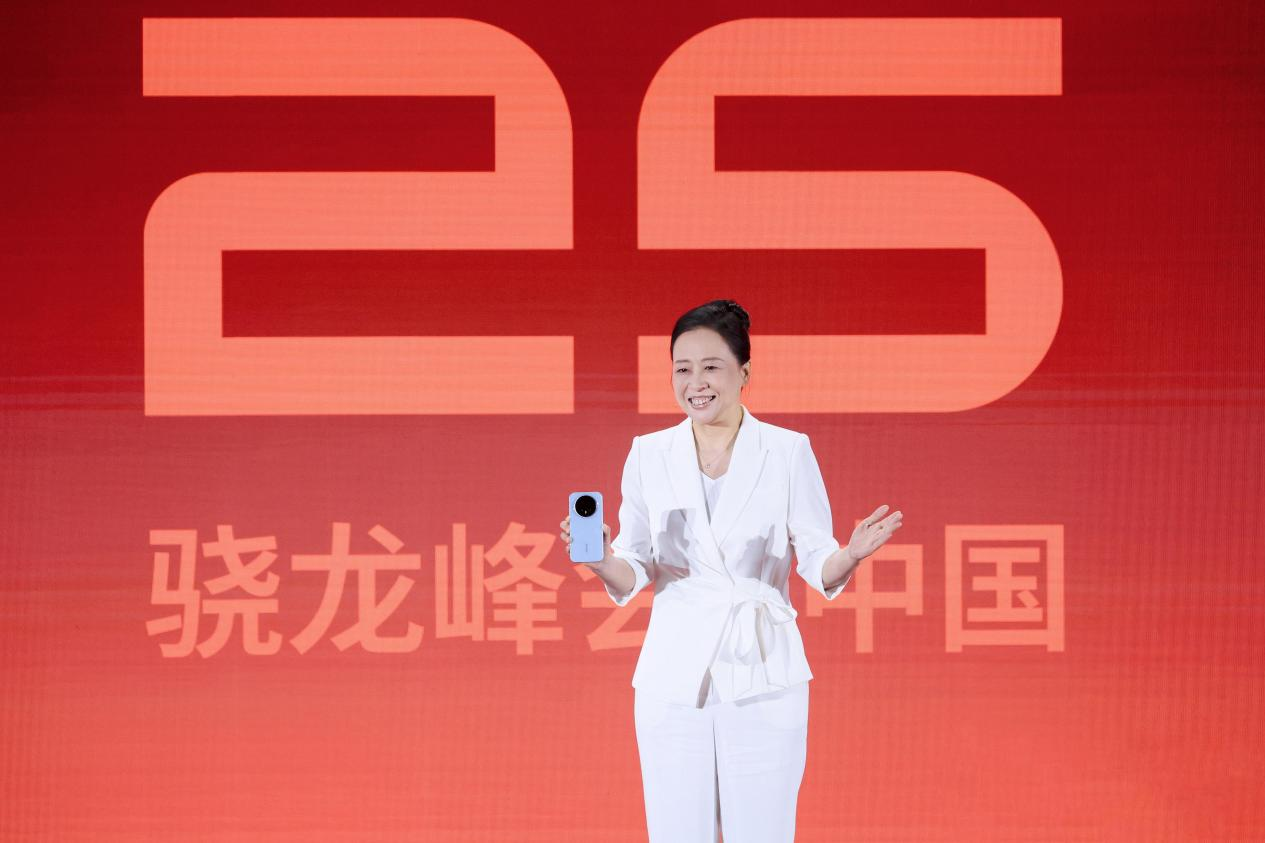
荣耀与高通共研技术底座,为AI终端树立全球新范式
Yang Guang Wang· 2025-09-29 09:15
Core Insights - The smartphone industry is facing a peak in incremental growth and limited technological breakthroughs, with AI emerging as a core variable for industry transformation [1] - Honor and Qualcomm announced a deepened collaboration to usher in a "dual-engine era of smartphone intelligence and performance" at the 2025 Qualcomm Snapdragon Summit [1][3] - The upcoming Honor Magic8 series and Honor MagicPad3 Pro will be the first to feature the fifth-generation Snapdragon 8 flagship processor, achieving breakthroughs in AI self-evolution technology and performance architecture [1] AI-Driven Evolution - The smartphone industry has experienced two major leaps: the popularization of touch screens and mobile internet, followed by the innovations in 5G and imaging technology. The industry is now entering a third leap driven by AI [4] - Honor and Qualcomm's approach focuses on local AI computation to address issues related to data transmission, energy consumption, and privacy risks associated with cloud-based AI models [4] - The collaboration has led to the development of efficient local AI model solutions, with the Honor Magic8 series utilizing low-bit quantization technology, resulting in a 30% reduction in model storage space, a 15% increase in inference speed, and a 20% decrease in inference power consumption [4][5] Technological Innovations - The introduction of a new generation of vector retrieval technology allows for efficient indexing of text, images, and videos, achieving similarity matching performance improvements of up to 400% [5] - Honor has launched an AI color extraction feature that allows users to search for target images and extract key colors using simple voice commands, marking a shift from AI as a tool to an active executor [5][6] - The collaboration is seen as a significant step for Chinese AI terminal models on the global stage, showcasing a "Chinese solution" in the field of edge intelligence [5][6] Self-Evolving AI Concept - Honor's CEO introduced the concept of "self-evolving AI native smartphones," indicating a shift in AI technology towards models that can autonomously learn and optimize over time [7] - Unlike traditional AI models that require manual retraining, self-evolving AI can adjust its code and parameters during actual use, enabling "lifelong learning" [8] - This concept is implemented in the Honor Magic8 series through adaptive hardware, a self-learning operating system, and interconnected ecosystems [8] Global Competition and Market Position - The AI terminal market is not just a technological revolution but also a global industrial competition, with major players like Apple, Samsung, and Google integrating AI into their ecosystems [11] - Honor's collaboration with Qualcomm is viewed as a crucial step for Chinese companies in the global AI landscape, emphasizing the importance of core technology and innovation ecosystems [11][12] - The Honor Magic8 series aims to support over 200 vertical scenarios and 3,000 general scenarios, positioning smartphones as gateways to personal intelligent agents [11][12] Future Outlook - Establishing ecological barriers in AI terminals will be key for companies to dominate the next decade of technological advancements [12] - As smartphones evolve into personal intelligent agents, the industry is moving closer to achieving general artificial intelligence [12]

2025年8月国内折叠屏智能手机UTG前盖使用量达1.1万㎡,同比增长51.2%
CINNO Research· 2025-09-29 08:33
Core Insights - The article highlights that the usage of UTG (Ultra-Thin Glass) front covers for foldable smartphones in China reached 11,000 square meters in August 2025, representing a year-on-year growth of 51.2% [2]. Group 1: Market Trends - The article provides an overview of the penetration rate changes for various front cover materials in the Chinese smartphone market from June 2024 to August 2025 [3]. - It details the usage trends of UTG and CPI (Cover Polyimide) front covers in foldable smartphones during the same period [3]. Group 2: Brand Analysis - The report analyzes the brand share of UTG front cover usage in foldable smartphones in China from June 2024 to August 2025 [3]. - It also examines the brand share of CPI front cover usage in foldable smartphones for the same timeframe [3]. Group 3: Specific Brand Performance - The article breaks down the sales and market share of front cover specifications for major smartphone brands in China, including Apple, Huawei, Honor, OPPO, Vivo, and Xiaomi, from June 2024 to August 2025 [3].
长信科技(300088.SZ):在UTG领域技术储备深厚,向荣耀、VIVO、OPPO等消费电子头部客户提供UTG产品
Ge Long Hui· 2025-09-29 07:01
Core Viewpoint - The company has a strong technological reserve in the UTG (Ultra-Thin Glass) field and is providing UTG products to leading consumer electronics clients such as Honor, VIVO, and OPPO [1] Group 1: Business Development - The company’s subsidiary, Dongxin Optoelectronics, launched the Honor Magic V Flip2, which features the company's UTG products, on August 21 [1] - The company aims to continuously expand its business and provide high-quality products and services to more clients [1] Group 2: Collaboration and Innovation - The company is deeply collaborating with leading consumer electronics clients to focus on joint research and development in cutting-edge technology areas [1] - The innovation of consumer electronics products requires overcoming technical challenges and validating compatibility, which involves multiple stages and an objective cycle from development to large-scale implementation [1] Group 3: Confidentiality and Information Disclosure - It is common practice for end customers to sign confidentiality agreements with supply chain companies to protect core technologies and business secrets [1] - Investors are advised to rely on official information released by the company [1]
