LVMH

Search documents
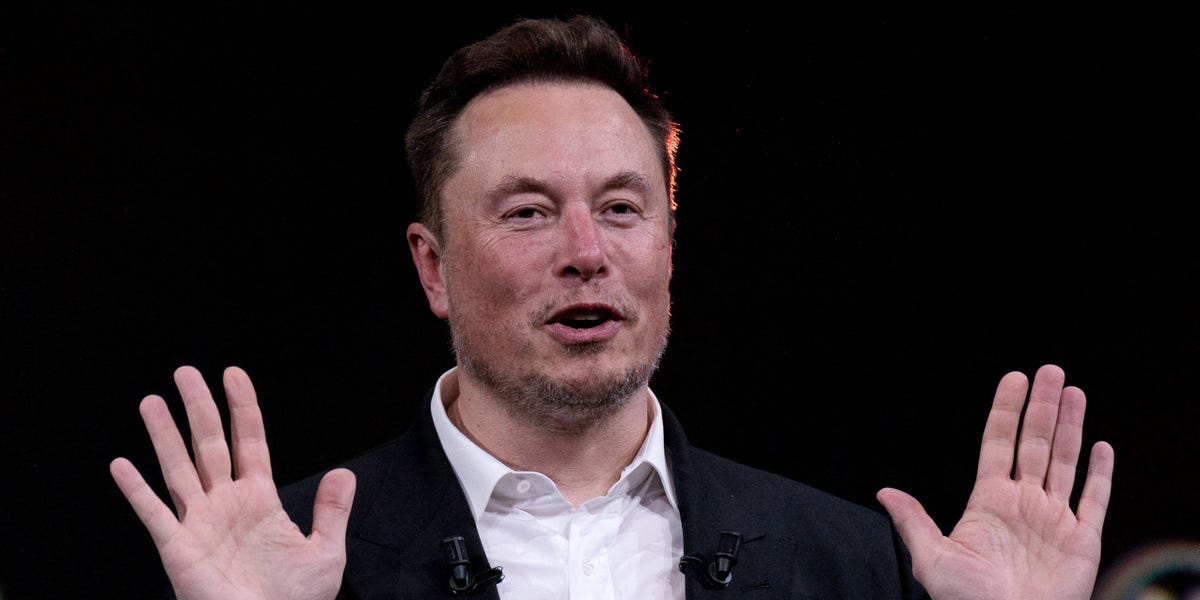
Elon Musk Is Worth a Record $648B, More Than Oracle or Mastercard
Business Insider· 2025-12-17 14:42
Core Insights - Elon Musk's net worth has reached a record $648 billion, with a year-to-date gain of $216 billion, surpassing the entire fortune of LVMH CEO Bernard Arnault [1][2] - Tesla's stock price closed at an all-time high of $490, significantly contributing to Musk's wealth increase, alongside a doubling of SpaceX's valuation to $800 billion [2][5] - Musk's wealth is more than double that of the second richest individual, Larry Page, and exceeds the market values of major companies like Oracle and Mastercard [3][4] Company Performance - Tesla's stock has seen a remarkable recovery, with a significant rally following a period of decline earlier in the year, driven by investor optimism regarding AI and autonomous vehicle development [5][6] - The approval of Musk's pay package by Tesla shareholders could potentially make him the world's first trillionaire if he meets specific performance milestones [8] Industry Trends - The surge in stock prices for Tesla and other major tech companies is largely attributed to the excitement surrounding AI advancements, with Musk investing heavily in AI for Tesla's products [6][7] - Key shareholders in the AI sector, including Musk, have experienced substantial wealth gains, reflecting the broader market trends influenced by AI developments [7]


泡泡玛特想“升咖”
Xin Lang Cai Jing· 2025-12-17 01:41
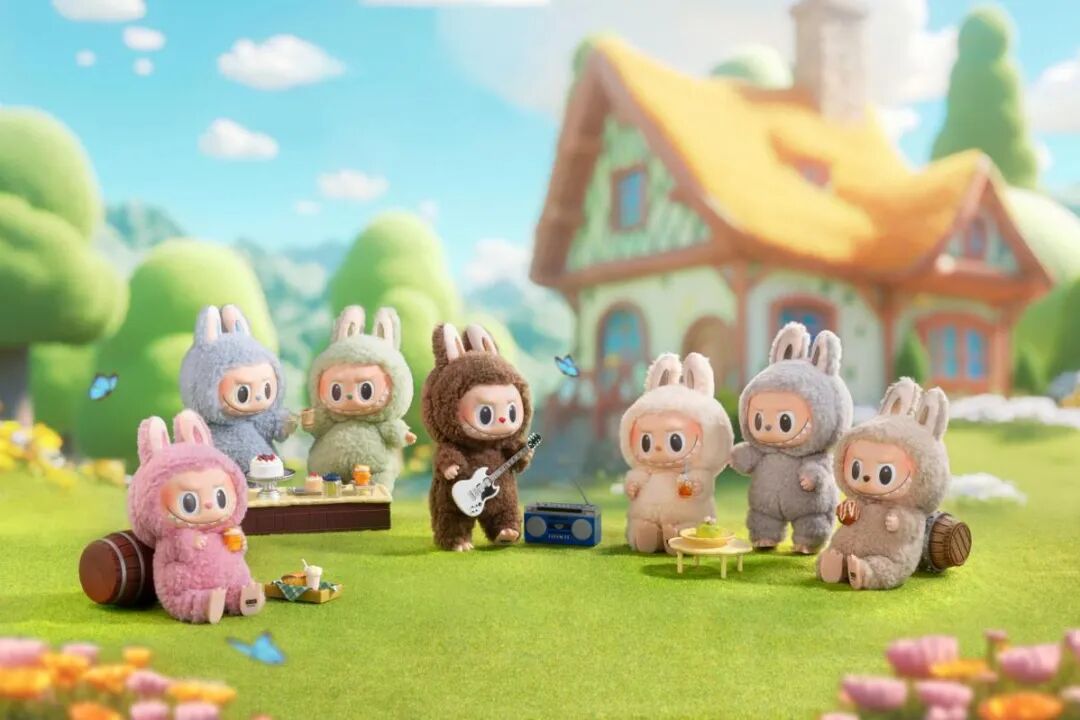
Core Insights - The article discusses Bubble Mart's ambition to transition from a toy brand to a high-end luxury brand, highlighted by the appointment of former LVMH executive Wu Yue to its board [2][4][8] - Bubble Mart aims to enhance its brand value and global presence by integrating luxury brand strategies, moving beyond reliance on popular IPs like LABUBU [4][9][16] Group 1: Strategic Moves - Wu Yue's appointment is seen as a significant step for Bubble Mart to penetrate the luxury market, leveraging his extensive experience in the luxury goods sector [5][7] - The company is investing in high-end product lines and collaborations with luxury brands, such as the MEGA COLLECTION and partnerships with Moncler and Moynat [17][19] - Bubble Mart's strategy includes opening stores in high-end shopping districts globally, such as near the Louvre in Paris and in major locations in New York [21][23] Group 2: Market Performance and Challenges - Since its IPO in 2020, Bubble Mart's stock has experienced volatility, with a significant drop of over 40% from its peak, attributed to reliance on a few successful IPs [8][14] - The company faces challenges in maintaining the scarcity and collectible value of its products as production capacity increases, which could dilute brand value [14][16] - Analysts warn of potential risks related to over-reliance on popular IPs and the need for a more sustainable brand strategy to ensure long-term growth [14][16] Group 3: Brand Evolution - Bubble Mart's founder, Wang Ning, expresses interest in luxury brand logic, emphasizing the importance of creating a unique brand identity that transcends individual products [9][10] - The company is exploring ways to enhance its brand's perceived value, aiming to create a lasting brand identity rather than depending solely on hit products [16][20] - The transition to a high-end brand requires a shift in consumer perception, where the brand itself becomes a symbol of scarcity and value [10][16]

X @Bloomberg
Bloomberg· 2025-12-16 21:03
RT Bloomberg Opinion (@opinion)“Ralph Lauren Christmas” feels effortless, but its the result of years of careful brand work.@AndreaFelsted explains why under CEO Patrice Louvet — and of course its eponymous founder, who remains actively involved — Ralph Lauren has moved closer to LVMH 🎥 https://t.co/JH2UCU1oPC ...
这届年轻人,买奢侈品的逻辑彻底变了
36氪· 2025-12-16 11:08
Core Viewpoint - The luxury goods consumption logic is undergoing a significant transformation, with younger consumers prioritizing value recognition over brand prestige and price, seeking high-quality products at lower prices [4][9][20]. Group 1: Changing Consumer Behavior - Young consumers are no longer attracted to luxury brands solely for their logos; instead, they value emotional connections and high cost-performance ratios [5][8]. - The trend of seeking discounts and third-party authentication for luxury goods is becoming prevalent, as evidenced by the growth of discount channels and the increasing importance of quality assurance [3][7][19]. - A Bain report indicates that while global luxury consumption is slowing, discount store sales are rising significantly, becoming the preferred channel for entry-level luxury purchases [3][6]. Group 2: Market Dynamics - Major luxury brands like LVMH and Kering are experiencing declines in profits, with LVMH's operating profit dropping by 15% and net profit by 22% in the first half of 2025 [6]. - Despite the downturn in traditional luxury sales, interest among younger consumers remains strong, with a significant portion of luxury goods users on platforms like Xiaohongshu being born after 1995 [6][14]. - The discount luxury market is projected to grow at five times the rate of the full-price market between 2025 and 2030, indicating a shift in consumer purchasing behavior [13]. Group 3: Trust and Quality Assurance - The need for independent, authoritative third-party institutions to provide quality assurance for discounted luxury goods is becoming critical, as consumers seek reliable authentication [17][19]. - The China Inspection and Quarantine (CIQ) has emerged as a key player in the luxury goods authentication industry, providing essential services to ensure product legitimacy [18][20]. - The collaboration between CIQ and e-commerce platforms to offer pre-sale inspections and certification reports is a significant step towards establishing a new quality standard in the discount luxury market [20].
奢侈品2025:确实复苏了,但问题很多
3 6 Ke· 2025-12-16 09:01
Core Insights - The luxury goods industry is experiencing a resurgence, marked by a wave of new store openings in major cities like Shanghai and Beijing, indicating a positive economic sentiment among consumers [1][3] - Despite the recovery signs, executives from major luxury groups remain cautious, highlighting ongoing uncertainties in the market [3][4] Market Performance - The Asia-Pacific market has shown significant recovery, with notable performance differences between China and Japan [4] - Hermès reported a 15.2% year-on-year sales increase in Japan, while LVMH and Richemont faced declines in the same market [5][6] - Overall, luxury brands are seeing improved sales, with Hermès, Prada, and Richemont all reporting positive growth figures in recent quarters [6] Business Segmentation - Different product categories are showing varied performance, with leather goods remaining a stronghold for brands like Hermès, which saw a 12.6% increase in sales [11] - Jewelry sales have rebounded significantly, with Richemont's jewelry brands experiencing a 17% increase, driven by rising demand for investment-grade jewelry [14] - The beauty segment presents a mixed picture, with some brands expanding while others, like Kering, are divesting from beauty lines [16] Channel Strategy - Luxury brands are focusing on core markets and reducing presence in non-core areas, with a strategy of "grabbing big and letting go of small" [18][21] - Major brands are investing in flagship stores in key locations, such as Louis Vuitton's "Louis Number" in Shanghai, which has exceeded sales expectations [19][21] - There is a trend towards closing underperforming outlets in lower-tier cities to concentrate resources on more profitable areas [21] Marketing Approaches - Luxury brands are increasingly localizing their marketing strategies, engaging with local culture and consumers through collaborations and street-level activities [22][24] - The emphasis on cultural resonance is seen as a key advantage for local brands, with a significant percentage of consumers valuing cultural connection [25] Resource Integration - The luxury sector is witnessing a wave of acquisitions and investments in supply chains, with brands like Chanel and Hermès actively acquiring suppliers to strengthen their market position [26][28] - This trend reflects a broader strategy of vertical integration as brands seek to enhance their resilience and market influence during the recovery phase [29][32]
6770亿美元!马斯克成为史上首位身家超6000亿美元的人
Sou Hu Cai Jing· 2025-12-16 00:05
倘若马斯克在上诉中败诉,特斯拉仍可能为其提供另一条通往万亿富翁之路。今年 11 月,特斯拉股东批准了一项创纪录的薪酬方案:若特斯拉在未来十年 内实现"登月级"业绩目标(例如市值增长逾八倍),马斯克最多可获得价值 1 万亿美元的额外股票(税前,且未扣除解锁限制性股票所需成本)。 此外,马斯克旗下的 xAI Holdings 据传正在洽谈新一轮融资,估值达 2300 亿美元。这一数字超过今年 3 月他通过将人工智能初创公司 xAI 与社交媒体平台 X(原 Twitter)合并成立 xAI Holdings 时所宣称的 1130 亿美元估值一倍有余。《福布斯》估计,马斯克持有 xAI Holdings 53% 的股份,价值约 600 亿美 元。 突破 6000 亿美元净资产大关,只是马斯克在过去五年中达成的一系列财富里程碑中的最新一项。2020 年 3 月,他的净资产仅为 246 亿美元;同年 8 月,得 益于特斯拉股价飙升,他成为历史上第五位净资产突破 1000 亿美元的富豪。2021 年 1 月,他以近 1900 亿美元净资产首次登顶全球首富。2021 年 9 月,他 又成为史上第三位净资产达 2000 亿美元 ...

Labubu Maker Pop Mart's Shares Rise After LVMH China Chief Joins Board
Forbes· 2025-12-14 14:10
Core Insights - Pop Mart International Group's shares increased following the appointment of Andrew Wu, a seasoned luxury brand executive, to its board as a non-executive director [2][3] Group 1: Company Developments - Andrew Wu, who has been the group president of LVMH Greater China since 2005, joined Pop Mart's board effective December 10 [3] - Pop Mart's shares closed at HK$194.10, up from HK$190.40 prior to the announcement, and have more than doubled over the past year, increasing the fortune of chairman Wang Ning and his family to $15.7 billion [4] - The company reported a revenue increase of 245%-250% for Q3 2025 compared to the previous year, driven by the popularity of Labubu dolls [5] Group 2: Financial Performance - Revenue from operations in China rose by 185%-190%, while overseas sales surged by 365%-370% [6] - Despite the strong revenue growth, Pop Mart's stock has fallen below its 2025 high of HK$335.40 reached in August [6] Group 3: Executive Background - Andrew Wu has extensive experience in the luxury and consumer sectors, having previously held significant roles at Sony Music and Parfums Christian Dior [10] - Wu holds degrees in international relations and international business, and his appointment at Pop Mart includes a fixed annual cash compensation of HK$1.2 million and share-based compensation of HK$1.8 million [11]

奢侈品牌扎堆三里屯 一场“体验战”揭幕|消费参考
2 1 Shi Ji Jing Ji Bao Dao· 2025-12-14 04:13
Core Insights - The opening of flagship stores by luxury brands such as Dior, Louis Vuitton, and Tiffany in Beijing's Sanlitun marks a significant shift in high-end retail, transforming stores into "mini-museums" and "experience centers" [1] - LVMH reported a recovery in growth, particularly attributed to the Chinese market, while other brands like Hermès and Prada also showed stable performance; however, the overall luxury market in China may see a slight decline according to Bain's report [1] - The competition among luxury brands is evolving from quantity and speed of store openings to creating unique brand ecosystems that enhance customer experience and retention [1] Industry Trends - The "experience war" among luxury brands has expanded beyond Sanlitun, indicating a shift towards immersive and shareable lifestyles across various cities in China [2] - The recent wave of openings signals that competition in the Chinese luxury market has entered a "deep water zone," where success will depend more on storytelling and creating memorable experiences rather than just sales figures [2]
奢侈品牌扎堆三里屯,一场“体验战”揭幕|消费参考
2 1 Shi Ji Jing Ji Bao Dao· 2025-12-14 03:31
Core Insights - The opening of flagship stores by luxury brands such as Dior, Louis Vuitton, and Tiffany in Beijing's Sanlitun marks a significant shift in high-end retail, transforming stores into "mini-museums" and "experience centers" [1][2] - LVMH reported a recovery in growth in Q3, with a notable contribution from the Chinese market, while other brands like Hermès and Prada also showed stable performance, indicating a mixed recovery in the luxury sector [1] - The luxury market in China is predicted to see a slight overall decline this year, highlighting that growth is concentrated among top brands investing heavily in core locations to attract existing customers [1] Strategic Shifts - Dior has opened its first restaurant in China, led by a Michelin three-star chef, indicating a shift from mere retail to creating unique experiences, such as dining and art exhibitions [2] - Luxury brands are now competing to create immersive and shareable lifestyle experiences rather than just focusing on the number of stores, emphasizing the importance of brand ecosystems in high-traffic commercial areas like Sanlitun [2] - The recent wave of openings signals a deeper competition in the Chinese luxury market, where success will increasingly depend on storytelling and creating memorable experiences rather than just product sales [2]

爱马仕继承人遭遇杀猪盘,1000多亿没了
盐财经· 2025-12-12 10:09
Core Viewpoint - The article discusses the significant financial loss experienced by Nicolas Puech, the heir to Hermès, due to alleged fraudulent activities by his long-time financial advisor, Eric Freymond, leading to the disappearance of shares valued at over €14 billion (approximately ¥100 billion) [2][5][8]. Group 1: Background and Context - Nicolas Puech, born in 1943, is a direct descendant of the founder of Hermès and was once a major individual shareholder with nearly 6% of the company [12][14]. - Puech's shares were reportedly sold or transferred without his knowledge starting in 2008, as he had distanced himself from family affairs and lived a quiet life [5][8]. - The relationship between Puech and Freymond, which began in the late 1990s, was characterized by trust, with Puech delegating financial management to Freymond [20][21]. Group 2: Allegations and Legal Proceedings - In 2024, Puech filed a criminal complaint against Freymond for breach of trust and asset misappropriation, while also pursuing civil lawsuits against LVMH and its chairman, Bernard Arnault, claiming that some of his shares ended up with LVMH [8][10][39]. - Freymond denied any wrongdoing, claiming a personal relationship with Puech, but his statements were inconsistent over time [8][39]. - Freymond died in a train accident in 2025, which complicated the investigation and left Puech without a key witness [8][39]. Group 3: Financial Dynamics and Market Implications - The article revisits the historical context of the stock battle between Hermès and LVMH, highlighting LVMH's covert accumulation of Hermès shares through derivatives and discreet transactions [9][30][34]. - By mid-2008, approximately 90% of Puech's shares had been sold, primarily to LVMH, which was aggressively expanding its luxury brand portfolio during that period [30][32]. - LVMH's actions were seen as a breach of industry norms, leading to regulatory scrutiny and a fine of €8 million for failing to disclose its shareholding in a timely manner [37][40]. Group 4: Personal and Social Dynamics - Puech's lifestyle and background contributed to his vulnerability, as he was accustomed to a world where wealth was managed automatically, leading to a lack of awareness regarding his financial situation [42][44]. - His close relationships, particularly with Freymond and his gardener, reflected a trust-based approach to personal and financial matters, which ultimately left him exposed to exploitation [45][48]. - The article illustrates the complexities of trust within elite social circles, where personal relationships can obscure professional responsibilities and lead to significant financial consequences [46][48].