
邮储银行

Search documents
超两千亿元!国有大行“红包雨”来临,派发时间较去年提前
Nan Fang Du Shi Bao· 2025-12-12 11:59
Core Viewpoint - The major state-owned banks in China are set to distribute over 200 billion yuan in cash dividends for the 2025 interim period, reflecting a stable dividend payout compared to the previous year [2][4]. Group 1: Dividend Announcements - Bank of Communications announced a cash dividend of 0.1563 yuan per share, with the A-share payout date expected on December 25, 2025 [2][3]. - China Construction Bank declared a cash dividend of 0.1858 yuan per share, totaling approximately 486.05 billion yuan, with the payout date on December 11, 2025 [3][5]. - Bank of China will distribute a cash dividend of 0.1094 yuan per share, amounting to 352.50 billion yuan, also on December 11, 2025 [3][5]. - Industrial and Commercial Bank of China plans to distribute a cash dividend of 0.1414 yuan per share, totaling about 503.96 billion yuan, on December 15, 2025 [3][5]. - Agricultural Bank of China will issue a cash dividend of 0.1195 yuan per share, amounting to 418.23 billion yuan, on December 15, 2025 [3][5]. - Postal Savings Bank intends to distribute a cash dividend of 1.230 yuan per 10 shares, totaling 147.72 billion yuan, with a meeting scheduled for January 12, 2026 [3][5]. Group 2: Overall Dividend Trends - The total interim dividend amount for the six major state-owned banks is projected to reach 2046.57 billion yuan, remaining stable compared to the previous year [4][6]. - The number of A-share listed banks announcing interim dividends has increased, with 26 out of 42 banks declaring dividends, totaling 2646.22 billion yuan, a 2.45% increase from last year [6]. - The dividend payout dates for this year are significantly earlier than last year, with some banks advancing their payout dates by over a month [4][6].





央行:这三类零碳工厂将获金融支持
Xin Lang Cai Jing· 2025-12-12 09:41
Core Viewpoint - The article discusses the implementation of green finance policies to support the construction of green factories in China, emphasizing the importance of sustainable development and low-carbon technologies in industrial practices [1][10]. Group 1: Key Support Directions - The focus is on supporting national green factories through the "Green Finance Support Project Directory (2025 Edition)" and related policies, aiming to enhance energy efficiency, resource utilization, and overall green development [2][11]. - Three main categories of investment projects are highlighted: 1. Research and industrial application projects targeting major technological innovations and new product developments in traditional industries [2][11]. 2. Technology transformation and upgrade projects aimed at energy saving, pollution reduction, and the adoption of clean materials [3][12]. 3. Zero-carbon factory construction projects to explore carbon reduction potential [4][13]. Group 2: Strengthening Supply-Demand Connection - Provincial industrial and information departments are tasked with collecting financing needs from green factories through an online platform, ensuring compliance and recommending projects quarterly [5][13]. - The Ministry of Industry and Information Technology will relay financing needs to the People's Bank of China, which will facilitate connections with financial institutions to provide market-based support [5][14]. Group 3: Enhancing Financial Support - Financial institutions are encouraged to develop tailored green finance plans, streamline approval processes, and create incentives for supporting green factory projects [6][14]. - There is a push for increased green credit support, including the development of flexible loan products to meet the specific needs of green factories [7][15]. - Direct financing channels are to be expanded, allowing eligible companies to issue green bonds to raise funds for green factory investments [7][15]. Group 4: Implementation and Organizational Support - Collaboration between various departments is emphasized to ensure effective communication and the establishment of a replicable model for green finance support [8][16]. - Regular updates on policies and financial products related to green factory support will be disseminated to create a conducive environment for sustainable industrial practices [8][16].
邮储银行发布“AI2ALL”数字生态 党委委员杨西琳首次亮相
2 1 Shi Ji Jing Ji Bao Dao· 2025-12-12 09:29
Core Viewpoint - Postal Savings Bank of China (PSBC) is focusing on digital transformation and the integration of artificial intelligence (AI) into its operations, aiming to enhance efficiency and customer service through the launch of its "AI2ALL" digital ecosystem [1][2]. Group 1: Digital Transformation and AI Integration - PSBC held a digital finance conference themed "Opening the Digital Postal Savings i∞ Era," where the bank's president emphasized the importance of technology as the primary productivity force in the banking industry [1]. - The "AI2ALL" digital ecosystem aims to elevate AI capabilities from single-point applications to an organic, symbiotic digital ecosystem, enhancing both internal efficiency and external customer engagement [1][2]. - The bank is implementing intelligent tools across all operational processes, including front, middle, and back offices, to achieve refined management and improved organizational efficiency [2]. Group 2: Marketing and Risk Management Innovations - In the front office, PSBC is utilizing intelligent profiling to enhance precision in marketing, shifting from broad marketing strategies to personalized services [2]. - In the middle office, the bank is developing intelligent credit review tools to balance business growth with risk management, transforming expert knowledge into model-driven decision-making [2]. - The back office is seeing improvements in employee capabilities through intelligent data analysis tools, making data analysis accessible to all staff [2]. Group 3: Organizational Changes and Strategic Focus - The bank has appointed Yang Xilin as the Financial Market Business Director, indicating a strategic shift to strengthen its financial market operations alongside its retail business [3][4]. - PSBC has identified "financial markets" as one of its five differentiated growth areas, aiming to enhance its capabilities and innovate within this sector [3]. - The chairman of PSBC has stated the intention to strengthen corporate finance and diversify intermediary business while promoting the professional development of subsidiaries [3].

辽宁省与中央金融机构座谈会举行
Zhong Guo Jing Ji Wang· 2025-12-12 08:36
许昆林表示,以金融高质量发展助力辽宁全面振兴,离不开中国人民银行、金融监管总局的关心指导, 离不开中央金融机构的帮助支持。希望大家进一步关注辽宁、信任辽宁,深化拓展务实合作,支持辽宁 统筹做好金融"五篇大文章",助力实体经济发展,与我们一道共享振兴发展机遇、开创美好未来。 会上,国家开发银行、中国进出口银行、中国农业发展银行、中国工商银行、中国农业银行、中国银 行、中国建设银行、交通银行、中国邮政储蓄银行、中国人民保险集团股份有限公司、中国人寿 (601628)保险(集团)公司、中国出口信用保险公司等中央金融机构主要负责同志先后发言。 12月11日,辽宁省与中央金融机构座谈会在北京举行。辽宁省委书记许昆林主持并讲话。中国人民银行 行长潘功胜,国家金融监督管理总局局长李云泽出席并讲话,辽宁省委副书记、省长王新伟介绍辽宁经 济社会发展总体情况。辽宁省委副书记、大连市委书记熊茂平,12家中央金融机构主要负责同志出席会 议。 许昆林表示,辽宁将搭建高效便捷的政金企对接平台,完善融资担保和风险补偿机制,为金融机构开展 业务创造更好条件。我们将全力打造一流营商环境,坚决整治破坏营商环境的问题,加强社会信用体系 建设,政府 ...



邮储银行提速“效能革命”:近四万网点如何寻路盈利厚度
Hua Er Jie Jian Wen· 2025-12-12 08:10
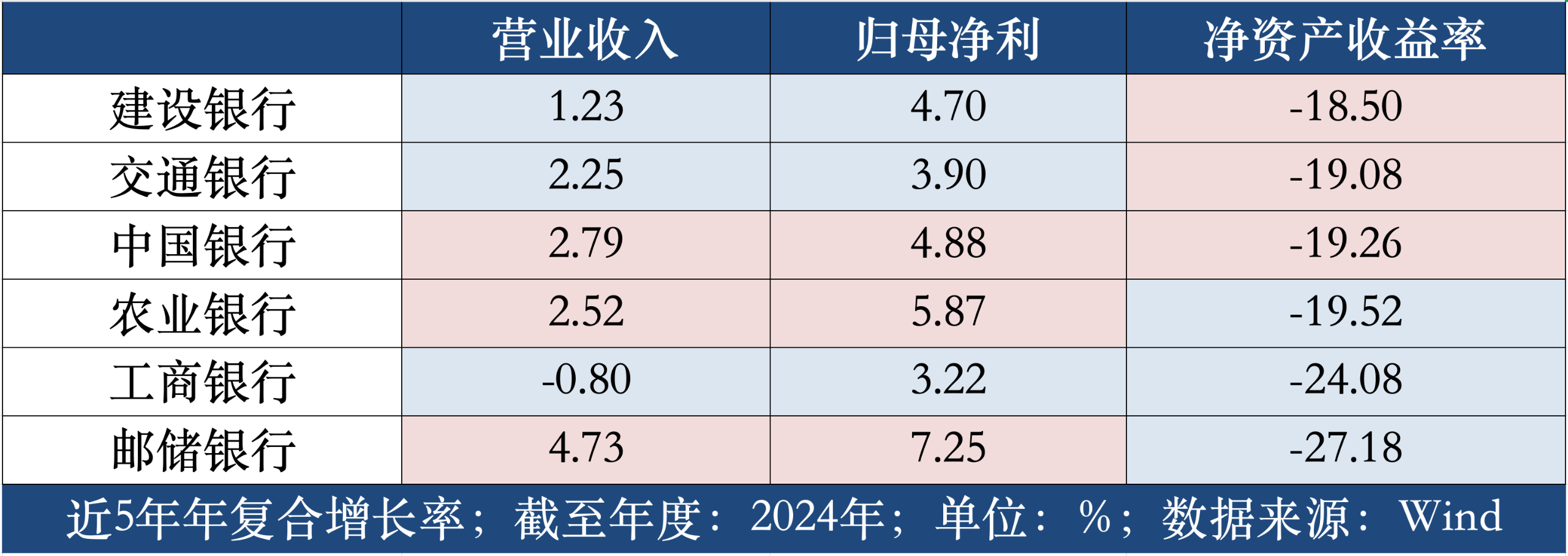
Core Viewpoint - Postal Savings Bank is undergoing significant structural changes, focusing on enhancing its financial market operations and improving overall efficiency amid a challenging economic environment [1][16]. Group 1: Management Changes - The appointment of Yang Xilin as a member of the company's party committee and potential financial market business director indicates a shift towards prioritizing financial market operations [1]. - This change reflects the bank's intention to diversify its focus beyond retail banking [1]. Group 2: Branch Network Adjustments - In 2023, Postal Savings Bank closed 265 branches and opened 65 new ones, leading the six major banks in both closures and openings [2]. - This strategy signifies a rapid internal resource reallocation while addressing the need to convert its extensive network in lower-tier markets into profitability [2]. Group 3: Financial Performance - For the first three quarters, Postal Savings Bank reported revenues of 265.08 billion yuan and net profits of 76.562 billion yuan, with year-on-year growth rates of 1.82% and 0.98%, respectively, ranking fourth among the six major banks [3]. - The bank's revenue contributions are primarily from interest income (79.41%), followed by fee-based income (8.71%) and investment income (11.94%) [3]. Group 4: Key Operational Metrics - The bank maintains a high asset and liability growth rate of 8.9% and 8.64%, respectively, with a loan growth rate of 8.68%, the highest among the six major banks [4]. - It boasts a net interest margin of 1.68%, leading the sector, and an asset quality with a non-performing loan ratio of 0.94%, the best among its peers [4]. Group 5: Market Position and Challenges - Despite strong operational metrics, Postal Savings Bank's market valuation remains limited, with its A-share growth in single digits year-to-date, lagging behind peers like ICBC and CCB [6]. - The bank's primary challenge lies in operational efficiency rather than fundamental growth, as indicated by its negative return on equity of -27.18%, the lowest among the six major banks [7]. Group 6: Efficiency and Cost Management - The bank's revenue per employee and profit per employee rank fifth and sixth among the six major banks, respectively, indicating room for improvement in efficiency [8]. - The reliance on a high proportion of agency branches (80%) poses challenges in terms of operational efficiency and cost management, with significant expenses related to agency fees [9][10]. Group 7: Strategic Initiatives - Postal Savings Bank is implementing a two-pronged channel strategy, focusing on self-operated branches in high-capacity cities while extending its reach in lower-tier markets through agency branches [11][12]. - The bank is also enhancing its digital capabilities and adjusting agency fee structures to improve net interest margins and overall efficiency [13][14]. Group 8: Future Outlook - The bank aims to strengthen its financial market and asset management operations under the leadership of Yang Xilin, with a focus on improving asset utilization and overall efficiency [16]. - The success of these reforms in translating unique channel advantages into tangible profitability remains to be seen [16].
邮储银行发布“AI2ALL”数字生态
Zhong Zheng Wang· 2025-12-12 07:55
Core Viewpoint - Postal Savings Bank of China (PSBC) is launching its "AI2ALL" digital ecosystem, emphasizing the transformative role of technology in the banking sector and its commitment to enhancing financial services for the real economy [1][3]. Group 1: Digital Ecosystem and AI Integration - The "AI2ALL" digital ecosystem aims to enhance internal efficiency and external outreach by integrating AI capabilities across various service segments [1][2]. - PSBC has identified nearly 260 application scenarios for large models within the "AI2ALL" framework, showcasing its extensive approach to AI integration [1][2]. Group 2: Infrastructure and Technological Foundations - PSBC has established a robust foundation in three key areas: data, computing power, and algorithms, including a five-tier data architecture and the first domestic super-node intelligent computing cluster in the financial sector [2]. - The bank employs a dual approach of external model integration and internal model development, utilizing advanced models like Baidu's "Wenxin Yiyan" and its proprietary "Youzhi" model [2]. Group 3: Service Enhancement and Customer Engagement - Intelligent tools are implemented across all processes, enhancing front, middle, and back office operations, with personalized marketing and improved risk control through smart models [2]. - The bank has innovated its service delivery by adopting a human-machine collaboration model, enabling seamless service across physical and digital channels [2]. Group 4: Future Vision and Commitment - PSBC is committed to its "financial for the people" mission, focusing on deepening the "digital postal savings" strategy and creating meaningful financial services that benefit a wide range of customers and partners [3].
三家国有行增资获监管批准!分析称有助于增强信贷投放能力
Nan Fang Du Shi Bao· 2025-12-12 06:09
国有大行资本补充迎来重要进展。近日,中国银行、建设银行和交通银行陆续发布变更注册资本事项获 得国家金融监督管理总局批复同意的公告。根据公告,三家银行注册资本分别增加278.25亿元人民币、 115.89元人民币和141.01亿元人民币。分析称,增加注册资本将提升大行服务实体经济能力,夯实抵御 风险的屏障。 三家国有行增加注册资本获批 12月4日,中国银行发布公告称,该行近日收到批复,国家金融监督管理总局同意该行注册资本增加 278.25亿元人民币,由2943.88亿元人民币变更为3222.12亿元人民币。 12月9日,建设银行发布公告称,该行收到批复,国家金融监督管理总局同意该行注册资本增加115.89 亿元人民币,由2500.11亿元人民币变更为2616.00亿元人民币。 2025年3月5日,国务院总理李强在政府工作报告中提出,拟发行特别国债5000亿元,支持国有大型商业 银行补充资本。 随后,中国银行、建设银行、交通银行、邮储银行均于3月30日发布公告,拟通过向特定对象发行A股 股票的形式,募集资金合计5200亿元,用于补充核心一级资本。其中,建设银行、中国银行的发行对象 均为财政部;交通银行的发行对象为 ...

报告显示:信用卡在居民日常消费支付中保持绝对主导地位
Zhong Guo Jing Ji Wang· 2025-12-12 06:00
Core Insights - The report highlights the dominance of credit cards in daily consumer payments, with 46% of users increasing their credit card spending compared to the previous year, significantly outpacing other payment methods [1] - The report identifies shortcomings in the industry, including user awareness and experience issues, with only 15% of users knowing the maximum interest-free period for credit cards [2] - The credit card market still holds substantial growth potential, particularly among retail and loan customers, indicating a need for strategic transformation within the industry [3] Group 1: Industry Overview - The report, titled "2025 Consumer Finance Digital Transformation Theme Research Report," analyzes the current state of the industry across multiple dimensions, including payment behavior and user experience [1] - Credit cards maintain a leading position in consumer payments, with an average monthly transaction of over 10 times and an average spending amount of 5,329 yuan [1] - The primary consumer groups are individuals aged 36-49 and those with a monthly income exceeding 20,000 yuan, with average spending amounts of 5,644 yuan and 8,207 yuan respectively [1] Group 2: User Experience Challenges - Only 15% of users accurately understand the longest interest-free period for credit cards, and 55% have a vague understanding of the grace period mechanism [2] - The application process is a significant pain point, with 38% of users reporting that it takes 10-30 minutes to complete, despite 62% of institutions claiming a 3-minute application time [2] - Issues with intelligent customer service are prevalent, with 27.1% of users finding the transition to human agents complicated and 26.8% experiencing unresolved issues due to repetitive automated responses [2] Group 3: Strategic Recommendations - The report suggests that banks should leverage digital transformation through intelligent customer service and enhance user experience by simplifying application processes and integrating app functionalities [3] - There is a strong willingness among loan customers to engage with credit cards, with 83% of business loan customers and 81% of mortgage customers expressing interest [3] - The industry is under pressure to transform, necessitating profound changes in strategy, operations, technology, and mindset to adapt to future challenges [3]
邮储银行数字金融大会发布“AI2ALL”数字生态及手机银行11.0
Zhong Guo Jing Ji Wang· 2025-12-12 05:41
Core Insights - Postal Savings Bank of China (PSBC) is advancing its digital finance strategy with the launch of the "AI2ALL" digital ecosystem, showcasing its commitment to integrating technology into financial services [1][2] Group 1: Digital Finance Strategy - PSBC has been implementing its "Digital Postal Savings" strategy, hosting annual digital finance conferences to present its latest achievements [2] - The theme of the 2025 conference is "Opening the Digital Postal Savings i∞ Era," reflecting the bank's continuous evolution in digital finance [2] - The bank emphasizes its mission of serving the real economy while optimizing financial supply and enhancing service experiences [1][2] Group 2: AI Integration - The "AI2ALL" initiative aims to elevate AI capabilities from mere technical support to a core engine for business innovation [2] - PSBC has identified nearly 260 application scenarios for large models based on the "AI2ALL" digital ecosystem [2] - The bank's AI capabilities are designed to enhance efficiency internally and improve customer outreach externally [2][3] Group 3: Operational Efficiency - PSBC is applying intelligent tools across all operational processes, enhancing management precision and organizational effectiveness [3] - The bank utilizes smart profiling for targeted marketing, intelligent models for risk control, and smart analytics for employee skill enhancement [3] - PSBC's mobile banking app version 11.0 ranked second in overall evaluation in the latest digital banking survey, with user experience leading the industry for three consecutive years [3]
中小金融机构“减量提质”意味着什么? | 解读中央经济工作会议
Xin Lang Cai Jing· 2025-12-12 05:18
智通财经记者 | 张一诺 中央经济工作会议在部署2026年经济工作重点任务时提到"深入推进中小金融机构减量提质",这和去年 会议提出的"稳妥处置地方中小金融机构风险"的表述相比有明显变化。 分析人士对智通财经表示,"减量提质"的提法,意味着金融体系改革正从扩大规模转向优化结构和提升 质量,以增强服务实体经济的能力和风险抵御水平。 万博新经济研究院院长滕泰对智通财经表示,深入推进中小金融机构减量提质,是当前我国金融体系结 构性改革的重要内容,旨在增强金融机构稳健性、提升存续机构的可持续经营能力,筑牢金融安全底 线、提升服务实体经济质效。 "结合本次会议要求货币政策'引导金融机构加力支持扩大内需、科技创新、中小微企业等重点领域', 也更加明确了金融机构和实体经济到底'谁服务谁'的问题,不能牺牲宏观经济保个别金融行业盈利,而 是商业银行等金融机构必须服务实体经济,尤其支持扩大内需等目标。"滕泰说。 中信证券首席经济学家明明补充道,从金融改革层面看,中小金融机构"减量提质"与资本市场投融资综 合改革呼应,实质上是在通过风险出清与制度优化提升金融体系配置效率,使金融能够更有效地服务科 技创新和实体经济。 他进一步指出, ...