
极米科技

Search documents
极米科技:公司主要产品指公司销售的智能投影整机,不包括配件产品
Mei Ri Jing Ji Xin Wen· 2026-01-09 09:07
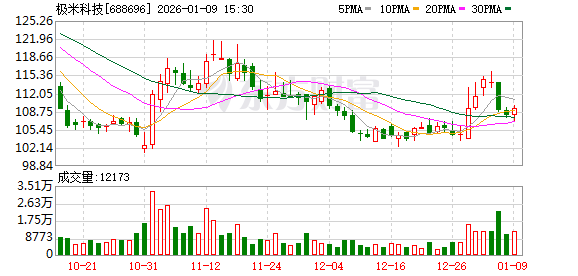
每经AI快讯,有投资者在投资者互动平台提问:请公司回复:2、解锁条件之一是主要产品销量的台 数,2025年和2024年的这个条件一样的 ,也就是完成一个事情,同时享受2次奖励? 还有主要产品的台 数这个口径如何确定,是价值超过多少金额的整机算一台,还是一个配件就算一台,谁来监督这个条件 是否满足。为什么不用股民都认可的营业收入、归属于母公司的净利润这些指标来做解锁条件? (文章来源:每日经济新闻) 极米科技(688696.SH)1月9日在投资者互动平台表示,尊敬的投资者,您好,感谢您的关注。公司主 要产品指公司销售的智能投影整机,不包括配件产品,产品销量以公司年度报告中披露的外部销售台数 为准。 ...


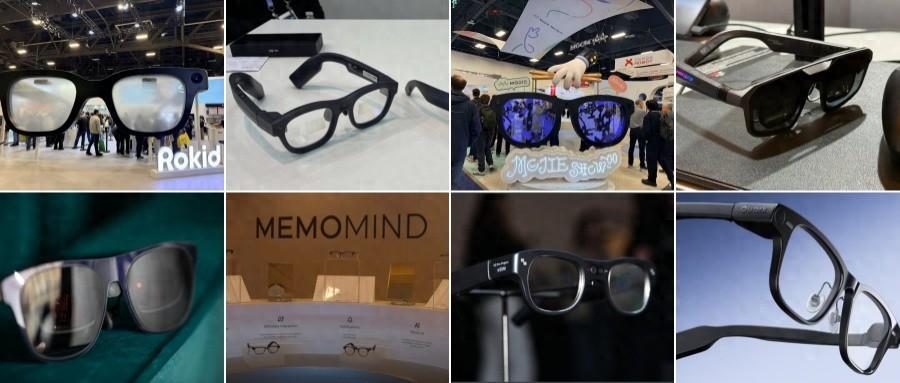
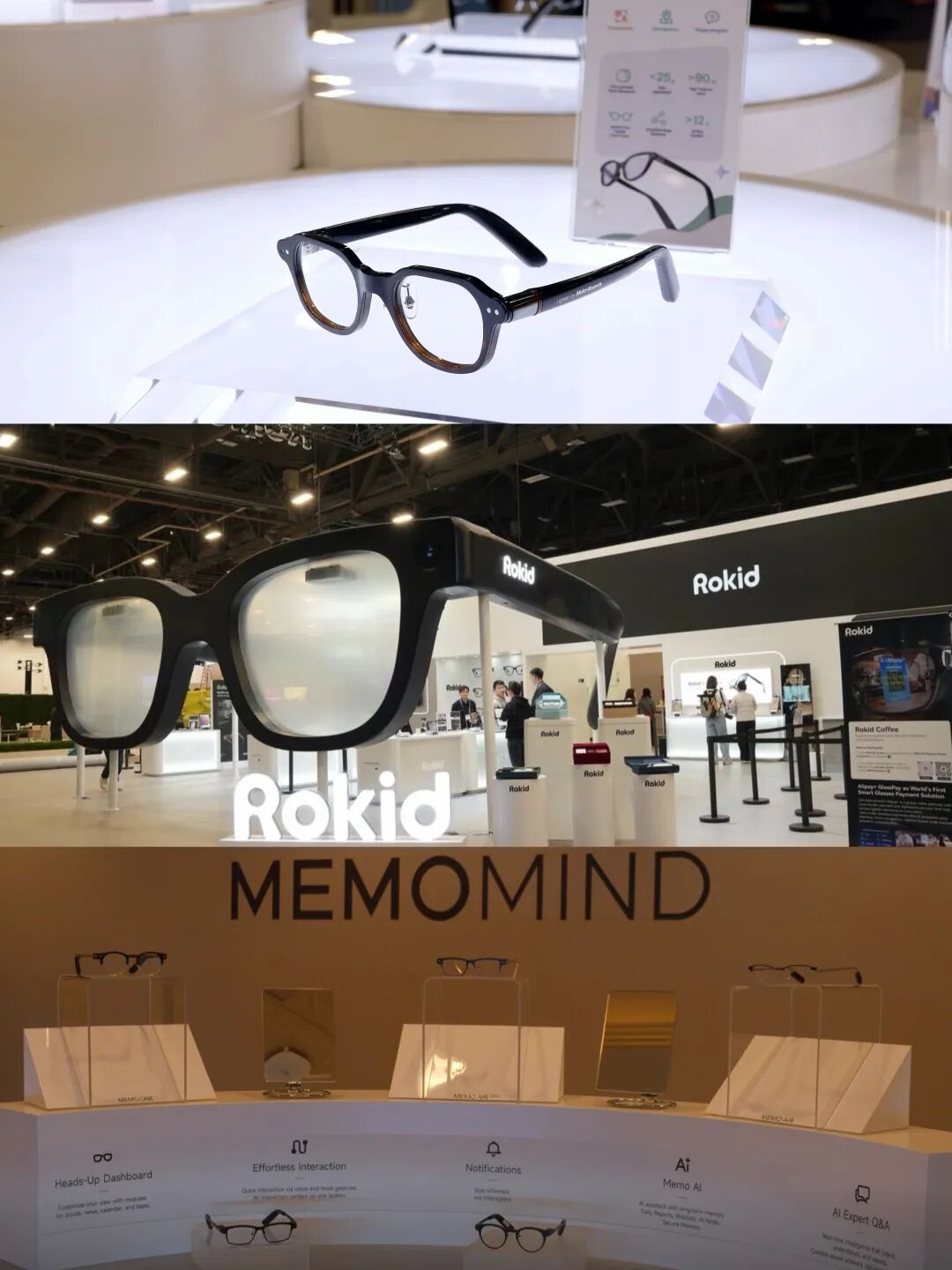
中国AI眼镜军团CES霸场,27家公司组团秀肌肉,2026百镜大战
Xin Lang Cai Jing· 2026-01-09 09:01
Core Insights - The CES 2023 showcased a significant presence of Chinese manufacturers in the smart glasses and VR/AR market, indicating a shift in industry dynamics with local players gaining traction [2][44] - The Chinese smart glasses market is projected to see substantial growth, with shipments expected to reach 623,000 units by Q3 2025, reflecting a year-on-year increase of 62.3% [4][46] - The event highlighted the competitive landscape, with numerous companies unveiling innovative products, suggesting a "battle of the glasses" in the coming years [42][85] Group 1: Major Players - Rokid attracted attention with its giant glasses display and launched the Rokid Style, claimed to be the lightest full-feature AI glasses at 38.5 grams, starting at $299 [7][48] - INMO introduced two key products: INMO Go3, which offers real-time translation in 261 languages, and INMO AIR3, the first mass-produced 1080P wireless AR glasses, which sold out quickly [9][53] - XREAL showcased the ROG Xreal R1, the first gaming glasses with a 240Hz refresh rate, and announced the upcoming XREAL 1S, featuring a proprietary chip for 3D content conversion [14][57] Group 2: Cross-Industry Innovations - Alibaba presented the Quark AI glasses S1, which allows interaction through voice commands and boasts a battery life of 7 hours, powered by dual flagship chips [22][66] - XGIMI launched its MemoMind AI glasses, marking its entry into the smart glasses market with two series [27][70] Group 3: Emerging Startups - Gyges Labs introduced the world's first AI note-taking ring, which gained significant media attention for its unique functionality [30][73] - MicroVision unveiled the M6 series of AR glasses, which feature hardware that can be sustainably upgraded without replacing the entire device [32][75] - Various smaller companies showcased innovative products, contributing to a diverse and competitive landscape in the smart glasses sector [40][83]
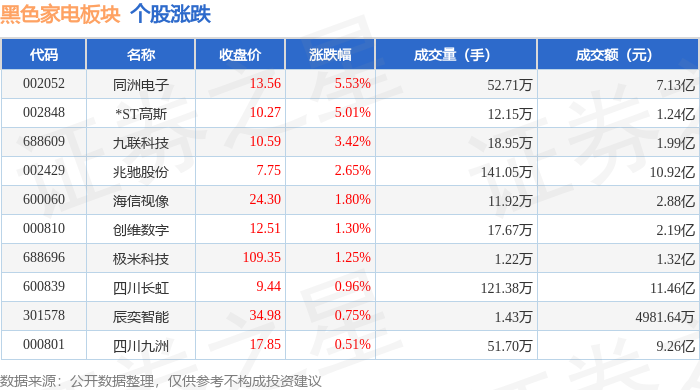
黑色家电板块1月9日涨1.82%,同洲电子领涨,主力资金净流入8144.05万元
Zheng Xing Xing Ye Ri Bao· 2026-01-09 08:54
Market Overview - The black home appliance sector increased by 1.82% on January 9, with Tongzhou Electronics leading the gains [1] - The Shanghai Composite Index closed at 4120.43, up 0.92%, while the Shenzhen Component Index closed at 14120.15, up 1.15% [1] Stock Performance - Key stocks in the black home appliance sector showed varied performance, with Tongzhou Electronics closing at 13.56, up 5.53% on a trading volume of 527,100 shares and a transaction value of 713 million [1] - Other notable performers included *ST Gauss, which rose by 5.01% to 10.27, and Jiulian Technology, which increased by 3.42% to 10.59 [1] Capital Flow - The black home appliance sector saw a net inflow of 81.44 million in main funds, while retail funds experienced a net outflow of 104 million [1] - Retail investors contributed a net inflow of 22.16 million, indicating a mixed sentiment among different investor types [1] Detailed Capital Flow Analysis - Non-Chi Holdings had a main fund net inflow of 10.9 million, but retail funds saw a significant outflow of 78.86 million [2] - Tongzhou Electronics experienced a main fund net inflow of 19.50 million, while retail funds had a net outflow of 1.20 million [2] - Hisense Visual had a main fund net inflow of 14.99 million, with retail funds showing a net inflow of 0.43 million [2]




CES变成中国科技秀:机器人跳舞、熊猫获奖
3 6 Ke· 2026-01-09 08:24
Group 1: Core Themes of CES 2026 - The main theme of CES 2026 is "human-centered" AI applications, marking a shift from traditional consumer electronics to AI-centric technological transformations [1] - Chinese companies are increasingly taking center stage at CES, with 942 exhibitors, accounting for approximately 22% of the total, maintaining their position as the second-largest exhibiting nation [1] - In specific sectors, Chinese firms dominate, with 55% of humanoid robot exhibitors and nearly 70% of AI glasses brands coming from China [1] Group 2: Robotics and AI Innovations - Chinese manufacturers are expected to continue leading in cost reduction and efficiency improvements in humanoid robots, showcasing their capabilities in unstructured environments [2] - Notable products include the Unitree H1 humanoid robot with advanced sensing capabilities and the latest generation of the "绝影" series robotic dogs, which excel in indoor navigation [4][11] - The "Care-bot" humanoid robot by Fourier demonstrates embodied intelligence in real-life interaction scenarios [7] Group 3: Consumer Electronics and Smart Devices - Over 80% of global smart glasses supply chain manufacturers are from China, with 16 Chinese companies showcasing their products at CES [15] - Innovations in smart home devices include the AI-driven "安安" companion robot designed for elderly and cognitively impaired individuals [16] - Companies like Alibaba and XREAL are launching advanced AI glasses, with features such as ultra-lightweight designs and integration with various AI services [19][20] Group 4: Automotive and AI Integration - The automotive industry is transitioning from "software-defined" to "AI-defined" vehicles, with companies like Geely and Great Wall showcasing new technologies [28] - Geely's G-ASD smart driving solution and Great Wall's focus on new energy technologies highlight the industry's shift towards AI integration [30][32] - New products like the AI-driven logistics solutions from New Stone and advanced lidar technology from Hesai demonstrate the growing importance of AI in transportation [34][35] Group 5: Home Appliances and AI - Hisense introduced new RGB-Mini LED display technology and AI-controlled smart refrigerators, showcasing the integration of AI in home appliances [41] - TCL's innovations in display technology, including the world's first printed OLED car screen, reflect advancements in consumer electronics [43][44] - Companies are increasingly focusing on AI capabilities in home security and smart home management systems [51][49] Group 6: Overall Impact of AI - CES 2026 emphasizes the profound impact of AI on the consumer electronics industry, with expectations for AI user numbers to grow significantly [59] - The event serves as a platform for global tech companies to set the foundation for future technological development and transformation [59] - The integration of AI into various sectors, including robotics, automotive, and consumer electronics, indicates a trend towards deeper AI adoption in everyday life [59]





补贴与展会双重加持,智能眼镜迎来“成人礼”
Jin Rong Jie· 2026-01-09 06:34
Core Insights - The Chinese government has introduced a subsidy for consumers purchasing smart glasses priced under 6000 yuan, offering a 15% discount, with a maximum of 500 yuan [2] - The CES 2026 event has showcased a significant shift towards AI glasses, with various companies presenting innovative products that enhance user experience [3][4] Policy Support - The new policy, effective from 2026, includes smart glasses in the consumer goods trade-in subsidy program, reflecting government support for the AI terminal industry [2] - This policy change indicates a move from conceptual products to mainstream consumer acceptance of smart glasses [2] Exhibition Highlights - CES 2026 featured 4112 companies, with major players like Nvidia, AMD, and Hisense showcasing their latest AI glasses [3] - The event highlighted AI as a core driver in product development, moving beyond being an additional feature [3] Technological Differentiation - Companies are adopting various technological paths, with some focusing on ultra-lightweight designs while others emphasize functional integration [4] - Innovations include modular designs and advanced interaction technologies, such as Meta's EMG handwriting recognition [4] Practical Applications - The maturity of smart glasses is evident, with many products weighing under 30 grams and offering diverse interaction methods [5] - Companies are exploring accessibility features, such as special subsidies for visually impaired users [6] Market Opportunities - The subsidy policy is expected to lower the entry barrier for consumers, making smart glasses more attractive [6] - Different market segments are emerging, with companies like BleeqUp targeting professional sports and others like MemoMind focusing on everyday use [6] Future Trends - The smart glasses market is shifting from general-purpose devices to specialized solutions tailored for specific scenarios [7] - The integration of AI models is expected to transform smart glasses into proactive assistants, enhancing user experience and driving market growth [7]
掘金CES 2026:AI全域渗透加速,应用端投资机会将至?
智通财经网· 2026-01-09 00:55
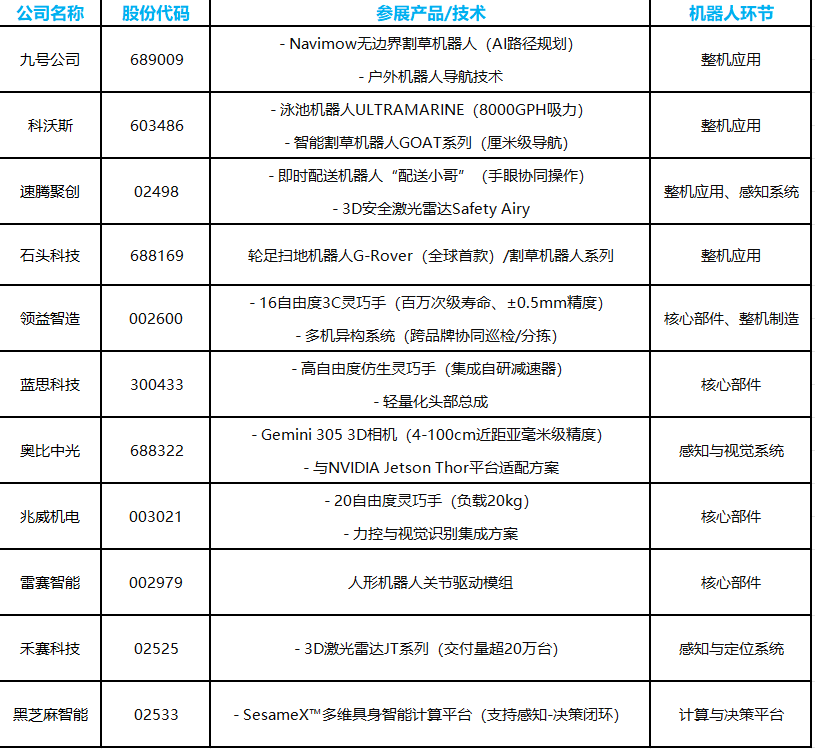
Group 1: CES 2026 Overview - CES 2026, known as the "Spring Festival Gala" of the tech industry, commenced on January 6 in Las Vegas, focusing on "defining the physical boundaries of AI" [1] - The event featured 207 Chinese companies across various cutting-edge fields, including AI, smart wearables, and smart home technologies, showcasing over 120 small and medium-sized tech firms [1] - The technologies presented by leading Chinese companies reflect the country's technological strengths and outline key directions for global industry evolution [1] Group 2: Robotics and AI Technologies - AI and robotics technologies were a major highlight at CES 2026, with global leaders showcasing various robots and core components [2] - NVIDIA's CEO announced that the robotics sector has entered its "ChatGPT moment," introducing world models to enhance robots' understanding of physical properties and spatial relationships [2] - Chinese companies, including Yushu Technology and Fourier, presented a wide range of innovative products, covering industrial applications, daily life, medical assistance, and emergency rescue [2][3] Group 3: Key Exhibitors and Innovations - Notable exhibitors included Ninebot, Ecovacs, and SUTENG, showcasing advanced robotic solutions such as AI path-planning lawn mowers and delivery robots capable of complex tasks [4][5] - Companies like Lingyi Zhi Zao and Zhaowei Electric displayed high-freedom dexterous hands and collaborative systems, indicating significant advancements in robotics [5] - The emergence of a cohesive display of robotics indicates a breakthrough in China's robotics industry, transitioning from fragmented to integrated solutions [5] Group 4: Automotive Innovations - The automotive sector at CES 2026 emphasized the transformation of vehicles into "smart partners" with emotional resonance and autonomous capabilities [6] - NVIDIA introduced the world's first open-source autonomous driving model, aiming to address challenges in extreme weather and construction detours [6] - Chinese automakers, including Great Wall Motors and Geely, showcased innovative models and technologies, highlighting the integration of smart features and collaboration with supply chain partners [6][7] Group 5: Wearable Devices and AI Glasses - Wearable devices, particularly AI glasses, gained significant attention at CES 2026, with over 60% of the showcased products coming from Chinese brands [10][11] - Innovations included independent communication-capable AR glasses and various health monitoring devices, indicating a shift towards mass production and consumer adoption [10][11] - The advancements in display and optical technologies for AI glasses reflect a robust ecosystem supporting the transition from concept to widespread use [12][13] Group 6: Industry Trends and Future Outlook - The CES 2026 event signaled a clear shift in AI's role from mere technology demonstration to deep integration within industry value chains [14] - The trend of AI becoming a physical entity is accelerating, with applications in robotics, smart driving, and wearable devices becoming observable realities [14] - Investors are encouraged to focus on the transition from technology validation to commercial scale, marking a critical window for capturing scene-based opportunities in 2026 [14]


直击 CES 2026 谁将成为超级硬件?
Shen Zhen Shang Bao· 2026-01-08 18:05
Group 1: CES 2026 Overview - The International Consumer Electronics Show (CES 2026) is being held in Las Vegas from January 6 to 9, featuring over 4,100 exhibitors and an expected attendance of over 150,000 [1] - CES serves as a key platform for technology giants to launch products and offers insights into future technology trends and industry opportunities [1] Group 2: Smart Glasses as a Hot Category - Smart glasses are highlighted as a popular category at CES 2026, with multiple AI and AR glasses manufacturers showcasing their latest products [2] - Experts predict that by 2026, smart glasses equipped with holographic displays will become mainstream consumer products [2] - Companies like Thunderbird Innovation, INMO, and XGIMI are presenting new smart glasses, including the eSlM smart glasses and Memo One, which features Micro LED dual display technology [2][3] Group 3: Market Projections for Smart Glasses - IDC forecasts that the smart glasses market will reach a significant turning point in 2026, with global shipments expected to exceed 23.687 million units, and China's market projected to surpass 4.915 million units [3] Group 4: Broader Trends in Smart Hardware - Smart hardware, including smart glasses, robots, chips, PCs, and smart home devices, is receiving considerable attention at CES 2026 [4] - Honor showcased the Robot Phone, which integrates AI capabilities and robotics for enhanced user experience [4] - Lenovo's Tech World event featured discussions on the future of enterprise intelligence, with NVIDIA and AMD leaders sharing insights on AI deployment and collaboration [4]


关注CES展新品催化-重视智能眼镜和困境反转机会
2026-01-08 16:02
Summary of Conference Call Records Industry Overview - **Home Appliances**: The adjustment of subsidy policies for home appliances is expected to impact sales strategies and profit expectations for related companies. The overall subsidy ratio is set at 15%, with a cap reduced to 1,500 yuan, aligning with market expectations [1][2] - **Air Conditioning**: The air conditioning industry has seen collective price increases at the beginning of the year, with companies like Midea and Haier raising prices by 5%-10%. Gree has temporarily committed to not raising prices. Companies are adopting technologies like aluminum substitution for copper to manage cost pressures [1][3] - **AI Glasses**: Companies such as TCL Electronics, Hisense, and XGIMI launched new AI glasses at CES, expected to enter the market in Q2, potentially creating new revenue streams. The AI glasses market is projected to grow significantly, with shipments expected to double from 10 million units in 2025 to 20 million in 2026 [1][5][6] Key Company Insights - **Midea**: Acquired the international business of Reiko Medical to expand its medical segment. Midea's revenue growth for Q4 is expected to be between 0-5% [1][4] - **Haier**: Achieved growth through overseas acquisitions, with Q4 revenue growth also projected at 0-5% [1][4] - **Ninebot**: Launched new national standard models and an electric motorcycle strategy, aiming to capture a significant share of the global motorcycle market. Expected sales growth for 2026 is 40%-50%, despite a potential short-term revenue decline of 10%-15% due to inventory clearance [1][9][10] Market Dynamics - **Two-Wheeler Industry**: The industry is facing challenges due to the transition to new national standards, but market education is helping acceptance. Ninebot is positioned as a strong competitor with advanced battery technology and plans for significant store expansion [1][8][9] - **Robotics**: Companies like Roborock and Ecovacs are highlighted for their innovative products. Roborock's revenue is expected to grow by 35% in Q4, while Ecovacs is expanding its product lineup [1][11] Investment Opportunities - **Tool Industry**: Companies like Juxing and Quanfeng are seen as having strong investment potential due to expected recovery in the U.S. housing market, which will drive tool demand. Juxing's revenue growth is projected at 20%-30%, while Quanfeng is expected to return to double-digit growth [1][12] Additional Insights - **Copper Price Impact**: The air conditioning sector is particularly sensitive to copper price fluctuations, which have led to price increases across major manufacturers [1][3] - **AI Glasses Supply Chain**: Upstream suppliers like Guangfeng Technology and Biying Co. are expected to benefit from the growth in the AI glasses market [1][6][7]
轻量化“内卷”与eSIM加持下,智能眼镜迎来新纪元?
Guo Ji Jin Rong Bao· 2026-01-08 13:24
Core Insights - The smart glasses industry is expected to transition from a niche market to a mainstream one by 2025, with significant growth in market size and product penetration [1] - Global smart glasses sales are projected to surge by 350.82% year-on-year to 13.448 million units in 2025, with the Chinese market seeing a 159.76% increase to 3.286 million units [2] - The introduction of eSIM technology is anticipated to enhance the functionality of smart glasses, allowing them to operate independently from smartphones [7][8] Market Trends - The CES 2026 showcased smart glasses as a focal point, with 38 exhibition booths dedicated to this category, highlighting the growing interest and competition in the market [4] - Lightweight design has become a core competitive factor, with several companies unveiling ultra-light models, such as Rokid's 38.5g AI glasses and MoJie's 25g AR glasses [5][6] - The integration of eSIM technology is seen as a pivotal development, enabling smart glasses to function as independent communication devices, similar to smartwatches [8] Industry Challenges - The smart glasses industry faces challenges in achieving product differentiation, maintaining lightweight designs, and effectively utilizing AI technology to establish themselves as independent smart devices [3][10] - The competition is expected to shift from a chaotic phase to a more structured one, focusing on quality, technology, and ecosystem capabilities [9] - Key challenges include balancing power consumption, size, and functionality, as well as establishing a robust application ecosystem that creates indispensable use cases for smart glasses [10]
极米科技跌0.84% 申万宏源研究在其历史高位2度喊买
Zhong Guo Jing Ji Wang· 2026-01-08 09:35
Core Viewpoint - The stock price of XGIMI Technology (688696.SH) closed at 108.00 yuan, with a decline of 0.84% [1] Group 1: Stock Performance - XGIMI Technology reached its highest stock price of 883.78 yuan on June 28, 2021 [1] - The company has experienced a significant stock price fluctuation since its peak [1] Group 2: Analyst Ratings - Xu Ruixiao, an analyst from Shanghai Shenwan Hongyuan Securities, maintained a "Buy" rating for XGIMI Technology in a report dated June 28, 2021, highlighting a projected year-on-year growth of 94% for H1 2021 driven by self-developed optical engines and product price increases [1] - Another report by Xu Ruixiao and Zhou Yuxi on June 22, 2021, also maintained a "Buy" rating, noting that XGIMI led the industry in online data during the "618" shopping festival, with positive trends in both domestic and overseas channels [1] Group 3: Dividend Distribution - On May 20, 2022, XGIMI announced a cash dividend of 3 yuan per share (before tax) based on a total share capital of 50,000,000 shares, amounting to a total cash distribution of 150,000,000 yuan [1] - The company also announced a capital reserve conversion of 0.4 shares for every share held, resulting in a total increase of 20,000,000 shares, bringing the total share capital to 70,000,000 shares after the distribution [1] - The record date for the dividend distribution was set for May 25, 2022, with the ex-dividend date on May 26, 2022 [1]