乐鑫科技

Search documents
半导体行业双周报(2026、02、13-2026、02、26):英伟达超预期财报彰显AI高景气-20260227
Dongguan Securities· 2026-02-27 07:59
2026 年 2 月 27 日 刘梦麟 SAC 执业证书编号: S0340521070002 电话:0769-22110619 邮箱: liumenglin@dgzq.com.cn 报 陈伟光 S0340520060001 电话:0769-22119430 邮箱: chenweiguang@dgzq.com.cn 资料来源:东莞证券研究所,iFind 究 超配(维持) 半导体行业双周报(2026/02/13-2026/02/26) 英伟达超预期财报彰显 AI 高景气 行 业 周 投资要点: 本报告的风险等级为中高风险。 本报告的信息均来自已公开信息,关于信息的准确性与完整性,建议投资者谨慎判断,据此入市,风险自担。 请务必阅读末页声明。 半导体行业 半导体行业指数近两周涨跌幅:截至2026年2月26日,申万半导体行业指 数近两周(2026/02/13-2026/02/26)累计上涨2.86%,跑赢沪深300指 数2.71个百分点;2026年以来申万半导体行业指数累计上涨17.18%,跑 赢沪深300指数15.09个百分点。 SAC 执业证书编号: 行业新闻与公司动态:(1)机构:涨价效应带动2025年第四季度 ...


乐鑫科技:2025年净利润4.98亿元 同比增长46.72%
Mei Ri Jing Ji Xin Wen· 2026-02-27 07:57
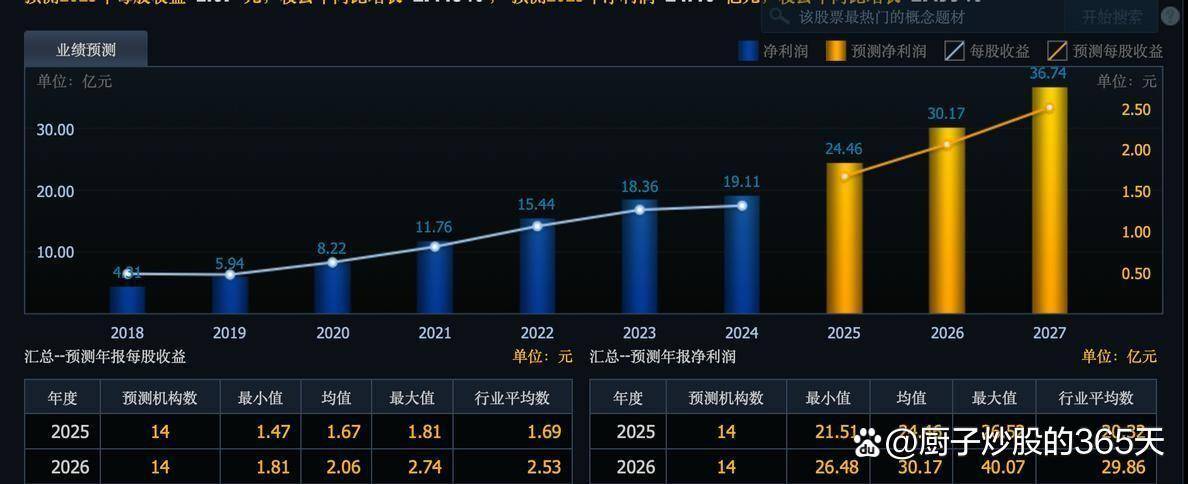
每经AI快讯,2月27日,乐鑫科技发布业绩快报,2025年实现营业总收入25.65亿元,同比增长27.82%; 归母净利润4.98亿元,同比增长46.72%;基本每股收益3.152元。 (文章来源:每日经济新闻) ...


乐鑫科技:2025年营收25.65亿元,净利润同比增46.72%
Xin Lang Cai Jing· 2026-02-27 07:43
乐鑫科技公告称,2025年度公司实现营业收入256,527.54万元,同比增加27.82%;归属于母公司所有者 的净利润49,784.01万元,同比增加46.72%。营业利润、利润总额同比分别增加51.83%、52.47%。业绩 增长源于新增客户导入、既有客户项目放量与复购。研发费用同比增长约23.07%,经营活动现金流量 净额同比增加30,214.95万元。此外,因发行股票等,归属于母公司的所有者权益同比增107.38%。数据 为初步核算,以年报为准。 ...
乐鑫科技:2025年净利润4.98亿元,同比增长46.72%
Xin Lang Cai Jing· 2026-02-27 07:43
乐鑫科技公告,2025年度实现营业收入25.65亿元,同比增长27.82%;营业利润5.07亿元,同比增长 51.83%;利润总额5.08亿元,同比增长52.47%;净利润4.98亿元,同比增长46.72%;扣除非经常性损益 后净利润4.55亿元,同比增长47.62%。 ...
乐鑫科技股价涨5.62%,嘉实基金旗下1只基金位居十大流通股东,持有213.4万股浮盈赚取1935.56万元
Xin Lang Cai Jing· 2026-02-25 06:37
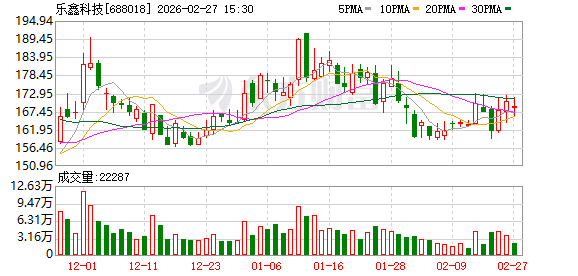
Group 1 - The core point of the news is that Lexin Technology's stock price increased by 5.62% to 170.56 CNY per share, with a trading volume of 560 million CNY and a turnover rate of 2.17%, resulting in a total market capitalization of 28.508 billion CNY [1] - Lexin Technology, established on April 29, 2008, and listed on July 22, 2019, is primarily engaged in the research, design, and sales of integrated circuit products [1] - The main revenue composition of Lexin Technology includes modules and development kits at 60.47%, chips at 38.89%, and others at 0.64% [1] Group 2 - Among the top circulating shareholders of Lexin Technology, a fund under Harvest Fund Management holds a significant position, having reduced its holdings by 100,100 shares to 2.134 million shares, representing 1.36% of the circulating shares [2] - The Harvest SSE STAR Chip ETF (588200), established on September 30, 2022, has a latest scale of 39.658 billion CNY, with a year-to-date return of 13.84% and a one-year return of 59.66% [2] - The fund manager, Tian Guangyuan, has a tenure of 4 years and 355 days, with the fund's total asset size at 79.133 billion CNY, achieving a best return of 168.19% and a worst return of -46.65% during his tenure [2]
AI人工智能ETF(512930)盘中成交1.34亿,半导体产业链全线爆发
Xin Lang Cai Jing· 2026-02-25 06:33
数据显示,截至2026年1月30日,中证人工智能主题指数(930713)前十大权重股分别为中际旭创、新易 盛、寒武纪、澜起科技、科大讯飞、中科曙光、海康威视、豪威集团、芯原股份、金山办公,前十大权 重股合计占比57.27%。 AI人工智能ETF(512930),场外联接(平安中证人工智能主题ETF发起式联接A:023384;平安中证人工 智能主题ETF发起式联接C:023385;平安中证人工智能主题ETF发起式联接E:024610)。 风险提示:基金有风险,投资需谨慎。基金管理人承诺以诚实信用、勤勉尽责的原则管理和运用基金资 产,但不保证本基金一定盈利,也不保证最低收益。基金管理人提醒投资人基金投资的"买者自负"原 则,在做出投资决策后,基金运营状况与基金净值变化引致的投资风险,由投资人自行负担。基金的过 往业绩及其净值高低并不预示其未来业绩表现,基金管理人管理的其他基金的业绩不构成对本基金业绩 表现的保证。投资人购买基金,既可能按其持有份额分享基金投资所产生的收益,也可能承担基金投资 所带来的损失。投资人应当认真阅读《基金合同》《招募说明书》等基金法律文件,全面认识本基金的 风险收益特征和产品特性,并根据自 ...
东吴证券:应用迭代驱动终端重构 见证端侧SoC芯片的价值重估与位阶提升
智通财经网· 2026-02-24 02:25
AI应用的落地离不开端侧硬件支撑,其快速发展也持续抬升端侧硬件需求,豆包手机形态、Openclaw 带火的Mac Mini均是端侧AI终端落地的标志性案例。AI应用对端侧硬件算力与效率提出明确要求,推 动传统手机、PC芯片加速向高端化升级,也推动相关芯片在制程工艺与架构设计上持续革新。PC和手 机作为核心用户入口,是大模型从算力中心走向物理世界、触达C端与B端用户的第一入口,也是端侧 AI最大的落地载体;该赛道亦吸引各大云厂商跨界布局,新兴力量的突围进一步重塑市场竞争格局。 抓住端侧入口的大厂,以及积极适配新型AI应用、重新定义PC和手机芯片产品的公司将在AI竞争中占 据优势。行业巨头虽坐拥深厚的端侧芯片技术壁垒,可满足低功耗与高端算力的核心要求,但仍需与时 俱进,以软件模型驱动硬件产品创新,方能持续稳固行业领先地位。 车载场景是端侧AI落地的最佳实践场景,车载芯片的迭代升级与国产生态构建将迎来重要发展机遇 智通财经APP获悉,东吴证券发布研报称,互联网与云算力大厂加速布局端云协同硬件生态、筑牢AI转 型硬件底座,云算力企业与互联网大厂均在持续加大端侧布局力度,通过搭建端云协同的闭环硬件生态 体系,夯实自身向 ...

应用迭代驱动终端重构,见证端侧SoC芯片的价值重估与位阶提升
Zhong Guo Neng Yuan Wang· 2026-02-24 01:40
东吴证券近日发布2026年端侧AI产业深度:互联网与云算力大厂加速布局端云协同硬件生态、筑牢AI 转型硬件底座,云算力企业与互联网大厂均在持续加大端侧布局力度,通过搭建端云协同的闭环硬件生 态体系,夯实自身向AI全面转型的底层硬件支撑。 IoT市场是当前规模最大的蓝海市场,也是国产替代的核心机遇所在。IoT覆盖穿戴、家居、工业等多元 场景,不仅对硬件技术能力提出要求,更需要适配具体场景与终端的定制化解决方案和软件生态。国产 芯片依托国内丰富的终端消费电子产业基础,拥有广阔的合作开发空间。其中,AI眼镜仍是当下尚未 被证伪的优质端侧场景,无论是作为手机的衍生产品,还是探索替代手机的产业方向,均在持续寻求最 优解决方案。具身智能有望实现与IoT、智能驾驶领域的技术能力平滑迁移,其适配场景的需求逐步清 晰,这些尚未完全定型的终端AI新场景,均为国产IoT芯片带来重要发展机遇。 端侧存储芯片:兆易创新等 以下为研究报告摘要: 投资要点 AI应用迭代驱动端侧硬件需求持续攀升,端侧高算力升级推动传统手机和PC端侧存量市场格局重塑, 行业巨头需依托AI软件需求驱动硬件创新以巩固地位。AI应用的落地离不开端侧硬件支撑,其快速 ...
2026年端侧AI产业深度:应用迭代驱动终端重构,见证端侧SoC芯片的价值重估与位阶提升
Soochow Securities· 2026-02-24 00:45
Investment Rating - The report maintains a rating of "Buy" for the electronic industry, indicating a positive outlook for investment opportunities in this sector [1]. Core Insights - The IoT market is identified as the largest blue ocean market, presenting significant opportunities for domestic substitution, particularly in customized solutions and software ecosystems [2]. - The report emphasizes the importance of hardware supply chain enterprises in the AI transformation, as major internet and cloud computing companies accelerate their hardware ecosystem development [2]. - The evolution of edge AI is seen as a critical trend, with the need for high-performance edge hardware driving innovation in traditional mobile and PC markets [5][6]. - The automotive sector is highlighted as a prime application area for edge AI, with significant opportunities arising from the upgrade of in-vehicle chips and the construction of domestic ecosystems [5]. Summary by Sections 1. Edge AI and Domestic Supply Chain Opportunities - The transition of edge AI from concept to a well-defined industry path marks a strategic shift towards physical world applications, driven by privacy, security, and latency considerations [15]. - The deep restructuring of edge hardware provides a systemic elevation opportunity for domestic supply chains, particularly in new terminal markets like AI glasses and embodied intelligent robots [16]. 2. AI Empowering Mobile and PC Market Innovations - The demand for high-end smartphones is increasing due to the rapid adoption of AI technology, with projections indicating that by 2028, 54% of smartphones will feature edge AI capabilities [18]. - The average selling price (ASP) of smartphones is expected to rise, with a notable increase in the proportion of high-end models, driven by the demand for AI functionalities [21][19]. - The report notes that the semiconductor industry is experiencing a shift towards higher-end chip manufacturing processes, with TSMC's 2nm technology expected to enhance performance and efficiency significantly [23][24]. 3. Automotive Electronics and Edge AI Growth - The automotive sector is positioned as a second growth engine for edge AI, with in-vehicle chips evolving to meet the demands of intelligent driving and user interaction [5]. - The report discusses the competitive landscape of automotive chips, highlighting the rapid advancements in domestic chip manufacturers and their collaboration with new energy vehicle companies [5]. 4. Internet Giants Building Edge-Cloud Collaborative Ecosystems - Major internet companies are establishing comprehensive strategies that integrate cloud, AI, and chip development to strengthen their hardware foundations for AI transformation [10]. - The report outlines the strategic moves of companies like Alibaba, ByteDance, and Tencent in creating a cohesive hardware ecosystem that supports AI applications across various sectors [10].
突发利好,24家公司受益股名单出炉!其中一家被社保独宠
Sou Hu Cai Jing· 2026-02-19 06:07
Core Insights - The 2026 Spring Festival Gala marked a significant shift with AI becoming the main attraction, integrating deeply into the event in unprecedented ways [1][11] Group 1: AI Application and Engagement - The core of this AI-driven event was the "Doubao" application from ByteDance, which played a crucial role as the exclusive AI cloud partner, contributing to both technical support and interactive segments [3][4] - "Doubao" launched a large-scale "Doubao New Year" campaign a week before the gala, featuring exciting lottery activities with over 100,000 high-tech prizes, including robots and electric vehicles, to engage the audience [3][4] Group 2: Technical Infrastructure - Behind the scenes, ByteDance's video generation model Seedance 2.0 was responsible for creating customized visual experiences for several performances, enhancing the overall viewer experience [6] - The AI server supply chain was led by Inspur Information, which provided high-performance servers equipped with NVIDIA H800 GPUs, crucial for supporting "Doubao" and the gala's high concurrency interactions [7] Group 3: Data and Content Supply - Hai Tian Rui Sheng, a leader in AI training data, supplied high-quality multimodal training data for "Doubao," while Visual China provided essential image and video content [9] - The marketing aspect was significantly supported by BlueFocus, which integrated "Doubao" into its marketing platform, facilitating AI-driven promotional activities for the gala [9] Group 4: Hardware and Software Collaboration - Zhongke Chuangda was designated as the sole system-level software partner for "Doubao," focusing on optimizing the AI's performance on various devices [8] - ZTE collaborated with "Doubao" to develop AI smartphones, while other companies provided essential components for AI-enabled devices, ensuring seamless integration of AI technology into consumer products [8]