
Constellation Energy

Search documents
核电概念走势分化,Talen Energy跌超10%,Vistra Energy跌超8%
Mei Ri Jing Ji Xin Wen· 2026-01-16 14:57
Group 1 - The nuclear power sector showed mixed performance on January 16, with Talen Energy declining over 10%, Vistra Energy falling more than 8%, and Constellation Energy dropping over 6% [1] - In contrast, GE Vernova experienced an increase of nearly 5%, while Eaton rose by approximately 3% [1]
Nuclear Energy Stocks Rise on Increasing Clean Power Demand
ZACKS· 2026-01-15 16:56
Industry Overview - Nuclear energy is increasingly recognized as a crucial solution for the growing demand for clean electricity, providing reliable, carbon-free generation compared to intermittent sources like solar and wind [2][5] - The sector is experiencing a revival, highlighted by the restart of a previously closed U.S. nuclear facility, which reflects rising investor interest in nuclear energy stocks [2][3] Regulatory and Technological Developments - Updated regulations and advancements in research and development are promoting the growth of microreactors and small modular reactors, creating new opportunities in the nuclear energy sector [3] - Government initiatives to enhance domestic uranium supply are further supporting the industry's momentum [3] Company Initiatives - Meta Platforms (META) has secured long-term nuclear power agreements with Vistra Corp. (VST), TerraPower, and Oklo Inc. (OKLO) to obtain up to 6.6 gigawatts of nuclear capacity by 2035, alongside a previous agreement for 1.12 GW with Constellation Energy [4] - NextEra Energy (NEE) operates several nuclear generation units, which are integral to its clean energy strategy, providing steady, carbon-free baseload power that complements its wind and solar portfolio [8][9] Investment Opportunities - Nuclear energy-related stocks, such as NextEra Energy, Vistra, and Oklo, are becoming attractive investment options due to their ability to provide consistent energy output [5][7] - Other stocks like Ameren Corporation (AEE) and BHP Group Limited (BHP) are also highlighted as potential stable returns in the nuclear energy space [7] Operational Performance - NextEra Energy's ongoing investments in the modernization of its nuclear facilities ensure high operational performance, safety, and regulatory compliance, with low operating costs and protection from fossil fuel price fluctuations [9] - Vistra Corp. has expanded its nuclear capacity through the acquisition of Energy Harbor and has secured long-term power purchase agreements, including a significant deal with Meta [11][12] Small Modular Reactors - Oklo Inc. is focusing on small-scale nuclear reactors to meet the energy demands of industries like data centers, utilizing established technology to minimize technical risks [13] - Oklo has signed a long-term power supply agreement with Meta to provide nearly 1.2 gigawatts for its data centers, showcasing the demand for innovative nuclear solutions [14]


Is the Vanguard Utilities ETF the Smartest Income Play You Can Make Right Now?
Yahoo Finance· 2026-01-14 16:55
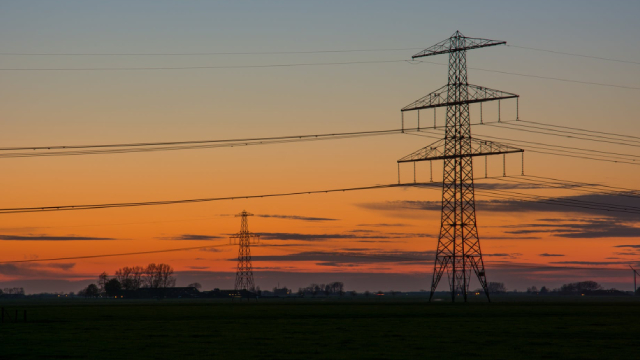
Core Insights - The utilities sector is not typically seen as a growth stock haven, yet it remains attractive for investors seeking high dividends and low volatility [1] - The Vanguard Utilities ETF gained 16.5% last year, ranking as the fourth-best sector in the S&P 500, closely trailing the Vanguard S&P 500 ETF's 17.8% increase [2] - The Vanguard Utilities ETF offers a 30-day SEC yield of 2.73%, more than double that of the S&P 500 counterpart, highlighting its appeal for income-focused investors [3] Sector Performance - The utilities sector can generate solid returns, as evidenced by the Vanguard Utilities ETF's performance [2] - The ETF's strong showing is complemented by its attractive dividend yields compared to other sectors [3] AI Influence - The utilities sector is experiencing a growth refresh due to the artificial intelligence boom, with increased power demands from data centers [5] - Goldman Sachs projects a 2.5% compound annual growth rate (CAGR) in U.S. power consumption from 2023 to 2030, largely driven by data centers [6] Strategic Partnerships - Constellation Energy, a major holding in the ETF, has secured long-term power purchase agreements with Meta Platforms and Microsoft, indicating the sector's alignment with AI-driven growth [7] - Talen Energy has also established a 20-year power purchase agreement with Amazon for an AWS data center, further showcasing the sector's relevance in the AI landscape [7] Investment Considerations - While not the highest-yielding fund, the Vanguard Utilities ETF is considered a smart investment for certain investors, particularly in the context of potential interest rate cuts [8]
AI尽头是电力! 核电资产迎来狂飙时刻 Meta(META.US)锁定创纪录的6.6GW核电
Zhi Tong Cai Jing· 2026-01-09 14:05
Core Insights - Meta Platforms has announced three significant agreements to secure up to 6.6 gigawatts (GW) of nuclear power supply for its AI data centers by 2035, marking one of the most ambitious collaborations between a major tech company and nuclear suppliers in the U.S. [1] - The increasing demand for electricity, particularly from nuclear sources, is highlighted as essential for the expansion of AI data centers, emphasizing the investment theme that "the end of AI is electricity" [1][6] Group 1: Agreements and Collaborations - Meta has reached a deal with Vistra to purchase electricity from three existing nuclear power plants in Ohio and Pennsylvania, totaling over 2,600 megawatts (MW) of nuclear energy [2][3] - The agreements include support for new small modular reactor (SMR) projects by Oklo and TerraPower, with Meta committing to significant investments to enhance the certainty of these projects [2][4] - The 20-year power purchase agreement with Vistra will provide Meta with a substantial nuclear power supply, contributing to the largest corporate-supported nuclear capacity expansion project in the U.S. [3] Group 2: Market Implications and Trends - The demand for electricity driven by AI data centers is projected to increase dramatically, with Goldman Sachs predicting a 175% rise in electricity consumption by 2030 due to AI [7] - The International Energy Agency (IEA) forecasts that global data center electricity demand will more than double by 2030, with AI applications being the primary driver of this growth [8] - The shift towards nuclear energy is becoming increasingly favorable among tech giants like Amazon, Google, and Microsoft, as they seek stable and clean energy sources for their data centers [8] Group 3: Political and Economic Context - The U.S. government's attitude towards nuclear reactors has shifted positively, particularly with recent administrative actions aimed at revitalizing the nuclear energy sector [9] - The stock prices of companies related to nuclear energy, such as Oklo, have surged in response to these developments and the growing interest in nuclear power as a clean energy source [9]

别被华尔街“轮动牛市”噪音带偏 Mag7“领涨神话”仍是美股主线
智通财经网· 2025-12-26 09:01
Core Viewpoint - Wall Street analysts predict that 2026 will be characterized as a "rotation bull market," with institutional investors believing that the current rotation will not last long, and that the "Magnificent Seven" tech giants will significantly outperform other sectors, leading the S&P 500 and Nasdaq 100 to new highs [1][2]. Group 1: Market Trends and Predictions - The S&P 500 index is expected to close 2025 at a historical high, paving the way for further gains in 2026 [1]. - The market leadership has shifted from AI-related tech and growth stocks to undervalued sectors such as value, healthcare, and materials [1]. - The S&P 500 index has seen a cumulative increase of approximately $30 trillion over the past three years, largely driven by major tech giants and companies investing in AI infrastructure [3]. Group 2: The Magnificent Seven - The "Magnificent Seven" (Mag 7) includes Apple, Microsoft, Google, Tesla, Nvidia, Amazon, and Meta Platforms, which collectively account for about 35% of the S&P 500 and are viewed as key drivers of market performance [4]. - Analysts expect the Mag 7 to achieve a profit growth of approximately 22.7% in 2026, compared to 12.5% for the remaining 493 companies in the S&P 500 [15]. Group 3: AI Infrastructure and Investment Themes - AI infrastructure and the Mag 7 theme remain central to market dynamics, with companies driving long-term value expansion [3]. - The ongoing AI investment narrative is expected to continue as a strong theme throughout 2026, despite some market rotation towards other sectors [2][9]. - The market is currently experiencing a capital reallocation, shifting focus from growth to value and from tech to non-tech sectors [6]. Group 4: Economic Indicators and Market Sentiment - The S&P 500's overall profit estimates have been revised upward, with analysts not anticipating significant risks of a downturn due to a dovish Federal Reserve outlook [14]. - The potential for a "melt-up" phase exists, which could lead to a larger market peak, supported by strong earnings from the Mag 7 [15]. - The current market environment is not seen as an extreme bubble compared to the internet bubble of the early 2000s, with tech valuations being more reasonable [17][18].
从光伏、核电到煤炭“全线起飞”,美股“AI供电”主题能持续多久?
Hua Er Jie Jian Wen· 2025-12-26 00:12
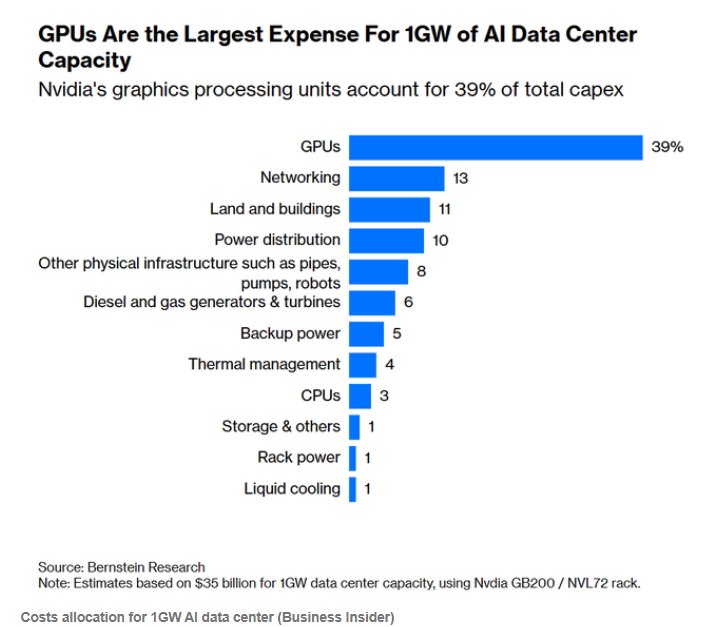
Core Viewpoint - The surge in the U.S. power sector this year, driven by electricity supply shortages due to artificial intelligence data centers, has led to significant stock price increases across various segments, but with valuations now reflecting most optimistic expectations, investors are expected to focus on companies' actual execution capabilities in the coming year [1] Group 1: Overall Market Performance - The U.S. power sector has experienced a rare comprehensive increase this year, with significant gains across clean energy, coal, mature technologies, and speculative projects, primarily driven by supply shortages from AI data centers [1] - The renewable energy ETF in the U.S. has seen annual gains of 50%-60%, while nuclear and natural gas equipment manufacturers' stock prices have doubled, and fuel cell companies' stock prices have surged threefold [2] Group 2: Specific Sector Gains - Uranium miner Cameco has risen approximately 80%, while nuclear operator Constellation Energy has increased by about 60%, and speculative small modular reactor stocks like Oklo have more than doubled [2] - Equipment manufacturers have also performed strongly, with GE Vernova's stock price doubling, and Caterpillar and Cummins seeing increases of about 60% and 50%, respectively [2] - Coal stocks, including Peabody Energy, have risen about 50%, with the U.S. Energy Information Administration estimating a 9% increase in coal consumption this year compared to 2024 due to rising electricity demand [2] Group 3: Renewable Energy Recovery - The renewable energy sector started the year weakly due to subsidy cuts from the "Inflation Reduction Act," but began to recover in the summer as tax credit reductions and eligibility rules became clearer, leading to a "catch-up trade" driven by investor interest in AI-related electricity demand [3] Group 4: Valuation Concerns - Most power sector valuations have reached historical highs, indicating that further positive news is needed to drive stock prices higher, while negative news could lead to declines [7] - Companies directly associated with AI electricity demand, such as Constellation Energy, GE Vernova, and Cameco, have forward P/E ratios exceeding 30 times [7] - Fuel cell manufacturer Bloom Energy has a forward P/E ratio of 90 times, making it one of the most expensive in the energy sector [8] Group 5: Potential Risks and Supply Constraints - The supply shortage that has benefited energy stocks this year may turn into a disadvantage in the future, as engineering, procurement, and construction contractors face shortages due to commitments to data center and natural gas projects [10] - Companies with little to no revenue, such as small modular reactor startups Oklo and NuScale Power, are at higher risk of price corrections [9]

从特朗普跨界到中国超导突破,全球核聚变商业化竞赛全面升温
Hua Er Jie Jian Wen· 2025-12-23 12:32
Core Insights - The commercialization of controlled nuclear fusion technology is accelerating due to surging energy demand and advancements in artificial intelligence computing power [1][3] - A significant merger involving Trump Media & Technology Group and TAE Technologies, valued at $6 billion, highlights the increasing investment interest in the nuclear fusion sector [1][3] - TAE Technologies, backed by major investors like Google and Goldman Sachs, plans to build its first commercial-scale fusion power plant by 2026 [3][4] Investment Landscape - The nuclear fusion investment landscape is heating up, with major players like Helion Energy and Commonwealth Fusion Systems (CFS) making strides in the U.S. [4][6] - Helion Energy has begun construction on its first commercial fusion power plant and has secured a power purchase agreement with Microsoft for electricity starting in 2028 [4][6] - CFS has raised approximately $3 billion and is collaborating with MIT to develop high-temperature superconducting magnets for its SPARC device [4][6] Technological Advancements - Chinese companies are rapidly advancing in nuclear fusion technology, holding the most patents globally and achieving significant milestones [6][7] - The Energy Singularity team in Shanghai has set a new record with a magnet strength of 21.7T, surpassing previous records held by MIT and CFS [6][7] - Other Chinese startups, like Hanhai Fusion and Xinghuan Fusion, are also making progress in fusion technology, with some exploring commercial applications in related fields [6][7] Challenges and Market Dynamics - Despite technological breakthroughs, nuclear fusion still faces challenges in achieving grid-level commercial application, with current operational times limited to seconds [7] - The funding landscape shows a stark contrast, with the U.S. investing approximately $5 billion in the last five years compared to China's $500 million, highlighting the scale of investment in the sector [7] - The long-term nature of nuclear fusion investments requires patience from investors, with timelines potentially extending 8 to 10 years [7]
史上最赚的一笔PE投资--来自8年前一笔无人看好的“抄底”
Hua Er Jie Jian Wen· 2025-12-23 00:24
Core Insights - Energy Capital Partners (ECP) is set to achieve significant returns from its 2017 acquisition of Calpine, with total earnings exceeding $25 billion, surpassing the previous record set by Blackstone's Hilton project at $14 billion [1] - The upcoming sale of Calpine to Constellation Energy is expected to be completed next month, with approximately $18 billion of the payment in Constellation stock, which has risen nearly 50% since the announcement [1] Group 1: Investment Strategy - ECP's acquisition of Calpine was initially viewed as controversial due to an oversupply of natural gas and the rapid growth of renewable energy, leading to a pessimistic outlook on gas-fired power plants [2] - ECP identified Calpine as an undervalued asset capable of generating substantial cash flow and believed that natural gas would play a critical role in providing reliable power during the energy transition, which they estimate will take 30 to 40 years [2] Group 2: Market Dynamics - The unexpected surge in electricity demand was driven by factors such as manufacturing reshore, the growth of electric vehicles, cryptocurrency mining, and the subsequent AI boom, which significantly increased power requirements [3] - The launch of ChatGPT by OpenAI in November 2022 sparked an AI investment frenzy, leading to a spike in valuations for publicly traded power suppliers, providing Constellation with the necessary "currency" for the acquisition [3] Group 3: Operational Improvements - Following the acquisition in 2018, Calpine initiated several growth initiatives, including new battery storage projects and expansion of geothermal capacity, which doubled the company's profits and reduced debt levels during ECP's ownership [4] - Calpine distributed approximately $8.5 billion in cash to investors while under ECP's management, reflecting the successful operational enhancements made during this period [4]
核电要点 - 全球反应堆追踪(12 月版):2026 年核心主题聚焦-Nuclear Nuggets_ Global reactor tracker - December edition; 2026 Key Themes in Focus
2025-12-15 01:55
Summary of Key Points from the Nuclear Industry Conference Call Industry Overview - The conference call focuses on the nuclear industry, particularly the outlook for 2026 and beyond, including supply and demand forecasts, pricing, and investor positioning in nuclear equities [1][2]. Core Themes and Insights 1. **US Government Investment in Nuclear** - The US government has partnered with Cameco (CCJ), Westinghouse, and Brookfield, committing over $80 billion to support new large-scale nuclear projects [2][3]. - This investment aims to jumpstart supply chains and mitigate costs for initial projects, addressing concerns from utilities about previous project overruns, such as the Vogtle project, which exceeded its budget by approximately $17 billion [3]. 2. **Future Nuclear Projects and Technology** - The announcement of new nuclear Final Investment Decisions (FIDs) is expected to correlate with available capital and the risk profile of developers. Larger projects, particularly AP1000 technology, are favored over Small Modular Reactors (SMRs) due to established data and government backing [4][6]. - The first large nuclear reactor FID in the US could be announced as early as the first half of 2026 [6]. 3. **Uranium Pricing Outlook** - Uranium prices are projected to rise, with long-term prices increasing from $80/lb to $86/lb since August 2025, driven by renewed nuclear power demand and contracting activity [9][41]. - Spot prices are expected to reach approximately $91/lb by the end of 2026, up from around $76/lb currently [9]. 4. **Nuclear Fuel Supply Chain Developments** - Urenco plans to add 700,000 SWU/year capacity at its New Mexico facility by 2025, and Orano is investing $1.8 billion to increase enrichment capacity by 2.5 million SWU by 2028 [10]. - Updates on uranium refining and conversion capacity expansions are anticipated in 2026 [10]. 5. **Policy and Regulatory Issues** - A final ruling on a Section 232 investigation into uranium imports is pending, which could impact uranium pricing depending on the outcome [11]. - Historical context includes a previous investigation in 2019 that did not result in restrictions but highlighted national security concerns regarding the nuclear fuel supply chain [13]. 6. **Catalysts for SMR Companies** - 2026 is expected to see an acceleration of catalysts for SMR companies, including customer contracts and progress on the DOE's reactor pilot programs targeting criticality for at least three SMR projects by July 2026 [14]. - The European Commission's Strategic Action Plan for SMRs is also anticipated in early 2026 [14]. 7. **Uranium Supply Updates** - Key updates include a public hearing on NexGen's Rook 1 project, which could significantly impact uranium supply in the 2030s [15]. - Kazatomprom has revised its 2026 production guidance down by approximately 10% [16]. Additional Insights - The cumulative uranium deficit is projected to reach 1,914 million lbs between 2025-2045, indicating a structural supply-demand imbalance [24]. - The nuclear sector has seen significant equity performance, with Goldman Sachs' nuclear coverage outperforming the S&P 500 by 124% year-to-date [45]. - Investor interest has shifted towards upstream uranium producers like CCJ and UEC, with expectations of continued upward pressure on uranium prices due to increasing demand from new reactor builds [52]. Conclusion - The nuclear industry is poised for significant growth driven by government investments, rising uranium prices, and a focus on large-scale reactor construction. The landscape for SMRs and uranium supply chains will be critical to monitor as developments unfold in 2026 and beyond [1][50].



Jim Cramer on NRG: “I Think It’s a Very Well-Run Company”
Yahoo Finance· 2025-12-13 15:34
Core Insights - NRG Energy, Inc. (NYSE:NRG) is gaining attention due to its strong performance, particularly in the context of rising electricity demand driven by AI data centers [1] - The company has seen a significant stock increase of 78%, making it the second-best performer among S&P 500 stocks [1] - NRG Energy is recognized for its nuclear component and is considered a well-run company by notable market commentators [1] Company Overview - NRG Energy produces and sells electricity from various sources and offers energy management, home services, and smart home solutions [1] - The company is based in Houston and is categorized as a power generation utility [1] - NRG is noted to be only partially an independent power producer, indicating a diversified operational model [1] Market Context - The performance of NRG Energy aligns with a broader trend where power generation utilities have been significant winners in the market, similar to other companies like Constellation Energy and Vistra [1] - The current market environment, particularly the demand for electricity, is heavily influenced by the growth of AI technologies [1]
