Naver

Search documents
Coinbase reportedly set to meet South Korean exchange chiefs amid takeover talk
Yahoo Finance· 2026-01-25 11:33
Coinbase has refused to comment on reports it is planning to meet the South Korean crypto exchange Coinone in the week ahead, amid reports Coinone’s biggest shareholder is looking to sell up. Unnamed crypto industry officials told the South Korean newspaper Seoul Kyungjae that Coinbase officials are set to visit South Korea in the week ahead, with talk of a possible “equity investment” mooted. The US crypto exchange giant is set to “hold meetings with major domestic companies, including Coinone,” the sour ...

This ETF Almost Doubled Last Year and It's Nearly Twice as Cheap as the S&P 500. Is It a Buy?
The Motley Fool· 2026-01-24 04:55
Group 1: Market Performance - South Korean stocks have experienced significant growth, with the iShares MSCI South Korea ETF (EWY) up 19.3% year-to-date as of January 23, 2026, and having jumped 92% in the previous year [3][10] - The overall stock market performed well in 2025, but the EWY notably outperformed the broader market [2][10] Group 2: Drivers of Growth - The surge in South Korean stocks is attributed to the AI boom and the breakout performance of major memory chipmakers, SK Hynix and Samsung, due to increased demand and rising memory prices [5][6] - A weak Korean won has also favored exports, contributing to the positive market performance [6] Group 3: Valuation and Policies - As of January 23, the EWY trades at a price-to-earnings ratio of 17, significantly lower than the S&P 500's ratio of 28, indicating a potentially undervalued market [6] - Recent shareholder-friendly policies from President Lee Jae Myung, including improved corporate governance and reduced tax rates on dividends, are expected to enhance valuations further [6] Group 4: ETF Composition - The EWY is heavily weighted towards Samsung and SK Hynix, which together account for 45% of the fund, with Samsung at 26.8% and SK Hynix at 18.3% [8] - Other notable holdings include Hyundai Motor, Kia, Hanwha Aerospace, and Naver, indicating a diverse portfolio within the ETF [9] Group 5: Future Outlook - The EWY is positioned for continued success, particularly with strong trends in the memory chip sector, although it carries risks due to the volatility of that subsector [10][11] - The fund's low valuation and strong performance suggest it may be a smart investment choice for those looking to diversify internationally [10][11]

亚洲互联网2026 前瞻_核心稳健,边缘动态;人工智能实际应用之年-Year Ahead 2026_ Stable Core, Dynamic Edge; Year of Real AI Adoption
2026-01-20 01:50
Summary of Key Points from the Conference Call Industry Overview - **Industry**: Internet sector in Asia Pacific - **Outlook for 2026**: Stable fundamentals with reasonable valuations, driven by steady competition, improving regulatory clarity, and a focus on balancing revenue growth with profitability [1][2] Core Themes and Insights - **AI Adoption**: Transition from hype to real-world adoption of Generative AI (Gen AI) is a key theme, with companies leveraging AI expected to outperform [2][38] - **Competition**: Stable competition across most sectors, with notable exceptions in quick commerce in China and India, and pressure from ByteDance across various sub-sectors [4][9] - **Regulatory Environment**: Key regulations to monitor include the enforcement of the Mobile Software Competition Act in Japan and gig-economy regulations in India [4][10] Preferred Companies and Investment Picks - **Tencent**: Leading in AI-driven growth with stable competition and attractive valuation [3][13] - **Baidu**: Unlocking value through fast-growing cloud services and AI applications [3][13] - **Eternal**: Positioned well in the quick commerce sector in India, with potential for market share increase [3][13] - **Recruit**: Expected rise in average revenue per user (ARPU) due to AI-driven recommendations [3][13] - **Naver**: Anticipated growth in search and commerce business through AI implementation [3][13] Market Dynamics - **China**: Focus on AI deployment, with Tencent, Alibaba, and ByteDance leading the charge. E-commerce remains competitive, but online gaming is preferred for investment [32][38] - **India**: Strong fundamentals but high valuations. Quick commerce expected to rationalize in 2026, with potential consolidation [56][60] - **Australia**: Classifieds sector under pressure from Gen AI narratives, but seen as undervalued with significant moats [21][23] Financial Metrics and Projections - **Valuations**: Most companies in the sector are trading at reasonable multiples, with Tencent and Baidu highlighted for their growth potential [3][13] - **Earnings Growth**: Expected double-digit EPS growth for classifieds in Australia, with SEK projected to deliver the fastest growth [26][29] Risks and Challenges - **Competition from ByteDance**: Increasing pressure on incumbents across various sectors, particularly in e-commerce and online services [39] - **Regulatory Risks**: Potential for stricter regulations impacting profitability and operational flexibility [10][40] - **Market Sentiment**: Concerns over AI's impact on traditional business models, particularly in classifieds and online travel [21][60] Conclusion - The Asia Pacific internet sector is poised for stable growth in 2026, driven by AI adoption and a rationalization of competition in key markets. Investors are encouraged to focus on companies with strong fundamentals and growth potential, while remaining cautious of regulatory changes and competitive pressures.


韩国“AI大赛”引争议,5款模型中3款“独立性”存疑
Huan Qiu Shi Bao· 2026-01-15 22:42
Group 1 - The South Korean government's "AI foundational model" competition, launched in June last year, is facing controversy over "technological independence" as three out of five shortlisted teams are reported to have used foreign open-source components, with several models closely resembling Chinese open-source models [1] - Upstage, one of the shortlisted companies, is under scrutiny for allegedly submitting a modified version of a Chinese model, as claimed by Sionic AI's CEO, who pointed out that Upstage's model retained copyright markings from the Chinese model [1] - Other shortlisted companies, including Naver and SK Telecom, are also being closely examined, with Naver's visual and audio encoder being compared to Alibaba and OpenAI products, and SK Telecom's inference code structure being suspected of similarity to DeepSeek [1] Group 2 - Industry insiders have raised concerns that the use of foreign modules as core components contradicts the goal of evaluating domestically developed AI models, questioning the validity of the competition's assessment criteria [2] - Naver and SK Telecom have denied allegations of "shell development," asserting that their core engines are independently developed, while emphasizing the strategic use of verified external technologies [2] - The South Korean government continues to push forward with the competition, with the Minister of Science and ICT calling for a fair and transparent review process, despite the ongoing controversies surrounding the evaluation standards [3]
韩国股市今年连续10日上涨,逼近4800点大关
Xin Lang Cai Jing· 2026-01-15 07:31
Group 1 - The South Korean stock market has risen for the tenth consecutive trading day, reaching a new historical high and approaching the 4800-point mark, driven by significant gains in the semiconductor and automotive sectors [1][3]. - The Korea Composite Stock Price Index (KOSPI) increased by 74.45 points, or 1.58%, closing at 4797.55 points [4]. - The trading volume for the day was 540 million shares, with a total transaction value of 23.6 trillion KRW (approximately 16 billion USD), where 482 stocks rose and 389 stocks fell [5]. Group 2 - Foreign and institutional investors were the main drivers of the index's rise, with net purchases of 334.4 billion KRW and 130 billion KRW, respectively, while retail investors net sold 180 billion KRW [5]. - Key stocks contributing to the record rise included Samsung Electronics, which rose by 2.57% to 143,900 KRW, and SK Hynix, which increased by 0.94% to 749,000 KRW [6]. - Hyundai Motor's stock price increased by 2.55% to 422,000 KRW, while its sister company Kia Motors surged by 6.64% to 152,500 KRW [7]. Group 3 - Korea Zinc's stock price soared by 11.47% to 1,440,000 KRW, and POSCO's stock rose by 1.88% to 351,500 KRW [8]. - However, internet giant Naver's stock fell by 4.62% to 247,500 KRW, and NCSOFT's stock decreased by 1.41% to 244,000 KRW, following the elimination of its subsidiary in a government-led competition for local AI model developers [9].
尴尬:韩国押注“主权 AI”,却发现本土大模型用了中国开源代码
Xin Lang Cai Jing· 2026-01-14 14:03
Core Insights - South Korea aims to develop its own AI large models but has faced challenges as domestic models have been found to use code from Chinese companies, highlighting the difficulty of reducing reliance on major tech giants from China and the US [1][11]. Group 1: Competition and Development - The South Korean government initiated a competition in June last year to create a new, independent AI model using domestic technology, which is crucial for ensuring technological autonomy amid a global landscape dominated by the US and China [3][13]. - In this three-year competition, three out of five finalist companies were found to have used parts of foreign AI models' open-source code, including Chinese models, raising concerns about the feasibility of developing entirely independent models [3][13]. - Experts argue that avoiding existing AI models and attempting to build everything from scratch is impractical, while critics warn that using foreign tools poses potential security risks and undermines the hope of nurturing truly domestic AI models [3][13]. Group 2: Controversies and Reactions - Upstage, one of the finalist companies, faced controversy when it was claimed that parts of its AI model were similar to the open-source model from Chinese company Zhizhu AI, with allegations that some code retained Zhizhu AI's copyright markings [5][16]. - Upstage held a live verification session to demonstrate that its model was developed from scratch, although it acknowledged that its inference code used elements derived from Zhizhu AI's open-source components, which are widely adopted globally [8][18]. - The controversy has led to stricter scrutiny of other finalist models, with Naver's AI model being criticized for similarities with products from Alibaba and OpenAI, and SK Telecom facing criticism for its inference code being similar to that of Chinese company DeepSeek [8][18]. Group 3: Government and Regulatory Response - The competition rules did not clearly state whether the use of foreign companies' open-source code was allowed, and the South Korean Ministry of Science has not issued new guidelines since the controversy arose [10][19]. - The Minister of Science welcomed the intense discussions surrounding the technology debate, viewing it as a sign of a bright future for South Korea's AI industry [10][19]. - The Ministry plans to eliminate one of the five finalist companies as originally scheduled, despite the ongoing scrutiny and debate [10][19].
Savers raid bank accounts to buy Bitcoin, gold, and stocks, say experts
Yahoo Finance· 2026-01-14 13:54
South Korean savers are emptying their bank accounts to buy Bitcoin, gold, and stocks, say financial experts. Savers in the country are withdrawing around $2.7 billion per day from instant-access savings accounts, while banks have seen deposits fall by over $18.6 billion since the start of the year, the South Korean financial newspaper Seoul Kyungjae reported. “The number of customers seeking to buy gold or Bitcoin [with their] savings has increased significantly compared to the past year or two,” said ...
韩国AI之困:国产大模型使用中国代码引发争议
Feng Huang Wang· 2026-01-14 06:54
Core Viewpoint - The article discusses the challenges faced by South Korean companies, particularly Naver, in developing indigenous AI models, highlighting the reliance on foreign code, particularly from Chinese sources, which undermines the goal of technological independence [1][2]. Group 1: Competition and Development - The South Korean government initiated a competition to create a new, independent AI model using local technology, aiming to reduce reliance on US and Chinese tech giants [1][2]. - The competition, lasting three years, has seen three out of five finalist companies using parts of foreign AI models' open-source code, including Chinese models [1][2]. Group 2: Controversies and Allegations - Upstage, one of the finalist companies, faced allegations from a competitor that its AI model contained modules similar to those of Chinese company Zhizhu AI, even retaining copyright markings [3]. - The controversy has led to increased scrutiny of other finalist models, with Naver's visual and audio encoders being compared to products from Alibaba and OpenAI, and SK Telecom's model being criticized for similarities to DeepSeek's code [4]. Group 3: Responses and Clarifications - Upstage held a live verification session to demonstrate that its model was developed from scratch, although it acknowledged using open-source elements widely adopted globally [4]. - Naver and SK Telecom defended their use of external encoders as a strategic decision, emphasizing that the core engine of their models was developed independently [4]. Group 4: Regulatory Environment - The competition rules did not clearly state whether the use of foreign open-source code was permissible, and the Korean Ministry of Science has not issued new guidelines since the controversy arose [5]. - The Minister of Science welcomed the debate surrounding AI technology, viewing it as a positive sign for the future of South Korea's AI industry [5].
微软或启动新一轮裁员;马斯克旗下Grok或遭多国封禁;京东成立“变色龙业务部”
Sou Hu Cai Jing· 2026-01-12 05:02
Group 1: Microsoft - Microsoft plans to initiate a new round of layoffs in January 2026, with an estimated scale of 11,000 to 22,000 employees, accounting for approximately 5% to 10% of its total workforce. The layoffs will primarily focus on the Azure cloud team, Xbox gaming division, and global sales department [4]. Group 2: JD.com - JD.com has established a "Chameleon Business Unit" to fully undertake the development and commercialization of core AI products such as JoyAI App and JoyInside. This initiative aims to accelerate the commercialization of AI technology and enhance the integration of technology, products, market, and sales resources [5]. Group 3: Apple - Apple is accelerating the selection process for a successor to CEO Tim Cook, who is expected to step down this year. John Ternus, Senior Vice President of Hardware Engineering, is currently the leading candidate for the position [6]. - Tim Cook's total compensation for 2025 is reported to be $74.2948 million, a slight decrease of 0.4% from 2024. The compensation structure includes a $3 million base salary, $57.5 million in stock awards, and $12 million in performance cash bonuses [7]. Group 4: NVIDIA - NVIDIA has hired Alison Wagonfeld, a former Google Cloud executive, as Chief Marketing Officer, indicating the company's intent to enhance its brand influence [8]. Group 5: Samsung Electronics - Samsung Electronics announced a stock buyback worth 250 billion KRW (approximately $1.73 billion) to be used for employee and management compensation, with the buyback period set from January 8 to April 7 [11]. Group 6: LG Electronics - LG Electronics reported an operating loss of 109.4 billion KRW for Q4 2025, marking the first quarterly operating loss in nine years, despite achieving a record annual sales figure of 89.2025 trillion KRW [12]. Group 7: Naver - Naver has established South Korea's largest AI computing cluster, deploying 4,000 next-generation NVIDIA GPUs, which is expected to enhance the speed of AI model development by approximately 12 times [13]. Group 8: Meta - Meta has shut down nearly 550,000 accounts in Australia to comply with a ban on social media use by minors, including approximately 330,000 Instagram accounts and 173,000 Facebook accounts [18]. Group 9: Global Startup Investment - Investment in global startups is highly concentrated in U.S. AI companies, accounting for 40% of total investment, with a projected increase in this trend through 2026. In 2025, global startup investment grew by 31% year-on-year, reaching $512.6 billion, with U.S. AI companies attracting about $220 billion [19].



韩国允许企业投资加密货币,年度上限为自有资本5%
Sou Hu Cai Jing· 2026-01-12 03:41
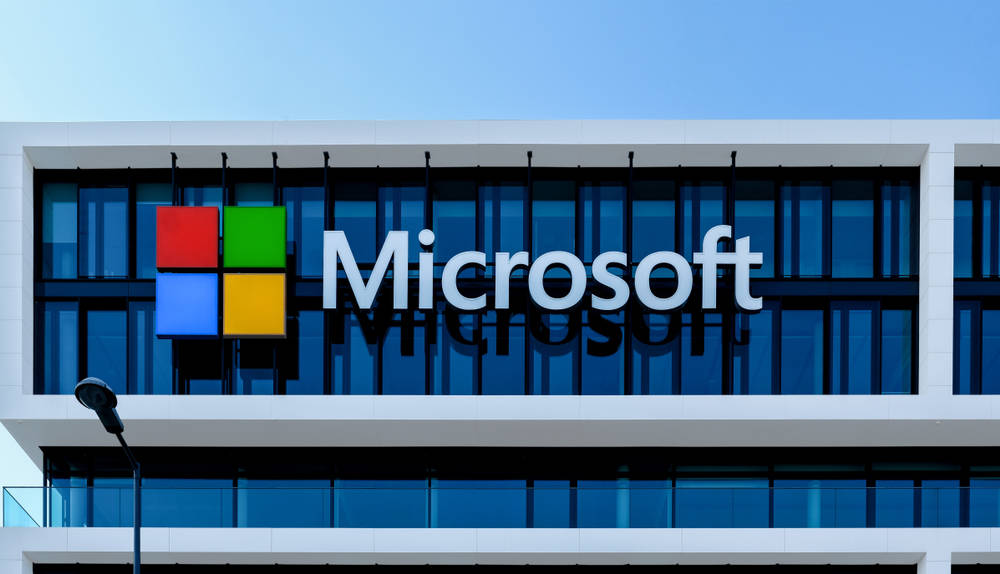
Core Viewpoint - South Korea's financial authorities are set to implement a second phase of cryptocurrency investment policies, allowing listed companies and qualified institutional investors to invest up to 5% of their own capital in cryptocurrencies like Bitcoin and Ethereum, potentially attracting around 3,500 institutions and companies with significant capital [1][2]. Group 1: Regulatory Developments - The final rules for the cryptocurrency investment policy are expected to be announced in January or February, with companies likely permitted to start trading by the end of the year [1]. - The proposed regulations include a 5% annual investment cap on companies' own capital to mitigate risks associated with large-scale investments in cryptocurrencies [1][2]. - The investment scope will be limited to the top 20 cryptocurrencies by market capitalization on South Korea's five major exchanges, with the list updated biannually based on trading data [1]. Group 2: Market Impact and Comparisons - The inclusion of stablecoins, particularly USD stablecoins, is still under discussion by South Korean financial authorities [2]. - The introduction of institutional investment is expected to accelerate the issuance of Korean won stablecoins and promote the launch of Bitcoin spot exchange-traded funds (ETFs) [2]. - While the approval for cryptocurrency investment is welcomed, the 5% cap is viewed as low compared to more open policies in the US, Japan, the EU, and Singapore, which may hinder capital inflow and the growth of professional cryptocurrency investment firms [2]. Group 3: Future Projections - By the second half of 2025, the average daily trading volume on South Korean cryptocurrency exchanges is projected to be approximately 5.5 trillion won [3].