辉瑞

Search documents
2025年国谈在京开启,谈判速度比往年更快了
经济观察报· 2025-10-31 03:28
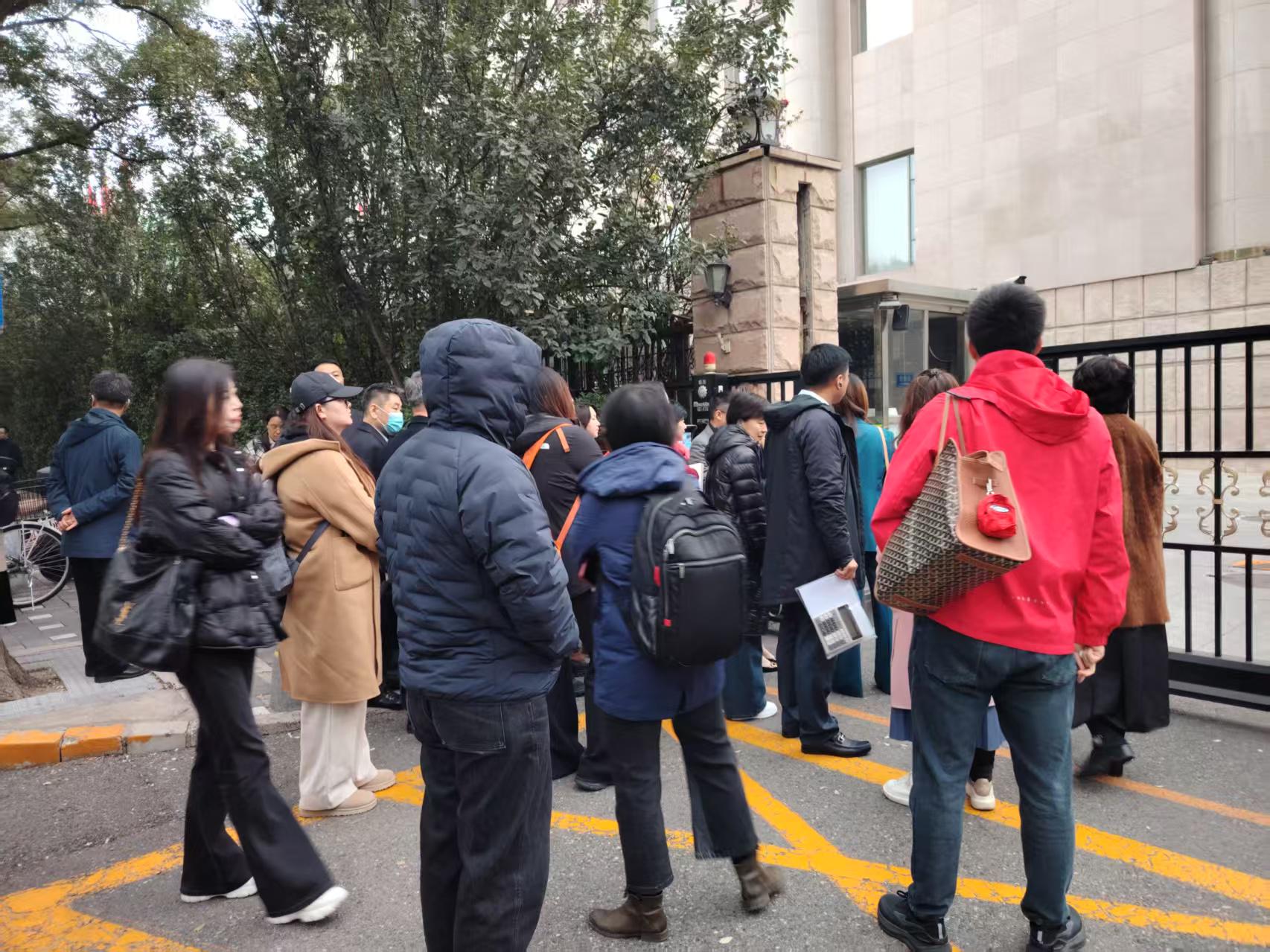
Core Viewpoint - The 2025 National Medical Insurance Negotiation has commenced, with significant price reductions expected, exceeding initial estimates by 40%-50% for many companies [1][6]. Group 1: Negotiation Overview - The negotiation began on October 30, 2023, and is expected to last 4-5 days, starting with basic medical insurance directory negotiations followed by commercial insurance innovative drug price discussions [2][3]. - This marks the 8th adjustment of the medical insurance directory since the establishment of the National Medical Insurance Bureau, involving a five-step process: preparation, application, expert review, negotiation, and result announcement [5]. Group 2: Participants and Dynamics - Numerous representatives from major pharmaceutical companies, including domestic and international firms like Shiyao Group, Green Leaf Pharmaceutical, and Pfizer, participated in the negotiations [9]. - The pace of negotiations appeared faster than in previous years, with representatives exiting the venue more frequently without prolonged discussions [9]. Group 3: Key Changes in Negotiation Structure - A significant change this year is the introduction of a commercial insurance innovative drug directory, aimed at integrating basic medical insurance and commercial insurance, enhancing the multi-tiered medication security system [13][14]. - There are 79 drugs that applied for both the basic medical insurance directory and the commercial insurance innovative drug directory, with a sequential negotiation process established [16]. Group 4: Future Implications - The commercial insurance innovative drug directory may serve as a transitional model for innovative drug payments, allowing drugs to first enter the commercial directory before potentially being included in the basic medical insurance directory after gathering real-world data [17].

港股异动丨三生制药大涨超10%,合作方辉瑞启动PD-1/VEGF双抗两项全球三期临床
Ge Long Hui· 2025-10-31 02:10
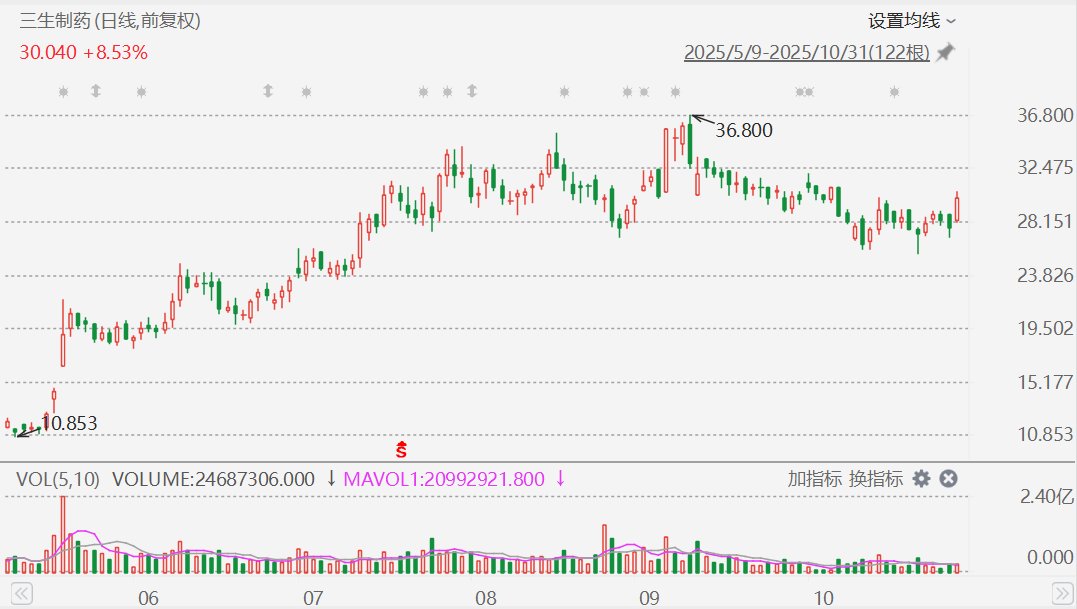
Core Viewpoint - The stock of 3SBio surged over 10% to HKD 30.5 following Pfizer's registration of two global Phase III clinical trials for the PD-1/VEGF dual antibody PF-08634404 (SSGJ-707) on Clinicaltrials.gov [1] Group 1: Clinical Trials - Pfizer registered two Phase III clinical trials for PF-08634404, targeting advanced non-small cell lung cancer (NSCLC) and metastatic colorectal cancer [1] - The NSCLC trial aims to enroll 1,500 patients and is expected to complete preliminary results by February 2029, focusing on progression-free survival (PFS) and overall survival (OS) as primary endpoints [1] - The colorectal cancer trial plans to enroll 800 patients, with preliminary results expected by March 2030, comparing against bevacizumab plus chemotherapy, also using OS and PFS as primary endpoints [1] Group 2: Financial Aspects - In May 2025, Pfizer will pay 3SBio a total of USD 1.25 billion upfront, with an additional USD 4.8 billion in milestone payments and a double-digit percentage of sales for the PD-1/VEGF dual antibody [1]
港股异动 | 三生制药(01530)早盘涨近7% 辉瑞启动SSGJ-707两项全球三期临床试验
智通财经网· 2025-10-31 01:55
Core Viewpoint - The stock of 3SBio (01530) rose nearly 7% in early trading, driven by Pfizer's registration of two global Phase III clinical trials for the PD-1/VEGF dual antibody PF-08634404 (SSGJ-707) on Clinicaltrials.gov [1] Group 1: Clinical Trials and Developments - Pfizer registered two global Phase III clinical trials for PF-08634404, focusing on advanced non-small cell lung cancer (NSCLC) in comparison to Keytruda plus chemotherapy and metastatic colorectal cancer [1] - The clinical trials are expected to be rapidly initiated by Pfizer for NSCLC and other solid tumors, with exploration of PF-08634404 in monotherapy and combination therapy with other treatments, including ADCs [1] Group 2: Financial Aspects - In May, Pfizer secured the rights to 3SBio's PD-1/VEGF dual antibody with an upfront payment of $1.25 billion, milestone payments of up to $4.8 billion, and a double-digit percentage of sales [1] Group 3: Market Outlook - According to Zhongyou Securities, PF-08634404 is anticipated to become a cornerstone treatment in global oncology, highlighting its potential impact on the market [1]
2025年国谈在京开启,谈判速度比往年更快了
Jing Ji Guan Cha Wang· 2025-10-31 01:21
Core Points - The 2025 National Medical Insurance Negotiation (referred to as "Guo Tan") commenced on October 30, 2023, in Beijing, with negotiations expected to last 4-5 days [2][3] - This marks the 8th adjustment of the medical insurance catalog since the establishment of the National Medical Insurance Bureau, involving five stages: preparation, application, expert review, negotiation, and announcement of results [3] - A total of 644 drugs passed the formal review for the 2025 catalog, with 534 approved for the basic medical insurance catalog and 121 for the commercial insurance innovative drug catalog [3] Group 1 - The first day of negotiations focused primarily on common drugs, including those for infections, anesthesia, and diabetes, while innovative drugs are scheduled for discussion on the second and third days [3] - Some representatives expressed that the price reductions proposed by the National Medical Insurance Bureau were significantly lower than expected, with estimates being 40%-50% below the most pessimistic forecasts [3][5] - The pace of negotiations appeared to be faster than in previous years, with representatives exiting the venue every few minutes, contrasting with the lengthy discussions seen in past negotiations [5] Group 2 - The introduction of the commercial insurance innovative drug catalog is a significant change this year, aimed at integrating basic medical insurance and commercial insurance to better meet diverse medication needs [8][9] - Negotiations for the commercial insurance innovative drug catalog are expected to take place on November 1 and 2, 2023 [9] - A total of 79 drugs applied for both the basic medical insurance and commercial insurance innovative drug catalogs, with a priority given to those that successfully pass the basic medical insurance negotiations first [9][10] Group 3 - The commercial insurance innovative drug catalog will allow for greater participation from commercial insurance companies in the decision-making process regarding drug inclusion and pricing negotiations [9] - Five high-cost CAR-T products are confirmed to be included in the final negotiation list for the commercial insurance innovative drug catalog [10] - Future payment models for innovative drugs may involve initially placing them in the commercial insurance catalog before transitioning to the basic medical insurance catalog after gathering real-world data [10]

2025年全球及中国重组蛋白行业政策、产业链、市场规模、重点企业及趋势研判:政策利好推动行业发展,重组蛋白国产替代进程加速[图]
Chan Ye Xin Xi Wang· 2025-10-31 01:20
Core Insights - The recombinant protein industry in China, despite its late start, has rapidly developed due to continuous support from national industrial policies, leading to significant breakthroughs in technology, production processes, and quality control [1][15] - The market for recombinant proteins is expected to grow steadily, driven by increased investment in innovative drug research, rising demand for precision medicine, and the expansion of downstream application scenarios [1][15] Industry Overview - Recombinant proteins are proteins obtained through genetic engineering and cell engineering, essential for the development and production of biopharmaceuticals, cell immunotherapy, and diagnostic reagents [4] - The industry has experienced three stages: the initial stage (1970-1990), rapid development (1990-2000), and transformation and upgrading (2000-present) [8][9] Market Growth - The market size of China's recombinant protein industry is projected to grow from 5.1 billion yuan in 2015 to 27 billion yuan in 2024, with a compound annual growth rate (CAGR) of 20.34% [1][15] - The global recombinant protein market is expected to increase from $7 billion in 2015 to $18.5 billion in 2024, with a CAGR of 11.4% [13][14] Policy Support - The Chinese government has implemented various policies to encourage technological innovation and market expansion in the biopharmaceutical sector, including funding support for research and expedited drug approval processes [9][10] Industry Chain - The upstream of the recombinant protein industry includes raw materials and equipment, while the midstream consists of recombinant protein products, and the downstream includes customers such as research institutions and pharmaceutical companies [10] Competitive Landscape - The recombinant protein market is characterized by a diverse and dynamic competitive landscape, with major multinational pharmaceutical companies like Pfizer, Roche, and Novartis leading the market, while numerous small and medium-sized enterprises focus on innovative technologies [16][17] Development Trends - The industry is moving towards high-end products, focusing on complex structures and high-value proteins, with an emphasis on product activity, purity, and consistency [18] - Intelligent technologies, including AI and machine learning, are expected to enhance research and production processes, improving efficiency and product quality [19][20] - Chinese recombinant protein companies are increasingly participating in global competition, aiming to meet international standards and establish a strong global presence [21]


美股异动丨诺和诺德出手竞购美国生物制药企业Metsera,后者大涨超21%
Ge Long Hui· 2025-10-30 13:53
美国生物制药企业Metsera(MTSR.US)大涨超21.5%,报63.46美元。诺和诺德(NVO.US)跌近3%,报49.86 美元。 消息面上,诺和诺德对Metsera发起一项收购要约,提出每股56.5美元的全现金报价,对应企业价值约60 亿美元。辉瑞今年9月宣布,已同意以每股47.50美元现金收购Metsera,对应企业价值约49亿美元。若达 到特定研发目标,辉瑞还将额外支付每股22.50美元,使得交易总价值达到73亿美元。(格隆汇) ...


突发!诺和诺德拟90亿美元收购Metsera,辉瑞遭到阻击!刚刚!辉瑞回应诺和诺德收购Metsera提案
美股IPO· 2025-10-30 13:18
Core Viewpoint - Novo Nordisk has made a proposal to acquire Metsera for $9 billion, aiming to enhance its portfolio in obesity and diabetes treatment, aligning with its long-term strategy of developing innovative drugs [4][6][9]. Acquisition Proposal - The acquisition proposal includes a cash offer of $56.50 per share, totaling approximately $6.5 billion in equity value and about $6 billion in enterprise value [6][7]. - Additionally, contingent value rights (CVR) worth $21.25 per share (approximately $2.5 billion total) are included, dependent on certain clinical and regulatory milestones [6][7]. - The proposal is currently under review by Metsera's board [9]. Competitive Landscape - Pfizer previously proposed to acquire Metsera at $47.50 per share, with a total enterprise value of around $4.9 billion, including a CVR of up to $22.50 per share [11]. - Novo Nordisk's offer surpasses Pfizer's, potentially influenced by the competitive pressures from generics and other companies in the GLP-1 market [11][23]. Metsera's Market Position - Metsera is positioned as a leading clinical-stage obesity company with a focus on innovative injectable and oral therapies, targeting a significant consumer market projected to be worth $170 billion [12][19]. - The company has multiple clinical programs and capabilities for large-scale development and manufacturing [12][19]. Clinical Development Pipeline - Metsera has four clinical-stage programs with anticipated milestones over the next 6-12 months, including various GLP-1 and amylin receptor agonists [13][20]. - The company utilizes its proprietary HALO™ platform to enhance peptide performance, offering longer half-lives and improved dosing regimens [14][16]. Regulatory and Legal Considerations - Pfizer has expressed concerns regarding Novo Nordisk's acquisition proposal, citing potential legal and regulatory risks associated with antitrust laws [23]. - Metsera's board previously rejected Novo Nordisk's offer, favoring Pfizer's proposal due to perceived certainty and immediate value for shareholders [25].
现场直击医保国谈首日:“保密” 意识升级 抗菌药等品种率先登场
Xin Lang Cai Jing· 2025-10-30 12:53
Core Points - The 2025 National Medical Insurance Directory negotiations have officially commenced, highlighting the importance of pharmaceutical innovation and patient access to medications [1] - The atmosphere at the negotiations is characterized by a cautious and low-key approach from pharmaceutical representatives, with an increased emphasis on confidentiality [3][4] - A total of 535 drugs are under review, with 311 outside the directory and 224 within it, alongside 121 high-value drugs reviewed under the commercial insurance innovation drug directory [9][10] Group 1: Negotiation Atmosphere - The entry process for pharmaceutical representatives was notably quieter and more orderly compared to previous years, reflecting a more subdued approach [3][4] - Representatives from both domestic and multinational pharmaceutical companies, including notable names like 恒瑞医药 and 阿斯利康, participated in the negotiations [4][9] Group 2: Key Drug Categories - Antibacterial drugs are expected to be a significant focus in the afternoon session of the negotiations, with specific products like 万古霉素 being highlighted [9][10] - Innovative drugs, including CAR-T products and new lipid-lowering medications, are also under consideration, with 恒瑞医药 presenting multiple products for initial review [10][12] Group 3: Market Insights - The PCSK9 inhibitor 瑞卡西单抗 has gained attention for its long-acting properties, with a market size of 1.32 billion yuan in 2023, representing 7.8% of the national lipid-lowering drug market [10][11] - The long-acting 阿立哌唑微球 from 丽珠集团 is another product of interest, potentially replacing oral formulations and capturing market share if included in the insurance directory [12]



信达生物达成百亿美元BD 股价为何下行?
BambooWorks· 2025-10-30 02:26
Core Insights - The article discusses a historic business development agreement between Innovent Biologics and Takeda Pharmaceutical, valued at $11.4 billion, setting a record for single-license deals in China's innovative drug sector [1][2]. - Despite the significant deal, the market reaction has been lukewarm, with Innovent's stock price declining after the announcement, reflecting broader valuation pressures in the biopharmaceutical sector [2][6]. Summary by Sections Agreement Details - Innovent Biologics has entered a global strategic collaboration with Takeda involving three investigational products, with a total deal value of $11.4 billion, including a $1.2 billion upfront payment [2][4]. - The upfront payment includes a $100 million strategic equity investment from Takeda, priced at a 20% premium to the average closing price over the previous 30 trading days [2]. Product Pipeline - The most significant asset in this deal is IBI363, a first-in-class PD-1/IL-2 bispecific antibody fusion protein, which is currently in multiple registration clinical trials, including a global Phase III trial for small cell lung cancer [4][6]. - Innovent has adopted a "Co-Co" model for IBI363, sharing global development costs with Takeda at a ratio of 60% for Takeda and 40% for Innovent, allowing for joint commercialization in the U.S. market [4][6]. Market Concerns - There are concerns regarding the "Co-Co" model, as Innovent will still bear 40% of the overseas development costs, which may lead to significant cash outflows compared to a traditional licensing model [6]. - However, this model allows Innovent to participate deeply in global clinical trial design and execution, which is crucial for its long-term growth strategy [6]. Financial Performance - Innovent reported a revenue of 5.95 billion yuan for the first half of 2025, a 50.6% year-on-year increase, with a net profit of 834 million yuan, indicating improving cash flow [7]. - The company's current price-to-sales ratio is approximately 11 times, compared to 7.5 times for another major player, BeiGene, suggesting a premium valuation for Innovent [7].
超百亿美元大单却带不动股价,创新药BD催化剂失灵?
Di Yi Cai Jing· 2025-10-29 10:00
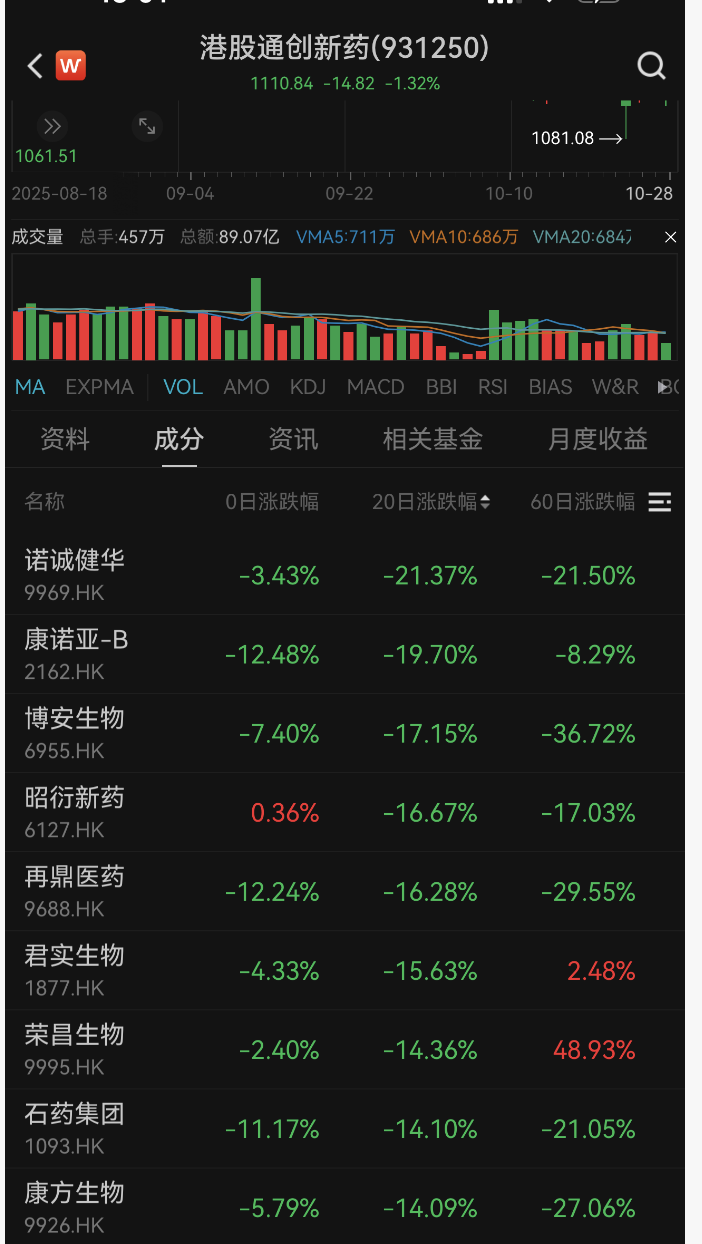
Core Viewpoint - Despite significant business development (BD) agreements exceeding $10 billion, the stock prices of innovative pharmaceutical companies remain sluggish, indicating a disconnect between market expectations and actual performance [1][2]. Group 1: Market Performance - The Hong Kong Stock Connect innovative drug index has declined from over 1240 points on October 9 to 1110 points, reflecting a drop of approximately 10.5% [1][2]. - Notable companies like 信达生物 (Innovent Biologics) have seen their stock prices fall despite announcing major collaborations, with 信达生物's stock dropping 1.96% to 85.2 HKD per share on October 22 [2]. - Over the past month, the innovative drug sector has experienced a 16% decline from a peak of 1326 points on September 8, with several companies like 诺诚健华 (Nocera) and 康诺亚-B (CanSino) seeing stock drops exceeding 19% [2][4]. Group 2: Financial Performance - Many innovative drug companies have reported revenue growth, yet profitability remains a concern, with only four out of the listed companies achieving positive net profits [6][7]. - 康诺亚-B reported a staggering 812.1% year-on-year revenue increase, while other companies like 诺诚健华 and 信达生物 also showed significant revenue growth of over 40% [6][7]. Group 3: Industry Dynamics - The innovative drug sector is characterized by high competition and a high rate of project failure, with a significant percentage of BD agreements facing termination [8]. - The long-term outlook for the Chinese innovative drug industry remains positive, driven by an increase in BD transactions, although the market is becoming increasingly competitive [8][9]. - Analysts suggest that the recent stock price adjustments may be a result of previously overly optimistic expectations regarding BD agreements, and the market may be entering a phase of stabilization [10].