
速腾聚创

Search documents
自动驾驶激战CES:黄仁勋硬刚马斯克,中国军团已默默量产破局
Sou Hu Cai Jing· 2026-01-10 13:41
Core Insights - The autonomous driving industry is experiencing a pivotal moment at CES 2026 after years of volatility, with significant technological advancements and a shift towards practical applications [2][54] - The competition is intensifying among major players, including Nvidia, Tesla, Qualcomm, Mobileye, and various Chinese companies, each pursuing different technological and business strategies [4][10][18] Group 1: Nvidia's Role - Nvidia's CEO Jensen Huang introduced the open-source autonomous driving model Alpamayo, which is described as a "ChatGPT moment for physical AI," emphasizing the importance of sensor fusion in autonomous driving [4][7] - The competition between Nvidia and Tesla highlights a broader industry debate between vision-based and sensor-based approaches to autonomous driving [7][8] Group 2: Competitive Landscape - Qualcomm is collaborating with Leap Motor to create an integrated solution that combines cockpit, driving assistance, and vehicle control systems, showcasing a shift towards multi-domain control [10][14] - Mobileye is advancing its L3 solutions in partnership with Audi and is testing a prototype that allows drivers to close their eyes while driving, indicating significant progress in autonomous technology [16] Group 3: Chinese Companies' Innovations - Great Wall Motors is showcasing its ASL architecture, which aims to integrate AI capabilities into vehicles, with plans for ASL 1.0 to be implemented in the first half of the year [18][21] - Geely has announced its upgraded AI 2.0 technology system, which integrates driving, cockpit, and chassis systems, with plans to roll out L3 and L4 functionalities by the end of 2026 [27] Group 4: Market Trends and Business Models - The CES 2026 event indicates a lowering of entry barriers for new players in the autonomous driving sector, with a clear divergence in business models emerging [45][46] - Two primary paths are identified: one focusing on vertical market breakthroughs for profitability in closed environments, and the other targeting the Robotaxi market for broader expansion [51][54] Group 5: Future Outlook - The industry is moving beyond technical validation into commercial viability, with various applications like RoboBus and autonomous delivery vehicles beginning to emerge [51][54] - The next 12 months are critical for the autonomous driving sector, as it transitions into a phase where practical implementations will be tested and scaled [54]


希迪智驾与速腾聚创官宣战略合作,赋能多场景智能驾驶升级
Zheng Quan Shi Bao Wang· 2026-01-10 03:29
Group 1 - Two Hong Kong companies, Hidi Intelligent Driving (03881.HK) and Sutonju Chuang (02498.HK), announced a strategic partnership during the CES exhibition to promote safer, more efficient, and smarter autonomous driving solutions [1] - The collaboration aims to leverage Hidi's expertise in commercial vehicle intelligent driving and Sutonju's technological advantages in digital lidar to enhance the operational efficiency and stability of unmanned mining trucks and logistics vehicles [1][2] - Hidi's CEO, Dr. Hu Sibo, emphasized the importance of this partnership in accelerating the large-scale implementation of intelligent driving technology across various scenarios, including mining, closed parks, and smart cities [1] Group 2 - Hidi Intelligent Driving has extensive experience in the unmanned mining truck sector, focusing on both autonomous driving and vehicle-to-everything (V2X) technologies, contributing to operational safety and cost efficiency [2] - Sutonju Chuang has established partnerships with over 310 automotive manufacturers and suppliers globally, providing products and solutions to more than 3,400 clients across 40 countries [2] - The strategic collaboration is positioned as a starting point for deepening technological synergy and expanding cooperation boundaries to build a more competitive intelligent driving ecosystem [2]
直击CES:“AI正急切地走出屏幕”
Xin Lang Cai Jing· 2026-01-10 00:55
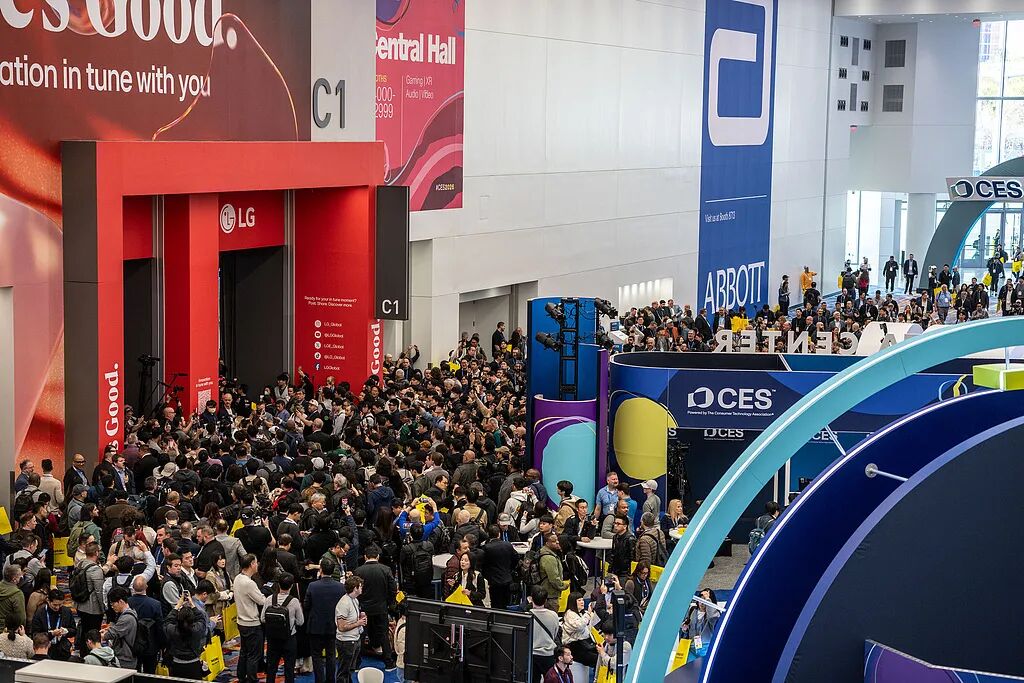
Core Insights - The CES 2023 showcased a significant shift towards consumer-oriented technology, emphasizing the integration of AI into everyday products and experiences [5][20][21] - Chinese companies made a notable impact at CES, with a strong presence in robotics and AI applications, reflecting a growing trend of innovation and market engagement [15][17][18] Group 1: Event Overview - CES is described as a "global technology spring festival," attracting a diverse audience including tech professionals and curious consumers [3][5] - The event is characterized by a more accessible and consumer-friendly atmosphere, moving away from purely business-focused interactions [5][10] Group 2: AI and Robotics - AI applications were prominently featured, with a focus on practical implementations such as robots performing various tasks and AI-enhanced wearable devices [7][9] - The number of robotic exhibitors increased significantly, with a dedicated theme area for "embodied intelligence" [7][15] Group 3: Chinese Companies' Participation - Over 1,200 Chinese exhibitors participated, making up approximately 30% of the total, with a strong emphasis on innovation and market readiness [15][17] - Many Chinese startups showcased their products for the first time, indicating a shift towards proactive international engagement [12][13] Group 4: Market Trends and Consumer Engagement - The feedback from international markets has been overwhelmingly positive, with many products exceeding expectations in terms of interest and potential sales [13][18] - The focus has shifted from merely showcasing AI capabilities to demonstrating measurable value in real-world applications [20][22] Group 5: Competitive Landscape - The event highlighted the competitive dynamics between major AI nations, with Chinese companies focusing on commercialization while U.S. firms emphasized foundational technologies [17][18] - The presence of Korean companies also contributed to the competitive landscape, showcasing strengths in smart manufacturing and AI applications [17][18] Group 6: Future Directions - The integration of AI into physical products is seen as a key trend, with a focus on creating embedded capabilities that enhance user experiences [20][21] - The concept of digital twins is emerging as a foundational element for AI applications in industrial settings, facilitating design and optimization processes [22]
直击CES:“AI正急切地走出屏幕”
吴晓波频道· 2026-01-10 00:21
Core Insights - The CES 2023 showcased a significant shift towards consumer-oriented technology, emphasizing the integration of AI into everyday life and products [4][10][39] - The event highlighted the growing presence of Chinese companies, with over 1,200 exhibitors, reflecting a proactive approach to global markets and innovation [22][28] Group 1: Event Overview - CES is described as a "global technology spring festival," attracting a diverse audience including tech enthusiasts and ordinary consumers [4][9] - The event's theme, "Innovators Show Up," underscores the emergence of new companies and technologies, particularly in AI and robotics [21][22] Group 2: AI and Robotics - AI applications at CES 2023 were notably diverse, featuring robots capable of various tasks and AI-enhanced wearable devices [11][12] - The focus has shifted from merely showcasing AI capabilities to demonstrating how AI can create measurable value in the physical world [16][39] Group 3: Chinese Companies' Impact - Chinese enterprises dominated the robotics and AI application sectors, with a significant number of exhibitors and innovative products [28][29] - The enthusiasm of Chinese companies at CES is attributed to the AI-driven innovation ecosystem in China and a shift towards more aggressive international market strategies [22][26] Group 4: Market Trends and Consumer Engagement - The event revealed a trend towards practical, market-ready products rather than mere conceptual showcases, indicating a maturation of the tech industry [13][39] - There was a notable increase in consumer engagement, with many attendees expressing excitement over AI products that enhance daily life [23][26] Group 5: Industry Comparisons - A comparison of Chinese and American companies revealed differing focuses, with Chinese firms emphasizing product commercialization while American companies concentrated on foundational technologies and software ecosystems [29][42] - Korean companies also made a significant impact, leveraging cross-border supply chains and focusing on home service applications [32]
中国科技企业闪耀CES,以创新和品牌力突围
2 1 Shi Ji Jing Ji Bao Dao· 2026-01-10 00:10
Group 1 - The core viewpoint of the articles highlights the increasing presence and competitiveness of Chinese technology companies at the CES 2026, showcasing a shift from traditional manufacturing roles to a more diversified global strategy that emphasizes technology, design, and localized operations [1][4]. - Chinese companies are exhibiting a strong focus on AI integration, with nearly all exhibitors emphasizing AI in their presentations, indicating a trend towards practical applications rather than just theoretical concepts [2][3]. - The number of Chinese humanoid robot exhibitors at CES 2026 exceeds 20, surpassing the total from the US, Japan, South Korea, and Europe combined, demonstrating a significant cluster effect in this sector [2]. Group 2 - In the first three quarters of 2025, China's export of high-tech products reached 37.5 trillion yuan, marking an 11.9% increase and contributing over 30% to the overall export growth during the same period [1]. - The global market for robotic vacuum cleaners is dominated by Chinese brands, which accounted for over 60% of the market share in terms of shipment volume in 2025 [5]. - Chinese technology companies are increasingly focusing on brand building after achieving significant sales milestones, with many adopting interactive marketing strategies to enhance brand visibility and consumer engagement [6][7]. Group 3 - The CES serves as a window into technological trends and reflects the journey of Chinese companies expanding into overseas markets, with a notable increase in brand recognition and a shift away from the "low-price label" to a "technology leader" image [4][6]. - The rapid iteration cycles of Chinese companies, averaging six months to a year for product updates, contrast with European companies that typically require two to three years, allowing for quicker market responsiveness [4][6]. - Challenges remain for Chinese companies in navigating diverse market environments, including varying consumer preferences, regulatory requirements, and external uncertainties, which necessitate comprehensive long-term strategic planning [7][8].
2026年CES展18款灵巧手盘点!
机器人圈· 2026-01-09 09:56
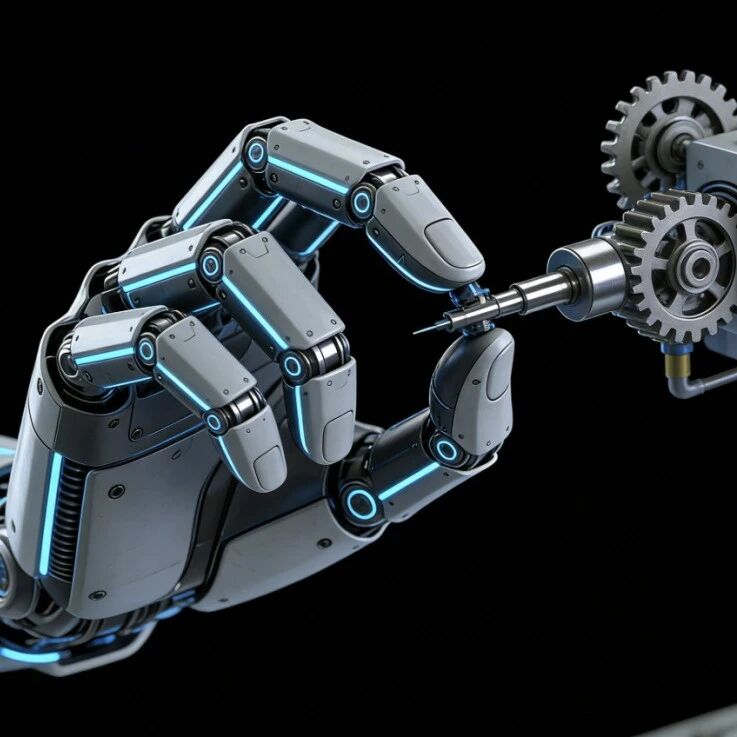
Core Insights - The CES 2026 showcased dexterous hands as a highlight in humanoid robotics, featuring advanced capabilities such as 17-20 degrees of freedom, precise tactile sensing, and adaptable grasping abilities, moving from laboratory demonstrations to practical applications [2] - A total of 18 companies exhibited dexterous hand products, with Chinese firms dominating the exhibition with 11 participants, followed by companies from South Korea, the USA, and Singapore [2] Company Highlights - **DexRobot**: Introduced the DexHand021 Pro, featuring 22 degrees of freedom and a competitive price range of $14,000 to $28,000, showcasing significant technological advancements and cost-effectiveness for global robotics development [10] - **Linker Hand 30**: Offers 21 degrees of freedom with millimeter-level precision, utilizing advanced tendon-driven systems and multi-modal sensing capabilities, suitable for industrial automation and medical assistance [13][15] - **Realhand**: Presented the RealHand 06, emphasizing its lightweight design and high load capacity of 50 kg, with a focus on dynamic tactile feedback [9] Product Specifications - **DexHand021 Pro**: Features over 500 physical sensing points and a 5MP RGB camera, enabling real-time, high-precision multi-modal perception, with a maximum load of 50N [12] - **Linker Hand 30**: Achieves high precision in replicating human hand movements, with a maximum speed and responsiveness suitable for rapid tasks [15] - **GMH18 by PaXini**: Offers 5 degrees of freedom and a maximum load of 20 kg, designed for industrial applications [8] Market Trends - The dexterous hand technology is seen as a critical factor in overcoming the practical limitations of robotics, with a growing emphasis on fine motor skills and adaptability in unstructured environments [12][17] - The significant presence of Chinese companies at CES 2026 indicates a strong competitive landscape in the robotics sector, particularly in dexterous hand technology [2]
中国科技企业闪耀CES:撕下低价标签 以创新和品牌力突围
2 1 Shi Ji Jing Ji Bao Dao· 2026-01-09 09:38
Core Insights - The presence of Chinese technology companies at CES 2026 has significantly increased, showcasing a shift from traditional supply chain roles to a more diversified global strategy focused on technology, design, and localized operations [1][4]. Group 1: Chinese Companies at CES - A total of 207 Chinese companies participated in CES 2026, occupying over 4,900 square meters of exhibition space, marking a strong presence in the global tech landscape [1]. - The focus of the exhibition has shifted towards AI-driven technologies, with nearly all exhibitors highlighting AI as a core component of their offerings [2]. Group 2: AI and Robotics - Chinese companies are leading in the robotics sector, with over 20 humanoid robot exhibitors, surpassing the total from the US, Japan, South Korea, and Europe combined [2]. - Innovations in practical applications of AI are evident, with products like delivery robots and advanced cleaning robots demonstrating significant functional capabilities [3]. Group 3: Market Position and Product Competitiveness - By the first three quarters of 2025, Chinese brands accounted for over 60% of the global market share in robotic vacuum cleaners, indicating a strong competitive position [5]. - Chinese technology firms are increasingly recognized for their technological advancements and design quality, allowing them to command a price premium in overseas markets [5]. Group 4: Brand Development and Market Expansion - As Chinese tech companies achieve significant sales milestones, they are increasingly focusing on brand building, utilizing interactive marketing strategies to enhance consumer engagement [6]. - The transition to brand-focused strategies is expected to further boost sales, particularly in high-value product categories [6]. Group 5: Challenges and Strategic Considerations - Companies face challenges related to varying market conditions, cultural differences, and regulatory requirements across different regions [7]. - The external environment's uncertainty poses risks, but stabilizing conditions could enhance the competitive advantages of Chinese tech firms [7].
中国科技企业闪耀CES:撕下低价标签,以创新和品牌力突围
2 1 Shi Ji Jing Ji Bao Dao· 2026-01-09 09:35
Group 1 - The core viewpoint of the articles highlights the increasing presence and influence of Chinese technology companies at the CES 2026, showcasing a shift from traditional manufacturing roles to a more diversified global strategy that emphasizes technology, design, and localized operations [1][2][4] - Chinese companies are exhibiting a strong focus on AI integration, with nearly all exhibitors emphasizing AI in their presentations, indicating a trend towards practical applications rather than just theoretical concepts [2][3] - The number of Chinese humanoid robot exhibitors at CES 2026 exceeds 20, surpassing the total from the US, Japan, South Korea, and Europe combined, demonstrating a significant cluster effect in this sector [2] Group 2 - The export of high-tech products from China reached 37.5 trillion yuan in the first three quarters of 2025, marking an 11.9% increase and contributing over 30% to the overall export growth during the same period [1] - Chinese brands are shedding the "low-price label" and establishing a reputation for "technological leadership," supported by initiatives like the Belt and Road and favorable cross-border e-commerce policies [4][5] - In the robot sector, Chinese brands dominate the global market for vacuum robots, holding over 60% of the market share, with prices in overseas markets being 20%-30% higher than in China, indicating a willingness among consumers to pay a premium for perceived quality [5] Group 3 - The trend of enhancing brand power is becoming evident as Chinese tech companies invest in brand building after achieving significant sales milestones, with a focus on interactive marketing methods to engage consumers [6][7] - Challenges remain for Chinese companies as they navigate different market environments, cultural preferences, and regulatory requirements, which necessitate a comprehensive and resilient long-term strategy for overseas expansion [7] - The ability of Chinese tech firms to overcome core technological challenges while successfully integrating into diverse cultural and regulatory landscapes will determine their long-term success in global markets [7]
CES硬核科技刷屏,广东力量秀出“中国方案”
21世纪经济报道· 2026-01-09 07:53
Core Viewpoint - The CES 2026 showcased significant advancements in technology, particularly highlighting the strong presence and innovation of Guangdong enterprises in the global tech landscape [1][2]. Group 1: Guangdong's Presence at CES - Guangdong had a remarkable representation at CES, with 837 companies from mainland China and 530 from Guangdong, including 370 from Shenzhen, making up 44.2% of the mainland exhibitors [1]. - The event highlighted Guangdong's innovation in various sectors, including smart hardware, AI-integrated products, and robotics, establishing the region as a key player in global tech innovation [1][2]. Group 2: Robotics and AI Innovations - The emergence of embodied intelligent robots was a focal point, with companies like SUTENG showcasing their autonomous delivery robot capable of performing nearly 20 complex tasks [3][5]. - The robotics industry is transitioning from mere demonstrations to practical applications, with companies like ZHONGQING making strides in real-world scenarios such as logistics and public services [5][6]. Group 3: Energy Solutions and Smart Technologies - Energy tech companies presented solutions for smart and decentralized energy management, including products like the Explorer 1500 Ultra and innovative outdoor solar solutions [8][9]. - The integration of AI in energy solutions is aimed at enhancing efficiency and supporting the transition to automated driving technologies [8][9]. Group 4: Globalization and Market Strategy - Guangdong enterprises are evolving from simple product exports to comprehensive global strategies that include technology, branding, and ecosystem development [12][15]. - Companies like TCL and CHUANGXIANG SANWEI are focusing on localizing their operations and building service ecosystems in international markets to enhance brand recognition and customer engagement [12][13]. Group 5: Shifting Market Dynamics - The narrative of Guangdong companies has shifted from being followers to leaders in the global tech arena, with a focus on technological innovation and brand influence [17][19]. - The efficient supply chain in Guangdong is a critical factor enabling rapid product iteration and technological advancements, positioning these companies favorably in the competitive landscape [21].
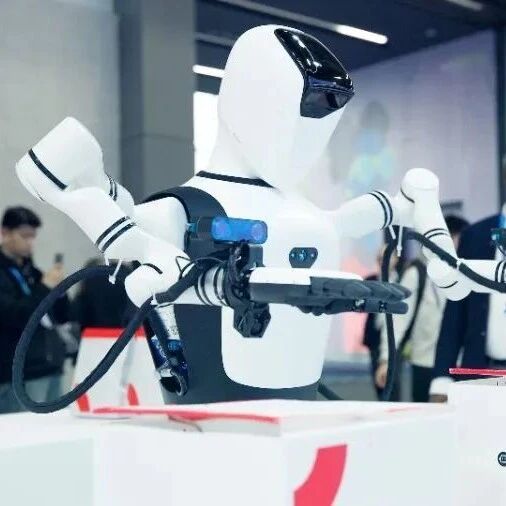
CES硬核科技刷屏,广东力量秀出“中国方案”
2 1 Shi Ji Jing Ji Bao Dao· 2026-01-09 06:05
Core Insights - The CES 2023 showcased significant technological innovations, particularly highlighting the strong presence of Guangdong companies, which accounted for a substantial portion of the exhibitors [1][10] - The event emphasized the transition of robotics and AI technologies from experimental stages to practical applications, with Guangdong firms leading this shift [3][4][14] Group 1: Guangdong's Presence at CES - A total of 3,302 companies participated in CES 2023, with 837 from mainland China, 127 from Taiwan, and 98 from Hong Kong; Guangdong alone had over 530 exhibitors, including 370 from Shenzhen, representing 44.2% of mainland China's participation [1] - Guangdong companies showcased a range of innovative products, including smart robots, 3D printing technologies, and AI-integrated devices, reflecting their growing influence in global tech innovation [1][10] Group 2: Robotics and AI Innovations - The event featured significant advancements in embodied intelligent robots, with companies like SUTENG showcasing a delivery robot capable of performing complex tasks autonomously, highlighting the practical applications of AI in logistics and service sectors [3][4] - The robotics industry is moving towards large-scale validation, with companies focusing on real-world productivity rather than just technological demonstrations, indicating a maturation of the sector [4][5] Group 3: Energy Technology and Smart Solutions - Energy technology firms presented solutions for smart and decentralized living, with products like the Explorer 1500 Ultra and Jackery Solar Gazebo, which integrate energy independence into household infrastructure [5][6] - The emergence of intelligent charging networks for autonomous vehicles was also highlighted, showcasing the integration of AI in future transportation solutions [6] Group 4: Globalization and Market Strategy - Guangdong companies are increasingly adopting comprehensive globalization strategies, moving beyond simple product exports to include technology, brand, and ecosystem development [7][10] - Companies like TCL and EcoFlow are focusing on localizing operations and building service ecosystems in international markets to enhance brand recognition and customer engagement [8][9] Group 5: Supply Chain and Innovation - The robust supply chain ecosystem in Guangdong is a critical factor in the rapid iteration and commercialization of innovative products, enabling companies to achieve significant technological breakthroughs [13][14] - The emphasis on R&D investment and the efficiency of the supply chain have strengthened the competitive position of Guangdong firms in the global market [13]