
荣昌生物

Search documents
医药生物行业跟踪周报:JPM2026最前线观察:中国创新药再次成为全球焦点-20260118
Soochow Securities· 2026-01-18 14:38
Investment Rating - The report maintains an "Overweight" rating for the pharmaceutical and biotechnology industry [1]. Core Insights - The Chinese innovative drug sector has regained global attention, with over 20 Chinese pharmaceutical companies showcasing their advancements at the JPM 2026 conference. Notable companies like Heng Rui and BeiGene are expected to see significant revenue growth and product approvals in the coming years [4][17]. - The A-share pharmaceutical index has shown a year-to-date increase of 7.08%, outperforming the CSI 300 index by 4.88% [4][9]. - The report highlights specific sub-sectors within the industry, ranking them as follows: innovative drugs > research services > CXO > traditional Chinese medicine > medical devices > pharmacies [10]. Summary by Sections Industry Trends - The A-share pharmaceutical index has increased by 0.9% this week, with a year-to-date performance of 7.08%, while the Hang Seng Healthcare Index has risen by 15.63% [4][9]. - Medical services, raw materials, and medical devices have shown strong performance, with weekly increases of 5.63%, 1.70%, and 1.31%, respectively [4][9]. Company Highlights - Heng Rui is projected to achieve over 25% growth in innovative drug revenue in 2026, with multiple key drug approvals expected [17][18]. - BeiGene has solidified its position in hematological malignancies and is accelerating breakthroughs in solid tumors, with significant revenue growth reported [19]. Investment Recommendations - The report suggests focusing on specific companies based on their strengths in various therapeutic areas, including: - PD1 PLUS: Sangamo Therapeutics, CanSino Biologics, Innovent Biologics, and Zai Lab [13]. - ADC: I-Mab Biopharma, Kelun Pharmaceutical, and Bai Li Tianheng [13]. - Small nucleic acids: Frontier Biotechnologies, Fuyuan Pharmaceutical, and Yuyuan Pharmaceutical [13]. - Autoimmunity: Kangnuo Pharmaceutical, Yifang Biopharmaceutical, and Yipinhong [13]. - Leading innovative drug companies: BeiGene and Heng Rui [13]. - CXO and upstream research services: WuXi AppTec, Haoyuan Pharmaceutical, and Aopumai [13]. - Medical devices: United Imaging Healthcare and Yuyue Medical [13]. - AI drug development: Crystal Technology [13]. - GLP-1: Lianbang Pharmaceutical, Borui Pharmaceutical, and Zhongsheng Pharmaceutical [13]. - Traditional Chinese medicine: Zhaoli Pharmaceutical, Fangsheng Pharmaceutical, and Dong'e Ejiao [13].

外企高管转型中国创新药“推销员”,黄仁勋也来共享顶级资本盛宴
第一财经· 2026-01-17 17:47
Core Insights - The JPMorgan Healthcare Conference, known as the "Spring Festival of the Pharmaceutical Industry," has increasingly highlighted the role of Chinese biopharmaceutical companies and investors, indicating a shift towards recognizing China's innovation capabilities in drug development [3][11]. Group 1: Conference Highlights - The conference showcased a growing interest in Chinese innovation, with discussions frequently focusing on collaboration opportunities and the competitive landscape involving China [3][11]. - Many multinational pharmaceutical companies organized closed-door sessions specifically for Chinese innovation, reflecting a significant engagement with Chinese projects [10][11]. - The overall sentiment towards Chinese biopharmaceutical companies has improved, with global capital increasingly viewing them as equal partners in technology output rather than just recipients of foreign investment [13][14]. Group 2: Industry Trends - The trend of multinational pharmaceutical executives transitioning to roles in Chinese biopharmaceutical firms is notable, as they bring valuable experience and networks to the industry [8][10]. - The urgency for multinational companies to acquire innovative assets from China is driven by the impending patent cliffs for blockbuster drugs, creating a historical opportunity for Chinese innovations to enter global markets [14]. - The number of licensing agreements for innovative drugs from China is expected to rise, with over one-third of such agreements in 2025 already coming from Chinese companies [14][15]. Group 3: AI in Biopharmaceuticals - The integration of AI in drug discovery is becoming a focal point, with predictions that AI could significantly reduce the time and cost of early drug development [19][24]. - Major pharmaceutical companies are increasingly collaborating with AI firms to enhance their drug development processes, as seen in partnerships announced during the conference [21][23]. - The AI pharmaceutical market is projected to grow from over $1 billion in 2022 to nearly $3 billion by 2026, indicating a robust future for AI-driven drug discovery [24].

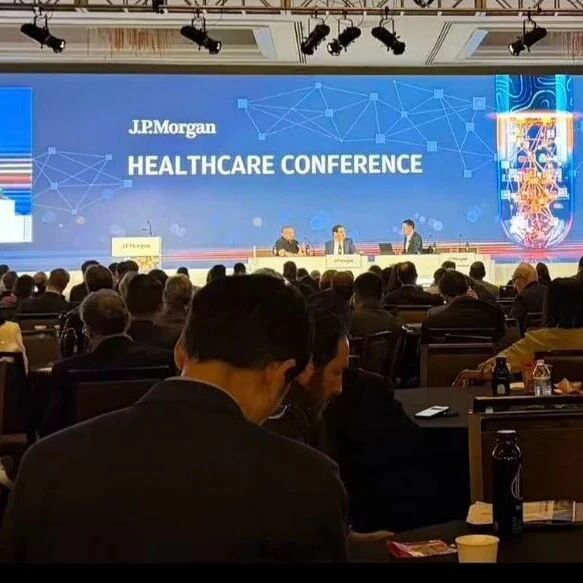
外企高管转型中国创新药“推销员”,黄仁勋也来共享顶级资本盛宴
Di Yi Cai Jing· 2026-01-17 12:16
Group 1 - The core message of the news is that Chinese innovative drugs are transitioning from dawn to a breakthrough moment, with the development cycle of drug research expected to be significantly shortened due to advancements in AI and other technologies [1][21] - The JPMorgan Healthcare Conference, known as the "Spring Festival of the Pharmaceutical Industry," has increasingly featured Chinese investors and biopharmaceutical companies, indicating a growing focus on China in global discussions [1][6] - Many discussions at the conference highlighted the speed and efficiency of Chinese biotechnology companies in advancing projects, positioning them as equal technology exporters in global competition [29][30] Group 2 - Josh Smiley, president of Zai Lab, emphasized the need for more effort in promoting their story to investors, reflecting the increased intensity of the conference compared to a decade ago [23][26] - Chen Feng, CEO of Bole Capital, noted that many multinational pharmaceutical companies arranged closed-door meetings specifically for Chinese innovation, indicating a strong interest in collaboration [5][27] - The conference showcased a significant presence of Chinese companies, with over 100 CEOs from domestic biotech firms attending, highlighting the active engagement of Chinese enterprises on the international stage [5][27] Group 3 - The acquisition of a new dual-antibody drug by AbbVie for up to $5.6 billion from Rongchang Biotech marked a significant transaction, indicating a robust trend in Chinese innovative drug licensing expected to continue through 2026 [30] - The global pharmaceutical market is increasingly recognizing Chinese innovation as a vital source for their pipelines, with a notable shift in attitudes towards collaboration with Chinese firms [29][30] - The AI pharmaceutical market is projected to grow from over $1 billion in 2022 to nearly $3 billion by 2026, reflecting the industry's increasing reliance on AI technologies for drug discovery [41] Group 4 - AI technologies for drug discovery have become a major focus in the investment community, with significant collaborations announced at the conference, such as the $1 billion partnership between NVIDIA and Eli Lilly [37][40] - The success rate of AI-generated drug molecules in Phase I clinical trials is expected to reach 80-90% by 2025, surpassing historical averages, indicating a breakthrough in the clinical validation of AI-driven drug development [41][42] - The shift in AI pharmaceutical competition is moving from models and algorithms to data quality and generation, emphasizing the importance of high-quality data in drug development [40]


深度|外企高管转型中国创新药“推销员”,黄仁勋也来共享顶级资本盛宴
Di Yi Cai Jing· 2026-01-17 12:12
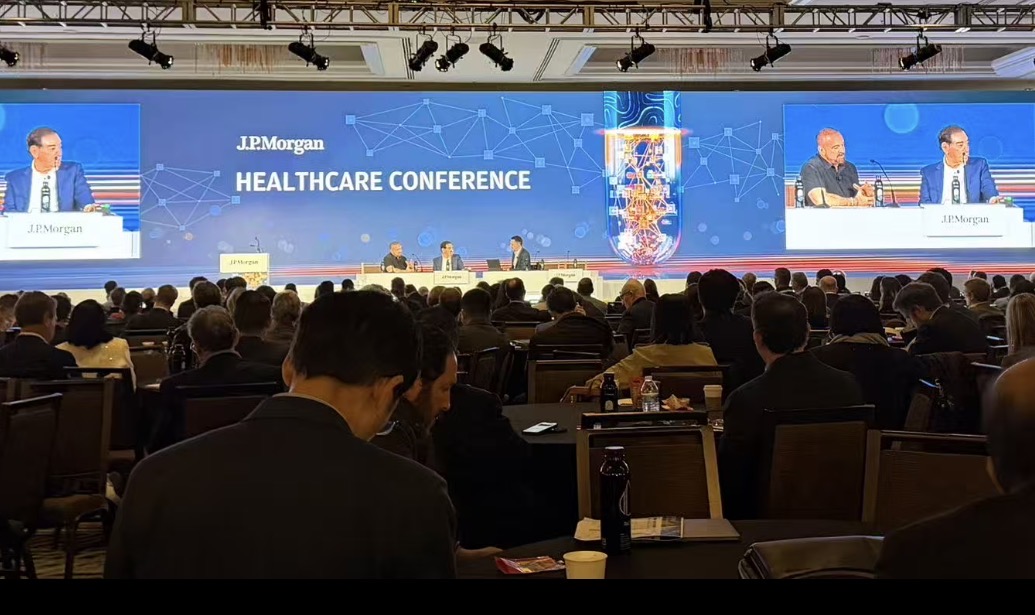
Group 1: JPM Conference Overview - The JPMorgan Healthcare Conference, known as the "Spring Festival of the Pharmaceutical Industry," concluded this weekend, highlighting its status as a premier global healthcare investment event and a barometer for investment trends [1] - This year's conference saw a significant presence of Chinese investors and biopharmaceutical companies, with discussions frequently focusing on China, covering innovation pipelines, collaboration opportunities, and global competition [1][8] - The conference signaled a positive outlook for Chinese innovative drugs, indicating a transition from dawn to dawn, with advancements in AI technology expected to significantly shorten drug development cycles [1] Group 2: Executive Insights - Josh Smiley, President of Zai Lab, participated in the JPM conference, emphasizing the increased effort required to keep pace with the event's demands, having held 14 meetings in one day [3][4] - Smiley noted the shift from a multinational pharmaceutical executive to leading a smaller Chinese company, highlighting the need for more effort in "selling" the company's story to investors [6] - Chen Feng, CEO of Boying Capital, also attended the conference, bringing nearly 20 projects from Chinese companies to connect with multinational pharmaceutical firms and global capital [7] Group 3: Chinese Innovation and Global Perception - The term "China" emerged as a key theme at the conference, with major pharmaceutical companies actively seeking to incorporate Chinese innovative assets into their research pipelines [8][9] - There is a growing recognition of Chinese biotechnology companies as equal partners in global competition, with many multinational firms viewing Chinese innovation as a vital source for their pipelines [9] - The conference featured closed-door sessions specifically for Chinese innovation, organized by companies like Pfizer and Roche, indicating a strong interest in Chinese projects [7] Group 4: Market Dynamics and Opportunities - The acquisition of a new dual-antibody drug by AbbVie for up to $5.6 billion from Rongchang Biotech marked a significant transaction, reflecting the increasing momentum of Chinese innovative drugs in global markets [10] - Over one-third of the announced innovative drug licensing agreements in 2025 are expected to originate from China, indicating a robust trend in international collaborations [10] - Despite the enthusiasm in the biopharmaceutical capital market, challenges remain, particularly regarding geopolitical risks and regulatory uncertainties that could impact investment decisions [12] Group 5: AI in Drug Development - AI technology has become a focal point at the conference, with companies increasingly leveraging AI to enhance drug discovery and development processes [17] - A partnership between Nvidia and Eli Lilly was announced, involving a $1 billion investment to establish a joint research lab aimed at accelerating AI-driven drug development [17][18] - The global AI pharmaceutical market exceeded $1 billion in 2022 and is projected to approach $3 billion by 2026, highlighting the rapid growth and potential of AI in the industry [21] Group 6: Future Trends and Challenges - The success rate of AI-generated drug molecules in Phase I clinical trials is projected to reach 80-90% by 2025, surpassing historical averages, indicating a significant breakthrough in drug development [21] - The transition of AI pharmaceutical development from early research to clinical validation is seen as a critical milestone for the industry [22] - Companies are increasingly focused on generating high-quality data and building robust AI models to maintain a competitive edge in drug development [20]
跨国药企“必备”肿瘤药中国药企还有机会卖
Jing Ji Guan Cha Wang· 2026-01-16 16:20
Core Viewpoint - The recent exclusive licensing agreement between Rongchang Biologics and AbbVie for the dual-specific antibody drug RC148, targeting PD-1/VEGF, highlights the competitive landscape in the oncology drug market, with significant financial implications for both companies [1][5]. Group 1: Licensing Agreement Details - Rongchang Biologics has entered into an exclusive licensing agreement with AbbVie for RC148, which is currently in Phase II clinical trials [1]. - The deal includes an upfront payment of $650 million and potential milestone payments up to $4.95 billion, along with tiered royalties on net sales, bringing the total potential value of the agreement to $5.5 billion [1]. - Following the announcement, Rongchang Biologics' stock surged, with a 20% increase in A-shares and a 7.87% increase in Hong Kong shares [1]. Group 2: Market Context and Comparisons - The PD-1/VEGF target has seen multiple drugs developed, with over five similar drugs already in the market, leading to skepticism about the market share for later entrants [1][4]. - Other Chinese biotech firms have also engaged in significant licensing deals for PD-1/VEGF drugs, with notable transactions including a $500 million upfront payment from Summit to Kanyos Biologics and a $1.25 billion upfront payment from a partnership involving 3SBio and Pfizer [4]. - Despite being ranked lower in the market, Rongchang Biologics' deal value is comparable to that of Kanyos Biologics, raising questions about the valuation of later-stage products [5]. Group 3: Future Prospects and Trends - There is an expectation for continued licensing transactions in the PD-1/VEGF space, driven by efficacy, different indications, and combination therapies [8]. - Companies with PD-1/VEGF candidates that have not yet been licensed are actively seeking opportunities, with the potential for significant deals depending on product data and market conditions [8]. - Major multinational pharmaceutical companies, including Eli Lilly, Novartis, and AstraZeneca, have not yet announced new PD-1/VEGF acquisitions, indicating potential future market activity [9].
一周医药速览(01.12-01.16)
Cai Jing Wang· 2026-01-16 08:40
Group 1: WuXi AppTec - WuXi AppTec expects a net profit of approximately RMB 19.15 billion for the year 2025, representing a year-on-year growth of about 102.6% [1] - The company anticipates total revenue of around RMB 45.46 billion for 2025, reflecting a year-on-year increase of approximately 15.8%, with a 21.4% growth in revenue from continuing operations [1] - Basic earnings per share are projected to be around RMB 6.70, which is an increase of approximately 104.3% compared to the previous year [1] Group 2: Rongchang Biologics - Rongchang Biologics has signed an exclusive licensing agreement with AbbVie for RC148, granting AbbVie exclusive rights for development, production, and commercialization outside Greater China [2] - The agreement includes an upfront payment of USD 650 million and potential milestone payments up to USD 4.95 billion, along with double-digit royalties on net sales outside Greater China [2] - This licensing deal is expected to accelerate the global development and commercialization of RC148, enhancing the company's brand value and international influence [2] Group 3: National Medical Insurance Administration - The sixth batch of centralized procurement for high-value medical consumables has been conducted, with 202 out of 496 products winning bids, ensuring a diverse supply of mainstream products [3][4] - The procurement process emphasizes principles such as maintaining clinical stability, ensuring quality, and preventing price undercutting, with a focus on grouping products based on clinical demand [4] - The procurement includes drug-coated balloons and urological intervention consumables, with all 42 products from 32 companies in the drug-coated balloon category winning bids [3][4] Group 4: New Drug Listings and Market Expansion - As of January 11, over 11,000 designated medical institutions have equipped new drugs added to the medical insurance directory for 2025, including 105 negotiated drugs and 19 commercial insurance innovative drugs [5][6] - Among the 105 new negotiated drugs, 88 have available institution information, with significant coverage across provinces, indicating a strong distribution network [6] - The approval of insulin glargine injection by the European Commission marks a significant entry for Gan Li Pharmaceutical into the European market [7] Group 5: WuXi Biologics - WuXi Biologics' subsidiary, WuXi HeLian, has made a conditional cash offer to acquire all issued shares of Dongyao Pharmaceutical at HKD 4 per share, representing a premium of approximately 99% over the last undisturbed closing price [8] - The total consideration for the acquisition could reach approximately HKD 3.1047 billion, with the offer contingent on obtaining at least 60% of the voting rights [8] - This acquisition aims to expand production capacity and enhance the project and client portfolio in the ADC CDMO sector [8] Group 6: Sanofi Biologics - Sanofi Biologics expects a net profit for 2025 to be between RMB 152 million and RMB 190 million, indicating a year-on-year growth of 204.42% to 280.53% [9] - The projected net profit excluding non-recurring gains is expected to be between RMB 149 million and RMB 186 million, reflecting a significant increase compared to the previous year [9] - The growth is attributed to the company's strategic focus on expanding production capacity and increasing market demand for peptide raw materials [9]


荣昌生物:拟2000万元至4000万元回购公司股份
Jing Ji Guan Cha Wang· 2026-01-16 08:31
Group 1 - The company Rongchang Biotech (688331) announced a share repurchase plan, intending to buy back shares worth between 20 million to 40 million yuan [1] - The maximum repurchase price is set at 116 yuan per share [1]
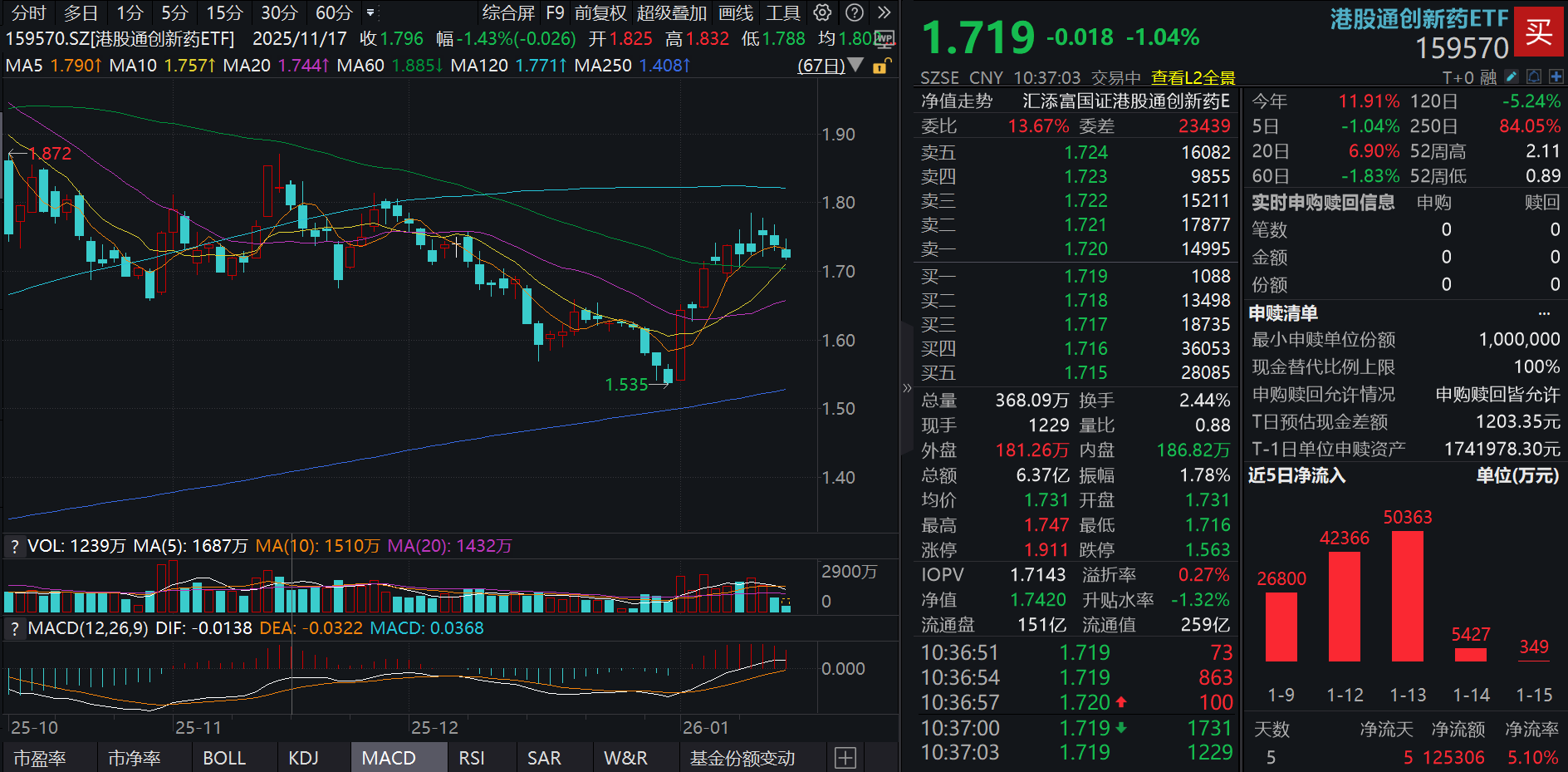
中国创新药企闪耀JPM大会,哪些新药值得关注?港股通创新药ETF(159570)跌逾1%,资金快速涌入,近5日“吸金”超12亿元!
Xin Lang Cai Jing· 2026-01-16 02:54
Group 1 - The core viewpoint of the news highlights the performance and trends of the Hong Kong innovative drug sector, particularly focusing on the Hong Kong Stock Connect Innovative Drug ETF (159570), which has seen significant capital inflow and is leading in scale among similar funds [1][2] - The 44th JPMorgan Healthcare Conference showcased several Chinese innovative pharmaceutical companies, emphasizing trends in gene and cell therapy, as well as AI in medicine, indicating a shift from "assets being bought" to "global value" for Chinese innovations [1][2] - The innovative drug sector is expected to reach new highs due to various catalysts, including the significant valuation gap between China and the US, ongoing business development (BD) transactions, and low current allocation of pharmaceutical theme funds in the market [2] Group 2 - Major stocks within the Hong Kong Stock Connect Innovative Drug ETF mostly experienced declines, with notable drops exceeding 1% for companies like BeiGene, China Biologic Products, and others, while CSPC Pharmaceutical showed a slight increase [2][3] - Key innovative drugs presented at the JPMorgan Conference include BeiGene's CDK4 products and the first BCL2 inhibitor approved in China, which highlights the competitive landscape and advancements in treatment options for various cancers [5][6] - The collaboration between Rongchang Biopharmaceutical and AbbVie on the PD-1/VEGF dual antibody RC148 is a significant development, with potential milestone payments and royalties, showcasing the growing internationalization of Chinese innovative drugs [9][10]
1月16日重要公告一览
Xi Niu Cai Jing· 2026-01-16 02:51
Group 1 - Zhongyuan Neipei plans to acquire 59% stake in Zhongyuan Jikean for 143 million yuan, making it a wholly-owned subsidiary [1] - HNA Holding reports a 2.8% year-on-year increase in passenger transport volume for December 2025, with international passenger transport volume up by 21.95% [2] - Haolai Ke expects a net profit decrease of 75.16% to 83.23% for 2025, projecting a profit of 13.5 million to 20 million yuan [3] Group 2 - Chengdu Investment Holdings reports a 71.41% year-on-year decrease in signed sales amount for Q4 2025, totaling 2.318 billion yuan [4] - Zhong Rare Metals signs a strategic cooperation agreement with Xian Dao Group to enhance market share in rare metals [5] - Bofei Electric plans to invest 23.38 million yuan in Haining Qiyuan alongside its controlling shareholder [6] Group 3 - Rongchang Bio plans to increase the maximum repurchase price to 116 yuan per share [7] - Filihua's controlling shareholders and executives plan to reduce their holdings by up to 1.05% of the company's shares [8] - Jiu Zhi Tang's general manager plans to reduce holdings by up to 2% of the company's shares [10] Group 4 - Aerospace Development's controlling shareholder reduced 12.26 million shares during stock trading fluctuations [11] - Nong Shang Environment's subsidiary faces delays in a computing infrastructure project due to funding issues [12] - Xinhua Department Store denies rumors of injecting semiconductor assets into the company [13] Group 5 - Jin Ao Bo expects a net profit increase of 40.24% to 59.58% for 2025, projecting a profit of 174 million to 198 million yuan [21] - Zhejing Pharmaceutical receives approval for clinical trials of ZGGS18 and ZG005 for advanced solid tumors [22] - Guangdong Hongtu anticipates a net profit decrease of 7.99% to 17.87% for 2025, projecting a profit of 341 million to 382 million yuan [23] Group 6 - Aijian Group expects to report a net loss for 2025 [24] - Shuangliang Energy also anticipates a net loss for 2025 [25] - Jia Mei Packaging announces early redemption of convertible bonds due to stock price conditions [26] Group 7 - Jindao Technology plans to issue convertible bonds to raise up to 306 million yuan for various projects [27] - Xinlei Co. extends the lock-up period for shares held by its controlling shareholder and actual controllers until January 19, 2027 [28] - Genesis expects a net profit decrease of 30% to 45% for 2025, projecting a profit of 131 million to 166 million yuan [29] Group 8 - Defu Technology plans to repurchase shares for employee stock ownership plans, with a budget of 75 million to 150 million yuan [30] - Huasheng Tiancheng states that AI-related revenue is currently a small portion of overall revenue [32] - Hongchuan Wisdom's shareholder plans to reduce holdings by up to 2% of the company's shares [33] Group 9 - Century Huatong's subsidiary plans to invest 50 million yuan in a financial development fund [34] - Liou shares will be suspended for trading due to significant stock price fluctuations [35] - Golden Dragon Fish plans to transfer stakes in two subsidiaries to Mars China for a total of 60 million USD [36] Group 10 - Mountain Outside Mountain's shareholder plans to reduce holdings by up to 1% of the company's shares [37] - Keheng Co. plans to sign a cooperation framework agreement with Gree Supply Chain for procurement [38] - Tian Sheng New Materials announces a change in actual controller and resumes trading [40] Group 11 - Xinghua New Materials plans to acquire at least 51% of Tian Kuan Technology for cash [41] - Rongbai Technology continues to delay responses to the Shanghai Stock Exchange's inquiries, leading to ongoing stock suspension [42] - Longxin Zhongke's shareholders plan to reduce holdings by up to 3.03% of the company's shares [43]


荣昌生物涨超5% 近日与艾伯维就RC148达成独家授权许可 短期对同靶点产品影响有限
Zhi Tong Cai Jing· 2026-01-16 02:21
Core Viewpoint - Rongchang Biologics (09995) has seen a stock increase of over 5%, currently trading at 98.1 HKD with a transaction volume of 137 million HKD, following the announcement of an exclusive licensing agreement with AbbVie for RC148, which includes an upfront payment of 650 million USD and potential milestone payments of up to 4.95 billion USD, along with a double-digit percentage sales royalty [1] Group 1 - Rongchang Biologics has entered into an exclusive licensing agreement with AbbVie for RC148, granting AbbVie exclusive rights for development, production, and commercialization outside Greater China [1] - The upfront payment from AbbVie is 650 million USD, with potential milestone payments reaching up to 4.95 billion USD [1] - The agreement includes a tiered sales royalty, which is expected to contribute to Rongchang's revenue [1] Group 2 - According to the report from CMB International, the immediate impact of this transaction on similar target products is considered limited due to the first-mover advantage of companies like Kangfang Biologics and 3SBio in clinical progress [1] - CMB International is optimistic about the overseas registration progress of TaiTasiP and VidiCimab by 2026, as well as the advancement of early-stage products in more indications [1] - The revenue forecast for Rongchang Biologics for 2026 to 2027 has been raised, with the target price increased to 136 HKD [1]