
复旦大学

Search documents
弯折、拉伸都不怕!我国科学家实现芯片领域新突破
Huan Qiu Wang Zi Xun· 2026-01-22 05:59
团队开发了与目前光刻工艺有效兼容的制备路线。他们首先采用等离子体刻蚀技术,将弹性高分子表 面"打磨"至低于1纳米的粗糙度,有效满足商业光刻要求。随后,在弹性高分子表面沉积一层致密的聚 对二甲苯膜层,为电路披上一层"柔性铠甲"。这层保护膜不仅可以有效抵御光刻中所用极性溶剂对弹性 基底的侵蚀,还能缓冲电路层受到的应变,确保纤维芯片在反复弯折、拉伸变形后,电路层结构和性能 依然稳定。 来源:科技日报 卢力媛 科技日报记者 王春 智能设备的柔性化始终卡在一个关键瓶颈:作为"大脑"的芯片,长久以来都是硬质的。复旦大学彭慧 胜/陈培宁团队成功在弹性高分子纤维内部,构建出大规模集成电路,研发出全新的"纤维芯片",为解 决柔性化难题提供了新的有效路径。这项成果于1月22日发表在国际期刊《自然》上。 该设计使纤维内部的空间得到极致利用,实现了一维受限尺寸内的高密度集成。 该成果有望为纤维电子系统的集成提供新的路径,有望实现从"嵌入"到"织入"的转变,助力脑机接口、 电子织物、虚拟现实等新兴领域的变革发展。 供图:复旦大学 海报制作:杨凯 王程玥 ...
中国科学家全球首创“纤维芯片”
Di Yi Cai Jing Zi Xun· 2026-01-22 05:30
Core Insights - Fudan University has developed a "fiber chip" that integrates large-scale circuits into elastic polymer fibers, breaking away from traditional silicon-based chip paradigms [2][4] - The fiber chip offers comparable information processing capabilities to classic commercial chips while maintaining flexibility, adaptability to complex deformations, and the ability to be woven, potentially transforming industries such as brain-machine interfaces, electronic textiles, and virtual reality [4][7] Application Scenarios - The fiber chip aims to eliminate reliance on external rigid signal processing modules in fiber electronic systems, addressing the challenges of complexity and instability in circuit connections [5][7] - In brain-machine interfaces, the fiber chip can integrate sensing, signal processing, and stimulation output functions within a fiber as thin as a hair, demonstrating flexibility and biocompatibility comparable to brain tissue [7][8] - In electronic textiles, the fiber chip enables the creation of fully flexible, breathable electronic fabric systems without the need for external processors, allowing for dynamic pixel displays [7][8] Performance and Development - The fiber chip exhibits superior flexibility, capable of withstanding bending, stretching, and twisting, and remains functional after exposure to washing, temperature variations, and pressure [10] - The development of the fiber chip involves interdisciplinary collaboration across materials science, electronics, and medicine, supported by a comprehensive research platform at Fudan University [10][11] - Future research aims to enhance the integration density and information processing performance of the fiber chip, with a focus on scaling production and application in various fields [10][11]

中国科学家全球首创“纤维芯片”
第一财经· 2026-01-22 05:25
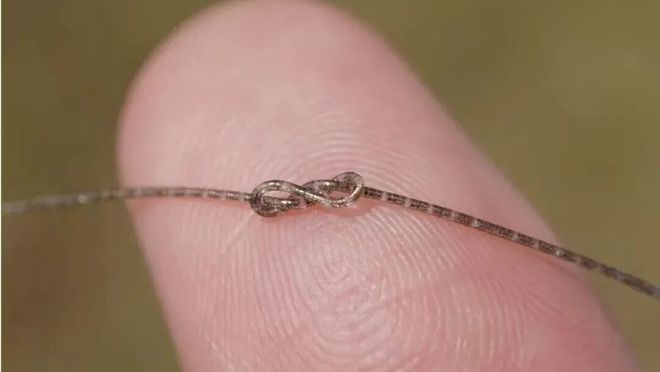
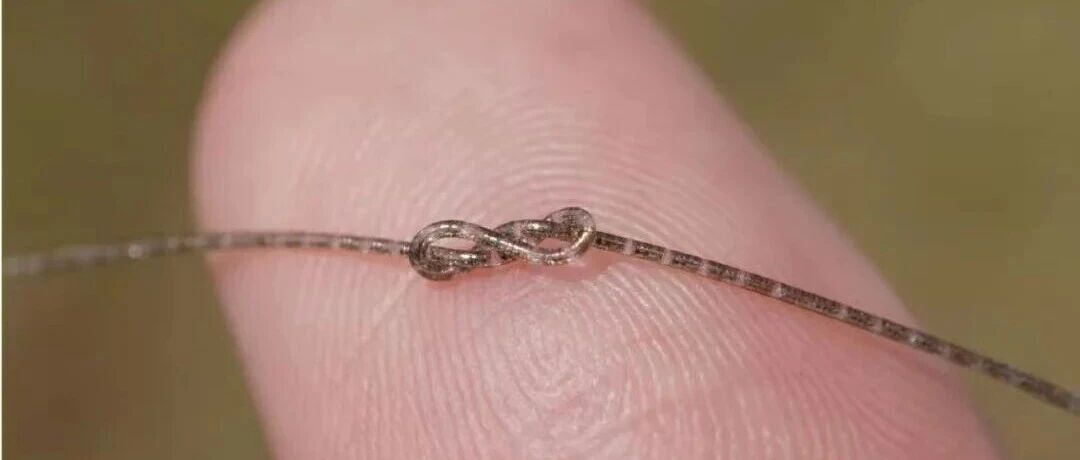
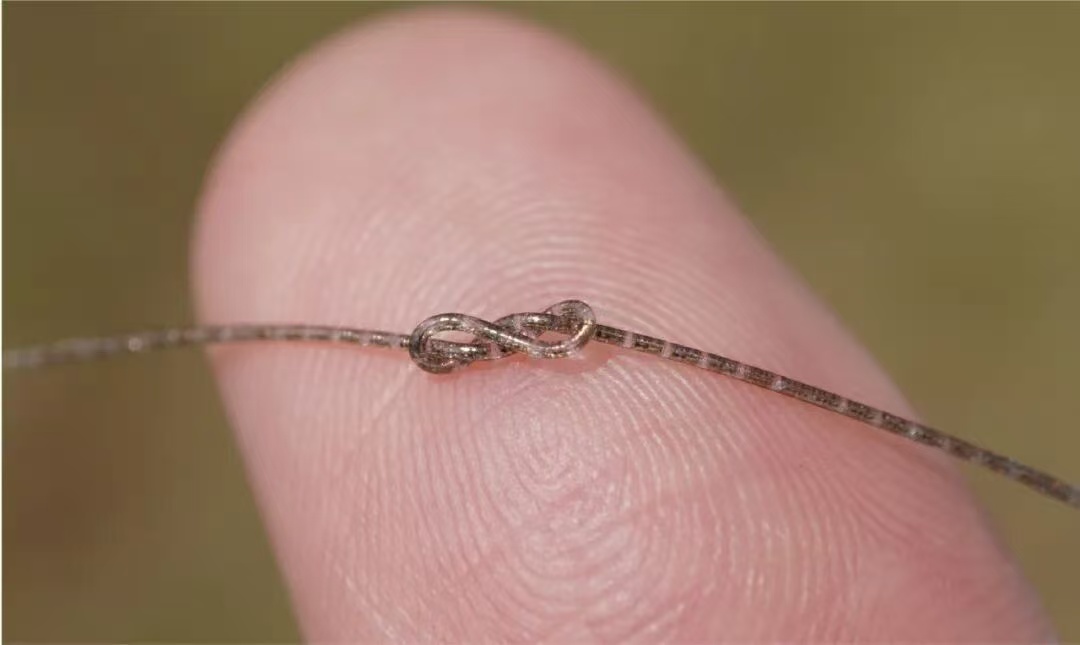
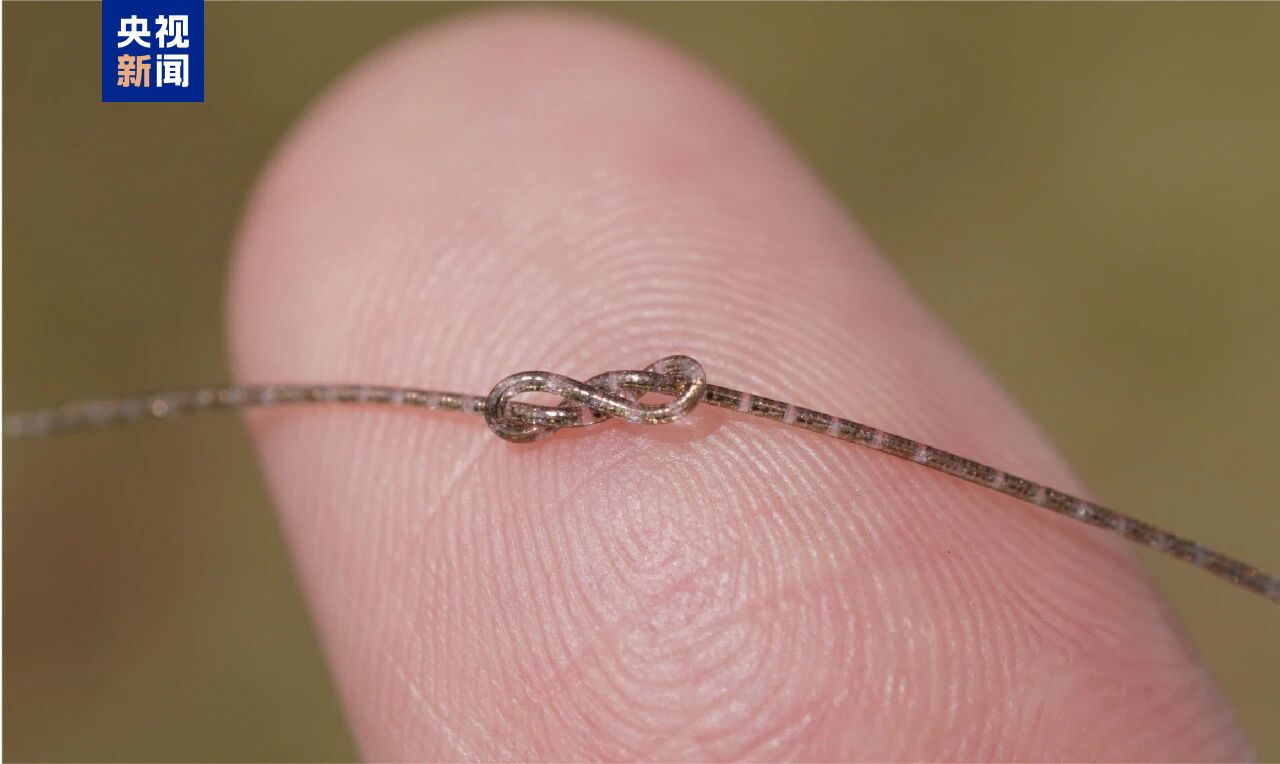
2026.01. 22 本文字数:2127,阅读时长大约4分钟 作者 | 第一财经 金叶子 如何在纤维上实现高效信息处理功能,但又不影响纤维器件柔软、适应复杂形变、可编织等本征特性,复旦大学团队的最新成果为纤维器件实现 规模应用提供可能。 1月22日凌晨,复旦大学彭慧胜/陈培宁团队的研究成果在《自然》主刊发布,该成果突破传统芯片集成电路硅基研究范式,率先通过设计多层 旋叠架构,在弹性高分子纤维内实现了大规模集成电路(简称"纤维芯片")。 ▲ 柔软的"纤维芯片"在手指上打结。受访团队供图 "纤维芯片"信息处理能力与一些经典的商业芯片相当,且具有高度柔软、适应拉伸扭曲等复杂形变、可编织等独特优势,有望为脑机接口、电子 织物、虚拟现实等新兴产业变革发展提供有力支撑。 "我们并不是要取代现有的芯片,而是希望面向一些新兴领域应用场景,提供一个可能的新路径。"复旦大学纤维电子材料与器件研究院/高分子 科学系教授、论文通讯作者陈培宁对第一财经记者说道,他们的纤维芯片有望能做一些传统芯片过去不太容易做到的事情。 陈培宁介绍,连接传统硬质芯片电路的纤维系统,穿戴起来舒适性较差,整个电路连接也不稳定,所以团队就想把信息处理模块也 ...
中国科学家全球首创“纤维芯片” 对现有芯片有何影响
Di Yi Cai Jing· 2026-01-22 04:44
如何在纤维上实现高效信息处理功能,但又不影响纤维器件柔软、适应复杂形变、可编织等本征特性,复旦大学团队的最新成果为纤维器件实现规模应用提 供可能。 1月22日凌晨,复旦大学彭慧胜/陈培宁团队的研究成果在《自然》主刊发布,该成果突破传统芯片集成电路硅基研究范式,率先通过设计多层旋叠架构,在 弹性高分子纤维内实现了大规模集成电路(简称"纤维芯片")。 "纤维芯片"信息处理能力与一些经典的商业芯片相当,且具有高度柔软、适应拉伸扭曲等复杂形变、可编织等独特优势,有望为脑机接口、电子织物、虚拟 现实等新兴产业变革发展提供有力支撑。 "我们并不是要取代现有的芯片,而是希望面向一些新兴领域应用场景,提供一个可能的新路径。"复旦大学纤维电子材料与器件研究院/高分子科学系教 授、论文通讯作者陈培宁对第一财经记者说道,他们的纤维芯片有望能做一些传统芯片过去不太容易做到的事情。 陈培宁介绍,连接传统硬质芯片电路的纤维系统,穿戴起来舒适性较差,整个电路连接也不稳定,所以团队就想把信息处理模块也做成纤维形态。从2020年 起,他们在研发织物显示器件的同时,同步启动"纤维芯片"的攻关。 在电子织物领域,电子织物被认为是可穿戴设备的终极发 ...
中国科学家全球首创“纤维芯片”,对现有芯片有何影响
Di Yi Cai Jing· 2026-01-22 04:36
做一些传统芯片过去不太容易做到的事情 如何在纤维上实现高效信息处理功能,但又不影响纤维器件柔软、适应复杂形变、可编织等本征特性,复旦大学团队的最新成果为纤维器件实现规模应用提 供可能。 1月22日凌晨,复旦大学彭慧胜/陈培宁团队的研究成果在《自然》主刊发布,该成果突破传统芯片集成电路硅基研究范式,率先通过设计多层旋叠架构,在 弹性高分子纤维内实现了大规模集成电路(简称"纤维芯片")。 "纤维芯片"信息处理能力与一些经典的商业芯片相当,且具有高度柔软、适应拉伸扭曲等复杂形变、可编织等独特优势,有望为脑机接口、电子织物、虚拟 现实等新兴产业变革发展提供有力支撑。 "我们并不是要取代现有的芯片,而是希望面向一些新兴领域应用场景,提供一个可能的新路径。"复旦大学纤维电子材料与器件研究院/高分子科学系教 授、论文通讯作者陈培宁对第一财经记者说道,他们的纤维芯片有望能做一些传统芯片过去不太容易做到的事情。 陈培宁介绍,连接传统硬质芯片电路的纤维系统,穿戴起来舒适性较差,整个电路连接也不稳定,所以团队就想把信息处理模块也做成纤维形态。从2020年 起,他们在研发织物显示器件的同时,同步启动"纤维芯片"的攻关。 "纤维芯片" ...
未来衣服会“思考”?会“计算”的新型纤维问世
Jing Ji Guan Cha Wang· 2026-01-22 03:34
Core Insights - A breakthrough in fabric technology has been achieved by Fudan University, creating a new type of fiber that integrates high-density microcircuits, enabling garments to have computing capabilities [1][3] - The innovative "spiral stacking" design allows for the integration of thousands of tiny electronic components within a soft fiber, making it compatible with existing chip technology for scalable production [3][4] Group 1: Fiber Characteristics - The new fiber is exceptionally soft and can be bent, tied, stretched, and even withstand pressure from heavy vehicles while maintaining functionality [3] - It features a closed-loop system that integrates sensing, power supply, information processing, and display capabilities, allowing it to operate independently [3] Group 2: Application Prospects - In the medical field, this technology can be used to create ultra-fine, soft brain-machine interface probes with good biocompatibility for stable long-term neural signal collection and processing [4] - In the wearable sector, it enables the production of truly soft, breathable "smart clothing" that can display patterns or sense external information [4] - In virtual reality, gloves made from this fiber can more realistically simulate the sensation of touching objects, enhancing the immersive experience [4] Group 3: Future Development - The research team has validated the feasibility of large-scale production of this technology and is working towards practical applications, which could provide critical support for industry transformation [4]
“纤维芯片”来了
财联社· 2026-01-22 03:26
据 科技日报, 智能设备的"柔性化"始终卡在一个关键瓶颈:作为"大脑"的芯片,长久以来都是硬质的。 复旦大学彭慧胜/陈培宁团队成功 在弹性高分子纤维内部,构建出大规模集成电路,研发出全新的"纤维芯片",为解决"柔性化"难题提供了新的有效路径。 这项成果于1月 22日发表在国际期刊《自然》上。 图为成卷的"纤维芯片"。复旦大学供图 "纤维芯片"虚拟现实应用示意图和实物图。复旦大学供图 然而,在柔软、易变形的纤维中制造高精度电路,难度无异于在"软泥地"里盖高楼。为此,团队开发了与目前光刻工艺有效兼容的制备路 线。他们首先采用等离子体刻蚀技术,将弹性高分子表面"打磨"至低于1纳米的粗糙度,有效满足商业光刻要求。随后,在弹性高分子表面 沉积一层致密的聚对二甲苯膜层,为电路披上一层"柔性铠甲"。这层保护膜不仅可以有效抵御光刻中所用极性溶剂对弹性基底的侵蚀,还能 缓冲电路层受到的应变,确保纤维芯片在反复弯折、拉伸变形后,电路层结构和性能依然稳定。 相关制备方法可与目前成熟的芯片制造工艺有效兼容,为其从实验室走向规模化制备和应用奠定了坚实基础。 该成果有望为纤维电子系统的集成提供新的路径,有望实现从"嵌入"到"织入"的转变 ...

复旦大学启动《中国历史地图集》修订工作
Ren Min Ri Bao· 2026-01-22 02:22
Core Viewpoint - The revision of the "China Historical Atlas," initiated under the leadership of the late historian Tan Qixian, aims to update this essential scholarly resource, reflecting advancements in historical geography, archaeology, and related fields since its first publication in 1982 [1]. Group 1: Project Overview - The revision work of the "China Historical Atlas" has been launched in Shanghai and is expected to take ten years to complete [1]. - The project will utilize the latest national basic geographic information data as a base map for rigorous verification and supplementation [1]. Group 2: Content Enhancements - The updated atlas will include new content related to the origins of early Chinese civilization and a volume on the "Republic of China period" [1]. - The project aims to create an intelligent platform to offer an online version of the atlas [1]. Group 3: Academic and Educational Goals - Fudan University will treat this revision as a leading project to strengthen the construction of new liberal arts, aiming to produce high-quality academic and educational outcomes [1]. - The initiative emphasizes a rigorous academic attitude and innovative spirit to create a work that honors the past, the present, and the nation [1].
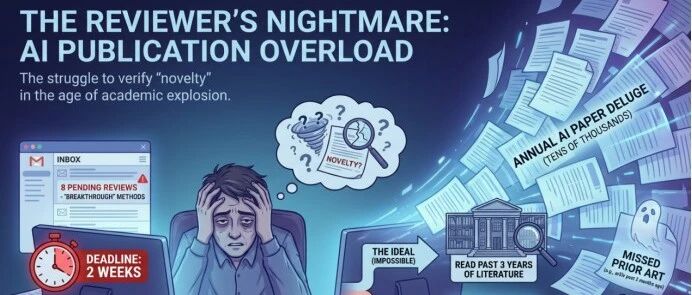
你的论文有novelty吗?复旦搞了个顶会论文查新系统
机器之心· 2026-01-19 03:51
Core Viewpoint - The article discusses the development of OpenNovelty, an automated novelty analysis system designed to enhance the academic review process by providing verifiable evidence for claims of novelty in research papers [4][25]. Group 1: System Overview - OpenNovelty is a collaboration between Fudan University's NLP research team and the academic search platform WisPaper, aimed at addressing the challenges of assessing novelty in academic submissions [4]. - The system emphasizes the need for verifiable evidence when judging the novelty of a paper, requiring that any claim of insufficient novelty be supported by traceable evidence from published literature [7][25]. Group 2: Analysis Process - The analysis process consists of four steps: 1. Core information extraction from the paper's title, abstract, and introduction [9]. 2. Literature retrieval and filtering to generate a candidate set of relevant papers [11]. 3. Hierarchical analysis and evidence comparison to assess the novelty claims [14]. 4. Generation of a novelty investigation report that consolidates findings and provides traceable evidence [20][21]. Group 3: System Functionality - The system utilizes a query expansion mechanism to generate multiple semantically equivalent variations of extracted information, ensuring comprehensive literature retrieval [7]. - It categorizes the comparison results into three outcomes: can refute, cannot refute, and unclear, based on the evidence found [15][17][19]. Group 4: Impact and Utility - OpenNovelty serves as an auxiliary tool for reviewers, helping them navigate the literature landscape and focus on critical aspects of the review process [26]. - For authors, it acts as a self-check tool to verify the novelty of their research and identify any overlooked relevant literature [27]. - The system aims to provide a verifiable path for novelty assessment, enhancing accountability in academic publishing [27]. Group 5: Limitations and Future Directions - The team acknowledges the system's limitations, emphasizing that it is a supportive tool rather than a decision-making entity, with final judgments still resting with human reviewers [29][30]. - OpenNovelty is positioned as a third-party auditing system, intended to clarify evidence during the final decision-making phase of the review process [31].
全国政协常委周汉民:中国企业全球化正经历从“走出去”到“走进去”的新阶段
Zhong Guo Jing Ying Bao· 2026-01-18 15:36
Group 1 - The annual meeting of Fudan University EMBA Alumni Association highlighted the theme "Economic Stability and Reform Breakthroughs" presented by Zhou Hanmin, emphasizing the development path for macroeconomics and technological innovation during the 14th Five-Year Plan [1] - Zhou pointed out that high-level openness should focus on five capabilities: institutional openness, supply chain governance, technological innovation openness, digital trade development, and participation in global governance [1] - Chinese enterprises are transitioning from "going out" to "going in," seeking symbiotic relationships in different civilizational and institutional contexts, reflecting China's institutional openness [1] Group 2 - Fudan University and the University of Washington's Foster School of Business EMBA program ranked first globally in the Financial Times 2025 EMBA rankings, while Fudan University's EMBA program ranked in the top eight globally and has maintained the top position among Chinese programs for four consecutive years [2]