Manus

Search documents
公司卖了7亿,员工一年实现财富自由
首席商业评论· 2026-01-18 04:41
Core Insights - The article discusses the acquisition of AI startup Torch by OpenAI for over $100 million, highlighting the significance of talent in the current AI landscape [5][7][14] - Torch, founded just a year ago, focuses on consolidating medical data for AI applications, and its entire four-member team will join OpenAI [7][8] - The acquisition reflects a broader trend of tech giants competing fiercely for top AI talent, with significant financial incentives being offered [15][16] Group 1: Acquisition Details - OpenAI has completed the acquisition of Torch, integrating it into its ChatGPT Health division, with a total deal value exceeding $100 million [7] - Approximately $60 million of the acquisition will be paid immediately, while the remainder will serve as retention incentives for the team [7] - Each founding member of Torch is estimated to receive around $25 million from the deal [7] Group 2: Torch's Background and Technology - Torch's product aims to centralize medical information from various sources, making it accessible for AI analysis and user-friendly insights [8] - The startup was founded by Ilya Abyzov and three other core members after the previous venture, Forward, faced operational challenges and ultimately ceased operations [10][12] - Torch's approach is more focused and pragmatic compared to Forward, emphasizing the utility of AI in managing healthcare data without the complexities of hardware or clinic operations [12] Group 3: Talent Competition in AI - The article highlights a competitive environment for AI talent, with significant acquisitions like Meta's purchase of Manus and Nvidia's acquisition of Groq, indicating a trend of high-value talent acquisitions [14][15] - The scarcity of top-tier AI professionals has led to unprecedented compensation packages, with reports of offers exceeding $1 million for graduates from top universities [15] - The article notes a shift towards younger Chinese scientists and entrepreneurs taking central roles in shaping the future of AI [15]


吃尽中国红利,却卸磨杀驴投靠美国,商务部出手,被查一点都不冤
Sou Hu Cai Jing· 2026-01-17 13:44
Group 1 - The acquisition of Manus by Meta, valued at $2 billion, has been put on hold due to an investigation by the Chinese Ministry of Commerce regarding technology exports [1][3][30] - Manus, originally founded in Wuhan, moved its headquarters to Singapore to facilitate the sale of its core assets to a U.S. company, a move that has raised regulatory concerns [1][5][8] - The term "Singapore laundering" is used in the industry to describe the practice of changing a company's registration to appear more international, which is seen as a strategy to evade regulatory scrutiny [8][10] Group 2 - The data used to train AI models by Manus is primarily sourced from Chinese local scenarios and user information, which requires regulatory approval for export [12][10] - The transfer of key technical personnel to Singapore is viewed as a physical relocation of core technology, raising alarms about potential violations of regulations [12][14] - The halted acquisition reflects a broader trend where technology is no longer just a commercial asset but also a matter of national security, complicating cross-border transactions [24][30] Group 3 - Meta's acquisition was initially seen as a strategic move to acquire a top AI team and technology, but the regulatory investigation has introduced significant risks, potentially affecting payment terms and negotiations [18][20] - The situation serves as a cautionary tale for tech companies attempting to shortcut regulations, emphasizing the importance of compliance in global operations [26][30] - The incident highlights the shift in industry dynamics where compliance capabilities are becoming a core asset for companies looking to expand internationally [26][30]

吃尽中国红利,转头投靠美国,现在被查真不冤
Sou Hu Cai Jing· 2026-01-17 06:43
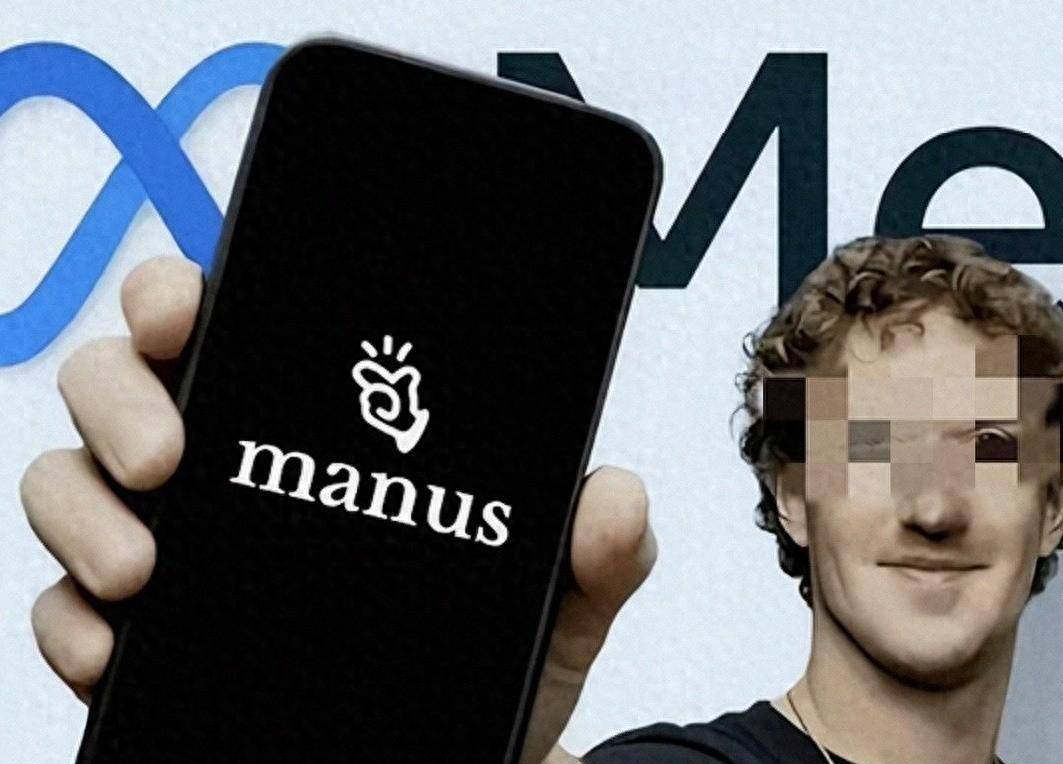
Core Viewpoint - Manus, a company originating from Wuhan, is under formal investigation by the Chinese Ministry of Commerce for attempting to sell its technology to Meta while severing ties with its Chinese roots, raising concerns about ethical practices and national security [1][10][39]. Company Background - Manus was founded by Xiao Hong, a graduate of Huazhong University of Science and Technology, with its early team based in Beijing and Wuhan [1]. - The company relied heavily on Chinese talent, data, and market conditions to develop its core AI technology, which includes a significant amount of training data sourced from Chinese users [1][4]. Business Operations - Manus announced a relocation to Singapore in June 2025, rebranding as Butterfly Effect Pte, which was seen as a drastic move to erase its Chinese identity [4][6]. - The company laid off a large number of non-core employees, retaining only about 40 engineers who possess critical technology [5][6]. Regulatory Concerns - The Chinese government has tightened export controls on AI technologies, particularly those developed within its borders, which Manus failed to comply with during its acquisition process [11][12][10]. - The Ministry of Commerce's investigation into Manus was triggered by its attempt to transfer technology without proper export licensing, violating Chinese regulations [9][10][39]. Strategic Implications - The acquisition by Meta, valued at $2 billion, is seen as a potential transfer of critical AI capabilities that could enhance Meta's competitive position against other tech giants [9][13]. - Manus's actions are viewed as a significant risk to China's strategic interests in AI, as it could lead to a loss of talent and technology to foreign competitors [12][18][39]. Industry Impact - Manus's case serves as a warning to other AI companies about the importance of adhering to national regulations and maintaining ethical standards in global operations [34][39]. - The incident highlights the ongoing competition between China and the U.S. in the AI sector, emphasizing the need for a balance between innovation and regulatory compliance [41].
消灭产品经理后,Lovart活成了Manus的“影子”
3 6 Ke· 2026-01-16 12:47
Core Insights - The article discusses the journey of Lovart, a company that faced significant challenges but managed to turn around its fortunes through innovation and strategic positioning in the AI landscape. It highlights the importance of long-term vision over short-term gains in the tech industry [1][2]. Company Overview - Lovart's founder, Chen Mian, experienced a critical phase where the company had only 4,000 yuan in cash and faced product setbacks, including unexpected removals from platforms [1]. - The company saw a significant turnaround in May 2025, with a surge in interest and user applications following the launch of a new product, indicating a shift from a struggling startup to a recognized player in the AI space [2]. Market Positioning - Lovart's strategy focuses on integrating complex workflows rather than just content generation, positioning itself as a tool for professionals rather than casual users [3][8]. - The company aims to build a "creative operating system" that leverages deep industry knowledge, moving away from traditional product management roles to emphasize expertise in specific fields [6][7]. Competitive Landscape - Lovart's emergence coincides with the rise of AI agents, with the company benefiting from the groundwork laid by earlier innovators like Manus, which validated market demand for AI tools [11][12]. - The company has captured a significant share of the U.S. market, with one-third of its users and revenue coming from this region, reflecting a successful international strategy [12]. Financial Performance - Lovart's daily active users (DAU) are stable at around 200,000, with an annual recurring revenue (ARR) projected to reach $30 million, showcasing a strong financial model [12]. - The company is seen as a viable investment opportunity amid a cooling venture capital environment, as it demonstrates cash flow and market traction [12]. Challenges and Future Outlook - Despite its success, Lovart faces challenges in adapting its overseas strategies to the domestic market, where it launched a local version of its product but struggled with market penetration [13][17]. - The company must navigate the complexities of the domestic market, which is characterized by intense competition and differing user expectations compared to its overseas operations [17][18]. - Lovart's future success will depend on its ability to evolve from a tool-focused approach to a more comprehensive delivery-driven model, addressing the needs of a broader user base [22][24].

开年的AI狂欢,是利好还是隐忧?
3 6 Ke· 2026-01-16 11:45
Core Insights - The article discusses the significant role of AI in the financial sector, emphasizing that failure to launch AI products that generate profits for clients could be detrimental for financial professionals in 2026 [1] - The current investment climate is favorable for AI, with notable companies like Meta acquiring AI firms, leading to a surge in interest across various industries [1][3] - Despite the hype, the actual penetration of AI in most industries remains low, typically between 10% and 30%, indicating that many sectors are still in the early stages of AI adoption [3][4] Industry Analysis - The AI frenzy has led to a proliferation of vertical applications, which may obscure essential technological breakthroughs necessary for industry advancement [4][6] - The competitive landscape for new technologies is intense, with historical examples illustrating that initial competition can lead to significant challenges for innovators [6][8] - Open-source models like Llama and DeepSeek are disrupting traditional closed-source models, making it harder for companies to monetize new technologies effectively [7][9] Market Sentiment - There is a dichotomy in sentiment towards AI, with industry participants feeling the pressure of rapid changes while observers exhibit enthusiasm despite the lack of immediate profits [8][10] - The fear of missing out (FOMO) is prevalent, with some experts suggesting that AI could represent a new type of bubble, akin to historical financial bubbles [9][10] - The current AI landscape is characterized by lower leverage compared to previous technological bubbles, which may mitigate some risks associated with over-speculation [11] Recommendations for Engagement - Ordinary individuals are advised to engage with AI technologies within their capabilities, focusing on personal experience and understanding rather than speculative investments [12][13] - Emphasizing the importance of high-quality information sources, the article suggests that understanding the broader context of AI, including its integration with other technologies, is crucial for informed participation [12][13] - The potential benefits of AI extend beyond financial returns, offering opportunities for efficiency improvements and new career possibilities for individuals [13]
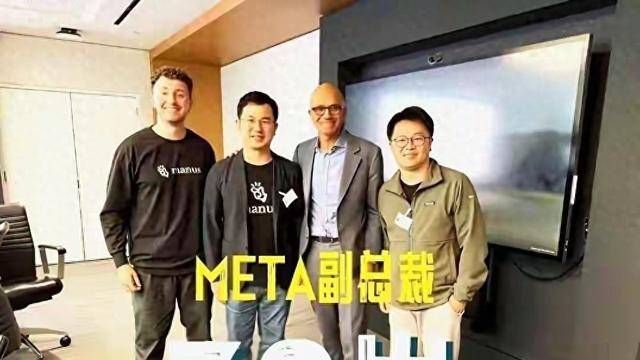
33岁天才的惊人逆袭:从江西小镇到Meta副总裁,肖弘如何用AI Agent赚取百亿身家?
创业家· 2026-01-15 11:16
Core Viewpoint - The article highlights the remarkable journey of Red Xiao, founder of Manus, who successfully navigated the AI landscape, culminating in a $2 billion acquisition by Meta, marking a significant milestone for Chinese AI companies in overseas acquisitions [3][26]. Group 1: Early Influences and Education - Red Xiao, known as a "computer genius," began his journey by writing software reviews on a popular tech blog, which honed his analytical skills and user perspective [6][7]. - His exposure to Bitcoin during university shaped his understanding of decentralization and long-term thinking, influencing his future decisions in the tech industry [8]. Group 2: Entrepreneurial Ventures - After graduating, Xiao founded Wuhan Nightingale Technology, creating successful products within the WeChat ecosystem, which taught him to identify user pain points and achieve commercial success [12]. - The success of his products, such as the YiBan Assistant and WeiBan Assistant, provided him with critical insights into user retention and monetization strategies [12]. Group 3: Transition to AI - In 2022, recognizing a paradigm shift with the emergence of ChatGPT, Xiao pivoted from his previous ventures to focus entirely on AI, founding "Butterfly Effect" [14]. - His first AI product, Monica, was a browser plugin that leveraged existing technologies to quickly validate market demand and user engagement [15]. Group 4: Manus Development - Manus was developed with a unique architecture combining large models and cloud virtual machines, allowing it to perform complex tasks beyond traditional chatbots [17]. - The company achieved an annual recurring revenue (ARR) of $125 million within just nine months of its launch, showcasing its rapid growth and market acceptance [19]. Group 5: Strategic Decisions - Manus adopted a "pragmatic technology" approach, utilizing third-party models instead of developing its own, focusing on product innovation and user value [20]. - The decision to launch internationally from the outset allowed Manus to access a broader market and valuable feedback, which was crucial for its growth [21]. - The company employed a "zero marketing budget" strategy, relying on product quality and word-of-mouth for growth, which allowed for reinvestment in computational resources [22]. Group 6: Acquisition by Meta - Meta's acquisition of Manus addressed its strategic needs, providing a solution to its competitive challenges in AI and allowing it to leverage Manus's established product-market fit [28]. - For Manus, the acquisition was a strategic exit, providing access to vast resources and a platform to continue its mission of developing general artificial intelligence [30]. Conclusion - Red Xiao's journey exemplifies a new archetype for entrepreneurs in the AI era, emphasizing the importance of understanding technology, product philosophy, and strategic decision-making [32].

公司卖了7亿,员工一年实现财富自由
投资界· 2026-01-15 08:28
四个人,公司卖了7亿 。 作者/王露 报道/投资界PEdaily 又一场AI造富神话。 成立仅一年、产品尚处内测、用户数未披露——AI初创公司To r c h却以超1亿美元(约 合7亿元人民币)的价格被Op e nAI收购了。 令 人 意 外 的 是 , To r c h 团 队 只 有 四 个 人 , 其 中 还 有 一 位 华 人 面 孔 , 将 全 员 加 入 Op e nAI。粗略计算,人均回报约2 5 0 0万美元,早期投资人亦全身而退。 尤为引人注目的是,To r c h仅成立短短一年。公司产品是一款应用程序,旨在把用户分 散在医院、实验室、可穿戴设备和消费级检测机构的医疗健康信息集中到同一处,形成 可供AI调用的个人医疗档案。 简单来说,To r c h会基于用户上传的病历、检查报告及问诊内容进行分类整理,并将晦 涩的医学术语转化为通俗表述,提炼关键信息,并在多源数据中识别趋势与潜在关联, 最 终 输 出 更 易 理 解 , 也 更 具 可 执 行 性 的 健 康 洞 察 。 不 过 , To r c h 本 身 依 赖 包 括 Op e nAI 在内的大模型底层支持,目前产品仍处于小范围内测阶 ...

智谱与MiniMax港股上市、巨头加速收购新势力...2026 AI 世界的开年大戏正在上演
3 6 Ke· 2026-01-15 07:19
Core Insights - The AI sector witnessed significant developments in 2025, highlighted by the launch of the DeepSeek-R1 model, which achieved over 22.15 million daily active users within 21 days, sparking widespread AI adoption during the Chinese New Year [1] - Major transactions included Meta's acquisition of Manus for between $2 billion and $3 billion, and the IPOs of Chinese AI unicorns Zhiyuan and MiniMax on the Hong Kong Stock Exchange, marking them as the first and second publicly listed companies in the global large model space [1] Group 1: Manus and Meta - Manus, founded by Xiao Hong, initially gained attention with a successful test video and $75 million in funding, but faced challenges including layoffs and a potential crisis before being acquired by Meta [4][6] - Xiao Hong will take on a significant role at Meta, focusing on AI strategy and product development, following Meta's history of acquiring key talent in the AI field [6][10] - Meta's strategy appears to be shifting towards commercialization, as evidenced by the acquisition of Manus and the integration of its team into Meta's AI initiatives [11][12] Group 2: Zhiyuan and MiniMax IPOs - Zhiyuan, a project stemming from Tsinghua University, successfully transitioned from academic research to commercial success, becoming the first independent company to develop a large model with over 1 trillion parameters [15][16] - MiniMax, founded by former SenseTime executive Yan Junjie, focuses on multi-modal AI models and has attracted significant investment from major gaming companies, positioning itself as a key player in the AI landscape [17][18] - Both companies' IPOs reflect a broader trend of AI firms seeking to capitalize on their technological advancements and market potential, despite facing challenges such as legal disputes over intellectual property [19][20]

这款开源神器,直接复刻了价值 20 亿美刀的 Manus
菜鸟教程· 2026-01-15 03:30
Core Insights - Manus achieved over $100 million in ARR within just eight months of its official launch in March 2025, accumulating millions of users with its AI agents capable of performing complex tasks beyond simple conversational responses [3]. Group 1: Manus Development and Success - The development logic of Manus has been summarized, highlighting its rapid growth and user adoption [3]. - The success of Manus is attributed to its focus on "context engineering," utilizing Markdown files as a persistent memory system to manage information effectively [9][10]. Group 2: Planning-with-Files Plugin - The open-source project "planning-with-files" replicates Manus's core workflow and gained over 7,500 stars shortly after its launch [5]. - Planning-with-files is a Claude Code plugin that restructures workflows through persistent Markdown files for task planning, progress tracking, and knowledge storage [7]. Group 3: Challenges in AI Tools - Common issues with AI tools like Claude Code include memory loss, goal drift, implicit errors, and context overload, which can hinder task execution [11]. - To address these challenges, the planning-with-files plugin introduces a structured approach to task management, including error logging and progress tracking [14][20]. Group 4: Key Features and Automation - The plugin automates several processes, such as creating task plans, updating findings, and validating task completion through a series of hooks [14][20]. - Key rules ensure that the AI does not overlook tasks, including mandatory updates to findings after specific actions and error logging to prevent repeated mistakes [14][20].

Meta收购Manus:一场价值数十亿美元的“阳谋”
Sou Hu Cai Jing· 2026-01-15 02:47
Core Insights - Meta announced the acquisition of the core development team of AI company Manus for several billion dollars, marking it as the third-largest acquisition in Meta's history, following WhatsApp and Scale AI [1] - The acquisition was completed efficiently in a short timeframe, with Manus founder Xiao Hong joining Meta as Vice President, while the team will operate independently and integrate with Meta's Llama model technology [1][3] - Meta's CEO Mark Zuckerberg expressed long-term interest in Manus's product progress and acknowledged its technical achievements in AI task execution [1] Company Development - Manus launched its "general AI agent" product in March 2025, gaining market attention for its ability to handle complex tasks, leading to a surge in user engagement [3] - Despite initial success, Manus faced discussions regarding its technical path and pricing strategy, which caused fluctuations in user scale after entering public service in May 2025 [3] - By the end of 2025, Manus achieved an annual recurring revenue of over $100 million within eight months of launch, with a market valuation of $2 billion prior to the acquisition [3] Industry Trends - The acquisition reflects the intensifying global competition for AI talent, with Manus's core team recognized for their technical innovation and ability to attract international tech companies [4] - The narrowing technological gap in AI model development among countries highlights the importance of talent resources as a key competitive advantage [4] - The acquisition of Manus serves as a case study for global operations of tech teams and raises questions about creating attractive environments for innovative talent in frontier technologies [4][5] - As AI competition enters a new phase, similar technology integrations and talent movements are expected to continue, significantly impacting the global tech industry landscape [5]